
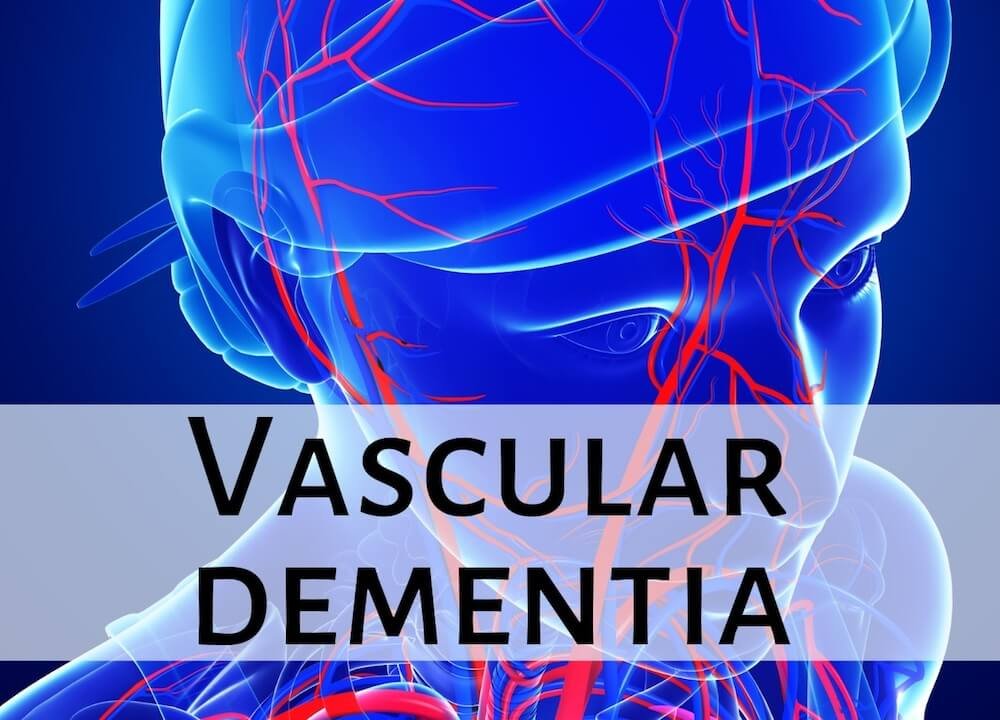
Vascular dementia is a type of dementia caused by conditions that damage blood vessels or reduce blood flow and oxygen to the brain.
It can affect memory, planning, judgment, concentration, language, behavior and the ability to carry out everyday activities.
Vascular dementia is generally considered the second most common type of dementia after Alzheimer’s disease. However, vascular changes and Alzheimer’s disease can also occur together.
The Alzheimer’s Association explains that some specialists now use the broader term vascular cognitive impairment (VCI) because vascular brain changes can cause a spectrum of cognitive problems ranging from mild impairment to dementia.
Symptoms may begin suddenly after a stroke or develop gradually as small blood vessels in the brain become damaged.
The course can also vary. Some people experience gradual decline, while others have periods of relative stability followed by noticeable changes.
What Causes Vascular Dementia?
Vascular dementia develops when blood vessels in the brain are damaged or when blood flow to areas of the brain is reduced or interrupted.
Brain cells require a continuous supply of oxygen and nutrients. When that supply is disrupted, brain tissue can become damaged.
According to the National Institute on Aging, vascular dementia can be associated with several different types of vascular brain injury, including strokes, disease of the small blood vessels, reduced blood flow and bleeding from damaged blood vessels.
Possible causes include:
- A major stroke
- Multiple smaller strokes or infarcts
- Small vessel disease within the brain
- Bleeding in the brain
- Long-term damage associated with high blood pressure and other cardiovascular conditions
Not everyone who has a stroke will develop dementia.
The effect depends on factors such as the location and severity of the damage, the number of vascular injuries and a person’s existing brain health.
Vascular Dementia Risk Factors
Many of the risk factors for vascular dementia are also risk factors for stroke and cardiovascular disease.
High Blood Pressure
Long-term high blood pressure can damage blood vessel walls and is an important risk factor for both stroke and vascular cognitive impairment.
Managing blood pressure is therefore an important part of protecting both heart and brain health.
Diabetes
Type 2 diabetes can damage blood vessels over time and is associated with an increased risk of stroke and dementia.
High Cholesterol and Atherosclerosis
High levels of LDL cholesterol can contribute to the buildup of plaque in arteries.
Atherosclerosis can narrow blood vessels and interfere with healthy circulation.
Read more about the relationship between cholesterol and dementia.
Smoking
Smoking damages blood vessels and increases the risk of cardiovascular disease and stroke.
Our guide to smoking and dementia looks more closely at the evidence.
Atrial Fibrillation and Heart Disease
Atrial fibrillation is an irregular heartbeat that can increase the risk of blood clots and stroke.
Other forms of cardiovascular disease can also affect vascular health and may contribute to dementia risk.
See our article on heart disease and dementia.
Increasing Age
The likelihood of vascular dementia rises with age, although vascular dementia is not a normal part of aging.
Other Risk Factors
Other factors associated with poorer vascular health can include:
- Physical inactivity
- Being overweight or obese
- Heavy alcohol consumption
- An unhealthy diet
- A previous stroke or transient ischemic attack (TIA)
Some risk factors, such as age and certain genetic conditions, cannot be changed.
Others can be modified.
Managing blood pressure, cholesterol, diabetes and heart conditions, while avoiding smoking and remaining physically active, can reduce the risk of additional vascular damage.
You can read more in our guide to dementia risk factors.
Vascular Dementia Symptoms
Symptoms vary because they depend on which parts of the brain have been affected.
Unlike Alzheimer’s disease, memory loss is not always the most obvious early symptom.
Problems with planning, organization, attention and speed of thinking can be particularly noticeable.
Common vascular dementia symptoms may include:
- Slower thinking
- Difficulty planning or organizing
- Problems concentrating
- Difficulty making decisions or solving problems
- Confusion or disorientation
- Memory problems
- Difficulty finding words or communicating
- Changes in mood or behavior
- Depression or apathy
- Problems walking or maintaining balance
- Difficulty carrying out familiar everyday tasks
- Loss of bladder control in some people
- Hallucinations or delusions in some cases
Symptoms can begin suddenly following a stroke.
In other people, particularly those with small vessel disease, the changes can appear gradually over months or years.
Sudden Symptoms May Be a Medical Emergency
A sudden change in speech, facial movement, strength, vision, balance or thinking may indicate a stroke.
Stroke symptoms can include:
- Sudden weakness or numbness, particularly on one side of the body
- Facial drooping
- Difficulty speaking or understanding speech
- Sudden vision problems
- Sudden loss of balance or coordination
- A sudden severe headache with no obvious cause
These symptoms require urgent medical attention.
Call 911 in the United States, or your local emergency number, if a stroke is suspected.
Types of Vascular Dementia
Vascular dementia is not one single disease process.
Several different patterns of vascular brain injury can lead to cognitive impairment.
Subcortical Vascular Dementia
Subcortical vascular dementia is commonly associated with disease of the small blood vessels deep inside the brain.
These vessels can become narrowed or damaged over time.
The resulting changes may affect the brain’s white matter, which contains pathways that allow different parts of the brain to communicate.
Problems with planning, attention, walking and speed of thinking may be particularly noticeable.
Post-Stroke Dementia
Cognitive impairment can develop after a major stroke.
However, not everyone who experiences a stroke develops dementia.
The American Heart Association notes that cognitive impairment after stroke can range from mild to severe.
Some cognitive difficulties may improve during recovery and rehabilitation, while others may persist.
Single-Infarct and Multi-Infarct Dementia
An infarct is an area of brain tissue damaged because its blood supply has been interrupted.
A strategically located single infarct can sometimes cause significant cognitive problems.
In other cases, repeated smaller strokes or infarcts accumulate over time and produce more widespread damage. This is known as multi-infarct dementia.
Some of these vascular events may occur without dramatic stroke symptoms.
Transient Ischemic Attacks
A transient ischemic attack, or TIA, produces temporary stroke-like symptoms because blood flow to part of the brain is briefly interrupted.
Unlike a stroke, a TIA does not usually leave the same permanent area of brain infarction.
However, a TIA is an important warning sign that a person has vascular disease and an increased risk of a future stroke.
Medical assessment after a suspected TIA is therefore important.
Mixed Dementia
Vascular brain changes commonly occur alongside other causes of dementia.
A person may have both vascular dementia and Alzheimer’s disease. This is often called mixed dementia.
Modern research increasingly recognizes that cognitive decline in older adults can involve more than one disease process.
The American Heart Association’s updated 2026 scientific statement emphasizes the interaction between vascular disease, aging and other brain pathologies.
How Does Vascular Dementia Progress?
There is no single progression pattern that applies to everyone with vascular dementia.
Some people experience a gradual decline.
Others have a more stepwise progression, where abilities remain relatively stable for a period and then decline following another vascular event.
Symptoms can also temporarily improve after a stroke as the person recovers and participates in rehabilitation.
Although people often talk about early, middle and late stages of vascular dementia, these stages are a practical way of describing increasing support needs rather than a rigid medical sequence.
Early Stage
Early changes may include:
- Slower thinking
- Difficulty planning or organizing
- Problems concentrating
- Mild changes in mood
- Difficulty with complex tasks such as managing finances
A person may still live independently but benefit from help with more complicated activities.
Middle Stage
As impairment increases, a person may need more help with daily life.
Memory, communication, mobility, judgment and behavior may become more affected.
Additional support at home may be needed.
Later Stage
In later vascular dementia, cognitive and physical difficulties can become severe.
A person may need assistance with eating, dressing, washing, mobility and other daily activities.
The amount and type of care required depends on the individual rather than on a fixed timetable.
How Is Vascular Dementia Diagnosed?
There is no single test that can diagnose vascular dementia.
Diagnosis normally combines information from several sources.
A healthcare professional may consider:
- The person’s symptoms and how they affect daily life
- Medical history, including strokes and cardiovascular disease
- Information from family members or others who know the person well
- Cognitive and memory testing
- A physical and neurological examination
- Blood tests to investigate other possible causes of cognitive symptoms
- A review of medications
- Brain imaging such as an MRI or CT scan
Brain imaging is particularly useful because it may reveal previous strokes, small vessel disease, white matter changes or other vascular damage.
However, a scan alone does not diagnose dementia.
The findings need to be considered alongside symptoms, cognitive testing and medical history.
Depending on the situation, assessment may involve a neurologist, geriatrician, psychiatrist, neuropsychologist or other healthcare professionals.
See our guide to cognitive tests for dementia for more information.
Vascular Dementia Prognosis
It is difficult to predict exactly how vascular dementia will progress in an individual.
Factors that influence prognosis can include:
- Age
- The amount and location of vascular brain damage
- Whether further strokes occur
- Heart and blood vessel health
- Diabetes and other medical conditions
- Mobility and general physical health
- Whether Alzheimer’s disease or another dementia is also present
Vascular dementia can shorten life expectancy, but there is no single reliable number that applies to everyone.
Some people live for many years after diagnosis.
Preventing further strokes and managing cardiovascular disease are important because additional vascular injury can worsen both physical and cognitive health.
Read more about vascular dementia prognosis.
Vascular Dementia Treatment
There is currently no cure for vascular dementia and no treatment that can reverse brain tissue that has already been permanently damaged.
Treatment therefore focuses heavily on preventing additional vascular injury and helping the person manage existing symptoms.
Managing Vascular Risk Factors
A healthcare professional may recommend treatment for conditions such as:
- High blood pressure
- High cholesterol
- Diabetes
- Atrial fibrillation
- Other cardiovascular disease
Medications used to reduce the risk of blood clots or strokes may be appropriate for some people, depending on their medical history.
These drugs should only be taken when prescribed for the individual’s circumstances.
Lifestyle Measures
Healthy lifestyle measures may help protect cardiovascular health and reduce the risk of additional vascular injury.
These can include:
- Stopping smoking
- Being physically active where medically appropriate
- Eating a balanced diet
- Maintaining a healthy weight
- Limiting excessive alcohol intake
- Keeping diabetes, cholesterol and blood pressure well managed
These measures cannot reverse established dementia.
Their main role is to support vascular health and reduce the likelihood of further damage.
Medication for Cognitive Symptoms
The U.S. Food and Drug Administration has not approved a medication specifically for vascular dementia.
Medicines commonly used for Alzheimer’s disease are not routinely appropriate for everyone with pure vascular dementia.
However, they may sometimes be considered when a person also has Alzheimer’s disease or when a specialist believes there may be a potential benefit.
Treatment decisions should be individualized.
For more detail, see our guide to vascular dementia treatment.
Rehabilitation and Supportive Therapies
Rehabilitation can be particularly important after a stroke.
Depending on the person’s needs, this may include:
- Physiotherapy for movement, strength and balance
- Occupational therapy to support independence in everyday activities
- Speech and language therapy for communication or swallowing problems
- Cognitive stimulation and meaningful activities
- Psychological support for depression, anxiety or adjustment to diagnosis
Not every therapy is suitable for every person.
The care plan should reflect the individual’s symptoms, abilities, interests and goals.
Can Vascular Dementia Be Prevented?
Not every case can be prevented.
However, because vascular dementia is closely linked to blood vessel and cardiovascular health, there are meaningful opportunities to reduce risk.
The Centers for Disease Control and Prevention identifies high blood pressure, diabetes and high cholesterol among important vascular dementia risk factors.
Ways to support vascular health include:
- Not smoking
- Managing blood pressure
- Managing cholesterol
- Keeping blood sugar within recommended ranges
- Exercising regularly
- Eating a balanced diet
- Maintaining a healthy weight
- Following treatment for atrial fibrillation and other heart conditions
Reducing risk does not guarantee that dementia will be prevented.
However, protecting the heart and blood vessels is one of the most practical ways to support long-term brain health.
What to Do After a Vascular Dementia Diagnosis
Receiving a dementia diagnosis can involve many practical and emotional adjustments.
Useful early steps may include:
Learn About the Condition
Ask healthcare professionals what the diagnosis means in the individual’s particular case.
Because vascular dementia varies widely, understanding the type and extent of vascular damage can help families plan appropriate support.
Plan Ahead
When the person still has the capacity to make decisions, it can be helpful to discuss:
- Future medical care preferences
- Financial arrangements
- Legal documents
- Power of attorney
- Living arrangements
- Who should be involved in important decisions
Early planning can give the person with dementia more opportunity to express their own wishes.
Stay Socially and Physically Active
Where possible, encourage activities the person enjoys.
Regular movement, social connection and meaningful activities can support general wellbeing and quality of life.
Caring for Someone With Vascular Dementia
Care needs will change over time.
Some practical approaches include:
Create Familiar Routines
Predictable routines can make everyday life easier and may reduce confusion or anxiety.
Use Helpful Reminders
Clocks, calendars, written notes, labels and other visual cues can support orientation and independence.
Encourage Independence
Allow the person to continue doing as much as they safely can.
Providing too much assistance too early can unnecessarily reduce independence.
Support Communication
Give the person time to respond.
Use clear language, reduce distractions and avoid rushing them.
Eye contact, facial expressions and reassuring touch can also support communication when words become difficult.
Read more about communication and dementia.
Watch for Changes in Health
A sudden decline should not automatically be assumed to be dementia progression.
Infection, pain, dehydration, medication side effects, delirium or another stroke can cause abrupt changes and may require medical assessment.
For additional practical information for families and caregivers, explore our dementia care resources.
Vascular Dementia: The Bottom Line
Vascular dementia develops when disease or damage involving blood vessels reduces the brain’s healthy blood supply.
It can begin suddenly after a stroke or develop gradually because of small vessel disease and other vascular changes.
Problems with planning, concentration, decision-making and speed of thinking may be especially noticeable, although memory, language, mood, mobility and behavior can also be affected.
The condition does not follow one predictable course.
Some people experience gradual progression, while others have periods of stability interrupted by further vascular events.
There is currently no cure and established brain damage cannot be reversed.
However, treating high blood pressure, diabetes, high cholesterol, atrial fibrillation and other vascular risk factors can help reduce the likelihood of further strokes and additional brain injury.
Good medical care, rehabilitation, meaningful activity and appropriate support can also help people with vascular dementia maintain independence and quality of life for as long as possible.
For more dementia symptoms, diagnosis, treatment and caregiving information, browse the Dementia Resource Library.