Reading to a person with dementia can be a simple and enjoyable way to spend time together, encourage conversation and maintain a connection through familiar stories, pictures and subjects.
A diagnosis of dementia does not necessarily mean that someone has to stop enjoying books. Some people continue reading independently for a long time, while others may prefer shorter stories, picture books, magazines, newspapers, poetry or listening while somebody else reads aloud.
As dementia progresses, the type of reading material and the way it is presented may need to change.
The aim is not to test the person’s memory or reading ability. It is to provide an activity that is meaningful, comfortable and suited to their interests.
In this guide, we look at the possible benefits of reading together, how to adapt reading as dementia progresses, and different types of books and reading material that may be suitable.
Why Reading to a Person With Dementia Can Be Valuable
Reading together can provide more than simply the words on the page.
It can create an opportunity to sit quietly together, share an experience and start conversations about familiar people, places, interests and memories.
The Alzheimer’s Society notes that many people with dementia continue to enjoy books and stories. If longer pieces of writing become difficult to follow, shorter stories, anthologies, audiobooks and reading together may be easier alternatives.
Similarly, Dementia Australia recommends choosing activities that are enjoyable, meaningful and connected to the person’s previous interests.
For someone who has always enjoyed books, reading may remain an important part of their identity.
Reading During Different Stages of Dementia
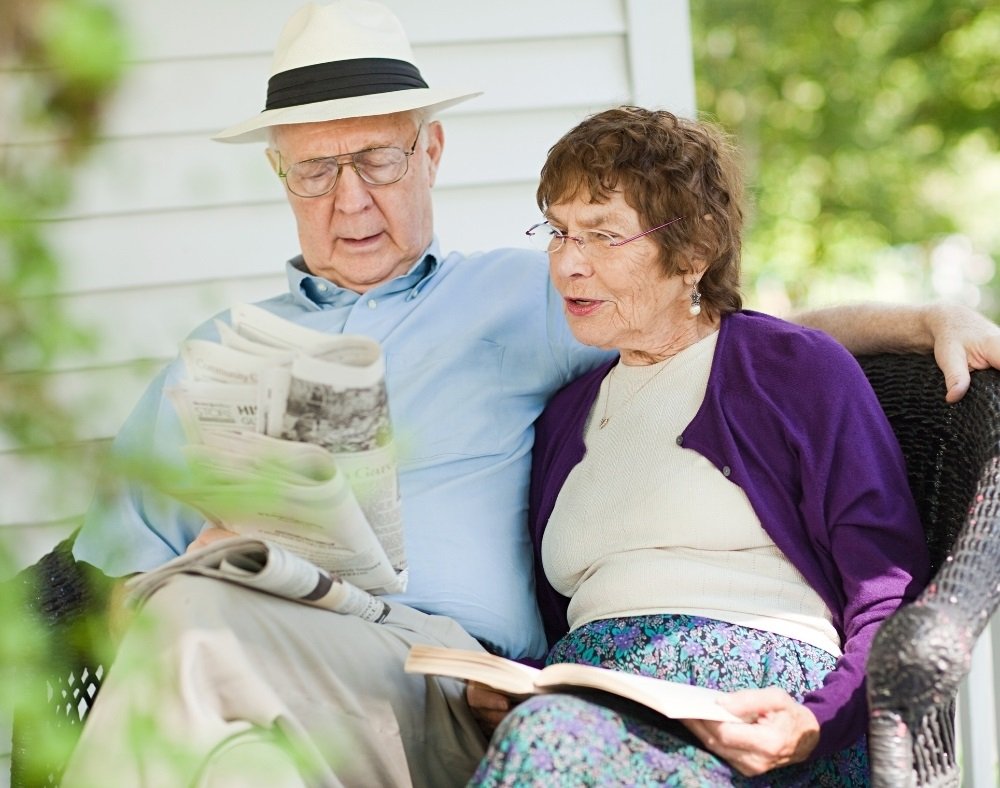
There is no single reading approach that will suit every person with dementia.
Abilities can also change from day to day.
Earlier Dementia
During the earlier stages, many people can continue reading books they have always enjoyed.
They may still enjoy:
- novels
- newspapers
- magazines
- biographies
- poetry
- religious material
- puzzle and activity books
Some people may begin to lose track of complicated plots or forget what happened several pages earlier.
Shorter chapters, short stories and familiar books can sometimes make reading easier.
Large-print books or an e-reader that allows the text size to be increased may also help if eyesight has changed.
Middle Dementia
As concentration and memory become more affected, shorter reading sessions may work better.
Books with photographs, illustrations and familiar topics can provide visual prompts as well as written information.
Instead of expecting the person to read an entire story, you might look at a few pages together and talk about what you see.
For example, a photograph of a beach might lead to a conversation about vacations, fishing, swimming or somewhere the person once lived.
Later Dementia
A person with more advanced dementia may no longer be able to follow a written story, but that does not necessarily mean books have lost their value.
They may still enjoy:
- hearing a familiar story
- listening to poetry
- looking through photographs
- holding a familiar book
- listening to religious readings
- hearing newspaper stories
- sharing a picture book
At this stage, the sound of a familiar voice and the experience of spending time together may be as important as the content itself.
Books Can Help Us Connect

Books can provide a natural starting point for interaction when conversation has become more difficult.
Comfort and Familiarity
Someone who has enjoyed reading throughout their life may continue to find familiar books reassuring.
A favorite novel, cookbook, Bible, poetry collection or photography book may have personal meaning even if the person can no longer read it independently.
Allow the individual to decide how they want to interact with the book.
They might read, listen, turn the pages, study pictures or simply hold it.
Conversation
Books containing photographs and familiar subjects can provide excellent conversation prompts.
Rather than testing the person’s memory by asking:
“Do you remember where this is?”
you could say:
“That looks like a beautiful beach. Did you ever enjoy going to the beach?”
This removes the pressure to produce a correct answer.
You can also use books in a similar way to reminiscence therapy, using familiar subjects to encourage conversation and connection.
Reading can also solve a common problem for family members who are unsure what to do during a visit.
You do not always need to maintain a continuous conversation.
Sitting beside someone and reading a story, looking through a magazine or discussing photographs can create a relaxed shared activity.
Tips for Reading to a Person With Dementia
A few simple changes can make reading more enjoyable.
- Choose a quiet, comfortable area with good lighting.
- Reduce background television, radio and other distractions.
- Choose material connected to the person’s interests.
- Keep reading sessions relatively short if concentration is limited.
- Read slowly and clearly.
- Pause occasionally rather than rushing through the material.
- Allow the person time to comment or ask questions.
- Use pictures and illustrations as conversation starters.
- Do not correct every mistake or forgotten detail.
- Stop or change the activity if the person becomes tired, frustrated or distressed.
The Alzheimer’s Society also suggests audiobooks or having a friend or family member read aloud when independent reading becomes difficult.
What Books Are Good for People With Dementia?

There is no single “best” type of book for dementia.
The person’s previous interests, culture, reading ability and current stage of dementia are more important than their diagnosis alone.
Some people will enjoy traditional novels. Others may respond better to poetry, photography, puzzles, newspapers or familiar religious texts.
The following are some options worth exploring.
Affiliate disclosure: Some of the product links in the tables below are affiliate links. If you purchase something through one of these links, ReaDementia may receive a small commission at no additional cost to you. We only include products and resources that are relevant to the subject of this article.
Poetry
Poetry can work particularly well because poems are usually shorter than novels and do not require the reader to remember a long storyline.
A poem can be read slowly, one section at a time.
Familiar poetry may also encourage memories of school, family life or earlier experiences.
| PRODUCT | PROS/FEATURES | CONS | RATING | CHECK PRICE | |
|---|---|---|---|---|---|
 | A Walk in the Garden | 2-lap book (lays flat) Large print Verses from nature, poetry and scripture 1-sentence text Full color drawings Hard cover | 5 STARS |  |
|
 | Love Poems for the Young at Heart- nostalgic poetry | Large format Designed for dementia Award winning (Dementia Care) 20 poems Full color For adults (not children) | Paperback | No rating |  |
Folk Songs and Traditional Verse
Song lyrics, traditional verses and familiar folk material may bring back memories of childhood, school, community events, religious gatherings or family occasions.
If the person knows the words, reading may naturally turn into singing.
Music itself can also be a meaningful dementia activity. You can read more about music and dementia.
Fairy Tales and Familiar Stories
Familiar stories can be easier to follow than completely new material.
Fairy tales and traditional stories often contain recognizable characters and simple plots.
Books with strong illustrations can also provide something to discuss even if following the written story becomes difficult.
Puzzles and Activity Books
Some people in the earlier stages of dementia continue to enjoy word searches, crosswords, quizzes, drawing or other puzzles.
The difficulty level is important.
An activity that is too difficult may create frustration rather than enjoyment.
Choose something the person can realistically complete and offer help without turning it into a test.
| PRODUCT | PROS/FEATURES | CONS | CUSTOMER RATING | CHECK PRICE | |
|---|---|---|---|---|---|
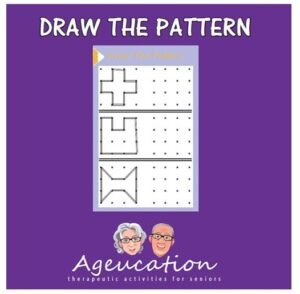 | Draw the Pattern Activity | Wipeable sheets (reuse) Designed for dementia Suit early to middle stage dementia Keeps active for long periods Suitable for visually impaired 10 page book ~ 8.5" x 5.5" Completed with or without supervision | no rating | |
|
 | Snow Queen Magic Painting Book | Suitable for early to middle stage dementia Brush over to bring out colors Mess free activity (no paint) | no rating | |
|
 | Through the Seasons Activity Book | Designed for adults with memory loss Designed by expert (science) Simple & enjoyable Large format Colored pictures Theme- seasons Suitable for early to middle stage dementia | Includes Christmas in winter section (some people may not share beliefs) | 5 STARS | |
 | Strengthen Your Mind Brainstorming Activity Book | Brainstorming activities on variety of topics Answer key Suit early stage dementia Tips given for engagement Reviewed & tested by experts in dementia | no rating | |
|
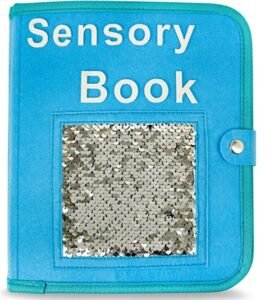 | Strengthen Your Mind Brainstorming Activity Book | Designed for adults with dementia Made from assortment of fabrics Stimulating & therapeutic Engages body & mind Protective cover/case | 4.5 STARS | |
|
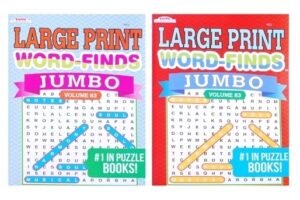 | Large & Giant Word Find Books- set of 4 | Large print Easy to medium skill level 80+ pages Large 8" X 11" format Stimulate the mind | Soft cover format | no rating | |
 | Strengthen Your Mind Brainstorming Activity Book | Interactive memory book Wide variety of games Easy to difficult Imaginative activities Advice for body/mind given 130 puzzles Designed for dementia Science based guidance Dr. Alexis Olson (author)-neuropsychological therapist | Paperback Some print green/brown color- not good for visually impaired | 4.5 STARS | |
 | Brain Games & More Activities of the Mind- set of 4 | Keeps entertained for long periods Good quality Not difficult Nice layout Engaging Inviting colorful illustrations Answer key | Soft cover format | 5 STARS | |
 | Paint With Water Coloring Book- set of 5 | No mess paint Enhances hand coordination Large water pen Bright colors revealed Let dry to erase pictures ( reuse over and over again) Suitable for early to middle stage dementia 5 themes Keeps occupied for long periods | Smallish book | 4.5 STARS | |
Cookbooks
Cookbooks can be particularly useful for people who enjoyed cooking.
Recipes and food photographs can encourage conversations about:
- favorite meals
- family recipes
- celebrations
- foods from childhood
- cooking for children
- traditional or cultural foods
You do not necessarily need to follow the recipe.
Simply looking through the book together may be enough to create an enjoyable conversation.
Magazines and Newspapers
Magazines can be useful because articles tend to be shorter and contain plenty of photographs.
Look for subjects the person has previously enjoyed, such as:
- gardening
- sport
- travel
- cars
- animals
- craft
- food
- history
Newspapers may help some people remain connected with current events.
Older newspapers and magazines can also become useful reminiscence prompts.
| PRODUCT | PROS/FEATURES | CONS | RATING | CHECK PRICE | |
|---|---|---|---|---|---|
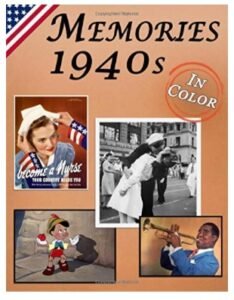 | Memories 1940s for Seniors with Dementia- Mighty OakMemories 1940s for Seniors with Dementia- Mighty Oak Books Books | USA specific Easy to read large print Minimal text Full color 8.5" X 11" Many other similar books to choose (eg: 1950s, movie stars, TV) | 4.5 STARS | |
|
 | Everyday Fashions Depicted in Sears Catalogue | American fashion 40s 50s 60s Suit early to middle dementia | No Rating | |
|
 | 1951950s Memory Lane USA & Britain0s Memory Lane | Large print Suitable for persons with dementia Short easy to follow paragraphs Theme: 1950s USA & Britain 8" X 10" 35 pages | A little crowded More British than USA Black & white images | 4.5 STARS | |
Religious and Spiritual Reading
For someone with a strong religious or spiritual background, familiar prayers, Bible passages, hymns or other religious texts may continue to hold significant personal meaning.
The person’s own beliefs and preferences should always guide this activity.
| PRODUCT | PROS/FEATURES | CONS | RATING | CHECK PRICE | |
|---|---|---|---|---|---|
 | Songs of Faith CD's and Songbook | Large print songbook 25 Christian hymns & music Easy to hear & sing Played in lower keys Uncluttered 8.5" X 11" 32 pages Durable paper Coated cover 2 sets available to purchase | 5 STARS | |
|
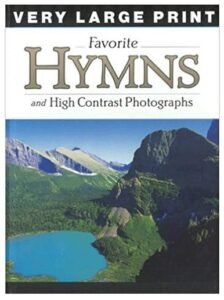 | Favorite Hymns- very large print | Easy to read verses 24 popular hymns Beautifully illustrated Lies flat for easy following 14" X 12" book Suit early to mid dementia | 4.5 STARS | |
|
 | Verses From The Bible- very large print | High contrast color pictures Stained glass illustrations Suit early to mid dementia 14" X 12" Book lies flat when open | 5 STARS | |
Photography Books
Photography books can be particularly useful because they do not rely on long passages of text.
Subjects could include:
- nature
- animals
- local history
- travel
- sport
- cars
- gardening
- famous places
A single photograph may be enough to begin a conversation.
Classic and Familiar Novels
A person who has loved reading may still want to enjoy novels.
Books they have read before can sometimes be easier to follow because the characters and story are already familiar.
Do not assume that dementia means someone should automatically be given children’s books.
Choose material that respects the person’s age, interests and life experience.
| PRODUCT | PROS/FEATURES | CONS | RATING | CHECK PRICE | |
|---|---|---|---|---|---|
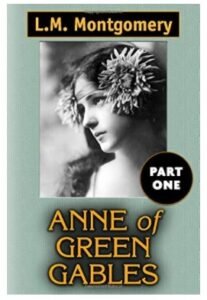 | Anne of Green Gables- Volume 1 | Super large print Designed for low vision readers Easy to read 6" X 9" 480 pages Volumes 2,3,4 also available | Paperback | 4.5 STARS | |
 | Moby Dick White Whale | Hardcover Sea Adventures Large 15pt font 8.25" X 11" 541 pages | Lots of description, making the text quite wordy | 4.5 STARS | |
 | The Complete Little Women | Hardcover 4 novels in 1 book 43 original sketches 6.4" X 9.21" 760 pages | Thick heavy book Some typos Not large print | 4.5 STARS | |
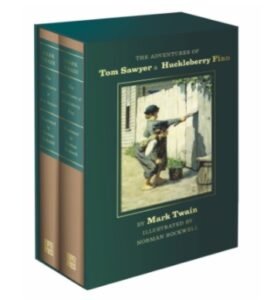 | Hardcover Twin set Many classic illustrations 6.1" X 9.2" 640 pages Excellent quality | Small print | 4.9 STARS | |
Feel-Good Picture Books
Books designed around photographs and simple themes can be useful when longer written material has become difficult.
Subjects such as beaches, gardens, animals, family life and travel may encourage conversation without placing pressure on the person to remember a complicated storyline.
| PRODUCT | PROS/FEATURES | CONS | RATING | CHECK PRICE | |
|---|---|---|---|---|---|
 | Wishing on a Star (suitable for early dementia) | Designed for Alzheimer Flat book for 2-lap reading Colorful & engaging Simple text Familiar images Created for adult audience Hard cover | |
||
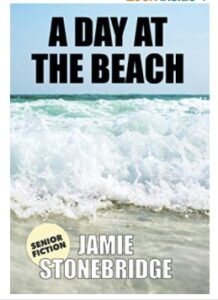 | A Day at the Beach- 6 chapter book | Large print Simple text Happy memories of beach No mention of 'dementia' in text Color photographs Designed for seniors with dementia | 9" X 6" Paperback (small size book) Not a flat book - not easy for lap reading Story may be too simple and short | 4.5 STARS | |
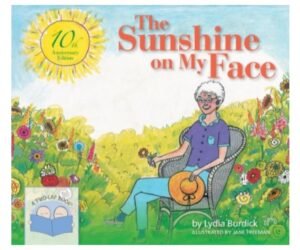 | The Sunshine on My Face- 28 pages (Other books in the series available) | Hard cover Easy to read text Illustrated Pleasant themes Author a clinical psychologist | Does mention 'memory difficulties' in text Text quite short | 4.5 STARS | |
What About Audiobooks?
Audiobooks can be an excellent alternative when reading printed text becomes tiring.
Someone may be able to relax and listen without having to concentrate on individual words on a page.
Familiar narrators, stories or subjects may be particularly enjoyable.
You can also listen together and pause whenever the person wants to comment.
For some people, a combination of an audiobook and the printed book works well because they can follow the pictures or words while listening.
When Reading Is No Longer Enjoyable
Reading should never become something the person feels forced to do.
If they repeatedly appear bored, frustrated, anxious or tired, try a different activity.
Their interests may also change as dementia progresses.
Someone who once loved novels might later prefer photographs, music, gardening or simply sitting outside together.
Dementia Australia emphasizes that activities should be based on what gives the individual meaning, pleasure and confidence rather than what other people believe they ought to be doing.
You can find more ideas in our guide to activities for people with dementia.
Closing Thoughts
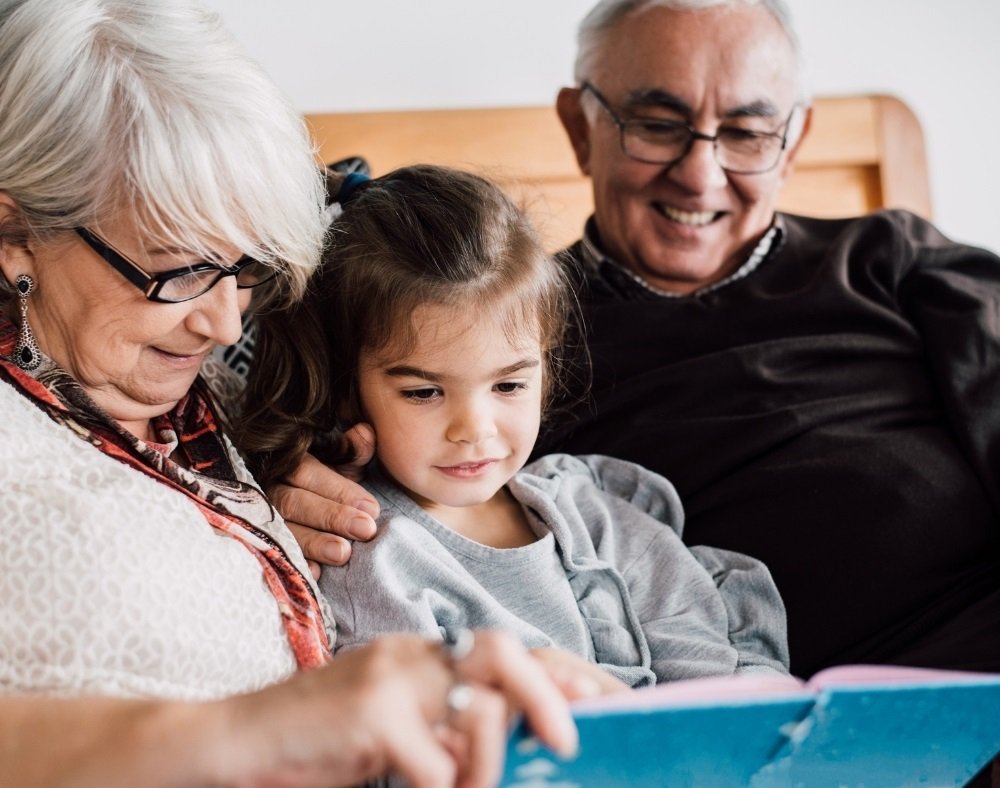
Reading to a person with dementia can provide a simple way to share time, encourage conversation and continue an activity they may have enjoyed throughout their life.
The most appropriate reading material depends on the individual.
Some people may continue enjoying novels and newspapers, while others may prefer poetry, familiar stories, magazines, photographs, religious material or audiobooks.
As dementia progresses, focus less on how much the person can remember and more on whether they are enjoying the experience.
There is no need to finish a chapter, complete a puzzle or remember the name of every person in a photograph.
A few enjoyable minutes spent looking at a favorite book together may be more valuable than completing an activity that has become frustrating.
The goal is connection, dignity and enjoyment.
References and Further Reading
Alzheimer’s Society. Activity Ideas: Books and Stories.
Alzheimer’s Society. Activity Ideas for People With Dementia.