Foods to reverse dementia are frequently searched for by people hoping that changes in diet might restore memory or slow cognitive decline. However, no individual food or diet has been proven to reverse dementia.
What we eat can still matter. Healthy eating patterns may support brain health, cardiovascular health and other conditions linked with dementia risk.
The National Institute on Aging reports that Mediterranean and MIND-style diets have shown potential benefits for cognitive health, although research remains mixed.
For someone already living with dementia, good nutrition is also important for maintaining strength, energy and general health.
Can Foods Reverse Dementia?
At present, the answer is no.
There is no food, supplement or eating pattern proven to reverse Alzheimer’s disease or other common progressive dementias.
This distinction is important because some observational studies have found associations between healthier diets and slower cognitive decline or lower dementia risk. An association, however, does not mean that a particular food can cure or reverse the disease.
Researchers have paid particular attention to the Mediterranean and MIND diets.
The MIND diet combines elements of the Mediterranean diet and DASH diet. It emphasizes vegetables, berries, whole grains, beans, nuts, fish and olive oil while limiting foods high in saturated fat, added sugar and heavy processing.
A large three-year randomized clinical trial of the MIND diet found improvements in cognition among participants following the MIND diet. However, similar improvements occurred in the control group, and the difference between the two groups was not statistically significant.
Therefore, it is more accurate to talk about foods that may support brain health rather than foods that reverse dementia.
9 Brain-Healthy Foods to Include in Your Diet
People searching for foods to reverse dementia should understand that the foods below are not treatments for dementia. Instead, they fit into healthy dietary patterns that emphasize vegetables, whole grains, legumes, fish, nuts and unsaturated fats.
1. Leafy Green Vegetables
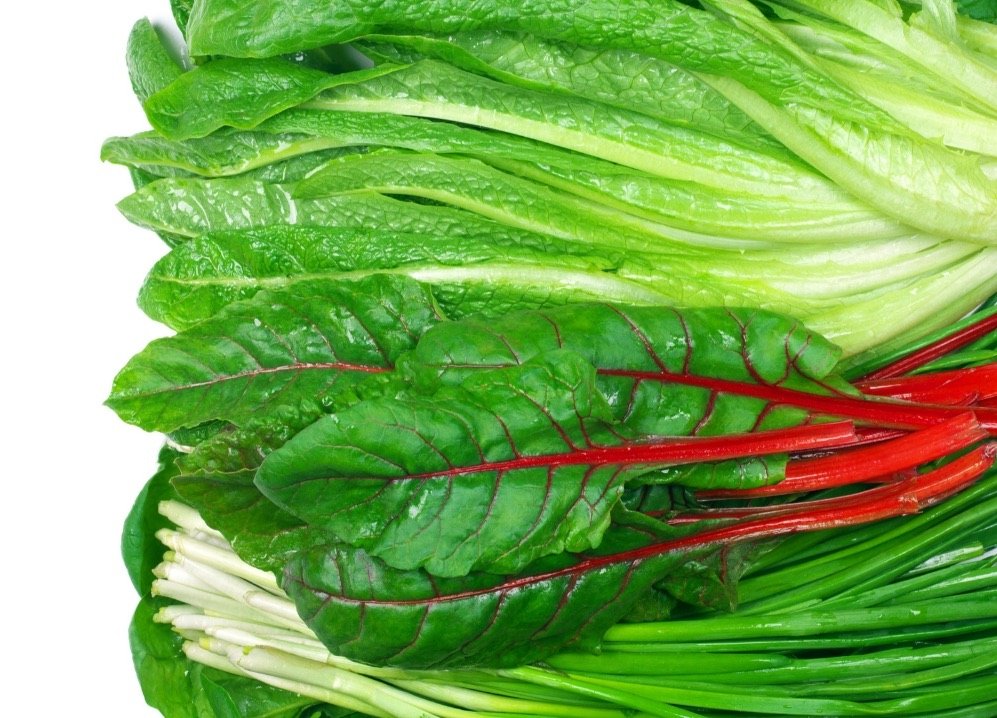
Leafy green vegetables are a central part of the MIND diet.
Examples include:
- Spinach
- Kale
- Romaine lettuce
- Collard greens
- Swiss chard
These vegetables provide nutrients such as folate, vitamin K and carotenoids.
The Alzheimer’s Association currently recommends including leafy greens regularly as part of a diet designed to support brain health.
Observational research has associated greater consumption of leafy green vegetables with slower age-related cognitive decline. This does not prove that leafy greens prevent or reverse dementia, but they are a nutritious addition to an overall healthy diet.
They can be eaten raw in salads or cooked by steaming, roasting or sautéing.
2. Berries

Berries are another food emphasized in the MIND diet.
Blueberries, strawberries, raspberries and blackberries contain plant compounds including flavonoids and other antioxidants.
Studies have found associations between diets containing berries and better cognitive outcomes, although this does not establish berries as a treatment for dementia.
Fresh and frozen berries can both be useful options.
They can be added to oatmeal, yogurt, whole-grain cereal or eaten as a snack.
3. Fish
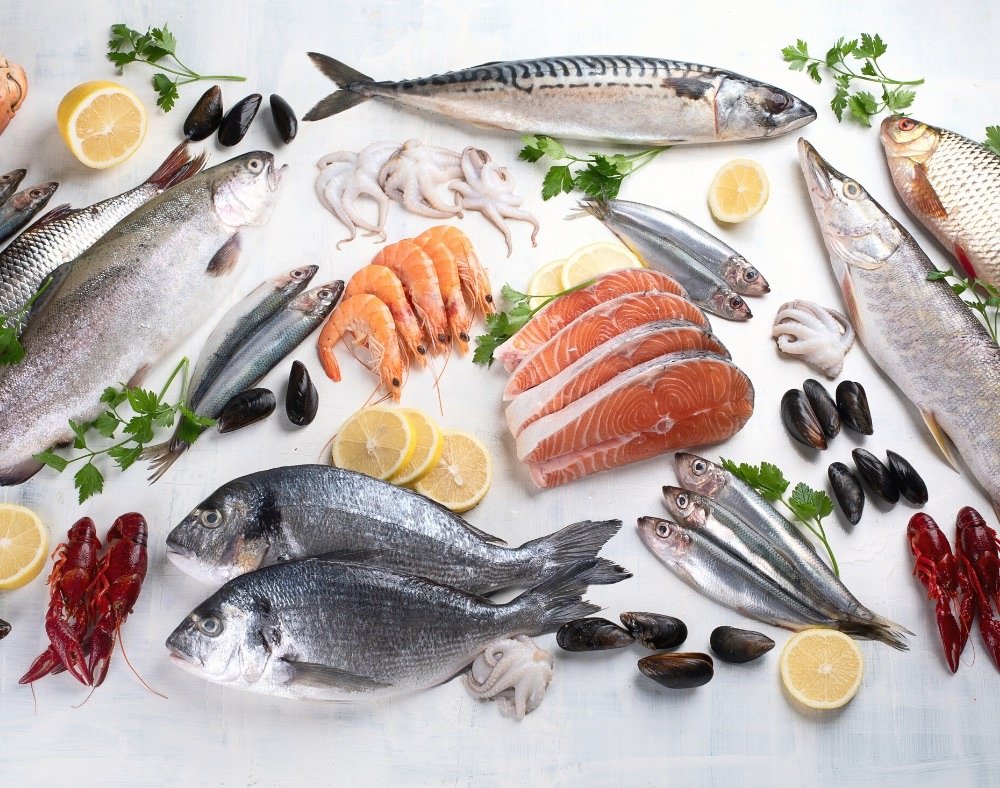
Fish can provide protein and omega-3 fatty acids as part of a heart-healthy and brain-healthy eating pattern.
Examples include:
- Salmon
- Sardines
- Trout
- Herring
- Anchovies
The MIND diet generally includes fish at least once a week.
Omega-3 fatty acids are important components of cell membranes, including those in the brain. Researchers continue to investigate their relationship with cognitive health.
You can read more about omega-3 and dementia.
Fish also provides nutrients such as protein and vitamin B12. Vitamin B12 deficiency can itself cause neurological and cognitive symptoms, which makes adequate intake important. Learn more about vitamin B12 and dementia.
4. Beans and Legumes
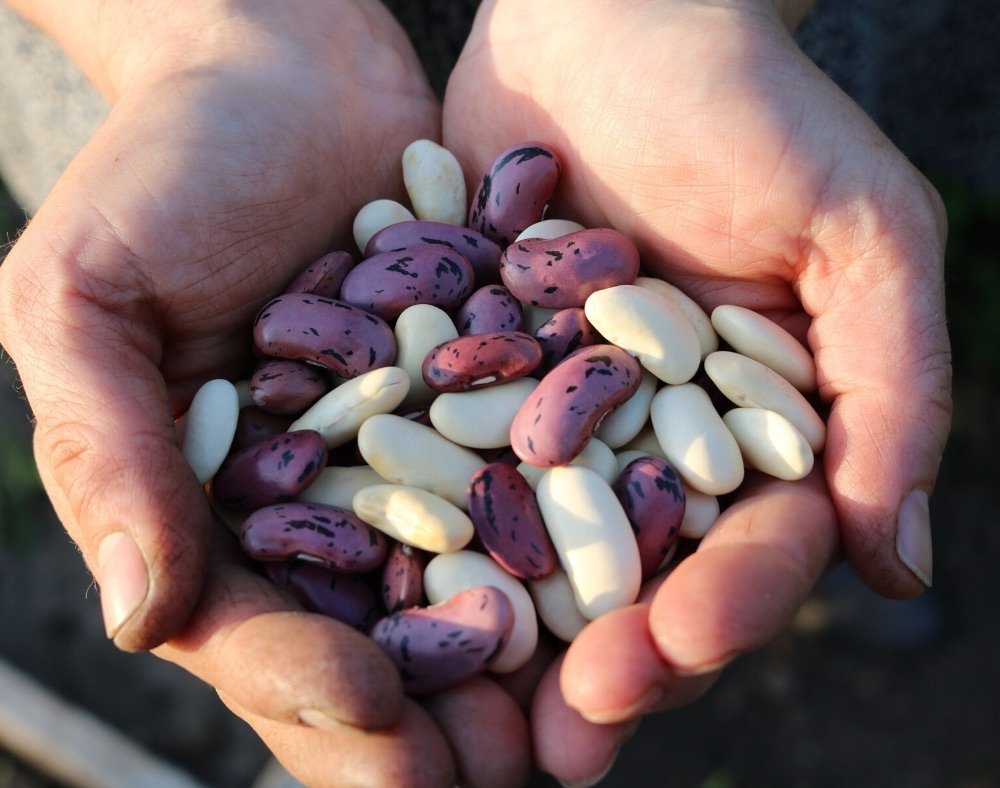
Beans and legumes provide plant protein, fiber, vitamins and minerals.
Examples include:
- Lentils
- Chickpeas
- Black beans
- Kidney beans
- Peas
The MIND eating pattern encourages beans and legumes several times each week.
Their fiber content can also support cardiovascular and metabolic health.
This is relevant because conditions such as high blood pressure, cardiovascular disease and diabetes are associated with an increased risk of cognitive decline and dementia.
Beans can be added to soups, salads, curries and casseroles or used as an alternative to some servings of red or processed meat.
5. Whole Grains
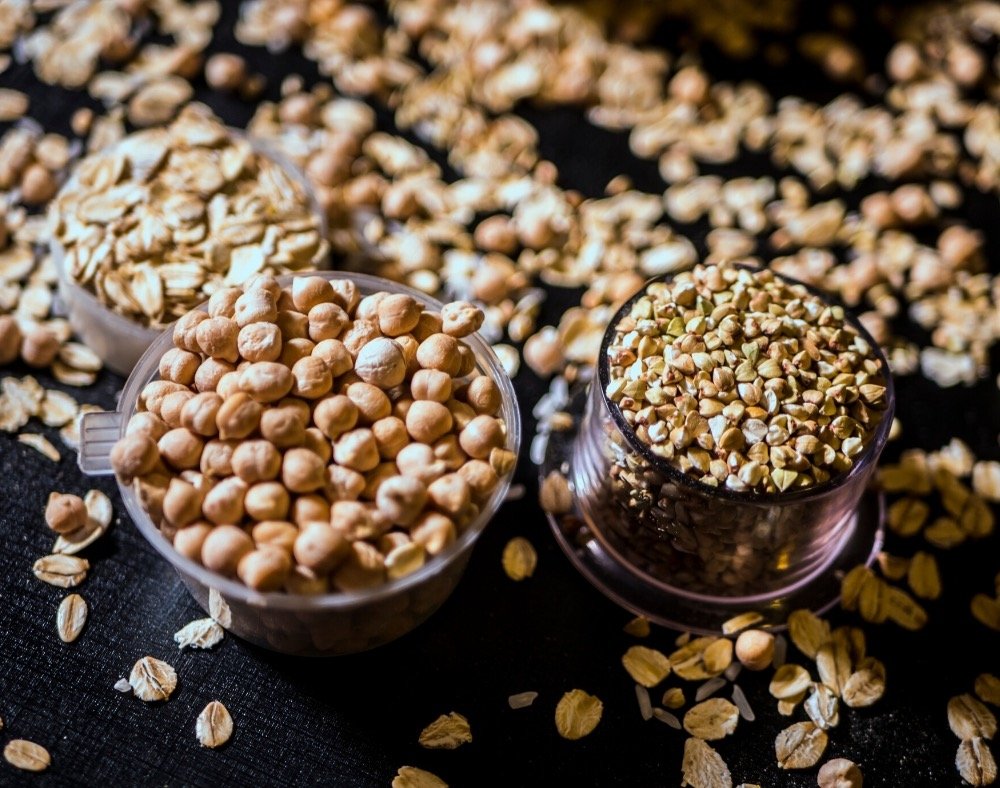
Whole grains are emphasized in Mediterranean, DASH and MIND-style diets.
Options include:
- Oats
- Brown rice
- Barley
- Whole-grain bread
- Quinoa
- Buckwheat
Unlike highly refined grains, whole grains retain more of their fiber and nutrients.
They can form part of a dietary pattern that supports heart and metabolic health, both of which are closely connected with brain health.
Rather than focusing on one particular grain, aim for variety and choose minimally processed whole-grain foods when practical.
6. Nuts
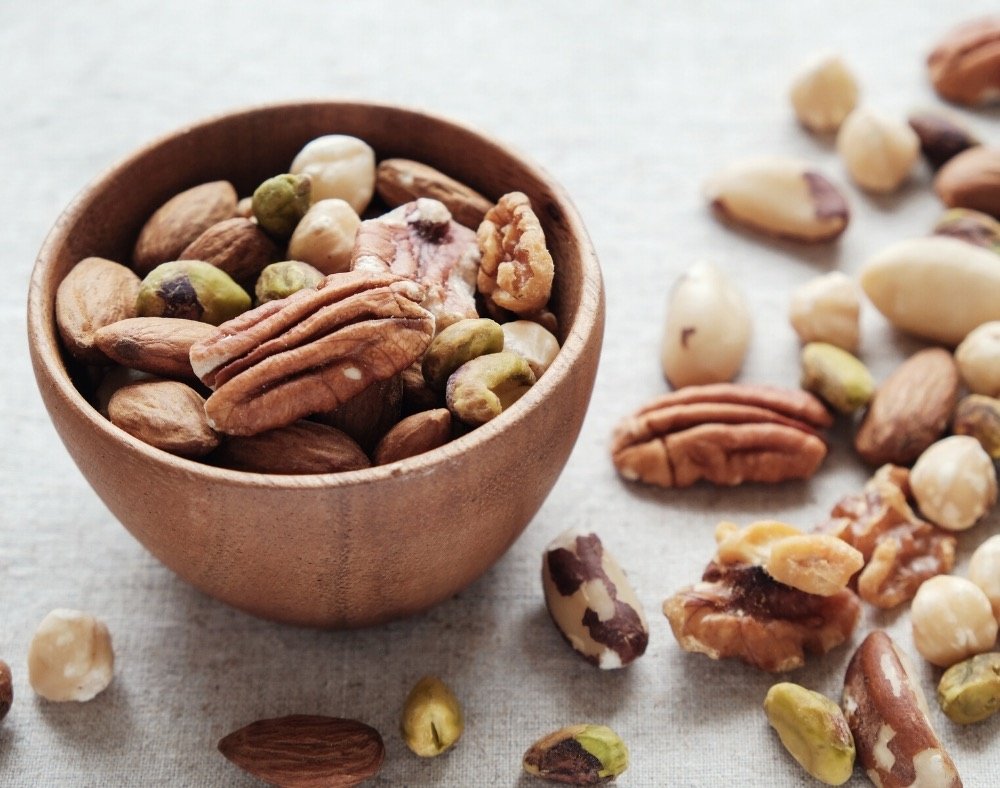
Nuts provide unsaturated fats, plant protein, fiber, vitamins and minerals.
Walnuts, almonds, pistachios and other unsalted nuts can be incorporated into a balanced diet.
Nuts are also included regularly in the MIND dietary pattern.
Rather than claiming that nuts improve memory or reverse cognitive decline, it is more accurate to view them as one component of an overall heart-healthy eating pattern.
Our article on the best nuts for dementia and brain health looks at this topic in more detail.
For people who have difficulty chewing or swallowing, whole nuts may not be appropriate. Nut butters or other modified textures may be safer depending on individual needs.
7. Colorful Vegetables

Leafy greens receive particular attention in the MIND diet, but eating a variety of other vegetables is also important.
Examples include:
- Sweet potatoes
- Carrots
- Bell peppers
- Tomatoes
- Broccoli
- Squash
Different vegetables provide different vitamins, minerals, fiber and plant compounds.
Sweet potatoes, for example, provide beta-carotene, fiber, potassium and other nutrients.
Instead of thinking of one vegetable as a dementia-fighting food, aim to include a variety of colors and types across the week.
This approach is more consistent with current nutrition evidence than relying on any single so-called superfood.
8. Seeds
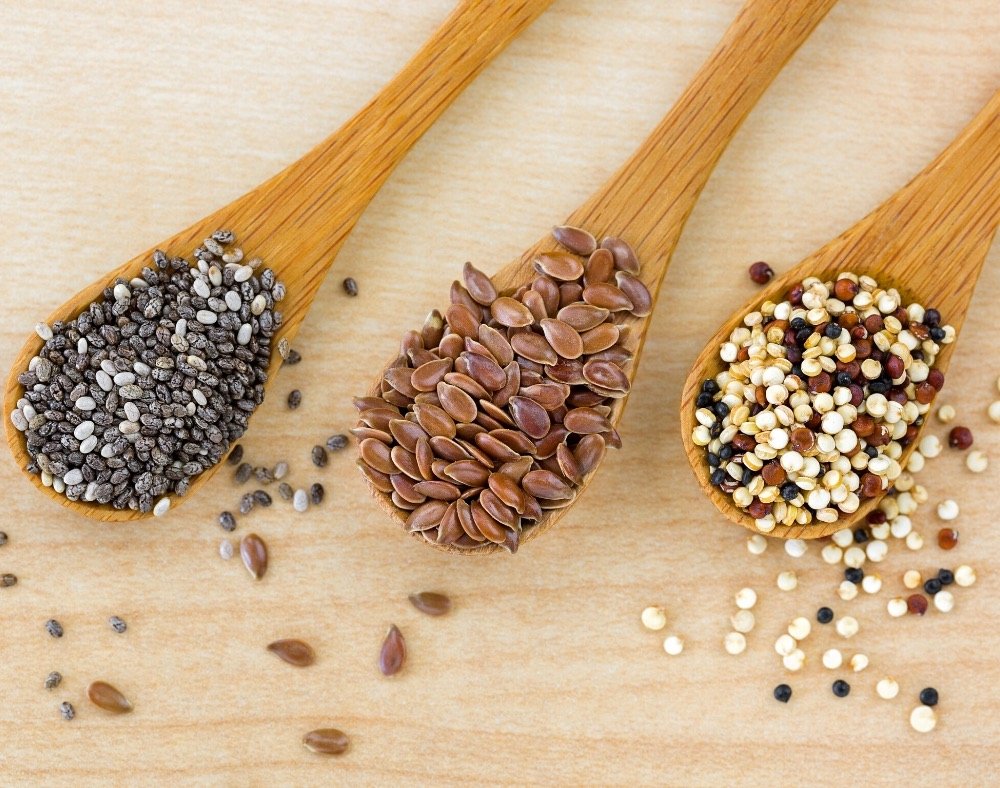
Seeds can be a nutritious addition to meals and snacks.
Options include:
- Pumpkin seeds
- Flaxseed
- Chia seeds
- Sunflower seeds
- Sesame seeds
Seeds provide nutrients such as fiber, unsaturated fats and vitamin E.
Some seeds, including flax and chia, also provide alpha-linolenic acid, a plant-based omega-3 fatty acid.
Vitamin E has been studied in relation to cognitive health, although supplements and foods should not be regarded as dementia cures. Read more about vitamin E and Alzheimer’s disease.
Seeds can be sprinkled over salads, oatmeal and yogurt or added to homemade meals.
9. Extra-Virgin Olive Oil and Other Unsaturated Fats

The type of fat in a person’s diet can be as important as the total amount.
The Mediterranean and MIND diets emphasize unsaturated fats, particularly olive oil.
Sources include:
- Extra-virgin olive oil
- Avocados
- Nuts
- Seeds
- Fish
The Alzheimer’s Association recommends choosing healthier unsaturated fats while limiting foods high in saturated fat.
Olive oil can be used for cooking or as a dressing for vegetables and salads.
There is no need to regard any particular oil as a treatment for dementia. The goal is an overall healthy eating pattern.
What About Sugar and Dementia?
The original version of this article suggested that dementia begins because there is “too much sugar in the brain.” That is not an accurate description of how dementia develops.
However, metabolic and cardiovascular health do matter.
Type 2 diabetes and other cardiovascular risk factors are associated with an increased risk of cognitive decline and dementia.
Limiting large amounts of added sugar can therefore be part of an overall healthy lifestyle, particularly for people managing diabetes or other metabolic conditions.
Our article on sugar and dementia explores this relationship further.
Foods to Reverse Dementia? Why the Overall Diet Matters
Rather than looking for individual foods to reverse dementia, current research places greater emphasis on overall dietary patterns. Research increasingly focuses on dietary patterns rather than individual “miracle foods.”
The Mediterranean and MIND diets emphasize many of the foods listed above while limiting:
- Red and processed meats
- Foods high in saturated fat
- Fried and heavily processed foods
- Sweets and foods high in added sugar
Importantly, research has not established that following these diets will prevent dementia in every person.
The National Institute on Aging notes that observational studies have produced encouraging results, while clinical trials have produced more mixed findings.
Diet should therefore be viewed as one part of a broader approach to health rather than a guarantee against Alzheimer’s disease or another form of dementia.
Nutrition for Someone Already Living With Dementia
Nutrition priorities can change after a person develops dementia.
While people may search for foods to reverse dementia, nutrition after a diagnosis is usually focused on maintaining health, strength and adequate food intake.
The Alzheimer’s Association notes that people in the middle and later stages may forget to eat, become overwhelmed by food choices or experience other difficulties with meals.
Poor nutrition can contribute to weight loss and declining physical health.
For someone living with dementia, the priority may therefore be maintaining:
- Adequate calories
- Protein
- Hydration
- Enjoyable meals
- Safe food textures
- As much independence as practical
Highly restrictive diets are not appropriate for everyone, particularly when a person is losing weight or has difficulty eating.
A doctor or registered dietitian can provide individualized advice based on the person’s health conditions, medications, weight and nutritional needs.
Foods to Reverse Dementia: Final Thoughts
There are currently no proven foods to reverse dementia.
That does not make nutrition unimportant.
Vegetables, berries, whole grains, beans, nuts, fish, seeds and unsaturated fats can all form part of a healthy eating pattern that supports cardiovascular and general brain health.
Current evidence suggests that Mediterranean and MIND-style dietary patterns may be associated with better cognitive outcomes, but researchers have not established that these diets can reverse Alzheimer’s disease or other progressive dementias.
For people already living with dementia, nutritious and enjoyable meals can also help maintain strength, health and quality of life.
The most useful approach is therefore not to search for a miracle food. Instead, focus on an overall balanced eating pattern that suits the individual’s health, preferences and nutritional needs.
Related Articles
Dementia Diet: Nutrition and Healthy Eating