
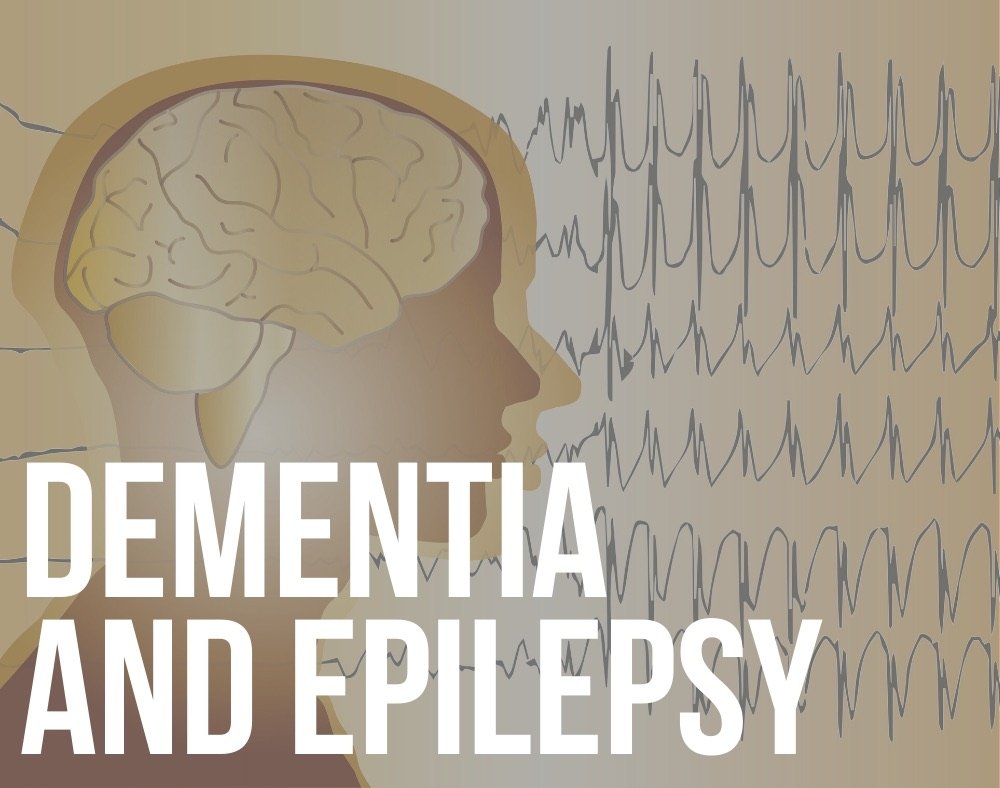
Dementia and epilepsy are linked in ways researchers are still working to fully understand. People living with dementia have a higher risk of developing seizures than people without dementia, while studies also suggest that people with epilepsy may have an increased risk of developing dementia later in life.
A seizure does not always involve falling to the ground and shaking. In people with dementia, seizures can sometimes be subtle and may look like brief periods of staring, unresponsiveness, confusion or repetitive movements.
This can make them difficult to distinguish from the symptoms of dementia itself.
In this guide, we look at the connection between dementia and epilepsy, what seizures may look like, why they happen, how doctors investigate them and when a seizure requires urgent medical attention.
What Is the Link Between Dementia and Epilepsy?
Research shows that dementia and epilepsy have a complex relationship.
A 2024 systematic review and meta-analysis found that people with dementia had a greater risk of seizures or epilepsy than people without dementia. It also found evidence of the relationship working in the opposite direction, with epilepsy associated with a higher risk of developing dementia.
The research estimated the overall prevalence of seizures or epilepsy at about 4% among people with dementia, although the rate differed according to the type of dementia and the population being studied.
This does not mean that everyone with dementia will experience seizures.
Most will not.
However, the connection is strong enough that unusual episodes of staring, unresponsiveness, repetitive movements or unexplained periods of confusion should be discussed with a doctor.
What Do Seizures Look Like in Someone With Dementia?
Many people imagine a seizure as a dramatic event involving loss of consciousness and whole-body shaking.
These are known as generalised tonic-clonic seizures.
They can certainly occur, but seizures associated with dementia may also be much less obvious.
Focal Seizures and Dementia
According to the Alzheimer’s Society, many epileptic seizures seen in people with dementia are focal onset seizures.
A focal seizure begins in one area of the brain.
Possible signs may include:
- a brief period of staring or unresponsiveness
- sudden increased confusion or memory loss
- lip-smacking, chewing or swallowing movements
- repetitive movements of the hands or arms
- unusual sensations or behaviours
- a short period in which the person appears disconnected from their surroundings
The person may return to their usual state soon afterwards.
Because dementia itself can cause confusion, memory problems and behavioural changes, these subtle seizures can sometimes be overlooked.
If episodes occur repeatedly or seem distinctly different from the person’s usual dementia symptoms, it is important to describe them to a healthcare professional.
Generalised Tonic-Clonic Seizures
A generalised tonic-clonic seizure is usually much easier to recognise.
The person may:
- lose consciousness
- fall to the ground
- become stiff
- develop rhythmic jerking or shaking movements
- be confused or extremely tired afterwards
A person can experience one seizure without necessarily having epilepsy. Epilepsy is a neurological condition characterised by a tendency to have recurrent seizures.
Why Can Dementia Cause Seizures?
Dementia involves physical and chemical changes in the brain.
These changes can sometimes interfere with the normal electrical signalling between brain cells.
Conditions that damage or alter brain tissue can increase the risk of seizures. These include:
- stroke
- head injury
- brain infections
- brain tumours
- some neurodegenerative diseases
In Alzheimer’s disease, abnormal accumulations of amyloid and tau proteins are associated with changes in communication between nerve cells.
Researchers are investigating whether these changes may make networks of brain cells unusually excitable and therefore more likely to generate epileptic activity.
The exact mechanisms behind dementia and epilepsy, however, are still being studied.
Can Seizures Occur Early in Dementia?
Yes.
Researchers once believed seizures mainly appeared during the later stages of dementia, after considerable changes had occurred in the brain.
That view has changed.
More recent evidence suggests that epileptic seizures can occur earlier in Alzheimer’s disease and, in some people, may even occur before obvious memory problems develop.
This does not mean that a seizure is normally an early sign of dementia.
There are many other possible causes of seizures, particularly in older adults, and a first seizure requires proper medical assessment.
Does Dementia Increase the Risk of Epilepsy?
Research indicates that people with dementia have an increased risk of epilepsy compared with people without dementia.
A 2024 meta-analysis found dementia was associated with approximately 2.3 times the risk of seizures or epilepsy.
The level of risk is not identical for every type of dementia.
Researchers have reported associations with:
- Alzheimer’s disease
- vascular dementia
- Lewy body dementia
- frontotemporal dementia
Risk may also differ according to factors such as age at dementia onset, previous stroke or brain injury, and the severity or progression of the underlying neurological disease.
For this reason, percentages quoted for seizures in dementia can vary widely between studies.
Can Epilepsy Increase the Risk of Dementia?
The relationship may also work in the opposite direction.
Studies have found that people with epilepsy have a higher statistical risk of developing dementia than those without epilepsy.
A large systematic review of longitudinal research found evidence of a bidirectional association: dementia was associated with a higher risk of epilepsy, while epilepsy was also associated with a higher risk of dementia.
However, an association does not prove that epilepsy itself directly causes dementia.
Age, stroke, cardiovascular disease, brain injury and other neurological conditions can influence the risk of both conditions.
Researchers are continuing to investigate how the two disorders may be connected.
How Are Seizures Diagnosed in Someone With Dementia?
Diagnosing epilepsy in someone with dementia can be challenging because some seizures resemble symptoms of dementia.
Episodes of confusion, staring or unusual behaviour can have many possible causes.
A doctor may consider:
- what happened before, during and after the episode
- how long it lasted
- whether similar episodes have happened before
- current medications
- recent infections or illnesses
- previous stroke or head injury
- blood tests
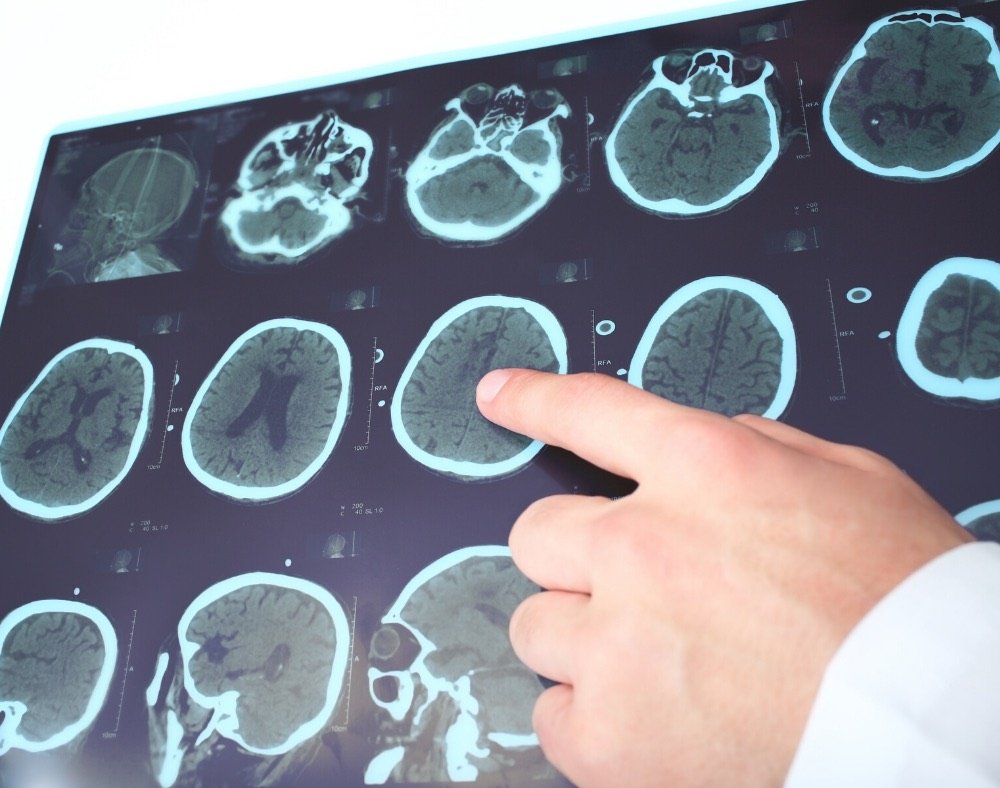
- brain imaging such as CT or MRI
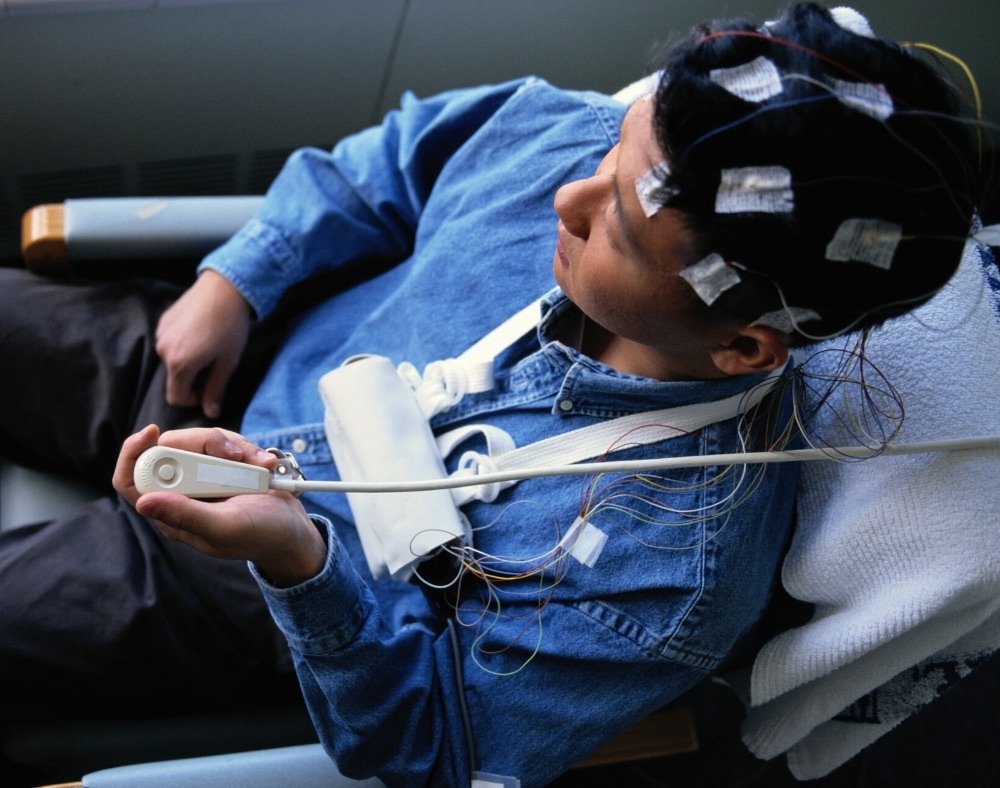
- an electroencephalogram, or EEG, which records electrical activity in the brain
Witness accounts can be particularly useful.
If it is safe to do so, noting the time the episode begins and ends and recording exactly what happened can help doctors determine whether it may have been a seizure.
Treatment of Dementia and Epilepsy
Seizures in people with dementia can often be controlled with anti-seizure medication.
The choice of medicine depends on the type of seizure, other medical conditions, potential drug interactions and possible effects on memory, alertness and balance.
For this reason, medication should be selected and monitored by an appropriately qualified doctor, often with input from a neurologist.
It is important not to start, stop or alter anti-seizure medication without medical advice.
Research is also exploring whether controlling abnormal electrical activity in the brain could have benefits for memory or the progression of Alzheimer’s disease.
At present, however, it has not been established that treating epilepsy slows or reverses dementia.
What Should You Do If Someone With Dementia Has a Seizure?
If someone is having a convulsive seizure:
- stay calm and remain with them
- note the time the seizure begins
- move dangerous objects away
- cushion their head if they are on the ground
- loosen tight clothing around their neck
- do not restrain their movements
- do not put anything in their mouth
- once the convulsions have stopped, place them on their side if it is safe to do so
- stay with them until they recover
The NHS seizure first-aid guidance recommends calling emergency services when a seizure lasts longer than five minutes if you do not know the person’s normal seizure duration, or when several other emergency circumstances are present.
When Is a Seizure a Medical Emergency?
Seek urgent medical assistance if:
- it is the person’s first known seizure
- the seizure lasts more than five minutes, or longer than is normal for that person
- another seizure begins before they have recovered
- they do not regain consciousness as expected
- they have difficulty breathing afterwards
- they are seriously injured
Someone with established epilepsy may already have an individual seizure-management plan provided by their healthcare team.
Follow that plan where appropriate.
Dementia and Epilepsy: Closing Remarks
The relationship between dementia and epilepsy is more complicated than was once believed.
People with dementia have an increased risk of seizures, but the majority of people living with dementia will not develop epilepsy.
Seizures may be dramatic, but they can also be subtle. Brief periods of staring, unusual unresponsiveness, repetitive movements or unexplained episodes of confusion may therefore be worth discussing with a doctor.
Research also suggests that epilepsy and dementia may have a two-way relationship, although scientists are still investigating exactly why.
Most importantly, a new or unexplained seizure should not simply be assumed to be part of dementia. Medical assessment can help identify its cause and determine whether treatment is required.
References and Further Reading
Alzheimer’s Society. What is the link between seizures and dementia?
Age and Ageing. Bi-directional associations of epilepsy with dementia and Alzheimer’s disease.