

Dementia and pain can be a difficult combination for both the person experiencing it and their caregivers. People with dementia feel pain just like anyone else, but as dementia progresses they may have increasing difficulty recognizing, describing or communicating what hurts.
This can lead to pain being overlooked or mistaken for a dementia-related behavior.
A person who suddenly becomes agitated, withdrawn, restless or aggressive may not simply be experiencing a change in dementia symptoms. They may be trying to communicate discomfort or pain.
Dementia and Pain: Do People With Dementia Feel Pain?
Yes. People with dementia experience pain.
The challenge is often not whether pain exists, but whether the person can communicate it effectively.
The National Institute on Aging explains that people with Alzheimer’s disease may not be able to tell caregivers when they are hurting. Instead, pain may appear through facial expressions, changes in behavior, difficulty sleeping, agitation, crying, moaning or refusing food.
For this reason, caregivers and health care professionals need to pay attention to both verbal and nonverbal signs.
Common Causes of Pain in People With Dementia

People with dementia can develop pain from many of the same conditions as other older adults.
Common causes can include:
- Arthritis and osteoarthritis
- Back, neck or joint problems
- Headaches and migraines
- Dental problems
- Infections
- Constipation
- Falls, bruises and fractures
- Skin tears and wounds
- Pressure injuries or bedsores
- Nerve pain
- Foot problems
- Muscle stiffness
- Medical procedures or surgery
- Other chronic health conditions
Reduced mobility can also contribute. Sitting or lying in one position for long periods can result in stiffness, pressure injuries and discomfort.
Someone with dementia may also fall or injure themselves and then be unable to remember what happened or explain where they hurt.
Why Pain Can Be Difficult to Recognize in Dementia
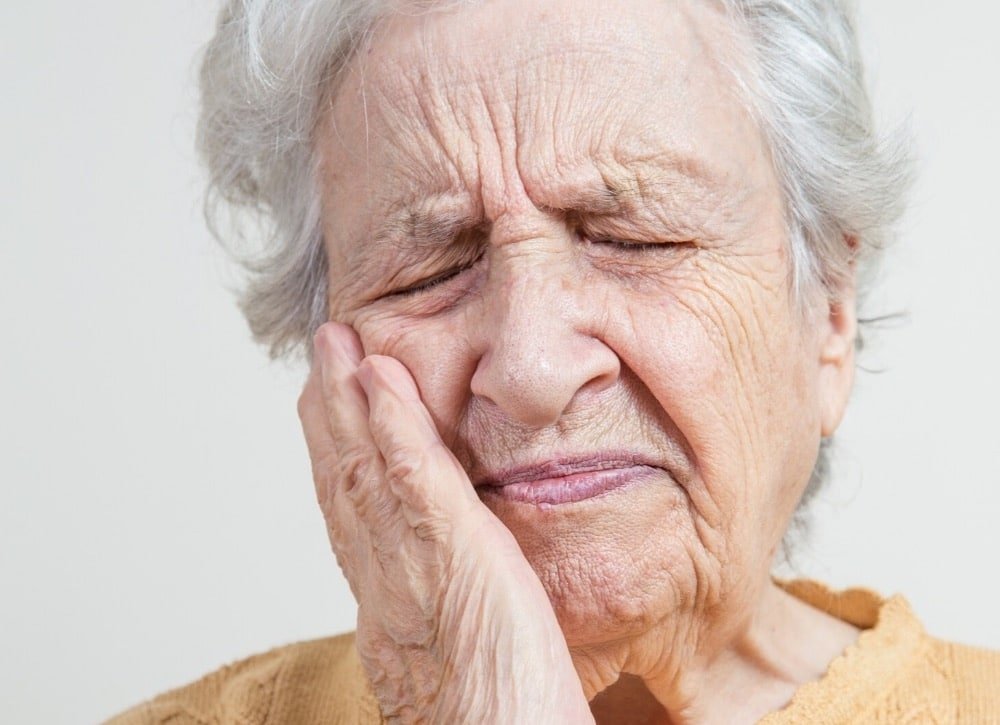
During the earlier stages of dementia, many people can still explain that something hurts and describe the location and severity of their pain.
As dementia advances, communication can become more difficult.
A person may:
- Have difficulty finding the words to describe pain
- Forget how an injury occurred
- Be unable to identify exactly where the pain is coming from
- Answer questions inconsistently
- Have difficulty understanding questions about pain
- Express discomfort through behavior rather than words
The Alzheimer’s Association notes that communicating pain becomes particularly difficult in later-stage dementia.
This makes observation increasingly important.
Signs of Pain in a Person With Dementia
If the person can communicate, asking directly is still important.
Simple questions may work better than complicated ones:
- “Does it hurt?”
- “Where does it hurt?”
- “Is this sore?”
- “Does it hurt when you move?”
When verbal communication is limited, caregivers can watch for changes from the person’s normal behavior.
Facial Expressions
Possible signs include:
- Grimacing
- Frowning
- Clenched teeth
- Tight or closed eyes
- A frightened or distressed expression
- Rapid blinking
Changes in Movement
Pain may affect how someone moves.
You may notice:
- Guarding one part of the body
- Moving more slowly
- Difficulty walking
- Stiff or rigid posture
- Fidgeting
- Pacing
- Repeatedly changing position
- Pulling away when touched or moved
Changes in mobility can also increase the person’s risk of falls and further injury.
Changes in Behavior or Mood

Pain can sometimes appear as a change in behavior.
A person may become:
- Agitated
- Irritable
- Withdrawn
- Tearful
- Restless
- Resistant to care
- More confused than usual
- Unusually aggressive
This does not mean that every behavioral change is caused by pain. However, unexplained changes should prompt caregivers to consider pain or another medical problem as a possible cause.
Changes in Eating and Sleeping
A person in pain may have difficulty sleeping or experience a sudden change in their normal sleep pattern.
They may also eat less or refuse food.
For example, refusing food may sometimes indicate dental or mouth pain rather than a loss of appetite.
Vocal Signs of Pain
Someone who can no longer say “I am in pain” may communicate through sounds.
These can include:
- Moaning
- Groaning
- Sighing
- Crying
- Calling out
- Repeatedly asking for help
- Unusual vocalizations
The National Institute on Aging specifically advises caregivers to watch for increased agitation, crying, moaning and grimacing when someone with dementia cannot communicate pain clearly.
How Health Care Professionals Assess Dementia and Pain
If you suspect pain, speak with the person’s doctor or health care team.
Assessment may begin by determining:
- Where the pain might be located
- When it began
- Whether it is constant or intermittent
- What makes it better or worse
- Whether there has been a recent fall or injury
- Whether the person has a condition known to cause pain
- Whether medications or treatments have recently changed
When a person cannot reliably describe pain, health care professionals may use observational pain-assessment tools.
PAINAD: Pain Assessment in Advanced Dementia
One commonly used tool is the Pain Assessment in Advanced Dementia, or PAINAD, scale.
The scale helps health care professionals observe several areas, including:
- Breathing
- Negative vocalizations such as moaning or crying
- Facial expressions
- Body language
- Whether the person can be comforted
The Alzheimer’s Association dementia care recommendations discuss observational pain scales such as PAINAD as one way of assessing people who have difficulty communicating their pain.
Ways Caregivers Can Help Prevent Pain

Not all pain can be prevented, but regularly checking for common sources of discomfort can help.
Consider:
- Making sure clothing and shoes fit comfortably
- Checking dentures and maintaining good oral hygiene
- Looking for cuts, bruises, swelling or skin irritation
- Changing position regularly when mobility is limited
- Encouraging appropriate gentle movement
- Checking that glasses and hearing aids fit properly
- Watching for constipation
- Keeping an eye out for signs of infection
- Reducing fall hazards around the home
Knowing the person’s usual behavior can also make it easier to recognize a sudden change.
Managing Pain in Someone With Dementia

Pain treatment should address the underlying cause whenever possible.
The appropriate treatment will depend on the person’s health, medications, type of pain and its severity.
The National Institute on Aging explains that treatment for older adults may include medications as well as non-drug approaches.
Medication options can include acetaminophen and, in appropriate circumstances, other pain medications prescribed or recommended by a health care professional.
Older adults can be particularly vulnerable to medication side effects and drug interactions. NSAIDs such as ibuprofen and naproxen, for example, can cause serious side effects in some older people.
Opioids may sometimes be used for moderate to severe pain but require careful medical supervision.
Do not start, stop or change pain medication without discussing it with the person’s doctor or pharmacist.
Non-Drug Approaches to Pain
Depending on the cause of the pain and the person’s medical condition, supportive approaches may include:
- Changing position
- Gentle movement or stretching
- Physical therapy
- Appropriate heat or cold therapy
- Gentle massage
- Relaxation
- Comfortable seating and bedding
- Distraction and enjoyable activities
- Music
Some treatments are unsuitable for certain injuries or medical conditions, so seek professional advice when the cause of pain is uncertain.
Why Untreated Pain Matters in Dementia

Undetected pain can significantly affect a person’s quality of life.
It can interfere with:
- Sleep
- Eating
- Mobility
- Mood
- Social interaction
- Daily activities
Pain may also contribute to agitation and other behavioral changes.
This is particularly important because behavioral symptoms caused partly by pain could potentially be mistaken for psychiatric or dementia-related symptoms.
The Alzheimer’s Association notes that poorly managed pain can contribute to behavioral symptoms and may result in unnecessary use of psychotropic medications.
When to Contact a Doctor About Dementia and Pain
Contact the person’s health care professional when pain is new, persistent, worsening or unexplained.
Medical assessment is particularly important after a fall or injury or when there is a sudden change in the person’s normal behavior, mobility, eating, sleeping or ability to participate in daily activities.
If the person cannot explain what is wrong, describe the changes you have observed to their health care team.
The National Institute on Aging recommends asking for a pain evaluation and treatment plan when caregivers suspect that someone with dementia is experiencing pain.
Dementia and Pain: Key Takeaway
Dementia does not mean that a person no longer feels pain.
The difficulty is that dementia can gradually make pain harder to recognize and communicate.
Watch for changes in facial expression, movement, sleep, appetite, vocalizations and behavior. When something changes unexpectedly, consider pain or illness as a possible explanation rather than assuming that the dementia itself has suddenly become worse.
Identifying and treating pain can improve comfort, mobility, sleep, mood and overall quality of life for a person living with dementia.