Dementia and bathing can become challenging for both the person living with dementia and the person helping them.
Someone who previously enjoyed a daily shower may suddenly resist bathing, become frightened, insist they have already washed or become upset when another person tries to help.
This does not necessarily mean they are being difficult.
Pain, fear, embarrassment, changes in perception, confusion and difficulty understanding the steps involved in bathing can all contribute.
The goal is not simply to get someone into a bath or shower. It is to meet their hygiene needs while protecting their comfort, dignity and sense of control.
In this guide, we look at why people with dementia may resist bathing, practical ways caregivers can help and alternatives when a traditional bath or shower is not working.
Dementia and Bathing: Why Resistance Happens
There are many reasons people with dementia may resist bathing. Often, several factors occur at the same time.

Understanding what is causing the resistance is one of the most important steps.
A person may not be able to explain what is wrong, so caregivers sometimes need to look for clues.
Physical Discomfort
Bathing may simply feel physically unpleasant.
Possible causes include:
- The bathroom is too cold or too hot.
- The water temperature is uncomfortable.
- The person is experiencing pain.
- Standing in the shower is tiring.
- They feel unsteady or frightened of falling.
- Water hitting sensitive skin feels unpleasant.
- They dislike water running over their face or head.
- Dry or irritated skin makes washing uncomfortable.
If resistance appears suddenly, consider whether pain, illness, an injury or another physical problem could be contributing.
Fear and Emotional Discomfort
Bathing is a very personal activity.
Someone who has needed help for the first time may feel embarrassed, exposed or frightened.
Possible reasons include:
- They feel uncomfortable undressing in front of another person.
- They are embarrassed about needing assistance.
- They are frightened of stepping into the shower or bath.
- Water near their face causes anxiety.
- They do not understand why another person is touching them.
- The experience reminds them of an upsetting event from the past.
The Alzheimer’s Association notes that people living with dementia may experience bathing as frightening, embarrassing or physically uncomfortable and may communicate this by resisting assistance.
Read the Alzheimer’s Association guidance on bathing.
Changes in Vision and Perception
Dementia can affect how a person interprets what they see.
For example:
- A dark bath mat may appear to be a hole.
- A drain may look threatening.
- Reflections in mirrors may be confusing.
- A shiny wet floor may appear unsafe.
- Poor contrast between the bath, floor and walls can make it difficult to judge depth.
Good lighting, visual contrast and removing unnecessary reflections may therefore make the bathroom easier to understand.
Changes in Thinking and Memory
Cognitive changes can also explain problems with dementia and bathing.
The person may:
- believe they have already showered
- forget when they last washed
- no longer understand why bathing is necessary
- have difficulty sequencing the steps involved
- forget how taps, showers or toiletries work
- not understand why another person is trying to help them
- become overwhelmed by too many instructions at once
Rather than arguing with the person, it is usually more productive to adapt the environment and the way assistance is offered.
How Often Should Someone With Dementia Bathe?

There is no single bathing schedule that suits everyone.
The National Institute on Aging suggests that a bath or shower two or three times per week may be sufficient for many people with Alzheimer’s disease, while allowing flexibility according to the person’s needs.
National Institute on Aging: Bathing, Dressing and Grooming.
On other days, areas such as the face, hands, feet, underarms and genital area can be washed as needed.
Skin condition, continence, mobility, activity level, personal preferences and medical needs should all be considered.
Older people often have fragile or dry skin, so more bathing is not always better.
If you are unsure about an appropriate bathing schedule because of a person’s health or skin condition, discuss it with their doctor or nurse.
When a Person With Dementia Refuses to Bathe
When someone refuses a bath or shower, forcing the issue can increase fear and make the next attempt even harder.
Instead, try to work out what the person is communicating through their resistance.
They may be cold, frightened, tired, embarrassed or simply unable to understand what is happening.
Sometimes the best response is to stop, allow the person to settle and try again later.
The Alzheimer’s Association recommends adapting bathing expectations when necessary and considering alternatives such as sponge bathing.
See their dementia bathing recommendations.
Suggested Products to Assist Bathing People With Dementia
| Product | Features |  |
|
|---|---|---|---|
 | Dove Body Love Beauty Bar Soap Dry-Cracked Skin | Hypoallergenic fragrance Instant dryness relief Dermatologist approved Hydration |  |
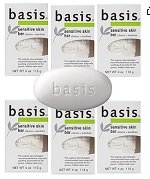 | Basis Sensitive Skin Bar Soap - Cleans and Soothes with Chamomile and Aloe Vera | Body wash or hand soap No fragrances No dyes Rinses easily | |
 | Nurture Valley Sponge Bath Wipes - Large Disposable Wash Cloths for Adults, Seniors, Bedridden, Home Care | No rinsing Disposable sponge wipes Bath with no soap Ultra thick | |
 | Carousel Sliding Shower Chair Tub Transfer Bench with Swivel Seat | Premium padded Pivoting arms Adjustable space saving design Professional grade Robust | |
 | Bath Bench Seat Suspended, Bath Tub Shower Chair | Heavy duty alloy Adjustable Comfortable Lightweight | |
 | Inflatable Bedside Shampoo Basin kit, Bedridden Shower System for Disabled& Elderly | High quality PVC Holds 2.5 gallons of water Set of 6 Easy and comfortable | |
Dementia and Bathing: Practical Caregiver Strategies

Small changes can make a surprisingly large difference.
Prepare Everything Beforehand
Have towels, clean clothing, soap, shampoo, washcloths and anything else you need ready before starting.
A person with dementia may become distressed if they are left waiting while someone searches for supplies.
Warm the bathroom first if necessary and check the water temperature.
Protect Privacy and Dignity
Being undressed in front of another person can be uncomfortable at any age.
Keep the person covered with towels wherever possible and expose only the area being washed.
Explain what you are doing before you do it.
Allow the person to wash as much of their own body as they safely can.
Dementia Australia recommends encouraging the person to continue doing as much of their own personal care as possible.
Dementia Australia: Hygiene and personal care.
Keep Instructions Simple
A complete instruction such as “go and have a shower” can involve many individual tasks.
Instead, break the activity into small steps.
For example:
- “Here is your towel.”
- “Let’s take off your shoes.”
- “Step in here.”
- “Here is the washcloth.”
- “Wash your arm.”
Give one instruction at a time and allow plenty of time for the person to respond.
Offer Simple Choices
Choice can help preserve a sense of control.
Instead of asking a broad question such as “Do you want to have a shower?”, try offering two acceptable options.
For example:
- “Would you like a shower now or after breakfast?”
- “Would you prefer a bath or a shower?”
- “Would you like the blue towel or the white towel?”
Too many choices can be confusing, so keep them simple.
Use Familiar Routines
Think about the person’s lifelong habits.
Did they normally shower in the morning?
Did they always prefer an evening bath?
Were they accustomed to washing their hair separately?
Where possible, preserve familiar routines rather than imposing a completely new one.
Choose the Best Time of Day

Many people with dementia function better at particular times of the day.
If the person is calmer and more alert during the morning, this may be a better time for bathing.
Others may be more relaxed after breakfast or later in the afternoon.
Observe the person’s normal pattern and work with it.
Watch Your Tone and Body Language
If you approach bathing expecting a battle, your tension may be noticeable.
Use a calm voice, relaxed body language and simple reassurance.
Avoid arguing about whether the person needs a bath.
The aim is cooperation, not winning an argument.
Consider Who Is Helping
Some people feel more comfortable receiving intimate personal care from someone of the same sex.
Others cooperate better with a particular family member or familiar professional caregiver.
If one approach consistently causes distress, consider whether another trusted person might have more success.
Consistency can also help. A familiar caregiver may become easier to accept over time.
Use Music or Conversation
Familiar music can sometimes make bathing feel less clinical and provide a pleasant distraction.
Talking about familiar people, places or interests can also shift attention away from the washing process.
Maintain Safety
Bathroom safety becomes increasingly important as dementia progresses.
Consider:
- grab rails
- a shower chair or bath seat
- non-slip surfaces
- good lighting
- removing loose mats that may cause trips
- testing the water temperature
- keeping necessary supplies within reach
Never leave someone who requires supervision alone in a bath or shower.
Alternative Bathing Options for Dementia

A traditional shower or bath is not the only way to maintain hygiene.
If standard dementia and bathing routines are causing repeated distress, alternative methods can be very useful.
Sponge Bath
A warm washcloth and basin can provide effective cleaning without requiring the person to get into a shower or bath.
Wash one area at a time and keep the rest of the body warm and covered.
A no-rinse cleanser can also be useful.
Partial Bathing
It is not always necessary to wash the entire body at once.
You can divide personal care across several days.
For example:
- hands and arms
- face and neck
- underarms and torso
- legs and feet
- hair
- perineal care as required
This approach can be particularly helpful for someone who becomes overwhelmed easily.
Bed Bath
For someone who is bedbound or has limited mobility, washing in bed may be safer and more comfortable.
Use warm water, washcloths and towels and keep the person covered as much as possible.
People with complex medical or mobility needs may benefit from assistance from a trained professional caregiver.
Towel Bath
A towel bath uses warm, damp towels or washcloths while the person remains covered and warm.
This may be less frightening than getting into a bath or shower.
No-Rinse Cleansers
No-rinse body cleansers and shampoos can be useful when access to water is difficult or traditional bathing causes distress.
They can also be useful between full baths or showers.
Follow the manufacturer’s instructions and stop using any product that irritates the person’s skin.
Personal Care, Toileting and Incontinence
People experiencing incontinence may require more frequent cleaning of the genital and surrounding areas.
Good hygiene helps reduce discomfort and skin irritation.
If the person can wash themselves safely, provide warm washcloths and allow as much independence as possible.
If assistance is needed, explain what you are doing, preserve privacy and work gently.
Persistent redness, broken skin, pain, unusual discharge or signs of infection should be assessed by a healthcare professional.
How to Overcome Resistance to Dementia and Bathing
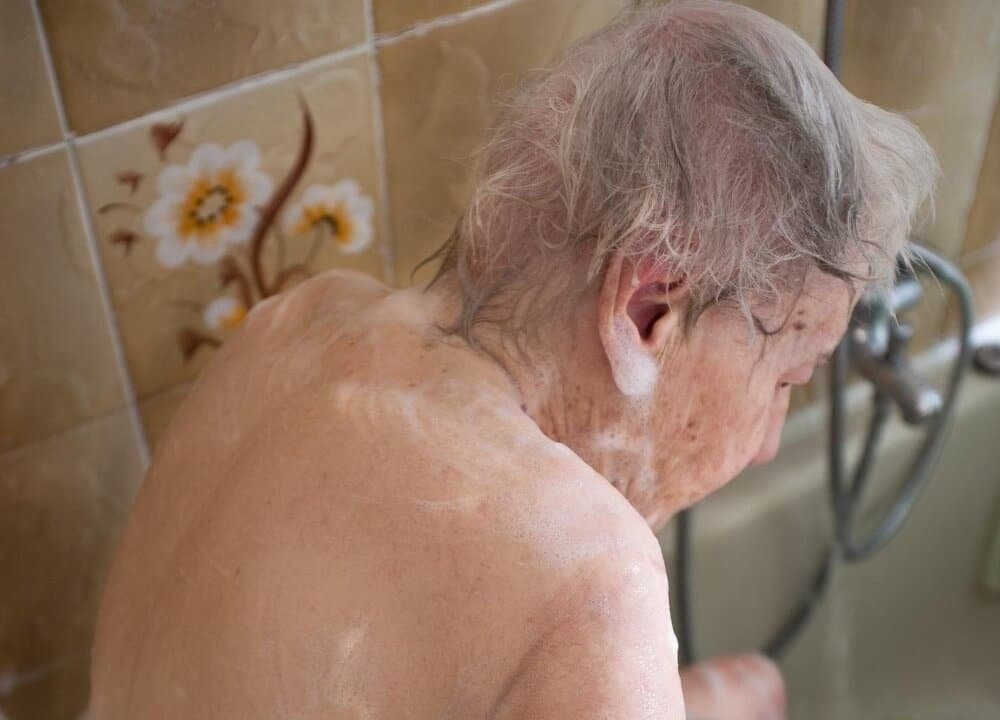
When bathing repeatedly becomes difficult, work through the problem systematically.
- Look for the cause. Is the person cold, frightened, embarrassed, tired or in pain?
- Reframe the goal. The goal is good hygiene and comfort, not necessarily a conventional shower.
- Choose the right time. Try bathing when the person is normally calmest and most alert.
- Prepare the environment. Warm the room, gather supplies and reduce unnecessary noise or distractions.
- Protect dignity. Keep the person covered and encourage independence wherever possible.
- Try one change at a time. Different water temperature, another caregiver, a sponge bath or music may completely change the experience.
- Be flexible. What works today may not work next week as dementia progresses.
When to Seek Medical Advice
A sudden change in willingness to bathe deserves attention.
Sometimes what appears to be behavioural resistance is actually caused by pain or another health problem.
Speak with a doctor or other healthcare professional if you notice:
- sudden or unexplained changes in behaviour
- new pain during movement or washing
- skin infections, rashes or sores
- significant changes in mobility
- persistent distress during personal care
- a sudden increase in confusion
- concerns about the person’s ability to remain safe in the bathroom
A healthcare professional may also be able to recommend occupational therapy, home-care support or bathroom modifications.
Closing Thoughts on Dementia and Bathing
There is no perfect bathing routine for every person living with dementia.
The approach that works best will depend on the person’s personality, history, health, stage of dementia, physical abilities and lifelong habits.
Some people continue enjoying showers for many years. Others may increasingly prefer sponge bathing, partial washing or assistance from a familiar caregiver.
The most important principles are comfort, cleanliness, safety, dignity and flexibility.
When dementia and bathing become difficult, try to understand the reason behind the resistance rather than viewing the refusal itself as the problem.
Often, a small change in timing, language, environment or bathing method can turn a stressful experience into a much calmer one.