Normal pressure hydrocephalus (NPH) is an important condition to recognise because some of its symptoms can look very similar to dementia, yet they may improve with treatment.
So, is normal pressure hydrocephalus reversible?
The answer is: sometimes, to a significant degree. Treatment can improve walking, thinking and bladder-control problems in some people with NPH. However, improvement varies from person to person, and a complete recovery cannot be guaranteed.
This makes early recognition particularly important. Unlike many progressive causes of dementia, normal pressure hydrocephalus may be treatable when the right patients are identified.
What Is Normal Pressure Hydrocephalus?
The brain contains interconnected spaces called ventricles. These ventricles contain cerebrospinal fluid (CSF), which surrounds and cushions the brain and spinal cord.
Normally, CSF circulates through the brain and is continuously produced and absorbed.
With normal pressure hydrocephalus, too much CSF accumulates within the ventricles. As the ventricles enlarge, they can affect nearby brain tissue and interfere with areas involved in walking, thinking and bladder control.
Despite the name, the pressure of the cerebrospinal fluid may not always be continuously elevated. The condition is called “normal pressure” hydrocephalus because CSF pressure can sometimes appear within a normal range when measured.
NPH occurs most often in adults over the age of 60. Its symptoms can resemble those seen with Alzheimer’s disease, Parkinson’s disease and other neurological conditions, which is one reason diagnosis can be difficult.
The Johns Hopkins Medicine notes that specialised assessment can help distinguish NPH from other disorders with similar symptoms.
What Causes Normal Pressure Hydrocephalus?

In many people, the exact cause of NPH is unknown. This is often referred to as idiopathic normal pressure hydrocephalus.
In other cases, problems with CSF circulation can develop following another condition or event.
Possible causes or associated factors include:
- Previous bleeding around the brain, including subarachnoid haemorrhage
- Head injury
- Brain infection such as meningitis
- Brain surgery
- Brain tumours or other structural abnormalities
- Other conditions that interfere with the normal circulation or absorption of cerebrospinal fluid
A history of one of these conditions does not necessarily mean that someone will develop NPH, and many cases occur without an obvious underlying cause.
What Are the Symptoms of Normal Pressure Hydrocephalus?

Normal pressure hydrocephalus is classically associated with three main groups of symptoms:
- Difficulty walking or changes in gait
- Cognitive or thinking problems
- Urinary urgency or loss of bladder control
This combination is sometimes referred to as the classic NPH triad.
However, a person does not need to have all three symptoms at the same time. Symptoms may develop gradually, and one may be much more noticeable than the others.
Walking and Balance Problems
Walking difficulty is often one of the earliest and most prominent signs of NPH.
A person may:
- Walk with shorter steps
- Have difficulty starting to walk
- Feel as though their feet are stuck to the floor
- Shuffle their feet
- Have difficulty turning
- Become unsteady
- Fall more frequently
Because these changes commonly occur in older adults for many other reasons, they can initially be attributed to aging, arthritis or another neurological condition.
Memory and Thinking Changes
NPH can also affect cognition.
Possible changes include:
- Forgetfulness
- Slower thinking
- Difficulty concentrating
- Trouble planning or organising tasks
- Difficulty responding to questions
- Apathy or reduced motivation
- Confusion
- Mood changes
These symptoms can resemble Alzheimer’s disease or another form of dementia.
However, the pattern can differ. NPH often produces slowing of thinking, reduced attention and problems with planning and organisation rather than memory loss alone.
Bladder Problems
Changes in bladder control are another common feature.
A person may initially experience a sudden or frequent need to urinate. As the condition progresses, some people develop urinary incontinence.
Bladder problems in an older adult can have many causes, so they should not be assumed to indicate NPH on their own.
Why Is Normal Pressure Hydrocephalus Sometimes Mistaken for Dementia?
NPH can be difficult to diagnose because the people most commonly affected are older adults — the same population in which Alzheimer’s disease, Parkinson’s disease, vascular disease and other causes of cognitive impairment become more common.
The Hydrocephalus Association explains that NPH symptoms can overlap with Alzheimer’s disease, vascular dementia, Parkinson’s disease and several other conditions.
It is also possible for a person to have NPH and another neurological condition at the same time.
For this reason, doctors do not diagnose normal pressure hydrocephalus from symptoms alone.
How Is Normal Pressure Hydrocephalus Diagnosed?
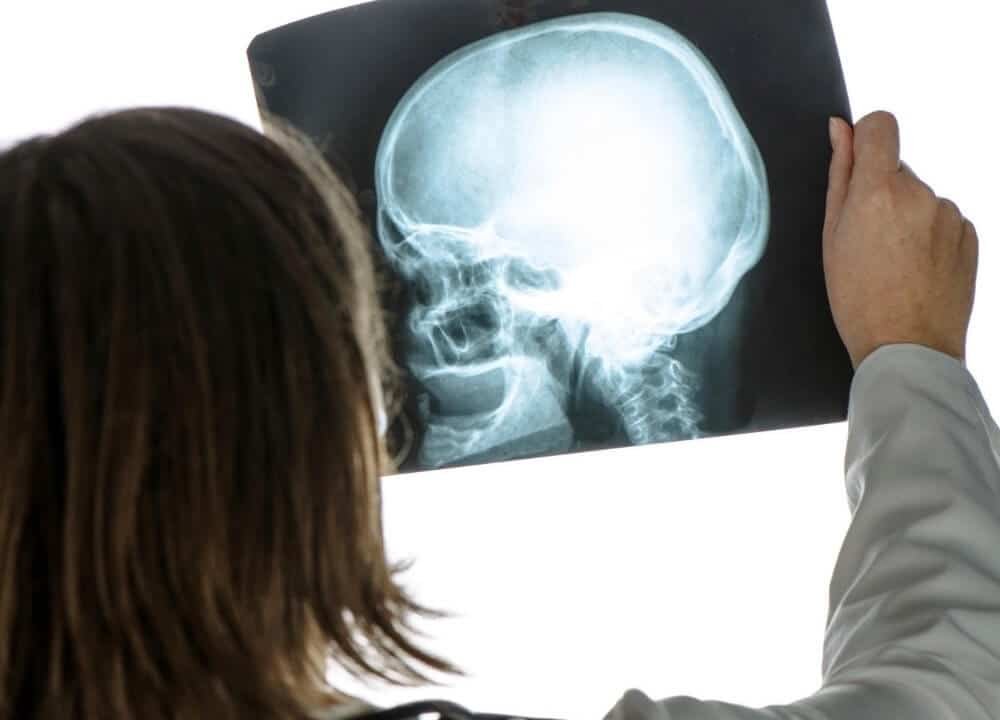
Diagnosing NPH usually involves several steps rather than one single test.
A neurologist or neurosurgeon may assess:
- The person’s symptoms and medical history
- Walking and balance
- Cognitive function
- Bladder symptoms
- Brain imaging
- The response to temporary removal of cerebrospinal fluid
Brain Imaging
An MRI or CT scan can show whether the brain’s ventricles are enlarged.
Doctors also look at the pattern of enlargement and other features of the brain to determine whether the changes are consistent with NPH or may have another explanation.
Imaging is important, but enlarged ventricles alone are not enough to confirm that NPH is responsible for a person’s symptoms.
Lumbar Puncture or Spinal Tap
A lumbar puncture can be especially useful when assessing whether someone may respond to treatment.
Doctors remove a quantity of cerebrospinal fluid and then reassess symptoms — particularly walking ability.
If walking or another symptom temporarily improves following removal of CSF, this can provide evidence that the person may respond to a permanent shunt.
However, failure to improve after a single lumbar puncture does not always rule out the possibility of benefiting from surgery.
External Lumbar Drainage
In some cases, doctors may use a temporary lumbar drain to remove cerebrospinal fluid over a longer period.
The healthcare team can then repeatedly assess walking, cognition and other symptoms.
Johns Hopkins lists physical assessment, gait evaluation, MRI or CT imaging, spinal tap and temporary CSF drainage among the tests that may be used when diagnosing NPH and assessing possible response to treatment.
Is Normal Pressure Hydrocephalus Reversible?
This is where NPH differs from many other conditions that can cause dementia-like symptoms.
Normal pressure hydrocephalus can be treatable, and some of its symptoms may be partially or substantially reversed.
However, it would be inaccurate to say that every person with NPH will fully recover.
The degree of improvement depends on factors such as:
- Whether NPH is actually responsible for the symptoms
- How long the symptoms have been present
- The severity of the condition
- Other neurological or medical conditions
- How the person responds to temporary CSF drainage
- Whether complications develop following treatment
Johns Hopkins states that complete recovery is possible but is not often seen. Many patients may instead experience meaningful improvement in one or more symptoms following successful treatment.
How Is Normal Pressure Hydrocephalus Treated?

The most commonly used treatment for normal pressure hydrocephalus is surgery to implant a shunt.
A shunt is a thin flexible tube that allows excess cerebrospinal fluid to drain away from the brain.
Most commonly, one end of the shunt is placed in a ventricle within the brain. The tubing runs underneath the skin to another part of the body — usually the abdomen — where the excess fluid can be absorbed.
A valve helps regulate the amount of cerebrospinal fluid that drains.
The shunt generally remains in place long term.
Which NPH Symptoms Improve Most After a Shunt?
Improvement varies, but walking and gait problems are often among the symptoms most likely to respond.
Some people also experience improvements in thinking, memory, bladder control or independence with everyday activities.
Cognitive symptoms may be less likely to fully resolve when they have been present for a long time or when another neurological condition, such as Alzheimer’s disease, is also present.
This is another reason why identifying NPH early can be valuable.
Does Shunt Surgery Work for Everyone?
No.
Although many appropriately selected patients improve after shunt surgery, not everyone benefits.
Doctors therefore try to determine who is most likely to respond before recommending an operation.
Improvement after a lumbar puncture or temporary CSF drainage can help predict a favourable response, although no test can predict the outcome with complete certainty.
Shunt surgery also has potential complications.
These can include:
- Shunt blockage or malfunction
- Infection
- Over-drainage or under-drainage of cerebrospinal fluid
- Bleeding or subdural haematoma
- The need for adjustment, repair or replacement of the shunt
For this reason, people with a shunt require ongoing medical follow-up.
Why Early Diagnosis Matters
Symptoms of normal pressure hydrocephalus can progress if the condition remains untreated.
Because the disorder can mimic more common causes of cognitive decline, families may initially assume that changes in walking or thinking are simply due to aging or dementia.
A combination of:
- New or worsening walking difficulty
- Cognitive changes
- Urinary urgency or incontinence
should therefore prompt medical assessment, particularly in an older adult.
Recognising NPH is important because it is one of the neurological conditions in which treatment may produce meaningful improvement.
Normal Pressure Hydrocephalus: The Bottom Line
Normal pressure hydrocephalus is potentially treatable, but describing it as completely reversible for everyone would be misleading.
Some people experience substantial improvements following shunt surgery, particularly in walking and mobility. Cognitive and bladder symptoms may also improve, although the response varies considerably.
A complete recovery is possible in some cases but is not guaranteed.
What makes NPH especially important is that its symptoms can resemble dementia, Parkinson’s disease or normal aging. Identifying the condition correctly may therefore give some patients an opportunity for treatment that would otherwise be missed.
If an older person develops a combination of difficulty walking, worsening thinking or memory problems and changes in bladder control, a healthcare professional can assess whether normal pressure hydrocephalus or another condition may be responsible.