
Reminiscence therapy is a structured way of using memories, conversation, photographs, music and familiar objects to engage a person living with dementia.
It can provide an enjoyable way to connect with others, encourage conversation and support a person’s sense of identity.
Reminiscence does not cure dementia or stop the underlying disease from progressing. However, research suggests that it may offer modest benefits for areas such as communication, mood, cognition and quality of life for some people.
The Alzheimer’s Association describes reminiscence therapy as a structured approach that uses guided conversations about past experiences, often supported by music, photographs, storytelling, art or familiar objects.
In this article, we look at how reminiscence therapy works, examples of useful memory prompts, what research tells us about its possible benefits and how families and caregivers can use reminiscence safely.
What Is Reminiscence Therapy?
Reminiscence therapy, sometimes shortened to RT, involves encouraging a person to recall and talk about past experiences.
It may take place one-to-one or in a group and can range from an informal conversation with a family member to a structured session led by a trained professional.
Reminiscence is particularly suited to dementia care because a person may continue to recall meaningful events from earlier life even when forming or retrieving more recent memories has become difficult.
However, every person with dementia is different. Some may enjoy talking about their past in detail, while others may prefer simply listening to familiar music or looking at photographs.
The goal should be connection and enjoyment rather than testing the person’s memory.
How Does Reminiscence Therapy Help With Dementia?

Reminiscence provides opportunities for a person with dementia to talk about experiences that remain meaningful to them.
Rather than repeatedly asking questions about recent events they may struggle to remember, family members and caregivers can use familiar subjects to encourage conversation.
These may include childhood, school, work, relationships, holidays, hobbies, pets, significant events or places the person once lived.
For someone experiencing memory loss, this can create an opportunity to participate in a conversation using knowledge and experiences they still retain.
Reminiscence can take place during a casual conversation, as part of group activities, or within a professionally guided therapy session.
The Alzheimer’s Association notes that reminiscence may support well-being, identity, dignity and connection with other people.
What Does Research Say About Reminiscence Therapy?
Research into reminiscence therapy has produced encouraging but mixed results.
A Cochrane review of reminiscence therapy for dementia found evidence of some benefits for quality of life, cognition, communication and possibly mood.
However, the effects were generally small and differed according to how reminiscence was delivered and whether it took place in a care home or community setting.
More recent research has also reported possible benefits.
A 2026 systematic review and meta-analysis found improvements in cognitive function, depressive symptoms and quality of life among people with cognitive impairment who received reminiscence therapy.
However, the study did not find clear improvements in behavioral and psychological symptoms or caregiver burden.
This means reminiscence therapy is best regarded as a supportive non-drug approach rather than a treatment that will produce the same result for everyone.
Reminiscence Therapy Examples and Memory Prompts
A conversation alone may be enough to begin reminiscing, but familiar objects and sensory prompts can often make the experience more engaging.
The best prompts are usually personal to the individual.
1. Photographs
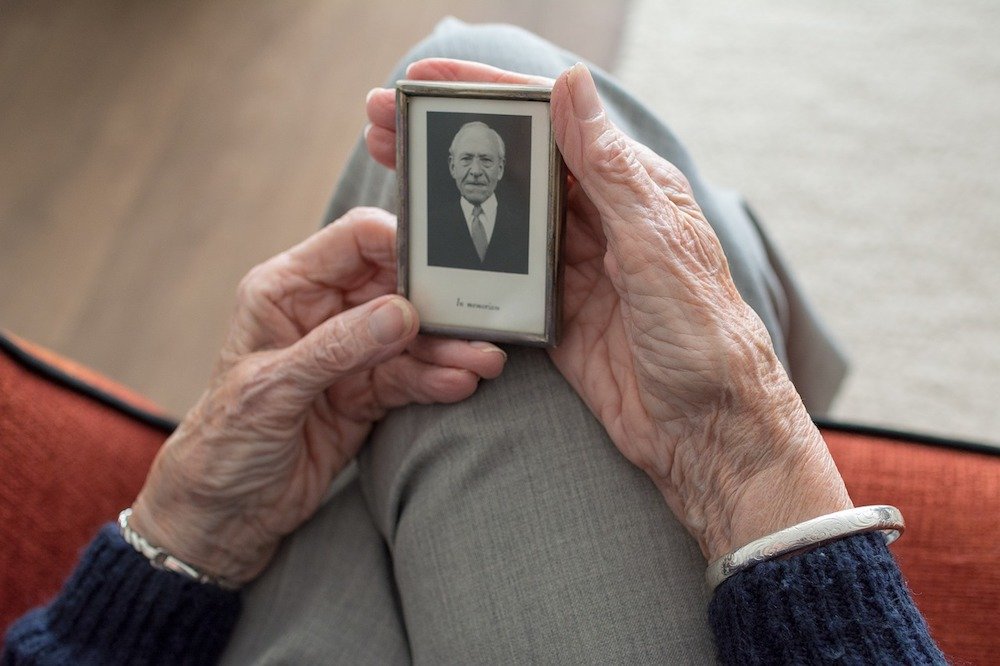
Photographs are one of the simplest ways to begin reminiscence.
Family albums may contain pictures of:
- parents and grandparents
- children and grandchildren
- weddings and celebrations
- former homes
- holidays
- pets
- workplaces
- school friends
- favorite hobbies
Rather than asking questions that test memory, such as “Who is this?”, try open invitations such as:
- “Tell me about this photo.”
- “That looks like a lovely place.”
- “What did you enjoy doing there?”
If the person does not remember the photograph, there is no need to correct or pressure them.
The purpose is to create an enjoyable interaction rather than establish whether their memory is accurate.
2. Familiar Smells and Tastes
Smell and taste can also prompt memories.
The smell of coffee, spices, freshly baked bread, flowers, perfume or another familiar scent may remind someone of particular places or experiences.
Food can have similar associations.
A family recipe may encourage conversations about childhood, celebrations or people who were important to the person.
Always take allergies, swallowing difficulties and dietary requirements into account when using food or scented products.
3. Familiar Objects and Tactile Activities

Objects connected with a person’s previous interests or work can also be valuable.
Examples might include:
- knitting wool or fabric
- old tools
- jewelry
- sporting equipment
- postcards
- cookbooks
- old household items
- medals or certificates
- clothing associated with special occasions
Someone who previously enjoyed painting or craft may also respond positively to brushes, fabric, pencils or other familiar materials.
You can find additional ideas in our guide to art activities and dementia.
4. Music
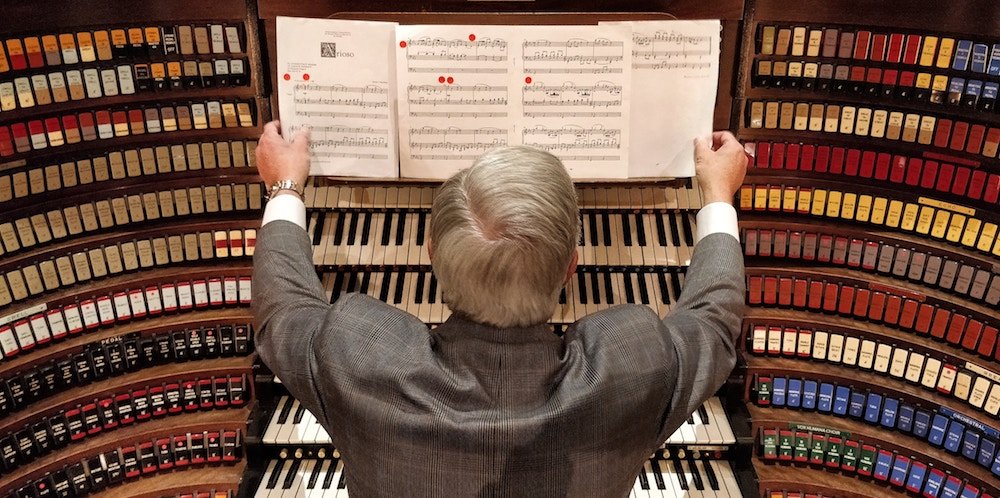
Music can be particularly powerful when it has personal meaning.
Songs associated with adolescence, weddings, dancing, religious services, military service or important relationships may evoke memories and emotions.
The Alzheimer’s Association recommends choosing familiar music the person enjoys and avoiding excessive background noise.
Useful activities may include:
- listening to favorite songs
- singing together
- clapping or moving to music
- playing a simple instrument
- talking about concerts or dances
You can also read our guide to music therapy and dementia.
5. Familiar Places
A familiar location can sometimes be an effective reminiscence prompt.
This might involve visiting an old neighborhood, garden, beach, church, sporting club or another place associated with positive experiences.
When visiting is not practical, photographs, maps or videos of the place may provide a similar conversation starter.
Different Forms of Reminiscence

Reminiscence can be approached in several ways.
Simple Reminiscence
Simple reminiscence involves casually recalling enjoyable events or experiences.
This might happen while looking at photographs, listening to music or talking over coffee.
Family members and caregivers can use this type of reminiscence without turning it into a formal therapy session.
Structured Reminiscence Therapy
Structured reminiscence therapy involves more deliberately guided conversations and activities.
The Alzheimer’s Association notes that these sessions may be led by professionals such as therapists, nurses or activity directors.
They may take place individually or in groups.
Life Story Work
Life story work involves gathering important information about the person’s experiences, relationships, interests and achievements.
This may eventually become a:
- photo album
- scrapbook
- memory box
- life story book
- digital collection of photographs, music or videos
A life story can help family members and professional caregivers understand who the person is beyond their diagnosis.
Possible Benefits of Reminiscence Therapy
Research suggests several areas in which reminiscence therapy may help some people with dementia.
Supports Conversation and Communication
Reminiscence gives the person an opportunity to talk about subjects that are familiar and personally meaningful.
This can sometimes make conversation easier than discussing recent events.
Supports Identity and Self-Esteem
Dementia can gradually affect many aspects of independence.
Talking about previous achievements, relationships, skills and experiences can help remind both the person and those around them that their identity is much broader than their diagnosis.
May Support Mood and Well-Being
Pleasant memories may bring enjoyment, comfort and social connection.
Research has found possible improvements in mood and depressive symptoms in some people who participate in reminiscence therapy, although results vary between studies.
May Provide Cognitive Stimulation
Reminiscing involves conversation, attention and retrieving information from memory.
Some studies have found modest improvements in cognitive test scores after reminiscence interventions.
However, this should not be interpreted to mean that reminiscence therapy stops or reverses dementia.
Can Strengthen Relationships
Reminiscence can give family members an opportunity to hear stories they may never have heard before.
It may also help professional caregivers learn more about a person’s preferences, relationships, occupation, culture and interests.
How to Structure a Reminiscence Therapy Session
There is no single session format that suits everyone.
Some people may enjoy a short spontaneous conversation, while others may participate in longer structured sessions.
A simple session might involve:
- Choose a calm and comfortable environment.
- Select one familiar subject or prompt.
- Allow the person time to respond.
- Use open-ended conversation rather than testing questions.
- Listen without repeatedly correcting details.
- Watch for signs of enjoyment, tiredness or distress.
- Finish when the person appears to have had enough.
The person’s comfort is more important than completing a planned activity.
Some days they may enjoy reminiscing for a considerable period. On other days, they may not be interested at all.
What If Reminiscence Brings Up Painful Memories?
Not every memory is pleasant.
Photos, songs, places or conversations may unexpectedly remind someone of bereavement, trauma, relationship difficulties or another upsetting experience.
If the person becomes distressed, do not pressure them to continue.
The safest approach is usually to acknowledge their feelings, offer reassurance and either change the subject or stop the activity.
Dementia Australia advises that if reminiscing causes distress, caregivers should stop and do something else.
If painful or traumatic memories repeatedly cause significant distress, seek advice from an appropriately qualified healthcare or mental health professional.
Formal life review involving unresolved trauma is different from casually sharing pleasant memories with a family member.
Tips for Families and Caregivers
When using reminiscence with someone who has dementia:
- Follow the person’s interests rather than your own.
- Avoid treating the activity as a memory test.
- Use familiar photographs, music and objects.
- Ask open-ended questions.
- Allow plenty of time for responses.
- Do not argue over small inaccuracies.
- Pay attention to body language and emotion.
- Stop if the person becomes tired, anxious or distressed.
- Focus on enjoyment and connection.
Reminiscence can also be incorporated into ordinary activities for people with dementia rather than requiring a formal appointment.
Is Reminiscence Therapy Suitable for Everyone?
Not necessarily.
Some people naturally enjoy talking about their past, while others may find it frustrating, boring or upsetting.
The person’s personality, culture, history and current stage of dementia should guide the approach.
Hearing and vision difficulties should also be considered when choosing prompts.
For example, someone with poor eyesight may respond better to music or familiar objects than photographs.
Reminiscence should never be forced simply because it is regarded as therapeutic.
Closing Thoughts
Reminiscence therapy can provide a meaningful way for people with dementia to connect with their past and with the people around them.
Photographs, music, familiar objects, scents and conversations can all be used to encourage memories and social interaction.
Research suggests that reminiscence therapy may provide modest benefits for cognition, communication, mood and quality of life in some people, although results differ between individuals and between different types of reminiscence programs.
It should be viewed as a supportive approach rather than a cure or a way to stop dementia progression.
Most importantly, reminiscence should be enjoyable and person-centered.
The goal is not to test whether the person can correctly remember names, dates or events. It is to create opportunities for conversation, comfort, identity and connection.
References and Further Reading
Alzheimer’s Association. Reminiscence and Reminiscence Therapy.