Prevent Cognitive Decline- Brain Booster Reviewed

prevent cognitive decline

What is The Brain Booster Program?

Brain Booster is a unique, all-natural program specifically designed to prevent cognitive decline by tackling brain health deterioration at its source.

The very effective program provides easy to use, step-by-step guidance with specific techniques to increase brain blood flow, essential to the delivery of oxygen and nutrition and crucial for optimum brain function.

Brain Booster Program Case Study 

Why Do We Support this Program?

Primarily, we see tremendous benefit in the prevention of dementia and dementia related illnesses. Many of our articles give guidance to our viewers on dementia prevention.

The Brain Booster program gives a practical, easy-to-do, solution to reversing early cognitive decline by restoring blood flow to the brain. Their approach to the program is supported by research and acceptable professional practices.

When people follow the steps presented in the program, noticeable results are achieved within days.

This is impressive, and the company backs its claim with a 60-day money back guarantee.

In our view, there is nothing to lose and plenty to gain from giving the program a try.

prevent cognitive decline Brain Booster Reviewed

Understanding A Root Cause of Brain Health Decline

Memory loss and brain fog happen for a reason (not just old age). There are specific elements and functions in your body causing cognitive decline.

Scientists have known for many years that when blood flow to the brain is restricted, the brain is starved from the essential components it needs to function properly. These essential components are oxygen, glucose, and nutrients.

Insufficient Oxygen

According to the National Center for Biotechnology Information, while making up only a small part of our total body mass, the brain is the most metabolically demanding organ and utilizes 20% of the body’s oxygen.

Of this, it is estimated that neurons consume 75%–80% of the energy produced in the brain.

Therefore, it is  not surprising that the brain is one of the organs that are most prone to limited oxygen.

Without oxygen, the brain’s cells cannot metabolize glucose, and therefore cannot convert glucose into energy.

Researchers (PNAS.org: Hyder et al., 2013) have proven that when a brain doesn’t receive sufficient oxygen, it starts to malfunction.


Symptoms of Insufficient Oxygen to the Brain Include:

  • Forgetfulness
  • Disorientation
  • Unable to focus
  • Attention weakens
  • Become increasingly confused

If the flow of blood is slowed or blocked in any way these problems occur and will worsen over time unless oxygen to the brain is restored.

Research has proven this in both mice (Medical News Today) and with humans (see ‘Bonus Research’ below).

What Happens When There is a Major Lack of Oxygen to the Brain?

Brain Plaque

Throughout the brain a sticky substance call plaque is created, interfering with how the brain neurons fire. In a healthy brain these plaques are rare.

In a brain not receiving sufficient oxygen the plaque continues to accumulate over time, worsening the conditions associated with mental decline (Small et al., 1995Silverman et al., 2001) (See ‘Bonus Research’ below).

Oxygen for the Metabolism of Glucose

In addition, without energy to power the brains neurons, brain cells will not function as they should and may die. Oxygen is needed to metabolize glucose into energy.

Research shows that this disruption of oxygen metabolism is a root cause of various age-related neurodegenerative diseases associated with cognitive decline.  (Tabrizi et al., 2000Silverman et al., 2001; Zhou et al., 2008).

What the Brain Booster program does do is reverse the process. It is like turning the tap of oxygen and nutrients to the brain back on. Do this and the brain is on its way back to working as it should.

The reversal process can be noticeable quite quickly.

Who Created the Brain Booster Program?

Brain Booster was developed by Christian Goodman.

Christian Goodman, CEO of Blue Heron Health News, has an obsession for natural health research. He and his like-minded team have found solutions to different health problems that are rampant in modern society.

Goodman’s approach to tackling illness is to address the cause of the problem stemming from lifestyle circumstances. His is a natural approach.

Why Not Use Drugs?

Goodman’s view is that drugs prescribed will, in most cases, only mask the illness or suppress the symptoms, however, the underlying illness is still there.

Prescribed drugs may help some health conditions, but with the brain it is far better to deal with the root problem, not mask symptoms.

Christian Goodman has taken known science and already proven methods, bringing them together to create the Brain Booster program. He 100% guarantees his programs.

reverse early dementia symptoms

Understanding Why Blood to the Brain is Being Restricted

Blood travels through veins, arteries, and capillaries. These must pass through the tissues of the body. There isn’t a lot of space. Space is needed to allow the vessels to expand and contract as blood is pumped by the heart

When the body is functioning normally, veins, arteries and vessels will be able to do this efficiently and pump blood ladened with oxygen and nutrients to the brain.

However, if the surrounding tissues are tight and inflexible then the vessels will be restricted on their ability to expand with each heartbeat.

Internal muscles do get tight as people get older. This is not always noticeable until it causes problems- like brain decline.

The Brain Booster Program starts the flow of oxygen-rich blood back to the brain within days.

Restoring Brain Health

Brain Booster’s key principals to reversing cognitive decline are:

1.Breathing for the Brain

We breath 20 000 times a day. Having only a slight decline in a breath may seem to be nonproblematic in passing oxygen to the brain. However, 20 000 breaths, will lead to a greater deficiency of oxygen. This will be repeated day after day.

A small improvement in the efficiency of oxygen to the brain can make a large difference.

2.Fixing the Muscles that Are Suffocating the Brain

Tense, inflexible internal muscles that are restricting blood flow in veins, arteries and vessels can be loosened up to oxygen and nutrients to the brain.

Loosening up of muscles works in conjunction with breathing for the brain. No point in breathing for the brain and having muscles restricting the flow of blood.

3.Target Oxygen Directly to the Brain

Oxygen deprivation to the brain affects certain areas of the brain. These areas differ from person to person- hence symptoms differ from person to person.

The program uses techniques to move blood from one brain area to another, diverting it so the whole brain gets blood flow.

Brain Booster’s Exercise Techniques

The basis of the program are daily exercises utilizing the breath and body.

Not to fear, these are not strenuous difficult exercises that raise a sweat. They can be done whilst sitting, going for a walk, watching TV, or when driving. There are different exercises to choose from.

What to Expect from the Program

The Brain Booster program is 100% safe and completely natural with no equipment required. You can do the program in the comfort of your own home with your own schedule. It doesn’t take a great deal of time, nor strenuous exercises.

The Brain Booster exercises are simple, feel good and therapeutic. They are not strenuous.

  • Body Balance Exercises
  • Breathing Exercises
  • The Mind Body Exercise
  • Head Muscle Exercises

The exercises will involve deep breathing– step-by-step guidance provided in the program. (see notes under Bonus Research on focussed breathing)

The whole program is completely digital. It can be downloaded onto your smartphone, tablet device, kindle or desktop computer.

This allows you easy quick access to the program wherever you may be- important for keeping you on track.

For those of you not so tech savvy, simple step by step instructions are given to show you how to put Brain Booster on your devices.

What You’ll Learn in the Brain Booster Program

The program begins by giving you the foundations of the treatment and how to get the most from it.

Next, the program goes into the process of healing.

The exercises are divided up into categories. Each exercise comes with step-by-step instructions and diagrams on how to do each exercise.

For best results, exercises should be completed every day, however, if that doesn’t suit, the program does provide other options.

At the conclusion of the program there are tips on what to do moving forward. This is so you learn how to keep the benefits flowing.

Program Table of Contents

  • Welcome
  • How the Program Works
  • How to Work the Program
  • Breathing Exercise 1
  • Body Balance Exercises
    • Freeing the Neck
    • Increase Blood Flow to the Brain to Prevent Cognitive DeclineExercise 1
    • Exercise 2
    • Exercise 3
    • Exercise 4
    • Calf Drop
    • Feet on the Wall
    • Sitting Floor
    • The Relaxed Frog
  • Breathing Exercises
    • Nostril Balance
    • Rhythmic Walking
    • Breathing Laughter
  • Head Muscle Exercises
    • Chewing
    • About to Yawn
    • Delightful Surprise
    • Tongue Rolling
  • The Mind Body Exercise
    • 1-2-3-4 Exercise
  • Beyond This Program

Our Verdict ✅

Providing a simple, easy to do, solution to reversing cognitive decline offers our viewers an opportunity to improve their brain health or the health of their loved ones.

This is a unique program helping to prevent the onset of dementia and Alzheimer’s Disease. We haven’t seen any like it.

Employing science and proven methods, the Brain Booster repairs damage to the brain, restoring brain health. In doing so optimal blood flow to the brain is rectified, delivering essential oxygen and nutrients.

Giving your brain a boost using an all-natural process without medications, equipment nor strenuous exercise is a huge plus. Anyone can do the program easily from their home.

The program is inexpensive, providing tremendous value.

Christian Goodman backs Brain Booster with a 100% money back guarantee, with 60 days for you to use the program and discover for yourself its benefits. If is not for you then you can easily get a full refund.

Bonus Research

Focussed Breathing

Researchers at Trinity College Institute of Neuroscience and the Global Brain Health Institute discovered that focused breathing directly influences levels of noradrenaline, a natural brain chemical messenger.

Noradrenaline is released into the bloodstream when you are curious, focused, or emotionally aroused. It heightens your attention to detail and enhances overall brain health by promoting the growth of new neural connections.

Plague and Reduced Oxidation of Glucose Leading to Alzheimer’s

Alzheimer’s mostly affects short-term working memory and is classified by the presence of two hallmark neuropathologies; extracellular amyloid plaques and abnormal accumulations of a protein called tau that collect inside neurons.

In AD patients, regional decreased brain glucose consumption is a predictor for progressive cognitive decline and reduced oxidation of glucose is associated with carriers of the AD risk allele of the APOE-4 gene (Small et al., 1995Silverman et al., 2001).

Cell Death of Neurons

Oxygen and glucose deprivation to the brain cause cell death Study Sept 2020 National Center for Biotechnology

The Brain Booster Program

Reference:

Frontier.org

Hyder, F., Rothman, D. L., and Bennett, M. R. (2013). Cortical energy demands of signaling and nonsignaling components in brain are conserved across mammalian species and activity levels. Proc. Natl. Acad. Sci. U S A 110, 3549–3554. doi: 10.1073/pnas.1214912110

Zhou, C., Huang, Y., and Przedborski, S. (2008). Oxidative stress in Parkinson’s disease: a mechanism of pathogenic and therapeutic significance. Ann. N Y Acad. Sci. 1147, 93–104. doi: 10.1196/annals.1427.023

Silverman, D. H., Small, G. W., Chang, C. Y., Lu, C. S., Kung De Aburto, M. A., Chen, W., et al. (2001). Positron emission tomography in evaluation of dementia: regional brain metabolism and long-term outcome. JAMA 286, 2120–2127. doi: 10.1001/jama.286.17.2120


How to Prevent Dementia- 7 Easy Things You Can Do

how to prevent dementia

The best time to correct early signs of dementia is right now, rather than waiting for cognitive decline to become a real problem. In this article we show you how to prevent dementia naturally.

To understand what the early signs of dementia are view our article HERE.

A key element medicine is missing

The problem in medicine is the lack of importance of diet and how this effects your brain.

Medicine does not connect the dots and make the links between diet and your brain. Medicine may point cognitive decline to genetics, stress or things just happen and you cannot do much about it. However, your diet is key to preventing and even reversing early dementia.

how to prevent dementia naturally

The Hippocampus

A complex brain structure rooted deep into temporal lobe is called the Hippocampus. It plays a major role in learning and memory. The hippocampus is a plastic and vulnerable structure that, if not nurtured, can be damaged. People with dementia have a shrinking or damaged hippocampus. There are easy natural things that you can do to care for your hippocampus.

How to Prevent Dementia Naturally

Vitamin B1

What would shrink your hippocampus?Vitamin B1 Dr. Berg

One thing that could be a real problem with your hippocampus is a Thiamine deficiency. That is a Vitamin B1 deficiency. The demand for thiamine goes way up when alcohol and carbohydrates are consumed. Vitamin B1 is needed to metabolize carbs and alcohol.

The more sugar you eat, the more carbs you consume, and the more alcohol you drink, the more you need vitamin B1.

Nutritional yeast is the best source of B1. Make sure you get natural yeast that is not fortified with synthetic vitamins. Synthetic vitamins might work initially but are not a good long-term solution.

Of course, you want to do things to prevent a B1 deficiency by giving up alcohol, reduce sugar and carbs in your diet.

The good news is that you can consume plenty of vegetable carbs.

Fix the Gut

You want to fix the gut microbiome.

There has been interesting research on Alzheimer’s Disease and Parkinson’s Disease. Research points to a lack of diversity in the microbiome of the gut in people with these diseases. There is also a correlation with these patients having gut inflammation, with leaky gut being common.

Also realize that the gut and the brain are by-directional. Through the vagus nerve you have information going from the gut to the brain and information from the brain going to the gut. If you have a problem with your brain you’ll have a problem with your gut. If you have a problem with your gut, you can have a problem with your brain.

Interestingly, our gut microbes produce neurotransmitters, and they can synthesis B vitamins.

Having a healthy diversified gut microbiome is essential to preventing cognitive decline.

4 ways to fix the gut

1.Vegetables

One of the best ways to increase diversity of the microbiome is to start consuming vegetables.

Look for a wide variety of vegetables, and different types of salads that have a variety phytonutrients and fibers. Organic vegetables are best.

2.Fasting

Another way to increase the diversity of microbiome is to introduce fasting.

Many would think that fasting would starve the microbes, resulting in them getting weaker. Yet, the very opposite happens. They get stronger and new strains come out and try to survive. It is part of a survival mechanism that has been evolving for eons.

3.Gluten

Research has found that when people with dementia are taken off gluten, they are seeing huge improvements in dementia. Gluten can worsen dementia.

Being on a gluten free diet is not enough. There needs to be low carbs and no grain.

4.Stay away from GMO foods

Foods that have been exposed to glyphosate (a herbicide) are not good for your gut biome. Glyphosate destroys microorganisms like bacteria. This affects our gut microbes, just like it affects the microbes in the soil.

The reason GMO foods are a problem is because they have been genetically modified to tolerate heavy applications of the herbicide. That way, farmers can spray glyphosate on their GMO crops to kill weeds without killing the crops.

Seek out non-GMO foods. Better still, seek organic foods that have not been sprayed with glyphosate or any gut damaging chemicals.Sulforaphane Complex

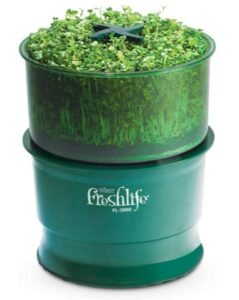
Consume More Sprouts

The unique thing about sprouts is that they come from little seeds. If you were to consume the seeds on their own the nutrition would not be so readily available to you and they are difficult to digest.

However, if they are grown into sprouts, you have incredible amounts of easy digestible nutrition is released when eaten.

Eat sprouts on a regular basis. Not only will you be getting peak nutrition from a plant, but you are also getting certain phytonutrients that are a superfood for your brain.

Broccoli sprouts are abundant in sulforaphane. This substance is fantastic for any type of neuro degenerative disorder.

Check price of Sulforaphane Broccoli products on AMAZON.com

Sprouts are also beneficial for your gut.

Include sprouts into your diet on a regular basis. Add them to your salads. They are very cheap and easy to grow yourself.Freshlife Automatic Seed Sprouter

Check price of Sprouts seeds and Sprouts’ Growing Machines on AMAZON.com

Ketones

Ketones bypass the damage in the brain and feed the neurons directly.

People with dementia are experiencing the destruction of their brain cells in their hippocampus. Due to this damage, the brain is not getting glucose fuel. Brain cells need to be restored by feeding them fuel in the form of ketone fuel. Ketone bodies are a more efficient fuel than glucose fuel.

Check price of Ketones products on AMAZON.com

3 ways to increase ketones

1.Intermittent fasting and periodic prolonged fasting give huge benefits for two reasons. Fasting generates many more ketones than you gain from being on a low carb diet. Fasting also up regulate genetic factors that support your brain.

2.Consuming MCT oil (1 tablespoon twice a day), a supplement made from a type of fat called medium-chain triglycerides will help brains by increasing ketone production.doctor's best extra strength ginkgo

3.Exogenous ketones (buy as a supplement) are a terrific brain-enhancing supplement which may reduce cognitive decline, improve brain power, and reduce brain fog.

Ginkgo Biloba

Ginkgo biloba (specifically the extract EGB 761) has shown significant benefits for dementia patients by giving neuro protection. Ginkgo Biloba is the Maidenhair Tree native to China.

Check price of Ginko Biloba Extract products on AMAZON.com

Lion’s Mane Mushroom

How does lion’s mane work in the brain?

Research show that lion’s mane mushroom extract may in fact support brain health by promoting the creation of two important compounds: nerve growth factor (NGF) and brain-derived Lion's Mane Mushroom liquid Dropsneurotrophic factor (BDNF). These are proteins that stimulate the formation of new cells and bolster existing ones.

Check price of Lion’s Mane Mushroom products on AMAZON.com

Omega-3 Fatty Acids, Vitamin D, Zinc, Exercise and Sleep

Other ways to prevent cognitive decline include:

Including Omega-3 in your diet. This fatty acid can be found in oily fish and fish oil (especially cod liver oil).

Vitamin D, the free sunlight vitamin that can also be gained from diet. Foods high in vitamin D include oily fish, egg yolks, mushrooms, orange juice and many vegetables. Check price of Vitamin D3 products available at AMAZON.com 

Zinc is very important. Foods with high levels of zinc include oysters, sea foods, avocados, nuts, beans, meat and berries. Check price of Zinc products available at AMAZON.com

Exercise increases oxygen to your brain. It also increases blood flow, delivering nutrients to the brain.

Sleep is very important. If you are not sleeping enough; cortisol increases, you may be more stressed, and important oxygen to the brain is reduced.

Final Comments

In a nutshell, diet, exercise, and sleep all play a core role in preventing of the onset of dementia.

A wholesome low carb diet, rich in superfoods and free from chemicals is key.  The right diet will foster a healthy gut microbiome and provide the best brain nutrition.

Regular exercise increases oxygen and blood flow to the brain delivering nutrients for healthy brain function. This combined with quality sleep will reduce cortisol levels causing stress.

Viewing Dr. Eric Berg DC channel provided much of the content for this article. Dr. Berg specializes in Healthy Ketosis and Intermittent Fasting.

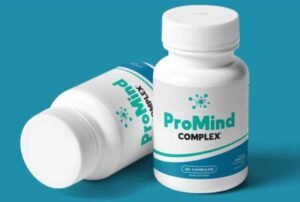
ProMind Complex Reviewed

ProMind Complex- premium all natural brain supplement. Check out our Independent Review HERE.


Reading to a Person with Dementia: Benefits and Book Ideas

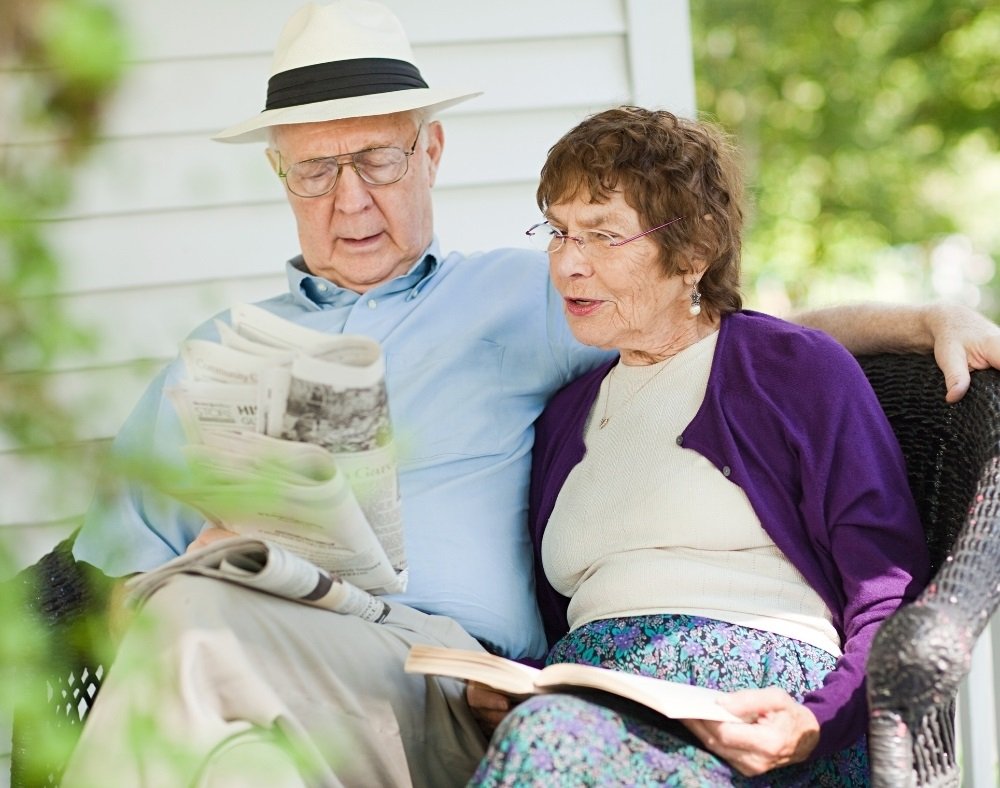
Reading to a person with dementia together

Reading to a person with dementia can be a simple and enjoyable way to spend time together, encourage conversation and maintain a connection through familiar stories, pictures and subjects.

A diagnosis of dementia does not necessarily mean that someone has to stop enjoying books. Some people continue reading independently for a long time, while others may prefer shorter stories, picture books, magazines, newspapers, poetry or listening while somebody else reads aloud.

As dementia progresses, the type of reading material and the way it is presented may need to change.

The aim is not to test the person’s memory or reading ability. It is to provide an activity that is meaningful, comfortable and suited to their interests.

In this guide, we look at the possible benefits of reading together, how to adapt reading as dementia progresses, and different types of books and reading material that may be suitable.

Why Reading to a Person With Dementia Can Be Valuable

Reading together can provide more than simply the words on the page.

It can create an opportunity to sit quietly together, share an experience and start conversations about familiar people, places, interests and memories.

The Alzheimer’s Society notes that many people with dementia continue to enjoy books and stories. If longer pieces of writing become difficult to follow, shorter stories, anthologies, audiobooks and reading together may be easier alternatives.

Similarly, Dementia Australia recommends choosing activities that are enjoyable, meaningful and connected to the person’s previous interests.

For someone who has always enjoyed books, reading may remain an important part of their identity.

Reading During Different Stages of Dementia

Reading to a person with dementia at different stages of the condition

There is no single reading approach that will suit every person with dementia.

Abilities can also change from day to day.

Earlier Dementia

During the earlier stages, many people can continue reading books they have always enjoyed.

They may still enjoy:

  • novels
  • newspapers
  • magazines
  • biographies
  • poetry
  • religious material
  • puzzle and activity books

Some people may begin to lose track of complicated plots or forget what happened several pages earlier.

Shorter chapters, short stories and familiar books can sometimes make reading easier.

Large-print books or an e-reader that allows the text size to be increased may also help if eyesight has changed.

Middle Dementia

As concentration and memory become more affected, shorter reading sessions may work better.

Books with photographs, illustrations and familiar topics can provide visual prompts as well as written information.

Instead of expecting the person to read an entire story, you might look at a few pages together and talk about what you see.

For example, a photograph of a beach might lead to a conversation about vacations, fishing, swimming or somewhere the person once lived.

Later Dementia

A person with more advanced dementia may no longer be able to follow a written story, but that does not necessarily mean books have lost their value.

They may still enjoy:

  • hearing a familiar story
  • listening to poetry
  • looking through photographs
  • holding a familiar book
  • listening to religious readings
  • hearing newspaper stories
  • sharing a picture book

At this stage, the sound of a familiar voice and the experience of spending time together may be as important as the content itself.

Books Can Help Us Connect

Books helping family members connect with a person with dementia

Books can provide a natural starting point for interaction when conversation has become more difficult.

Comfort and Familiarity

Someone who has enjoyed reading throughout their life may continue to find familiar books reassuring.

A favorite novel, cookbook, Bible, poetry collection or photography book may have personal meaning even if the person can no longer read it independently.

Allow the individual to decide how they want to interact with the book.

They might read, listen, turn the pages, study pictures or simply hold it.

Conversation

Books containing photographs and familiar subjects can provide excellent conversation prompts.

Rather than testing the person’s memory by asking:

“Do you remember where this is?”

you could say:

“That looks like a beautiful beach. Did you ever enjoy going to the beach?”

This removes the pressure to produce a correct answer.

You can also use books in a similar way to reminiscence therapy, using familiar subjects to encourage conversation and connection.

Shared Time

Reading can also solve a common problem for family members who are unsure what to do during a visit.

You do not always need to maintain a continuous conversation.

Sitting beside someone and reading a story, looking through a magazine or discussing photographs can create a relaxed shared activity.

Tips for Reading to a Person With Dementia

A few simple changes can make reading more enjoyable.

  • Choose a quiet, comfortable area with good lighting.
  • Reduce background television, radio and other distractions.
  • Choose material connected to the person’s interests.
  • Keep reading sessions relatively short if concentration is limited.
  • Read slowly and clearly.
  • Pause occasionally rather than rushing through the material.
  • Allow the person time to comment or ask questions.
  • Use pictures and illustrations as conversation starters.
  • Do not correct every mistake or forgotten detail.
  • Stop or change the activity if the person becomes tired, frustrated or distressed.

The Alzheimer’s Society also suggests audiobooks or having a friend or family member read aloud when independent reading becomes difficult.

What Books Are Good for People With Dementia?

Choosing suitable books when reading to a person with dementia

There is no single “best” type of book for dementia.

The person’s previous interests, culture, reading ability and current stage of dementia are more important than their diagnosis alone.

Some people will enjoy traditional novels. Others may respond better to poetry, photography, puzzles, newspapers or familiar religious texts.

The following are some options worth exploring.

Affiliate disclosure: Some of the product links in the tables below are affiliate links. If you purchase something through one of these links, ReaDementia may receive a small commission at no additional cost to you. We only include products and resources that are relevant to the subject of this article.

Poetry

Poetry can work particularly well because poems are usually shorter than novels and do not require the reader to remember a long storyline.

A poem can be read slowly, one section at a time.

Familiar poetry may also encourage memories of school, family life or earlier experiences.

PRODUCTPROS/FEATURESCONSRATINGCHECK PRICE
a walk in the Garden poetry for dementiaA Walk in the Garden2-lap book (lays flat)
Large print
Verses from nature, poetry and scripture
1-sentence text
Full color drawings
Hard cover
5 STARSAlzstore
Love Poems for the Young at HeartLove Poems for the Young at Heart- nostalgic poetryLarge format
Designed for dementia
Award winning (Dementia Care)
20 poems
Full color
For adults (not children)

PaperbackNo ratingAmazon Readementia

Folk Songs and Traditional Verse

Song lyrics, traditional verses and familiar folk material may bring back memories of childhood, school, community events, religious gatherings or family occasions.

If the person knows the words, reading may naturally turn into singing.

Music itself can also be a meaningful dementia activity. You can read more about music and dementia.

Fairy Tales and Familiar Stories

Familiar stories can be easier to follow than completely new material.

Fairy tales and traditional stories often contain recognizable characters and simple plots.

Books with strong illustrations can also provide something to discuss even if following the written story becomes difficult.

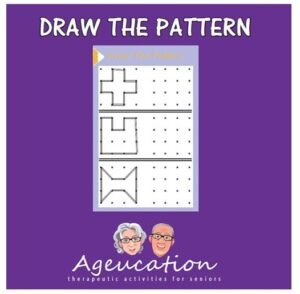
Puzzles and Activity Books

Some people in the earlier stages of dementia continue to enjoy word searches, crosswords, quizzes, drawing or other puzzles.

The difficulty level is important.

An activity that is too difficult may create frustration rather than enjoyment.

Choose something the person can realistically complete and offer help without turning it into a test.

PRODUCTPROS/FEATURESCONSCUSTOMER RATINGCHECK PRICE
Draw the pattern activity book for dementiaDraw the Pattern ActivityWipeable sheets (reuse)
Designed for dementia
Suit early to middle stage dementia
Keeps active for long periods
Suitable for visually impaired
10 page book ~ 8.5" x 5.5"
Completed with or without supervision
no ratingAlzstore
snow queen magic painting book for adults with dementiaSnow Queen Magic Painting BookSuitable for early to middle stage dementia
Brush over to bring out colors
Mess free activity (no paint)
no ratingAlzstore
Alzheimer Store- Through the Seasons ActivitiesThrough the Seasons Activity BookDesigned for adults with memory loss
Designed by expert (science)
Simple & enjoyable
Large format
Colored pictures
Theme- seasons
Suitable for early to middle stage dementia

Includes Christmas in winter section (some people may not share beliefs)5 STARSAlzstore
Alzheimer Store Strengthen your mind
Activity book for dementia
Strengthen Your Mind Brainstorming Activity BookBrainstorming activities on variety of topics
Answer key
Suit early stage dementia
Tips given for engagement
Reviewed & tested by experts in dementia
no ratingAlzstore
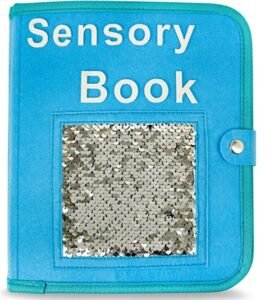
Sensory Book Fidget Book for adultsStrengthen Your Mind Brainstorming Activity BookDesigned for adults with dementia
Made from assortment of fabrics
Stimulating & therapeutic
Engages body & mind
Protective cover/case
4.5 STARSAmazon Readementia
Large and Giant word find books Alzheimer StoreLarge & Giant Word Find Books- set of 4Large print
Easy to medium skill level
80+ pages
Large 8" X 11" format
Stimulate the mind
Soft cover formatno ratingAlzstore
The Ultimate Memory Activity Book for Dementia Patients AmazonStrengthen Your Mind Brainstorming Activity BookInteractive memory book
Wide variety of games
Easy to difficult
Imaginative activities
Advice for body/mind given
130 puzzles
Designed for dementia
Science based guidance
Dr. Alexis Olson (author)-neuropsychological therapist
Paperback
Some print green/brown color- not good for visually impaired
4.5 STARSAmazon Readementia
Alzheimer Store Brain GamesBrain Games & More Activities of the Mind- set of 4Keeps entertained for long periods
Good quality
Not difficult
Nice layout
Engaging
Inviting colorful illustrations
Answer key
Soft cover format5 STARSAlzstore
Paint with Water Coloring Books Alzheimer StorePaint With Water Coloring Book- set of 5No mess paint
Enhances hand coordination
Large water pen
Bright colors revealed
Let dry to erase pictures ( reuse over and over again)
Suitable for early to middle stage dementia
5 themes
Keeps occupied for long periods
Smallish book4.5 STARSAlzstore

Cookbooks

Cookbooks can be particularly useful for people who enjoyed cooking.

Recipes and food photographs can encourage conversations about:

  • favorite meals
  • family recipes
  • celebrations
  • foods from childhood
  • cooking for children
  • traditional or cultural foods

You do not necessarily need to follow the recipe.

Simply looking through the book together may be enough to create an enjoyable conversation.

Magazines and Newspapers

Magazines can be useful because articles tend to be shorter and contain plenty of photographs.

Look for subjects the person has previously enjoyed, such as:

  • gardening
  • sport
  • travel
  • cars
  • animals
  • craft
  • food
  • history

Newspapers may help some people remain connected with current events.

Older newspapers and magazines can also become useful reminiscence prompts.

PRODUCTPROS/FEATURESCONSRATINGCHECK PRICE
Memories 1940s Book for people with dementiaMemories 1940s for Seniors with Dementia- Mighty OakMemories 1940s for Seniors with Dementia- Mighty Oak Books BooksUSA specific
Easy to read large print
Minimal text
Full color
8.5" X 11"
Many other similar books to choose (eg: 1950s, movie stars, TV)
4.5 STARSAmazon Readementia
Everyday Fashions Depicted in Sears CataloguesEveryday Fashions Depicted in Sears CatalogueAmerican fashion 40s 50s 60s
Suit early to middle dementia
No RatingAlzstore
1950s Memory Lane1951950s Memory Lane USA & Britain0s Memory LaneLarge print
Suitable for persons with dementia
Short easy to follow paragraphs
Theme: 1950s USA & Britain
8" X 10" 35 pages
A little crowded
More British than USA
Black & white images
4.5 STARSAmazon Readementia

Religious and Spiritual Reading

For someone with a strong religious or spiritual background, familiar prayers, Bible passages, hymns or other religious texts may continue to hold significant personal meaning.

The person’s own beliefs and preferences should always guide this activity.

PRODUCTPROS/FEATURESCONSRATINGCHECK PRICE
Songs of Faith for DementiaSongs of Faith CD's and SongbookLarge print songbook
25 Christian hymns & music
Easy to hear & sing
Played in lower keys
Uncluttered 8.5" X 11" 32 pages
Durable paper
Coated cover
2 sets available to purchase
5 STARSAlzstore
Hymns very large print for dementiaFavorite Hymns- very large printEasy to read verses
24 popular hymns
Beautifully illustrated
Lies flat for easy following
14" X 12" book
Suit early to mid dementia
4.5 STARSAlzstore
Verses From the Bible Very Large Print for DementiaVerses From The Bible- very large printHigh contrast color pictures
Stained glass illustrations
Suit early to mid dementia
14" X 12"
Book lies flat when open
5 STARSAlzstore

Photography Books

Photography books can be particularly useful because they do not rely on long passages of text.

Subjects could include:

  • nature
  • animals
  • local history
  • travel
  • sport
  • cars
  • gardening
  • famous places

A single photograph may be enough to begin a conversation.

Classic and Familiar Novels

A person who has loved reading may still want to enjoy novels.

Books they have read before can sometimes be easier to follow because the characters and story are already familiar.

Do not assume that dementia means someone should automatically be given children’s books.

Choose material that respects the person’s age, interests and life experience.

PRODUCTPROS/FEATURESCONSRATINGCHECK PRICE
Anne of Green Gables- Classic novels in large printAnne of Green Gables- Volume 1Super large print
Designed for low vision readers
Easy to read
6" X 9" 480 pages
Volumes 2,3,4 also available

Paperback4.5 STARSAmazon Readementia
Moby Dick White WhaleMoby Dick White WhaleHardcover
Sea Adventures
Large 15pt font
8.25" X 11" 541 pages
Lots of description, making the text quite wordy4.5 STARSAmazon Readementia
The Complete Little WomenThe Complete Little WomenHardcover
4 novels in 1 book
43 original sketches
6.4" X 9.21" 760 pages
Thick heavy book
Some typos
Not large print
4.5 STARSAmazon Readementia
The Adventures of Tom SawyerHardcover
Twin set
Many classic illustrations
6.1" X 9.2" 640 pages
Excellent quality
Small print4.9 STARSAmazon Readementia

Feel-Good Picture Books

Books designed around photographs and simple themes can be useful when longer written material has become difficult.

Subjects such as beaches, gardens, animals, family life and travel may encourage conversation without placing pressure on the person to remember a complicated storyline.

PRODUCTPROS/FEATURESCONSRATINGCHECK PRICE
Wishing on a Star Alzheimer Store Wishing on a Star (suitable for early dementia)Designed for Alzheimer
Flat book for 2-lap reading
Colorful & engaging
Simple text
Familiar images
Created for adult audience
Hard cover
Alzstore
A Day at the Beach- Large print fiction for seniorsA Day at the Beach- 6 chapter bookLarge print
Simple text
Happy memories of beach
No mention of 'dementia' in text
Color photographs
Designed for seniors with dementia

9" X 6" Paperback (small size book)
Not a flat book - not easy for lap reading
Story may be too simple and short
4.5 STARSAmazon Readementia
The Sunshine on My FaceThe Sunshine on My Face- 28 pages (Other books in the series available)Hard cover
Easy to read text
Illustrated
Pleasant themes
Author a clinical psychologist

Does mention 'memory difficulties' in text
Text quite short

4.5 STARSAmazon Readementia

What About Audiobooks?

Audiobooks can be an excellent alternative when reading printed text becomes tiring.

Someone may be able to relax and listen without having to concentrate on individual words on a page.

Familiar narrators, stories or subjects may be particularly enjoyable.

You can also listen together and pause whenever the person wants to comment.

For some people, a combination of an audiobook and the printed book works well because they can follow the pictures or words while listening.

When Reading Is No Longer Enjoyable

Reading should never become something the person feels forced to do.

If they repeatedly appear bored, frustrated, anxious or tired, try a different activity.

Their interests may also change as dementia progresses.

Someone who once loved novels might later prefer photographs, music, gardening or simply sitting outside together.

Dementia Australia emphasizes that activities should be based on what gives the individual meaning, pleasure and confidence rather than what other people believe they ought to be doing.

You can find more ideas in our guide to activities for people with dementia.

Closing Thoughts

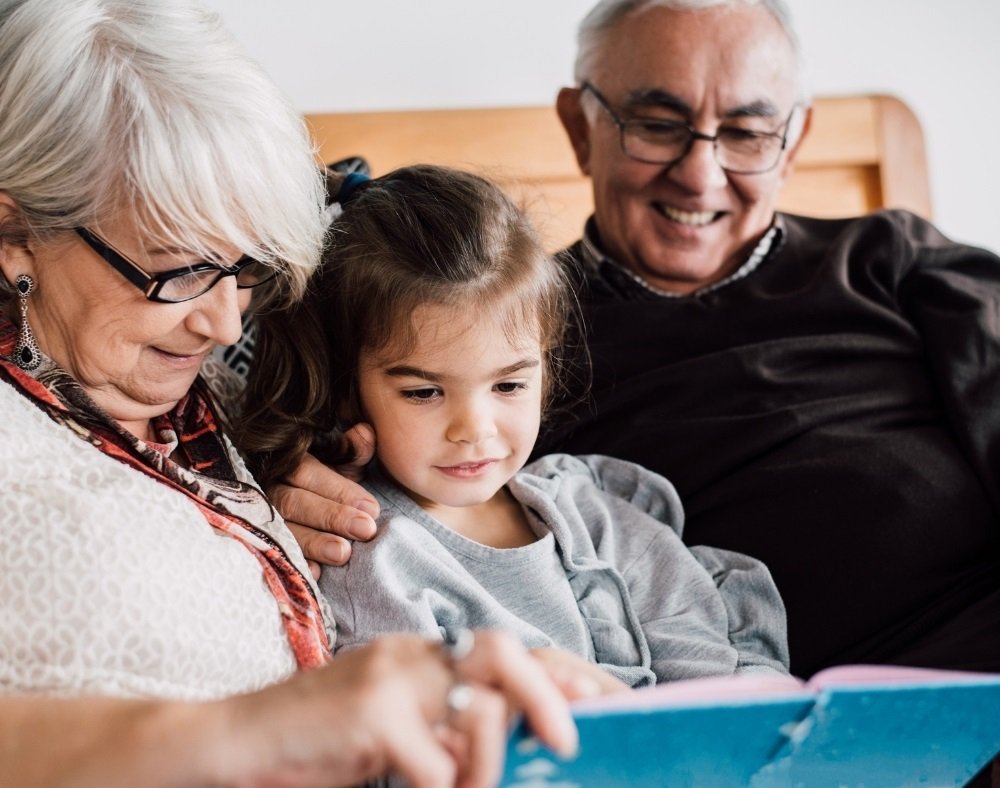
Family member reading a book with a person who has dementia

Reading to a person with dementia can provide a simple way to share time, encourage conversation and continue an activity they may have enjoyed throughout their life.

The most appropriate reading material depends on the individual.

Some people may continue enjoying novels and newspapers, while others may prefer poetry, familiar stories, magazines, photographs, religious material or audiobooks.

As dementia progresses, focus less on how much the person can remember and more on whether they are enjoying the experience.

There is no need to finish a chapter, complete a puzzle or remember the name of every person in a photograph.

A few enjoyable minutes spent looking at a favorite book together may be more valuable than completing an activity that has become frustrating.

The goal is connection, dignity and enjoyment.

References and Further Reading

Alzheimer’s Society. Activity Ideas: Books and Stories.

Alzheimer’s Society. Activity Ideas for People With Dementia.

Dementia Australia. Activities for People With Dementia.

Best Therapy Dolls for Dementia: 6 Reviewed Options

Best therapy dolls for dementia

Looking for the best therapy dolls for dementia? We originally reviewed a selection of dementia therapy dolls in 2023. This guide has now been updated to remove products that are no longer available and to focus on six options that remain relevant.

Therapy dolls may provide comfort, companionship and a sense of purpose for some people living with dementia. However, they are not suitable for everyone, and the person’s individual preferences and response should always guide their use.

Affiliate disclosure: This article contains affiliate links. If you purchase through one of these links, ReaDementia may earn a commission at no additional cost to you.

Before choosing a doll, you may also want to read our guide to the pros and cons of doll therapy for dementia.

Best Therapy Dolls for Dementia: Quick Picks

  • Best purpose-designed option: Newborn Comfort Therapy Doll
  • Best premium lifelike option: Ashton-Drake Comfort Doll
  • Best soft weighted reborn option: CHAREX Reborn Baby Doll
  • Best washable option: JIZHI Lifelike Reborn Baby Doll
  • Best well-reviewed alternative: Zero Pam Reborn Baby Doll
  • Best budget weighted option: Kaydora Reborn Baby Doll

Can Therapy Dolls Help People With Dementia?

Doll therapy is a non-drug, person-centered activity that has been used in dementia care for many years.

A systematic review indexed by the U.S. National Library of Medicine found that doll therapy was associated with improvements in emotional state, communication and some behavioral symptoms in people with dementia.

A later systematic review and meta-analysis also reported potential benefits for behavioral and psychological symptoms, including agitation, among nursing-home residents with dementia.

However, therapy dolls should not be presented as a guaranteed treatment. Some people enjoy and connect strongly with a doll, while others may be uninterested, uncomfortable or even distressed by one.

What to Look for in a Therapy Doll

realistic therapy doll for a person with dementia

The best therapy doll will depend on the individual.

Useful features can include:

  • A soft, comfortable body
  • Appropriate weight
  • A realistic but friendly appearance
  • Durable construction
  • Easy-to-clean materials
  • Clothing that is easy to remove and wash
  • Moveable arms and legs
  • A size that is comfortable to hold

A highly realistic doll may appeal to one person, while another may prefer something softer and less realistic.

How to Introduce a Therapy Doll

Do not force a person with dementia to interact with a doll.

Instead, introduce the doll naturally and allow the person to notice it in their own time.

If they show interest, you might ask:

  • “Would you like to hold the baby?”
  • “What do you think of this little one?”
  • “Would you like to sit with the baby for a while?”

Observe their response.

If they smile, cuddle the doll, talk to it or appear relaxed, the experience may be positive.

If they become anxious, distressed or irritated, remove the doll gently and try another activity.

If the person recognizes that it is a doll, there is no need to insist otherwise. You can simply talk about how lifelike it looks or use it to encourage memories and conversation.

6 Best Therapy Dolls for Dementia Reviewed

1. Newborn Comfort Therapy Doll – Alzheimer’s Store

Newborn Comfort Therapy Doll for dementia

The Newborn Comfort Therapy Doll remains one of the strongest options in this guide because it is specifically selected for adults with memory loss rather than being designed primarily as a children’s toy.

The approximately 19-inch doll has a soft weighted fabric body with molded head and limbs. Its weighting helps create a more substantial and realistic feeling when held.

Several styles are available, allowing caregivers to choose a doll that may feel familiar and appropriate for the individual.

The specialist memory-care design is the main reason we rate this product highly. It is more expensive than many ordinary reborn dolls, but families looking for a purpose-selected dementia therapy doll may consider the additional cost worthwhile.

Pros

  • Selected specifically for adults with memory loss
  • Weighted body
  • Soft cloth torso
  • Realistic appearance
  • Several styles available
  • Washable clothing

Cons

  • More expensive than many standard reborn dolls
  • International shipping can be expensive

View Newborn Comfort Therapy Dolls at the Alzheimer’s Store

2. Ashton-Drake Comfort Doll

Ashton-Drake lifelike comfort doll

The Ashton-Drake Comfort Doll is a premium lifelike doll that may suit people with dementia who respond positively to realistic baby dolls.

Ashton-Drake produces highly detailed collectible dolls with features such as realistic vinyl skin, detailed facial features and weighted or poseable bodies, depending on the particular model.

Some Ashton-Drake models also include interactive features such as simulated breathing, heartbeat or baby sounds. These features may add to the experience for some people, although others may prefer a simpler doll without electronics.

This is not a specialist dementia therapy product. However, its realistic appearance and substantial feel make it an interesting alternative to dolls made specifically for memory care.

Pros

  • Highly realistic appearance
  • Premium construction
  • Weighted and poseable designs
  • Detailed facial features
  • Some models include interactive features
  • Good option for people who enjoy very lifelike dolls

Cons

  • More expensive than many Amazon alternatives
  • Not specifically designed for dementia care
  • Interactive models may require batteries
  • More collectible in design than some specialist therapy dolls

Check the Ashton-Drake Comfort Doll on Amazon

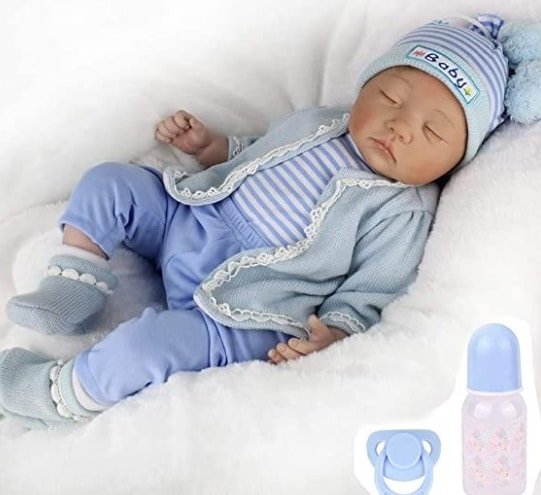
3. CHAREX Reborn Baby Doll

CHAREX realistic reborn baby doll

The CHAREX Reborn Baby Doll provides a lower-cost option for families wanting a realistic-looking baby without paying the higher price of a specialist dementia therapy doll.

The current CHAREX range includes lifelike newborn-style dolls with detailed facial features and realistic hands and feet. Soft-bodied and weighted versions are particularly worth considering for someone who enjoys holding and cuddling a doll.

The sleeping-baby appearance may also appeal to people who prefer a calm-looking doll.

CHAREX dolls are primarily designed for the general reborn-doll market rather than dementia care. Even so, the combination of realistic appearance, comfortable size and lower price may make them suitable for some people living with dementia.

Pros

  • Lifelike appearance
  • Soft-bodied options
  • Weighted models available
  • Detailed hands, feet and facial features
  • Accessories commonly included
  • Less expensive than specialist memory-care dolls

Cons

  • Not specifically designed for dementia care
  • Specifications can vary between CHAREX models
  • Sleeping or fixed-eye designs may not appeal to everyone

Check the current CHAREX doll on Amazon

4. JIZHI Lifelike Reborn Baby Doll

JIZHI lifelike reborn baby doll

The JIZHI Lifelike Reborn Baby Doll is an affordable alternative for families who want a realistic doll without the price of a specialist therapy product.

The JIZHI model we selected has a realistic newborn appearance with detailed features and poseable limbs.

One useful feature of full-vinyl models is that they are easier to wipe clean than cloth-bodied dolls. This may be helpful when a person enjoys actively caring for or handling the doll.

On the other hand, an all-vinyl body generally does not feel as soft or naturally weighted as a specialist memory-care doll with a fabric body.

For families wanting to try doll therapy without making a large initial investment, JIZHI represents a practical lower-cost option.

Pros

  • Realistic appearance
  • Poseable limbs
  • Detailed hands and feet
  • Easy-to-clean models available
  • Accessories included with many versions
  • Good lower-cost option

Cons

  • Not specifically designed for dementia care
  • Full-vinyl models feel less soft than cloth-bodied dolls
  • Less realistic weighting than specialist therapy dolls

Check the JIZHI Lifelike Reborn Baby Doll on Amazon

5. Zero Pam Reborn Baby Doll

Zero Pam realistic reborn baby doll

The Zero Pam Reborn Baby Doll is another realistic option for families considering doll therapy for a person with dementia.

We selected this current Zero Pam option because it combines a lifelike baby appearance with strong buyer feedback.

Zero Pam produces a range of realistic reborn dolls, so the exact materials, weight and accessories can vary between individual models. For dementia use, we recommend checking the product specifications carefully and favoring a model that is comfortable to hold and not excessively heavy.

This is not a doll created specifically for dementia therapy. However, for someone who enjoys realistic baby dolls, it may provide many of the same opportunities for cuddling, nurturing, conversation and engagement.

Pros

  • Lifelike appearance
  • Strong buyer feedback on the selected product
  • Comfortable size for holding
  • Several Zero Pam styles available
  • Typically less expensive than specialist memory-care dolls

Cons

  • Not specifically designed for dementia care
  • Materials and weight vary between models
  • Individual preferences will determine whether a highly realistic doll is appealing

Check the Zero Pam Reborn Baby Doll on Amazon

6. Kaydora Reborn Baby Doll

Kaydora realistic weighted reborn baby doll

The Kaydora Reborn Baby Doll is another lower-priced realistic doll worth considering.

Kaydora offers a variety of lifelike reborn dolls, including soft-bodied and weighted models.

The version we originally reviewed had realistic facial features, detailed hands and feet and a soft weighted body that made it comfortable to hold.

This combination can make it suitable for someone who enjoys cuddling and caring for a baby doll without requiring the higher investment associated with a specialist memory-care product.

Pros

  • Realistic appearance
  • Weighted options
  • Soft-bodied models available
  • Detailed hands and feet
  • Accessories often included
  • Good value compared with specialist therapy dolls

Cons

  • Not specifically designed for dementia care
  • Specifications vary between models
  • Hair and finish may vary
  • Some versions have fixed eyes

Check the Kaydora Reborn Baby Doll on Amazon

Specialist Therapy Doll vs. Reborn Baby Doll

There is an important difference between a doll selected specifically for memory care and a reborn doll primarily designed as a toy or collectible.

Specialist dementia therapy dolls tend to emphasize:

  • Comfortable weighting
  • Soft bodies
  • Durability
  • Easy handling
  • Calm and friendly facial expressions

Standard reborn dolls may provide many of the same features for a lower price, but quality and suitability can vary considerably.

If possible, choose the doll based on the individual rather than simply buying the most realistic-looking product.

Respect the Person’s Choice

Doll therapy should remain person-centered.

Do not assume that every woman with dementia wants a baby doll, or that someone who raised children will automatically enjoy one.

Men may also enjoy doll therapy, while some people of either sex may strongly dislike it.

Watch the person’s reaction and allow them to decide whether they want to participate.

If the doll provides comfort, companionship or enjoyment, continue using it naturally.

If it creates anxiety or distress, remove it.

Best Therapy Dolls for Dementia: Final Thoughts

The best therapy dolls for dementia are not necessarily the most expensive or the most realistic.

The right doll is the one that feels comfortable, familiar and enjoyable to the individual using it.

For people who respond positively, a therapy doll may encourage nurturing behavior, conversation and emotional connection.

Among the products we reviewed, the Newborn Comfort Therapy Doll stands out because it is selected specifically for adults with memory loss. The other realistic reborn dolls provide less expensive alternatives for families who want to see how their loved one responds before investing in a specialist product.

Whatever doll you choose, introduce it gently, respect the person’s response and remember that the objective is comfort and engagement — not convincing someone that the doll is real.

Does ProMind Complex Work? Independent Review

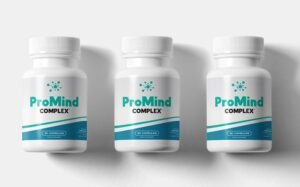
ProMind Complex Reviewed

Does ProMind Complex work? reaDementia investigates the validity of the company’s claims.

Identifying a supplement that offers benefit to people, either with dementia or seeking to prevent dementia, is a formidable task. There are many supplements marketed online and in stores- perhaps too many!

ReaDemetia.com investigated several products that we felt had the ingredients and integrity to be worthy for our audience to consider. One product, ProMind Complex, ticked many of the boxes.

We investigated the creator’s claims that his product benefits people with cognitive decline. Our research (looking into clinical studies) does show strong support of several of the ingredients in the ProMind Complex formulation.

We also see plausible reason in the creator’s approach to removing toxic dental bacteria, a major contributor to plaque build-up in the brain- leading to brain cell damage. Our investigation identified research that supports his reasoning.

Brain Food Supplement ProMind Complex

A Brief Summary of ProMind Complex

Category: Anti-memory Loss Supplement

Ingredients: Huperzine, Vinpocetine, Phosphatidylserine, St. John’s Wort, N-Acetyl-L-Carnitine, Ginkgo Biloba Leaf, Bacopa Monnieri, and vitamins.

Key Features: FDA Approved guidelines; GMP Certified; Non-habit forming; 100% natural; Non-GMO; Gluten-free; 3rd party audited.

Does ProMind Complex Work?Benefits
• Helps remove harmful plaque within the brain
• Prevent memory loss
• Reduces anxiety and depression
• Assists learning abilities
• Helps with focus and concentration
• Removes brain fog and inflammation
• Supports cognitive performance
• Reduces gum inflammation
• Enhances the clarity of mind
• Improves blood supply to the brain
• Increases oxygen and nutrients to brain cells

Price: $49 to $69 bottle (dependent on quantity purchased). Equates to $1.63/day to $2.30/day Check Price

Formula: Capsules

Dosage: 1 capsules/day for adults

Made in: USA

Guarantee: 60 days money-back guarantee

Availability: USA, UK, Australia, New Zealand, Canada

Where to Buy? http://promindcomplex.com


What is ProMind Complex?

ProMind Complex is an all-natural supplement that aims to improve the brain’s cognitive functioning — including thinking, memory, executive function, creativity, and motivation. Carl Henderson and his team claim to have provided a solution that is allegedly backed by extensive research.

According to Dr. Henderson, ProMind Complex is formulated using premium ingredients consisting of herbs, other plants, and amino acids, in carefully measured quantities to help enhance cognitive abilities.

Who Developed ProMind Complex?

Formulated by Carl Henderson, a Psychology doctor from Texas. He, along with Dr. Jack Lane, combined herbs, vitamins and essential amino acids to arrive at a solution for prevention of dementia.


ProMind Complex Ingredients

The supplement facts label indicates 1 capsule has these ingredients and dosages

IngredientAmount/capsule
St. John's Wort250 mg
Glutamine150 mg
Phosphatidylserine125 mg
Bacopa Monnieri120 mg

Ginkgo50 mg
N-Acetyl-L-Caritine HCL50 mg
Vinpocetine2 mg
Huperzine A10 mcg

Other ingredients listed are gelatine, microcrystalline cellulose magnesium stearate, and silicon dioxide.


ProMind Complex Ingredients Discussed:

ReaDementia examined the ingredients’ list to look at how each natural ingredient benefits cognitive functioning. We also identified some of the clinical studies, on each ingredient, that support/not support Dr. Carl Henderson’s claims.

Vinpocetine

periwinkle brain healthA compound from the Periwinkle plant that is utilized as a cognitive shield and anti-aging agent.

The ProMind Complex company says this compound repairs damaged brain cells and opens blood vessels in the brain allowing for oxygen to flood the brain, and this helps repair nerve cells.

Research shows vinpocetine increases blood flow to the brain– supporting what the company claims.

Another benefit identified is with relieving stress helping a person feel relaxed.

In a study, Vinpocetine has also been shown to improve memory after 2 days in healthy people at a dosage of 40 mg, three times a day. ProMind Complex provides 2mg of Vinpocetine per capsule, once a day. This is well below the dosage used in the study.

Numerous studies looking at Vinpocetine and the benefits of increased blood circulation and metabolism in the brain have been conducted. Although the studies are promising, the evidence for beneficial effect of vinpocetine on people with dementia is inconclusive.

Vinpocetine has been sold by prescription under the name Cavinton.

Huperzine A

huperzine aThis herb derived from Chinese club moss Huperzia serrata, it is listed in ReaDementia.com’s top 10 list of beneficial herbs.

The plant has powerful antibacterial properties that help with fighting harmful bacteria on the brain’s surface. It provides a protective shield (coating), blocking out toxins and bacterial infections.

According to Mayoclinic.org, Huperzine A behaves as a cholinesterase inhibitor, thus improving the levels of neurotransmitters in the brain.

Small early studies suggest that the herb might improve memory and protect nerve cells, which could reduce cognitive decline associated with Alzheimer’s.

Ginkgo Biloba

Ginkgo BilobaA tree of native China and also listed in our top 10 list of herbs that benefit dementia.

Due to its ability to aid blood flow, this compound assists neurotransmitters in the brain, which play a role with stress and fatigue. The herb also helps in considerably lowering the rate of periodontal disease pathogens (dental bacteria leading to toxins that are the cause of damaging brain plaque- explained further into this review).

In clinical trials, there is promising evidence of ginkgo supporting brain health in Alzheimer’s disease, cerebrovascular disease, mild cognitive impairment, and vascular disease. In addition, ginkgo gives benefit to several other bodily systems.

Acetyl-L-carnitine

Not an herb, however an excellent ingredient that works directly with memory and analytical skills.

A healthy human body makes adequate L-Carnitine, and it can also be gained from eating animal products.

L-caritine helps with speedy and effective learning, having a direct effect on our analytical reasoning and concentration building skills.

Together with its memory-boosting ability, L-Carnitine also benefits with insomnia issues, helping people achieve higher levels of energy and mental alertness.

Clinical trials suggest that supplements of acetyl-L-carnitine may enhance mental function and decrease deterioration in older adults with mild cognitive impairment and Alzheimer’s disease.

Phosphatidylserine

An amino acid found in a variety of foods known for helping with brain cell membranes. It works like a wall that safeguards the brain membrane against harmful elements. As a result, it aids memory retention, memory alertness and brain function.

The human body does synthesise phosphatidylserine; however, with older people supplementation seems to improve memory and cognitive capacity.

Studies do support this claim: For example; in a 2010 study published in the Journal of Clinical Biochemistry and Nutrition, 78 elderly people with mild cognitive impairment took part.

Participants supplemented with phosphatidylserine derived from soy beans were found to have experienced a significant improvement in memory over a 6 months trial period.

St. John’s Wort

St. Johns WortWhen used over time it is known to scrape the hardened plaque (explained later in review) out of your brain and enhances supply of blood flow to your brain, aiding active brain cell communication.

In addition, St. John’s Wort helps keep the brain from using up neurotransmitters like serotonin, GABA, dopamine, and norepinephrine. As a result, the neurotransmitters are more effectively utilized in the brain. This can work as an antidepressant giving an overall feel-good effect in the brain.

This peer reviewed animal study using mice using St. John’s wort as treatment to reduced Alzheimer’s disease pathology, supports the reduction of plaque reasoning.

Bacopa Monnieri

Bacopa MonnieriIncluded in the formula for its powerful memory building nutrients helping those with memory loss.

Bacopa Monnieri is known in Ayurvedic medicine for treating anxiety, epilepsy, and forgetfulness.

Studies demonstrate immense potential in the improvement of cognitive disorders, as well as reduction of oxidative damage, NT modulation, and cognitive enhancement in healthy people.

Research on Bacopa Monnieri is still in its infancy, but early results are very promising.

Tyrosine

An amino acid known to relieve stress, depression, and anxiety. Tyrosine is available naturally in many foods such as meats, soy, almonds, avocados and seeds.


Retailer of the Product

BuyGoods is the authorized retailer of this product, which is a registered trademark of BuyGoods Inc., a Delaware-based corporation.

The marketing campaign of ProMind Complex is managed by ClickBank, a Delaware-based company that has years of experience in affiliate marketing.

How Does ProMind Complex Work?

Dr. Carl Henderson and his team use a step-by-step approach to improving cognitive function.

1. Firstly, this is done by taking care of the periodontal disease pathogens:

Clearing the dental nerve bacteria. This oral bacteria can get in the brain. Once there, they excrete protein and enzyme by-products that lead to damaging the brain’s nerve cells.

Diminishing the plaque-forming bacteria and that interfere with memory loss.

2. Once the disease-causing bacteria has been lessened, the next step is restoring blood-flow to the brain– supplying essential oxygen and nutrients for cells.

3. Lastly, an approach to repairing damaged brain cells is applied, followed by bullet-proofing the brain, protecting it from future damage.

The herbal formulation works on the toxic plaque growth, which appears to be the main cause of cognitive problems, such as age-linked memory loss.

According to Healthcare Business Today, ProMind Complex has anti-inflammatory ingredients that also help with cerebral metabolism and effective functioning of overall brain health.

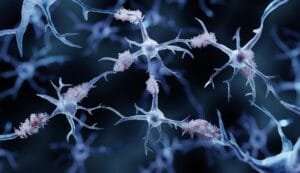
Brain Plaque link to Alzheimer's disease

The Link Between Dental Bacteria and Dementia

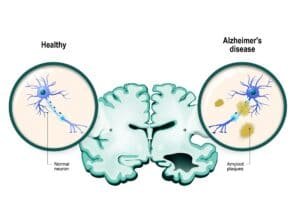
The makers of ProMind Complex point to dental bacteria as the basis of memory problems like dementia and Alzheimer’s Disease. This bacteria (called Porphyromonas gingivalis) cause problems when it travels from the mouth and gums up into the brain.

The bacteria generate a toxin known as gingipains, which leads to memory impairment, serious memory loss, and Alzheimer’s.

By using their simple breath test – smell your breath in the morning and have smelly breath – you can tell if you have the bacteria and are at risk of having cognitive impairment in the future.

Does ProMind Complex work? Are the makers of this supplement, correct in saying? We found research that does support their claim, suggesting that there is a link between dental bacteria and dementia.

Strong-Risk-Factor to Alzheimer’s Disease Being Dental Bacteria- Research

Researchers have discovered the gingipains toxin is present in over 90% of people with Alzheimer’s.

Researchers infected brain stem cells with Porphyromonas gingivalis, a dental bacteria which makes gingipains.

They found that the gingipains toxin caused brain cells to die and reduced tau protein– essential for helping neurons stay healthy.

These dental bacteria also increased inflammation– another risk factor for dementia and other diseases. This has led some researchers to call Porphyromonas gingivalis a “strong risk factor” for Alzheimer’s disease.

It’s not substantiated if this is the case for those who have infrequent problems with remembering.

These toxin causing dental bacteria have also been found in artery-clogging plaque. This indicates a link with heart disease as well.

Amyloid plaques in Alzheimer's disease

ProMind Complex Research- Does ProMind Complex Work?

Is there any research that supports ProMind Complex being beneficial to cognitive function? We found that there is, and there isn’t.

While there appears to be no research specifically on ProMind Complex, there is research on the ingredients it uses (as we have already outlined).

The creator’s premise behind the key ingredients is that they work best together, rather than by themselves. This is described as the entourage effect. While this appears to be the case, there is no evidence that the combination of ingredients in ProMind Complex has an entourage effect.

How Long Until Results Are Seen?

The company says fairly soon, although this will vary from person to person and the memory problems they may have. Our advice is to remember improvements in health take time. No supplement works overnight, especially when it comes to getting your memory back. The company recommends giving ProMind at least 60 days to allow the nutrients time to flood your system.


ProMind Complex Safety

The company’s website says all the ingredients used in the formula have been thoroughly tested and delivered in the right quantity and ratio for optimal efficiency, whilst ensuring safety.

The Food and Drug Administration (FDA) does not endorse dietary supplements. What it does do is regulate supplements. Regulation and approval are different. Usually, supplement companies do not need to seek approval from the FDA before selling products to the public.

Having clarified that, ProMind complex formula has been formed under the FDA-approved guidelines. The company’s website states that certified goods manufacturing practices have been met to the highest standard.

Independent third-party testing is conducted to uphold the dosage, potency, and of the product. ProMind Complex is non-GMO, vegan-friendly and gluten-free.

ProMind Complex Side Effects & Adverse Reactions

While there are no serious side effects known from taking this supplement, there are a few precautions.

The company instructs not to exceed the recommended dosage of one capsule/day. They also advise those with bleeding disorders, people taking blood thinners, and those on antidepressant medications (such as MAO inhibitors) to consult to their doctor before starting on the supplement.

Other considerations:

  • Store in a cool, dry place.
  • If the safety seal is broken, do not consume.
  • Avoid if pregnant or breastfeeding.
  • The ingredient, St. John’s Wort, may have drug interactions. This may include birth control pills. If you take medications, consult with your doctor.
  • Some ingredients may thin the blood. Stop taking the supplement at least 2 weeks prior to having surgery- including dental surgery.
  • The supplement is not intended for children.
  • For those with allergies, the product is manufactured is made in a facility that may also process milk, soy wheat eggs, peanuts, tree nuts, and shellfish.


What Are the Benefits of ProMind Complex?

1. An instant memory boost, something that allows people to act more rationally in day-to-day life.

2. Helps with keeping age-related cognitive concerns at bay, therefore helping people with enhanced brain functioning.

3. A memory-strengthening supplement, refilling the brain with memory and energy.

4. Helps maximise focus and sustain concentration.

5. Helps reclaim memory power and boost brain performance.

6. Assists with learning, whilst keeping mental fatigue at bay.

7. Helps eliminate bacterial plaque, whilst strengthening and rebuilding brain cells.

8. Alleviates anxiety and negative feelings.

9. Aids in releasing the ‘feel good’ hormone in the brain.

Dosage

This product contains 30 capsules in each bottle. The company advises that adults take one capsule a day after a meal.

Guarantee

ProMind Complex GuaranteeThe company gives a 60-day 100% money-back guarantee– valid on empty bottles too. This guarantee period begins when the product is shipped, not when it arrives.

Keep in mind, sixty days may not be enough time to tell if the product is helping you with memory and cognitive problems. The company suggests giving it at least two months to work.

How To Get A Refund

Does ProMind Complex work? If you are not satisfied with the product, return the bottles to this address: 37 Inverness Drive East, Suite 100, Englewood, Colorado, 80112.

Remember to send all opened and unopened bottles back within the 60 days.

The company will send an email when they have received your returned bottles. If you have questions/concerns you can contact the company at promindcomplex.com.

Packaging Options

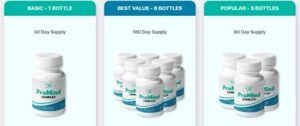
ProMind Complex can be purchased in a single bottle, or in multiple bottles. The company provides a better price when you buy multiple bottles.

Shipping Information

When ordering within USA, shipping is free. The shipping rate for other countries is set at $15.95. The company does ship to Canada, UK and Ireland, Australia and New Zealand.

Once your order has been placed, you will receive an email (within 60 hours) with tracking information on your package.

US orders arrive within 5-7 days. Orders sent to other countries may take 10-15 working days.

Where to Buy ProMind Complex

ProMind Complex is only sold by the company itself at their official website. This is done to protect the product from copycat products and third-party involvement. The product cannot be purchased from retail stores or other online stores.

When reviewing this product, we found other online stores (such as Amazon) selling a supplement with the same name as ProMind Complex. On closer inspection it appears that these products are made by different companies and their ingredients are not the same.

Who Manufactures ProMind Complex?

The company is called The ProMind Complex, Inc, a sole proprietorship that was started in 2020. The Official website is ProMindComplex.com.

ProMind Complex options


Our Verdict

Although there are no clinical studies yet conducted to confirm the effectiveness of ProMind Complex, we are encouraged by several of the ingredients used in the formulation.

There is sufficient research-based evidence to support that these ingredients do help people with cognitive decline (in particular bacopa and huperzine). Whilst this is encouraging, there are also ingredients listed where their effectiveness cannot be substantiated.

The supplement may not contain sufficient levels of certain ingredients to be fully effective. For example, in a study, Vinpocetine had an effect in 2 days at 40mg/day, yet ProMind Complex has only a small amount (2mg) of Vinpocetine per capsule.

We accept the creators’ explanation that dental bacteria are a root cause of plaque build-up in the brain, causing cell decline. This is well supported by research. The ingredients specifically selected by the creators of ProMind Complex were included in the formula to help reduce gingipains toxin caused by dental bacteria. We accept St John’s Wort being a key ingredient that helps reduce plaque.

The step-by-step approach using a combination of natural ingredients working in synergy is plausible; firstly, taking out the toxins that have caused the plaque build-up that damaged brain cells, then replenishing and repairing brain cell function by improving blood flow.

Does ProMind Complex work? Although ProMind Complex demonstrates many of the attributes to help people with dementia, we don’t see it necessarily working overnight. In our view, it is likely to take several months to notice any real difference. This will vary from person to person depending on factors specific to them, such as how severe their condition is and what they are seeking help with.

We see no risk in giving the supplement a try. If you’re someone who is noticing forgetfulness, inability to focus and concentrate, and feeling a lack of motivation; ProMind Complex does have the attributes to make a difference.

Does ProMind Complex work? If you feel it is not helping, then utilize the 60-day money back guarantee to get a refund.


ProMind Complex Pros & Cons

Pros

  • Ingredients make sense
  • Several ingredients validated by research
  • Tackles root cause of brain cell damage- removal of plaque formation
  • 60- day money-back guarantee
  • Undergone rigorous testing for safety and efficacy
  • Additional benefits: heart health, blood flow, well being
  • Easy to purchase
  • Costs as little as $1.63/day

Cons

  • No research on supplement itself
  • Some ingredients’ research is preliminary
  • May take time for a noticeable result
  • Only available from the company’s web site
  • Additional delivery costs for international orders
  • Copycat inferior products found in other stores

ProMind Complex Price