

Herbs for brain health have attracted considerable interest because certain plants contain compounds that may influence memory, inflammation, stress and other processes connected with cognitive health.
Some of these herbs have also been studied in people with dementia or mild cognitive impairment. However, the evidence varies considerably.
At present, no herb has been proven to prevent, reverse or cure dementia. Some have shown promising results in small studies, while others have performed poorly when tested in larger clinical trials.
This guide looks at 10 commonly discussed herbs for brain health and explains what current research actually tells us about them.
Herbs for Brain Health: What Does the Research Show?
Much of the enthusiasm surrounding herbs and dementia began with laboratory and animal research. While this type of research can identify promising compounds, results in animals do not necessarily mean the same treatment will work in people.
Human clinical trials are therefore particularly important when evaluating natural approaches to dementia.
The National Center for Complementary and Integrative Health notes that direct evidence showing dietary supplements can prevent Alzheimer’s disease or other forms of dementia remains lacking.
1. Sage
Sage has a long history of culinary and traditional medicinal use. Several species are used, including common sage (Salvia officinalis) and Spanish sage.
Sage is particularly interesting to researchers because some of its compounds may influence chemical processes involved in memory and cognition.
A small amount of human research has found improvements in some measures of memory and cognitive performance. One small placebo-controlled study involving people with mild to moderate Alzheimer’s disease also reported encouraging results.
However, the amount of research is still quite limited. There is not enough evidence to conclude that sage can treat Alzheimer’s disease or another form of dementia.
Sage used in normal culinary amounts is generally considered safe. Concentrated supplements are different, however, and some sage species contain thujone, which can be harmful in excessive amounts.
2. Rosemary
Rosemary is another familiar culinary herb that has attracted interest for its possible effects on memory.
A small randomized study involving 28 older adults investigated different doses of dried rosemary. A relatively low dose produced an improvement in one measure called speed of memory. Interestingly, the highest dose impaired performance on some tests.
This is a useful reminder that with herbs and supplements, more is not necessarily better.
Rosemary can be enjoyed as part of a normal diet, but the existing research does not establish rosemary as a treatment for dementia.
You can read more about the relationship between herbs, diet and cognition in our guide to nutrition and Alzheimer’s disease.
3. Ginseng

Ginseng has been used for centuries in traditional Asian medicine and is now one of the better-known herbal supplements marketed for energy, stress and cognitive health.
Recent systematic reviews have examined clinical trials involving older adults with mild cognitive impairment, Alzheimer’s disease or other forms of dementia.
Some results suggest that ginseng may produce modest improvements in certain cognitive test scores. However, the number of studies remains relatively small, study methods differ, and the size of the improvement may not be large enough to make a meaningful difference in everyday life.
Therefore, ginseng is interesting from a research perspective, but it should not be regarded as an established dementia treatment.
Asian ginseng can also affect blood sugar, blood clotting and potentially interact with medications.
4. Turmeric and Curcumin
Turmeric contains curcumin, a compound that has attracted considerable attention because of its antioxidant and anti-inflammatory properties.
Laboratory research has suggested several ways curcumin might influence processes associated with Alzheimer’s disease. This led to considerable interest in turmeric as one of the possible herbs for brain health.
Human trials, however, have been much less convincing.
Current evidence on curcumin and Alzheimer’s disease remains limited and inconsistent, and clinical studies have not established that turmeric prevents or treats dementia.
Adding turmeric to food is very different from taking concentrated curcumin supplements. Some highly absorbable curcumin formulations have also been associated with liver injury.
5. Salvia Miltiorrhiza (Dan Shen)
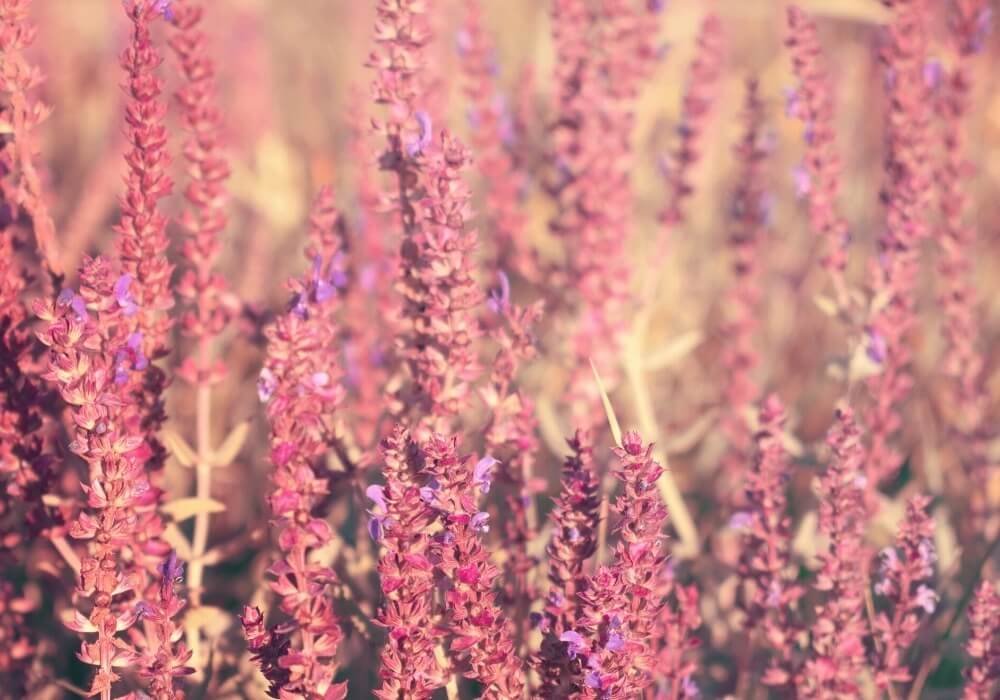
Salvia miltiorrhiza, commonly known as Dan Shen or red sage, has been used extensively in traditional Chinese medicine.
Researchers have investigated compounds within the plant for possible effects involving circulation, oxidative stress, inflammation and neurological processes.
Much of the research relating specifically to Alzheimer’s disease remains laboratory, animal or early-stage research.
That makes Salvia interesting scientifically, but there is currently insufficient high-quality clinical evidence to recommend it as a dementia therapy.
It is also important not to confuse Dan Shen with common culinary sage. They are different plants and can have different biological effects.
6. Ashwagandha
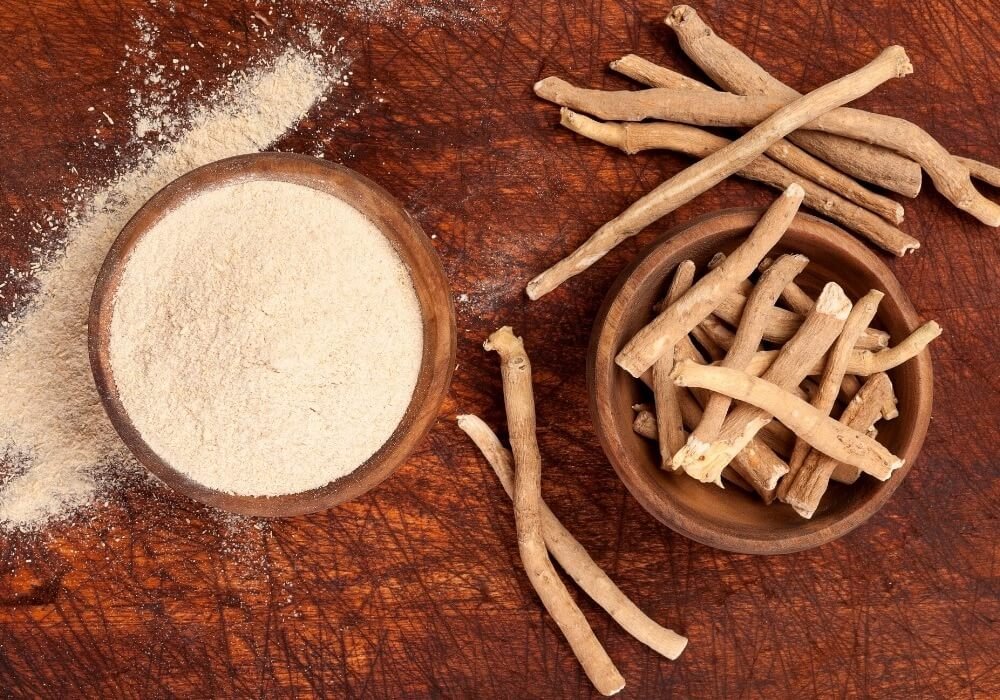
Ashwagandha (Withania somnifera) has been used for centuries in Ayurvedic medicine.
Research into ashwagandha has expanded considerably. Recent clinical trials and systematic reviews suggest that some preparations may influence memory, attention, processing speed and executive function.
However, much of this research involves healthy adults or people with mild cognitive difficulties rather than people diagnosed with dementia.
It is therefore too early to say that ashwagandha prevents or treats Alzheimer’s disease.
Ashwagandha can also interact with medications and may not be suitable for people with certain thyroid or autoimmune conditions. Rare cases of liver injury associated with supplements have also been reported.
7. Ginkgo Biloba
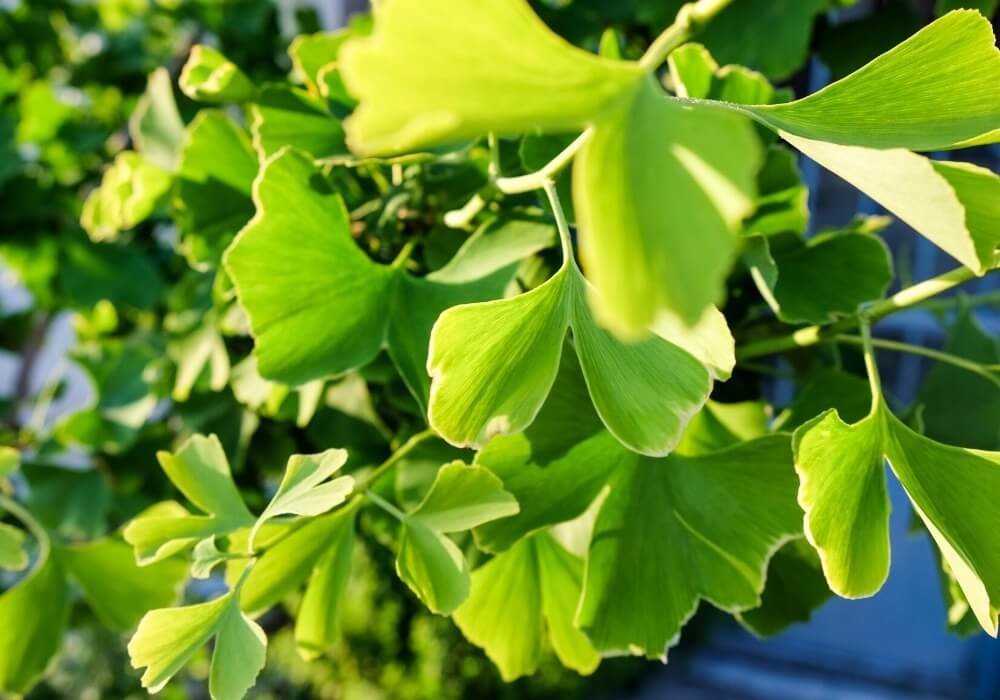
Ginkgo biloba is probably one of the best-known herbs for dementia and memory support.
It has also undergone considerably more research than many herbal products.
Unfortunately, large clinical trials have not shown that taking ginkgo prevents dementia or slows cognitive decline. One major study followed more than 3,000 older adults and found no reduction in the development of dementia among those taking ginkgo.
There is some evidence that standardized ginkgo extracts may produce modest improvements in symptoms for some people who already have dementia, but findings have been inconsistent.
Ginkgo can also increase bleeding risk, particularly in people taking anticoagulant medications such as warfarin.
Therefore, people should speak with a doctor before combining ginkgo with prescription medications.
8. Gotu Kola
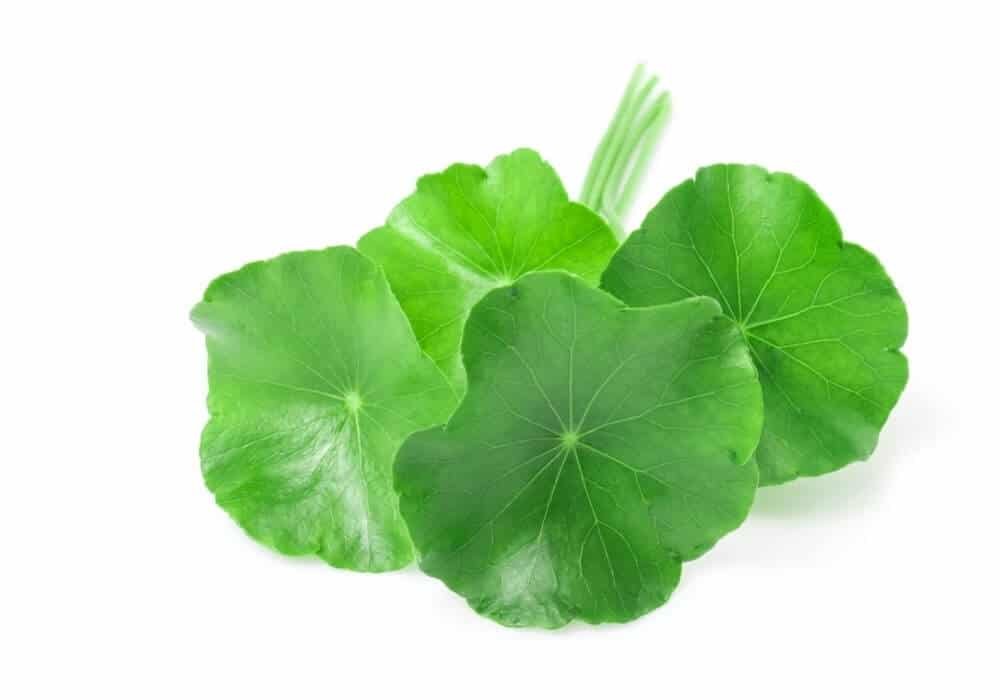
Gotu kola (Centella asiatica) has traditionally been used in Ayurvedic and other Asian systems of medicine and is sometimes promoted for memory and mental clarity.
Laboratory research has identified several potentially interesting biological effects, which led researchers to study whether the plant could influence cognition in people.
However, a systematic review of randomized clinical trials found no strong evidence that Gotu kola improves overall cognitive function compared with placebo.
Some individual studies have reported changes in alertness or mood, but evidence supporting its use specifically for dementia remains weak.
For now, Gotu kola is better described as an herb under investigation rather than an established brain-health treatment.
9. Lemon Balm
Lemon balm (Melissa officinalis) is commonly used in teas and herbal preparations associated with relaxation and sleep.
It has also attracted attention in dementia research.
A small four-month trial involving 42 people with mild to moderate Alzheimer’s disease found improvements in cognitive measurements among people taking a standardized lemon balm extract compared with placebo.
However, later research has produced less convincing results. A much larger trial involving older adults with subjective or mild cognitive impairment did not find significant improvements in the main cognitive measures.
This means the research remains interesting but inconclusive.
Lemon balm should not be viewed as a replacement for established dementia treatment.
10. Huperzine A
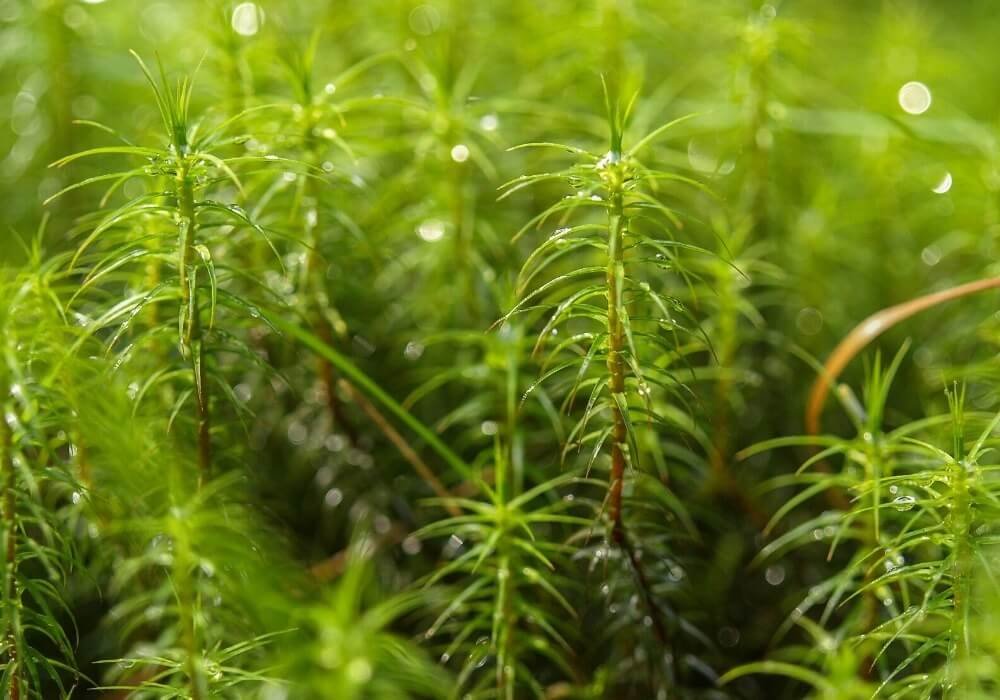
Huperzine A is slightly different from the other substances on this list. It is an alkaloid originally isolated from Chinese club moss rather than simply a culinary or medicinal herb.
It has attracted interest because it inhibits acetylcholinesterase, an enzyme involved in the breakdown of the neurotransmitter acetylcholine.
Some systematic reviews have reported improvements in cognitive scores and activities of daily living among people with Alzheimer’s disease.
However, researchers have repeatedly cautioned that many of the underlying studies were small or of relatively low methodological quality.
As a result, evidence is still insufficient to recommend Huperzine A as a routine treatment for dementia.
Because it has pharmacological activity, people taking dementia medications or other medicines should discuss Huperzine A with their doctor rather than treating it like an ordinary food herb.
Can Herbs for Brain Health Help With Memory Loss?
People searching for herbs for memory loss should first consider why the memory changes are occurring.
Memory problems can have many causes besides dementia. These can include medication side effects, depression, sleep problems, vitamin deficiencies, thyroid disorders and other medical conditions.
For that reason, persistent or worsening memory problems deserve medical assessment rather than simply being treated with supplements.
You may also find our guide to causes of memory loss helpful.
Are Herbs for Dementia Safe?
Natural does not automatically mean harmless.
Herbal supplements can produce side effects, affect blood pressure or blood sugar, increase bleeding risk and interact with prescription medications.
This is particularly important for older adults, who may already be taking several medications.
Supplements can also vary greatly in concentration and quality. A product sold commercially may not contain exactly the same preparation or dose that researchers used in a clinical trial.
Anyone considering concentrated herbs or supplements for dementia should discuss them with their doctor or pharmacist first.
Final Thoughts on Herbs for Brain Health
Research into herbs for brain health is continuing, and several plants contain compounds that scientists consider worth investigating.
There are encouraging findings for some herbs, but there is a substantial difference between showing an effect in a laboratory, improving a cognitive test score and actually preventing or treating dementia.
At present, no herb on this list has been proven to reverse or cure dementia.
For most people, herbs such as rosemary, sage and turmeric can still form part of an enjoyable, varied diet. Concentrated supplements require considerably more caution.
The broader picture remains important too. Regular physical activity, social engagement, good nutrition, adequate sleep and management of cardiovascular risk factors all contribute to maintaining health as we age.
Related Articles
Foods to Reverse Dementia? 9 Brain-Healthy Choices
Non-Drug Therapies for Dementia: 5 Approaches That May Help