What Foods Are Good for Dementia? 8 Brain-Healthy Choices

What foods are good for dementia - eight brain-healthy food choices

What foods are good for dementia? In general, the best choices are nutritious foods that support overall health, provide adequate energy and protein, and fit within a balanced eating pattern.

No individual food has been proven to cure, reverse or stop dementia. However, researchers continue to study the relationship between nutrition, cardiovascular health and the aging brain.

Eating patterns such as the Mediterranean and MIND diets emphasize vegetables, berries, whole grains, beans, nuts, fish and unsaturated fats. Studies have linked these patterns with some measures of better cognitive health, although research has not established that following a particular diet will prevent or treat dementia in every person.

The National Institute on Aging explains that the evidence remains mixed and that researchers are continuing to investigate the relationship between diet and Alzheimer’s disease.
what foods are good for dementia - brain-healthy food choices

For someone already living with dementia, another important consideration is simply eating enough nutritious food. Appetite, medications, changes in taste and smell, and difficulty preparing or eating meals can all affect nutrition.

Here are eight food groups worth considering as part of a healthy dementia diet.

What Foods Are Good for Dementia? 8 Choices to Consider

1. Leafy Greens and Cruciferous Vegetables

leafy greens among foods good for dementia and brain health

Vegetables such as spinach, kale, lettuce, broccoli, cauliflower and other leafy or cruciferous vegetables provide vitamins, minerals, fiber and a variety of naturally occurring plant compounds.

Green leafy vegetables are one of the food groups emphasized in the MIND eating pattern. The Alzheimer’s Association includes leafy greens and other vegetables among the foods encouraged as part of a brain-healthy eating pattern.

Rather than expecting a particular vegetable to improve dementia symptoms, it is more useful to think about vegetables as part of an overall nutritious diet.

Fresh, frozen and cooked vegetables can all be useful. Softer cooked vegetables may also be easier to eat for someone who has difficulty chewing.

2. Berries
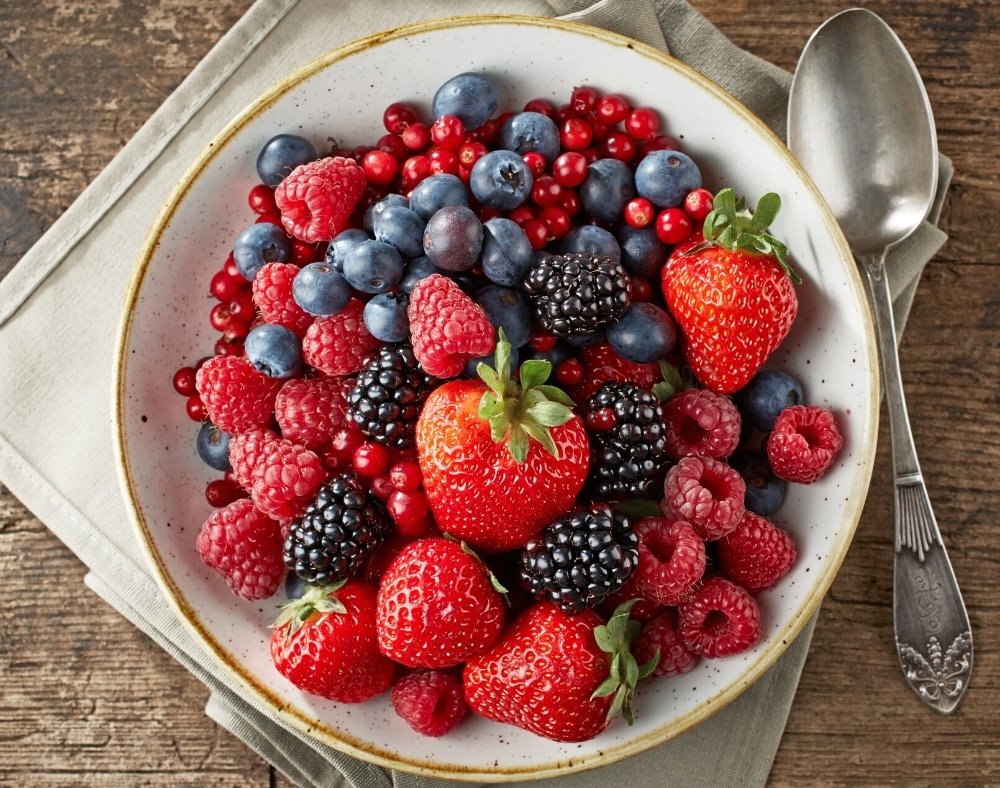
berries as a nutritious food choice for people living with dementia

Blueberries, strawberries, raspberries and blackberries provide fiber, vitamins and plant compounds known as flavonoids.

Berries receive particular attention in the MIND diet and have also been examined in research into diet and cognitive aging.

This does not mean berries remove Alzheimer’s plaques or treat dementia. Claims of that kind go beyond the available human evidence.

However, berries are a nutrient-rich alternative to many highly processed desserts and snacks. They can be eaten fresh or frozen and may be added to yogurt, porridge or smoothies.

3. Herbs and Spices

Herbs and spices such as turmeric, rosemary, sage, ginger and cinnamon can add considerable flavor to meals without relying heavily on salt or sugar.

Some plant compounds found in herbs and spices have also attracted scientific interest. Curcumin, for example, is a component of turmeric that has been investigated for its potential effects on inflammation and cognition.

However, laboratory findings should not be confused with evidence that an herb can treat dementia. According to the National Center for Complementary and Integrative Health, evidence for curcumin and many other supplements remains limited or inconsistent.

Using herbs and spices normally in food is different from taking concentrated supplements. Anyone considering herbal supplements should discuss them with a health professional because they can interact with medications.

You can read more in our guide to herbs for brain health and dementia research.

4. Nuts and Seeds

nuts and seeds as brain-healthy foods for dementia

Nuts and seeds provide unsaturated fats, protein, fiber, vitamins and minerals.

Examples include:

  • Walnuts
  • Almonds
  • Pistachios
  • Pumpkin seeds
  • Sunflower seeds
  • Flaxseed
  • Chia seeds

Nuts are another food group included in the MIND eating pattern. They can make a convenient snack and can also be added to breakfast cereals, salads and other meals.

For people who have difficulty chewing or swallowing, whole nuts may not be appropriate. Nut butters or finely ground nuts may sometimes be easier alternatives, depending on the person’s individual needs.

Our separate guide looks more closely at nuts and dementia.

5. Avocado and Other Unsaturated Fat Sources

avocado with healthy unsaturated fats for brain health

Avocado provides predominantly unsaturated fat along with fiber, potassium, folate and other nutrients.

There is no good evidence that avocado prevents brain tangles or acts as a treatment for dementia. Its value is much simpler: it is a nutrient-dense food that can form part of a balanced diet.

Other sources of unsaturated fat include olive oil, nuts, seeds and fish.

These foods also fit well within Mediterranean-style eating patterns, which generally emphasize unsaturated fats rather than diets dominated by saturated and trans fats.

Avocado is soft and relatively energy-dense, which can also make it useful for some older people who have a small appetite.

6. Omega-3-Rich Fish
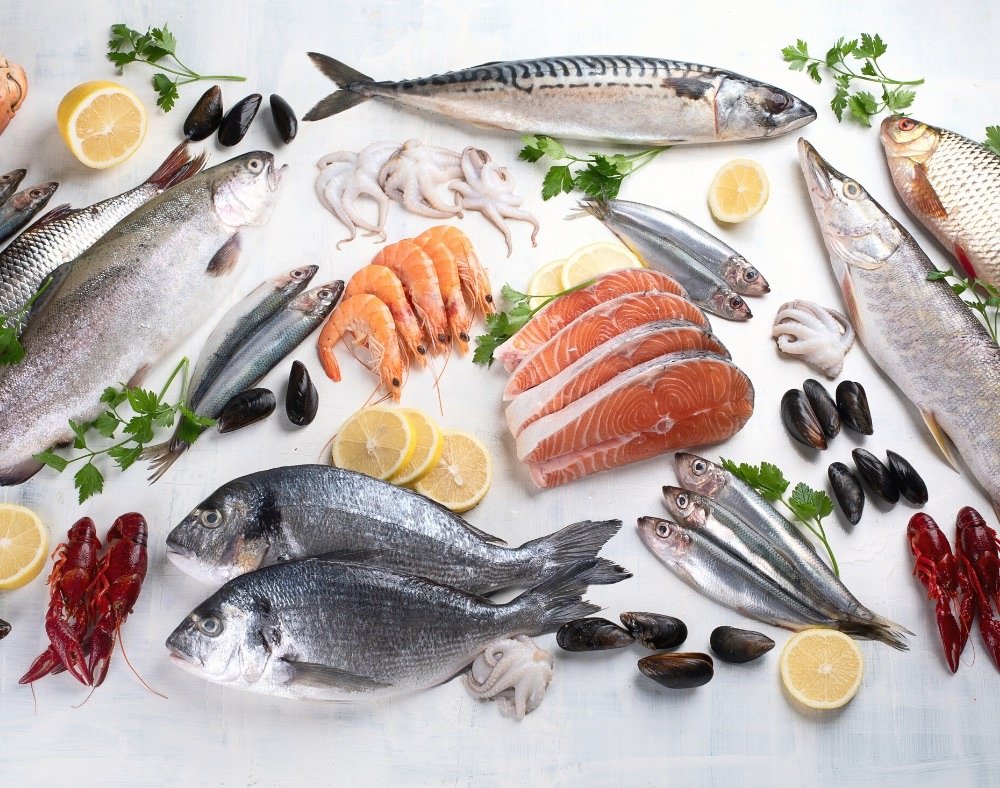
what foods are good for dementia - omega-3 rich fish

Fish such as salmon, sardines, trout, herring and mackerel provide protein as well as the long-chain omega-3 fatty acids EPA and DHA.

Fish regularly appears in Mediterranean and MIND-style dietary patterns.

There is an important distinction between eating fish and taking omega-3 supplements. The NCCIH reports that some of the more consistent observational findings concerning diet and cognitive health involve omega-3 intake measured through fish consumption. However, clinical research has not shown convincing evidence that omega-3 supplements treat mild-to-moderate Alzheimer’s disease.

In other words, fish can be a nutritious component of someone’s diet, but it should not be presented as a dementia treatment.

Read more about the research in our article on omega-3 and dementia.

7. Beans, Lentils and Other Pulses
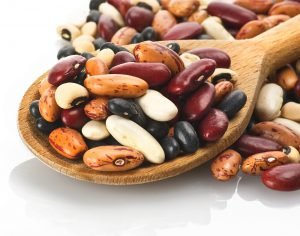
beans and pulses for a balanced dementia-friendly diet

Beans, chickpeas, lentils and peas provide plant protein, fiber, folate, iron, potassium and magnesium.

They are also an important part of Mediterranean and MIND-style eating patterns.

Useful choices include:

  • Kidney beans
  • Black beans
  • Chickpeas
  • Lentils
  • Peas
  • Cannellini beans

Beans and lentils can be added to soups, casseroles, curries and salads. They can also provide a plant-based alternative to some servings of red or processed meat.

Again, their benefit should be viewed as part of an overall eating pattern rather than as a specific treatment for memory loss.

8. Eggs

eggs as a source of protein and choline for older adults

Eggs provide high-quality protein as well as nutrients including vitamin B12 and choline.

Choline has important roles in normal cell function and the production of the neurotransmitter acetylcholine. However, this does not mean that eating eggs repairs damaged brain tissue or treats Alzheimer’s disease.

For many older adults, eggs have another practical advantage. They are soft, relatively inexpensive, quick to prepare and can provide useful protein for someone whose appetite has decreased.

They can be served scrambled, poached, boiled or incorporated into other meals according to the person’s preferences and dietary needs.

What Foods Are Good for Dementia? The Overall Diet Matters

There is no single dementia superfood. Current research places much greater emphasis on the overall dietary pattern than on one particular ingredient.

The MIND and Mediterranean eating patterns generally emphasize:

  • Vegetables, particularly leafy greens
  • Fruit, including berries
  • Whole grains
  • Beans and legumes
  • Nuts and seeds
  • Fish
  • Unsaturated fats such as olive oil

They generally include fewer foods that are high in saturated fat, added sugar and heavy processing.

Research into these dietary patterns is encouraging in some areas, but findings are not completely consistent. Diet should therefore be viewed as one part of supporting general and brain health, not as a substitute for medical treatment.

Nutrition for Someone Already Living With Dementia

When someone is already living with dementia, the theoretically “perfect” diet may be less important than making sure the person actually eats and drinks enough.

The National Institute on Aging’s guidance for caregivers notes that medications, reduced activity and changes in taste or smell can affect appetite.

Smaller meals, familiar foods and nutrient-dense snacks can sometimes be more practical than insisting on a rigid eating plan.

Significant weight loss, persistent loss of appetite, difficulty chewing or swallowing, or other nutrition concerns should be discussed with an appropriate health professional.

Final Thoughts

So, what foods are good for dementia? Leafy greens, berries, nuts and seeds, fish, beans, avocado, eggs and a variety of herbs and spices can all contribute to a nutritious eating pattern.

The strongest message from current research is not that one of these foods will treat dementia. Rather, a varied diet built around nutrient-rich foods can help support overall health while providing the energy and nutrients a person needs.

Related Articles

Dementia Diet: Nutrition and Healthy Eating

Foods to Reverse Dementia? 9 Brain-Healthy Choices

Foods That Cause Dementia? Foods to Limit

10 Herbs for Brain Health: What Dementia Research Says

Herbs for brain health and dementia research

Herbs for brain health have attracted considerable interest because certain plants contain compounds that may influence memory, inflammation, stress and other processes connected with cognitive health.

Some of these herbs have also been studied in people with dementia or mild cognitive impairment. However, the evidence varies considerably.

At present, no herb has been proven to prevent, reverse or cure dementia. Some have shown promising results in small studies, while others have performed poorly when tested in larger clinical trials.

This guide looks at 10 commonly discussed herbs for brain health and explains what current research actually tells us about them.

Herbs for Brain Health: What Does the Research Show?

Much of the enthusiasm surrounding herbs and dementia began with laboratory and animal research. While this type of research can identify promising compounds, results in animals do not necessarily mean the same treatment will work in people.

Human clinical trials are therefore particularly important when evaluating natural approaches to dementia.

The National Center for Complementary and Integrative Health notes that direct evidence showing dietary supplements can prevent Alzheimer’s disease or other forms of dementia remains lacking.

1. Sage

Sage has a long history of culinary and traditional medicinal use. Several species are used, including common sage (Salvia officinalis) and Spanish sage.

Sage is particularly interesting to researchers because some of its compounds may influence chemical processes involved in memory and cognition.

A small amount of human research has found improvements in some measures of memory and cognitive performance. One small placebo-controlled study involving people with mild to moderate Alzheimer’s disease also reported encouraging results.

However, the amount of research is still quite limited. There is not enough evidence to conclude that sage can treat Alzheimer’s disease or another form of dementia.

Sage used in normal culinary amounts is generally considered safe. Concentrated supplements are different, however, and some sage species contain thujone, which can be harmful in excessive amounts.

2. Rosemary

Rosemary is another familiar culinary herb that has attracted interest for its possible effects on memory.

A small randomized study involving 28 older adults investigated different doses of dried rosemary. A relatively low dose produced an improvement in one measure called speed of memory. Interestingly, the highest dose impaired performance on some tests.

This is a useful reminder that with herbs and supplements, more is not necessarily better.

Rosemary can be enjoyed as part of a normal diet, but the existing research does not establish rosemary as a treatment for dementia.

You can read more about the relationship between herbs, diet and cognition in our guide to nutrition and Alzheimer’s disease.

3. Ginseng

ginseng root, one of the herbs for brain health being studied

Ginseng has been used for centuries in traditional Asian medicine and is now one of the better-known herbal supplements marketed for energy, stress and cognitive health.

Recent systematic reviews have examined clinical trials involving older adults with mild cognitive impairment, Alzheimer’s disease or other forms of dementia.

Some results suggest that ginseng may produce modest improvements in certain cognitive test scores. However, the number of studies remains relatively small, study methods differ, and the size of the improvement may not be large enough to make a meaningful difference in everyday life.

Therefore, ginseng is interesting from a research perspective, but it should not be regarded as an established dementia treatment.

Asian ginseng can also affect blood sugar, blood clotting and potentially interact with medications.

4. Turmeric and Curcumin

Turmeric contains curcumin, a compound that has attracted considerable attention because of its antioxidant and anti-inflammatory properties.

Laboratory research has suggested several ways curcumin might influence processes associated with Alzheimer’s disease. This led to considerable interest in turmeric as one of the possible herbs for brain health.

Human trials, however, have been much less convincing.

Current evidence on curcumin and Alzheimer’s disease remains limited and inconsistent, and clinical studies have not established that turmeric prevents or treats dementia.

Adding turmeric to food is very different from taking concentrated curcumin supplements. Some highly absorbable curcumin formulations have also been associated with liver injury.

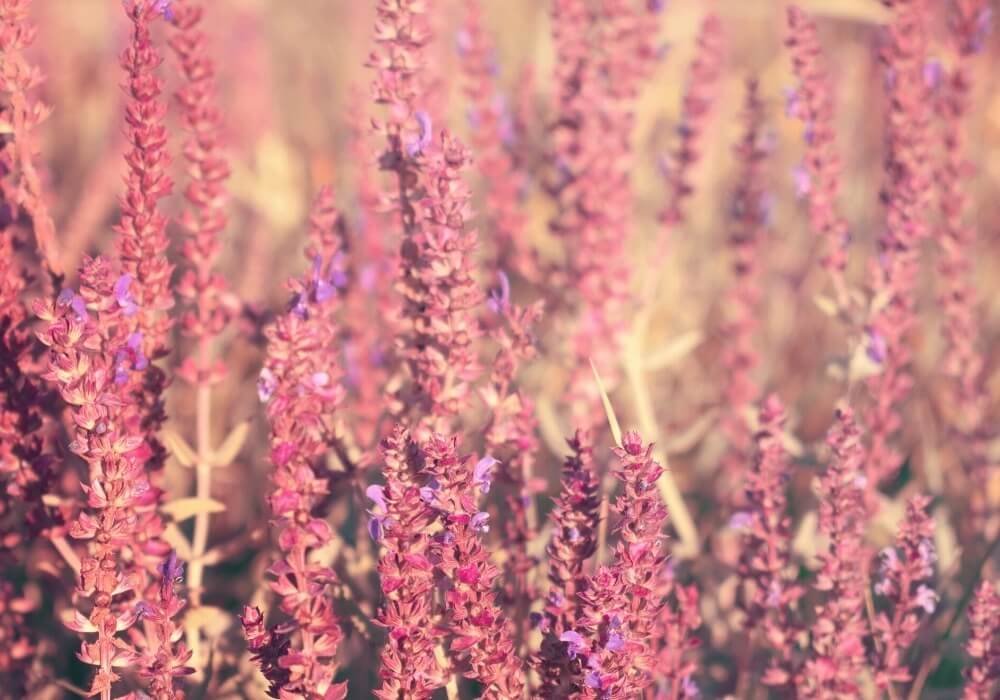
5. Salvia Miltiorrhiza (Dan Shen)

salvia plant used in traditional herbal medicine

Salvia miltiorrhiza, commonly known as Dan Shen or red sage, has been used extensively in traditional Chinese medicine.

Researchers have investigated compounds within the plant for possible effects involving circulation, oxidative stress, inflammation and neurological processes.

Much of the research relating specifically to Alzheimer’s disease remains laboratory, animal or early-stage research.

That makes Salvia interesting scientifically, but there is currently insufficient high-quality clinical evidence to recommend it as a dementia therapy.

It is also important not to confuse Dan Shen with common culinary sage. They are different plants and can have different biological effects.

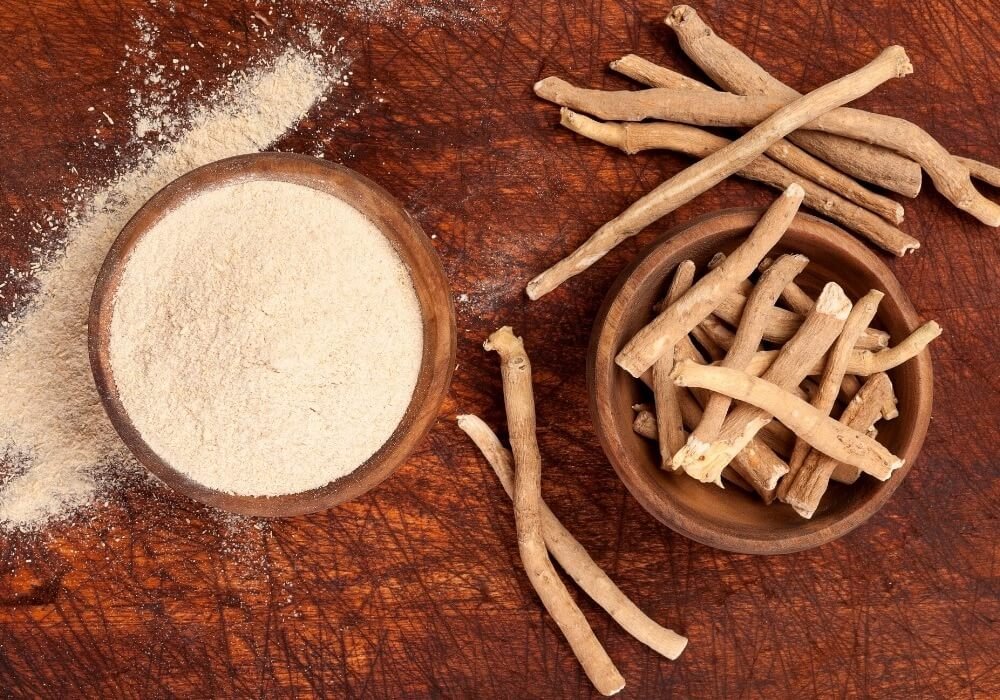
6. Ashwagandha

ashwagandha root and powder used in herbal supplements

Ashwagandha (Withania somnifera) has been used for centuries in Ayurvedic medicine.

Research into ashwagandha has expanded considerably. Recent clinical trials and systematic reviews suggest that some preparations may influence memory, attention, processing speed and executive function.

However, much of this research involves healthy adults or people with mild cognitive difficulties rather than people diagnosed with dementia.

It is therefore too early to say that ashwagandha prevents or treats Alzheimer’s disease.

Ashwagandha can also interact with medications and may not be suitable for people with certain thyroid or autoimmune conditions. Rare cases of liver injury associated with supplements have also been reported.

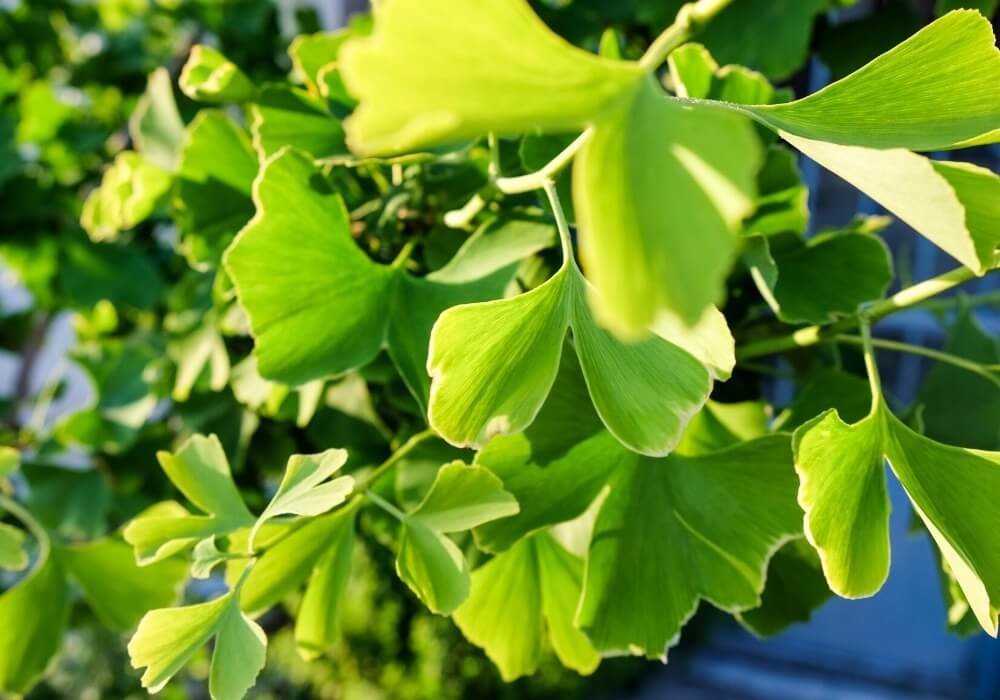
7. Ginkgo Biloba

ginkgo biloba leaves, one of the herbs for brain health studied in dementia

Ginkgo biloba is probably one of the best-known herbs for dementia and memory support.

It has also undergone considerably more research than many herbal products.

Unfortunately, large clinical trials have not shown that taking ginkgo prevents dementia or slows cognitive decline. One major study followed more than 3,000 older adults and found no reduction in the development of dementia among those taking ginkgo.

There is some evidence that standardized ginkgo extracts may produce modest improvements in symptoms for some people who already have dementia, but findings have been inconsistent.

Ginkgo can also increase bleeding risk, particularly in people taking anticoagulant medications such as warfarin.

Therefore, people should speak with a doctor before combining ginkgo with prescription medications.

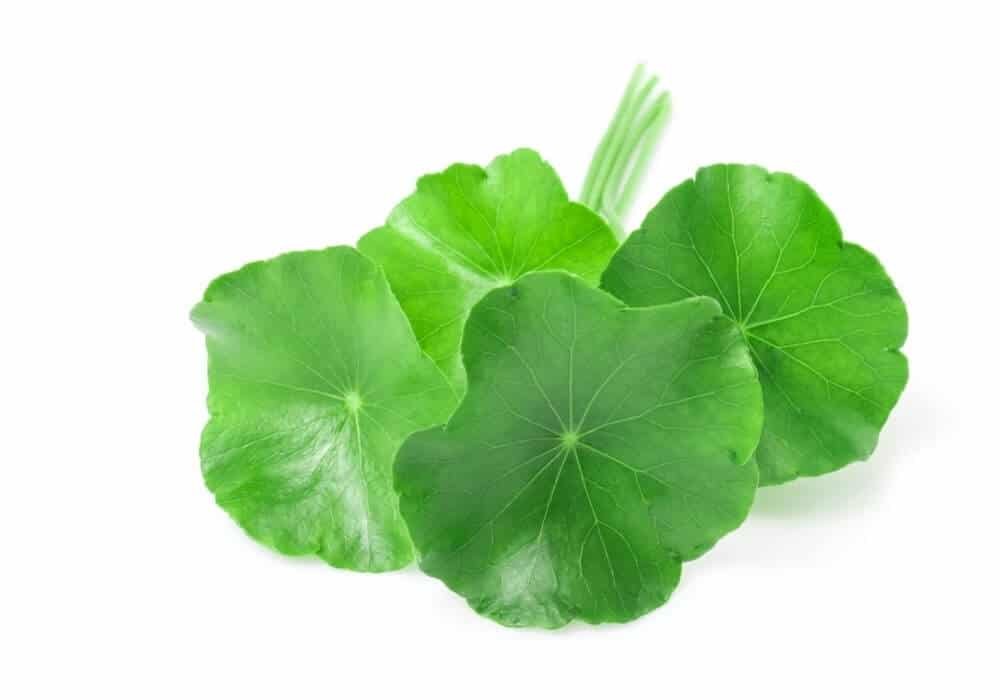
8. Gotu Kola

fresh gotu kola leaves used in traditional medicine

Gotu kola (Centella asiatica) has traditionally been used in Ayurvedic and other Asian systems of medicine and is sometimes promoted for memory and mental clarity.

Laboratory research has identified several potentially interesting biological effects, which led researchers to study whether the plant could influence cognition in people.

However, a systematic review of randomized clinical trials found no strong evidence that Gotu kola improves overall cognitive function compared with placebo.

Some individual studies have reported changes in alertness or mood, but evidence supporting its use specifically for dementia remains weak.

For now, Gotu kola is better described as an herb under investigation rather than an established brain-health treatment.

9. Lemon Balm

Lemon balm (Melissa officinalis) is commonly used in teas and herbal preparations associated with relaxation and sleep.

It has also attracted attention in dementia research.

A small four-month trial involving 42 people with mild to moderate Alzheimer’s disease found improvements in cognitive measurements among people taking a standardized lemon balm extract compared with placebo.

However, later research has produced less convincing results. A much larger trial involving older adults with subjective or mild cognitive impairment did not find significant improvements in the main cognitive measures.

This means the research remains interesting but inconclusive.

Lemon balm should not be viewed as a replacement for established dementia treatment.

10. Huperzine A

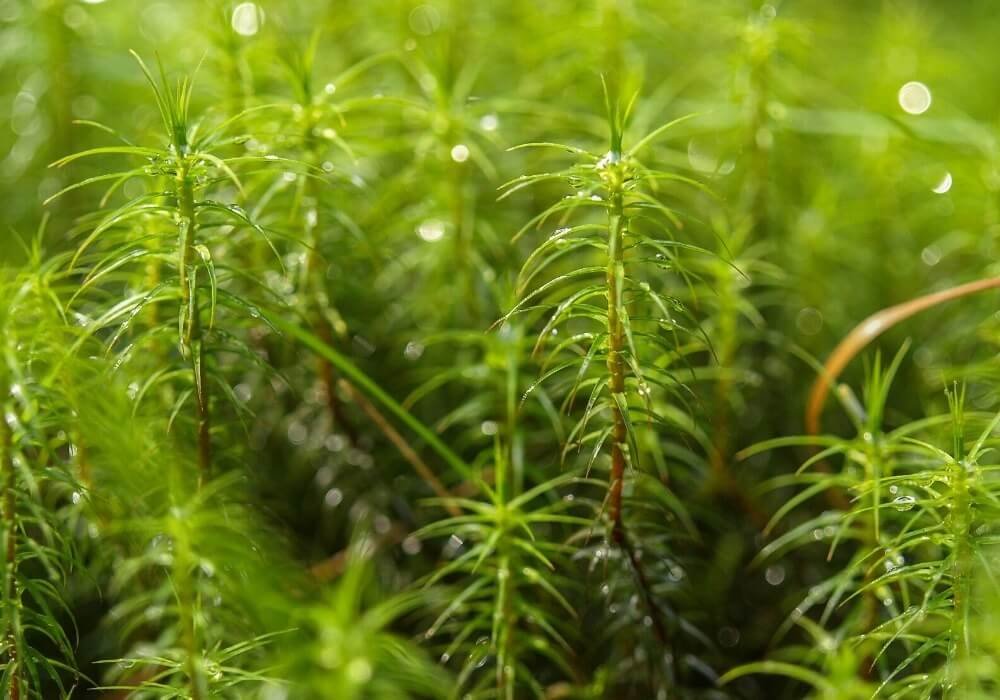
Chinese club moss, the plant source of huperzine A

Huperzine A is slightly different from the other substances on this list. It is an alkaloid originally isolated from Chinese club moss rather than simply a culinary or medicinal herb.

It has attracted interest because it inhibits acetylcholinesterase, an enzyme involved in the breakdown of the neurotransmitter acetylcholine.

Some systematic reviews have reported improvements in cognitive scores and activities of daily living among people with Alzheimer’s disease.

However, researchers have repeatedly cautioned that many of the underlying studies were small or of relatively low methodological quality.

As a result, evidence is still insufficient to recommend Huperzine A as a routine treatment for dementia.

Because it has pharmacological activity, people taking dementia medications or other medicines should discuss Huperzine A with their doctor rather than treating it like an ordinary food herb.

Can Herbs for Brain Health Help With Memory Loss?

People searching for herbs for memory loss should first consider why the memory changes are occurring.

Memory problems can have many causes besides dementia. These can include medication side effects, depression, sleep problems, vitamin deficiencies, thyroid disorders and other medical conditions.

For that reason, persistent or worsening memory problems deserve medical assessment rather than simply being treated with supplements.

You may also find our guide to causes of memory loss helpful.

Are Herbs for Dementia Safe?

Natural does not automatically mean harmless.

Herbal supplements can produce side effects, affect blood pressure or blood sugar, increase bleeding risk and interact with prescription medications.

This is particularly important for older adults, who may already be taking several medications.

Supplements can also vary greatly in concentration and quality. A product sold commercially may not contain exactly the same preparation or dose that researchers used in a clinical trial.

Anyone considering concentrated herbs or supplements for dementia should discuss them with their doctor or pharmacist first.

Final Thoughts on Herbs for Brain Health

Research into herbs for brain health is continuing, and several plants contain compounds that scientists consider worth investigating.

There are encouraging findings for some herbs, but there is a substantial difference between showing an effect in a laboratory, improving a cognitive test score and actually preventing or treating dementia.

At present, no herb on this list has been proven to reverse or cure dementia.

For most people, herbs such as rosemary, sage and turmeric can still form part of an enjoyable, varied diet. Concentrated supplements require considerably more caution.

The broader picture remains important too. Regular physical activity, social engagement, good nutrition, adequate sleep and management of cardiovascular risk factors all contribute to maintaining health as we age.

Related Articles

Foods to Reverse Dementia? 9 Brain-Healthy Choices

Non-Drug Therapies for Dementia: 5 Approaches That May Help

Dementia Diet: Nutrition and Healthy Eating

Turmeric and Dementia