People often look for natural remedies for dementia that may help a person feel calmer, stay active and maintain their quality of life. While there is currently no cure for dementia, several non-drug approaches may help support well-being or manage particular symptoms.
These approaches should complement, rather than replace, appropriate medical care. Their effectiveness also varies considerably, and the evidence is much stronger for some approaches than for others.
Below we look at five commonly discussed natural or non-drug approaches for dementia and what current evidence tells us about them.
5 Natural Remedies for Dementia
1. Turmeric

Turmeric is a spice that contains curcumin, a compound that has attracted research interest because of its anti-inflammatory and antioxidant properties.
Inflammation is an important area of research in many health conditions, including dementia and cognitive decline. However, promising laboratory findings do not necessarily mean that turmeric can treat dementia in people.
According to the National Center for Complementary and Integrative Health, clinical research into curcumin and dementia remains limited and inconsistent. At present, there is not enough evidence to conclude that turmeric or curcumin can prevent or treat dementia.
Turmeric can still be enjoyed as part of a normal diet and has a long history of culinary use. However, concentrated supplements should not be regarded as a substitute for established dementia care.
Anyone considering turmeric or curcumin supplements should discuss them with a healthcare professional, particularly if they take other medications.
2. Massage
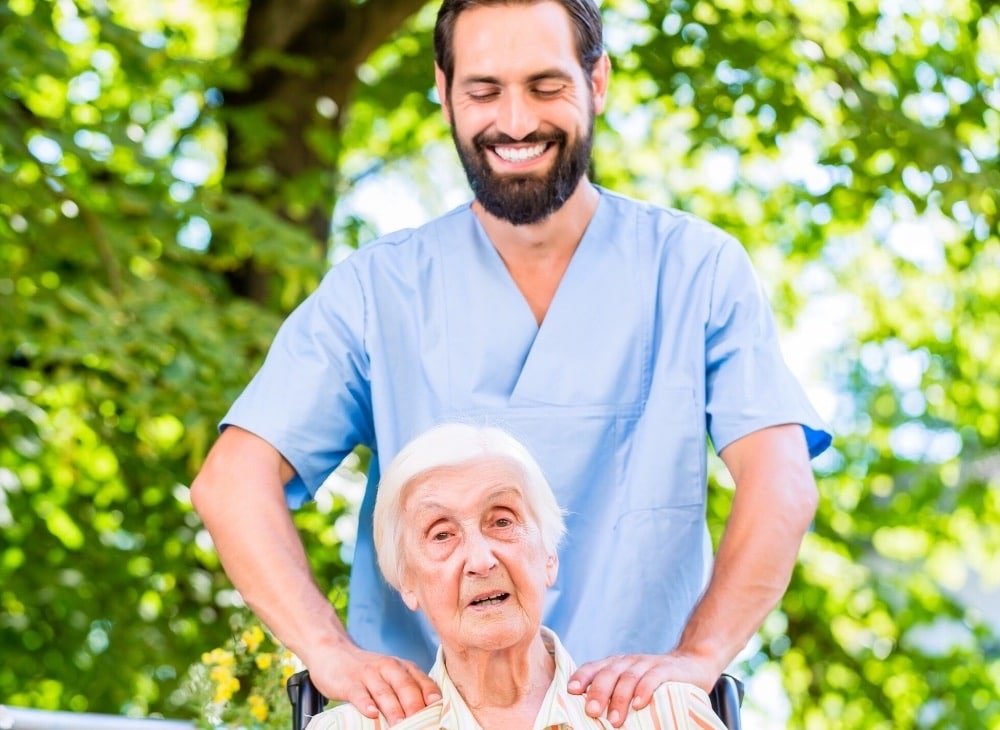
Massage is another non-drug approach that some people with dementia may find calming and enjoyable.
The Alzheimer’s Society reports that there is limited evidence suggesting massage may help with symptoms associated with dementia such as agitation, anxiety and depression. However, larger and more rigorous studies are still needed before firm conclusions can be made.
Massage therapy involves manipulating the body’s soft tissues using the hands. Depending on a person’s preferences and physical condition, this might involve a hand, shoulder, foot or other gentle massage.
Massage is also sometimes combined with aromatherapy. Some people find particular aromas relaxing, although the evidence supporting essential oils for dementia remains limited.
Essential oils are concentrated substances and should be used carefully. They should not be applied directly to the skin unless appropriately diluted, and professional advice may be appropriate for people with allergies, sensitive skin or other medical conditions.
For a person with dementia, one of the greatest benefits of massage may simply be the opportunity for relaxation, reassuring human contact and an enjoyable activity.
3. Cognitive Stimulation Therapy

Of the approaches on this list, cognitive stimulation therapy, or CST, has some of the strongest evidence supporting its use for people with dementia.
CST usually involves structured group activities and exercises designed to stimulate thinking, memory, communication and problem-solving skills.
The NHS states that evidence suggests CST can benefit people with mild to moderate dementia.
Sessions may involve discussions, word games, creative activities, number exercises or conversations about everyday subjects. The emphasis is generally on mental stimulation and social interaction rather than testing whether someone gets an answer right or wrong.
CST is not a cure for dementia, but it is a recognized non-drug therapy that may help some people maintain cognitive and social engagement.
4. Laughter Yoga and Humor-Based Activities

Laughter yoga combines intentional laughter with breathing exercises and gentle physical movement. Unlike traditional yoga, it does not require complex poses or high levels of physical fitness.
There is much less dementia-specific evidence for laughter yoga than there is for therapies such as CST. It is therefore better viewed as an enjoyable well-being activity rather than a treatment for dementia.
Research into humor-based activities for people living in residential care has produced some interesting findings. For example, an Australian cluster-randomized study of humor therapy involving nursing home residents found a reduction in agitation, although it did not find significant improvements across all of the outcomes measured.
For some people with dementia, humor, laughter, music and playful activities may provide opportunities for enjoyment, social interaction and engagement.
The activity should always suit the person’s personality and preferences. If someone does not enjoy organized laughter or group activities, there is no reason to encourage them to participate.
5. Regular Physical Exercise

Regular physical activity can be particularly valuable for people living with dementia.
Exercise cannot cure dementia and has not been shown to stop the condition from progressing. However, staying active can provide a wide range of physical and psychological benefits.
According to the Alzheimer’s Society, physical activity can support general well-being, cardiovascular health, strength, coordination and balance. It may also help with sleep, mood and maintaining independence.
The National Institute on Aging also notes that physical activity may improve some aspects of cognition in people with Alzheimer’s disease and related dementias and can help people maintain general health and well-being.
Exercise does not need to mean going to a gym. Depending on a person’s mobility and stage of dementia, suitable activities might include walking, gardening, dancing, swimming, gentle strengthening exercises or other forms of movement they enjoy.
The most appropriate activity will depend on the individual’s abilities and medical conditions. Exercise should be undertaken safely, with assistance or professional guidance where necessary.
Are Natural Remedies for Dementia Safe?
The term natural does not automatically mean that something is effective or safe.
Some products marketed as natural dementia remedies make claims that have not been supported by good-quality clinical research. Supplements and herbal products may also cause side effects or interact with prescription medicines.
This is particularly important for someone already taking medication for dementia or other conditions.
Non-drug approaches such as exercise, appropriate social activities and cognitive stimulation can form valuable parts of dementia care, but treatment choices should take into account the person’s health, preferences, abilities and stage of dementia.
Closing Remarks
There is currently no natural remedy that has been shown to cure dementia. However, that does not mean non-drug approaches have no role to play.
Some, particularly cognitive stimulation therapy and regular physical activity, can form useful parts of a broader plan for helping someone live well with dementia. Others, such as massage, humor-based activities and turmeric, have more limited or uncertain evidence and should be considered accordingly.
The goal should not be to find a supposed miracle cure, but to identify safe approaches that may support comfort, activity, social connection and quality of life.
Before starting supplements or making significant changes to a person’s treatment, it is sensible to speak with their doctor or another qualified healthcare professional.