Horse Therapy for Dementia (Is It Healing?)

horse therapy for dementia

It was a really pleasing experiencing witnessing horse therapy for dementia on several occasions.

Researchers are looking into whether this alternative therapy offers a healing hand to individuals with dementia for some time.

Sadly, to date, there is still no approved cure for dementia.

While looking for ways to treat or prevent dementia, professionals work with various methods to improve the quality of life for individuals with the illness.

One of the therapies that are gaining momentum for helping persons with dementia is horse therapy.

What is horse therapy? What does it involve? Does the therapy offer healing?

Read on to uncover answers to these questions and more.

Benefits of Horse Therapy for Dementia
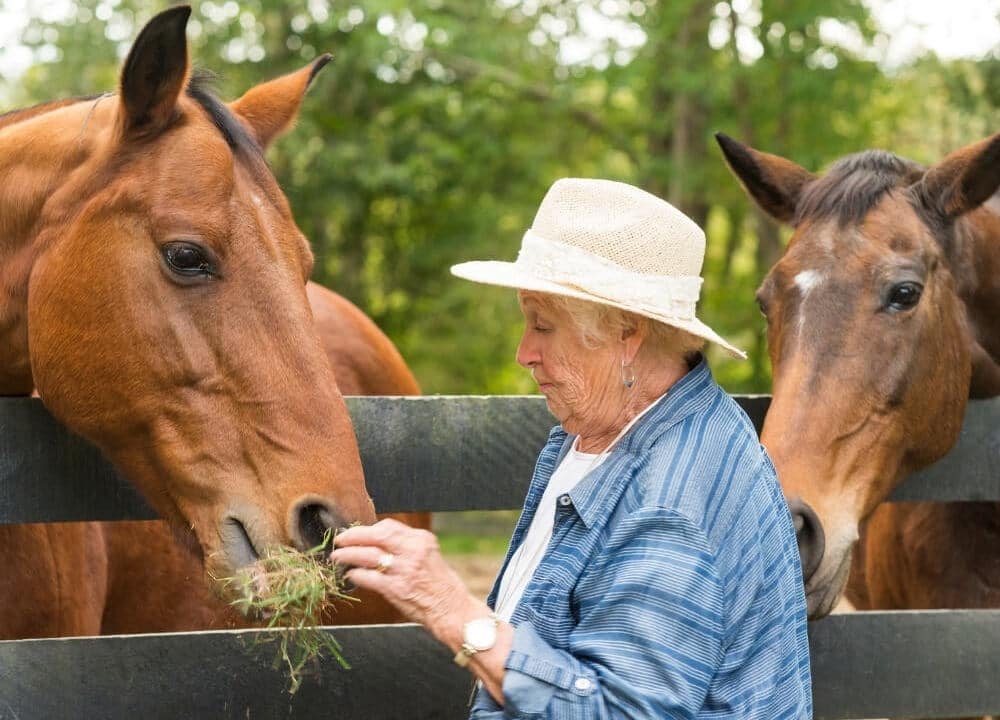
benefits of horse therapy for dementia
Persons with dementia can get various benefits from horse therapy and some of them may include:

Stress Relief and Relaxation

Many people with dementia find it challenging to relax and let go of daily stressors. Taking care of or riding a horse requires concentration.

When a person is concentrating on the activity at hand, they will probably not be thinking of other factors that may be causing anxiety and stress.

Participants may NOT EVEN realize that they are letting go of their worries. When the session is over, a person may feel better and enjoy more clarity.

Improved Physical Health

When an individual participates in horseback riding, they will use muscles that they may not use in other contexts strengthening the muscles.

The activity also helps to build skills like balance, strength, and dexterity all of which are crucial for riding a horse. It can also be helpful for spine strength and mobility.

Horse riding is also rewarding when it comes to burning calories. Being an outdoor activity, the therapy offers fresh air and sunshine which are great for physical strength.

As a person starts to experience the physical benefits, it can also help them start to feel better emotionally and mentally.

Boosts Independence

While professionals in horse care often accompany participants undergoing horse therapy for dementia, this activity can help boost a person’s independence and self-esteem.

A single person can groom, feed, and ride a horse when they are comfortable with the task.

This gives individuals time alone with the horse and their thoughts perfect for persons looking for a quiet activity.

Completing tasks related to horse therapy also gives people a feeling of self-sufficiency and independence. Interacting with the horses also helps a person to feel needed.

Caring for a living being is a good way of making a person feel like they are CONTRIBUTING something worthwhile to the world.

Learning Something New

While it may be strange for a person with dementia to learn a new skill, it is important to take any chance that may help create connections in the brain.

People DO NOT NEED to have any experience on a farm or with horses to benefit from the therapy.

The hands-on learning exercises horse therapy offer helps to stimulate the brain more than watching a game show or working on a crossword puzzle.

What Makes Horses Ideal Candidates for this Dementia Therapy

what makes horses ideal candidates for this therapy
Paula Hertel co-founder of Connected Horse a human and animal interaction program explains that something special happens when people visit a horse barn.

They become more aware of the new smells, sounds, and horses as the animals welcome them to their space.

Horses have certain characteristics that make them IDEAL for this type of therapy and some of them include:

Unbiased and Non-judgmental

Horses will only react to a person’s emotions and behavior.

The animals are not biased by the individual’s past mistakes, abilities, or physical appearance, amongst others.

Horses will also NOT complain when a person asks the same question over and over.

This is an aspect that is critical to therapy because it helps increase self-confidence and self-esteem.

Mirroring and Feedback

Horses are keen observers thanks to their nature as herd or prey animals which makes them sensitive and hyper-vigilant.

It implies that their feedback is offered more consistently and earlier than when it comes from human therapists.

Horses also have an innate tendency to MIRROR a person’s physical movements, behavior, and emotions which helps participants become more aware of themselves.

An equine specialist can translate this type of feedback and the group can also analyze it.

Healing Power of Horses for Persons with Dementia (Studies)

studies on the healing power of horses for persons with dementia
There are a few studies that have been conducted on the perks of horse therapy for dementia and the most notable ones include:

Connected Horse and Stanford University

A pilot study was conducted by Connected Horse and Stanford University. This sought to help persons learn how to manage early-stage dementia through a series of workshops.

The professionals recruited persons living with mild cognitive impairment or dementia and their caregivers.

The participants joined a workshop that included activities like leading and grooming horses, awareness practices, and discussion groups.

Researchers carried out standardized tests before and after the workshops in a bid to measure the effects of the workshop on participants’ quality of sleep, stress levels, and ability to communicate and relate to others.

Initial results of the study revealed that participants scored HIGHER for better sleep quality, social support, and decreased depression and anxiety.

The results of the study will be used to come up with more resources to develop training materials, secure more equisetin sites, and get funding for developing new programs.

Ohio State University

Multiple departments at the Ohio State University collaborated to conduct a study on the therapeutic effects of spending time with horses on adults who have Alzheimer’s dementia.

The University collaborated with an adult daycare center and an equine therapy center.

They found that persons with Alzheimer’s the most common cause of dementia were able to feed, groom, and walk horses safely under supervision.

The researchers reported that spending time with horses helps to ease symptoms of Alzheimer’s dementia without using drugs.

The experts also stated that the experience enhanced mood made participants more open to caring, and led to fewer instances of negative behavior.

Church Residences Centre for Senior Health

At the daycare center, A national Church Residences Centre for Senior Health in Columbus recruited 16 residents who had Alzheimer’s (7 men and 9 women).

Eight of the clients once a week took a bus trip to a farm where they visited with horses under the supervision of their caretakers.

The residents bathed and groomed the horses, fed them grass and walked them.

The researchers reported that the persons with dementia enjoyed their time on the farm because they talked to the horses, laughed, and smiled more.

Horses work great to make a dementia patient happy.

This was seen even in the persons who usually acted withdrawn as they became fully engaged in the exercise. The therapy also BOOSTED physical activity.

Even though the clients had physical limitations, they were inspired to push boundaries once presented with the horses. The clients grew more physically active after visiting the farm.

The small study is from the journal Anthrozoos.

Horse Therapy for Dementia Closing Thoughts

While more research is still necessary regarding horse therapy for dementia, current results are promising.

This makes the therapy something worth looking into for people living with dementia and their caregivers.

Bonus: What is Horse Therapy?
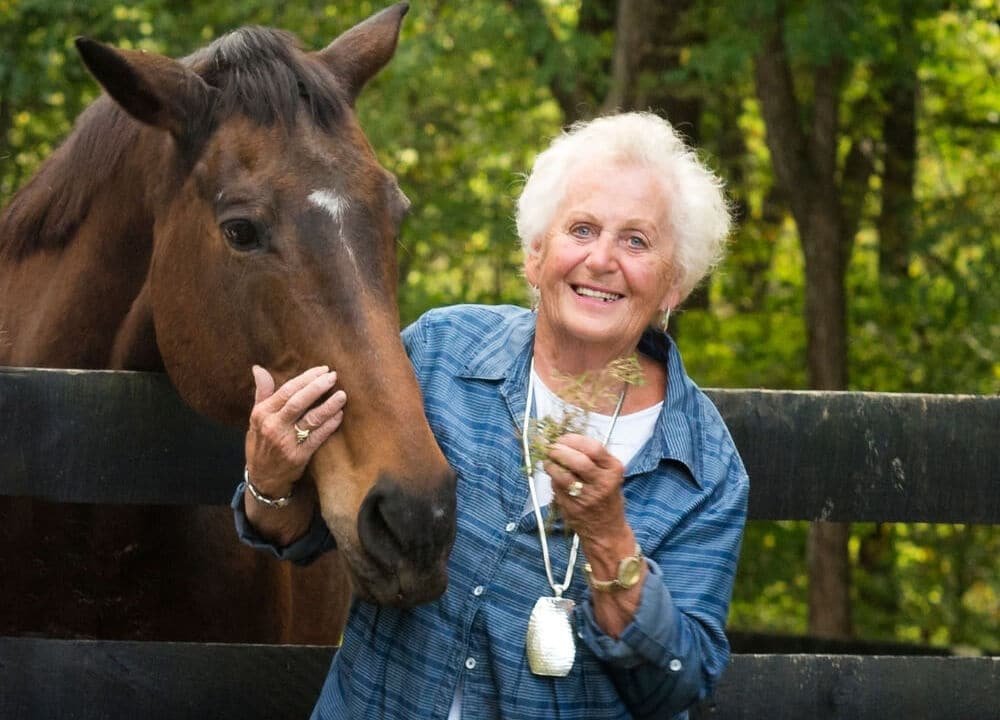
what is horse therapy
Horse therapy also known as Equine therapy or Equine-assisted therapy is a treatment option that includes an equine environment and/or equine activities to promote physical, emotional, and occupational growth in people suffering from various medical issues.

These medical problems include a host of mental health issues. Like anxiety, ADD, autism, dementia, cerebral palsy, depression, traumatic brain injuries, genetic syndromes, behavioral issues.

Equine-assisted therapy is IN USE in mental and medical health fields by major countries.

This type of therapy can help individuals build communication, self-efficiency, confidence, trust, social skills, impulse control, perspective, and learn boundaries, etc.

The Anxiety Treatment Centre reckons that it is easy for ill persons to create a connection with horses because the domestic animals have similar behaviors with humans like responsive and social behaviors.

Horses can also mirror the feelings of a rider or handler. The large and intimidating appearance of a horse forces people to gain trust around them.

Horse Therapy Activities

horse therapy activities
There are different activities involved in horse therapy for dementia that offer therapeutic benefits and they include:

  • Horse riding
  • Stroking
  • Feeding the horse
  • Haltering and leading
  • Grooming

In some sessions, depending on the participants’ abilities and mood, a person may not even touch the horse.

Professional therapists often lead the sessions and set goals for their clients.

This can be something SIMPLE like putting a halter on the horse or leading the horse to a designated area.

The client will do their best to complete the task. And then discuss the ideas, thought-process, and problem-solving that were used to finish the task.

The discussions help IMPROVE language skills. Listening to the therapist helps enhance a person’s ability to listen and follow directions.

Cooking Therapy for Dementia (Benefit?)

cooking therapy for dementia

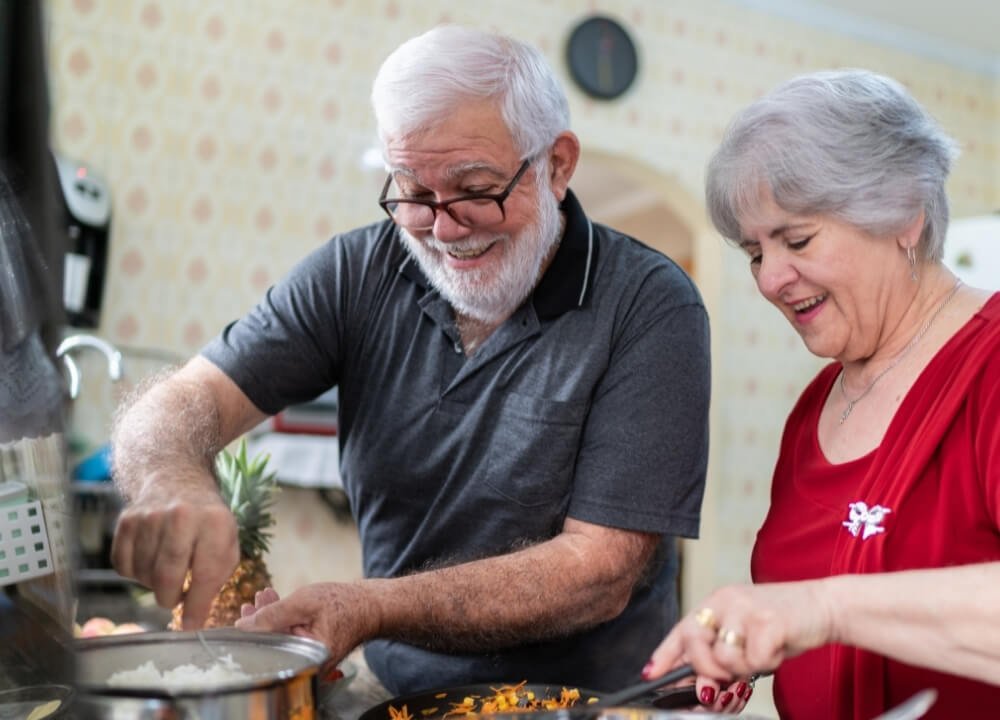
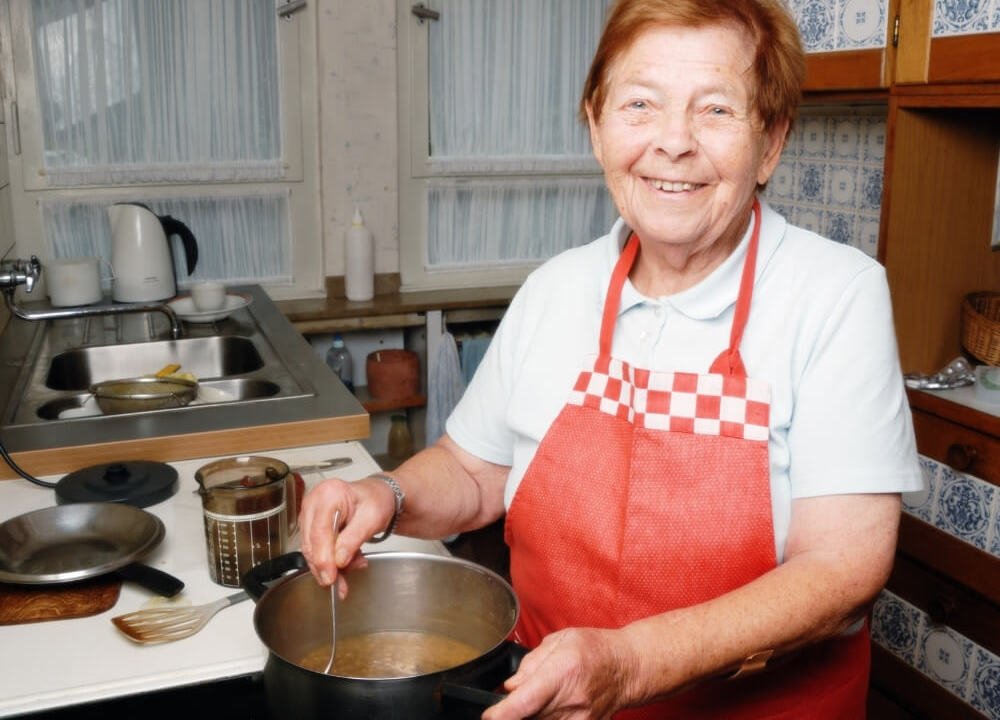
After close investigation, we saw that cooking therapy for dementia is one of the therapies that people living with dementia benefit from.

QUITE significantly.

Some experts describe cooking therapy as a therapeutic technique that uses cooking, arts, gastronomy, and people’s personal, familial, and cultural relationships with food to address psychological and emotional issues.

It is also a popular alternative therapy with great benefits.

An article in Psychology Today described cooking therapy as one of the ways to simultaneously nourish the mind and feed the soul.

How Does Cooking Help Dementia?

Cook Book for Dementia
MIND DIET Cookbook for Beginners: Tasty and Nutritious Recipes for Optimal Brain Health (The Alzheimer’s Prevention Food Guide)

Also known as kitchen or culinary therapy, cooking therapy is also considered a form of SELF-CARE according to Dr. Axe.

This is because it helps people save money, relieve anxiety, and the result is a product that an individual can enjoy on their own or share with others.

Professionals agree that cooking can support an individual’s mental and physical health in multiple ways.

This is why this type of therapy can be beneficial to a person with dementia. It is, however, important to make sure that seniors engaging in cooking therapy do so safely depending on their current abilities.

Persons with dementia SHOULD ONLY take part in tasks that do not put them at risk of injury.

Some of the appropriate kitchen activities are:

  • Washing vegetables
  • Rolling dough
  • Setting the table
  • Mixing ingredients
  • Cleaning dishes
  • Making simple meals like sandwiches and fruit salads

Avoid letting the elderly handle sharp cutlery, hot stoves, and other risky actions.

It is best to gauge what an individual is CAPABLE of handling even for the most willing and able seniors.

Always match the tasks assigned to the functional level of the individual with the neurodegenerative illness.

With this in mind, let’s look into some of the ways individuals with the progressive illness can benefit from cooking therapy.

Benefits of Cooking Therapy for Dementia

Reduces Stress

reducing stress
A 2018 review revealed that cooking can help enhance mood and reduce anxiety symptoms by giving participants a sense of accomplishment, control, and providing for themselves or others who will end up eating the meal.

Dementia often brings negative emotions and feelings caused by frustration and confusion. Cooking can HELP get rid of such by reducing some of the behavioral symptoms that people with dementia showcase.

For instance, a SIMPLE act of kneading dough or washing potatoes can reduce irritability and depression.

This is because a person is presented with a task that they can accomplish and enjoy which aids in relieving stress.

Encourages Physical Activity

encourages physical activity
One of the perks that cooking therapy for dementia presents is encouraging individuals with the illness to get on their feet as they prepare ingredients and clean up afterward.

Physically, cooking requires some movements in fingers, shoulders, neck, elbow, neck, wrists, and good overall balance. An EXCELLENT activity for the entire body if you will.

Muscle strength is also required in upper limbs for chopping, cutting, and mixing.

While it may not be an intense workout, cooking sessions allow people to enjoy a fun and creative exercise that is relatively active.

Promotes Healthy Eating

Most people who engage in cooking therapy end up being mindful of what they put in their mouths.

promotes healthy eating

High-quality diets are crucial for maintaining brain health. Dr. Andrew McCulloch wrote that nutrition should become a mainstream daily component of MENTAL HEALTH care.

Including foods that are rich in various nutrients including legumes, dark leafy greens, berries, and oily fish, etc. has been linked with better outcomes for persons battling mood disorders.

Research also links nutrients like amino acids, omega-3 fats, magnesium, B vitamins, zinc, and iron to improved brain health.

Triggers Happy Memories

Mind Diet For Dementia Recipe Book
MIND DIET: Eating for a Sharp Mind and Healthy Brain (The Alzheimer’s Prevention Food Guide & Cookbook)

Cooking makes people FEEL nostalgic especially during family gatherings, over the holidays, and other traditional events.

Persons with dementia can reminisce on good times they had in the past cooking or sharing meals with loved ones.

Time Magazine researchers suggest that humans associate food with happy memories. The smell is another powerful element that triggers nostalgia.

Note that the part of the brain that processes smell is the EMOTIONAL center of the organ.

This implies that individuals are biologically hardwired to evoke emotions through smell.

Susan Whitborne professor of psychological and brain sciences at the University of Massachusetts explains that food memories involve all five senses reason they are more sensory than other types of memories.

Cooking therapy can also enhance brain stimulation through various actions that the senior participants in.

For starters, a person needs to concentrate on the activity a move that gives the brain a workout.

Encourages Self-Expression and Social Bonding

cooking therapy for dementia
One of the benefits of cooking therapy for dementia is when seniors cook in a group setting.

They have a good time working with peers and other staff members where they end up enjoying the support and help of others.

It is quite EASY to bond over a delicious meal or snack.

The process of creating these foods offers the elderly an opportunity to have fun and provides a social outlet for self-expression.

Closing Remarks – Cooking Therapy for Dementia

Many professionals agree that cooking therapy for dementia is quite beneficial for various stages of the illness.

This has even led to the introduction of therapeutic kitchens in many long-term care facilities.

Not only do residents use the kitchens but the staff and family members as well.

Cognitive Stimulation Therapy for Dementia

cognitive stimulation therapy dementia

If you would like to understand the link between cognitive stimulation therapy and dementia, I cover it all in this extensive article.

What if there was a treatment for mild to mid-stage dementia that could improve cognitive functioning as effectively as dementia medications, but without side effects? What if it was inexpensive, accessible and enjoyable for the person with dementia? In fact, what if there already is?

If you live in England, chances are you’re already familiar with Cognitive Stimulation Therapy.

Cognitive Stimulation Therapy and Dementia

It is considered a standard of care in the UK, and it is recommended and provided for most or all British individuals with dementia who choose to participate.

The word — and research — on CST is getting out to other countries, and cognitive stimulation therapy programs are growing around the world.

At least, that is, they were growing until the pandemic put a stop to group gatherings, especially for older adults.

However, there are adaptations being developed for this exciting therapy as scientists, experts, and group leaders explore how to best translate the program to an online format.

What is Cognitive Stimulation Therapy?

what is cognitive stimulation therapy
Cognitive stimulation therapy is an evidence-based group treatment modality designed for people with mild to moderate dementia.

It was developed in the United Kingdom by Dr. Aimee Spector and a team of dementia specialists after rigorously researching the efficacy of various non-drug dementia interventions.

Since its inception in 2003, an abundance of evidence has shown that CST significantly improves participants’ cognitive functioning, mood and quality of life.

CST Aims to Improve Cognitive Functioning

The evidence shows that CST is as effective as dementia medication for improving cognitive functioning.

CST is the only non-medical intervention that the British government for the treatment of dementia endorses.

In fact, it is considered a standard of care in the UK to be referred to a CST group upon being diagnosed with dementia.

Few barriers interfere with the implementation of cognitive stimulation therapy. CST groups can be led by essentially anyone who works with people with dementia.

It’s not restricted to highly credentialed medical professionals. There is no extensive training or special equipment necessary, so the cost of the program is low.

All that’s needed is a manual, a modest training program, and a few simple supplies.

Who can Administer Cognitive Stimulation Therapy?

who can administer cognitive stimulation therapy
Cognitive Stimulation Therapy is designed to be successfully administered by anyone who works with people with dementia.

This includes care workers, psychologists, occupational therapists and nurses.

A basic CST training program ensures that facilitators understand the guiding principles of the program. Also to understand how to apply them in a standardized, yet person-centered, and effective way.

Available training manuals offer instruction on how to lead a CST group.

They discuss the key principles of the therapy, include detailed session plans, and other instructions on how to monitor participants’ progress.

What is a CST Session Like?

what is a CST session like
Traditional Cognitive Stimulation Therapy sessions utilize a group format to capture the benefits of social interaction.

It is a set series of sessions, usually given twice per week over seven weeks.

CST sessions can occur in a variety of settings, from private homes to hospitals, facilities or day programs.

They should take place in a comfortable environment that is conducive to learning and social engagement.

CST stimulates particular cognitive skills

CST sessions are designed to exercise and stimulate specific cognitive skills. The first session begins by having the members designate a name for their group.

The same participants join throughout the series of sessions.

Attention to consistency throughout the sessions is an important feature. For example, each session begins with the same warm-up activity.

Each session has a different theme, such as “Physical Games”, “Childhood”, “Food”, “Current Affairs” or “Number Games”. Sessions typically last an hour.

A reality orientation board is posted throughout the series of sessions, which displays information about each participant.

As the participants interact with each other, they get to know one another, which contributes to feelings of friendship and support.

What are the Benefits of CST?

what are the benefits of CST
The benefits of Cognitive Stimulation Therapy are well documented and include a significant improvement in cognitive functioning.

In order to quantify data, researchers often use tools that measure memory, orientation, language and visuospatial abilities. These tools include:

  • The Mini-Mental State Examination (MMSE)
  • The Alzheimer’s Disease Scale-Cognitive Subscale (ADAS-COG)

Because these standardized forms are also often used to measure the efficacy of Alzheimer’s drugs and other modalities, it is easy to directly compare the results.

CST shows an improvement in cognitive areas measured by these tools comparable to anti-dementia drugs.

Other noted benefits of CST include a significant improvement of language skills (such as naming objects, word-finding, comprehension) and quality of life.

Quality of life is determined by the participants using the QoL-AD tool.

Caregivers of CST participants with dementia consistently report an improved quality of life for themselves, as well as for their loved ones.

They report improvements in their loved ones’ moods, confidence and ability to concentrate.

Both the participants and caregivers describe participation in the groups as feeling supportive and positive.

What are the Variations of CST?

As Cognitive Stimulation Therapy matures and becomes more widespread, more variations are innovated to meet more specific cultures or preferences of individual participants.

For example, Saint Louis University’s Geriatric Education Center in Missouri, USA has developed several variations of CST of their own, including an exercise-based group, a spiritual group and a caregiver-assisted group.

Individual Cognitive Stimulation Therapy (iCST)

individual cognitive stimulation therapy
Individual Cognitive Stimulation Therapy (iCST) is a newer variation of this modality.

It is designed to provide the therapeutic benefits of CST on a one-to-one basis, rather than a group setting.

It can be administered to the person with dementia by a friend or family member with iCST training.

An iCST program includes 75 activity sessions which are intended to be provided over three 30-minute sessions for 25 weeks.

Each iCST session begins with five minutes of orientation information, followed by five minutes of current news and events, and then twenty minutes of the main activity.

The main activity themes include topics such as “Life Story”, “Word Games”, “Art”, “Reminiscence” and others.

In one research study, individuals with dementia participating in iCST programs did not experience the same cognitive gains of the traditional group-based sessions, but there were significant benefits nonetheless.

The individual and their carer reported a much better quality of the relationship. The carers also reported a measurably better quality of life and fewer symptoms of depression.

Both the individuals with dementia and their carers expressed enjoying the program and felt that it ignited an interest in mentally stimulating activities.

Individual Cognitive Stimulation Therapy is an excellent alternative when group sessions aren’t available or practical. During the COVID-19 pandemic, this need has become especially widespread.

It’s also useful anytime those who don’t enjoy group interaction and people who can’t get to group sessions for reasons such as compromised health or mobility.

Maintenance CST

While Cognitive Stimulation Therapy is typically designed as a series that concludes after 14 sessions, an adaptation for ongoing “maintenance” therapy is in the works.

Designed for longer-term treatments, Maintenance CST can extend the period of benefits. One research study concluded that long term benefits of maintenance CST were especially powerful in terms of improved quality of life, with the cognitive improvements tapering off over time.

Virtual Cognitive Stimulation Therapy (vCST)

virtual cognitive stimulation therapy
Virtual Cognitive Stimulation Therapy (vCST) was born in response to an urgent need created by the COVID-19 pandemic. Still in its early stages, vCST is taking shape in various ways.

Adapting group sessions to an online format, providing iCST to an individual online (with in-person support from a family member), and training family caregivers to provide individual CST in-home sessions are areas that have been explored, and are ripe with potential.

Individual cognitive stimulation therapy sessions are now being offered online through Washington University Physicians Occupational Therapy.

Their goal is to train carers to administer sessions at home with their loved ones.

A therapist works with the individual with dementia and their caregiver over seven virtual sessions and supports them as they work through the process.

A binder of material is provided with this program.

Researchers at the University College of London and Hong Kong University have been collaborating to adapt CST into virtual sessions so people with dementia can experience the best possible benefits of the program in the alternate format.

What is Next for CST?

Already being used in at least 33 different countries, scientists are developing ways to introduce and grow Cognitive Stimulation Therapy sessions across different cultures and different socio-economic populations.

International train-the-trainer programs exist in Denmark, Norway, Germany, China, New Zealand and USA.

A three-year study is currently investigating how to best implement CST in low to middle income nations, including Brazil, India and Tanzania.

A similar program, called SAIDO Learning, exists in Japan and demonstrates comparable results.

An adapted model of CST intended for people in the moderate to severe stages of dementia is also currently under development in London.

Where to Learn About Online CST Training

To learn more about CST training opportunities, including access to a series of free online training video modules, visit the Saint Louis University website.

To learn about opportunities for online iCST training visit the iCST website.

14 Best Alternative Therapies for Dementia

alternative therapies for dementia

To date, dementia still has no cure but persons with the illness can consider alternative therapies for dementia to improve symptoms and improve quality of life.

Alternative therapies refer to the treatment that is used in place of conventional medical care.

They normally target psychological, emotional, cognition, and behavioral symptoms that persons with dementia experience.

Examine some of the therapies that individuals with dementia can benefit from below.

14 Best Alternative Therapies For Dementia

Occupational Therapy

An occupational therapist can help evaluate the strengths and weaknesses of a person who has dementia. This can assist the professional understand the areas where the affected individuals need help the most.

Working with the therapist can see a person improve some of their physical skills.

The experts can also come up with suggestions for home and living changes to make it safer and better adapted to the needs of the person with the progressive disease.

Examples of modifications that you can make include:

1. Ensuring that there is a fence surrounding the yard so that the affected person will not get away, wander, and get lost in the neighborhood.

2. Organizing the closet so that appropriate outfits for the current season are within reach.

3. Identify simpler versions of activities that the individuals used to enjoy so that they can continue spending time on them.

For instance, if the said individual loved completing puzzles before a positive dementia diagnosis, the occupational therapist can look for easier puzzles that the person will continue to enjoy.

Reminiscence Therapy

reminiscence therapy for dementia
Also known as life review therapy, reminiscence therapy (RT) is one of the most common alternative therapies for dementia.

RT encourages individuals to revisit past memories.

It is a kind of talk therapy where experts use sensory aids or props to help spark memories.

Examples of these may include sounds, smells, songs, photos, or stories from an individual’s past.

The therapy can be conducted in a group setting or one-on-one sessions.

Reminiscence therapy can offer several benefits to affected individuals like:

  • Enhanced cognition
  • Improved behavior and mood
  • Higher confidence and self-worth
  • Better connection with loved ones
  • Reduced depression
  • Reduced agitation

Physical Therapy

Physical therapy is beneficial to individuals with dementia because it can help enhance their balance reducing the chances of tripping, falling, and injuring themselves.

This is because the therapy mainly focuses on strength training, endurance, flexibility, and balance.

A physical therapist can come up with appropriate exercise programs that an individual can take part in to help them with movement.

Additionally, it can help with boosting mood and decreasing aggression.

When a person is active there is an increase in the release of endorphins that soothe the brain.

Most people who take part in physical therapy also enjoy improved sleep.

Physical therapy can also help a person maintain their independence a move that can help them conduct daily living activities like bathing, eating, grooming, and toileting without too much difficulty for the longest possible time.

Studies also show that physical therapy can also help with the slowing down of memory loss. Research indicates that it is one of the best ways to enhance brain health.

Music Therapy

Sound and music play are an important part of human life whether listening to it, dancing, or taking part in its creation. People respond to music at a tender age even before language and words develop.

For years, music is in use to engage and communicate with persons who have dementia. As the illness progresses, music can help enhance well-being and communication.

This is because music stimulates different parts of the brain which can help an affected person connect with past memories and express their feelings.

There are multiple different ways of incorporating music, including:

  • Singing a person’s favorite tunes
  • Playing instruments
  • Listening to a live performance or recorded music
  • Listening to music through headphones

Music therapy is normally conducted by a trained music therapist who can work with an individual or a group. This kind of therapy is known to reduce anxiety for most people with dementia.

It can also enhance cognitive function including perception, thinking, mood, feelings, and behavior. The therapy can also encourage physical exercise if it prompts a person to dance or move around while enjoying the beat.

Music also reduces the incidences of social isolation by encouraging social interaction and promoting activity in a group setting.

Art Therapy

art therapy for dementia
Art therapy is another example of beneficial alternative therapies for dementia. Most people with this progressive disease will enjoy taking part in various creative activities including art.

Art therapy creates a platform where persons with dementia can take part in fun art projects as they express their creativity. The therapy stimulates the brain in numerous ways.

For instance, it can help encourage speech or stir dormant memories. Art therapy can also create a sense of purpose and accomplishment for persons with the illness.

Some studies report that art activities can help enhance cognitive function and social interaction. Non-verbal seniors can start smiling, laughing, moving, or speaking once they take up art therapy activities.

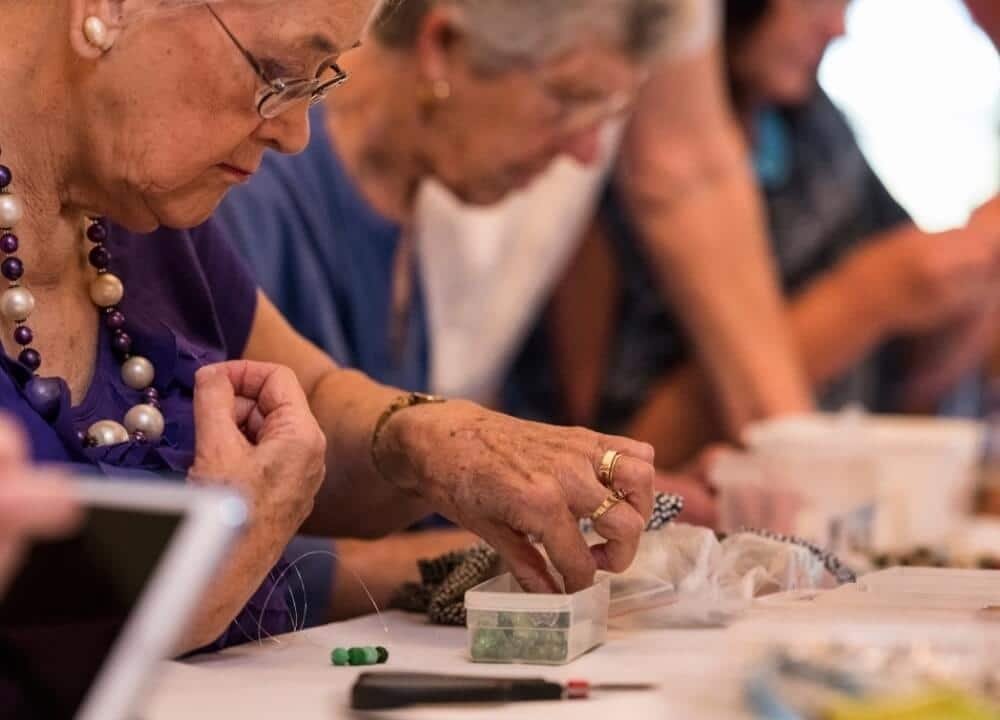
Experts agree that the best forms of art therapy are the ones based on personal memories and passions. Examples of art activities that individuals with dementia can take part in include pottery, paint by number projects, watercolor painting, pencil or charcoal drawing, participating in community art projects and making cards, jewelry, and many more.

These activities can help boost hand strength, relieve stress, and stimulate senses.

Bright Light Therapy

Bright light therapy is a promising treatment that can help people who have dementia. The therapy is thought to affect brain chemicals related to sleep and mood.

Most persons who have dementia will experience sleep issues at some point during the illness. Bright light therapy can help normalize a person’s sleep-wake pattern.

Studies show that this type of therapy is most effective for persons with mild to moderate dementia.

The administration of this therapy is best done during morning hours so that it can entrain the circadian rhythm in a bid to reduce interruption of the normal sleep-wake cycle. This results in increased sleeping hours at night and less daytime sleeping.

Pet Therapy

pet therapy as alternative therapies for dementia
Also known as animal-assisted therapy, this is another example of useful alternative therapies for dementia. The therapy encourages persons with the illness to spend time with various types of domestic animals like cats, trained dogs, birds, fish aquariums, or aviaries, etc.

Spending time with pets offers unconditional love, companionship, and fun for persons with dementia thanks to their friendliness and non-threatening ways. The animals can either live with the affected persons or somebody can bring them once in a while.

Other benefits associated with this type of therapy include:

  • Improving mood
  • Encouraging social interaction
  • Better nutrition
  • Offering a calming effect
  • Improved physical activity
  • Reducing behavioral problems like aggression, agitation, anxiety, loneliness, and depression

Laughter Yoga

Some studies indicate that people with dementia can benefit from laughter yoga. The primary goal of this kind of therapy is to bring more laughter into the lives of individuals with the disease.

Laughter offers numerous health perks for complete mind and body wellness. It can help to relieve stress as a person gets to feel happy, positive, and relaxed after a session of genuine laughter.

The best part about this therapy is the fact that a person does not even have to comprehend a joke or punch line to start laughing.

Laughter is stimulated as a form of exercise ensuring that people just burst out laughing for no reason.

Aromatherapy

aromatherapy as an alternative therapies for dementia
Aromatherapy can be defined as an ancient healing practice where essential oils from herbs, trees, plants, and flowers are used to enhance the spiritual, mental, and physical well-being of affected people.

Essential oils can be applied to the skin or inhaled. Improving cognitive function in persons with dementia is one of the health benefits that come from aromatherapy. Needless to say, the therapy boosts brain performance and improves the ability to remember events.

Aromatherapy can also help to relieve some common dementia symptoms like depression and anxiety.

Numerous studies reveal that essential oils from lemon balm, bergamot, and lavender can help a person with dementia suppress agitation, aggression, and a host of other psychotic symptoms.

Massage Therapy

Massage therapy is one of the alternative therapies for dementia that continues to attract increased attention when it comes to medication alternatives that ease dementia behavioral symptoms.

Moreover, massage can be incorporated in dementia care to offer a human touch that offers a wide range of benefits to individuals with the progressive illness such as:

  • Reduced feelings of anxiety, isolation, and insecurity
  • Increased feelings of care and reassurance
  • Decreased levels of agitation
  • Improve sleep
  • Ease pain
  • Reduce physical expressions like wandering, pacing, and resisting care
  • Decreased heart rate and blood pressure
  • Inducing deep levels of relaxation

Massage therapy is also known to communicate comfort and support in palliative care. There are different types of massages that persons with dementia can benefit from including back massage, hand massage, and foot massage.

Acupuncture

acupuncture
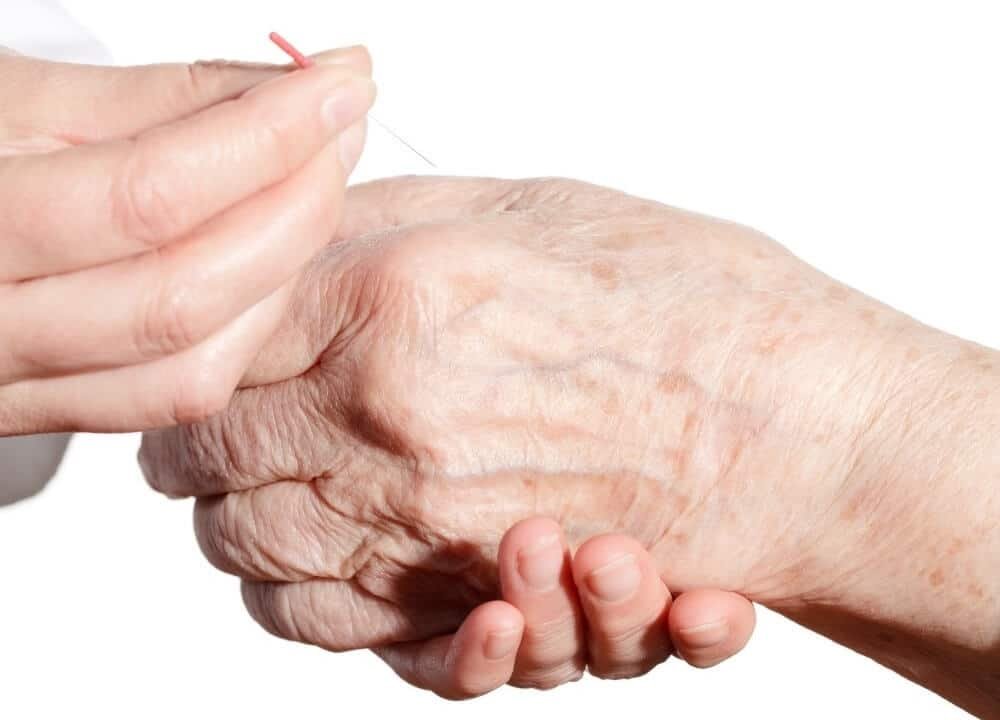
Acupuncture is considered one of the safe and effective alternative therapies for dementia. It is an ancient Chinese method that is in use to treat various medical conditions for years. Acupuncture mostly involves the insertion of needles in specific locations of the human body to help restore proper energy flow to treat symptoms.

Controlled investigations divulge that acupuncture helps to enhance the flow of blood to the brain ensuring that the organ gets adequate nutrients and oxygen. Several studies show that acupuncture can also help in enhancing mood as well as cognitive skills.

Others indicate that acupuncture can help increase both motor and verbal skills as well as attention and memory. One of the studies also revealed that acupuncture can help treat depression and anxiety in people with dementia.

The studies, however, do not give conclusive results on whether acupuncture can help cure dementia; hence, more research still needs to be done on this treatment option.

Doll Therapy

Many people with dementia can also benefit from doll therapy. This normally involves the use of soft toy animals or life-like dolls. These offer “companionship” to the persons with the illness especially in the later stages of the illness providing perks like pleasure and relaxation without the responsibility of taking care of the dolls.

For some, holding a doll or soft toy helps them remember when they were holding their children or when they were caring for their beloved pets. This sensation that comes with holding something soothing can help offer a connection to the outer world renewing a sense of purpose in persons with the progressive illness.

This can also lead to an increased level of liveliness and activity levels. There is evidence that confirms that the use of soft toys or dolls can be especially helpful to persons who do not engage with others or are constantly struggling with anxiety, and restlessness.

Validation Therapy

validation therapy
A brief description of validation therapy would be a kind of counseling. A professional therapist will hold the hand of the person with the illness paying close attention to their feelings.

The experts are trained to study body language and the voice of the weak. This helps the professionals to communicate with persons with the disease in a manner that acknowledges their actions and words with empathy and respect instead of anger, embarrassment, or dismissiveness.

This type of therapy is normally offered to people who are in the last stage of dementia nearing the end of life. It usually helps the affected individuals feel sage, useful, loved, and at peace before breathing the last breathe.

Reality Orientation

When it comes to reality orientation, a person with dementia will work closely with a professional therapist who will repeat details about the place, time, and other crucial details regularly.

This helps the person with the illness stay oriented to the present moment a move that can help reduce confusion. Using large calendars and clocks can also help make things easier.

It is important to understand that reality orientation does not work for everyone who has dementia. This is especially for persons who believe that they are in a different place or time. In such instances, this type of therapy ends up upsetting the affected individuals.

Closing Remarks

Caregivers and persons who have dementia must approach the use of alternative therapies for dementia with care. This is because the therapies usually have different results on different people.

It is best to consult an individual’s doctor before trying out any therapy to be on the safe side. After trying out one option and it does not work, it is best to abandon it and look for the ones that will give the suffering individual the best results.

Horticulture Therapy for Dementia: Benefits, Activities & Evidence

Older woman smelling flowers during a horticultural therapy activity

Horticulture therapy for dementia can provide enjoyable opportunities for people living with dementia to spend time with plants, gardens and nature.

More accurately known as horticultural therapy, it can involve activities such as planting, watering, growing herbs, arranging flowers, harvesting vegetables or simply spending time in a thoughtfully designed garden.

Research suggests that these activities may support mood, engagement, daily functioning and quality of life for some people with dementia.

However, horticultural therapy should not be described as a cure or treatment that reverses dementia. The research is encouraging, but the quality of the available evidence remains limited.

What Is Horticultural Therapy?

The American Horticultural Therapy Association defines horticultural therapy as participation in horticultural activities facilitated by a trained horticultural therapist to achieve specific goals within a treatment, rehabilitation or vocational plan.

There is also a broader practice called therapeutic horticulture. This involves plant-based activities designed to support a person’s wellbeing and may be facilitated by other appropriately trained professionals.

This distinction is useful.

Simply enjoying a garden can be valuable, but formal horticultural therapy involves purposeful activities and specific goals.

What Does Research Say About Horticulture Therapy for Dementia?

Research into horticultural therapy and dementia has grown considerably.

A 2024 systematic review and meta-analysis examined nine randomized controlled trials involving 655 older people diagnosed with dementia.

The researchers reported improvements in several areas among people participating in horticultural therapy compared with conventional care.

These included:

  • Cognitive test scores
  • Symptoms of depression
  • Activities of daily living
  • Quality of life

The findings are encouraging.

However, the researchers also emphasized that the included studies were of low quality and that better-designed research is needed to confirm the results.

For this reason, it is more accurate to say that horticultural therapy may be beneficial for some people with dementia rather than claiming that its effects have been conclusively proven.

older adult participating in horticultural therapy activities

Possible Benefits of Horticultural Therapy for Dementia

Gardening naturally combines several forms of activity.

A person may move their body, use their hands, make choices, interact socially, experience different smells and textures and see the results of something they have cared for.

This combination may help explain why horticultural activities can be meaningful for people living with dementia.

Possible benefits include:

  • Greater engagement in meaningful activity
  • Enjoyment and a sense of purpose
  • Gentle physical activity
  • Social interaction
  • Sensory stimulation
  • Reduced boredom
  • Support for mood and emotional wellbeing
  • Opportunities to maintain existing skills
  • A possible reduction in agitation for some people
  • Improved quality of life

Not everyone will respond in the same way.

Activities should be based on the person’s abilities, interests, previous experiences and stage of dementia.

Gardening Activities for People With Dementia

older adult gardening as a meaningful dementia activity

Gardening can be adapted to suit many different levels of physical and cognitive ability.

Activities might include:

  • Watering plants
  • Planting seeds
  • Filling pots with soil
  • Growing herbs
  • Picking flowers
  • Arranging flowers in a vase
  • Harvesting fruit or vegetables
  • Removing dead flowers
  • Sorting seeds or gardening materials
  • Smelling herbs and flowers
  • Walking through a garden
  • Sitting outdoors and watching birds or insects

The aim does not need to be producing a perfect garden.

For many people, the value is in the activity itself.

Someone who gardened throughout their life may particularly enjoy returning to familiar tasks. This can provide a sense of identity, competence and connection with their past.

Gardening may also combine well with other group activities for people with dementia.

Therapeutic and Memory Gardens

Specially designed gardens are increasingly used in residential aged care and memory care settings.

These environments can provide a safe way for people to enjoy nature, walk, sit outdoors and engage with plants.

A dementia-friendly garden may include:

  • Clear, looping walking paths
  • Accessible seating
  • Shade
  • Raised garden beds
  • Non-toxic plants
  • Familiar flowers and herbs
  • Interesting colors, textures and scents
  • Good visibility and simple navigation

Raised beds can be particularly helpful for people who find bending difficult or who use a wheelchair.

A garden does not need to be large.

Even a small courtyard, balcony, patio or collection of indoor plants can provide opportunities to interact with living things.

Horticultural Therapy Can Be Done Indoors

Access to a large outdoor garden is not essential.

Indoor horticultural activities can include:

  • Potting small plants
  • Growing herbs on a windowsill
  • Arranging cut flowers
  • Planting seeds in containers
  • Decorating plant pots
  • Sorting flowers, leaves or seeds
  • Caring for indoor plants

These activities can be useful when weather, mobility or health makes outdoor gardening difficult.

Even simply looking at and caring for plants may offer an enjoyable focus for conversation and activity.

Does Horticultural Therapy Reduce Agitation?

Some studies suggest that structured gardening and horticultural programs may reduce agitation or behavioral symptoms in some people with dementia.

This is potentially important because agitation, restlessness and distress can have a major effect on both the person and their caregivers.

Activities involving plants may provide gentle stimulation, physical activity and something meaningful to focus attention on.

However, horticultural therapy will not be appropriate or effective for every episode of agitation.

Sudden or significant changes in behavior should also prompt consideration of possible causes such as pain, infection, medication effects, hunger, thirst, constipation or an uncomfortable environment.

How Much Horticultural Therapy Is Needed?

There is no established medical “dose” of horticultural therapy for dementia.

The 2024 review found that some studies using activities at least twice per week reported positive results, but this does not establish a universal prescription.

Programs vary greatly in length, frequency, activities and the people taking part.

The best approach is usually to offer activities regularly while paying attention to whether the person enjoys them.

If someone becomes tired, frustrated or distressed, the activity can be shortened, simplified or tried again another day.

What Does a Horticultural Therapist Do?

horticultural therapist supporting an older adult with plant activities

A professional horticultural therapist uses plant-based activities to work toward defined goals.

According to the American Horticultural Therapy Association, registered horticultural therapists receive education in areas including horticultural science, human science and horticultural therapy, together with supervised practical experience.

Goals for a person with dementia might include:

  • Increasing participation in activities
  • Encouraging social interaction
  • Supporting physical movement
  • Maintaining practical skills
  • Reducing boredom or distress
  • Supporting emotional wellbeing

Formal therapy is not necessary for every gardening activity.

Family members, caregivers and activity staff can also offer simple and safe plant-related activities based on a person’s interests and abilities.

Safety Considerations for Gardening With Dementia

Gardening is generally a low-risk activity, but the environment should be adapted to the individual.

Consider:

  • Using non-toxic plants
  • Avoiding sharp or potentially dangerous tools where appropriate
  • Providing supervision when needed
  • Removing trip hazards
  • Providing shade and sun protection
  • Encouraging adequate hydration
  • Using raised beds or lightweight tools for people with reduced mobility
  • Avoiding pesticides or chemicals that could be accidentally handled or swallowed

The activity should support independence where possible without creating unnecessary risk.

Is Horticultural Therapy a Treatment for Dementia?

Horticultural therapy is best viewed as a supportive, non-drug intervention.

It does not cure dementia or stop the underlying disease process.

It should also not replace medical assessment, prescribed treatment or care for symptoms that require professional attention.

However, non-drug approaches can play an important role in helping people live well with dementia.

Activities that provide enjoyment, movement, social connection and a sense of purpose can contribute to overall wellbeing.

You can read more about non-drug and alternative approaches for dementia on ReaDementia.

Horticulture Therapy for Dementia: Closing Thoughts

Current research suggests that horticulture therapy for dementia may support cognition, mood, daily functioning and quality of life for some people.

A recent meta-analysis found encouraging results, but the researchers also cautioned that the existing studies were generally low quality and stronger research is still required.

The greatest advantage of gardening may be its simplicity.

It can provide gentle exercise, sensory stimulation, social interaction and meaningful activity at the same time.

For someone who enjoys plants or has gardened in the past, horticultural activities can also reconnect them with familiar skills and experiences.

There is no need to make extravagant claims about horticultural therapy.

Giving a person with dementia the opportunity to plant a seed, smell a flower, water a pot or spend a peaceful afternoon in the garden may simply be an enjoyable and meaningful part of good dementia care.