Is Dementia Hereditary? Genetics, Family Risk & Testing

Family discussing dementia genetics and family history

Is dementia hereditary? In most cases, dementia is not inherited in a simple parent-to-child pattern. Having a parent or sibling with dementia can increase your risk, but it does not mean that you will develop dementia yourself.

There are, however, some important exceptions. Certain rare forms of Alzheimer’s disease, frontotemporal dementia and vascular dementia can be caused by inherited genetic changes that run strongly through families.

The relationship between dementia and genetics can therefore be confusing. The important distinction is between genes that increase risk and rare genes that directly cause disease.

Is Dementia Hereditary? The Short Answer

For most people, the answer is not directly.

According to the National Institute on Aging, most cases of Alzheimer’s disease do not have a single genetic cause. Instead, multiple genes may interact with age, health, lifestyle and environmental factors.

A family history of dementia can still matter. If a parent or sibling has Alzheimer’s disease, your risk is higher than that of someone without an affected first-degree relative. Having several close relatives with dementia can increase concern further.

But increased risk is very different from certainty.

Many people with a strong family history never develop dementia, while many people who develop dementia have no known family history at all.

Does Dementia Run in Families?

Is dementia hereditary? Family history and other dementia risk factors

Dementia can appear to run in families for several reasons.

Family members share genes, but they may also share:

  • Eating patterns
  • Physical activity levels
  • Smoking habits
  • Blood pressure risk
  • Diabetes risk
  • Cardiovascular risk
  • Environmental exposures

For this reason, several relatives developing dementia does not automatically mean there is one inherited dementia gene being passed through the family.

Age is also extremely important. Dementia becomes much more common as people get older. Several family members developing dementia in their 80s, for example, does not necessarily suggest the same type of inherited disorder as several relatives developing dementia in their 40s or 50s.

Risk Genes vs. Disease-Causing Genes

APOE, APP, PSEN1 and PSEN2 genes linked with dementia

Understanding the difference between risk genes and disease-causing genetic variants makes the genetics of dementia much easier to understand.

Risk Genes

A risk gene changes the likelihood that someone will develop a condition.

It does not guarantee that the person will develop it.

The best-known example in Alzheimer’s disease is APOE.

The APOE Gene

Everyone inherits one copy of the APOE gene from each biological parent.

There are several common forms, or alleles, including:

  • APOE ε2 – may provide some protection against Alzheimer’s disease.
  • APOE ε3 – the most common form and generally considered neutral for Alzheimer’s risk.
  • APOE ε4 – associated with an increased risk of Alzheimer’s disease and, in some populations, an earlier age of onset.

Having one APOE ε4 allele increases risk. Having two copies generally increases risk further.

However, APOE ε4 does not mean that Alzheimer’s disease is inevitable. Some people with APOE ε4 never develop Alzheimer’s, while many people without APOE ε4 do.

The National Institute on Aging’s Alzheimer’s genetics guide provides more information about APOE and other genetic variants.

Disease-Causing Genetic Variants

There are also rare genetic changes that can directly cause particular forms of dementia.

These are much less common but can create a very strong pattern of dementia across generations.

Is Alzheimer’s Disease Hereditary?

Most Alzheimer’s disease is not directly inherited.

The most common form is late-onset Alzheimer’s disease, which usually develops after age 65. Genetics can influence risk, but there is usually no single gene that determines whether a person will develop the disease.

The Alzheimer’s Association explains that having a parent or sibling with Alzheimer’s increases risk, particularly if several first-degree relatives have been affected.

Rare Familial Alzheimer’s Disease

A very small proportion of Alzheimer’s cases are caused by inherited changes in one of three genes:

  • APP – amyloid precursor protein
  • PSEN1 – presenilin 1
  • PSEN2 – presenilin 2

These rare genetic variants can cause autosomal dominant Alzheimer’s disease.

If a biological parent carries one of these disease-causing variants, each child has a 50% chance of inheriting that altered gene.

When inherited, these variants are strongly associated with Alzheimer’s developing before age 65 and sometimes much earlier.

The National Institute on Aging estimates that fewer than 10% of people with Alzheimer’s have younger-onset disease, and only a portion of those cases are explained by APP, PSEN1 or PSEN2 variants.

Down Syndrome and Alzheimer’s Genetics

There is also an important genetic relationship between Down syndrome and Alzheimer’s disease.

People with Down syndrome have an extra copy of chromosome 21. This chromosome contains the APP gene involved in amyloid production.

As a result, people with Down syndrome have a much higher risk of developing Alzheimer’s disease as they get older.

The National Institute on Aging reports that 50% or more of people living with Down syndrome may develop Alzheimer’s, often with symptoms appearing during their 50s or 60s.

Is Frontotemporal Dementia Hereditary?

Rare genetic forms of dementia

Frontotemporal dementia, or FTD, has a stronger genetic component than many other common dementias.

According to the U.S.-based Association for Frontotemporal Degeneration, researchers have identified more than a dozen genes that can cause FTD.

Three of the most important are:

  • C9orf72
  • GRN
  • MAPT

At least half of people diagnosed with FTD have no known family history of the disorder. However, approximately 40% have a family history that includes another relative with a neurodegenerative condition.

When FTD is caused by one of the known autosomal dominant genetic variants, children and siblings of the affected person may have a 50% chance of inheriting the same variant.

A strong family history of FTD, ALS, unexplained early dementia, major personality changes or progressive language problems is therefore worth discussing with a specialist.

Is Lewy Body Dementia Hereditary?

Lewy body dementia is generally not considered a hereditary disease.

Having a family member with Lewy body dementia may slightly increase a person’s risk, and researchers have identified genetic variants associated with the condition.

However, hereditary forms are rare.

The Lewy Body Dementia Association notes that genetic testing is not routinely used to diagnose Lewy body dementia because currently available genetic tests cannot accurately predict who will develop it.

Is Vascular Dementia Hereditary?

Health conditions that can increase vascular dementia risk

Most vascular dementia is not directly inherited.

However, some of the health problems that increase vascular dementia risk can run in families. These include:

  • High blood pressure
  • High cholesterol
  • Diabetes
  • Heart disease
  • Stroke risk

These conditions can be influenced by both genetics and shared lifestyle factors.

Vascular dementia results from damage to blood vessels that reduces blood flow and oxygen to the brain. Managing cardiovascular risk is therefore an important part of reducing vascular dementia risk.

CADASIL – A Rare Inherited Form

There is one particularly important exception.

CADASIL – cerebral autosomal dominant arteriopathy with subcortical infarcts and leukoencephalopathy – is a rare inherited disease affecting small blood vessels in the brain.

According to the National Institute of Neurological Disorders and Stroke, CADASIL can cause migraines, strokes, mood or behavior changes, and progressive problems with thinking and memory.

It is a genuine inherited cause of vascular cognitive impairment and dementia, but it is extremely uncommon compared with ordinary vascular dementia.

Other Rare Hereditary Causes of Dementia

Some other uncommon neurological disorders can also be inherited and may cause dementia.

For example, hereditary forms of prion disease can result from genetic changes affecting the prion protein gene.

The National Institute of Neurological Disorders and Stroke explains that genetic forms of Creutzfeldt-Jakob disease and related prion diseases can be passed from parent to child.

These conditions are very rare and should not be confused with the far more common forms of Alzheimer’s disease or age-related dementia.

When Is Family History More Concerning?

If you are wondering is dementia hereditary because several relatives have been affected, the pattern within the family is important.

A genetic cause may deserve closer investigation when:

  • Several people in successive generations have developed dementia.
  • Dementia repeatedly begins before age 65.
  • Someone develops symptoms in their 30s, 40s or 50s.
  • There is a family history of frontotemporal dementia or ALS.
  • Several relatives have similar neurological symptoms.
  • A known disease-causing genetic variant has already been identified in the family.

A single parent developing dementia very late in life usually presents a very different genetic picture from multiple relatives developing the same disorder at unusually young ages.

Hereditary Dementia and the 50% Inheritance Pattern

Autosomal dominant genetic inheritance pattern

Several rare genetic forms of dementia follow what is known as an autosomal dominant inheritance pattern.

This means that a person only needs to inherit one disease-causing copy of the gene from one biological parent.

If a parent carries one of these variants, each child generally has a 50% chance of inheriting that genetic variant.

This applies to conditions such as autosomal dominant Alzheimer’s disease and many known genetic forms of frontotemporal dementia.

Importantly, this 50% figure should not be applied to ordinary late-onset dementia.

If your mother or father develops Alzheimer’s at age 80, for example, that does not mean that you have a 50% chance of developing Alzheimer’s.

Should You Have Genetic Testing for Dementia?

Most people with a parent or grandparent who developed dementia do not need genetic testing.

The National Institute on Aging states that genetic testing is not routinely used to predict whether someone will develop Alzheimer’s disease or another dementia.

Testing may be considered when there is:

  • Very early onset of symptoms
  • A strong pattern of dementia across several generations
  • A family history suggestive of autosomal dominant Alzheimer’s disease
  • A suspected inherited form of frontotemporal dementia
  • A known genetic variant already identified within the family

Testing for APOE ε4 is commercially available, but APOE is a risk gene rather than a straightforward Alzheimer’s test.

An APOE result cannot tell a healthy person with certainty whether they will or will not develop Alzheimer’s disease.

The Alzheimer’s Association recommends discussing genetic testing with a doctor or genetic counselor rather than trying to interpret the results alone.

Why Genetic Counseling Matters

Genetic information can affect more than the individual being tested.

A positive result may also provide information about siblings, children and other biological relatives.

For this reason, genetic counseling can help families understand:

  • What a particular genetic test can and cannot tell them
  • The chance of inheriting or passing on a variant
  • The emotional impact of learning the result
  • Whether testing other relatives would be useful
  • How the result might affect future medical decisions

If My Parent Has Dementia, Will I Get It?

No. A parent having dementia does not mean that you will inevitably develop it.

The National Institute on Aging summarizes this well: a family history of Alzheimer’s may make you more likely to develop the disease, but it does not mean that you definitely will.

Your individual risk depends on many factors, including:

  • Age
  • Genetics
  • Cardiovascular health
  • Blood pressure
  • Diabetes
  • Smoking
  • Physical activity
  • Other health and lifestyle factors

Can You Reduce Dementia Risk if It Runs in Your Family?

You cannot change the genes you inherited, but many factors related to brain and cardiovascular health can be influenced.

Helpful steps include:

  • Not smoking
  • Being physically active
  • Managing high blood pressure
  • Managing diabetes
  • Keeping cholesterol under control
  • Following a nutritious, balanced diet
  • Maintaining social connections
  • Addressing hearing problems
  • Discussing cardiovascular and dementia risk with your doctor

You can read more in our guide to reducing the risk of dementia.

Is Dementia Hereditary? Final Thoughts

So, is dementia hereditary? For most families, dementia is not inherited in a simple or inevitable way.

Genes can influence risk, and having close relatives with dementia can increase the likelihood of developing the condition. But genes are only part of the picture for most cases of late-onset dementia.

Rare forms are different. Specific variants in genes such as APP, PSEN1 and PSEN2 can cause inherited Alzheimer’s disease, while genetic forms of frontotemporal dementia can involve genes including C9orf72, GRN and MAPT.

Lewy body dementia is generally not considered hereditary, and most vascular dementia is not directly inherited, although rare genetic conditions such as CADASIL can cause inherited vascular dementia.

If several close relatives have developed dementia at unusually young ages, or if a known genetic condition runs in your family, talk with your doctor about whether referral to a neurologist or genetic counselor would be appropriate.

Air Pollution and Dementia Risk

air pollution and dementia

There is strong evidence developing in regards to exposure to air pollution and dementia risk.

Some researchers claim that small air pollution particles can enter the brain and contribute to the development of dementia.

Before looking at the possible link between dementia and air pollutants, first, check out what air pollution is.

Does Pollution Cause Dementia?

Air Pollution

air pollution
Air pollution is made up of various components that may include:

  • Chemical compounds
  • Gases
  • Tiny particles/ particulate matter
  • Metals

Exposure to high levels of long-term exposure to air pollutants has been known to be harmful leading to the development of many health conditions that majorly affect the heart and the lungs.

Does Air Pollution Harm the Brain? (Different Studies)

does air pollution harm the brain
One of the factors that led scientists to look into the relationship between air pollution and dementia is the existence of the magnetite particle in the brain.

These are particles that fill the air after the burning of fuel. The human brain also produces magnetite naturally.

A study conducted in 2016 confirmed that magnetite can make its way to the brain through air pollution. This was after studying the brain tissues of people from Manchester and Mexico City.

a study

Researchers used a unique electron microscope to look at the surface properties of magnetite. They did this to prove that the brain did not produce the particles naturally.

Instead, they were produced by high temperatures.

The conclusion from the study was that it is possible that fine particulate material can enter the brain through the thin lining of the nose and the bloodstream as well.

Researchers observed that the particles were present inside amyloid plaques, which are the protein deposits common in the brain cells of a person with Alzheimer’s, one of the most common forms of dementia.

Magnetite can cause dementia

This is what led to the assumption that magnetite could be somehow involved in the development of dementia.

The study was, however not conclusive because it did not prove that magnetite was responsible for killing brain cells or the formation of the protein deposits.

There is a possibility that the particles might find their way into the brain and because of the organ’s waste disposal process find their way in the amyloid plaques.

In line with this Pektus, an assistant professor of clinical neurology working at Keck School of Medicine, led another study to try and add evidence linking air pollution and dementia risk.

clinical neurology

The study focused on 998 female participants between the ages of 73-87.

The participants underwent two brain scans that were 5 years apart. Researchers studied the brains of the participants to give them a cognitive decline score.

They then combined the results with data on where the ladies lived with details about the pollution levels in the areas.

After analyzing this data, the researchers found that people who had higher exposure to fine air particle solutions were more likely to experience cognitive function impairments like memory problems.

A different study trying to prove the link between air pollution and dementia risk followed 130,000 people living in London for a couple of years.

The adults were aged 50 to 79. During the study period, at least 2181 people developed dementia. The results reported that the participants who were exposed to higher levels of air pollutants specifically nitrogen and fine particles from fossil fuel combustion had a higher risk of developing dementia.

The researchers stated that people living in London exposed to the highest levels of air pollution were around 11/2 times likely to develop some form of dementia.

Long-term exposure to air pollution can increase risk

A study conducted in 2017 studied adults for over a decade. The participants were quite many (about 6.5 million adults).

The study that was published in The Lancet found that the people who lived near high-traffic major roads were more likely to develop Alzheimer’s disease.

This was regardless of their socioeconomic and health status. The study claimed that about 6-7% of all dementia cases were attributed to exposure to air pollutants.

Another study followed residents in Stockholm, Sweden. They followed individuals who were exposed to air pollution at relatively low levels.

The research that was published in JAMA (Journal of the American Medical Association) found that even exposure to low levels of air pollution contributes to greater dementia risk specifically for persons who have heart diseaseshttps://readementia.com/signs-of-early-onset-alzheimers/.

scientists

Giulia Grande the lead author states that their findings suggested that air pollution plays a role in the development of dementia.

This is mainly through the intermediate step of cardiovascular illnesses and strokes. The researchers were studying about 3,000 adults for more than 11 years. The average age of the participants was 74.

Stroke and air pollution are most harmful

The study explained that while long-term exposure to air pollution was linked to dementia risk, this risk was higher for persons who suffered from a stroke.

About half of the dementia cases that they linked to air pollution exposure was explained by stroke. Researchers also noted that participants were residing in the Kungsholmen district where pollution levels are safely below international limits.

Scientists further extended their studies into mice. They found that there was a similar effect in the brain of mice after exposure to air pollution. The researchers exposed mice to air pollutants collected near busy roads.

This led to biological changes that usually cause brain damage and an increased level of protein amyloid.

This is still not enough to make a solid conclusion about the link between air pollution and dementia development.

It, however, shows that exposure to air pollution can lead to cognitive impairment. It is after the exposure brought forth symptoms like poor learning abilities, motor, and memory skills.

This is because, in the human brain, it is not automatic that amyloid protein on its own causes the development of dementia.

Closing Remarks

To give conclusive results on the issue of air pollution and dementia risk, scientists continue to conduct more studies to answer this question comprehensively.

The experts are taking into consideration pollution from different parts of the globe while using sophisticated techniques to try and establish if there is a direct link between air pollutants and dementia development.

Meanwhile, it is best for countries to start working on air quality to avoid some of the problems that are associated with air pollution.

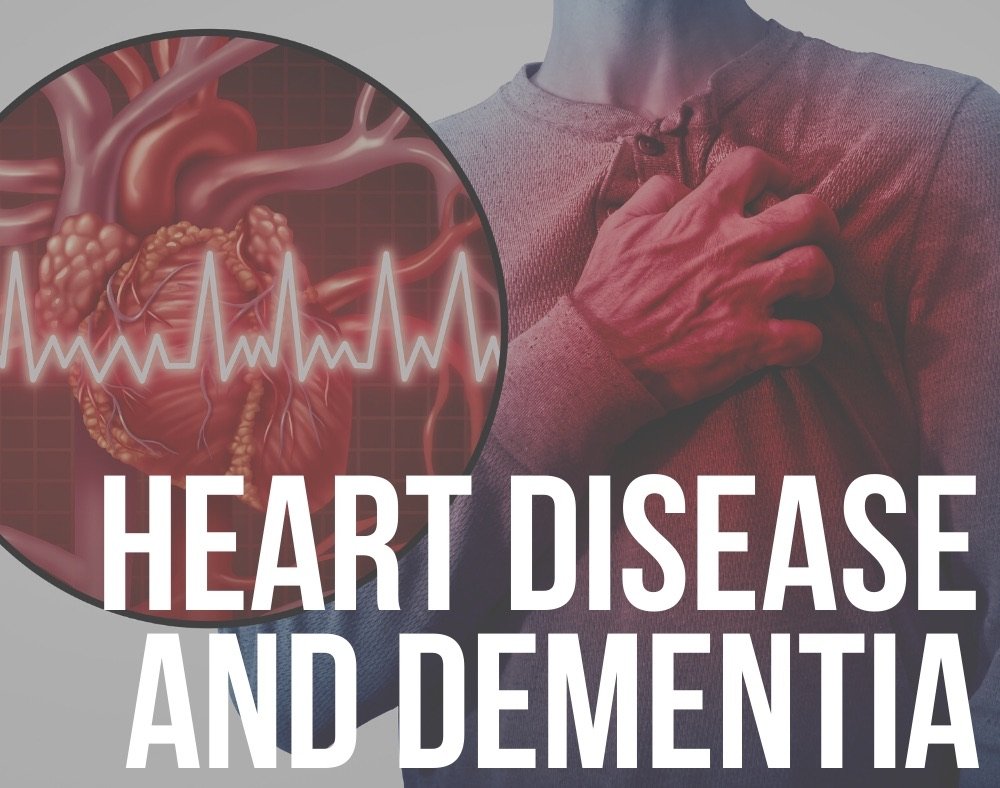
Heart Disease and Dementia – Risk Factors

heart disease and dementia

Over the years, there have been studies trying to uncover the link between heart disease and dementia.

As a result, scientists now include heart disease as one of the risk factors that contribute to the development of dementia.

To get more information about this, here are examples of some of the studies that showcase the link between the development of dementia and heart disease.

Is dementia related to heart disease?

Studies Explaining the Relationship between Heart Disease and Dementia

studies explaining the relationship between heart disease and dementia
As mentioned earlier, researchers have conducted several studies on vascular risk factors concerning the development of dementia.

Dr. Rebecca Gottesman led one of the studies at John Hopkins University. It was called the ARIC (Atherosclerosis Risk in Communities) study.

Together with her team, they studied about 16,000 middle-aged people over 25 years.

These were persons who lived in four different states aged between 44-66 years.

Researchers studied the participants with numerous medical tests at least five times. During the 2nd, 4th, and 5th exams, the participants underwent cognitive tests of thinking and memory.

Medical history is important

Caregiver interviews, in-person visits, telephone interviews, death certificates, and hospitalization records were the methods that the researchers used to collect health data.

The National Heart, Lung, and Blood Institute (NHLBI) funded the study.

Within the 25 year study period, over 1500 participants got dementia.

The study confirmed reports that persons with vascular risk factors during midlife, like hypertension or diabetes, had higher chances of developing dementia.

Another study published in the Journal of the American Heart Association states that women should be given the same treatment as men when they have heart disease.

This was conducted by a team of psychologists, neurologists, and cardiologists.

women should be given the same treatment

Men and women should get the same treatment

In their findings, they record that internists and cardiologists have a crucial role in preventing strokes, which can be done by giving women a similar treatment to men.

This is important when learning about heart disease and dementia because the link between stroke and heart disease is quite significant.

Stroke is one of the risk factors for coronary heart disease.

On the other hand, different forms of heart disease are also considered to be stroke risk factors.

After extensive research, the professionals found out that women usually get less aggressive treatment when it comes to preventing strokes as opposed to men.

According to the experts on the study, receiving appropriate treatment can help to decrease the risk of stroke by 80%.

They go further to state that receiving an adequate dose of blood thinners raises the dementia survival rate to 97% when compared to 85% for the individuals who do not get the correct dose.

Women, after surgery, experience more problems

In addition to this, the report also informs us that women who go through heart procedures without surgery, like the aortic valve procedure, experience more strokes but with less mortality.

Women also tend to have more brain injury after going through cardiac surgery when compared to males.

The study does not define why the difference exists, citing that further research needs to be done to come up with a solid answer.

A third study specifically looked at the link between heart disease and dementia in women. This was titled “Cardiovascular Disease and Cognitive Decline in Postmenopausal Women.

This stated that older women who had a history of heart diseases or other heart-related issues were at higher risk of developing dementia and memory and thinking problems than the ones without heart disease.

the study was released

The study was released on 18th December 2013 in the Journal of the American Heart Association.

Women are more prone to experience cognitive decline

The lead author of the study was Dr. Bernhard Haring, who is based in Germany at the Comprehensive Heart Failure Center, which is part of the University of Wurzburg.

Researchers uncovered that women who experienced heart attacks were twice as likely to start experiencing declines in their memory and thinking skills.

The researchers studied over 6000 women between the ages of 65-79. At the onset of the study, all the participants went through a brain function test and they were also asked if they had any heart problems.

About 900 said that they had heart disease while none had memory or thinking problems.

After about eight years, over 400 women started showing signs of dementia or cognitive decline.

The study found out that the ladies who already had heart disease were 29% more likely to experience cognitive problems than those who did not have heart disease.

The research also reported that women who have already experienced a heart attack were at higher risk of developing memory and thinking trouble.

The same case also applied to those who have a history or hardening of the arteries that transport blood to the feet and legs as well as those who have a history of peripheral vascular disease or bypass surgery.

It also stated that heart failure and abnormal heart rhythm were not linked to a decline in brain function.

Closing Remarks

Understanding the connection between heart disease and dementia is crucial one of the reasons multiple studies are conducted on the same.

This is especially because dementia is not reversible, but heart disease is.

People should, therefore, adopt healthy practices like eating well, exercising, and getting quality sleep to keep heart diseases at bay as this might, in turn, prevent the development of dementia.

This is even though scientists are still looking into the causes of dementia.

Individuals who already have heart disease should see their doctors regularly to keep blood pressure, cholesterol levels, and diabetes in check because this is vital for heart and brain health.

Type 2 Diabetes and Dementia: What’s the Link?

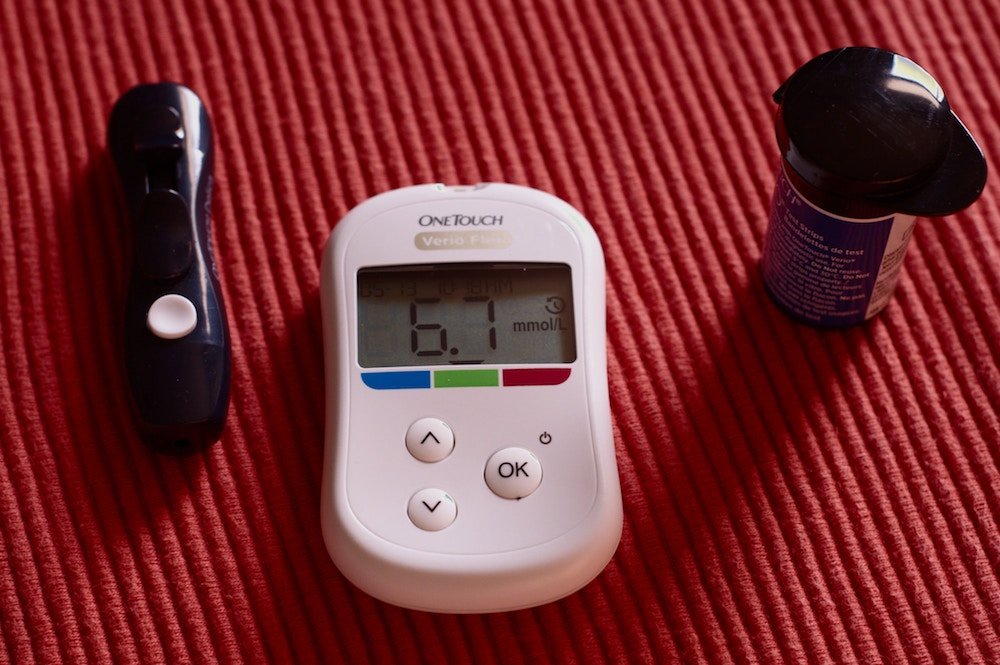
Older adult having blood glucose checked, illustrating type 2 diabetes and dementia

Type 2 diabetes and dementia have been linked in a growing body of research. People with type 2 diabetes appear to have a higher risk of developing cognitive impairment and dementia than people without diabetes, particularly when diabetes develops earlier in life or is poorly controlled.

However, having diabetes does not mean that a person will develop dementia. The relationship is complex, and researchers are still working to understand exactly how blood sugar, insulin resistance, cardiovascular health and changes in the brain may interact.

According to the Centers for Disease Control and Prevention (CDC), diabetes can affect the blood vessels and nerves of the brain and may contribute to problems with memory and learning over time.

In this article, we look at what scientists currently know about type 2 diabetes and dementia, why the two conditions may be connected and what people with diabetes can do to support their overall and brain health.

What Is Type 2 Diabetes?

Type 2 diabetes is a chronic condition that affects the way the body regulates and uses glucose, or blood sugar.

Insulin is a hormone produced by the pancreas that helps glucose move from the bloodstream into cells, where it can be used for energy. With type 2 diabetes, cells become less responsive to insulin. Over time, the pancreas may also struggle to produce enough insulin to keep blood glucose within a healthy range.

Persistently high blood sugar can damage blood vessels, nerves and organs throughout the body.

The brain is no exception.

Because the brain relies on a healthy blood supply and a steady source of energy, conditions that damage blood vessels or disrupt glucose regulation can potentially affect memory and thinking.

Are Type 2 Diabetes and Dementia Linked?

Yes. Research has consistently found an association between type 2 diabetes and an increased risk of cognitive decline and dementia.

Importantly, an association does not mean that diabetes directly causes every case of dementia.

Dementia can have many causes and risk factors, including age, genetics, cardiovascular disease, smoking, high blood pressure and other health conditions.

The National Institute on Aging has reported research showing that people who develop type 2 diabetes earlier in life may have a greater risk of developing dementia later on.

This is one reason researchers are particularly interested in the long-term effects of diabetes on brain health.

How Might Type 2 Diabetes Affect Dementia Risk?

There probably is not one single explanation for the connection between type 2 diabetes and dementia. Several biological and cardiovascular pathways are being investigated.

1. Damage to Blood Vessels in the Brain

blood vessel health linking type 2 diabetes and dementia risk

One of the clearest connections involves blood vessel health.

Over time, high blood glucose can damage blood vessels throughout the body. Diabetes is also associated with an increased risk of conditions including:

The brain requires a continuous supply of oxygen-rich blood. Damage to its blood vessels can reduce blood flow and contribute to vascular injury.

This is particularly relevant to vascular dementia, which results from problems with blood flow to the brain.

The CDC notes that long-term high blood sugar can damage blood vessels in the brain and contribute to problems with memory and thinking.

2. Insulin Resistance and Brain Function

insulin resistance and brain function in type 2 diabetes

Insulin is best known for controlling blood sugar, but insulin signalling also occurs in the brain.

Researchers are investigating whether insulin resistance may influence brain metabolism, communication between brain cells and cognitive function.

There are similarities between some metabolic changes seen in type 2 diabetes and changes studied in Alzheimer’s disease. However, this does not mean that Alzheimer’s disease is simply another form of diabetes.

The Alzheimer’s Association specifically cautions that Alzheimer’s disease and diabetes are separate medical conditions, despite some areas of biological overlap.

3. High Blood Sugar

high blood sugar and its possible effects on brain health

Frequent or prolonged periods of high blood sugar, known as hyperglycemia, may affect brain health over time.

High glucose levels can contribute to blood vessel damage and other metabolic changes throughout the body.

The CDC reports that the effects of persistently high blood sugar on the brain can develop gradually and may contribute to problems with memory and thinking.

This does not mean that an occasional elevated glucose reading will cause dementia. The concern is primarily the cumulative effect of diabetes and associated health problems over many years.

4. Low Blood Sugar

low blood sugar and temporary problems with thinking and memory

Blood sugar that falls too low can also affect brain function.

Hypoglycemia can cause symptoms such as dizziness, confusion, difficulty concentrating, weakness and, in severe cases, seizures or loss of consciousness.

Some research has also found associations between severe or repeated episodes of hypoglycemia and cognitive problems, particularly in older adults.

For people using insulin or medicines that can lower blood glucose, preventing severe hypoglycemia is an important part of diabetes management.

Individual blood glucose targets should always be discussed with a healthcare professional.

5. Inflammation and Oxidative Stress

inflammation being studied in diabetes and brain health

Type 2 diabetes is associated with chronic low-grade inflammation and oxidative stress.

Both processes are being investigated for their potential roles in blood vessel damage, brain aging and neurodegenerative disease.

It would be too strong, however, to say that inflammation from diabetes directly produces Alzheimer’s plaques or causes dementia.

The pathways involved in Alzheimer’s disease are complex and include age, genetics, vascular health and numerous biological processes.

6. Cerebrovascular Disease and Stroke

cerebrovascular disease as a link between diabetes and dementia

Diabetes is an established risk factor for stroke and other vascular problems.

A stroke can damage areas of the brain involved in memory, reasoning, language and other cognitive functions.

Multiple small vascular injuries may also accumulate over time.

Because vascular disease can contribute to cognitive decline and vascular dementia, this provides another plausible connection between diabetes and dementia risk.

7. Mild Cognitive Impairment

mild cognitive impairment and type 2 diabetes

Researchers have also studied the relationship between diabetes and mild cognitive impairment, commonly known as MCI.

MCI involves greater difficulty with memory or thinking than would normally be expected for a person’s age, but the changes are not severe enough to substantially interfere with everyday independence.

Some people with MCI later develop dementia, while others remain stable or sometimes improve.

Having type 2 diabetes is one of several health factors clinicians may consider when evaluating an older adult for cognitive impairment. The National Institute on Aging includes a history of type 2 diabetes among factors that may indicate a need to assess cognitive health.

8. Alzheimer’s Disease and Brain Proteins

amyloid and tau research in diabetes and Alzheimer's disease

Scientists have investigated whether problems with glucose metabolism and insulin resistance are related to the abnormal accumulation of amyloid-beta and tau proteins associated with Alzheimer’s disease.

The results are not straightforward.

Some studies suggest possible connections between metabolic dysfunction and Alzheimer’s disease, while other research has not found a clear relationship between type 2 diabetes and the amount of amyloid or tau detected in the brain.

A 2024 study published in Diabetes Care, for example, noted that the relationship between glucose metabolism and later amyloid and tau pathology remains an active area of research.

It is therefore more accurate to say that scientists are investigating these shared pathways rather than claiming that diabetes directly creates Alzheimer’s plaques and tangles.

Does Type 2 Diabetes Cause Dementia?

Current evidence does not support saying that type 2 diabetes directly causes dementia in every case.

Instead, diabetes is regarded as an important risk factor.

A person can have type 2 diabetes and never develop dementia. Likewise, many people with dementia have never had diabetes.

Research examining causation has produced more nuanced results. Some studies find strong associations between diabetes and cognitive decline, while research using other methods has not always demonstrated that diabetes itself is the direct causal factor.

It is likely that diabetes interacts with other factors such as:

  • Age
  • Genetics
  • Blood pressure
  • Cholesterol
  • Cardiovascular disease
  • Stroke
  • Smoking
  • Physical activity
  • Weight
  • Duration and severity of diabetes

This is why researchers generally discuss diabetes in terms of increasing risk rather than being a single direct cause of dementia.

Does the Age You Develop Type 2 Diabetes Matter?

Research suggests it may.

An NIA-funded study following more than 10,000 people found that developing type 2 diabetes at a younger age was associated with a greater subsequent risk of dementia.

This may partly reflect the fact that someone diagnosed earlier can live with diabetes and its metabolic and vascular effects for a longer period.

More research is needed to understand precisely how the duration of diabetes, glucose control and other health conditions combine to influence long-term cognitive health.

What About Type 1 Diabetes and Dementia?

type 1 diabetes and research into dementia risk

Although this article focuses on type 2 diabetes and dementia, researchers have also investigated cognitive health in people with type 1 diabetes.

Some observational studies have found a higher incidence of dementia among older adults with type 1 diabetes compared with people without diabetes.

Possible contributors include the long duration of the condition, vascular complications and episodes of severe high or low blood sugar.

However, the previous version of this article stated that “83% of seniors with type 1 diabetes are at risk of getting dementia.” We have removed that claim because it does not accurately communicate an individual’s dementia risk.

Type 1 diabetes and type 2 diabetes are also different conditions, so findings relating to one should not automatically be applied to the other.

Can Managing Type 2 Diabetes Reduce Dementia Risk?

There is no guarantee that good diabetes management will prevent dementia.

However, managing diabetes can reduce the risk of many complications that are themselves associated with poorer brain health, including stroke and cardiovascular disease.

The CDC lists uncontrolled diabetes among the modifiable factors associated with dementia risk and recommends preventing or managing diabetes as part of supporting long-term health.

Depending on individual medical needs, diabetes management may include:

  • Working with a healthcare professional to establish appropriate blood glucose targets.
  • Taking prescribed medication as directed.
  • Monitoring blood pressure.
  • Managing cholesterol.
  • Eating a nutritious, balanced diet. See our guide to brain-healthy foods.
  • Taking part in regular physical activity appropriate to your health and abilities.
  • Maintaining a healthy weight where appropriate.
  • Not smoking.
  • Limiting excessive alcohol consumption.
  • Attending regular medical reviews.

These measures are valuable for cardiovascular health and diabetes management regardless of their effect on dementia risk.

Type 2 Diabetes and Dementia: The Bottom Line

managing diabetes as part of supporting long-term brain health

The relationship between type 2 diabetes and dementia is well established as an important area of medical research.

People with type 2 diabetes appear to have a higher risk of cognitive decline and dementia, but diabetes does not mean that dementia is inevitable.

Several factors may help explain the association, including damage to blood vessels, stroke risk, insulin resistance, high and low blood sugar, inflammation and other metabolic changes.

Researchers are also continuing to investigate whether diabetes influences the biological processes involved in Alzheimer’s disease.

The most practical message is that managing diabetes, blood pressure, cholesterol and cardiovascular health is important for overall health and may also help reduce some of the modifiable risks associated with cognitive decline.

If a person with diabetes develops new or worsening memory problems, confusion or difficulty managing everyday tasks, they should discuss these changes with a healthcare professional rather than assuming they are simply part of aging or diabetes.

Related Articles

What Is Dementia?

Common Causes of Memory Loss

Vascular Dementia

Stroke and Dementia

Is Alzheimer’s Disease Type 3 Diabetes?

12 Beginning Signs Of Dementia 2023

beginning signs of dementia

If you are aware of the beginning signs of dementia, you can do a lot in regards to helping both yourself and your love ones.

Dementia is a general term that describes a decline in mental ability that ends up interfering with a person’s life. Experts link its development to the brain, losing some of its nerve cells, causing the brain to malfunction.

The severity of the illness ranges from early stages, which affect how a person functions to severe stages where an individual loses their independence.

Dementia stereotypically affects seniors who are over the age of seventy, although some younger people may also get it. There are different types of dementia, including Alzheimer’s Disease, vascular dementia, Lewy body dementia, and mixed dementia, to name a few.

To confirm that a person has dementia, doctors carry several tests to confirm the individual does not have other illnesses. Dementia medical assessment may include a physical exam, studying the medical history, and neurological examinations.

Medical practitioners will also study the symptoms a person is showcasing to help them come up with a conclusive report. Before visiting the doctor, there are some eye-brow raising signs that a person or their loved ones may notice to indicate that everything is not right.

Below you will find some of the beginning signs of dementia that might tell a person is experiencing the early stages of the illness.

Beginning Signs Of Dementia

1. Memory Changes

beginning signs of dementia
One of the earliest sign of dementia is memory loss. This is where a person begins to forget important things that end up interfering with their day to day life.

At the onset of the disease, the affected individual may find that they are always asking for the same details over and over again. They may also have to rely more on notes that family members and loved ones write.

Many people also experience challenges remembering recent information or events.

Note that occasionally misplacing keys and remembering where you put them does not count as a memory loss issue that relates to dementia. This is because mild forgetfulness is usually a normal part of aging.

2. Trouble Problem Solving and Planning

trouble problem solving and planning
During the early stages of dementia, it is common for individuals to make plans and not go through with them. A person may have so many ideas for the future but does not focus on any.

Someone might not even be able to follow a simple recipe that they have used several times in the past.

During this stage, it may also become increasingly difficult to focus on detailed tasks, especially the ones that involve crunching numbers.

For instance, a senior may find that they can no longer balance a checkbook correctly, manage budgets, or even keep track of bills. One might not even comprehend the numbers and signs on a calculator compared to how skilled they were before.

3. Lack of Enthusiasm for Usual Activities

lack of enthusiasm for usual activities
Lack of interest in things that a person once loved and apathy are among the beginning signs of dementia.

You may notice that your loved one no longer cares about things like woodworking, knitting, or even meeting up with family members for get-togethers. Some will not even want to spend time with their grandkids, an activity they once treasured.

Most individuals who have dementia value seclusion and they want to stay away from other people.

It does not necessarily mean that they enjoy their company. At times, they may feel embarrassed about the changes that are starting to happen in their bodies.

4. Difficulties Completing Familiar Tasks At Work, At Home, Or Leisure

difficulties completing familiar tasks at work at home or leisure
When a person finds that it is tough to finish daily tasks successfully, it may be time to see a doctor for a dementia diagnosis. This is where one might not be able to finish dressing or even make breakfast on their own.

You may find that an individual starts to get into trouble with their boss for tasks that they seamlessly handled before. One might even get into their car and have to rack their brains to drive to a familiar place.

When a person gets together with their relations to play their favorite games, they may suddenly forget all the rules.

5. Disorientation to Time or Place

disorientation to time or place
When you suddenly wake up from deep sleep, it’s usually impossible to determine the location, day, and exact time right away. It is a phase of disorientation that quickly passes and you can get to know the above details.

This is what a person with dementia may experience regularly. Only that the intensity of the disorientation is typically way worse.

An individual may not be able to tell their location or why they are there. They may also not be able to figure out the current season. Some persons possibly will start believing they are much younger because they are oblivious of the passing time.

6. Problems Writing or Speaking

problems writing or speaking
Communication problems are ranked among the beginning signs of dementia. A person who is at the early dementia stages may no longer enjoy holding conversations because they do not flow naturally.

People around them may find it difficult to know what they are saying because words may be strewn all over the place in a way that does not make sense.

They can instantly forget what a person they are talking to has said; hence, not know what to replay. When writing, folks with dementia may perhaps find that their pieces have issues with punctuation, spelling, and grammar.

The illness occasionally affects a person’s handwriting, making it illegible.

7. Visual – Spatial Difficulties

visual spatial difficulties
Among the signs, you should observe when you suspect that a person has dementia is if there are any visual-spatial changes. It is where the elderly face a rough time when it comes to distances and depth perception. This is a sign that mostly affects driving because the driver cannot tell the correct distances.

Recognizing familiar faces or items becomes an uphill task.

Some cannot tell colors apart.

In such instances, a person may be forced to give up some things, like navigating stairs or reading a book because they cannot interpret what they see in front of their eyes.

8. Changes in Behavior

changes in behavior
In addition to being withdrawn and quiet, doctors might also look for changes in behavior as part of the beginning signs of dementia. An individual may go through a wide range of emotions when one second they are happy, and the next they are spewing anger and frustration.

They may, furthermore, develop anxiety and insecurity. Poor judgment can also crop up at this point.

You can observe someone putting daily items in uncommon places. For example, one might put store food in a washing machine and clothes and shoes in the refrigerator.

The person with dementia might also insist on putting on winter clothes during summer.

9. Engaging In Purposeless Activities

engaging in purposeless activities
If your loved one starts to engage in activities with no purpose, it might be an indication that they are starting to develop dementia.

Some of the things that people may do include packing and unpacking clothes, opening drawers without getting or putting anything and shutting them repeatedly, pacing and getting in and out of a door, among many others.

People who do not understand dementia might think that the person has lost their mind.

Experts explain that persons with dementia will act this way so that they can fulfill a need to be busy or do something productive with their time.

10. Loss of Sense of Touch and Motor Skills

loss of sense of touch and motor skills
Many people who develop dementia experience a loss of motor skills. Moreover, a sense of touch is among the beginning signs of dementia.

When it comes to fine motor skills, it is not rare to see a person’s hand trembling in that they cannot do easy tasks like buttoning a shirt or combing hair.

An individual with this progressive illness may also have a difficult time at the dining table because they cannot properly use cutlery.

Note that motor problems may also be an indication of another medical condition such as Parkinson’s disease. It is; therefore, essential to consult an expert doctor to know the illness this symptom is associated with.

11. Paranoia and Delusions

paranoia and delusions
Most people with dementia will experience delusions and paranoia at a later stage.

A small percentage, however, will experience this at the early stage of the illness. The individuals may at first have some suspicions that someone is taking their items or misinterpret the things they hear or see misinterpret.

This can fast graduate to the individual firmly believing that a person is trying to hurt or even kill them.

Additionally, they may also experience hallucinations or hearing, tasting, or smelling non-existent things.

For example, a person might start to hear voices or see the face of a person they have not seen in a while.

12. Lack of concentration

lack of concentration
It is widespread that a person with dementia starts to lack concentration. However, while older people begin to have a decrease in concentration naturally, it does not immediately mean they have dementia.

It is important to observe them over the course of several days, even a week or two, before making any decisions. That said, if you notice that their difficulty with concentration becomes troublesome, you should take them to the doctor or specialist as soon as possible.

The older adult begins to have evident issues with staying focused on a particular task, heck, even memorizing names and other information.

Closing Remarks

It is important to understand that dementia is progressive. This implies that the above symptoms may get worse while new ones may also crop up in later stages. At the onset of the disease, a person may still be independently requiring minimal supervision as they go about their daily life.

As time passes a person with dementia may find that they become increasingly dependent on caregivers.

Worth noting is that dementia does not affect everyone in a similar way. Each person has their unique experiences depending on factors like the type of dementia they have, the support they receive, environment, and personality.

Memory Loss Causes: 12 Common Reasons for Forgetfulness

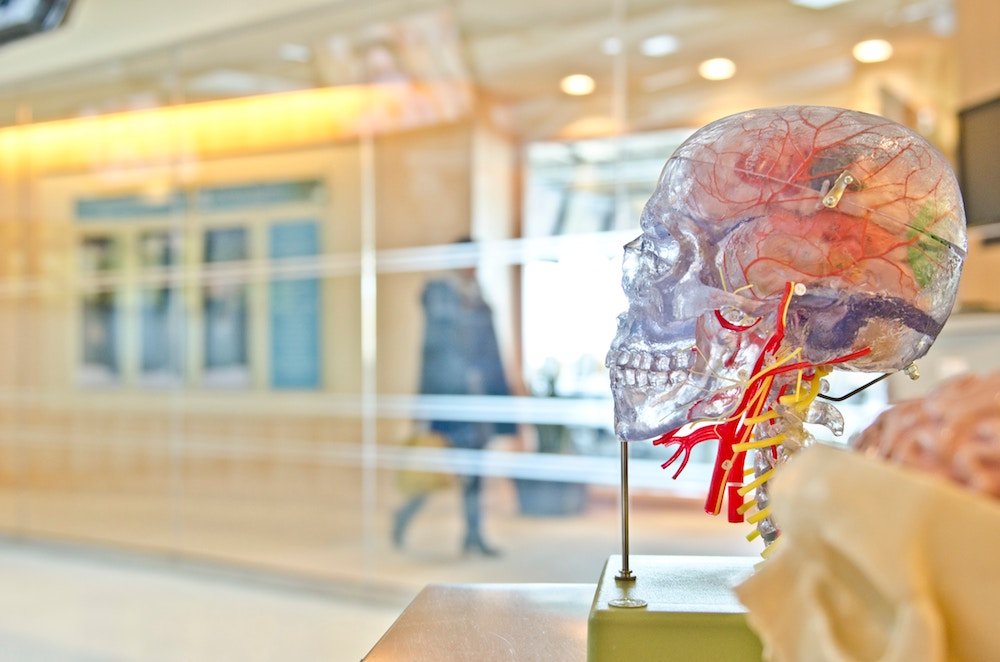
Brain model illustrating common memory loss causes

Memory loss causes can range from everyday problems such as stress and poor sleep to medication side effects, nutritional deficiencies and medical conditions.

Forgetting something occasionally does not necessarily mean that a person has dementia. Mild forgetfulness can be a normal part of aging, while more significant or worsening memory problems deserve medical attention.

According to the National Institute on Aging (NIA), memory problems may be associated with medical conditions, medications, mental health, sleep problems, nutritional deficiencies, alcohol or drug misuse and other factors.

Some of these causes may be treatable or reversible. For this reason, persistent or unexplained memory loss should be assessed rather than automatically assumed to be dementia.

Common Memory Loss Causes: 12 Reasons You May Be Forgetful

1. Stress

stress as one of the common memory loss causes

Periods of significant or ongoing stress can make it harder to concentrate, process information and remember things.

When your attention is divided by worry or emotional pressure, information may not be encoded into memory as effectively in the first place. This can make everyday forgetfulness more noticeable.

The NIA includes stressful life events and negative emotions among factors that may cause temporary memory problems. Stress-related forgetfulness may improve as the stressful situation and associated emotions ease.

Long-term stress may also affect sleep, mood and general health, which can further influence memory and concentration.

If memory problems continue after a stressful period has passed, it is worth discussing them with a healthcare professional.

2. Medications

medications that may contribute to forgetfulness and memory problems

Medication side effects are another possible cause of memory problems, particularly in older adults who take several medicines.

Some medications can contribute to confusion, drowsiness, reduced concentration or forgetfulness. The effect may also result from an interaction between different medicines rather than one drug alone.

The Mayo Clinic lists certain medicines and combinations of medicines among potentially reversible causes of memory loss.

If memory problems begin after starting or changing medication, speak with a doctor or pharmacist. Do not stop prescription medicines without medical advice.

It is also useful to keep an up-to-date list of all prescription medicines, over-the-counter products and supplements and share it with each healthcare professional you see.

3. Alcohol and Drug Misuse

alcohol and drug misuse as possible causes of memory loss

Heavy alcohol use can interfere with the brain’s ability to form and retrieve memories.

Alcohol can produce short-term memory gaps or blackouts after heavy drinking. Prolonged excessive alcohol use can also contribute to nutritional deficiencies and alcohol-related brain damage.

In particular, severe thiamine, or vitamin B1, deficiency associated with chronic alcohol misuse can lead to serious neurological conditions such as Wernicke-Korsakoff syndrome.

Alcohol and drug misuse are included by the NIA among factors that can contribute to memory problems.

Our article on alcohol and dementia looks more closely at how long-term alcohol consumption can affect the brain.

4. Vitamin B12 and Other Nutritional Deficiencies

vitamin B12 and nutritional deficiency linked with memory problems

The brain and nervous system depend on an adequate supply of nutrients to function normally.

Low vitamin B12 is particularly important because deficiency can cause neurological and cognitive symptoms, including confusion and memory problems.

The NIA identifies low levels of important nutrients such as vitamin B12 as one of the possible memory loss causes that should be considered.

Vitamin B12 occurs naturally in foods such as:

  • Fish and seafood
  • Meat
  • Eggs
  • Milk and other dairy products
  • Foods fortified with vitamin B12

However, a person can develop B12 deficiency even when their diet appears adequate because some medical conditions and medications affect absorption.

A doctor can investigate possible deficiency with appropriate tests. Read more in our guide to vitamin B12 and dementia.

5. Traumatic Brain Injury

traumatic brain injury as a possible memory loss cause

A concussion or more serious traumatic brain injury (TBI) can affect memory, attention and the ability to learn new information.

Memory loss around the time of an injury is common. Some people have difficulty remembering events immediately before or after the injury, while others experience longer-lasting cognitive problems.

The severity and duration of memory symptoms vary considerably depending on the location and extent of the injury.

Even a relatively minor head injury can sometimes cause memory problems, which is why a noticeable change following a fall or accident should be medically assessed.

See our detailed article on dementia and traumatic brain injury for more information.

6. Depression, Anxiety and Grief

grief depression and anxiety can affect concentration and memory

Memory is closely connected with attention and concentration. Depression, anxiety, grief and major emotional events can therefore make a person feel unusually forgetful.

Someone coping with bereavement, for example, may have difficulty concentrating on conversations or remembering everyday information because so much mental and emotional energy is directed toward the loss.

Depression and anxiety can also interfere with sleep and motivation, further affecting cognitive performance.

The NIA identifies depression and anxiety, along with major stressful or traumatic life events, among factors that may contribute to memory problems.

Memory symptoms associated with emotional distress can sometimes improve as the underlying condition improves. Persistent symptoms should still be discussed with a healthcare professional.

People coping with bereavement may also find our information on coping after the death of someone with dementia helpful.

7. Smoking and Vascular Health

smoking and vascular health affecting brain and memory

Smoking is better understood as a risk factor for poor cardiovascular and brain health than as an immediate cause of ordinary forgetfulness.

Smoking damages blood vessels and increases the risk of cardiovascular disease and stroke. Healthy blood flow is important because the brain requires a constant supply of oxygen and nutrients.

Over time, vascular damage can contribute to cognitive impairment and increase the risk of vascular dementia and other forms of dementia.

Stopping smoking benefits both cardiovascular and brain health. Our article on smoking and dementia examines this relationship in more detail.

8. Mild Cognitive Impairment (MCI)

mild cognitive impairment and increasing memory difficulties

Mild cognitive impairment, or MCI, describes memory or thinking difficulties that are greater than expected for a person’s age but are not severe enough to prevent most normal everyday activities.

Signs may include:

  • Losing things more often
  • Forgetting appointments or important events
  • Having more difficulty finding words
  • Noticing increasing problems with memory or thinking

MCI is not the same as dementia.

Some people with MCI remain stable or even improve, while others eventually develop Alzheimer’s disease or another form of dementia. There is no single cause of MCI, so medical assessment is important.

9. Sleep Problems

poor sleep as one of several possible memory loss causes

Sleep plays an important role in attention, learning and memory.

A poor night’s sleep can make it difficult to concentrate the following day. Repeated sleep deprivation can make these problems more noticeable.

Sleep disorders may also contribute. For example, obstructive sleep apnea repeatedly interrupts normal breathing during sleep and can affect daytime alertness and cognitive functioning.

The NIA includes sleep problems among possible causes of memory difficulties.

If someone regularly snores heavily, stops breathing during sleep, wakes repeatedly or remains very tired during the day despite spending enough time in bed, they should discuss these symptoms with a healthcare professional.

Read more about the relationship between sleep and dementia.

10. Stroke and Other Brain Conditions

stroke and reduced blood flow to the brain affecting memory

Memory problems can sometimes result from conditions that directly affect the brain.

A stroke occurs when blood supply to part of the brain is interrupted or a blood vessel in the brain bursts. Depending on which areas are affected, a stroke can cause problems with memory, language, reasoning and other cognitive abilities.

Some small strokes produce relatively subtle symptoms and may only be discovered during medical investigation.

The NIA also notes that blood clots, brain tumors and infections can cause memory problems.

Sudden memory loss or confusion, particularly when accompanied by facial drooping, weakness, speech difficulty, severe headache or problems walking, requires urgent medical attention.

Learn more about stroke and dementia.

11. Underactive Thyroid (Hypothyroidism)

underactive thyroid hypothyroidism and memory problems

An underactive thyroid, also called hypothyroidism, occurs when the thyroid gland does not produce enough thyroid hormone.

Symptoms can include fatigue, feeling cold, weight changes, low mood, slowed thinking and difficulty concentrating. Some people also experience memory problems.

Because these symptoms can sometimes resemble aspects of cognitive decline, thyroid function is one of the medical issues a doctor may investigate when assessing unexplained memory changes.

Hypothyroidism can usually be detected with blood tests and treated when appropriate.

This is another reason not to assume that new memory problems automatically indicate Alzheimer’s disease or dementia.

12. Dementia and Alzheimer’s Disease


Persistent and progressively worsening memory loss can sometimes be caused by dementia.

Dementia is not one disease. It is a general term describing a decline in cognitive abilities severe enough to interfere with everyday life.

Alzheimer’s disease is the most common cause of dementia among older adults. Memory problems are often one of its earliest symptoms, although Alzheimer’s can also affect reasoning, language, judgment and behavior.

Other forms include vascular dementia, Lewy body dementia and frontotemporal dementia.

Importantly, dementia is not a normal or inevitable part of getting older. Many people remain cognitively healthy well into advanced age.

Normal Forgetfulness or Something More Serious?

Occasional forgetfulness happens to almost everyone.

The National Institute on Aging explains that normal age-related forgetfulness can include occasionally making a poor decision, forgetting which day it is and remembering later, or sometimes losing things.

More serious memory problems interfere with everyday life.

Examples that warrant medical attention can include:

  • Asking the same questions repeatedly
  • Getting lost in familiar places
  • Having difficulty following familiar instructions or recipes
  • Becoming increasingly confused about people, places or time
  • Having difficulty managing normal daily activities
  • Memory problems that are becoming noticeably worse

If you are concerned about your own memory or that of someone close to you, seeking an assessment can help identify the cause.

Why Identifying Memory Loss Causes Matters

There is no single explanation for memory loss.

Some memory loss causes, such as medication effects, nutritional deficiencies, thyroid problems, sleep difficulties or emotional conditions, may be treatable. Others, including Alzheimer’s disease and certain neurological conditions, require different forms of medical care and support.

A healthcare professional may review symptoms, medications and medical history and carry out physical, neurological, cognitive or laboratory tests where appropriate.

Getting an accurate diagnosis is far more useful than assuming that forgetfulness is simply aging or, at the other extreme, assuming that every memory lapse means dementia.

Closing Thoughts on Memory Loss Causes

Memory changes can happen for many reasons.

Stress, medication side effects, alcohol misuse, vitamin deficiencies, head injury, depression, poor sleep and thyroid problems are just some possibilities. Mild cognitive impairment, stroke and dementia can also affect memory.

The important point is that memory loss does not automatically mean dementia.

If memory problems are new, worsening, persistent or beginning to interfere with everyday life, speak with a doctor. Identifying the cause is the first step toward deciding what treatment, support or further investigation may be appropriate.

Related Articles

Dementia: Everything You Need to Know

Alzheimer’s Disease: Symptoms, Causes and Treatment

Early Signs of Dementia

Vitamin B12 and Dementia