12 Benefits of Occupational Therapy and Dementia

occupational therapy and dementia

By understanding the close connection between occupational therapy and dementia, you know the support a patient gets from a professional is crucial.

Dementia is a condition that develops as a result of brain damage causing impaired cognition.

To date, there is still no cure for the progressive illness. People with dementia, however, may be put under other treatments that can help deal with the symptoms of the disease.

These allow one to be as comfortable and independent as possible even when battling dementia.

One of the helpful treatment options that a person with dementia can try is occupational therapy (OT).

Benefits of Occupational Therapy for Dementia

We can describe this as a client-centered health profession discipline that deals with promoting wellbeing and health through occupation.

Occupational therapy experts approach the illness as a condition that interrupts occupational performance.

They evaluate persons who have the illness to determine their level of impairments and strength as well as the performance areas where they need help. This has proved to be helpful in several areas.

Let’s take a look at some of the benefits that people with dementia get from occupational therapy.

1. Improving Safety

occupational therapy and dementia
Studies show that occupational therapy can help increase the safety of people who have dementia. This is one of the reasons it is important to talk about occupational therapy and dementia.

A huge percentage of people with the illness are at high risk of falling that can result in quicker decline, hospitalization, not being able to care for themselves, or having to move out of the house, etc.

Working with a qualified therapist can help to prevent this.

The professionals assess home safety and the environment where the individual with dementia spends the most time in.

This allows them to make practical recommendations about the changes that need to happen to keep the person safe.

OT therapists can also recommend the equipment that a person needs to use daily to reduce injury incidents.

The therapists can also go a step further to offer guidance on how to make day to day activities more manageable.

These may include the installation of shower bars, removal of carpets, or use of wheelchairs where necessary.

2. Offering Support and Education to Caregivers

offering support and education to caregivers of dementia patients
In as much as OT experts work with people who have dementia directly, they also offer assistance to caregivers.

They do this in several ways.

One of them is by setting up routines that make the work of looking after your loved ones a little bit easier.

Effective routines are essential.

They can make sure that the individual who has dementia is eating and drinking right, taking their medication at appropriate times, and has decreasing problem behaviors.

An OT can offer guidance in areas like:

  • Reducing distractions
  • Availing instructions that are easy to comprehend
  • The use of visual cues
  • Breaking down tasks to make them simpler

The therapists play a crucial role in relieving the burden on caregivers because their job primarily involves promoting independence.

Working with the OT experts also means that caregivers are not alone.

The collaboration between the professionals and relatives of friends enables the person who has dementia to continue participating and enjoying life.

3. Promoting Social Relationships

promoting social relationships with people with dementia
Many people who have dementia tend to exhibit some behaviors that can put a strain on their relationships.

This is where you will find they become socially withdrawn or other people do not want to spend time with them. This can lead to loneliness which is not good for any person.

An OT professional will study the behavioral problems that are affecting social interactions and close relations.

The expert will help the individuals with the illness and their caregivers identify the trigger in a bid to offer possible solutions.

This can help deal with communication problems, frequent outbursts, and how to positively respond to underlying emotions.

Here the person who has the condition may benefit from opportunities to engage in fulfilling tasks.

It can be something as simple as fun puzzles, folding laundry or sorting objects.

4. Enhancing Recollection of Memories

enhancing recollection of memories
Communication skills are one of the key areas that occupational therapists handle when it comes to occupational therapy and dementia.

In line with this, the professionals can also guide an individual in showing them how to use reminiscence.

It is a move that can help one remember valuable memories that can either bring joy or tears.

By remembering things in the past, the person can feel more secure, confident, and at peace.

5. Access To Other Helpful Services

access to other helpful services
There are times when an OT therapist will not have all the answers. This does not mean that they will leave the person they are looking after in a limb.

The therapists usually offer services under a larger group of health and social care teams.

It implies that they can connect a person with dementia to the right professionals who will offer the services they need. It is important to note that people can talk to therapists about any aspect of their health.

Based on this, they will be able to direct an individual to the networks and organizations that will offer help.

6. Helps to Enhance Cognitive Function

helps to enhance cognitive function
Occupational therapists can work with people who have dementia to help them improve or maintain cognitive function. Cognitive function refers to several mental abilities.

These may include decision making, learning, attention, remembering, reasoning, thinking, and problem-solving.

One of the ways that professionals can offer assistance is by taking persons with dementia through activities that stimulate cognitive skills.

This is especially useful during the first stages of the illness because it can help to delay progression and prolong independence.

7. Improve Balance and Strength

improve balance and strength
The experts can also help with the restoration of physical skills which can include a range of motion, endurance, and strength.

This is where exercise comes into play when discussing occupational therapy and dementia.

OT professionals can pick the right type of exercises that a person with dementia can comfortably engage in depending on their ability.

This may result in improving the person’s strength and balance so that they can enjoy life more.

8. Assist In Maintaining a Healthy Lifestyle

assist in maintaining a healthy lifestyle
Occupational therapists go beyond assisting persons who have dementia stay active. They also offer a hand in regards to maintain a daily lifestyle.

This is where the professionals help the persons to perform various functional activities that are vital to their lifestyles.

These include things that give the person under their care purpose in life or enjoyment.

The therapists play a huge role in ensuring that persons with dementia function to the best of their abilities.

This is whether they are out playing golf, gardening, playing with grandchildren, group activities, or performing tasks in the office.

9. Assist with De-stressing

assist with de-stressing
OT also comes in to enhance the emotional well-being of a person who is suffering from the disease.

Many people who have dementia will become depressed because their functionality becomes limited in one way or another.

The professionals do their best to offer positive emotional support.

They will identify the things that make the person with dementia happy and the tasks they can complete without too many complications.

This can help an individual focus on the things that they can do.

Additionally, the experts can incorporate relaxation techniques and exercises in a person’s daily routine.

This has been known to reduce stress or anxiety as the seniors are able to regain some sense of independence and self-esteem something great for their mental health.

10. Help with Major Life Transitions

help with major life transitions
The topic of occupational therapy and dementia is quite vast and important for people who have the illness as well as their caregivers.

As aforementioned, dementia is a progressive disease. This means that as months or years go by, people with the illness may have to make some drastic changes in their lives.

These may including having to retire from work or even move from their home into an appropriate senior residence.

Naturally, most people will not have an easy time dealing with these changes.

Occupational therapists have the skill-set required to guide persons through these life transitions to make them as smooth as possible.

11. Helps to Keep other Diseases at Bay

helps to keep other diseases at bay
When a person with dementia is going through occupational therapy, they lower the risk of getting other diseases.

For instance, the experts can offer advice on relevant modifications that need to happen around the workplace or at home.

These can help the elderly tackle illness like arthritis so that they can continue to perform tasks normally for the longest possible time.

If a person already has arthritis, the therapist can help them use their hands differently to reduce pain. The professionals can also guide on the best resting positions to increase comfort.

12. Assist with Vision Loss

assist with vision loss
It is also important to talk about vision loss when talking about occupational therapy and dementia.

If a person who has dementia is also suffering from vision loss issues like glaucoma, occupational therapists can work with them to promote visual awareness.

This is through helpful activities that help in reinforcing perceptual skills. The professionals may also suggest some changes at home that can help with the situation.

These may include more contrast and lighting, color-coded ID tags, and the use of equipment like magnifiers. Therapists can also suggest the removal of items that can post as tripping hazards.

10+ Best Incontinence Products for Dementia Patients

incontinence products for dementia patients

There are numerous incontinence products for dementia patients, and each has dozens of variations.

Different combinations of products may be right for different individuals, and a person’s needs may evolve over time.

Incontinence Products for Dementia

ProductFeaturesAvailable on Amazon
Prevail Air Plus Adult DiaperPrevail Air plus Daily BriefSoft & breathable
Ultimate absorbency
Pack of 4 (18 count)
Night & day
Skin smart
Omni-odor guard
Wellness BriefWellness Superio Series BriefsBrand: Unique WellnessFully Absorb up to 2.6L
Wide absorbent core
Resealable landing zone for easy adjustment
White with a nylon based crinkle-free plastic
Value for money
Stays dry for 8+ hours
Award winner/ Featured on Discovery Channel
One Piece Waterproof Snap-on Brief Re-usableOne Piece Waterproof Snap-on Diaper Cover BriefBrand: SalkLightweight
Softness of cloth
100% waterproof
Polyester/urethane outer
Brushed polyester inner
Super-absorbent pad
3-ply inner layer
Waterproof outer layer
Washable
SOSecure Containment Swim BriefSOSecure Containment Swim BriefBrand: Discovery Trekking Outfitters Discreet Swimming Undergarment
Durable Polyurethane Fabric
Fleece Lining
Hook and Loop Closure (Easy)
Elastic Waist & Legs
Machine Washable
Latex Free
Prevail Overnight Bladder Control PadsPrevail Overnight Bladder Control PadsBrand: First QualityFor Women
Dri-Fit cotton enhanced
QUICK WICK Layer and cotton
Odor Guard
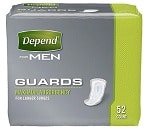
Depend Men GuardsDepend Men GuardsBrand: Kimberly ClarkAdhesive strips to hold guard in place
Individually wrapped
Discreet- pocket-sized pouch
Easy carrying and disposal
Contoured design
Cup-shaped protection for men
One size fits most
Medline Incontinence Bed PadsMedline Incontinence Bed PadsUnderpads
50 count
36"X36"
Heavy absorbancy
Polypropylene backing (protects against leakage & resists melting)
Ideal for overnight use
Inspire Washable and Reusable Incontinence Chair or Bed PadsInspire Washable and Reusable Incontinence Chair or Bed PadsWashable/reusable
Solves incontinence problems
Safely absorbs & lock in liquids
Soft & comfortable
Non-irritating
Attends Bariatric 2X-Large UnderwearBariatric 2X-Large UnderwearBrand: AttendsImproved side panels (better comfort & fit)
Acquisition layer
Super absorbent polymer
Tear-away sides (easy removal)
Looks & feels like regular underwear
Bag of 12
Depend Mens Maximum Absorbency UnderwearDepend Mens Maximum Absorbency UnderwearBrand: Kimberly ClarkOutstanding protection
Improved underwear-like fit
Brief-like leg opening
Heavy incontinence
Soft, quiet, breathable material
Conforms to the body
Washable Absorbent Urine Incontinence Underwear for WomenAIRCUTE Washable Absorbent Urine Incontinence Underwear for Women6 layers
High waist
Absorbent & leakproof
Washable
Breathable
Comfortable
Prevail Adult WashclothPrevail Adult WashclothBrand: First Quality
Super strong & soft fabric (12" x 8")
Stay-open & easy-close lid
Press 'N' Pull lid
Super strong soft fabric
Aloe & lanolin
Lid closes tightly

Don’t call them diapers

Many people refer to incontinent products for dementia as “diapers,” but the term has a strong connotation with infants.

It is generally considered to be disrespectful, infantilizing and tactless.

It should not typically be used when referring to adult absorbent undergarments (unless the person themselves prefers that term).

Words like “pads” or “briefs” would be an appropriate way to refer to these products.

Products designed to be worn inside, or instead, of underpants

Incontinence Products for Dementia Patients

  • Pantiliners – a very thin pad that adheres to underpants for small leaks
  • Disposable pads – adhere to underpants, but are thicker and more absorbent than pantiliners
  • Pull up briefs / disposable underpants
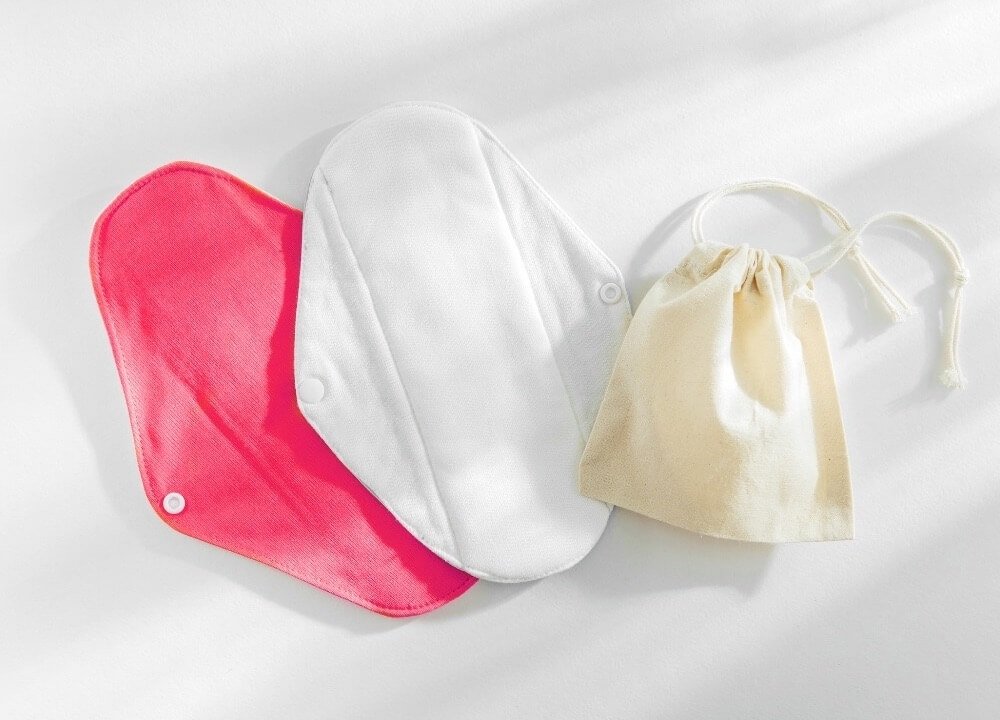
  • Washable pads, liners or absorbent underpants
  • Reusable vinyl waterproof underpants covers
  • Wraparound tab briefs – similar to a traditional “diaper” design
  • Extended wear – Products designed for extended use keep urine away from the skin
  • Brief liners – designed specifically for use in a brief to boost absorbance or easily remove if damp
  • Insert – for use with special underpants designed with a pocket to hold a disposable or washable pad insert
  • Condom catheter or body-worn urinal – Designed to fit over a penis and collect urine in a bag

Products to protect furniture from wetness

  • Waterproof bed sheets
  • Washable bed pads
  • Disposable bed pads
  • Waterproof mattress pads

Other supportive equipment

  • Raised toilet seat with handles – this can make it easier to get on or off the toilet
  • Portable bedside commode
  • Urinal

When the Person with Dementia won’t Keep a Brief On

when the person with dementia won't keep a brief on
If someone with dementia keeps removing their brief, pay attention for clues to determine a likely reason.

Is the problem specific to briefs or are they pulling at other clothing too? Does it happen mainly at night or after bathing? Understanding the reason behind it is essential for finding a solution.

Common reasons for removing clothing or briefs can include:

  • Feeling too warm
  • Ill-fitting brief or pants
  • Wet, damp or soiled brief

Is the person new to wearing briefs (or wearing a new type or brand)?

Briefs can be bulky or uncomfortable, especially when they feel unfamiliar.

Start with the smallest, thinnest or most comfortable product that will meet their needs. This might mean changing them more frequently.

is the person with dementia new to wearing briefs

Be sure to minimize incontinence with a toileting plan.

Try a different style

It is worth experimenting with various brands and styles to find something more comfortable or successful.

Look for patterns

1. Do they remove the brief mainly at night? Try going without the brief if possible, using several bed pads for absorbance instead. It may help to tuck an additional bed pad up between the person’s legs.

2. Does it happen mainly when the brief is damp? It may help to use a brief liner, or alternate style of brief that pulls wetness away from the skin. Allow skin to dry fully after a shower or wash-up to ensure there is no lingering feeling of dampness.

3. Are they removing the brief when they need the restroom? It may be a non-verbal sign that the person needs to use the restroom.

4. Do they seem to have bored or restless hands? Giving them something interesting for their hands, such as super soft fuzzy gloves, or a dementia fidget lap blanket with lots of interesting textures and items for their hands to explore.

Is this a sudden change?

A sudden change probably indicates a problem other than the brief itself.

Look for signs that the person might be uncomfortable, especially in the abdomen or perineal area.

Possible conditions that could cause discomfort include:

Special clothing for special situations

Although there are specialty clothing designed to prevent people from removing their own clothing – such as a jumpsuit with a zipper in the back – there are ethical concerns about restricting normal access to one’s body. They can cause distress in some cases.

In many places, these types of clothing are considered restraints.

What if the Person with Dementia won’t Change their Brief when Needed?

what if the person with dementia won't change their brief when needed
There are many potential complications of wearing a soiled brief too long. It greatly increases one’s risk of urinary tract infections, rashes, skin breakdown, and pressure sores.

Unfortunately, it’s an all-too-frequent problem in dementia care.

There are dozens, if not hundreds, of unique reasons – and as many potential solutions. A few examples include:

Set them up for independence

Keep pads and supplies easily within sight and reach from the toilet.

Catch them when they’re in the restroom

Getting them onto the toilet in the first place is often the biggest challenge. Once they’re there, it can be much easier to access the brief to change it.

Avoid “taking” anything without giving something in return

Hand them a clean pad to hold while you swap out the soiled one for another.

Spare their pride

Present non-rinse soap, wetness barrier cream, or other appropriate skincare products as a medical treatment, for example, to “prevent infection” or to “protect your skin.”

Not only are these statements true, they also take the focus off of their incontinence, which can spare their pride – and their need to fight for it.

Incontinence can be Embarrassing, Inconvenient and Challenging

Successfully managing it can make a big difference in terms of quality of life, physical health and mental well-

At What Stage of Dementia Does Incontinence Occur?

at what stage of dementia does incontinence occur

At what stage of dementia does incontinence occur? There is no single stage when everyone with dementia becomes incontinent. Continence problems can occur at any stage, although loss of bladder control becomes increasingly common as dementia progresses and is particularly common in the later stages.

Some people never become fully incontinent. Others may begin having occasional accidents much earlier.

Importantly, new or suddenly worsening incontinence should not automatically be assumed to be caused by dementia. Urinary tract infections, constipation, medications and other medical conditions can also cause continence problems and may be treatable.

At What Stage of Dementia Does Incontinence Occur?

The answer varies considerably from one person to another.

According to the NHS, bladder incontinence is common in the later stages of dementia, and some people also experience bowel incontinence.

However, continence problems are not limited to advanced dementia. The Alzheimer’s Society explains that people with dementia can experience difficulties using the toilet for many different reasons as the condition progresses.

A useful way to think about it is:

  • Earlier stages: most people remain independent with toileting, although some may experience urgency, occasional accidents or continence problems caused by another medical condition.
  • Middle stages: memory, communication, mobility and difficulty finding or using the toilet can begin causing more frequent accidents.
  • Later stages: urinary incontinence becomes much more common. Some people also lose bowel control and may require substantial assistance with toileting and personal care.

Dementia does not progress in exactly the same way for everyone, so continence should be assessed according to the individual rather than used alone to determine a particular stage of dementia.

Why Does Dementia Cause Incontinence?

why people with dementia may become incontinent

People with dementia may become incontinent for several reasons, and more than one factor may be involved at the same time.

Dementia Australia explains that dementia can make it difficult for a person to recognize that they need the toilet, remember what to do, find the toilet or use it correctly.

Difficulty Recognizing the Need to Go

As dementia progresses, communication between the brain and the bladder or bowel may become less effective.

A person may not recognize the sensation of a full bladder until the need to urinate becomes urgent.

In later dementia, they may have difficulty recognizing the signal altogether.

Difficulty Finding the Toilet

Memory and spatial awareness problems can make a familiar bathroom surprisingly difficult to locate.

A person may know they need the toilet but forget where it is.

Clear signs, good lighting and keeping the route to the bathroom free from clutter can make a significant difference.

Mobility Problems

A person may recognize the need to use the bathroom but simply be unable to reach it quickly enough.

Arthritis, weakness, balance difficulties and reduced mobility can all contribute to functional incontinence.

Continence Health Australia describes functional incontinence as urine leakage caused by difficulty reaching or using the toilet rather than a problem with the bladder itself.

Difficulty Managing Clothing

Buttons, zippers, belts and complicated clothing can become difficult to manage as cognitive and physical abilities decline.

By the time the person has worked out how to remove their clothing, an accident may have already occurred.

Elastic waistbands and simple clothing can make toileting easier.

Communication Difficulties

As communication becomes more difficult, a person may be unable to explain that they need the toilet.

Caregivers may need to watch for non-verbal signs such as:

  • Fidgeting
  • Pulling at clothing
  • Pacing
  • Restlessness
  • Repeatedly standing and sitting
  • Looking around for the bathroom

Incontinence May Have a Treatable Cause

One of the most important things to understand when asking at what stage of dementia does incontinence occur is that dementia is not always the cause.

The Dementia Australia continence guidance recommends speaking with a doctor so other possible causes can be investigated.

These can include:

  • Urinary tract infections
  • Constipation
  • Prostate enlargement
  • Other bladder or bowel conditions
  • Reduced mobility
  • Medication side effects
  • Changes in fluid intake

Continence Health Australia also recommends investigating new or worsening urinary incontinence rather than assuming that it is simply part of dementia.

Watch for a Sudden Change

A gradual increase in toileting difficulties may occur as dementia progresses.

A sudden change deserves particular attention.

For example, if someone who was normally continent suddenly begins having accidents, becomes more confused or appears unwell, contact their healthcare professional.

A urinary tract infection is one possible cause.

Symptoms can include:

  • Sudden urinary urgency or frequency
  • Pain or burning when urinating
  • Fever
  • New or worsening incontinence
  • A noticeable change in the person’s usual condition or behavior

Not everyone will experience the same symptoms, so significant unexplained changes should be medically assessed.

Types of Incontinence in Dementia

Different forms of urinary incontinence require different approaches.

Urge Incontinence

Urge incontinence involves a sudden, strong need to urinate that may be difficult to control.

The person may know they need the toilet but not have enough time to reach it.

Stress Incontinence

Stress incontinence occurs when pressure on the bladder causes leakage.

For example, a person may leak urine when coughing, laughing, sneezing or exercising.

This is not specifically caused by dementia and can occur in people who do not have dementia.

Functional Incontinence

Functional incontinence is particularly relevant for people with dementia.

The bladder itself may function normally, but cognitive or physical problems prevent the person from reaching and using the toilet successfully.

They may:

  • Forget where the toilet is
  • Fail to recognize the toilet
  • Forget how to remove clothing
  • Be unable to walk there quickly enough
  • Have difficulty communicating their needs

Bowel Incontinence

Bowel or fecal incontinence may also occur, particularly as dementia becomes advanced.

However, constipation can sometimes produce leakage around impacted stool, so new bowel incontinence should also be discussed with a healthcare professional.

Incontinence Products for Dementia

As continence problems increase, the right products can help protect clothing, bedding and skin while allowing the person to retain as much independence and dignity as possible.

ProductFeaturesAvailable on Amazon
Prevail Air Plus Adult DiaperPrevail Air plus Daily BriefSoft & breathable
Ultimate absorbency
Pack of 4 (18 count)
Night & day
Skin smart
Omni-odor guard
Wellness BriefWellness Superio Series BriefsBrand: Unique WellnessFully Absorb up to 2.6L
Wide absorbent core
Resealable landing zone for easy adjustment
White with a nylon based crinkle-free plastic
Value for money
Stays dry for 8+ hours
Award winner/ Featured on Discovery Channel
One Piece Waterproof Snap-on Brief Re-usableOne Piece Waterproof Snap-on Diaper Cover BriefBrand: SalkLightweight
Softness of cloth
100% waterproof
Polyester/urethane outer
Brushed polyester inner
Super-absorbent pad
3-ply inner layer
Waterproof outer layer
Washable
SOSecure Containment Swim BriefSOSecure Containment Swim BriefBrand: Discovery Trekking Outfitters Discreet Swimming Undergarment
Durable Polyurethane Fabric
Fleece Lining
Hook and Loop Closure (Easy)
Elastic Waist & Legs
Machine Washable
Latex Free
Prevail Overnight Bladder Control PadsPrevail Overnight Bladder Control PadsBrand: First QualityFor Women
Dri-Fit cotton enhanced
QUICK WICK Layer and cotton
Odor Guard
Depend Men GuardsDepend Men GuardsBrand: Kimberly ClarkAdhesive strips to hold guard in place
Individually wrapped
Discreet- pocket-sized pouch
Easy carrying and disposal
Contoured design
Cup-shaped protection for men
One size fits most
Medline Incontinence Bed PadsMedline Incontinence Bed PadsUnderpads
50 count
36"X36"
Heavy absorbancy
Polypropylene backing (protects against leakage & resists melting)
Ideal for overnight use
Inspire Washable and Reusable Incontinence Chair or Bed PadsInspire Washable and Reusable Incontinence Chair or Bed PadsWashable/reusable
Solves incontinence problems
Safely absorbs & lock in liquids
Soft & comfortable
Non-irritating
Attends Bariatric 2X-Large UnderwearBariatric 2X-Large UnderwearBrand: AttendsImproved side panels (better comfort & fit)
Acquisition layer
Super absorbent polymer
Tear-away sides (easy removal)
Looks & feels like regular underwear
Bag of 12
Depend Mens Maximum Absorbency UnderwearDepend Mens Maximum Absorbency UnderwearBrand: Kimberly ClarkOutstanding protection
Improved underwear-like fit
Brief-like leg opening
Heavy incontinence
Soft, quiet, breathable material
Conforms to the body
Washable Absorbent Urine Incontinence Underwear for WomenAIRCUTE Washable Absorbent Urine Incontinence Underwear for Women6 layers
High waist
Absorbent & leakproof
Washable
Breathable
Comfortable
Prevail Adult WashclothPrevail Adult WashclothBrand: First Quality
Super strong & soft fabric (12" x 8")
Stay-open & easy-close lid
Press 'N' Pull lid
Super strong soft fabric
Aloe & lanolin
Lid closes tightly

The most suitable product will depend on the person’s mobility, level of incontinence, ability to use the toilet independently and whether protection is required during the day, night or both.

Where possible, seek professional continence advice rather than simply moving immediately to the most absorbent product.

How to Reduce Incontinence and Toilet Accidents

ways to reduce incontinence and toilet accidents in dementia

Even when dementia contributes to incontinence, practical changes can sometimes reduce the number of accidents significantly.

Make the Toilet Easy to Find

A person with dementia may have difficulty remembering where the bathroom is or recognizing the toilet once they get there.

The Alzheimer’s Society recommends making the toilet as easy as possible to find and use.

Helpful changes may include:

  • Putting a clear sign or picture on the toilet door
  • Keeping the bathroom door visible
  • Improving lighting
  • Using night or sensor lights
  • Removing clutter from the route
  • Making the toilet itself easy to recognize

Use Easy-to-Remove Clothing

Replace complicated fastenings with clothing that can be removed quickly.

Elastic waistbands can be especially helpful.

This simple change may prevent accidents when the person understands they need the toilet but has difficulty removing their clothing.

Watch for Non-Verbal Clues

Do not rely entirely on asking, “Do you need the toilet?”

A person with dementia may automatically answer no, forget what the question means or fail to recognize the physical sensation.

Instead, learn the person’s usual signs.

Pacing, pulling at clothing, increased agitation or repeatedly getting up may indicate that they need the toilet.

Create a Dementia Toileting Routine

toileting plan for dementia and incontinence

A regular toileting routine can be helpful, particularly when the person is losing the ability to recognize or communicate the need to go.

Rather than repeatedly asking whether the person needs the toilet, caregivers may gently encourage a bathroom visit at predictable times.

For example:

  • After waking
  • Before leaving the house
  • Before or after meals
  • At regular intervals during the day
  • Before going to bed

Keeping a simple continence or toilet diary for several days can also reveal patterns.

If accidents repeatedly occur around the same time, a caregiver may be able to offer assistance shortly beforehand.

The routine should be adjusted to the person’s individual needs rather than following a rigid schedule.

Do Not Sacrifice Sleep Unnecessarily

Preventing every overnight accident is not always the most important goal.

Repeatedly waking a person during the night may interfere with valuable sleep and may increase confusion or distress.

For some people, appropriate overnight continence products, waterproof bedding and a clear route to the bathroom may be more practical.

Discuss persistent night-time incontinence with a healthcare professional or continence adviser to determine the most appropriate approach.

Keep the Person Well Hydrated

Reducing fluids dramatically may seem like an obvious way to reduce accidents, but it can create other problems.

People with dementia can already be vulnerable to dehydration because they may forget to drink or no longer recognize thirst.

Dementia Australia recommends maintaining adequate fluid intake.

The person’s healthcare professional can advise on appropriate fluid intake if they have other medical conditions that affect how much they should drink.

Caffeine may increase urinary frequency for some people, but dietary or medication changes should be considered in the context of the person’s overall health.

Can Medication Help Incontinence in Dementia?

Medication may sometimes be appropriate, but it depends on the type and cause of the incontinence.

This is particularly important for people with dementia because some medicines used for overactive bladder can have side effects including confusion, constipation, dizziness and an increased risk of falls.

A 2026 review from Continence Health Australia recommends discussing the potential benefits and harms of continence medication with a doctor or pharmacist.

Some existing medications can also contribute to urinary symptoms.

These can include certain diuretics, sedatives and some other medications.

Do not stop or change prescribed medication without discussing it with the person’s doctor or pharmacist.

When Should You Talk to a Doctor?

Speak with the person’s doctor if continence problems are new, worsening or causing difficulty.

Medical advice is particularly important when there is:

  • Sudden onset of incontinence
  • Pain or burning during urination
  • Fever
  • Blood in the urine or stool
  • Severe constipation
  • A significant change in behavior or confusion
  • Difficulty emptying the bladder
  • Repeated falls while trying to reach the toilet
  • Skin irritation or breakdown

A doctor may investigate medical causes and, when appropriate, refer the person to a continence nurse or other specialist.

At What Stage of Dementia Does Incontinence Occur? Closing Summary

There is no exact answer to at what stage of dementia does incontinence occur because every person’s experience is different.

Continence problems can occur in earlier or middle stages, but bladder incontinence becomes increasingly common in later-stage dementia. Some people may eventually experience bowel incontinence as well.

However, an accident does not necessarily mean dementia has suddenly progressed.

Infections, constipation, medications, mobility problems and other conditions can all contribute to incontinence. New or worsening symptoms should therefore be discussed with a healthcare professional.

For people whose continence problems are related to dementia, simple strategies such as clear toilet signs, easy-to-remove clothing, regular toileting routines, appropriate continence products and careful attention to non-verbal cues can make daily life considerably easier.

Above all, continence care should focus on the individual person’s comfort, dignity and remaining independence.

Multi-Infarct Dementia: What Is It?

multi-infarct dementia

A kind of dementia, multi-Infarct dementia (MID) is a type of vascular dementia that is caused by multiple strokes.

It is also considered to be the second-most common cause of dementia after Alzheimer’s disease.

The strokes interrupt blood flow to the brain, which ends up affecting how the organ functions.

A brain infarct or stroke happens due to the block or interruption of blood flow to any part of the brain.

Everything You Need To Know About Multi-Infarct Dementia

Blood transports oxygen and other essential nutrients to the brain. When the brain lacks oxygen, it causes the death of brain tissues.

Multi-Infract imply that multiple areas in the brain have been injured because of lack of blood from a series of small strokes.

There are times when blockages of the brain cause an infarction (stroke) without any stroke symptoms.

These are known as “silent” strokes which are known to increase an individual’s risk of getting vascular dementia.

If someone experiences a series of small strokes over time, they may end up developing infarct dementia.

Symptoms of Multi-Infarct Dementia

symptoms of multi-infarct dementia
The type of symptoms a person gets often depends on the area of the brain that the stroke has damaged.

At times the symptoms appear suddenly after a stroke or they may appear slowly over time.

We can categorize MID warning signs into two major sections as seen below.

Early Dementia Symptoms

  • Loss of executive function
  • Getting lost in familiar places or wandering
  • Short-term memory loss or confusion
  • Losing bowel or bladder control
  • Walking with shuffling rapid steps
  • Crying or laughing inappropriately
  • Challenges performing routine tasks like paying bills
  • Personality changes
  • Losing interest in activities or things that were previously enjoyed

Late-Stage Symptoms

As the disease progresses, a person may also experience other symptoms such as:

Some individuals may go through periods where they seem to improve and then decline after experiencing small strokes.

MID Risk Factors

MID risk factors of multi Infarct dementia
Some of the risk factors that increase a person’s risk of getting this disease include:

Medical Conditions

Diabetes, heart failure, previous strokes, atrial fibrillation, high blood pressure, cognitive decline prior to the stroke, and hardening of the arteries are some of the medical conditions that increase the risk of MID.

Age

Increasing age is a common risk factor for all types of dementia including MID.

The disease mostly affects persons who are between the ages of 60-75. In some rare cases, some people get the illness before they celebrate their 60th birthday.

Research also shows that men are slightly more likely to develop the disease than women.

Lifestyle Risk Factors

These include alcohol consumption, smoking, little to no physical activity, poor diet, and low level of education.

Diagnosing Multi-Infarct Dementia

diagnosing multi infarct dementia
There is no single test that can determine whether a person has MID or not. Worth noting is that each MID case is not the same.

One person may experience severe memory impairment while another individual may only experience mild memory loss.

Diagnosis can also be difficult because it is possible for a person to have both Alzheimer’s disease and MID making it challenging for a doctor to diagnose either of the diseases.

Medics base diagnosis on a number of factors such as:

  • History of stepwise mental decline
  • Blood pressure reading
  • Neurological exam
  • Blood tests
  • Physical Exams: this is where the doctor will ask questions pertaining to diet, sleep patterns, medications, past strokes, personal habits, stressful events, recent illness, and other medical issues.
  • Ruling out other causes of dementia like depression, diabetes, anemia, high cholesterol, brain tumors, carotid stenosis, chronic infections, thyroid disease, drug intoxication, vitamin deficiency, and high blood pressure.
  • Radiological imaging tests such as X-rays, CT & MRI scans that detail tiny areas of tissue that died from lack of adequate blood supply, electroencephalograms that measure the electrical activity of the brain, and transcranial doppler that is used to measure the velocity of blood flow through the blood vessels in the brain

MID Treatment Options

MID treatment options
Currently, there is no treatment for multi-infarct dementia.

Experts have not yet discovered how to reverse brain damage that occurs after a stroke. Treatment options mainly focus on preventing strokes from reoccurring in the future.

This is done by putting in place measures to avoid or control the medical conditions and diseases that put individuals at risk of experiencing strokes.

Stroke risk factors include diabetes, high blood pressure, cardiovascular disease, and high cholesterol.

Treatment is also tailored to a person’s individual and most of them will include:

Medications

Doctors may prescribe certain medications to help improve symptoms such as:

  • Folic acid
  • Memantine
  • Hydergine
  • Nimodipine
  • Angiotensin: these help to lower blood pressure by converting enzyme inhibitors
  • Calcium channel blockers that help with short-term cognitive function
  • Some serotonin reuptake inhibitors that are antidepressants which may help neurons grow in a bid to re-establish connections in the brain

Healthy Lifestyle Habits

Practicing healthy habits is also key when it comes to MID treatment and some of them include:

Alternative Therapies

Herbal supplements are also common when it comes to treating MID. However, more studies are still necessary to prove their efficiency.

Some of the herbal supplements that are being studied for use in MID treatment are:

  • Lemon Balm: A great alternative to restore memory
  • Wormwood: It enhances cognitive function
  • Water Hyssop: Used to improve intellectual function and memory

It is important to consult a doctor before taking any supplements to be on the safe side.

Other treatment options include rehabilitation therapy for mobility problems and cognitive training to help regain mental function.

Caregiver Support

Relatives and friends of persons with MID can help them cope with their physical and mental problems.

This can be done by encouraging regular physical and social activities as well as daily routines to help reinforce mental abilities.

Alarm clocks, calendars, and lists are useful when it comes to reminding the affected persons of important events and times.

MID Prognosis

MID prognosis
The prognosis for persons with multi-infarct dementia is not clear.

This is mostly because the symptoms of the disease can appear all over sudden after each small stroke mostly in a step-wise pattern.

Some individuals with the disorder can appear to improve after some time and then decline after experiencing silent strokes.

The disease will spiral downwards with intermittent periods of fast deterioration. Some people may die after a MID diagnosis while others will survive many years.

Death may also occur from heart disease, stroke, pneumonia, or other infections.

Normal Pressure Hydrocephalus: Is It Reversible?

Doctor reviewing a brain scan for normal pressure hydrocephalus

Normal pressure hydrocephalus (NPH) is an important condition to recognise because some of its symptoms can look very similar to dementia, yet they may improve with treatment.

So, is normal pressure hydrocephalus reversible?

The answer is: sometimes, to a significant degree. Treatment can improve walking, thinking and bladder-control problems in some people with NPH. However, improvement varies from person to person, and a complete recovery cannot be guaranteed.

This makes early recognition particularly important. Unlike many progressive causes of dementia, normal pressure hydrocephalus may be treatable when the right patients are identified.

What Is Normal Pressure Hydrocephalus?

The brain contains interconnected spaces called ventricles. These ventricles contain cerebrospinal fluid (CSF), which surrounds and cushions the brain and spinal cord.

Normally, CSF circulates through the brain and is continuously produced and absorbed.

With normal pressure hydrocephalus, too much CSF accumulates within the ventricles. As the ventricles enlarge, they can affect nearby brain tissue and interfere with areas involved in walking, thinking and bladder control.

Despite the name, the pressure of the cerebrospinal fluid may not always be continuously elevated. The condition is called “normal pressure” hydrocephalus because CSF pressure can sometimes appear within a normal range when measured.

NPH occurs most often in adults over the age of 60. Its symptoms can resemble those seen with Alzheimer’s disease, Parkinson’s disease and other neurological conditions, which is one reason diagnosis can be difficult.

The Johns Hopkins Medicine notes that specialised assessment can help distinguish NPH from other disorders with similar symptoms.

What Causes Normal Pressure Hydrocephalus?

possible causes of normal pressure hydrocephalus

In many people, the exact cause of NPH is unknown. This is often referred to as idiopathic normal pressure hydrocephalus.

In other cases, problems with CSF circulation can develop following another condition or event.

Possible causes or associated factors include:

  • Previous bleeding around the brain, including subarachnoid haemorrhage
  • Head injury
  • Brain infection such as meningitis
  • Brain surgery
  • Brain tumours or other structural abnormalities
  • Other conditions that interfere with the normal circulation or absorption of cerebrospinal fluid

A history of one of these conditions does not necessarily mean that someone will develop NPH, and many cases occur without an obvious underlying cause.

What Are the Symptoms of Normal Pressure Hydrocephalus?

symptoms of normal pressure hydrocephalus including walking cognitive and bladder problems

Normal pressure hydrocephalus is classically associated with three main groups of symptoms:

  • Difficulty walking or changes in gait
  • Cognitive or thinking problems
  • Urinary urgency or loss of bladder control

This combination is sometimes referred to as the classic NPH triad.

However, a person does not need to have all three symptoms at the same time. Symptoms may develop gradually, and one may be much more noticeable than the others.

Walking and Balance Problems

Walking difficulty is often one of the earliest and most prominent signs of NPH.

A person may:

  • Walk with shorter steps
  • Have difficulty starting to walk
  • Feel as though their feet are stuck to the floor
  • Shuffle their feet
  • Have difficulty turning
  • Become unsteady
  • Fall more frequently

Because these changes commonly occur in older adults for many other reasons, they can initially be attributed to aging, arthritis or another neurological condition.

Memory and Thinking Changes

NPH can also affect cognition.

Possible changes include:

  • Forgetfulness
  • Slower thinking
  • Difficulty concentrating
  • Trouble planning or organising tasks
  • Difficulty responding to questions
  • Apathy or reduced motivation
  • Confusion
  • Mood changes

These symptoms can resemble Alzheimer’s disease or another form of dementia.

However, the pattern can differ. NPH often produces slowing of thinking, reduced attention and problems with planning and organisation rather than memory loss alone.

Bladder Problems

Changes in bladder control are another common feature.

A person may initially experience a sudden or frequent need to urinate. As the condition progresses, some people develop urinary incontinence.

Bladder problems in an older adult can have many causes, so they should not be assumed to indicate NPH on their own.

Why Is Normal Pressure Hydrocephalus Sometimes Mistaken for Dementia?

NPH can be difficult to diagnose because the people most commonly affected are older adults — the same population in which Alzheimer’s disease, Parkinson’s disease, vascular disease and other causes of cognitive impairment become more common.

The Hydrocephalus Association explains that NPH symptoms can overlap with Alzheimer’s disease, vascular dementia, Parkinson’s disease and several other conditions.

It is also possible for a person to have NPH and another neurological condition at the same time.

For this reason, doctors do not diagnose normal pressure hydrocephalus from symptoms alone.

How Is Normal Pressure Hydrocephalus Diagnosed?

diagnosing NPH using neurological assessment brain imaging and cerebrospinal fluid testing

Diagnosing NPH usually involves several steps rather than one single test.

A neurologist or neurosurgeon may assess:

  • The person’s symptoms and medical history
  • Walking and balance
  • Cognitive function
  • Bladder symptoms
  • Brain imaging
  • The response to temporary removal of cerebrospinal fluid

Brain Imaging

An MRI or CT scan can show whether the brain’s ventricles are enlarged.

Doctors also look at the pattern of enlargement and other features of the brain to determine whether the changes are consistent with NPH or may have another explanation.

Imaging is important, but enlarged ventricles alone are not enough to confirm that NPH is responsible for a person’s symptoms.

Lumbar Puncture or Spinal Tap

A lumbar puncture can be especially useful when assessing whether someone may respond to treatment.

Doctors remove a quantity of cerebrospinal fluid and then reassess symptoms — particularly walking ability.

If walking or another symptom temporarily improves following removal of CSF, this can provide evidence that the person may respond to a permanent shunt.

However, failure to improve after a single lumbar puncture does not always rule out the possibility of benefiting from surgery.

External Lumbar Drainage

In some cases, doctors may use a temporary lumbar drain to remove cerebrospinal fluid over a longer period.

The healthcare team can then repeatedly assess walking, cognition and other symptoms.

Johns Hopkins lists physical assessment, gait evaluation, MRI or CT imaging, spinal tap and temporary CSF drainage among the tests that may be used when diagnosing NPH and assessing possible response to treatment.

Is Normal Pressure Hydrocephalus Reversible?

This is where NPH differs from many other conditions that can cause dementia-like symptoms.

Normal pressure hydrocephalus can be treatable, and some of its symptoms may be partially or substantially reversed.

However, it would be inaccurate to say that every person with NPH will fully recover.

The degree of improvement depends on factors such as:

  • Whether NPH is actually responsible for the symptoms
  • How long the symptoms have been present
  • The severity of the condition
  • Other neurological or medical conditions
  • How the person responds to temporary CSF drainage
  • Whether complications develop following treatment

Johns Hopkins states that complete recovery is possible but is not often seen. Many patients may instead experience meaningful improvement in one or more symptoms following successful treatment.

How Is Normal Pressure Hydrocephalus Treated?

shunt surgery used to treat normal pressure hydrocephalus

The most commonly used treatment for normal pressure hydrocephalus is surgery to implant a shunt.

A shunt is a thin flexible tube that allows excess cerebrospinal fluid to drain away from the brain.

Most commonly, one end of the shunt is placed in a ventricle within the brain. The tubing runs underneath the skin to another part of the body — usually the abdomen — where the excess fluid can be absorbed.

A valve helps regulate the amount of cerebrospinal fluid that drains.

The shunt generally remains in place long term.

Which NPH Symptoms Improve Most After a Shunt?

Improvement varies, but walking and gait problems are often among the symptoms most likely to respond.

Some people also experience improvements in thinking, memory, bladder control or independence with everyday activities.

Cognitive symptoms may be less likely to fully resolve when they have been present for a long time or when another neurological condition, such as Alzheimer’s disease, is also present.

This is another reason why identifying NPH early can be valuable.

Does Shunt Surgery Work for Everyone?

No.

Although many appropriately selected patients improve after shunt surgery, not everyone benefits.

Doctors therefore try to determine who is most likely to respond before recommending an operation.

Improvement after a lumbar puncture or temporary CSF drainage can help predict a favourable response, although no test can predict the outcome with complete certainty.

Shunt surgery also has potential complications.

These can include:

  • Shunt blockage or malfunction
  • Infection
  • Over-drainage or under-drainage of cerebrospinal fluid
  • Bleeding or subdural haematoma
  • The need for adjustment, repair or replacement of the shunt

For this reason, people with a shunt require ongoing medical follow-up.

Why Early Diagnosis Matters

Symptoms of normal pressure hydrocephalus can progress if the condition remains untreated.

Because the disorder can mimic more common causes of cognitive decline, families may initially assume that changes in walking or thinking are simply due to aging or dementia.

A combination of:

  • New or worsening walking difficulty
  • Cognitive changes
  • Urinary urgency or incontinence

should therefore prompt medical assessment, particularly in an older adult.

Recognising NPH is important because it is one of the neurological conditions in which treatment may produce meaningful improvement.

Normal Pressure Hydrocephalus: The Bottom Line

Normal pressure hydrocephalus is potentially treatable, but describing it as completely reversible for everyone would be misleading.

Some people experience substantial improvements following shunt surgery, particularly in walking and mobility. Cognitive and bladder symptoms may also improve, although the response varies considerably.

A complete recovery is possible in some cases but is not guaranteed.

What makes NPH especially important is that its symptoms can resemble dementia, Parkinson’s disease or normal aging. Identifying the condition correctly may therefore give some patients an opportunity for treatment that would otherwise be missed.

If an older person develops a combination of difficulty walking, worsening thinking or memory problems and changes in bladder control, a healthcare professional can assess whether normal pressure hydrocephalus or another condition may be responsible.

Related Articles

Reversible Causes of Dementia

What Is Dementia?

Common Causes of Memory Loss

Cognitive Tests for Dementia

Alzheimer’s Disease

Post-Stroke Dementia and Cognitive Impairment

post-stroke dementia

After suffering a stroke, many people will end up with post-stroke dementia (PSD).

This can be any type of dementia from Alzheimer’s disease, vascular dementia, degenerative dementia, mixed dementia or stroke-related dementia.

Post-Stroke Dementia Review

PSD is a common occurrence after a stroke covering for about 6%-32% of the cases.

However, not everyone who has suffered a stroke will end up with dementia.

Others will experience a degree of cognitive impairment that is not severe enough to be categorized as PSD.

ResearchGate reveals that many people will experience mild cognitive impairment after a stroke which may or may not progress to dementia.

Cognitive Impairments

Cognitive impairments are generally divided into several domains that include:

Attention

This can generally be defined as shifting, focusing, sustaining, or dividing attention on a particular task or stimulus.

Executive Function

This has a lot to do with abstract thinking, planning, conflict monitoring, inhibition, and organization of thoughts.

Memory

This mostly affects a person’s ability to recognize or recall verbal or visual information.

Language

It primarily affects an individual’s ability to be receptive or express themselves through language i.e. reading and writing comprehension.

Social Cognition

This defines the recognition of a person’s or other people’s emotional state as well as an understanding of the mind’s theory.

Perception and Praxis

For the most part, it primarily affects visuospatial abilities, apraxia, prosopagnosia, and agnosia.

Post-stroke cognitive impairment (PSCI) can be described as a failure in the cognitive domain that happens after a stroke.

Cognitive impairment is a threat to post-stroke recovery for persons of all ages. It can compromise a person’s ability to continue working hence the need to be dependent on others at an early stage.

Unlike physical disability that is caused by stroke, cognitive function normally becomes worse over time.

While cognitive problems usually become worse during the first months after a stroke, there is a chance they can become better as the brain starts to become more active in trying to repair itself.

It is a complicated process because recovery can start to slow down after six months.

Even when cognitive problems do not go away completely, they normally get easier to live with.

This is especially the case when cognitive issues do not lead to dementia.

What Causes Cognitive Impairment

what causes cognitive impairment
Cognitive issues occur because of the damages that happen to the brain.

Different brain sections are responsible for controlling different aspects.

If one of the areas that control cognition is damaged by stroke, this can affect the way a person does certain things.

Cognitive challenges are quite common after a person experiences post-stroke dementia.

Risk Factors for Post-Stroke Cognitive Impairment

risk factors for post stroke cognitive impairment
After a stroke, the risk factors for cognitive impairment are usually associated with an overlap of dementia and frequent cerebrovascular diseases.

Some of them include:

1. Age: this is a risk factor for both cognitive decline and dementia. The prevalence of cognitive decline increases significantly after the age of 65 according to research by the American Stroke Association.

2. Vascular risk factors like diabetes, smoking, hypertension, and atrial fibrillation increase the risk of cognitive impairment.

3. Recurring strokes are also documented as a risk factor for cognitive impairment.

4. Education level: this is a conflicting risk factor with some studies suggesting that higher education is related to better cognitive performance.

Diagnosing Cognitive Impairment after Stroke

diagnosing cognitive impairment after stroke
A neuropsychological examination is one of the methods that is used to assess cognition after a person suffers from a stroke.

In clinical practices, this is conducted from one week to a month after the stroke.

It is different when it comes to research because the examination is performed three months after a stroke.

In some cases, it may not be possible to conduct a neuropsychological examination for persons who have had a stroke because they may be too fatigued or disabled to go through with it.

Shorter screening tests are done as an alternative in such cases for both research and clinical purposes.

Early detection of cognitive impairment is critical because it may help reduce the chances of progressing to post-stroke dementia.

Treatment and Management Options

treatment and management of post-stroke dementia
When it comes to treating cognitive impairment caused by post-stroke dementia, the main options include strategies that range from preventing white matter changes, new strokes, to treating underlying vascular risk factors hypertension.

How to Help People With Dementia Remain Independent

how to help people with dementia remain independent

When caring for someone with dementia, it can be challenging to get the right balance between being helpful and supportive and allowing your loved one to retain their independence for as long as possible.

According to Dementia Carers Count, there are currently 700,000 people in the UK (15.7 million in the US) who care for someone with dementia, with 40% of these carers looking after their loved one 24 hours a day, 7 days a week.

Unfortunately, there is no manual for carers and most people who look after someone with dementia are simply trying to do their best on any given day.

However, trying to ensure that your loved one’s overall wellbeing is looked after while at the same time trying to help them maintain their dignity, confidence and self-esteem can be difficult.

Staying Independent with Dementia

That being said, with the right support, advice and guidance, carers can ensure that the person they look after is both safe and able to remain independent.

If you are personally struggling to help your loved one with dementia to retain their independence, the below practical steps should ensure that you are able to offer the right support without being overpowering.

Dementia medication made simple

dementia medication made simple
One of the most prolific issues amongst families who care for relatives with dementia is medication adherence.

In fact, recent studies have shown that people living with dementia only manage to take the correct dosage of their prescribed pills 11% of the time.

Furthermore, due to the complexity of dementia medication and the fact that many people living with dementia also suffer from a wide range of other medical conditions and behavioral issues, it is crucial that carers and patients alike are able to effectively manage their medication.

Fortunately, there is a simple solution to this problem, yet many families who are affected by dementia are unaware of it.

The dementia aid in question is the automated pill dispenser.

This product is specifically designed to assist people with Alzheimer’s and dementia, as well as those who are visually or mentally impaired, by reminding them to take their medication in a highly specialized and effective way.

With the ability to set up to 6 daily audio and visual alarms and a fully automatic lock, this handy device is perfect for helping dementia patients to feel in control of their medication and retain their sense of independence.

Furthermore, it gives carers peace of mind that their loved ones are not forgetting to take their dementia medication, providing one less element of dementia care for them to worry about.

You can also find several other medication management products for people with dementia including:

  • Vibrating alarms watches
  • Timers
  • Pill boxes of various sizes and capacities
  • Pill grinders

The power of physical activity

Everyone knows the importance of regular exercise for maintaining good physical health, yet not many are aware of the link between physical activity and brain health.

As a part of Age UK’s “Staying Sharp Series”, The Global Council on Brain Health (GCBH) examined the evidence around achieving a brain-healthy lifestyle including the beneficial effects of regular physical activity.

Help people with dementia remain independent

The results were clear. A physically active lifestyle, as in one that incorporates movement into daily activities, lowers the risk of decline in thinking skills as you age.

Furthermore, “purposeful” exercise, meaning exercise that involves moderate to vigorous exertion, results in beneficial changes in both brain structure and brain function.

What does this mean for people with dementia?

Fortunately, for those that have dementia and are already experiencing a decline in their cognitive skills, exercise can be beneficial too, helping to combat changes in the brain that are associated with this disease.

In terms of specific exercises, there are several activities that are suitable for people in the early or middle stages of dementia including:

Remember that activities such as these can not only help dementia patients to stay physically and mentally independent for longer, but they also encourage social interaction which is vital for their overall confidence and self-esteem.

Plus, it can help to lower their stress levels, and yours as a carer.

Making home modifications

making home modifications for dementia independence
In terms of practical steps that you can take to help your loved one with dementia retain their independence, making modifications to their home is arguably one of the most crucial.

The way in which their home is designed and laid out can have a massive impact on how someone with dementia is able to carry out daily tasks such as cooking, cleaning and even just getting around the home safely and with minimal effort.

Fortunately, as a carer or family member, there are several modifications that you can make to ensure your loved one is both comfortable and safe in their own home.

Improve lighting

If you are concerned about the risk of falls or confusion, it can be a good idea to evaluate the lighting in the home.

You want to avoid too many shadows and reflections and reduce glare where possible as all of these can cause disorientation in someone with dementia.

Try and embrace natural light where possible by leaving the curtains open all day, avoiding blinds and cutting back any overbearing trees or hedges in the garden that are blocking the windows.

In terms of technology, you could invest in some automatic light sensors that will instantly turn on the lights when someone walks past them.

Reduce noise

Excessive noise can be distressing for people with dementia, especially if they rely on a hearing aid. Therefore, you should try and eliminate unwanted sounds and background noise where possible.

For example, turn off the television or radio when no-one is watching it, put rugs down if you have wood or laminate flooring and pull the curtains closed in the evenings.

Use labeling

If you find your loved one often gets confused when navigating their way around their home, displaying clear labels or signs can be extremely effective.

When creating signs you should ensure that they are understandable, are accompanied by a corresponding image and that they contrast in terms of color with the background that they are placed on.

Make the flooring safe

Trips and falls are a real worry for carers with people living with dementia three times more likely to suffer a hip fracture when they fall.

Therefore, it is crucial that you ensure their flooring is as safe as possible.
Ways in which you can make flooring more secure include:

  • Avoiding rugs or mats that pose a tripping hazard
  • Avoiding shiny or reflective flooring
  • Choosing a color that contrasts with the walls

When carrying out any of the above modifications it is important to be mindful of your loved one, as people with dementia can become distressed by changes to their routine or home environment.

Try not to make too many changes at once and involve your relative in the process through active communication and addressing any of their worries or concerns.

If you would like more information on how to make your home dementia-friendly, the Alzheimer’s Society has created a handy booklet full of top tips that you can download online or request a copy to be sent to you in the post.

Take advantage of technology

In recent years dementia-related technology has come a long way with a plethora of helpful dementia aids that can help your loved one retain their independence.

Known as “assistive technology”, the below innovations will not only promote self-reliance in someone with dementia but will also help to keep them safe in their own home.

Dementia clocks

People with dementia can become easily confused concerning the time of day and often cannot determine between day and night.

Dementia clocks are a great way to help your loved one with their routine, providing a clear and simple way for them to distinguish the time.

There are many different types of dementia clocks available with some that show the day, date and time, some that depict day and night and others that simply show the day of the week for those in the later stages of dementia.

Hydration cups

Dehydration is a common problem in elderly people in general but it is even more of a concern in people with dementia.

There are several reasons why someone with dementia can become dehydrated including:

  • They forget to drink fluids or forget where they have left their drink
  • An inability or difficulty swallowing
  • An inability to communicate that they are thirsty
  • Medications that cause frequent urination
  • Limited mobility

hydration cups

Elderly people are recommended to drink 2-3 pints of water a day, which is equivalent to 6 cups of tea, yet people with dementia regularly do not drink this much leading to common signs of dehydration including nausea, headaches and persistent fatigue.

Thankfully, help is at hand in the form of hydration cups such as the Droplet.

Designed in the same shape as a mug or cup to allow users to enjoy a sense of normality, these cups work by alerting the owner when they have not drunk for a while using both subtle flashing lights and recorded audio messages.

Communication aids

One of the key factors in helping someone with dementia to remain independent is ensuring that they do not become cut off from the outside world.

As the disease progresses, many dementia patients will prefer the comfort and familiarity of their own home, but that doesn’t mean that they can’t still stay connected with their family and friends.

Adapted telephones are a dementia aid that provides a simple way for people to stay in contact with their loved ones, with the ability to pre-program their most frequently dialed numbers and larger buttons for ease of use.

You may also want to show your loved one how to use Skype and FaceTime so that they can video call any family members or friends who live too far away to visit frequently.

Other technological innovations for dementia patients you may want to look into include:

  • Location tracking devices
  • Personal alarms
  • Automated temperature, smoke and carbon monoxide detectors
  • Memo minders

The bottom line

Finding ways to help your loved one to retain their independence, confidence and self-esteem is vital both for their overall wellbeing and your own.

Nobody likes to admit it but being a carer to someone with dementia is hard work.

Of course, it can also be massively rewarding and helping your partner, parent or friend when they need it most is arguably one of the most meaningful things you ever do.

That being said, there is no shame in admitting that you need help.

Whether that involves utilizing the latest technology to help your loved one manage their own condition or using an automated product to take the pressure off of you, even if just concerning one daily task.

Be sure to keep the lines of communication open between yourself and the person you are caring for and focus on their abilities as their condition progresses.

Encourage them to participate as much as possible but don’t be afraid to step in when necessary.

Whether you live with someone with dementia such as a partner or spouse, or you help care for a parent who lives alone, helping them to keep their independence for as long as possible will result in them leading a happier, healthier and more stress-free life.

Art Therapy And Dementia Benefits

art therapy and dementia

If you have dementia or know someone with the illness, you may be interested in the topic of art therapy and dementia.

British Association of Art Therapies defines art therapy as a type of psychotherapy that uses art media as its primary communication mode.

Persons who engage in art therapy do not need any skill or experience in art.

In most cases, a professional art therapist will steer the art therapy sessions. Their main aim is to help clients use art materials in a safe environment to grow and change on a personal level.

In the past, paintings and drawings have been categorized as a useful part of therapeutic processes within psychological and psychiatric specialties.

How does Art Therapy Help Dementia

Now that you have an idea of what art therapy is, let us get into some of the reasons persons with dementia will benefit from art therapy.

Art Therapy Stimulates the Brain

art therapy stimulates the brain
Art projects create an avenue where patients with dementia can express their creativity in a fun and relaxed manner.

Therefore, art therapy can stimulate the brain in different ways.

This can help to stir memories and at times it can even encourage speech. Some studies confirm that art therapy activities can help boost cognitive function in several areas of the brain.

This, in turn, helps to enhance the functions of the brain, communication, and social interactions.

Engages Individuals in a Myriad of Activities

engages individuals in a myriad of activities
When it comes to art therapy and dementia, ill persons get a chance to engage in tons of activities that can help create pleasant experiences and memorable moments.

Nowadays, art activities go beyond drawing on blackboards of papers.

Participants can enjoy other fun activities, like:

  • Using dough or clay for sculpting
  • Paint by numbers
  • Painting using watercolors
  • Pencil or charcoal drawing
  • Creating jewelry
  • Making cards
  • Being part of community art projects and much more

These art activities help relieve stress, stimulate senses, and boost hand strength.

Art therapy has a way of making somebody with dementia laugh, smile, move, or speak which is great especially when it comes from non-verbal seniors.

They can also create a sense of accomplishment and purpose as many persons usually feel proud and fulfilled after finishing one of their creations.

Improves Psychological and Behavioral Symptoms

improves psychological and behavioural symptoms
A high percentage of people with dementia will exhibit symptoms such as anger, restlessness, anxiety, depression, sadness, and other psychological and behavioral symptoms as the disease progresses.

Experts believe that when persons with dementia take part in art activities, it can help regulate mood and help them express themselves in a comfortable and safe environment.

Negative emotions are reduced significantly when someone with dementia takes part in artistic activities.

Additionally, impaired individuals can strengthen self-control through free-form creations which ultimately helps to improve their quality of life reducing incidences of psychological and behavioral symptoms.

This is another reason why it is important to look into art therapy and dementia seriously.

Enhances Social Skills and Communication

enhances social skills and communication
Through art therapy, caregivers understand the inner world of persons with dementia better, thus, improve communication with them.

In group settings, individuals with dementia get a chance to express themselves not only to the art therapist but their peers as well as helping improve their social skills.

This is because they can form good interpersonal relationships where they no longer have to suffer the negative consequences of social isolation.

Studies focusing on art therapy and dementia revealed that even those with severe dementia were able to strengthen their sense of belonging in a group after voluntarily engaging in coloring activities under caregiver guidance.

The individuals with the illness enhance their social skills by focusing more on eye contact and the exchange of body contact.

It is also common for patients with dementia to become more vocally active when they are participating in art topics they are familiar with.

This is because the topics may stimulate pleasant past memories which trigger their interest in specific art activities, hence promoting social skills and self-expression.

Helps Alleviate Caregiver Burden

helps alleviate caregiver burden
Taking care of people who have dementia is quite challenging. This is especially because there is no textual description of how the disease progresses. The condition will also not affect all persons identically.

Carers must, therefore, examine for subtle changes in the persons they are looking after when their communication abilities start to diminish.

With art therapy, caregivers can know the proper steps to take when offering care depending on how the individual behaves while engaging in various activities.

For instance, abrupt changes in art style may be an indication of further progression of the illness.

During group sessions, caregivers also get a chance to interact with each other where they can get emotional support as they share pointers on care experiences.

Closing Thoughts

It is undeniable that there are a lot of positive things that persons with dementia get when they participate in art therapy.

In addition to opening up a new effective communication channel as well as reduce negative emotions, art activities can also help strengthen and develop fine motor skills through hand and brain coordination.

Studies are also going on concerning the benefits of art therapy and dementia.

For your information, there are also many other alternative therapies for dementia that help with the patient’s condition.

Bed Sores in Elderly People With Dementia: Prevention & Treatment

Elderly person in bed at risk of developing pressure sores

Bed sores in elderly people can become a serious health problem, particularly when dementia, reduced mobility, incontinence or poor nutrition make it difficult to protect the skin.

Bed sores are also known as pressure sores, pressure ulcers or pressure injuries. They develop when prolonged pressure, friction or shear damages the skin and the tissue underneath it.

People living with dementia may be especially vulnerable because they may have difficulty moving independently, communicating discomfort or understanding why they need to change position.

The good news is that many pressure injuries can be prevented. Early detection is also important because a small area of skin damage can become much more difficult to treat if pressure continues.

According to MedlinePlus, people who spend much of the day in bed or a chair, cannot reposition themselves, have incontinence or have reduced sensation are at increased risk of pressure injuries.

What Are Bed Sores?

bed sores in elderly people caused by prolonged pressure on the skin

A pressure injury develops when sustained pressure reduces blood flow to an area of skin and underlying tissue.

Without adequate blood flow, the tissue receives less oxygen and nutrients and can eventually become damaged.

Bed sores most often form over bony parts of the body where there is relatively little padding between the skin and bone.

Common locations include:

  • Heels
  • Ankles
  • Hips
  • Tailbone and sacrum
  • Elbows
  • Shoulder blades
  • Spine
  • Back or sides of the head
  • Ears

The Mayo Clinic explains that pressure injuries can develop over hours or days, particularly when someone cannot change position easily.

Why Are Bed Sores in Elderly People More Common?

Age alone does not cause a pressure injury, but older adults are more likely to have several risk factors at the same time.

These can include:

  • Reduced mobility
  • Fragile or thinner skin
  • Reduced circulation
  • Diabetes or vascular disease
  • Reduced sensation
  • Incontinence
  • Dehydration
  • Poor appetite or malnutrition
  • Being underweight or significantly overweight
  • Spending long periods in a bed, recliner or wheelchair
  • Previous pressure injuries

This is why preventing bed sores in elderly people usually requires looking at the person’s overall health, mobility, nutrition, continence and skin condition rather than focusing on one factor alone.

Why Dementia Can Increase the Risk of Bed Sores

older person with dementia needing help to prevent pressure injuries

Dementia can make pressure injury prevention more complicated.

A person may not recognize discomfort or remember that changing position can relieve pressure. Others may have difficulty communicating pain, particularly in later stages of dementia.

Some people may also become frightened or distressed when a caregiver tries to move them because they do not understand what is happening.

Rather than viewing this as the person being “non-compliant,” it can help to consider what may be causing the resistance.

Helpful approaches can include:

  • Explaining what you are going to do before touching or moving the person
  • Using a calm, reassuring tone
  • Moving slowly
  • Offering simple choices where possible
  • Watching facial expressions and body language for signs of pain
  • Trying again later if the situation is not urgent and the person is becoming distressed

See our guide to caring for someone with dementia for more strategies.

What Causes Pressure Injuries?

pressure friction shear moisture and immobility contributing to bed sores

Three mechanical forces play particularly important roles.

Pressure

Prolonged pressure between a bone and an external surface such as a mattress, chair or wheelchair can reduce blood flow to tissue.

The greater the pressure and the longer it continues, the greater the risk of tissue injury.

Friction

Friction occurs when skin rubs against bedding, clothing or another surface.

Fragile skin can be damaged more easily, especially when it is also damp.

Shear

Shear occurs when deeper tissues move while the skin remains relatively fixed.

A common example occurs when the head of a bed is raised and the person’s body gradually slides downward.

The skin may stay against the sheet while deeper tissue moves, placing stress on small blood vessels.

Moisture and Incontinence

Repeated exposure to urine, stool or perspiration can weaken the skin and increase the likelihood of damage.

This makes careful continence management particularly important for people living with dementia and incontinence.

Poor Nutrition and Hydration

Healthy skin and wound healing require adequate energy, protein, vitamins, minerals and fluid.

Unplanned weight loss, poor appetite and dehydration can therefore increase pressure-injury risk.

Warning Signs of a Pressure Injury

Early identification can prevent a minor problem from becoming a deeper wound.

Look for:

  • A persistent change in skin color
  • Redness that does not fade when pressure is removed
  • Dark red, maroon or purple discoloration
  • An area that feels warmer or cooler than nearby skin
  • Skin that feels unusually firm, soft or spongy
  • Swelling
  • Tenderness or pain
  • A blister
  • Broken skin
  • Drainage from a wound

Skin color changes may be harder to recognize in darker skin tones, so changes in temperature, firmness and texture are also important.

Any suspected pressure injury in a frail older adult should be assessed by a healthcare professional.

Stages of Pressure Injuries

stages of pressure injuries from stage 1 to stage 4

Healthcare professionals classify pressure injuries according to the depth and type of tissue damage.

The National Pressure Injury Advisory Panel (NPIAP) uses Stage 1 through Stage 4, together with unstageable pressure injury and deep tissue pressure injury.

Stage 1 Pressure Injury

The skin remains intact, but there is an area of persistent non-blanching redness or discoloration.

In darker skin, the color change may not look bright red. Differences in temperature, firmness or sensation may provide additional clues.

Stage 2 Pressure Injury

There is partial loss of the outer layers of skin.

The wound may look shallow and pink or red, or it may appear as an intact or ruptured blister.

Stage 3 Pressure Injury

There is full-thickness loss of skin, and fatty tissue beneath the skin may be visible.

The wound may extend deeper than it first appears and requires professional wound assessment and treatment.

Stage 4 Pressure Injury

There is full-thickness skin and tissue loss with deeper structures such as muscle, tendon, cartilage or bone exposed or directly palpable.

Stage 4 injuries are serious wounds requiring specialist medical care.

Unstageable Pressure Injury

Sometimes the bottom of a deep wound is covered by dead tissue or eschar, making it impossible to determine its true depth until a clinician can assess it properly.

Deep Tissue Pressure Injury

A deep tissue pressure injury may appear as persistent dark red, maroon or purple discoloration, or sometimes a blood-filled blister.

Damage can exist beneath apparently intact skin and may progress rapidly.

Do not try to determine the stage of a serious wound yourself. Accurate staging should be performed by a healthcare professional with appropriate wound-care training.

How Are Bed Sores in Elderly People Treated?

healing a pressure sore in an elderly person

Yes. Many pressure injuries can heal, particularly when they are identified early and the pressure that caused them is removed.

However, deeper pressure injuries may take weeks or months to heal and some may never heal completely.

The first priority is usually to relieve pressure from the affected area.

Professional treatment may also involve:

  • Assessment and measurement of the wound
  • Appropriate wound cleaning
  • Specialized dressings
  • Removal of dead tissue when medically appropriate
  • Pain management
  • Management of infection where present
  • Pressure-redistributing mattresses or cushions
  • Nutritional assessment
  • Management of underlying medical problems

The Mayo Clinic notes that treatment depends on the depth and severity of the wound and may involve a multidisciplinary healthcare team.

How to Prevent Bed Sores in Elderly People With Dementia

how to prevent bed sores in elderly people with dementia

Prevention should be individualized to the person’s mobility, health, skin condition and level of risk.

1. Reposition Regularly

People who cannot change position independently need assistance to relieve pressure.

There is no single repositioning schedule that is right for everyone.

The NPIAP recommends choosing repositioning frequency according to factors including the support surface, the person’s tolerance of pressure and individual preferences.

A 2024 NPIAP prevention protocol suggests repositioning people without independent bed mobility approximately every two to three hours where appropriate, but clinical circumstances can require a different schedule.

This is preferable to assuming that every person must automatically be turned exactly every two hours.

A nurse, doctor, wound-care specialist, occupational therapist or physical therapist can help develop an appropriate plan.

2. Use Pressure-Redistributing Surfaces

Specialized mattresses, overlays, wheelchair cushions and heel-offloading devices can reduce pressure on vulnerable areas.

The correct product depends on the person’s mobility, body size, skin condition, existing wounds and how much time they spend in bed or seated.

Avoid choosing equipment purely on the basis of advertising claims. Ask the healthcare team what type of support surface is appropriate.

3. Protect the Heels

Heels are particularly vulnerable because there is little soft tissue between the skin and bone.

For someone at high risk, a healthcare professional may recommend positioning or equipment that allows the heels to be completely offloaded from the mattress.

4. Keep Skin Clean and Dry

Clean the skin promptly after episodes of incontinence and dry it gently.

Barrier creams or other skin-protective products may be recommended when urine or stool repeatedly contacts the skin.

The NICE pressure-ulcer guideline recommends considering a barrier preparation for people at high risk of moisture-associated skin damage.

5. Reduce Friction and Shear

Avoid dragging a person across sheets when repositioning them.

Where possible, use appropriate lifting or transfer equipment and techniques.

Keeping bedding smooth and free from wrinkles and avoiding unnecessarily high elevation of the head of the bed can also reduce shear.

6. Check the Skin Every Day

For someone at high risk, check vulnerable areas regularly.

Pay particular attention to:

  • Heels
  • Ankles
  • Hips
  • Sacrum and tailbone
  • Elbows
  • Shoulder blades
  • Back of the head
  • Ears

Also check underneath or around medical devices such as oxygen tubing, braces and catheters where they contact the skin.

7. Support Nutrition and Hydration

A balanced diet and adequate fluid intake are important for maintaining healthy skin.

Someone with an existing pressure injury who is losing weight, eating poorly or showing signs of malnutrition may benefit from assessment by a dietitian.

NICE recommends nutritional assessment for adults who already have a pressure ulcer rather than automatically giving supplements to everyone.

Read more about nutrition and dementia.

8. Maintain Mobility Where Possible

Any safe movement can help reduce long periods of pressure in one location.

Depending on the person’s abilities, this might involve:

  • Standing with assistance
  • Short supervised walks
  • Transferring between a bed and chair
  • Changing sitting position
  • Physical therapy exercises

A physical therapist can advise on safe exercise and mobility for someone with dementia.

Bed Sores and Incontinence

Incontinence deserves particular attention because moisture and contact with urine or stool can damage already fragile skin.

Helpful measures can include:

  • Promptly changing wet or soiled continence products
  • Gentle cleansing after episodes of incontinence
  • Drying rather than rubbing the skin
  • Using a suitable barrier product when advised
  • Using absorbent products that wick moisture away from the skin
  • A person-centered toileting routine where practical

See our guide to incontinence products for people with dementia.

Signs a Pressure Sore May Be Infected

infection and sepsis warning signs from a pressure sore

Bed sores in elderly people can become infected, particularly when a wound is deep or difficult to keep clean.

Seek prompt medical advice if there is:

  • Increasing redness, discoloration, warmth or swelling
  • Pus or increased drainage
  • A bad smell from the wound
  • Increasing pain
  • Fever
  • Rapid deterioration of the wound

People with dementia may not be able to describe pain or feeling unwell clearly, so caregivers should also watch for sudden changes in behavior, alertness, appetite or mobility.

Sepsis Is a Medical Emergency

A serious wound infection can sometimes lead to sepsis.

Sepsis is the body’s extreme response to an infection and can become life-threatening very quickly.

The Centers for Disease Control and Prevention advises seeking immediate medical care when sepsis is suspected.

Warning signs can include:

  • New confusion or disorientation
  • Shortness of breath
  • Fever, shivering or feeling unusually cold
  • Clammy or sweaty skin
  • Extreme pain or discomfort
  • A fast heart rate or weak pulse

If someone with a pressure injury becomes suddenly very unwell, seek urgent medical care.

When Should You Contact a Healthcare Professional?

Contact a healthcare professional if you notice a new area of persistent redness, discoloration, broken skin or another suspected pressure injury.

Medical assessment is particularly important when:

  • The skin has broken down
  • The wound is deep
  • There is dark purple or maroon discoloration
  • There is drainage or a bad smell
  • The person has diabetes or poor circulation
  • The injury is worsening
  • The person is in significant pain
  • There are signs of infection

More advanced pressure injuries generally require professional wound care rather than home treatment alone.

Bed Sores in Elderly People: The Bottom Line

Bed sores in elderly people are common when mobility, skin health, nutrition or continence are compromised, and dementia can make prevention and treatment more challenging.

The most useful strategy is prevention: reduce prolonged pressure, help the person reposition, keep skin clean and dry, support nutrition and hydration, use appropriate pressure-relieving equipment and inspect vulnerable skin regularly.

If a pressure injury develops, getting professional advice early can make treatment easier and reduce the risk of the wound becoming deeper or infected.

For someone with dementia, care should also remain person-centered. Pain, fear and confusion may affect how the person responds to wound care and repositioning, so gentle communication and an individualized plan are important.

Related Articles

Dementia and Pain

Dementia and Incontinence

Dehydration and Dementia

Dementia and Weight Loss

Quality of Life and Dementia

Dementia and Bathing: Best Practices for Caregivers

Dementia and bathing

Dementia and bathing can become challenging for both the person living with dementia and the person helping them.

Someone who previously enjoyed a daily shower may suddenly resist bathing, become frightened, insist they have already washed or become upset when another person tries to help.

This does not necessarily mean they are being difficult.

Pain, fear, embarrassment, changes in perception, confusion and difficulty understanding the steps involved in bathing can all contribute.

The goal is not simply to get someone into a bath or shower. It is to meet their hygiene needs while protecting their comfort, dignity and sense of control.

In this guide, we look at why people with dementia may resist bathing, practical ways caregivers can help and alternatives when a traditional bath or shower is not working.

Dementia and Bathing: Why Resistance Happens

There are many reasons people with dementia may resist bathing. Often, several factors occur at the same time.

dementia and bathing resistance

Understanding what is causing the resistance is one of the most important steps.

A person may not be able to explain what is wrong, so caregivers sometimes need to look for clues.

Physical Discomfort

Bathing may simply feel physically unpleasant.

Possible causes include:

  • The bathroom is too cold or too hot.
  • The water temperature is uncomfortable.
  • The person is experiencing pain.
  • Standing in the shower is tiring.
  • They feel unsteady or frightened of falling.
  • Water hitting sensitive skin feels unpleasant.
  • They dislike water running over their face or head.
  • Dry or irritated skin makes washing uncomfortable.

If resistance appears suddenly, consider whether pain, illness, an injury or another physical problem could be contributing.

Fear and Emotional Discomfort

Bathing is a very personal activity.

Someone who has needed help for the first time may feel embarrassed, exposed or frightened.

Possible reasons include:

  • They feel uncomfortable undressing in front of another person.
  • They are embarrassed about needing assistance.
  • They are frightened of stepping into the shower or bath.
  • Water near their face causes anxiety.
  • They do not understand why another person is touching them.
  • The experience reminds them of an upsetting event from the past.

The Alzheimer’s Association notes that people living with dementia may experience bathing as frightening, embarrassing or physically uncomfortable and may communicate this by resisting assistance.

Read the Alzheimer’s Association guidance on bathing.

Changes in Vision and Perception

Dementia can affect how a person interprets what they see.

For example:

  • A dark bath mat may appear to be a hole.
  • A drain may look threatening.
  • Reflections in mirrors may be confusing.
  • A shiny wet floor may appear unsafe.
  • Poor contrast between the bath, floor and walls can make it difficult to judge depth.

Good lighting, visual contrast and removing unnecessary reflections may therefore make the bathroom easier to understand.

Changes in Thinking and Memory

Cognitive changes can also explain problems with dementia and bathing.

The person may:

  • believe they have already showered
  • forget when they last washed
  • no longer understand why bathing is necessary
  • have difficulty sequencing the steps involved
  • forget how taps, showers or toiletries work
  • not understand why another person is trying to help them
  • become overwhelmed by too many instructions at once

Rather than arguing with the person, it is usually more productive to adapt the environment and the way assistance is offered.

How Often Should Someone With Dementia Bathe?

how often should someone with dementia bathe

There is no single bathing schedule that suits everyone.

The National Institute on Aging suggests that a bath or shower two or three times per week may be sufficient for many people with Alzheimer’s disease, while allowing flexibility according to the person’s needs.

National Institute on Aging: Bathing, Dressing and Grooming.

On other days, areas such as the face, hands, feet, underarms and genital area can be washed as needed.

Skin condition, continence, mobility, activity level, personal preferences and medical needs should all be considered.

Older people often have fragile or dry skin, so more bathing is not always better.

If you are unsure about an appropriate bathing schedule because of a person’s health or skin condition, discuss it with their doctor or nurse.

When a Person With Dementia Refuses to Bathe

When someone refuses a bath or shower, forcing the issue can increase fear and make the next attempt even harder.

Instead, try to work out what the person is communicating through their resistance.

They may be cold, frightened, tired, embarrassed or simply unable to understand what is happening.

Sometimes the best response is to stop, allow the person to settle and try again later.

The Alzheimer’s Association recommends adapting bathing expectations when necessary and considering alternatives such as sponge bathing.

See their dementia bathing recommendations.

Suggested Products to Assist Bathing People With Dementia

ProductFeaturesAvailable on Amazon
Dove Body Love Beauty Bar SoapDove Body Love Beauty Bar Soap Dry-Cracked SkinHypoallergenic fragrance
Instant dryness relief
Dermatologist approved
Hydration
Sensitive Skin Bar SoapBasis Sensitive Skin Bar Soap - Cleans and Soothes with Chamomile and Aloe VeraBody wash or hand soap
No fragrances
No dyes
Rinses easily
Rince Free Bath SpongesNurture Valley Sponge Bath Wipes - Large Disposable Wash Cloths for Adults, Seniors, Bedridden, Home CareNo rinsing
Disposable sponge wipes
Bath with no soap
Ultra thick


Sliding Shower ChairCarousel Sliding Shower Chair Tub Transfer Bench with Swivel SeatPremium padded Pivoting arms
Adjustable space saving design
Professional grade
Robust
Bath Bench Seat SuspendedBath Bench Seat Suspended, Bath Tub Shower ChairHeavy duty alloy
Adjustable
Comfortable
Lightweight
Inflatable Bedside Shampoo Basin kitInflatable Bedside Shampoo Basin kit, Bedridden Shower System for Disabled& Elderly High quality PVC
Holds 2.5 gallons of water
Set of 6
Easy and comfortable

Dementia and Bathing: Practical Caregiver Strategies

dementia and bathing caregiver strategies

Small changes can make a surprisingly large difference.

Prepare Everything Beforehand

Have towels, clean clothing, soap, shampoo, washcloths and anything else you need ready before starting.

A person with dementia may become distressed if they are left waiting while someone searches for supplies.

Warm the bathroom first if necessary and check the water temperature.

Protect Privacy and Dignity

Being undressed in front of another person can be uncomfortable at any age.

Keep the person covered with towels wherever possible and expose only the area being washed.

Explain what you are doing before you do it.

Allow the person to wash as much of their own body as they safely can.

Dementia Australia recommends encouraging the person to continue doing as much of their own personal care as possible.

Dementia Australia: Hygiene and personal care.

Keep Instructions Simple

A complete instruction such as “go and have a shower” can involve many individual tasks.

Instead, break the activity into small steps.

For example:

  • “Here is your towel.”
  • “Let’s take off your shoes.”
  • “Step in here.”
  • “Here is the washcloth.”
  • “Wash your arm.”

Give one instruction at a time and allow plenty of time for the person to respond.

Offer Simple Choices

Choice can help preserve a sense of control.

Instead of asking a broad question such as “Do you want to have a shower?”, try offering two acceptable options.

For example:

  • “Would you like a shower now or after breakfast?”
  • “Would you prefer a bath or a shower?”
  • “Would you like the blue towel or the white towel?”

Too many choices can be confusing, so keep them simple.

Use Familiar Routines

Think about the person’s lifelong habits.

Did they normally shower in the morning?

Did they always prefer an evening bath?

Were they accustomed to washing their hair separately?

Where possible, preserve familiar routines rather than imposing a completely new one.

Choose the Best Time of Day

best time of day for dementia and bathing

Many people with dementia function better at particular times of the day.

If the person is calmer and more alert during the morning, this may be a better time for bathing.

Others may be more relaxed after breakfast or later in the afternoon.

Observe the person’s normal pattern and work with it.

Watch Your Tone and Body Language

If you approach bathing expecting a battle, your tension may be noticeable.

Use a calm voice, relaxed body language and simple reassurance.

Avoid arguing about whether the person needs a bath.

The aim is cooperation, not winning an argument.

Consider Who Is Helping

Some people feel more comfortable receiving intimate personal care from someone of the same sex.

Others cooperate better with a particular family member or familiar professional caregiver.

If one approach consistently causes distress, consider whether another trusted person might have more success.

Consistency can also help. A familiar caregiver may become easier to accept over time.

Use Music or Conversation

Familiar music can sometimes make bathing feel less clinical and provide a pleasant distraction.

Talking about familiar people, places or interests can also shift attention away from the washing process.

Maintain Safety

Bathroom safety becomes increasingly important as dementia progresses.

Consider:

  • grab rails
  • a shower chair or bath seat
  • non-slip surfaces
  • good lighting
  • removing loose mats that may cause trips
  • testing the water temperature
  • keeping necessary supplies within reach

Never leave someone who requires supervision alone in a bath or shower.

Alternative Bathing Options for Dementia

alternative options

A traditional shower or bath is not the only way to maintain hygiene.

If standard dementia and bathing routines are causing repeated distress, alternative methods can be very useful.

Sponge Bath

A warm washcloth and basin can provide effective cleaning without requiring the person to get into a shower or bath.

Wash one area at a time and keep the rest of the body warm and covered.

A no-rinse cleanser can also be useful.

Partial Bathing

It is not always necessary to wash the entire body at once.

You can divide personal care across several days.

For example:

  • hands and arms
  • face and neck
  • underarms and torso
  • legs and feet
  • hair
  • perineal care as required

This approach can be particularly helpful for someone who becomes overwhelmed easily.

Bed Bath

For someone who is bedbound or has limited mobility, washing in bed may be safer and more comfortable.

Use warm water, washcloths and towels and keep the person covered as much as possible.

People with complex medical or mobility needs may benefit from assistance from a trained professional caregiver.

Towel Bath

A towel bath uses warm, damp towels or washcloths while the person remains covered and warm.

This may be less frightening than getting into a bath or shower.

No-Rinse Cleansers

No-rinse body cleansers and shampoos can be useful when access to water is difficult or traditional bathing causes distress.

They can also be useful between full baths or showers.

Follow the manufacturer’s instructions and stop using any product that irritates the person’s skin.

Personal Care, Toileting and Incontinence

People experiencing incontinence may require more frequent cleaning of the genital and surrounding areas.

Good hygiene helps reduce discomfort and skin irritation.

If the person can wash themselves safely, provide warm washcloths and allow as much independence as possible.

If assistance is needed, explain what you are doing, preserve privacy and work gently.

Persistent redness, broken skin, pain, unusual discharge or signs of infection should be assessed by a healthcare professional.

How to Overcome Resistance to Dementia and Bathing

how to overcome resistance with dementia and bathing

When bathing repeatedly becomes difficult, work through the problem systematically.

  1. Look for the cause. Is the person cold, frightened, embarrassed, tired or in pain?
  2. Reframe the goal. The goal is good hygiene and comfort, not necessarily a conventional shower.
  3. Choose the right time. Try bathing when the person is normally calmest and most alert.
  4. Prepare the environment. Warm the room, gather supplies and reduce unnecessary noise or distractions.
  5. Protect dignity. Keep the person covered and encourage independence wherever possible.
  6. Try one change at a time. Different water temperature, another caregiver, a sponge bath or music may completely change the experience.
  7. Be flexible. What works today may not work next week as dementia progresses.

When to Seek Medical Advice

A sudden change in willingness to bathe deserves attention.

Sometimes what appears to be behavioural resistance is actually caused by pain or another health problem.

Speak with a doctor or other healthcare professional if you notice:

  • sudden or unexplained changes in behaviour
  • new pain during movement or washing
  • skin infections, rashes or sores
  • significant changes in mobility
  • persistent distress during personal care
  • a sudden increase in confusion
  • concerns about the person’s ability to remain safe in the bathroom

A healthcare professional may also be able to recommend occupational therapy, home-care support or bathroom modifications.

Closing Thoughts on Dementia and Bathing

There is no perfect bathing routine for every person living with dementia.

The approach that works best will depend on the person’s personality, history, health, stage of dementia, physical abilities and lifelong habits.

Some people continue enjoying showers for many years. Others may increasingly prefer sponge bathing, partial washing or assistance from a familiar caregiver.

The most important principles are comfort, cleanliness, safety, dignity and flexibility.

When dementia and bathing become difficult, try to understand the reason behind the resistance rather than viewing the refusal itself as the problem.

Often, a small change in timing, language, environment or bathing method can turn a stressful experience into a much calmer one.