Why Do Dementia Patients Stop Talking?

why do dementia patients stop talking

Many persons with dementia develop communication challenges where some even stop speaking leading to the question of why do dementia patients stop talking.

Below, we are going to explore several reasons that may cause a person with dementia to stop speaking.

Why do dementia patients lose the ability to speak?

Brain Damage

brain damage
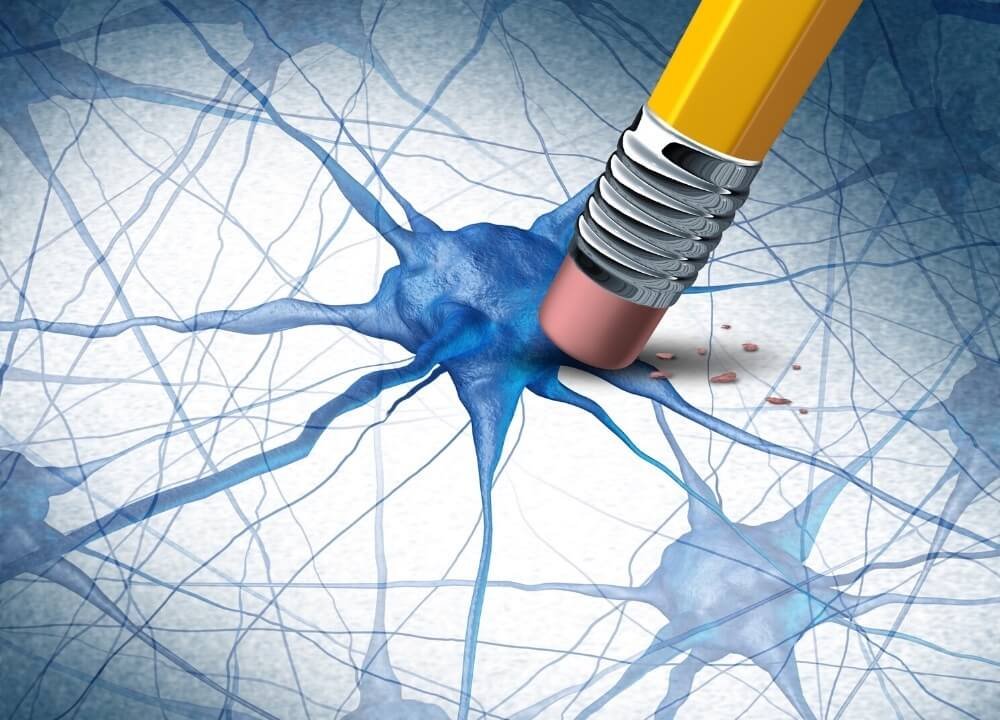
One of the top answers to the query why do dementia patients stop talking is because of the damage the disease causes to their brains.

The illness slowly damages the areas of the brain that are responsible for speech and comprehension resulting in a symptom known as aphasia.

When a person is first diagnosed with the illness, they may be communicating well.

From here individuals may start experiencing some communication challenges mostly because they have difficulties remembering things.

After some time, they will completely lose the ability to talk.

At this point, therapies aimed at enhancing communication become futile. This mostly happens in the later stages of illness where dementia affects almost all aspects of a person’s life.

This renders the suffering individual dependent on all activities, and their willingness or ability to talk reduces among other severe changes.

Frustrations

why do dementia patients stop talking
Another reason persons with dementia may stop speaking is that they are frustrated with not being understood by the individual they are communicating with.

They can reach a stage where they keep repeating the same sounds, words, or phrases; thus other people will not understand the message they are trying to pass across.

Numerous studies done by linguists focusing on the language of individuals with dementia reveal that the affected individuals may be communicating about the reality from their past world but are not able to use “dictionary words” which results in misunderstandings.

Communication challenges can make a person feel discouraged and just not try and talk to other individuals.

Social Withdrawal

social withdrawal
Social withdrawal may be another answer to why do dementia patients stop talking.

Many people with the neurodegenerative disease find their current world filled with loneliness, pain, noise, and confusion.

The affected individuals may also be dealing with an array of emotions from fear, anger, or sadness, etc.

They, therefore, find comfort in solitude as they retreat to a world that they once lived in. Here they can relive happier moments when the disease was not taking a toll on them.

Lack of Engagement

lack of engagement
At times, a person with dementia may stop talking because of a lack of engagement.

They may opt to keep to themselves because they feel bored or isolated.

This is why you will find that some persons with the disease will spend a lot of time alone.

Even when they are in the company of others, they may remain mum because not much conversation may be going on.

Some people with dementia will find it difficult to start a conversation; thus opt to stop speaking especially when other people do not put in the effort to engage with them.

Hearing Loss

hearing loss
A high percentage of people who have dementia will end up suffering from hearing loss. This makes it one of the answers to why do dementia patients stop talking.

When individuals with dementia lose their ability to hear, it will most likely be associated with communication problems that can result in a person not talking because they cannot hear properly.

Closing Thoughts

Sadly, when a person with dementia stops talking especially because of excessive damage to the brain, it may be an indication that they are living their last days on earth.

Caregivers may want to consider hospice care at this point to ensure that the affected persons remain as comfortable as possible until they breathe their last breath.

Seizures and Dementia – Is There A Link?

seizures and dementia

Researchers continue to investigate the link between seizures and dementia.

This is after observing several people with dementia experience seizures as one of the symptoms of the neurodegenerative disease.

Seizures and Dementia in the Elderly

Seizures can be described as uncontrolled and sudden electrical disturbances that happen in the brain.

This can cause levels of unconsciousness, feeling, or movements as well as changes in behavior.

While seizures are usually an indication that a person has epilepsy, not everyone who experiences seizures has epilepsy.

Naturally, persons who have dementia are at risk of seizures.

People with dementia are at risk of seizures

Alzheimer described this way back in 1911. What is not clear yet is how common the seizures are.

This is because some seizures can be quite complex.

Many people are familiar with the generalized tonic-clonic seizures that make people fall to the ground, become stiff and unresponsive and their bodies shake with convulsions.

However, there is another type of seizure that mainly affects individuals with dementia.

These are known as focal onset seizures.

They generally involve short periods of increased unresponsiveness or amnesia.

The person going through this can showcase involuntary repeating movements of the arms, hands, face like swallowing, lip-smacking, or chewing.

Because it does not go on for long, it can easily be missed.

At What Stage of Dementia Do Seizures Occur

In the past, it was believed that only people who had been diagnosed with dementia for years developed seizures.

Recent studies on seizures and dementia, however, reveal that it is also possible for seizures to occur during the early stages of the disease.

Some people will even experience seizures before memory loss become obvious.

Reasons Persons with Dementia Develop Seizures

reasons persons with dementia develop seizures
Individuals with dementia may experience seizures because of the structural changes that happen in the brain.

In some cases, they will occur after a brain infection like meningitis, head injury, or stroke.

As the cells in the brain begin to die, the size of the brain will shrink and this is something that can lead to seizures.

Some types of dementia like Alzheimer’s disease are a result of protein build-up in the brain that interferes with how cells in the brain communicate with each other.

This can result in nerve cells becoming “hyper-excitable” which implies that they will start to behave uncontrollably which can cause seizures.

The Role of Seizures in Dementia

Seizures-and-Dementia
While studying seizures and dementia, scientists were also triggered on the topic of the role seizures in the illness.

A study was conducted towards this end. Researchers observed 55 patients aged 50-69 years.

They were all admitted to an Israeli medical center with their first known seizure. A quarter of the participants developed dementia later on.

Another study that was done in the US looking at almost 300,000 veterans who were all over 55 years uncovered that seizures increased the risk of people developing dementia over a period of one to nine years.

Managing Seizures in People with Dementia

managing seizures in people with dementia
When talking about seizures and dementia, many people are usually concerned as to whether the seizures are manageable or not.

The good news is that there are drugs that a person can take to stop or reduce the seizures.

It is, therefore, important to consult a doctor when a person who has dementia suspects that they have seizure episodes.

In short, the medics will perform the necessary tests and prescribe medication that will treat the issue.

Hallucinations and Dementia: Are They Common?

hallucinations and dementia

It is important to talk about hallucinations and dementia seeing that this is one of the most common symptoms that persons with this neurodegenerative disease experience.

Hallucinations are incorrect perceptions about experiences or things that involve the senses that can result in a negative or positive experience.

Hallucinations in People with Dementia

They normally seem real to the person who is experiencing them, but other people cannot see them the way the person hallucinating is.

Hallucinations typically involve the senses of a person who has dementia.

In most cases, however, they will affect the visual or auditory senses where a person can see something that does not exist or hear voices or noises that are not there.

For example, a person can be convinced that they are seeing crawling bugs on their bed or seat but they are not actually there.

What Causes People with Dementia to Experience Hallucinations

what causes people with dementia to experience hallucinations
People will dementia will experience hallucinations because of the changes that happen in their brains.

Some of the possible causes for hallucinations when a person has dementia include:

  • Unfamiliar environments or people
  • Agitation and anxiety
  • Different drug combination
  • Insufficient lighting
  • Changes in routine
  • Sundowning which is a form of confusion and disorientation that some people may experience during later afternoons
  • Overstimulation of the environment such as too many distractions, people, and too much noise
  • Eyesight or hearing problems
  • Alcohol or drug abuse
  • Schizophrenia
  • Physical problems like bladder or kidney infection or intense pain

Responding and Treating Hallucinations

responding and treating hallucinations in dementia
Below we cover twelve steps that caregivers can try and take when they are dealing with a person who has hallucinations and dementia, like:

How do you deal with hallucinations in dementia

1. Ensuring that their environment is well-lit.

2. Making sure the person with dementia gets proper nutrition and stays hydrated because dehydration and malnutrition can lead to depriving the brain of the nutrients it needs to thrive and function normally.

3. Maintaining schedules and routines.

4. Where possible do not change the environment where the person stays and make sure it is as comfortable as possible, limiting distractions and people who visit or stay.

5. Look out for signs of physical injury like scrapes or bruises that may be causing hallucinations.

6. Come up with creative distressing techniques. For instance, if a person insists that a person has stolen their jewelry, do not outrightly tell them they are wrong.

Instead, offer to help search for the items or you can even look for another interesting activity that will distract them from their current thoughts.

It can be things that they like doing like looking at photos, listening to music, playing cards, or working out.

7. Avoid arguments at all costs because at the end of the day the hallucinations are real to the person with dementia even though they may appear far-fetched to you.

Always responds to the person’s feelings rather than the issue as this shows that you acknowledge their concerns. Seek to constantly reassure the person at all times.

8. Figure out if the hallucinations have a negative impact. If they have a positive impact, it is best not to address the issue.

9. At times, it helps to investigate any suspicions that the person raises because it may end up being true.

10. Being flexible. Sometimes, you have to indulge in little fibs to make the person with hallucinations and dementia feel safe.

For instance, if they hear an imaginary sound you can tell them that you were the cause and that everything is okay.

11. Have backups and additional resources.

Where possible have multiples of some of the things that a person loves. This way, if they keep misplacing them, you can always search for them and magically find them.

It is helpful because it helps frustration from boiling over to aggression or disappointments which can dampen someone’s mood.

12. Visiting a doctor to rule out any vision or hearing problems. The medic might also change medication if it is the source of hallucinations.

Medication for Dementia Hallucinations

If the hallucinations are severe, physicians can prescribe medications to treat hallucinations. Different drugs can do the job such as:

Nuplazid

nuplazid
This is one of the first drugs that has even been approved to treat hallucinations that relate to Parkinson’s disease dementia.

Antipsychotic medication

These can treat hallucinations by offering a calming effect which makes the hallucinations less distressing. The drugs can also reduce or eliminate the frequency with which they occur.

Cholinesterase Inhibitors

These are medicines that doctors will give people to treat both hallucinations and dementia. They increase levels of specific neurotransmitters in the brain which helps to boost cognition as well as alertness. They also have the potential to reduce hallucinations.

It is also recommended that caregivers seek out support because dealing with persons who have hallucinations and dementia is not an easy task.

This is because you may end up dealing with feelings of frustration, exhaustion, guilt, distress, and exasperation.

Seeking support helps you to effectively deal with such so that you can be in the best possible position to look after the individual with dementia.

Which Dementia’s Cause Hallucinations

which dementias cause hallucinations
Lewy Body Dementia is the number one culprit for causing dementia in person with this type of illness.

It is usually common in the early stages of the disease and might disappear as it progresses into the middle or end stages of the illness.

The hallucinations are usually persistent and last for a long-time. Studies also reveal that hallucinations can affect people who have Parkinson’s disease and Alzheimer’s disease.

With these diseases, the hallucinations occur during distinct periods for a short time. They can occur during the middle to late stages of the disease.

Horticulture Therapy for Dementia: Benefits, Activities & Evidence

Older woman smelling flowers during a horticultural therapy activity

Horticulture therapy for dementia can provide enjoyable opportunities for people living with dementia to spend time with plants, gardens and nature.

More accurately known as horticultural therapy, it can involve activities such as planting, watering, growing herbs, arranging flowers, harvesting vegetables or simply spending time in a thoughtfully designed garden.

Research suggests that these activities may support mood, engagement, daily functioning and quality of life for some people with dementia.

However, horticultural therapy should not be described as a cure or treatment that reverses dementia. The research is encouraging, but the quality of the available evidence remains limited.

What Is Horticultural Therapy?

The American Horticultural Therapy Association defines horticultural therapy as participation in horticultural activities facilitated by a trained horticultural therapist to achieve specific goals within a treatment, rehabilitation or vocational plan.

There is also a broader practice called therapeutic horticulture. This involves plant-based activities designed to support a person’s wellbeing and may be facilitated by other appropriately trained professionals.

This distinction is useful.

Simply enjoying a garden can be valuable, but formal horticultural therapy involves purposeful activities and specific goals.

What Does Research Say About Horticulture Therapy for Dementia?

Research into horticultural therapy and dementia has grown considerably.

A 2024 systematic review and meta-analysis examined nine randomized controlled trials involving 655 older people diagnosed with dementia.

The researchers reported improvements in several areas among people participating in horticultural therapy compared with conventional care.

These included:

  • Cognitive test scores
  • Symptoms of depression
  • Activities of daily living
  • Quality of life

The findings are encouraging.

However, the researchers also emphasized that the included studies were of low quality and that better-designed research is needed to confirm the results.

For this reason, it is more accurate to say that horticultural therapy may be beneficial for some people with dementia rather than claiming that its effects have been conclusively proven.

older adult participating in horticultural therapy activities

Possible Benefits of Horticultural Therapy for Dementia

Gardening naturally combines several forms of activity.

A person may move their body, use their hands, make choices, interact socially, experience different smells and textures and see the results of something they have cared for.

This combination may help explain why horticultural activities can be meaningful for people living with dementia.

Possible benefits include:

  • Greater engagement in meaningful activity
  • Enjoyment and a sense of purpose
  • Gentle physical activity
  • Social interaction
  • Sensory stimulation
  • Reduced boredom
  • Support for mood and emotional wellbeing
  • Opportunities to maintain existing skills
  • A possible reduction in agitation for some people
  • Improved quality of life

Not everyone will respond in the same way.

Activities should be based on the person’s abilities, interests, previous experiences and stage of dementia.

Gardening Activities for People With Dementia

older adult gardening as a meaningful dementia activity

Gardening can be adapted to suit many different levels of physical and cognitive ability.

Activities might include:

  • Watering plants
  • Planting seeds
  • Filling pots with soil
  • Growing herbs
  • Picking flowers
  • Arranging flowers in a vase
  • Harvesting fruit or vegetables
  • Removing dead flowers
  • Sorting seeds or gardening materials
  • Smelling herbs and flowers
  • Walking through a garden
  • Sitting outdoors and watching birds or insects

The aim does not need to be producing a perfect garden.

For many people, the value is in the activity itself.

Someone who gardened throughout their life may particularly enjoy returning to familiar tasks. This can provide a sense of identity, competence and connection with their past.

Gardening may also combine well with other group activities for people with dementia.

Therapeutic and Memory Gardens

Specially designed gardens are increasingly used in residential aged care and memory care settings.

These environments can provide a safe way for people to enjoy nature, walk, sit outdoors and engage with plants.

A dementia-friendly garden may include:

  • Clear, looping walking paths
  • Accessible seating
  • Shade
  • Raised garden beds
  • Non-toxic plants
  • Familiar flowers and herbs
  • Interesting colors, textures and scents
  • Good visibility and simple navigation

Raised beds can be particularly helpful for people who find bending difficult or who use a wheelchair.

A garden does not need to be large.

Even a small courtyard, balcony, patio or collection of indoor plants can provide opportunities to interact with living things.

Horticultural Therapy Can Be Done Indoors

Access to a large outdoor garden is not essential.

Indoor horticultural activities can include:

  • Potting small plants
  • Growing herbs on a windowsill
  • Arranging cut flowers
  • Planting seeds in containers
  • Decorating plant pots
  • Sorting flowers, leaves or seeds
  • Caring for indoor plants

These activities can be useful when weather, mobility or health makes outdoor gardening difficult.

Even simply looking at and caring for plants may offer an enjoyable focus for conversation and activity.

Does Horticultural Therapy Reduce Agitation?

Some studies suggest that structured gardening and horticultural programs may reduce agitation or behavioral symptoms in some people with dementia.

This is potentially important because agitation, restlessness and distress can have a major effect on both the person and their caregivers.

Activities involving plants may provide gentle stimulation, physical activity and something meaningful to focus attention on.

However, horticultural therapy will not be appropriate or effective for every episode of agitation.

Sudden or significant changes in behavior should also prompt consideration of possible causes such as pain, infection, medication effects, hunger, thirst, constipation or an uncomfortable environment.

How Much Horticultural Therapy Is Needed?

There is no established medical “dose” of horticultural therapy for dementia.

The 2024 review found that some studies using activities at least twice per week reported positive results, but this does not establish a universal prescription.

Programs vary greatly in length, frequency, activities and the people taking part.

The best approach is usually to offer activities regularly while paying attention to whether the person enjoys them.

If someone becomes tired, frustrated or distressed, the activity can be shortened, simplified or tried again another day.

What Does a Horticultural Therapist Do?

horticultural therapist supporting an older adult with plant activities

A professional horticultural therapist uses plant-based activities to work toward defined goals.

According to the American Horticultural Therapy Association, registered horticultural therapists receive education in areas including horticultural science, human science and horticultural therapy, together with supervised practical experience.

Goals for a person with dementia might include:

  • Increasing participation in activities
  • Encouraging social interaction
  • Supporting physical movement
  • Maintaining practical skills
  • Reducing boredom or distress
  • Supporting emotional wellbeing

Formal therapy is not necessary for every gardening activity.

Family members, caregivers and activity staff can also offer simple and safe plant-related activities based on a person’s interests and abilities.

Safety Considerations for Gardening With Dementia

Gardening is generally a low-risk activity, but the environment should be adapted to the individual.

Consider:

  • Using non-toxic plants
  • Avoiding sharp or potentially dangerous tools where appropriate
  • Providing supervision when needed
  • Removing trip hazards
  • Providing shade and sun protection
  • Encouraging adequate hydration
  • Using raised beds or lightweight tools for people with reduced mobility
  • Avoiding pesticides or chemicals that could be accidentally handled or swallowed

The activity should support independence where possible without creating unnecessary risk.

Is Horticultural Therapy a Treatment for Dementia?

Horticultural therapy is best viewed as a supportive, non-drug intervention.

It does not cure dementia or stop the underlying disease process.

It should also not replace medical assessment, prescribed treatment or care for symptoms that require professional attention.

However, non-drug approaches can play an important role in helping people live well with dementia.

Activities that provide enjoyment, movement, social connection and a sense of purpose can contribute to overall wellbeing.

You can read more about non-drug and alternative approaches for dementia on ReaDementia.

Horticulture Therapy for Dementia: Closing Thoughts

Current research suggests that horticulture therapy for dementia may support cognition, mood, daily functioning and quality of life for some people.

A recent meta-analysis found encouraging results, but the researchers also cautioned that the existing studies were generally low quality and stronger research is still required.

The greatest advantage of gardening may be its simplicity.

It can provide gentle exercise, sensory stimulation, social interaction and meaningful activity at the same time.

For someone who enjoys plants or has gardened in the past, horticultural activities can also reconnect them with familiar skills and experiences.

There is no need to make extravagant claims about horticultural therapy.

Giving a person with dementia the opportunity to plant a seed, smell a flower, water a pot or spend a peaceful afternoon in the garden may simply be an enjoyable and meaningful part of good dementia care.

Down Syndrome and Alzheimer’s Disease

down syndrome and alzheimer's disease

After years of research, experts uncovered that there is a link between Down syndrome and Alzheimer’s disease.

Down Syndrome and Alzheimer’s

Down syndrome is a medical condition where an individual is born with an extra copy of chromosome 21 rather than the normal two copies.

The genetic abnormality usually results in health issues and developmental challenges that can affect memory, learning, and language.

Alzheimer’s disease (AD) can be defined as a brain disease that is one of the major causes of dementia. It makes affected persons experience impaired memory, behavior, and thinking.

It can also affect mood and emotions.

The illness is caused by an abnormal build-up of beta-amyloid which is a type of protein that forms plaques in brain cells.

This accumulation damages the connections between brain cells which, in turn, disrupts how messages are passed from one part of the brain to another.

The brain cells die eventually and this will reduce the size of the brain.

Brain degeneration that happens because of AD can impair an individual’s ability to carry out day to day activities. Because Alzheimer’s disease is a progressive illness, the symptoms become worse as time goes by.

Correlation between Down syndrome and Alzheimer’s disease

correlation between down syndrome and alzheimer's disease
Studies reveal that most people (not all) who have Down syndrome will also develop AD.

Chromosome 21 carries the APP gene (amyloid precursor protein). Beta-amyloid forms when APP breaks down.

This clumps together into brain plaques that are common with AD.

As stated earlier, persons with Down syndrome have an extra copy of chromosome 21 which implies that they can make 11/2 times more APP than persons who only have two copies.

Individuals who have Down syndrome have a higher chance of developing Alzheimer’s.

Many studies state that about 50% of individuals with Down syndrome will end up with AD by the time they are celebrating their 60th birthday. The average onset age, however, is usually 50-55 years.

The National Down Syndrome Society reports that about 30% of individuals who have Down syndrome and are in their 50s already have AD.

Early Alzheimer’s disease Signs for Persons with Down syndrome

early alzheimer's disease signs for persons with down syndrome
A person who has Down syndrome can showcase several symptoms that may indicate they have AD such as:

  • Deterioration in short-term memory
  • Reduced ability to complete daily living tasks
  • Increased inactivity and apathy
  • Withdrawing socially
  • Problems with communication
  • Changes in sleep patterns at night
  • Confusion and disorientation
  • Restlessness
  • Fearfulness, sadness, and anxiety

Diagnosing AD in Individuals with Down syndrome

diagnosing AD in individuals with down syndrome
To determine whether a person has both Down syndrome and Alzheimer’s disease, a doctor may subject the individual to various tests that may include:

  • Memory and thinking tests
  • Physical examinations that may include brain scans and blood tests
  • Assessing medical history

Careful observation of symptoms as well as how a person’s behavior and abilities change is crucial.

This is because persons with Down syndrome already have pre-existing difficulties with memory, thinking, and daily living skills.

Naturally, a person with Down syndrome may not be in a position to report concerns about memory or other changes happening in their lives.

For this reason, their loved ones or professional caregivers must help with observing cognitive changes.

Indidivual diagnosis for Down syndrome

Experts recommend certain principles that can help with a person-centered diagnosis for individuals with Down syndrome, such as:

1. Documenting baseline adult function by the time they are 35 years. The medical records of a person with Down syndrome should include details about their adult abilities.

2. Checking for Changes in Daily Function. Family members or other reliable individuals should also be on the lookout for changes in day to day function.

A person may note that an individual with Down syndrome showcases less interest in social interactions or things they loved doing previously. Changes in behavior and personality may also indicate a decline in thinking skills.

Doctors also perform other examinations to rule out other medical conditions that may look like Alzheimer’s disease.

This is because of something that is known as “differential diagnosis.”

When a person with Down syndrome showcases a decline in abilities or loss of skills, medics can consider:

  • Changes in sensory impairments like vision or hearing difficulties that can inhibit social engagement or lead to a loss in skills
  • Life changes, for instance, adjustments in a person’s day service, retirement, menopause, or reaction to something like bereavement.
  • Thyroid disorders which can be treated
  • Depression which is treatable with the proper interventions
  • Drug interactions
  • Poor sleep patterns
  • Urinary or other types of infections
  • Vitamin deficiencies

Because the above conditions are treatable, a person with Down syndrome needs to undergo a comprehensive medical assessment, especially during the early stages to rule them out.

Research on Down syndrome and Alzheimer’s disease

research on down syndrome and alzheimer's disease
Scientists are working round the clock to figure out why some people with Down syndrome end up with AD while others do not.

The experts want to get a clear picture so that they can come up with medication or other treatments that can help delay, stop, or prevent the development of AD.

Some studies are already in the clinical trial phase and people can only hope that these will yield great results in the future to help effectively deal with the two medical conditions.

Living with a Positive Alzheimer’s Disease Diagnosis

living with a positive alzheimer's disease diagnosis
Sadly if a person has Down syndrome and they get diagnosed with Alzheimer’s disease, they have to live with both medical conditions.

Currently, there is no approved cure for AD. However, there are some medications and alternative treatments like therapies and natural remedies that a person can try to treat some symptoms as well as slow or stabilize the decline in thinking abilities and memory for a while.

It is important to consult a physician before starting any treatment regimen to ensure it is best suited for the weak person.

Support services for people with Down syndrome and Alzheimer’s disease also exist. They help affected individuals and their families or carers live well with the conditions.

Research is, however, ongoing to try and find a cure for AD as well as discover new treatments to help delay or avoid the onset of Alzheimer’s symptoms for persons who already have Down syndrome.

Close Connection Between Dementia and Sleep

dementia and sleep

Researches show that dementia and sleep are actually quite closely connected to each other.

Also, those with dementia usually develop bad sleeping habits which we need to take into consideration as soon as possible.

Sleep deprivation is known to have profound consequences on a person’s health.

This can include tiredness and grumpiness as well as the risk of serious medical conditions like heart disease, diabetes, obesity, and shorter life span among many others.

Over the years, there also seems to be a connection between dementia and sleep.

This is even though scientists and researchers cannot conclusively explain how dementia affects a person’s sleep.

Studies indicate that about 40% of people who have dementia experience sleep disturbances. For some individuals, their internal “biological clock” may be damaged, affecting their sleep.

Another logical explanation is that the parts of the brain that control whether a person stays awake or not may be damaged by the disease, which results in disturbing sleep patterns.

Before experts can give conclusive explanations, let us look at different aspects of sleep risk and dementia.

Sleep Problems That Dementia People May Face

sleep problems that dementia people may face

There is a wide array of sleep issues that people with dementia may experience over the course of the illness, such as:

Oversleeping

In as much as we are encouraged to enjoy quality sleep all night, people with dementia may end up oversleeping.

This is where a person spends most of their time in bed during the day and at night. Sleeping a lot is usually common in the later stages of the illness.

As the disease progresses, brain damage also becomes more extensive, making a person become frailer and weaker over time.

This typically results in a person with dementia to sleep more as their symptoms also become more severe.

Some medication that an individual may be taking like antihistamines, antidepressants, and antipsychotics can contribute to excessive sleepiness.

Light Sleep Disorders

These are disorders that are also known as (RDB) rapid eye movement sleep behavior disorder. They make individuals act out their dreams by talking or moving in their sleep.

Sleep Disordered Breathing

This is where a person has difficulties breathing while sleeping.

It may be as a result of obstructions in the airway, which makes an individual work harder to breathe normally. At times, this is also referred to as sleep apnoea.

It is considered to be one of the risk factors when it comes to dementia and sleep.

This is because disordered breathing can damage the brain because the levels of carbon dioxide and oxygen change when a person has challenges while breathing.

Most of the time, this can also change how blood flows to the brain.

Difficulties Falling Asleep

Many people with dementia often have trouble falling asleep. A person may be in bed wanting to sleep, but it will not happen.

Counting sheep and drinking chamomile tea may not offer the solution that the person needs.

This makes the affected person want to wander off into the darkness or start yelling or calling the names of their caregivers.

Hypnagogic Hallucinations

These are imagined sensations that a person ends up thinking are real. They are also known as sleep hallucinations that happen when a person is falling asleep.

The hallucinations can appear in different forms, whether vision, taste, smell, or sound. Research about this is still ongoing as the hallucinations continue to fascinate scientists, philosophers, and writers.

Circadian Rhythm Sleep Disorders

These are characterized by normal sleep patterns that usually happen at random times during the day. These are very common when a person is growing older.

It usually happens because of reduced exposure to natural light, a decrease in physical activity, as well as changes in circadian rhythms that come with aging.

Natural Medications to Help People Sleep

Brand FeaturesAvailable on Amazon
Pillow spray to help with sleepThisworks Sleep Plus Pillow SprayFast-acting natural rest
With essential oils
Superblend
Spray over pillow, pajamas & linen
Isagenix Sleep Support & renewal SprayIsagenix Sleep Support&renewal Spray, 2.0 fl. oz./60mL
Sleep Patches for Natural SleepAIOBEECY Sleep Patches, Easy Sleep Leading to Sweet Dreams, Natural Sleep60 patches
100% drug free
Easy to use
All natural ingredients
High quality sleep
Natural Sleep AidApollo Neuro Wearable | Stress Relief Band and Natural Sleep Aid Device to Improve SleepBetter sleep
Reduce stress
Calm & relaxed
Energy boost
Find focus
Melatonin Fast Dissolve TabletsNatrol Melatonin Fast Dissolve Tablets, Helps You Fall Asleep FasterStrengthen immune system
Drug free
Stay asleep longer
Dissolve in mouth
Strawberry

Factors that May Cause Sleep Problems in People with Dementia

factors that may cause sleep problems in people with dementia

Several factors besides brain damage may be the cause of sleep issues worth mentioning when talking about dementia and sleep. Some of these include but are not limited to:

1. Restless leg syndrome

This is a disorder that brings about unpleasant “tingling” or “crawling” feeling on the legs which makes a person want to move them all the time

2. Depression

Depression is very common with people who have dementia, and it may end up affecting how they sleep. In most cases, only a professional can give a positive diagnosis of depression in adults because this is often confused with Alzheimer’s disease.

The two conditions share symptoms like apathy, isolation, impaired thinking, social withdrawal, loss of interest in hobbies, and activities amongst others.

Once depression has been positively diagnosed, treatment can improve quality of life significantly.

Treating Sleep Problems

treating sleep problems
There are two main approaches when it comes to treating sleep issues in people who have dementia.

One of these has a lot to do with lifestyle changes that can improve sleep quality.

Some of the solutions to these may include:

1. Regular sleep regimes

Encouraging a person who has dementia to stick to regular meal times as well and going to bed and waking up times can help them enjoy their sleep more.

This way, they will not have to deal with too many dire consequences of dementia and sleep.

2. Exercise

exercise
Exercise is a recommended treatment method because it gets the body moving; thus, helps the organs in the body to function as they should.

Because people who have dementia may not be able to work out vigorously, caregivers must identify light exercises that the individuals under their care can handle with ease.

Moderate amounts of walking can do the trick. Night-time stretching may also be helpful.

3. Diet

diet
It is vital for people who have dementia to eat well-balanced food to get the nutrients the body needs to boost immunity. Avoid processed foods and stick to organic vegetables, fruits, nuts, complex carbs, and proteins.

A nutritionist can offer advice on the best foods that the individual with dementia should eat. It also helps to avoid alcohol and cigarettes.

4. Limit sleep disruptions

limit sleep disruptions
Sleep interruptions, whether caused by a noisy neighborhood or a snoring partner, can end up harming brain health.

Persons who experience poor restless sleep have a higher risk of cognitive decline compared to the ones who sleep well throughout the night.

Individuals who experience fragmented sleep can use blackout curtains or a white noise machine to help them sleep well throughout the night.

5. Plan more active days

plan more active days
Boredom during the day is one of the reasons why an individual may want to nap more.

It is advisable to plan more active days filled with activities that the seniors love. This way, they get more tired at night, making it easier to fall and stay asleep.

6. Creating a safe and comfortable sleeping space

creating a safe and comfortable sleeping space
Modifying a person’s sleeping environment to make it more welcoming, safe and comfortable can help an individual enjoy quality shut-eye at night.

This is where you can do things like check on temperatures, use nightlights, clean and soft bedding.

Also, remove clutter and use motion and door sensors for the ideal sleep environment.

7. Ensuring exposure to bright light in the morning
ensuring exposure to bright light in the morning
Furthermore, persons with dementia can also try light therapy.

Exposing seniors to natural light often can help to realign their circadian rhythm to reduce the effects of some sleep disorders.

Studies also show that light therapy helps to enhance sleep patterns for people with dementia.

8. Music intervention

music intervention
The right type of music can also help a person fall asleep when they are having difficulties with this.

Ideally, it should be something with soft beats like Mozart and other classical tunes. Loud music with fast beats may not offer the desired results.

An individual can also try playing a musical instrument to drive them to sleep.

The other option available when a person wants to deal with sleep issues is the use of medications and other apparatus.

Note that a person should only consider this when they have tried the non-medical route without any success.

Examples of such include:

1. Using CPAP (continuous positive airway pressure) – This is a machine that helps to reduce the effects of sleep apnea.

2. Some medications like benzodiazepines and tricyclic antidepressants can also improve sleep.

It is always best for the person with dementia to consult a doctor before taking any type of medication to be on the safe side. Some drugs may have a negative effect when it comes to dementia and sleep.

3. Doctors may also prescribe melatonin hormone that can maintain regular sleep-wake cycles.

4. Treating any pains that a person may be having can also work well for a person who wants to sleep better.

5. A person who wakes up at night should not be encouraged to watch TV, listen to loud music, or be over-active during the wakefulness periods.

This will only encourage them to stay awake instead of going back to bed

Closing Thoughts

Lack of enough quality sleep in people who have dementia can negatively affect the physical and emotional health of a person who has dementia.

This may end up worsening cognitive symptoms, ultimately reducing the quality of life of the person with the disease as well as the people around them.

When a person is having problems with dementia and sleep, it is important to try and get to the bottom of the issue.

This is by finding out what is causing these issues to administer the proper treatment that will help a person lead a more fulfilling and satisfying life even when they are ill.

Are Aphasia and Dementia Related?

aphasia and dementia

It is easy to confuse some of the symptoms of aphasia and dementia, which often leads to questions on whether the two medical conditions are related.

Before we go deeper into answering the query, it is important to first define these conditions.

Aphasia is a language or speech disorder that is a result of complications in the brain.

In Greek, the word Aphasia translates to speechlessness.

Dementia, on the other hand, is a general term that describes a range of medical conditions that are caused by abnormal brain changes.

In Latin, the term dementia stands for “madness” which implies severe memory loss in a person who was previously normal beyond what is expected as a person grows older.

Similarities between Aphasia and Dementia

similarities between aphasia and dementia
Some factors may lead persons to believe that dementia and aphasia are quite similar.

One of them is the fact that a person who has aphasia can have challenges finding the proper words to use when holding a conversation.

It is something that persons with dementia may also struggle with. Both conditions are also caused by damage that occurs in the brain.

Another similarity that the two conditions share is that diagnosis of dementia and aphasia is often done through observation of symptoms.

There is No Set Test

This is because there is no specific test that can offer conclusive evidence of the disease.

There is also no approved cure for both aphasia and dementia.

Treatment is usually done to reduce or eliminate some of the symptoms that a person is experiencing.

Keep in mind that there are different types of dementia, which are caused by various factors.

These may also include infections like HIV and meningitis, hormone disorders, metabolic disorders, chronic alcoholism, drug abuse, and nutritional deficiencies.

This implies that there are treatable dementias, especially in the case where the causes can be cured.

It is also worth mentioning that there is a type of aphasia known as progressive aphasia that is a progressive illness that continues to become worse as time goes by.

This is a characteristic that the disease shares with dementia because it is also a progressive illness.

It is caused by a type of dementia that is known as frontotemporal dementia.

Progressive aphasia starts with the impairment of language abilities and after some time, the affected individual may also experience attention and memory impairment.

Most people with progressive aphasia also develop additional dementia symptoms.

Differences between Aphasia and Dementia

differences between aphasia and dementia
Several differences crop up when comparing dementia and aphasia. Here we will discuss the three main ones touching on communication, behavior, symptoms, and cause.

Communication

We have already noted that communication problems are present in both disorders. When it comes to communication, however, some subtle differences come up for individuals with dementia and the ones with aphasia.

A person with aphasia may already know what they are trying to say, but they may not be able to communicate the idea clearly.

With dementia, a person may lose sight of what they were trying to say.

While both persons may be searching deep in their brain to find purpose or meaning in what they want to say, the one with aphasia can toy around with the word on the tip of their tongue but this is not possible for the one with dementia.

Behavior

When it comes to behavior, a person with dementia will, at some point, need help to complete day to day activities because of the extent of brain damage that happens as the disease progresses.

Individuals with aphasia will continue to function “normally” in regards to daily activities. They will not need assistance with activities like eating, grooming, or drinking because they only have challenges with speech and conversations.

Symptoms

The symptoms of aphasia and dementia also vary.

Symptoms that a person with aphasia may showcase include the inability to read aloud, constant phase repetition, challenges with writing, inability to recollect the name of objects, the substitution of letters or words, and even speaking things that do not make sense.

While persons with dementia may experience some of the aphasia symptoms, they may also encounter other symptoms such as memory loss, confusion, mood changes, difficulties concentrating, and inability to perform day-to-day activities amongst others depending on the stage of the illness.

These are symptoms that are not common with individuals who are suffering from aphasia.

Causes of Aphasia and Dementia

causes of aphasia and dementia
We have already established that both dementia and aphasia are caused when there are damages in the brain.

What sets the two conditions apart is the section of the brain that is hurt.

For aphasia, people will get the illness when the part of the brain that controls speech is damaged. This mostly happens because of traumatic brain injury or a stroke.

Infections and brain tumors are other probable causes of aphasia.

Dementia is quite different from this.

Even though a stroke or traumatic brain injury can also cause it, it is mostly a result of amyloid plaque build-up in the brain, which leads to the development of the most common dementia type known as Alzheimer’s disease.

This build-up cuts off neurons in the brain that are responsible for relaying messages from one part of the brain to the next.

It ends up affecting the entire brain and not the speech part, as is the case with aphasia.

This is why a person with dementia may not know the name of a familiar face or even remember how to hold a fork because they cannot access their memories.

The person with aphasia only has problems accessing the part of the brain that deals with speech.

These differences between aphasia and dementia are instrumental when it comes to diagnosis.

A doctor can study the symptoms to know whether a person is only having trouble with speech or they are having communication problems as well as other challenges with their day to day lives to understand what the person is suffering from.

Do People with Dementia Know They Have It?

do people with dementia know they have it

Seeing a person exhibit dementia symptoms can be baffling and scary which may bring up the question do people with dementia know they have it?

It is important to note that this neurodegenerative disease affects people differently.

The fact, however, is that dementia is a progressive illness that destroys brain cells over time.

Are dementia patients aware of their condition?

This implies that a person who has the disease may notice that there is something different going on in their lives but they may not necessarily know that they have the disease.

People become aware of the changes

people become aware of the changes
Some people with dementia may go about their lives oblivious to what is going on in their brains.

A report from Johns Hopkins in 2018 revealed that a majority of people living with dementia do not know about their diagnosis.

Some of these people might suffer from anosognosia which is a result of cell damage in the parietal and right pre-frontal lobes.

It can be brought about by cell declination as a result of dementia/Alzheimer’s disease or when a person has a stroke.

Other people may notice the physical changes, mental limitations, and behaviors that the ill person showcases but they will remain adamant that nothing is wrong.

This creates challenges for caregivers because they will be dealing with someone who thinks they are fine; thus, they do not need to take the necessary measures to treat symptoms and increase longevity because dementia does not have a cure to date.

The majority of people with dementia don’t know they have it

the majority of people with dementia don't know they have it
These are people who can refuse to take medicine, or insist that they can go to work or the store even when it is not safe to do so.

For such a group, if you ask the question do people with dementia know they have it, the answer will be a resounding no.

This is, however, not to state that every single person with the illness does not know they have it.

Some individuals may actually know depending on the stage dementia is diagnosed.

Developing dementia can be a stressful time for the affected person.

One day they might be living their lives “normally” and the next they can only recognize their family or friends without perhaps remembering their name among an array of other symptoms.

At this point, a person might think that they are experiencing normal forgetfulness that mostly happens as humans grow older but it may not be the case.

For this reason, it is important to seek medical advice when you suspect that there is something wrong with your health.

This will help get the proper diagnosis to know how to deal with the conditions heads on.

When to Seek Medical Attention

when to seek medical attention
Even for people without the disease, it is not easy to tell whether a person has dementia or not, the reason a doctor’s intervention is necessary.

It is because in most cases, dementia is only diagnosed when the symptoms start showing up and for some individuals, the disease may have progressed considerably.

This is one of the things that also makes it difficult to give a straight answer to the question do people with dementia know they have it.

There are some early warning signs, however, that may point towards a person having dementia.

Some of the most common ones include:

If you notice that a loved one has the above symptoms, go in for a diagnosis to know the way forward. It is ideal to do it as soon as possible.

After a positive diagnosis, many people may understand what is going on, but this may change after some time when the disease becomes worse.

Massage Therapy for Dementia Patients Benefits

massage therapy for dementia

You may have heard about massage therapy for dementia patients and are wondering whether it is helpful or not.

Many experts believe that persons with dementia need love and care from their relatives, friends, and other caregivers.

Massage can be defined as hand-on manipulation by a practitioner on the body’s soft tissues according to Alzheimer’s Society UK.

A friendly touch can be soothing for ill people as it can communicate encouragement, comfort, protection, reassurance, relaxation, and trust.

Massage Therapy and Dementia

Let’s look at other benefits individuals with dementia can enjoy from massage therapy.

Improves Quality of Life

improves quality of life
Professional massage therapists agree that massages, when done properly, offer psychosocial benefits to persons with the neurodegenerative disease.

This is a factor that can help to improve the quality of life for those who are living with dementia.

Touching a person and massaging them with essential oils or lotions will not only soothe the skin but will also increase the circulation of blood and other nutrients.

This is a move that can help nerves function better as it helps them to relax.

Eases Disruptive Behaviors

eases disruptive behaviors
Massage therapy is said to have a positive effect on some dementia symptoms like agitation and wandering. This can come from both hand massage and massaging chairs.

Because they help a person feel calm and relaxed, it can help to reduce or eliminate wandering habits and disruptive behaviors that are common with people who have dementia.

Researchers from Canada conducted this study where they observed 57 persons with Alzheimer’s in a facility in British Columbia for three days.

They divided the participants into three groups each getting different amounts of touching.

One group was not receiving any touch, the other was getting a “non-nurturing touch” and the 3rd group was getting massages two times a day. They found that the group that was receiving touches were calmer.

Slows Down the Process of Memory Loss

slows down the process of memory loss
Slowing down memory loss is another benefit of massage therapy for dementia patients.

This mostly happens because massage helps to enhance blood circulation in which turns slows down memory loss.

After all, the brain is getting adequate oxygen and other nutrients it needs to function properly.

Naturally, this improves brain activity making individuals with dementia more active as well as aware of their current health status.

A person with dementia should receive regular massages so that positive progress can be seen regarding memory loss.

A licensed massage therapist in New York Connie Tjaden recommends a ten-minute massage applied to the right place three times weekly.

Restores Dignity

restores dignity
Dementia can make a person feel like they are undesirable and unwanted, reason many individuals with the illness end up withdrawing socially.

A good massage can help fix this because touch one of the things that ill individuals need. Massage can restore dignity as it develops a bond between the therapist and their clients.

This can also increase the confidence of a person which leads them to be more socially active as the individuals with dementia try and express their thoughts and feelings to their loved ones.

Enhances Overall Health

enhances overall health
When talking about massage therapy for dementia patients, it is also important to note that it can also help with overall health and not brain health only.

This is mostly because good massages increase the levels of endorphins that are released in the body thanks to improved blood circulation.

Endorphins contribute to the general wellness of the human body because they make a person feel energized and happy.

Massages, on the other hand, also encourage a relaxation effect on the brain. This helps to decrease the levels of cortisol (a stress hormone).

This is essential especially for seniors because it can help strengthen the immune system.

Massage is also known to increase serotonin levels in the body.

This is the neurochemical that helps to enhance feelings of relaxation and calm as well as regulates mood.

Different Types of Massages for Dementia

different types of massages for dementia
When it comes to massage therapy for dementia patients, there are different types of massages that can benefit persons with the neurodegenerative illness.

The ones that work best are the ones that target specific pressure or pain points to aid in relieving stress for persons with dementia.

Hand Massage

Many individuals with dementia can respond well to hand massage because holding hands is a familiar feeling.

It mostly involves the gentle pressing of the palm as well as rubbing knuckles in a therapeutic motion.

They can help reduce agitation and increase bonds between loved ones. As little as five minutes is enough to evoke a positive response.

Foot Massage

These are beneficial when it comes to alleviating anxiety, encouraging relaxation, easing pain, communicating comfort and support in palliative care, and promoting sleep.

An article published in the Australasian Journal on Ageing the 2011 issue by Amy Johnson, Wendy Moyle, and Siobhan O’ Dwyer titles “Exploring the Effect of Foot Massage on Agitated Behaviors in Older People with Dementia: A Pilot Study stated that at least ten minutes of foot massage reduced agitative behavior symptoms like wandering, repetitive movements, and aggression.

According to the research daily foot massages reduced this kind of behavior after only two weeks for both females and males with dementia.

Slow-Stroke Back Massage

This uses effleurage mostly in a figure-8 formation on all sides of the back moving the palm with firm, rhythmic, and long strokes.

This type of massage is great for fighting agitation, sleep, and anxiety. It may also help to decrease heart rate and blood pressure.

Closing Remarks

When looking for a natural and reliable way to soothe persons with dementia, you can always try massage therapy for dementia patients.

Practitioners say that it records significant improvements.

More scientific data, however, needs to be collected to show conclusive results. Worth noting is that while massage therapy is a viable option, it is not for everyone with dementia.

Some will respond well, while it may hurt others especially the ones who are afraid of touch; thus, it has to be personalized.

7 Best Essential Oils for Dementia

essential oils for dementia

While researchers and other medical experts continue to search for a cure for dementia, there are some essential oils for dementia that can help improve some of the symptoms that persons with this neurodegenerative disease experience.

The use of essential oil is not a new concept.

For years, people have used these oils to ease symptoms of insomnia, anxiety, and depression.

Because these are some of the symptoms that persons with dementia may get, it implies that essential oils are good for dementia.

Nowadays, persons living with dementia can use the oils for various reasons that may include:

  • Easing anxiety and depression symptoms
  • Improving sleep
  • Enhancing memory
  • Appetite stimulation
  • Improving cognitive function
  • Decreasing agitation
  • Production of endorphins and serotonin that can decrease pain in the brain
  • Stimulate creativity
  • Improving the quality of life

How Essential Oils are Made

how essential oils are made
Essential oils are generally extracted from plants and herbs.

There are two ways this is done.

One of them is through expression which uses mechanical pressure to force the oil out. The other is distillation where the steam releases compounds from the plants.

A cooling system is then used on the vapor as the stream converts back to the water. The oil will float on top when the mixture cools.

Best Essential Oils for Dementia

Let’s check out some of the essential oils that are best suited for persons with dementia.

Lavender

lavender
Lavender is known to balance strong emotions and it also produces a calming effect. It can be used for persons who have anger issues, irritability, or depression.

In some cases, it can also help people with insomnia.

Rosemary

rosemary
Rosemary belongs to the group of essential oils for dementia that is worth mentioning. It is considered an uplifting oil that stimulates both the body and mind.

Some say that it can also improve mood and cognitive performance.

A study by Lorraine Oliver and Mark Moss reported some persuasive evidence that exposing people with dementia to rosemary oil improves cognitive performance in both accuracy and speed measures.

Additionally, rosemary is thought to increase appetite, ease constipation, and even relieve depression symptoms

Lemon Balm

lemon balm
A quick market search reveals that lemon oil is among the most costly essential oils. Nonetheless, it is one of the most studied oils, thanks to its effectiveness.

The oil has been shown to help people with insomnia and anxiety to relax and remain calm. It is also known to ease indigestion, and improve memory.

Ginger

Oil made from the ginger root also belongs to the category of essential oils for dementia. It is particularly helpful for individuals suffering from digestion problems.

For generations, the oil has been used to treat constipation, and loss of appetite. Ginger is also known to help people eat well.

Ylang Ylang

ylang ylang
Ylang Ylang oil is great for two major functions. It can help promote good sleep and it can also ease depression symptoms.

In addition to people with dementia, caregivers looking after ill individuals can also use it if they are struggling with a lack of sleep and restlessness.

It is advisable to combine this with lemon oil for maximum benefits.

Bergamot

bergamot
Bergamot oil is a mood-elevating oil that also has a calming effect.

The essential oil helps with several symptoms including stress, agitation, mild depression, insomnia, and anxiety.

Peppermint

It is not possible to discuss essential oils for dementia without mentioning peppermint oil.

It is categorized as an energizer that stimulates the mind as well as calms nerves. Experts advocate for its use in the morning.

Note that there are many other essential oils that can benefit persons with dementia, but the above are the ones that have the most clinical support.

The other oils include oregano oil which is antifungal, anti-parasitic, antibacterial, anti-viral, and antimicrobial.

Sandalwood, frankincense, eucalyptus, thyme, and chamomile are other oils that can help reduce inflammation.

It is also important to note that scent has the potential to activate various emotional and physical responses. Specific aromas can bring back memories that a person might have forgotten.


Comparison/Review of Barefut Oils and Rocky Mountain Oils

There are many companies selling essential oils. The 2 companies we have reviewed offer 100% pure organic premium oils. All the oils discussed in this article are sold by both companies.

Barefut Essential OilsRocky Mountain Essential Oils
Company NameBAREFUT ESSENTIAL OILSROCKY MOUNTAIN ESSENTIAL OILS
Selection/RangeAll oils in this article available100 single oils, plus 75 blends. All oils in this article available
Customer Reviews4.9 STARS averageBetween 4 and 5 STARS
Organic100%USDA Certified organic
QualityEvery batch GC/MS Tested & analysed by chemistsProvides GC/MS test results from an independent 3rd party lab
Chemicals & PesticidesChemically freeChemically Free
ExtractionSteam distillation or cold press
Artificial Ingredients, filters and additivesNilNil
Purity100%100%
Guarantee30 days satisfaction money back Guarantee90 days satisfaction money back guarantee
Shipping CostsFree shipping with orders over $25 in USAFree shipping USA
Rewards programYesYes
Packaging & storagePrevents oxidation with nitrogen cap, and cool dark storage. Amber bottles.Amber glass bottles
Delivery Posted day after purchase3-7 business days in USA
PriceAverage/moderate eg Lavender oil $14.00/15mlAverage/high eg Lavender oil $23.95/15ml
BUY BAREFUT OILS HEREBUY ROCKY MOUNTAIN OILS HERE


How to Use Essential Oils for Dementia

how to use essential oils for dementia
There are different ways that a person with dementia can get the benefits that come from using the essential oils.

In most cases, the oils are used for aromatherapy where persons inhale the oils or they are used for a massage. Look at some of the most common ways the oils are used.

Massage

Massage combines the therapeutic benefits of touch with the oils. This helps to improve and relax muscle tone as well as improve lymph flow and blood circulation.

Direct Inhalation

For this, a person puts essential oils in a cloth or tissue and inhales through their nose.

Ambient diffusion

This is where you use a dispenser to disperse the oils into the air.

Bath

An individual can opt to use the essential oils in their bathwater. It is one of the best ways to relieve emotional and muscular stress while soothing skin conditions at the same time.

It can be a full bath or foot bath depending on what a person desires.

Body oil

It is where individuals benefit from aromatic treatment through absorption of the skin. The oils in this case are best used after a bath or shower in a bid to deep condition the skin.

Misting

This is another way the essential oils can be dispersed in the air. For this, you will add drops of oil to a mister and vigorously shake to mist the air.

Gargling

At times, an expert may advise a person to gargle the essential oils.

Compress

It is also possible to use essential oils as a compress.

For this, an individual needs to add drops of oil to warm or cold water. Soak a cloth in this water, wring it, and apply the infused cloth on the skin.

Spraying on linens or clothing

Some oils, especially the ones used to promote sleep and relieve stress are best applied to pillowcases or clothes for the best results.

What to Look For When Purchasing Essential Oils?

Ensure you are buying high-quality oils. Essential oils are not regulated by the FDA and have therefore have no quality control guidelines in place. It is up to the buyer to do their own due diligence.

  • Best to buy organic. Ensure the product has a USDA (U.S. Department of Agriculture) certified organic label.
  • Read the label. The label should include where the plant originates, where the product was made, the Latin name, as well as how the oil was extracted. The label should also include safety data.
  • Jar color: dark blue or amber bottles protects the aromatic and therapeutic properties.
  • Be wary of companies claiming their product can cure Alzheimer disease, dementia, or other diseases. Be cautious.
  • Tightly sealed bottles.
  • Do not buy synthetic oil products. These have none of the health benefits that pure essential oils have.
  • Look for 100% pure essential oils. Pure oils will not be greasy/oily or leave any residue on paper. Pure oils do not have artificial substances in the formulas

Closing Remarks

As much as essential oils for dementia may offer a wide range of benefits, they are not regulated by the FDA (Food and Drug Administration).

For this reason, it is important to consult a professional doctor before using any of the oils to make sure they will be safe and effective.