Dementia and High Blood Pressure

dementia and high blood pressure

Numerous research studies confirm that there is a link between dementia and high blood pressure.

High blood pressure also known as hypertension is a chronic condition where the force of blood against the artery walls becomes too high causing various health problems including strokes and heart attacks.

Hypertension is known to cause progressive brain damage.

Blood pressure usually measures the force that is applied to the arteries as blood is circulated by the heart around the body.

Normal blood pressure should read about 120/80 mmHg. Hypertension is constantly above 140/90 mmHg.

Common risk factors for high blood pressure include an unhealthy diet comprising mostly salty foods, lack of exercise, excessive alcohol consumption, being obese or overweight, taking steroid medication, drinking lots of caffeine and kidney disease.

Also, everyone in the family with a history of hypertension is at risk, as well as those of Caribbean or African descent.

Dementia is a general term that is used to describe problems with memory, problem-solving, language, and other thinking abilities that end up interfering with a person’s day-to-day life.

The disease is progressive implying that the symptoms will become worse over time.

Research on Dementia and High Blood Pressure

research on dementia and high blood pressure
The World Alzheimer Report 2014 states that several studies observing large groups of individuals demonstrated that people with hypertension especially in mid-life were at high risk of developing vascular dementia one of the most common kinds of dementia later on in life.

The subjects were between the ages of 15-40 while mid-life was characterized by people between the ages of 40-64.

Vascular dementia occurs when there is an inadequate flow of blood to the brain which denies the organ essential nutrients and oxygen it needs to function properly.

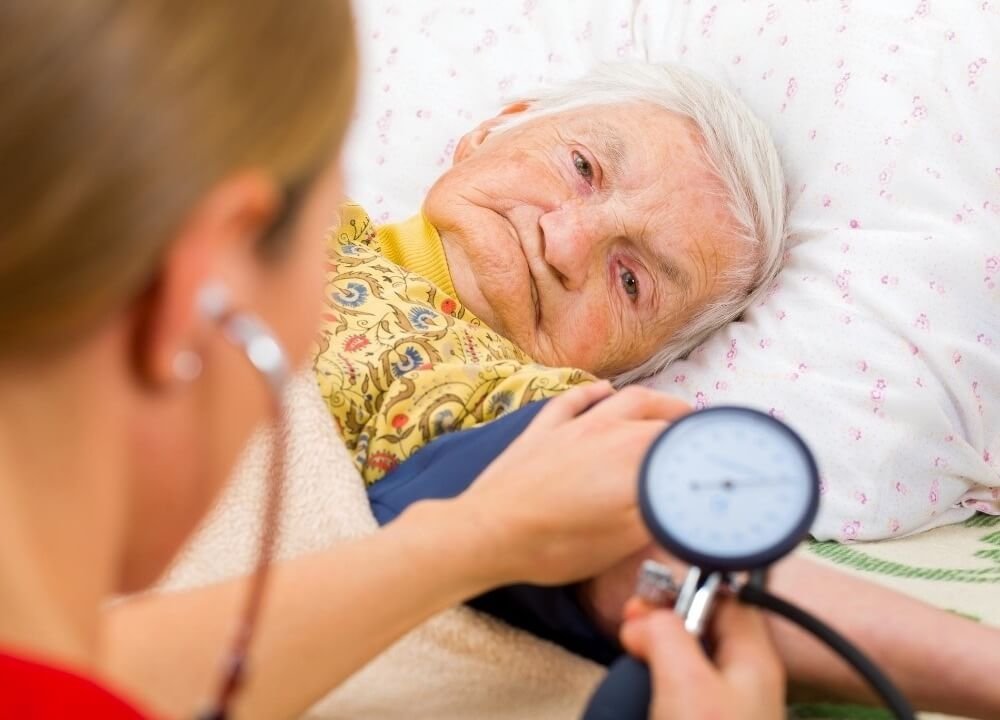
People with hypertension are at higher risk
people with hypertension are at higher risk for dementia
A study published by Oxford University Press in Cardiovascular Research also reports that persons who have hypertension are at a higher risk of getting dementia.

For the first time, the research also reveals that doctors can conduct an MRI to detect neurological damage for persons with high blood pressure before dementia symptoms occur.

Researchers came to this conclusion after subjecting individuals between the ages of 40-65 to undergo a 3 Tesla MRI scan at the Regional Excellent Hypertension Centre of the Italian Society of Hypertension of the I.R.C.C.S.

The participants of the study did not have a dementia diagnosis or any structural damage.

The subjects also underwent clinical examinations to know their hypertensive status as well as damage to the target organ.

They were also subjected to an MRI scan to identify any microstructural damage.

The results indicated that hypersensitive participants had major alternations in 3 specific white matter fiber tracts.

The group also scored worse in cognitive tests and decreased performances in memory, speed, and learning-related tasks.

This goes to show that it is possible to detect changes before a person starts showcasing symptoms. Medics can then offer medication that will prevent further deterioration in regard to brain function.

Hypertension medication and dementia
hypertension medication and dementia
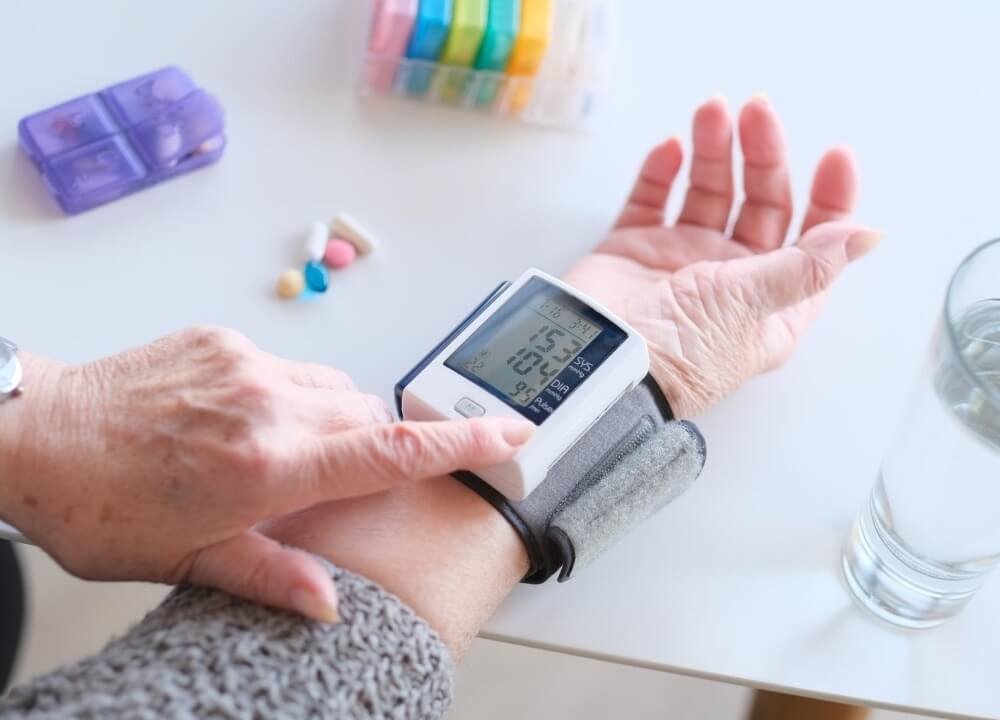
Another study worth mentioning about dementia and high blood pressure was conducted at the John Hopkins University.

Experts analyzed previously gathered data to report that persons taking hypertension medication were half as likely to end up with Alzheimer’s (the most common cause of dementia) when compared to the people who do not take the drugs.

Constantine Lyketsos, director of Memory and Alzheimer’s treatment at John Hopkins explained that people who do not have Alzheimer’s but are taking blood pressure drugs were less likely to develop dementia.

He went ahead to say that individuals who got dementia from Alzheimer’s and were taking specific antihypertensives were likely to experience slow or halt progress.

He concluded that it was still not clear where this connection arises.

It can either be from better management of blood pressure or some medications that may have some properties that interfere with some of the processes that relate to Alzheimer’s.

Women with high blood pressure are more like to get dementia
women with high blood pressure are more like to get dementia
A sex-specific study reveals that women who experience hypertension in their 40’s are 73% more likely to get dementia later in life when compared to the ladies who did not have high blood pressure.

This was in a bid to determine how dementia strikes women and men differently.

Experts who conducted the study said they adjusted the results for other risk factors that can also lead to dementia including diabetes, smoking, and obesity which held true for all races.

This, however, was not the same case for men even though hypertension was more common among the male fraternity. The study that was published in the American Academy of Neurology journal observed more than 7,000 individuals.

The participants went through blood pressure checks at the age of 33 and again at 44 in the 60s and 70s. Researchers began to follow up to see the persons who developed dementia in 1996.

The results indicated that ladies who had hypertension in their 30’s did not have a higher dementia risk as compared to those with high blood pressure in their 40’s.

How Hypertension Affects the Brain

how hypertension affects the brain
There are several ways high blood pressure affects the function of the brain. One of them is that over time, hypertension causes strain on the arteries.

This makes the artery walls become stiffer, thicker, and narrower a condition known as arteriosclerosis.

When this happens, the brain is deprived of important oxygen and nutrients which results in damaged brain cells that negatively affect the functioning of the brain.

Hypertension is also one of the major stroke risk factors.

One of the major reasons that cause strokes is the blockage of arteries in the brain which is usually a result of hardening arteries.

A stroke can also occur when an artery in the brain burst causing bleeding in the organ. Strokes can result in post-stroke or stroke-related vascular dementia.

When talking about dementia and high blood pressure, it is also important to mention that hypertension can damage small blood vessels in the brain.

This can affect the parts of the brain responsible for memory and thinking.

Closing Remarks

Even though the link between vascular dementia and high blood pressure is quite apparent, there is still no proof that lowering blood pressure can help to prevent the development of dementia.

More research needs to be done to identify the link between hypertension and dementia to see if anything can be done to prevent or treat dementia.

Migraine and Dementia: Is There a Link?

migraine and dementia

Research looking into the link between migraine and dementia reveals that migraines are among the top dementia risk-factors.

Migraines are a neurological disease that involves repetitive and severe headaches as well as other symptoms.

In some cases, there may be an aura which is a sensory change before the headache occurs. Migraines are not your typical headaches.

They can last for days and can affect an individual’s daily life including their ability to study or work.

The Migraine Research Foundation reports that the disease affects one billion people across the globe.

That makes it the 3rd most widespread disease in the world.

Are Migraines and Dementia Closely Related?

Dementia on the other hand is not a specific disease but a group of conditions that are characterized by impairment of brain functions like judgment and memory loss.

One of the reasons why researchers were interested in studying dementia and migraines is because both are common neurological diseases.

While dementia mostly affects seniors, migraines usually affect people of all ages.

One of the studies that support the idea that there is an association between migraine and dementia was published in the International Journal of Geriatric Psychiatry.

It explains that researchers talked to 679 seniors asking them about their migraine history. More than half of this group were women and none had a history of cognitive problems.

Are migraine sufferers more likely to develop one form of dementia?

are migraine sufferers more likely to develop one form of dementia
The average age of the subjects was 76. The experts pursued elderly individuals for 5 years and discovered that 51 of them had a positive dementia diagnosis.

Considering factors such as age and education, the researchers found that individuals with Alzheimer’s disease (AD) were over four times more likely to have had migraine attacks.

AD is one of the most common forms of dementia.

Suzanne L. Tyas a senior author of the study said that persons with migraines history were three times more likely to develop a kind of dementia and four times more as likely to develop Alzheimer’s.

The study, however, did not find a link between migraines and vascular dementia.

What affects migraines?

migraine and dementia
According to Rebecca Edelmaye, director of scientific engagement at the Alzheimer’s Association, the link between migraine and dementia is advanced by the fact that migraines affect the lifestyle decisions of a person.

This includes not eating a healthy diet, poor sleep, reduced social/cognitive stimulation, and not being active.

These factors have very much in common with those known to increase the risk of dementia.

Previous research had found connections between dementia risk and migraines. Scientists have, however, not yet pinpointed the exact link between the two diseases.

Many suspect that it has a lot to do with vascular risk factors like diabetes and hypertension. On record, these are potential dementia risk factors.

Research also reveals that long-term migraines can alter the structure of the brain resulting in some destructive effects.

A study published in Neurology in 2013 examined the contribution of migraines to structural changes in the brain including volumetric changes in white and gray matter, white matter abnormalities, and infract-like lesions.

Experts in this study were looking for solid evidence and a better understanding of the relationship between migraine and dementia.

Implications of the Studies

implications of the studies
There are a couple of things that come up after the discovery that there is a link between migraine and dementia.

One of them is the fact that the research can help medics predict better the people who are at risk of this neurodegenerative disease.

This might also lead to early detection of the disease. This is an essential part of treatment according to the professionals.

Early detection is helpful because it means that affected individuals can start treatment as soon as possible. It can, in turn, enhance the effectiveness of the treatment therapies.

This can also empower persons with the illness and their loved ones to make the proper decisions at the right time.

There is also a chance that future research will better explain how migraines affect Alzheimer’s and other forms of dementia as well as how to ease the risk.

Stroke and Dementia: Is There A Link?

stroke and dementia

Several studies confirm that there is a link between stroke and dementia.

A stroke occurs when brain cells are damaged or die-off because the flow of blood to the organ is interrupted.

This kind of damage can lead to the development of dementia because it results in problems with thinking and memory.

Dementia is a group of symptoms that result in cognitive decline.

This includes problems with communication, memory, and concentration.

Statistics indicate that having a stroke doubles the risk of developing dementia.

Understanding Stroke and Dementia

The conclusion was made after a large-scale study led by The University of Exeter Medical School. Researchers analyzed data on stroke and dementia risk from over three million people from across the globe.

The experts were building on research that has been previously done but had not quantified the extent that stroke increases the risk of dementia.

The research analyzed 36 studies where 1.9 million subjects had a history of stroke.

They went ahead and also examined twelve more studies where the participants had a recent stroke during the period of the research adding 1.3 million people.

Stroke increases the risk of dementia by 70%

stroke increases the risk of dementia by 70%
Dr. ILianna Lourida who was part of the study from the university said that they discovered that a history of stroke increases the risk of dementia by about 70%.

Moreover, recent strokes increase the risk by more than double.

The link between dementia and stroke was prevalent even after the experts took into account other dementia risk factors like diabetes, cardiovascular disease, and blood pressure.

Findings from this study released strong evidence that having a stroke increases dementia risk significantly.

This was important given how common dementia and stroke are.

World Health Organization reports that 50 million people around the world have dementia and the number will continue to rise significantly.

Meanwhile, 15 million individuals experience strokes yearly.

The study on stroke and dementia is also useful because it can help with the prevention or treatment of dementia.

Dr. David Llewellyn who hails from the University of Exeter Medical School believes that about 1/3rd of the cases of dementia are preventable.

He reckons that protecting the supply of blood to the brain might help to reduce dementia cases.

The research was published in Alzheimer’s & Dementia: The Journal of The Alzheimer’s Association one of the top dementia journals.

What Type of Dementia are People with Stroke Likely to Get?

what type of dementia are people with stroke likely to get
When talking about stroke and dementia, it is important to note that a majority of people who suffer from stroke will end up developing vascular dementia.

This is one of the most common dementia types.

It is not to say that every person who has a stroke will end up with vascular dementia.

The risk may also depend on sex, age, family history, and severity and location of the stroke.

In addition to damaged brain cells, vascular dementia can also develop after an individual experiences a series of silent strokes.

These usually cause small areas of damage in the brain.

They are known as silent strokes because in most cases, the strokes are usually so small that a person may not even know when they are happening.

Worth mentioning is that it is possible to confuse vascular dementia with the effects of stroke.

Both medical conditions can cause issues with memory, mood, and thinking.

If a person with stroke experiences these problems and they do not improve but seem to get worse, it could be an indication that they have vascular dementia.

If caused by a single stroke, the symptoms of vascular dementia can appear suddenly.

They tend to appear gradually if the symptoms are caused by silent strokes. In the absence of dementia, these symptoms will improve after some time.

Experts also believe that stroke can cause dementia at any age. As people grow older, their risk of stroke and dementia increases.

Nowadays, however, stroke risk factors are increasing even for younger adults.

The same case applies to dementia where individuals can start developing the neurodegenerative disease in their 40’s or younger.

How to Grow a Therapeutic Indoor Garden for Dementia

therapeutic indoor garden for dementia

The healing power of plants and nature has been realized for centuries. The last several decades of scientific research has yielded overwhelming evidence of its efficacy. In this article we look at the benefits of a therapeutic indoor garden for dementia.

Gardening, and interaction with live plants, is very beneficial to the physical, mental and social health of human beings.

It is one of the more effective natural remedies for dementia.

This is happy news for all humans, but it’s especially exciting for people with certain hard-to-treat health conditions, such as dementia.

Therapeutic Gardening for People With Dementia

While there is still no cure for most types of dementia, gardening has been proven to offer a very effective method of relieving some of dementia’s distressing symptoms including:

Furthermore, gardening and interaction with plants has been shown to improve the quality of life for people with dementia by:

  • Enhancing their general well-being
  • Improving their level of functioning
  • Reducing their use of psychotropic medication
  • Decreasing their incidence of serious falls

Interaction with plants benefits people with dementia

interaction with plants benefits people with dementia
Sensory stimulating interaction with plants has been determined to be therapeutic to people living with dementia.

Tactile stimulation, or touching live plants, has been shown to promote psychological feelings of relaxation along with a physiological calming response in the body.

Meanwhile, olfactory stimulation, or smelling certain natural aromas, has been proven to:

  • Enhance feelings of calm
  • Increase alertness
  • Improve mood
  • Stimulate memories

Visual stimulation, or viewing images of nature, has been shown in numerous studies to have these health-promoting effects:

  • Significantly increase feelings of comfort
  • Significantly increase feelings of relaxation
  • Reduce biochemicals related to stress

Listening to the gentle sounds of nature is well known to promote feelings of calm and offer these benefits:

  • Aid in stress recovery
  • Increase attention
  • Promote relaxation
  • Decrease feelings of anxiety
  • Reduce agitation

Many studies confirm that spending time outside in nature will create a wealth of positive effects on the health, happiness and well-being of people with dementia.

The science confirms these effects occur indoors as well.

Indoor gardening can bring about many desirable health outcomes

indoor gardening can bring about many desirable health outcomes
Indoor gardening can be especially effective when working with a certified horticulture therapist – but even without one, the benefits of simply interacting with plants can be profound.

A therapeutic indoor garden can be any size. Each garden is as unique as the individual for which it was created.

How to create a therapeutic indoor garden for someone with dementia

how to create a therapeutic indoor garden for someone with dementia
Ideally, you can start by selecting an assortment of sensory-stimulating plants. Look for colorful flowers, interesting foliage and pleasant aromas.

However, don’t worry if this isn’t possible or practical – even a single plant can be therapeutic. For some individuals, or in some circumstances, a single plant might be a better choice than a whole garden.

There aren’t too many rules or restrictions when it comes to indoor dementia gardens, but there are a few.

1. Plants and any additives should be non-toxic

plants and any additives should be non toxic
Double check every plant for toxicity before including it.

Many people don’t realize, for example, that poinsettias are poisonous. Lilies, ivy, philodendron, jade and oleander are other common poisonous houseplants, and there are many more.

There shouldn’t be much need for insecticides or other additives in an indoor garden.

If you apply fertilizer or any other substance, avoid a potential crisis by taking proper precautions.

  • Keep all chemicals or substances securely put away when not in use.
  • Read labels thoroughly to understand any potential dangers associated with anything you use.

Err on the safe side; assume that any part of every plant could be ingested and plan accordingly.

2. Avoid thorns, stickers and other sharp points or edges

avoid thorns stickers and other sharp points or edges
Avoid thorny roses, prickly cacti and other sharp plants that may cause injury or discomfort.

Also, be aware of sharp points or edges on the garden tools. It may be okay for an experienced gardener with dementia to use a familiar tool, even if it is sharp.

There is something extremely therapeutic about using familiar items!

However, depending on the person’s situation, it may not be safe or appropriate for them to use particular tools or items.

Use good judgment to determine the risks and benefits of the person using a potentially dangerous item.

Since people who have dementia often experience ups and downs from day to day, it’s possible that using an item could be unsafe one day but not the next.

Re-evaluate the safety of the situation daily or as needed.

In most cases, any sharp tools should be kept secured when unsupervised.

3. Expect interaction and recognize success

expect interaction and recognize success
Be sure to set up the garden so that the person can interact with it to the extent desired.

This may mean frequent handling, overwatering or other behavior that might actually not be in the best interest of the plants themselves.

If possible, select hardy plants that will tolerate the amount of care – or neglect – they are likely to receive.

Get creative to create success

If the person will be watering the plant or garden, find a small watering can that won’t get too heavy when full.

This can also keep flooding to a minimum if the person enjoys watering the plants frequently.

Another solution to potential over-watering could be to ensure plants have plenty of drainage. Elevate them with pebbles above extra-large drip-trays so they aren’t soaking in overflow.

Alternatively, it could be as simple as putting up a sign that says “Already Watered” – or finding plants that love lots of water!

Opting for a hydroponic system could be another solution.

Knowing the person and their needs, and then tailoring solutions accordingly will lead to the best successes.

It’s important to keep perspective on the goal of this garden: for the person to engage with it.

Don’t worry about imperfection if it would discourage the person with dementia from interacting with the garden.

If the person is engaging with the garden, it is a success!

if the person with dementia is engaging with the garden it is a success
There are many ways that a person with dementia can interact or engage with the garden.

Depending on their interests and abilities, any of the following activities may be very therapeutic engagement:

  • Choosing which plants, or types of plants, to grow
  • Sharing their opinions, experience or thoughts about the garden
  • Reminiscing about past gardening or plant experience
  • Using hands or a gardening spade to fill pots with soil
  • Planting seeds or starts
  • Watching the plants develop
  • Simply sitting near the indoor garden
  • Smelling, touching or looking at the fruit, flowers or foliage
  • Watering the plants
  • Deadheading flowers, harvesting, pruning or providing other care
  • Cutting flowers or arranging bouquets
  • Cooking or crafting with what they have grown
  • Picking the plants (even at “non-traditional” or “non-ideal” times)

Any other activity not listed above that allows the person to enjoy, experience or interact with the garden area or individual plants is also considered a success.

4. Find the right light

Find a suitable location to start a garden

A sunny south-facing window is perfect. If that’s not available, adding a grow light can help. Grow lights are designed to simulate sunlight. They can even enable plants to grow year-round.

Consider a countertop hydroponic system for simplicity and ease

Another alternative to consider may be a self-contained countertop hydroponic system. These systems are designed to make gardening extremely easy and successful.

“Hydroponic” means that the plants grow without soil – just water, light and nutrients. Basically, all that is required in many of these systems is to drop a seed into a designated area and then ensure that the device’s water reservoir is kept full.

They usually provide nutrient tablets to drop into the water every couple of weeks or so.

All in all, these systems tend to require very little work for a countertop full of fresh herbs, greens, strawberries, or other lush plant life.

Keep safety foremost in mind

If using a grow light or other electrical devices in a dementia garden, take extra care to be sure that any light bulbs or cords are handled safely.

Look for LED grow lights when possible, which emit less heat than their counterparts.

Be sure cords are kept well out of walkways. Taping them into place may be a good idea, depending on the particular set up.

5. Choose good plant candidates

choose good plant candidates
Select plants that are non-toxic and not sharp. If possible, find plants that stimulate the senses, memories or both.

Most of all, don’t worry too much about getting everything “right.” Just enjoy the experience, and ensure that the person with dementia does too.

That being said, the following is a list of some generally good candidates for an indoor dementia garden.

Lavender
  • This lovely flowering plant has a pleasant aroma and phytochemicals known to promote relaxation. It needs a lot of heat and light to thrive.
Herbs
  • Edible, aromatic and purposeful! Using herbs in cooking may even help to stimulate an appetite.
  • Basil likes its soil to be kept moist while oregano, thyme and rosemary prefer less frequent watering. All of these herbs enjoy warm sunny conditions.
  • Mint, parsley and chives fare well with lower levels of heat and sunlight.
Jasmine
  • This pretty vine boasts small white flowers with a strong sweet aroma that can easily fill a room. It can be grown indoors in a partly sunny location where temperatures remain on the cooler side. They prefer growing in moist soil on a trellis or support.
Lemon balm
  • Lemon balm has a strong sweet lemony aroma. It prefers lots of light and well-drained soil. It can be enjoyed as cuttings in a vase or bouquet. Moreover, lemon balm has long been prized for its medicinal properties. Among other things lemon balm is known for calming the mind, improving mood and enhancing cognitive function.
Spider plant
  • Appreciated by many for their ability to survive without much sun or attention, spider plants are among the easiest houseplants to grow.
African violet
  • African violets are popular houseplants due to their velvety leaves and pretty purple flowers. They can blossom year-round under the right conditions. They prefer indirect light and are sensitive to overwatering.
Hoya
  • Also known as a wax plant, honey plant or wax vine, hoyas are popular hanging or climbing houseplants. They are pretty, hardy and low maintenance. They tolerate various lighting conditions but grow best and produce flowers in bright light. Avoid overwatering.
Baby rubber plant
  • Another easy to grow houseplant, the baby rubber plant prefers moderate light and somewhat cooler temperatures. It doesn’t like to be overwatered, but it does appreciate humidity. Misting it regularly would make a good activity.
Lettuce, kale or salad greens
  • These grow quickly and easily in a sunny location.
Scallions
  • Also known as green onions, these aromatic plants grow quickly in bright sunlight. They take longer from seed, but can be regrown from kitchen scraps within days or weeks simply by placing the roots in water or soil. Cut off the green tops for cooking or eating and the plant will continue to grow.

There are countless more good choices of what to grow in your unique indoor dementia garden.

How will an indoor garden affect your loved one’s life?

how will an indoor garden affect your loved ones life
There are so many reasons to grow an indoor garden with, or for, someone with dementia.

Science has proven it with countless studies, but what really matters are the effects each individual sees in his or her own life.

Even if you have access to an outdoor garden, having plants indoors as well will only increase the therapeutic benefits.

So, let’s get growing!

Smoking and Dementia: Does Smoking Increase the Risk?

Older adult smoking a cigarette illustrating smoking and dementia risk

The relationship between smoking and dementia has been studied for many years. Today, the overall evidence is much clearer than it once was.

People who smoke have a higher risk of developing dementia than people who have never smoked. This includes an increased risk of both Alzheimer’s disease and vascular dementia.

Smoking does not mean that a person will definitely develop dementia. Dementia has many causes and risk factors, including age, genetics, cardiovascular health and lifestyle.

However, tobacco use is now recognized as one of the modifiable risk factors for dementia.

The World Health Organization’s 2026 guidelines on reducing the risk of cognitive decline and dementia include stopping tobacco use among the actions that can help reduce dementia risk.

The encouraging part is that quitting smoking provides health benefits at any age and appears to reduce dementia risk over time.

What Is the Link Between Smoking and Dementia?

Smoking affects many parts of the body that are also important for brain health.

Cigarette smoke contains thousands of chemicals. Smoking can damage blood vessels, contribute to cardiovascular disease, increase inflammation and expose cells to oxidative stress.

These effects are relevant because the brain depends on a healthy blood supply.

Damage to blood vessels can increase the risk of stroke and other vascular problems. These are closely associated with vascular dementia and can also contribute to cognitive decline.

Smoking is also associated with health conditions such as type 2 diabetes, heart disease and high blood pressure, which themselves can affect dementia risk.

For these reasons, the relationship between smoking and brain health involves several overlapping pathways rather than one single mechanism.

How Much Does Smoking Increase Dementia Risk?

Different studies have produced different estimates, so it is better not to attach one universal percentage to every smoker.

However, large reviews consistently show an increased risk.

A meta-analysis of 37 prospective studies found that current smokers had a higher risk of all-cause dementia, Alzheimer’s disease and vascular dementia than people who had never smoked.

In that analysis, current smoking was associated with approximately:

  • 30% higher risk of all-cause dementia
  • 40% higher risk of Alzheimer’s disease
  • 38% higher risk of vascular dementia

The researchers also found evidence of a dose-response relationship. For all-cause dementia, risk increased as cigarette consumption increased.

These figures describe associations across large groups of people. They cannot predict whether an individual smoker will or will not develop dementia.

research examining smoking and dementia risk

Why Can Smoking Increase Dementia Risk?

Researchers believe several mechanisms may contribute.

Damage to Blood Vessels

Smoking damages the cardiovascular system.

It can contribute to narrowing and stiffening of arteries, blood vessel damage and an increased risk of stroke.

This matters because vascular health and brain health are closely connected.

Poor blood flow or damage to small blood vessels in the brain can contribute to cognitive impairment and vascular dementia.

Cardiovascular disease is also associated with an increased risk of Alzheimer’s disease.

Oxidative Stress and Inflammation

Cigarette smoke contains substances that can increase oxidative stress.

Oxidative stress occurs when harmful molecules called free radicals overwhelm the body’s ability to neutralize them.

Smoking can also promote chronic inflammation.

Both oxidative stress and inflammatory processes are being investigated for their possible roles in neurodegenerative diseases, including Alzheimer’s disease.

This does not mean that inflammation alone causes dementia. Rather, it is one of several possible pathways through which long-term tobacco exposure may affect the brain.

Stroke and Cardiovascular Disease

Smoking is a major risk factor for cardiovascular disease and stroke.

A stroke can directly cause vascular dementia or contribute to cognitive decline, depending on which parts of the brain are affected.

Maintaining good heart and blood vessel health is therefore an important part of reducing overall dementia risk.

Does Quitting Smoking Reduce Dementia Risk?

This is one of the most encouraging findings in research on smoking and dementia.

Evidence suggests that dementia risk falls after a person stops smoking.

The Alzheimer’s Society states that former smokers do not appear to have the same increased dementia risk seen in current smokers, although the exact amount of time needed for risk to fall is not completely established.

A large prospective study published in 2025 followed more than 32,000 adults over many years.

Researchers found that people who quit smoking had a lower subsequent risk of dementia than those who continued smoking.

Dementia risk declined progressively with longer periods after quitting and, in this study, approached the level seen in never-smokers after approximately five to seven years.

This does not mean everyone will follow exactly that timeline.

Age, previous smoking exposure, cardiovascular health and other factors can all influence an individual’s risk.

The important message is that it is not too late to benefit from quitting smoking.

What About Second-Hand Smoke and Dementia?

second-hand cigarette smoke and possible effects on brain health

Second-hand smoke, also called passive smoking, exposes non-smokers to many of the harmful substances found in tobacco smoke.

There is strong evidence that second-hand smoke increases the risk of several diseases, including cardiovascular disease and stroke.

There is also evidence suggesting that long-term exposure may be associated with cognitive impairment and dementia.

A meta-analysis of cohort studies reported an association between second-hand smoke exposure and an increased risk of cognitive impairment.

The Alzheimer’s Society also notes that studies suggest passive smoking may increase dementia risk, particularly with greater exposure.

However, the evidence for second-hand smoke and dementia is not as extensive as the evidence concerning active smoking.

It is therefore more accurate to say that passive smoking may increase dementia risk rather than claiming that a precise increase has been proven.

Avoiding second-hand smoke is still sensible because of its well-established effects on cardiovascular, lung and overall health.

Can Nicotine Protect Against Dementia?

This is an area where discussions about smoking can become confusing.

Nicotine has effects on receptors in the brain, and researchers have investigated whether isolated nicotine or drugs targeting similar biological pathways might influence attention or cognition.

That does not mean cigarette smoking protects against dementia.
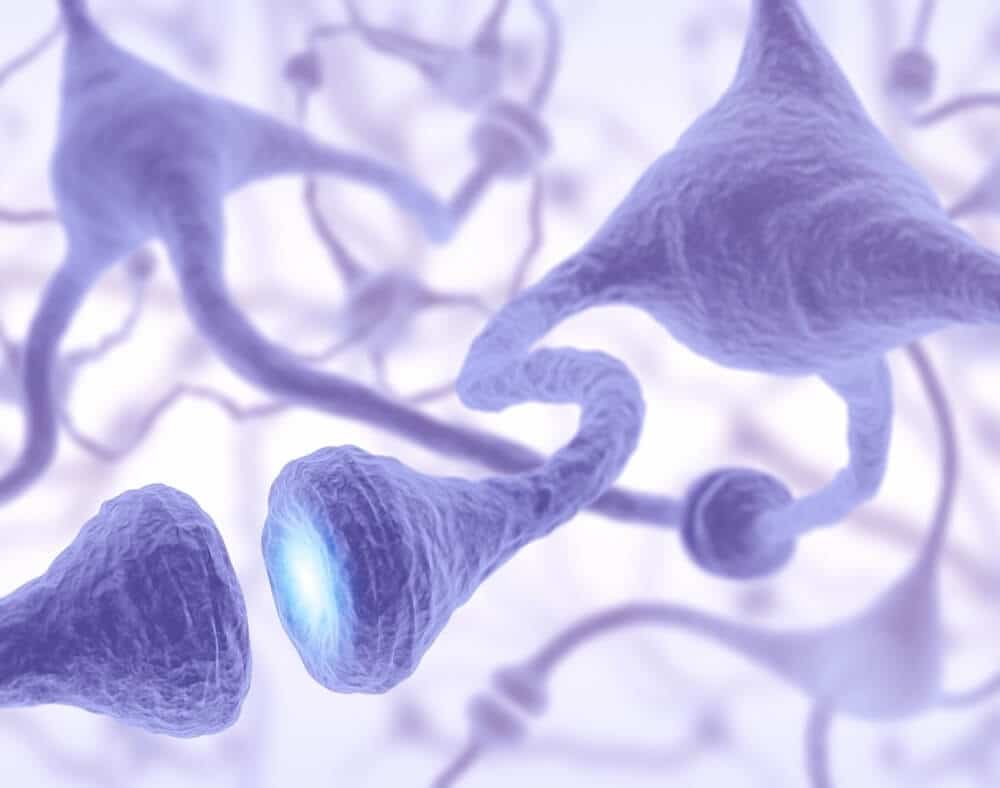
Smoking exposes the body not only to nicotine but also to a large mixture of toxic and carcinogenic substances.

Any possible short-term cognitive effects associated with nicotine do not outweigh the established harms of smoking.

People should therefore not start smoking, continue smoking or use tobacco in an attempt to protect their memory.

Research into nicotine as an isolated compound is fundamentally different from research into the health effects of cigarette smoking.

Why Have Some Older Studies Found No Link?

older research examining conflicting findings about smoking and dementia

Some individual studies have found little or no association between smoking and dementia.
This does not necessarily contradict the much larger body of evidence.

There are several reasons why research results can differ.

One important issue is known as competing mortality.

Smoking substantially increases the risk of premature death from conditions such as heart disease, lung disease, cancer and stroke.

Dementia becomes much more common at older ages.

This means some people who smoke heavily may die before reaching the age when dementia would otherwise become apparent.

If researchers study only people who survive into very old age, the surviving smokers may not represent smokers as a whole.

A 2025 Norwegian population study, for example, found current smoking was associated with increased dementia risk overall but not among people aged 85 and older. The researchers considered competing mortality a likely explanation.

Why Research on Smoking and Dementia Can Be Complicated

reasons research into smoking and dementia can produce different findings

Studying smoking over several decades is challenging.

Some of the reasons include:

  • Smoking habits change. A person may smoke heavily when younger, reduce their smoking later and eventually quit.
  • Accurate lifetime exposure can be difficult to measure. Studies often rely on participants remembering how much they smoked many years earlier.
  • Smoking is associated with other risk factors. Researchers must try to separate the effects of smoking from factors such as alcohol consumption, diet, physical activity and cardiovascular disease.
  • Premature death affects study results. Some smokers die before reaching the ages when dementia becomes most common.
  • Different types of dementia have different causes. Smoking may not influence every dementia in exactly the same way.

These difficulties explain why individual studies can sometimes appear contradictory.

Researchers therefore place more weight on systematic reviews, meta-analyses and the total body of evidence than on one isolated study.

Were Some Claims That Smoking Was Protective Influenced by the Tobacco Industry?

There is another historical issue worth mentioning.

Some early research appeared to suggest that smoking might protect against Alzheimer’s disease.

Researchers later examined whether financial or professional connections with the tobacco industry could have influenced some of these findings.

A 2010 analysis of studies on smoking and Alzheimer’s disease found that studies involving authors with tobacco-industry affiliations were more likely to report apparently protective results.

When researchers focused on studies without tobacco-industry affiliation and considered stronger study designs, smoking was associated with increased Alzheimer’s risk.

This history is one reason modern assessments rely on the overall evidence rather than older claims that smoking might somehow be protective.

Is Smoking a Modifiable Dementia Risk Factor?

Yes.

A modifiable risk factor is something that can potentially be changed, unlike factors such as age or inherited genes.

WHO’s updated 2026 dementia risk-reduction guidelines identify tobacco use as one of the factors that can be addressed as part of reducing the risk of cognitive decline and dementia.

Smoking is only one part of the picture.

Other potentially modifiable dementia risk factors include high blood pressure, diabetes, physical inactivity, harmful alcohol use, hearing loss and some aspects of cardiovascular health.

Reducing a risk factor does not guarantee that dementia will be prevented.

Instead, it may reduce the probability of developing dementia across a population and can provide substantial benefits for general health at the same time.

How Can Someone Stop Smoking?

Stopping smoking can be difficult because nicotine dependence is powerful.

People do not have to rely on willpower alone.

The World Health Organization’s tobacco cessation guideline recommends evidence-based support that can include behavioral counseling and, where appropriate, medications or nicotine-replacement therapy.

Options may include:

  • Speaking with a doctor, pharmacist or other healthcare professional
  • Behavioral counseling or structured quit-smoking support
  • Nicotine patches, gum, lozenges or other nicotine-replacement products
  • Prescription medications when medically appropriate
  • Telephone, online or community stop-smoking services

The most suitable approach depends on the individual, their health and their level of nicotine dependence.

Smoking and Dementia: The Bottom Line

The evidence on smoking and dementia no longer supports treating the subject as an evenly balanced debate.

Current smoking is associated with a higher risk of dementia, including Alzheimer’s disease and vascular dementia.

Smoking can damage blood vessels, increase stroke and cardiovascular risk, and contribute to inflammation and oxidative stress. These effects provide several possible pathways through which tobacco use may affect brain health.

Second-hand smoke may also increase cognitive and dementia risk, although the evidence is less certain than it is for active smoking.

Most importantly, people who stop smoking appear to have a lower dementia risk than those who continue.

There is no guaranteed way to prevent dementia, and people who have never smoked can still develop the condition.

However, quitting tobacco is one evidence-based step people can take to reduce a modifiable risk factor while also improving heart, lung and overall health.

Dementia and Head Injury Risk

dementia and head injury

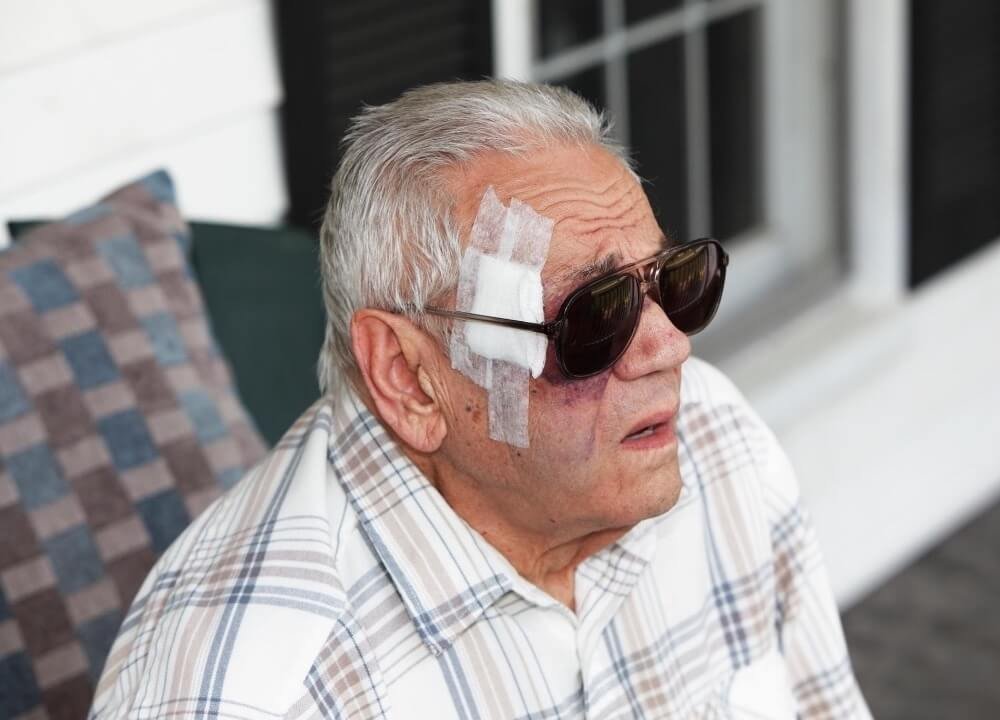
Numerous studies have been done to find out the connection between dementia and head injury.

This is after suspicion that TBI (traumatic brain injury) which is usually caused by head injury normally disrupts the normal functions of the brain which can affect someone’s cognitive abilities such as thinking and learning skills.

Can a head injury make dementia worse?

Keep in mind that it is not everyone who gets a head injury will end up developing dementia.

The immediate effect of a head injury can induce symptoms that people with dementia also exhibit.

These can include things memory loss, confusion, changes in speech, personality and vision.

They can go away quickly, last for years, or never clear up depending on the severity of the injury.

Causes of Head Injury

causes of head injury
Some of the most common causes of head injuries that can lead to traumatic brain injury include:

  • Car accidents
  • Being struck on the head by objects
  • Bullet wounds
  • Falls
  • Assault
  • Injuries that penetrate the brain and skull
  • Blast injuries, etc.

The above causes the brain to jolt violently in the brain.

Each of them normally has different outcomes for the people they impact.

Some types of TBI can increase the risk of developing various types of dementia including Alzheimer’s years after the injury took place.

Reasons Head Injury may Result in Increased Dementia Risk

reasons head injury may result in increased dementia risk
There are a couple of mechanisms that explain the link between dementia and head injury.

One of them is that brain injury is known to accelerate or induce the accumulation of abnormal proteins.

This then leads to the death of neurons that are associated with some dementia types like Alzheimer’s disease.

There is also a possibility that trauma leaves the brain more vulnerable to other types of injuries.

Research that has been done on Dementia and Head Injury

research that has been done on dementia and head injury
As mentioned earlier, researchers have been trying to uncover the link between head injury and increased dementia risk.

Below are examples of research that has been done on this course.

Umea University Study

A study done at the Umea University in Sweden confirms that traumatic brain injury is one of the dementia risk factors.

It was after observing over three million people aged 50 years and above. This was published on 30th January 2018 in the PLOS medical journal.

It indicated that the risk of dementia diagnosis was highest during the first 12 months after the injury.

During this period, individuals with traumatic injuries are 4-6 times likely to get a positive dementia diagnosis when compared to the ones who do not have a traumatic brain injury.

The study also concluded that a traumatic brain injury or a concussion can increase the risk of dementia even 3 decades later.

Another study published in the Journal of Neurology discovered that a history of traumatic brain injury may increase by two or more years the age of onset for cognitive impairment.

Other studies also had similar results indicating that traumatic brain injury causes a significant risk when it comes to cognitive decline in the elderly.

It is also associated with earlier onset of in people with Alzheimer’s disease and mild cognitive impairment.

Increased Risk in Boxers

Some research on dementia and head injury also reveals that boxers have an increased risk of chronic traumatic encephalopathy (CTE) which is a type of dementia.

CTE symptoms include confusion, memory loss, impulse control problems, impaired judgment, anxiety, aggression, suicidality, and progressive dementia.

The symptoms may show up after years or decades of traumatic brain injury.

This is mostly due to the number of rounds that the professional boxers rather than the times he or she was knocked out.

This implies that when someone suffers mild traumatic repeatedly, they are also at increased risk of getting dementia even when the injuries did not cause unconsciousness.

Researchers are yet to uncover whether CTE is likely to occur after several traumatic brain injuries, a large number of mild traumatic brain injuries, or some other forms of heard trauma patterns.

Brain Issues in other Professional Athletes

brain issues in other professional athletes
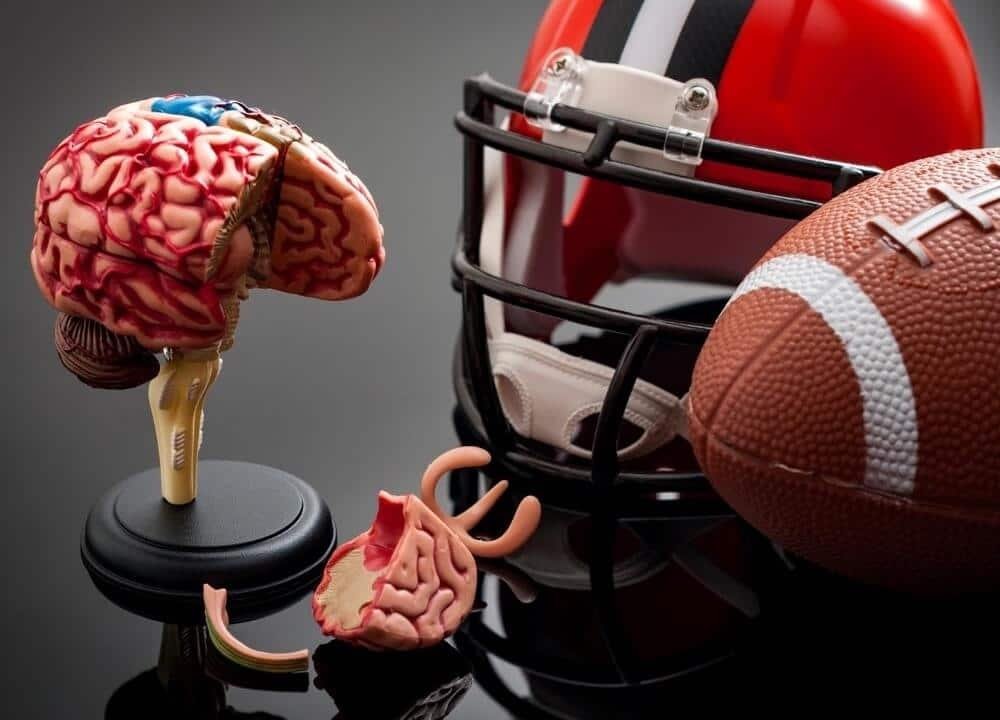
Several studies have also been done focusing on professional athletes including boxers, football players, and mixed martial arts fighters.

Most have found a connection to serious brain troubles later in life. These include dementia or CTE.

A UCSF study also reported that the risk of dementia doubles after a person suffers a concussion.

The researchers tracked over 330,000 veterans while trying to find the link between dementia and head injury.

After adjusting sex, age, education, race, and other health conditions, they stated that without loss of consciousness, people who had a concussion were 2.36 times likely to get dementia.

The number was higher for people who lost consciousness at 3.77 times higher.

The research focused on veterans and members of the general public and the findings were similar for both groups.

There is still no evidence that one mild traumatic brain injury can increase the risk of developing dementia.

Nonetheless, there is emerging evidence that states that repeated mild traumatic brain injuries lead to a greater risk of CTE.

Closing Thoughts

More research still needs to be done concerning dementia and head injury.

Scientists are working to establish the link between traumatic brain injury and the increased risk of dementia.

Based on the existing evidence, it is highly recommended that people protect their heads when participating in activities that can lead to head injury.

Dementia and Multiple Sclerosis – Is There A Link?

dementia and multiple sclerosis

Several studies have been conducted to investigate the link between dementia and multiple sclerosis.

Dementia is not a specific disease but a group of conditions that are characterized by impairment of various brain functions like judgment and memory loss amongst others.

Multiple Sclerosis (MS) can be described as a neurological condition where the immune system attacks the human body. This leads to a process known as demyelination.

Note that nerve cells are covered in myelin which is a fatty protective coating.

This allows messages to travel faster between the brain and nerve endings. Myelin sheath found on the nerve cells is damaged when demyelination happens.

This can cause damage to the nerve cells leading to a wide range of mental and physical symptoms. Sclerosis stands for lesions or scars that appear in the white matter section of the brain.

Comparison of Dementia and Multiple Sclerosis

MS affects individuals in different ways. Some will experience loss of coordination, weakness, paralysis, and neuropathic pain.

damaged nerve cells lead to mental and physical symptoms

Many people with MS will end up developing cognitive symptoms.

Cognition is how well memory works and the ability to think things through. It is also about how people maintain attention, focus, remember new things, learn, solve problems, use and understand language, reason, and carry out activities, etc.

Based on various studies with statistics varying depending on the type of study, experts estimate that about 40-60% of persons with MS experience cognitive impairment.

Another difference between dementia and multiple sclerosis is the age of diagnosis.

With dementia, many people will get the disease when they are older. This is different from MS because it mostly affects younger people.

Differences between Dementia and Multiple Sclerosis

differences between dementia and multiple sclerosis
One of the major differences between the two illnesses is the fact that brain damage in dementia is different from that of multiple sclerosis.

While some people with MS may showcase cognitive problems like slowed thinking, poor focus, and fuzzy memory, the symptoms are normally mild and do not affect daily life.

With dementia, everyone with the illness will have problems with their day-to-day lives.

Also, as the disease progresses, they may have to be fully dependent on caregivers for activities of daily life.

In most cases, multiple sclerosis will not hurt long-term memory or a person’s intelligence.

Experts also agree that MS does not majorly affect the ability to read or carry conversations. These are things that dementia changes.

Similarities between Dementia and Multiple Sclerosis

similarities between dementia and multiple sclerosis
It is common for people with dementia to have communication problems.

In the beginning, they may have trouble understanding what people are saying.

They may also have a hard time using the right words to complete sentences; thus, making it hard to have conversations with others.

This also happens to people who have multiple sclerosis especially the ones who develop cognitive issues like blurred thinking.

This is where they will have challenges with finding the right words to say. They may also forget tasks they have already done or the things they need to do.

A high percentage also struggle to set priorities or plan ahead.

Many will likewise have challenges with concentrating especially when two things are happening at the same time.

Some people with MS may also experience emotional problems such as personality changes and mood swings which is common with persons with dementia.

Closing Thoughts

There is little known information about the coexistence of multiple sclerosis with other diseases of aging like dementia.

More research needs to be done in regards to the link between dementia and multiple sclerosis.

Anyone who has dementia and they suspect they have cognitive impairment should consult their doctor as soon as possible so that the professional can identify the best treatment options.

How to Deal with Dementia and Insomnia

dementia and insomnia

Many seniors end up suffering from both dementia and insomnia at some point in their lives.

Insomnia affects about 20%-35% of persons who have dementia.

It can be described as a sleeping disorder that causes people to have trouble falling or staying asleep.

The condition can come and go and it can also be chronic or acute.

Acute or short-term insomnia lasts from a single night to a few weeks.

Long-term or chronic insomnia can go on for a minimum of three nights every week to three months or more.

Managing Dementia and Insomnia

Lack of proper sleep often leads to reduced functioning during the day and can also lead to increased health problems that may reduce the quality of life.

Not getting enough sleep can also make dementia worse.

This not only causes strain on ill individuals but caregivers as well. It is not uncommon for persons with dementia to experience early institutionalization because of insomnia.

When caring for a person who has dementia and is experiencing insomnia as well, there are a few tips you can use to manage sleep problems, which we cover in detail below.

Treating Any Underlying Conditions

treating any underlying conditions
A person with dementia can experience sleep problems because of some untreated ailments or pain.

Some medical conditions like sleep apnea, depression, or restless leg syndrome can be the cause of sleep issues.

Visiting a doctor as soon as you spot the signs of insomnia can help treat such conditions or alleviate pain to help individuals with dementia enjoy a good night’s sleep.

If you want to know whether a person has sleep apnea, you can watch them as they sleep.

Most people with this condition will stop breathing momentarily because it causes them to pause while breathing.

An individual with restless leg syndrome will twitch or move their legs uncontrollably. Some individuals may experience burning, tingling, or fizzing sensations in the legs.

Avoid Over-Sleeping During the Day

avoid over sleeping during the day
One of the reasons why a person with dementia may not sleep well at night is because they sleep too much during the day making it hard to get some shut-eye at night.

For this reason, it is important to ensure that the individual with the neurodegenerative disease does not spend most of their days sleeping.

While it is okay for a person to take short naps during the day, they should not end up sleeping for hours.

These should only last 30 minutes to an hour.

This means that you have to come up with fun and engaging stuff for the suffering person.

Encouraging physical activity is also important as this promotes better sleep thanks to a better flow of blood in the body.

It will keep them occupied during the day so that they do not resort to sleeping even when they do not have to.

Keeping a person busy during the day also means that they will be tired by the time the sunsets.

This is something that can help them fall asleep faster because their bodies will be craving some relaxation.

Stay Away from Stimulants before Bedtime

stay away from stimulants before bedtime
Nicotine, caffeine, and alcohol are some of the things that can interfere with sleep.

To manage dementia and insomnia, limit or completely avoid these substances when a person is about to retire to bed.

Effects of caffeine can last many hours; thus, end up interfering with sleep. This substance can lead to frequent awakenings, or challenges initiating sleep.

Although alcohol can offer a sedative effect after a few hours of consumption, it is not advisable to take it at night because it often results in arousals as well as a non-restful night’s sleep.

It is also recommended that you keep away from stimulates during those wakefulness periods at night.

These include things such as engaging in conversations, reading books, or keeping the TV or radio on.

Using Light Therapy

using light therapy for dementia
Many people agree that exposure to light therapy especially during the daytime can help maintain the circadian rhythm.

The main source of this light is ideally the sun.

Take the person with dementia outside, and when the sun sets, the body will know that time for sleeping is around the corner.

If the sun is not an option, you can use some special lamps that are designed to emulate light from the sun.

Several studies reveal that light therapy is most beneficial for people with mild to moderate dementia.

Creating an Ideal Sleeping Environment

creating an ideal sleeping environment for dementia
A person’s sleeping area can end up affecting the quality of sleep.

You want to make sure that the person with dementia and insomnia gets a comfortable place to sleep every night.

Some of the things that can help with the creation of a great sleeping place include:

  • Where possible, make sure that the individual with dementia only uses their bedroom to sleep or for intimacy. They should move from the room when they wake and not have any meals there. This way, they will associate the specific room with sleeping.
  • At night the bedroom should remain quiet and relatively dark. Blackout curtains are a great option for eliminating disturbances coming from outside. Persons who insist on sleeping with lights can use low levels ones. If there is noise from the surrounding areas, white noise can help with masking it out. Some experts state that using lights with violet colors helps to induce drowsiness.
  • The temperatures inside the bedroom also need to remain at comfortable levels.
  • Beds should be well made and comfortable. Remember to change sheets, pillows, and comforters. You can also invest in special pillows and mattress pads that work for the specific sleeper.
  • Keeping the room safe may also help. You can re-enforce safety by using the appropriate window and door locks. Motion detectors and door sensors can also be used to alert caregivers when a person starts wandering.
  • You can consider placing a clock next to the bed that shows a person whether it is day or night.
  • A person with dementia can try and take a hot shower or bath before bedtime. For some people taking warm milk or cuddling with their favorite soft toy can help with relaxing before sleeping.

Create and Maintain Schedules

create and maintain schedules
Regular routines can help people with dementia sleep better.

Encourage the individual with dementia and insomnia to go to bed and wake up around the same time every day.

A consistent sleep schedule can enhance circadian rhythm to help persons with dementia not only sleep faster but also have better quality sleep.

It can also help to maintain regular meal schedules.

Take Steps towards Reducing Stress

take steps towards reducing stress for dementia
People with dementia are likely to experience stress that can make them suffer from insomnia.

As a caregiver, you can try the following tips to help the person with the neurodegenerative illness reduce stress and probably sleep better.

Let the weak person enjoy some alone time as they engage in the things they love to have a bit of fun and forget about their troubles for a while.

It can be anything from doing hobbies like knitting, playing music, watching movies, and so forth.

They can also socialize with their loved ones as they catch up and make each other laugh one of the best ways to relieve stress.

Help the person talk about their expectations. If some are unrealistic, find a soothing way to tell them that they have to accept that some things cannot be changed.

Although the person may shy away from support, try and give them as much as you can without forcing it so that you can reduce and finally eliminate the harmful effects of stress on the body and mind.

Eating a Healthy Diet

eating a healthy diet
A well-balanced and nutritious diet is important for everyone, more so, individuals with dementia.

When it comes to mealtimes, make sure that persons with the illness do not take heavy meals and processed foods just before bedtime.

If possible they should take their last meals at 6:00 PM. Anything a person eats after this should be low in carbs and sugar.

Experts state that eating some foods around bedtime can help induce sleep.

For instance, calcium is known to help in the production of a natural hormone called melatonin that is responsible for inducing sleepiness.

This means that a person can have a glass of milk before they go to bed.

Oatmeal is another option to consider.

Using Medicine

using medicine
Most of the time, it is recommended that you try and use natural therapies when dealing with dementia and insomnia. Sadly, this may not work for everyone.

In such cases, it is important to consult a doctor who can prescribe drugs that can help with insomnia.

Sedatives, sleeping pills, and tranquilizers are examples of medications that a person can take to help with the situation.

Some doctors may even recommend the use of sleep aids that come with some kind of sedating antihistamine.

Keep in mind that there are some drugs a person may be taking that could be responsible for sleep problems.

The doctor should replace these as soon as possible with alternatives that will not negatively affect a person’s sleep.

Dementia Risk Factors: Will You Get It?

dementia risk factors

It is essential to understand what dementia risk factors are the most common and what to do about them.

Everyone should carefully review them, as they can help with improving your overall life and health and possibly avoid or postpone the deadly disease.

Dementia Risk Factors and Prevention

WHO (World Health Organization) estimates worldwide, 50 million people have dementia and there are approximately 10 million new cases diagnosed each year.

With such a staggering statistic, understanding the risk factors and becoming educated may lower your chances of developing the condition.

What is Dementia Exactly?

what is dementia exactly
Dementia is an umbrella term used to categorize certain symptoms associated with abnormal brain changes such as memory loss and poor judgment.

The condition itself is not reversible and there is not yet a cure.

It is important to clarify dementia is a serious condition, and not a disease of senility or considered to be a normal part of aging.

The causes are related to damaged brain cells that impair cognitive function impacting the ability to perform daily activities such as:

  • Paying bills
  • Driving
  • Using the bathroom
  • Cooking
  • Taking medications
  • Communicating
  • Self-Care Practices

How is Dementia Diagnosed?

how is dementia diagnosed
There isn’t a single test administered to diagnose dementia. Rather, a clinical assessment is made to determine the ability to perform cognitive skills needed for independent living.

Types of Dementia

  • Alzheimer’s Disease is the most common form of dementia and makes up about 60-80% of all cases. progressive brain disease that affects approximately 5.2 Americans and the most common cause of dementia.
  • Vascular Dementia is the second most common and is also referred to as multi-infarct dementia. It is defined as brain damage caused by multiple strokes (blocked blood vessels which deprive the brain of oxygen). This type of dementia falls into a subcategory of brain diseases called FTLD or Frontotemporal Lobar Degeneration.
  • Dementia with Lewy Bodies is a type of dementia that has distinct physical symptoms such as body stiffness, tremors, insomnia, and visual hallucinations.
  • Mixed Dementia is usually diagnosed at death. It occurs when there are multiple causes impairing brain function. At autopsy, the biomarkers typically reveal blocked blood vessels and a buildup of tau protein thereby confirming dementia as a diagnosis.

Dementia Risk Factors Explained

dementia risk factors explained

Alcohol

Medical experts state that excessive alcohol consumption over a long period of time can lead to a host of chronic health conditions including dementia.

Several studies have examined how alcohol impacts brain health.

A study in 2018 discovered alcohol holds potential to inhibits the body’s natural ability to clear amyloid plaque in the brain.

This explains excessive alcohol consumption as a potential risk factor for dementia.

Depression and Isolation

A major study conducted at Florida State University confirmed loneliness as one of the risk factors for dementia. They compiled data over a period of 10 years from approximately 12,000 participants.

The study results cited a 40% increase for risk for dementia as a direct effect of loneliness and depression.

Diabetes

Type 2 Diabetes poses serious vascular-related health risks, including dementia. Diabetes damages the blood vessels and causes nerve cell death which leads to further degenerative conditions.

Furthermore, research has concluded that Alzheimer’s patients don’t use glucose properly.

The receptors that communicate how to use insulin fail thus complicating blood sugar management. The lack of oxygen also creates a challenge for effective cell communication.

Obesity

Research has concluded that being “fat” is a big risk factor associated with dementia.

The reason is that being overweight negatively impacts our vascular health.

Adipose (fat) tissues have the potential to cause narrowing within the arteries leading to heart attack or stroke.

Additionally, it can affect the way oxygen is used and transported to important areas of the brain causing irreversible damage.

Smoking

Smoking directly affects vascular health. This translates to challenges in blood pressure, heart function, and breathing, increasing the risk for stroke or heart attack.

The relationship between stroke as a vascular dementia risk factor is very high due to the lack of oxygen to the brain.

The lack of oxygen to the brain creates unseen damage affecting logical thought, memory, judgment, and behavior.

Hearing Loss

The exact relationship between hearing loss and dementia is still being explored.

Researchers conclude dementia is worsened by the loss of hearing. They also indicate in some cases; hearing loss is misdiagnosed as dementia.

Studies also cite the risk for developing dementia doubles in individuals with minor hearing loss, and triples in those with moderate loss.

Sleep Apnea

Research has shown that irregular breathing patterns seen in sleep apnea patients can cause a buildup of beta-amyloid plaques. These disease-related proteins are the major biomarkers represented in Alzheimer’s cases.

NIH has specified untreated Obstructive Sleep Apnea or OSA as a risk factor for dementia due to compromised oxygen intake and stress on the body.

Sitting for Long Periods of Time

Medical experts agree have always known the lack of physical activity can lead to many health complications.

Engaging in a consistent exercise regimen tops the list of things you can do to avoid the risk of dementia.

A clinical study conducted at UCLA concluded that sitting for long periods of time reduces the thickness in certain areas of the brain that forms new memories.

How To Lessen Your Risk Factors for Dementia?

what are some of the things you can do to lessen your risk factors for dementia
By educating yourself and partnering with your medical doctor, you can help to lessen your risk for dementia and other chronic diseases.

Top medical experts recommend the following self-care practices to stay healthy and reduce your personal risk for developing dementia.

  • Find a way to incorporate exercise into your daily life.
  • Consume nutrient-dense foods whenever possible. Experts advise adopting a Mediterranean style diet to ward off dementia and other chronic health conditions.
  • Enjoy time with friends and family. Socialize and keep your brain active with stimulating activities such as board games, cards, or reading. A study indicates the risk of board game players is 15% less than that of non-board players.
  • Manage your weight and stay within the recommended guidelines for blood pressure, BMI, cholesterol, and blood sugars.
  • Get treatment for any sleep disorders, if necessary. There are many modern treatment solutions available for sleep apnea.
  • If you are showing signs of depression, please reach out to a medical professional for treatment.

Conclusion

Healthcare management cites dementia as a leading cause of disability and care dependence.

Additionally, the projections for dementia cases worldwide are slated to be at 131 million affected persons by the year 2050.

With an ever-pressing need for answers, the research community is committed to finding improved treatment solutions for Alzheimer’s Disease and other dementia-related conditions.

Clinical study participation and improved technology assist scientists to better understand the complex actions of the brain.

They also serve to develop new drug therapies and to identify new possible risk factors associated with dementia.

Cognitive Tests for Dementia: 8 Tests Explained

Cognitive tests for dementia and memory assessment

There are several cognitive tests for dementia that healthcare professionals can use when someone is experiencing changes in memory, thinking, language or other cognitive abilities.

Often, the first signs are noticed by the person themselves or by a family member. They may become more forgetful, have difficulty following conversations, struggle with familiar tasks or show other changes in thinking and behavior.

Cognitive tests provide a more structured way to assess these concerns. Some can be completed in only a few minutes, while more detailed neuropsychological assessments may take several hours.

However, an important point is that no single cognitive test can diagnose dementia on its own. A diagnosis normally involves a broader medical evaluation that may include a health history, physical and neurological examination, medication review, laboratory tests and, in some cases, brain imaging such as MRI, CT or PET scans.

The Alzheimer’s Association recommends using cognitive screening tools to identify people who may need further evaluation rather than treating a screening score as a definitive diagnosis.

In this article, we look at eight cognitive tests and assessment methods that may be used when dementia or cognitive impairment is suspected.

Who Performs Cognitive Tests for Dementia?

Doctor administering cognitive tests for dementia

An initial cognitive assessment can often be performed by a primary care physician.

Depending on the person’s symptoms and circumstances, they may also be assessed by specialists such as neurologists, geriatricians, psychiatrists or psychologists and neuropsychologists.

The Alzheimer’s Association notes that referral to a specialist may be particularly helpful when the diagnosis is unclear, symptoms are unusual, dementia begins at a younger age, significant behavioral or psychiatric symptoms are present, or a second opinion is wanted.

Cognitive testing may be used as part of the process of determining whether someone has dementia or mild cognitive impairment. Tests may also be repeated at appropriate intervals to help healthcare professionals monitor changes in cognitive function.

8 Cognitive Tests for Dementia

Examples of cognitive tests for dementia and Alzheimer's disease

Different cognitive tests examine different aspects of thinking and memory.

They may assess areas such as memory, orientation, attention, language, executive function, visuospatial abilities and problem-solving.

The appropriate test depends on factors such as the person’s symptoms, age, language, education, medical history and the clinical setting.

1. Mini-Mental State Examination (MMSE)

The Mini-Mental State Examination, commonly known as the MMSE, is one of the best-known cognitive screening tests.

It examines areas including orientation, memory, attention, calculation, language and visuospatial ability.

The original MMSE is scored out of 30 points and usually takes only a few minutes to administer. A newer version, the MMSE-2, is also available in standard, brief and expanded forms.

The MMSE and MMSE-2 are professional assessment instruments. Unlike some cognitive screening tools, they are commercially published rather than freely available for unrestricted online use. More information is available from the official MMSE-2 publisher.

A person’s score should not be interpreted in isolation. Factors such as age, education, language, hearing, vision and other medical conditions can influence cognitive test performance.

2. Montreal Cognitive Assessment (MoCA)

The Montreal Cognitive Assessment, or MoCA, is another widely used cognitive screening tool.

The full MoCA is scored out of 30 and generally takes around 10 minutes to administer. It assesses several areas of cognition, including short-term memory, visuospatial abilities, executive function, attention, concentration, working memory, language and orientation.

The MoCA was developed particularly to help identify mild cognitive impairment and can detect difficulties that may not be obvious during a routine conversation or medical appointment.

Official information about the assessment is available from MoCA Cognition.

MoCA administration and scoring should follow the official instructions and applicable training requirements. A particular score should not be viewed as proof that someone does or does not have dementia.

3. Saint Louis University Mental Status Examination (SLUMS)

The Saint Louis University Mental Status Examination, usually shortened to SLUMS, is another cognitive screening assessment.

It evaluates areas such as orientation, memory, attention, calculation, executive function and visuospatial ability.

Saint Louis University describes SLUMS as a screening tool for mild cognitive impairment and dementia in adults aged 60 and older.

The university provides the assessment and professional guidance through its official SLU Mental Status Exam resource.

Importantly, Saint Louis University states that SLUMS results do not represent a clinical diagnosis. An abnormal result should be interpreted as part of a broader evaluation by a qualified healthcare professional.

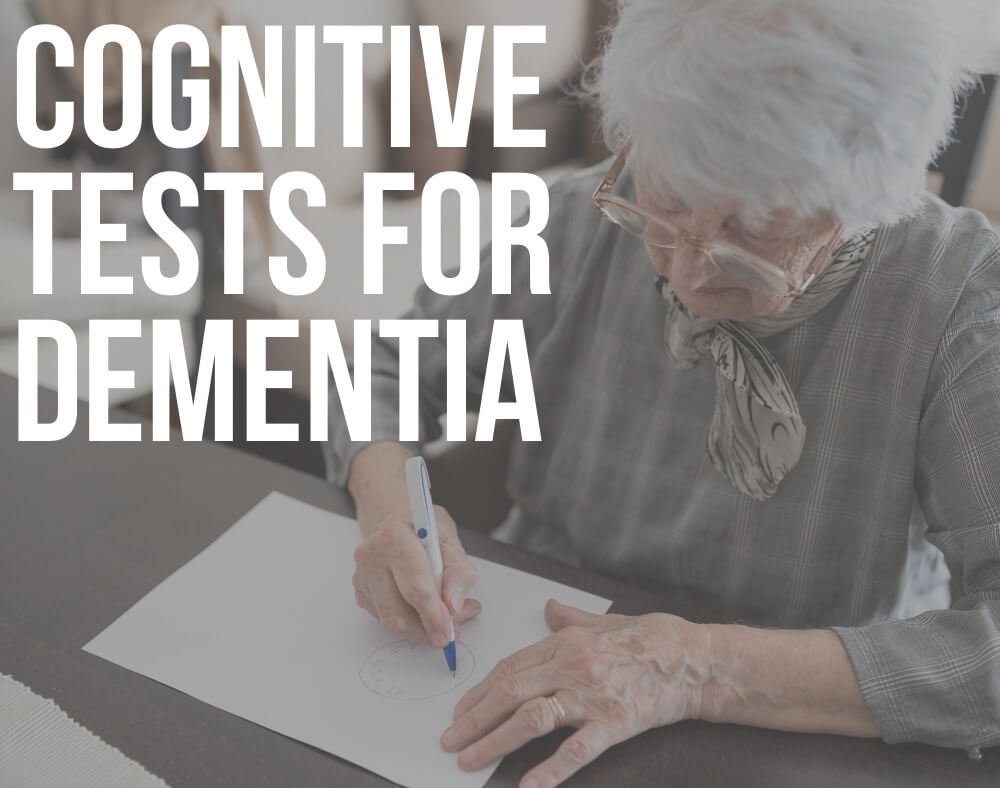
4. Clock Drawing Test

Clock drawing and other short cognitive screening tests

The Clock Drawing Test is a simple cognitive task commonly incorporated into other assessments.

A person may be asked to draw a clock face, place the numbers correctly and position the hands at a specified time.

Although the task looks simple, successful clock drawing requires several cognitive abilities working together. These can include visuospatial skills, planning, executive function, attention, comprehension and motor skills.

Difficulty completing a clock drawing can indicate that further assessment may be appropriate, but the result does not by itself diagnose dementia.

Clock drawing is also incorporated into screening tools including the Mini-Cog and SLUMS.

5. Mini-Cog

The Mini-Cog is a brief cognitive screening test designed to take approximately three minutes.

It combines two tasks: recalling three unrelated words and completing a clock drawing task.

The Mini-Cog is intended to help identify people who may have cognitive impairment and therefore require a more detailed assessment.

According to the official Mini-Cog resource, the test is a screening tool rather than a diagnostic test for dementia.

If the result suggests possible cognitive impairment, the next step is normally a more comprehensive medical and cognitive evaluation.

6. General Practitioner Assessment of Cognition (GPCOG)

The General Practitioner Assessment of Cognition, or GPCOG, is another brief screening tool commonly associated with primary care.

It includes questions and cognitive tasks for the patient and may also include questions for a family member, friend or other person who knows the patient well.

This can be particularly useful because changes in everyday function may be noticed by family members before they become obvious during a short medical appointment.

The Alzheimer’s Association includes GPCOG among brief cognitive assessment tools that may help determine whether a person needs a more complete dementia evaluation.

Like other screening tools, GPCOG is not intended to establish a dementia diagnosis by itself.

7. Addenbrooke’s Cognitive Examination-III (ACE-III)

The Addenbrooke’s Cognitive Examination-III, or ACE-III, is a more detailed clinician-administered cognitive screening assessment.

It evaluates several cognitive areas, including attention, memory, verbal fluency, language and visuospatial ability.

The ACE-III is used to assess cognitive function and can help support the clinical investigation of dementia.

The University of Sydney, which provides the current ACE-III resources, recommends that clinicians and researchers become familiar with the official administration and scoring procedures before using the assessment.

As with other cognitive tests for dementia, ACE-III results need to be considered alongside the person’s medical history, symptoms and other clinical findings.

8. Formal Neuropsychological Testing

Neuropsychological testing used in a dementia assessment

Formal neuropsychological testing is much more detailed than a brief cognitive screening test.

Rather than relying on one short questionnaire, a neuropsychologist may use a battery of assessments to examine areas including memory, attention, language, executive function, processing speed, judgment and visuospatial ability.

More comprehensive testing can be particularly helpful when symptoms are subtle, the diagnosis is uncertain or a person has cognitive concerns despite performing relatively well on a short screening test.

The Alzheimer’s Association notes that comprehensive cognitive testing is often performed by a neuropsychologist and may be used to examine executive function, judgment, attention and language in greater detail.

Specialist batteries may include assessments such as the Consortium to Establish a Registry for Alzheimer’s Disease Neuropsychological Battery, commonly known as CERAD-NP.

Neuropsychological evaluation can take considerably longer than brief screening tests and usually requires referral to a qualified professional.

It is not necessary for every person being evaluated for dementia, but it can provide valuable information in more complex cases.

Can Cognitive Tests for Dementia Diagnose Dementia?

No cognitive screening test should be used by itself to diagnose dementia.

A low score may indicate cognitive impairment, but there are many reasons why someone may perform poorly on a test. These can include depression, medication effects, hearing or vision difficulties, language differences, fatigue, anxiety and other medical conditions.

Likewise, performing well on a brief screening test does not necessarily rule out early or subtle cognitive problems.

The Alzheimer’s Association advises that people whose cognitive screening results raise concerns should receive further evaluation or be referred to an appropriate specialist.

A full dementia evaluation may consider:

  • the person’s symptoms and medical history
  • information from family members or caregivers
  • changes in everyday functioning
  • physical and neurological examination
  • medications and other health conditions
  • laboratory testing
  • cognitive assessment
  • brain imaging when appropriate

The combination of these findings helps the healthcare professional determine whether dementia or another condition may be responsible for the symptoms.

Can You Take a Dementia Test Online?

It can be tempting to take an online memory or dementia test when you are worried about yourself or someone close to you.

However, online or self-administered tests should not be treated as a substitute for a professional assessment.

The Alzheimer’s Association cautions against relying on home dementia screening tests because results can be misleading and may produce false positives.

If you or someone you know is experiencing persistent changes in memory or thinking, it is better to discuss the symptoms with a healthcare professional.

How Are Cognitive Test Results Interpreted?

Cognitive test scores need to be interpreted in context.

Healthcare professionals consider more than whether a score falls above or below a single number. Education, language, age, cultural background, sensory impairments and medical conditions can all influence performance.

Different tests also have different scoring systems and purposes.

For this reason, it is generally more useful to think of cognitive testing as one part of the diagnostic process rather than as a pass-or-fail dementia test.

When tests are repeated over time, clinicians may also look for meaningful changes in performance rather than relying only on a single result.

Closing Thoughts

There are many cognitive tests for dementia, ranging from brief screening tools such as the Mini-Cog to more detailed assessments performed by neuropsychologists.

Tests such as the MMSE, MoCA, SLUMS, clock drawing test, Mini-Cog, GPCOG and ACE-III can provide useful information about memory and other areas of cognitive function.

However, none should be considered a stand-alone dementia diagnosis.

If cognitive changes are affecting everyday life or causing concern, the most appropriate next step is to speak with a doctor. A healthcare professional can decide which cognitive assessment is appropriate and whether further testing or specialist referral is needed.

References and Further Reading

Alzheimer’s Association. Cognitive Screening and Assessment.

Alzheimer’s Association. Medical Tests for Diagnosing Alzheimer’s and Dementia.

Saint Louis University. SLU Mental Status Exam.

MoCA Cognition. Montreal Cognitive Assessment.

Mini-Cog. Cognitive Screening Resource.

University of Sydney. Addenbrooke’s Cognitive Examination-III.

Geldmacher DS, Whitehouse PJ. Evaluation of dementia. N Engl J Med. 1996;335:330.

Tsoi KK, Chan JY, Hirai HW, et al. Cognitive Tests to Detect Dementia: A Systematic Review and Meta-analysis. JAMA Intern Med. 2015;175:1450.