What to do During Rapid Decline in Dementia

rapid decline in dementia

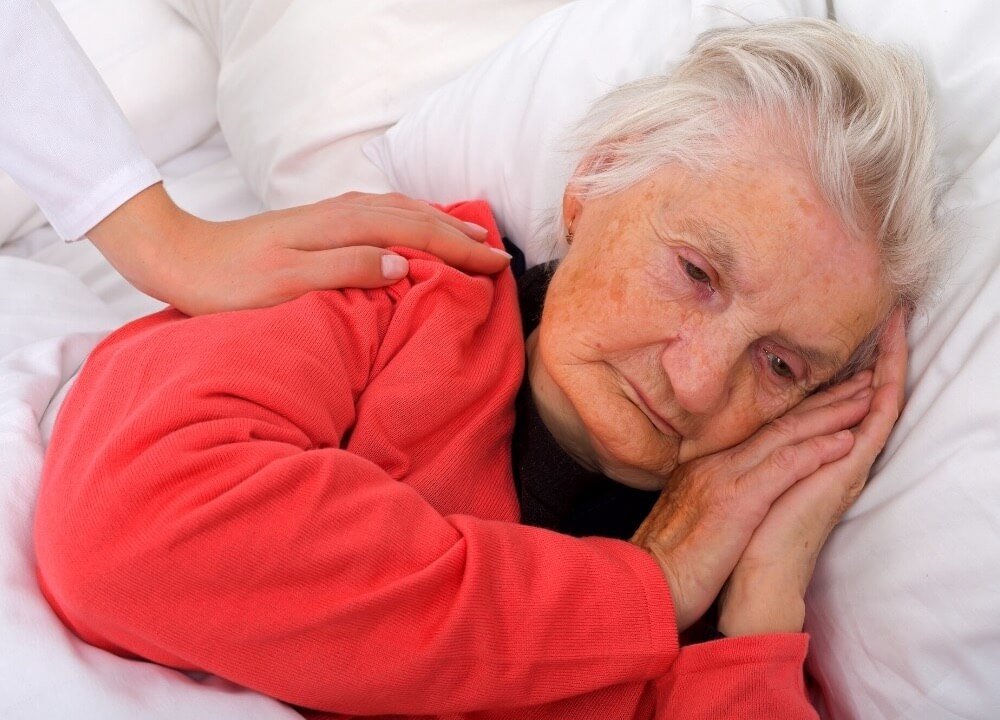
It is important to know how to act during the rapid decline in dementia to avoid the inconvenience.

Alzheimer’s disease and most other causes of dementia are gradually progressive conditions. Sudden or rapid changes in mood, behavior, confusion or ability to function almost always indicate that something else is going on.

Very often this is a medical concern.

Different Medical Conditions and Dementia Decline

Urinary Tract Infection

urinary tract infection
Urinary tract infections (UTIs) are very common among older women. Men can also get them, especially in the presence of a catheter or prostate issue.

Typical signs of a UTI include burning or discomfort with urination. People with dementia can have difficulty recognizing or communicating discomfort.

They may even deny it when asked.

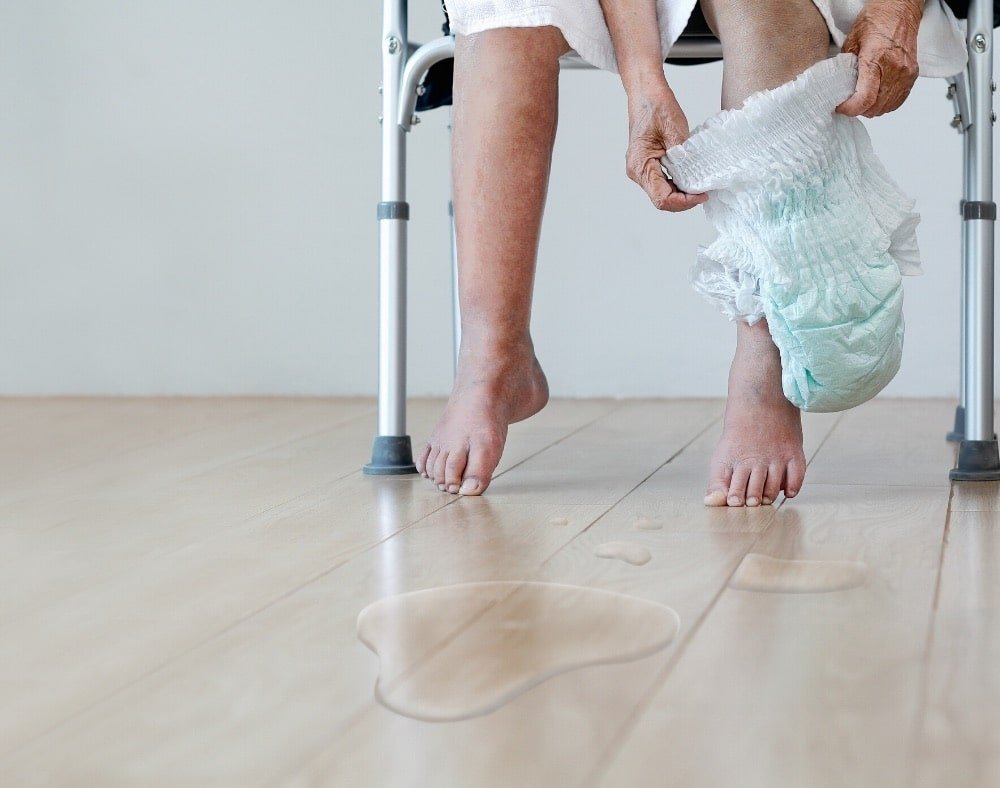
Look for signs such as dark or foul-smelling urine and changes in urination patterns, especially an increase in frequency or incontinence.

In some cases, the body can fight off a mild infection on its own, especially if fluid intake is increased.

If the symptoms worsen or persist beyond a couple of days the doctor should be contacted. A simple urine test can confirm an infection.

Dehydration

rapid decline in dementia
People with dementia tend to be at high risk for dehydration for a number of reasons.

They may forget to drink due to an altered sense of thirst. They may choose not to drink due to fear of urinary incontinence or bladder accidents.

Not to mention, they may have physical or cognitive difficulty obtaining drinks on their own.

In the later stages, it can become very difficult even to swallow.

People are at especially high risk if they take a “water pill” or diuretic medication that causes urination.

Coffee is a mild diuretic.

Some people take diuretic medication for fluid retention, swollen legs, blood pressure, heart conditions or other conditions.

Examples of diuretic medication include Lasix (furosemide), Demadex (torsemide), and Microzide (hydrochlorothiazide).

When people take diuretic medication they can easily become dehydrated, especially after a bout of diarrhea.

Dehydration leads to an electrolyte imbalance which can cause confusion, drowsiness, dry mouth, decreased urination and a rapid heart rate.

The doctor should be notified immediately for proper assessment and treatment.

Constipation

constipation
Older adults with dementia are often at high risk for constipation. Many seniors take a number of medications that can slow bowel function.

If they have difficulty moving around their risk for constipation is further increased as well.

Going a couple of days without moving one’s bowels can be very uncomfortable.

It can cause nausea, irritability and changes in appetite.

If the person with dementia has difficulty identifying the cause for his or her discomfort, he or she will usually communicate it behaviorally by getting cranky and irritable.

Going four or five days without a bowel movement is an urgent concern.

The stool grows harder and increasingly difficult to pass, and there exists a high risk for potentially life-threatening complications such as perforating the bowel.

A doctor should be consulted immediately.

Pain

pain
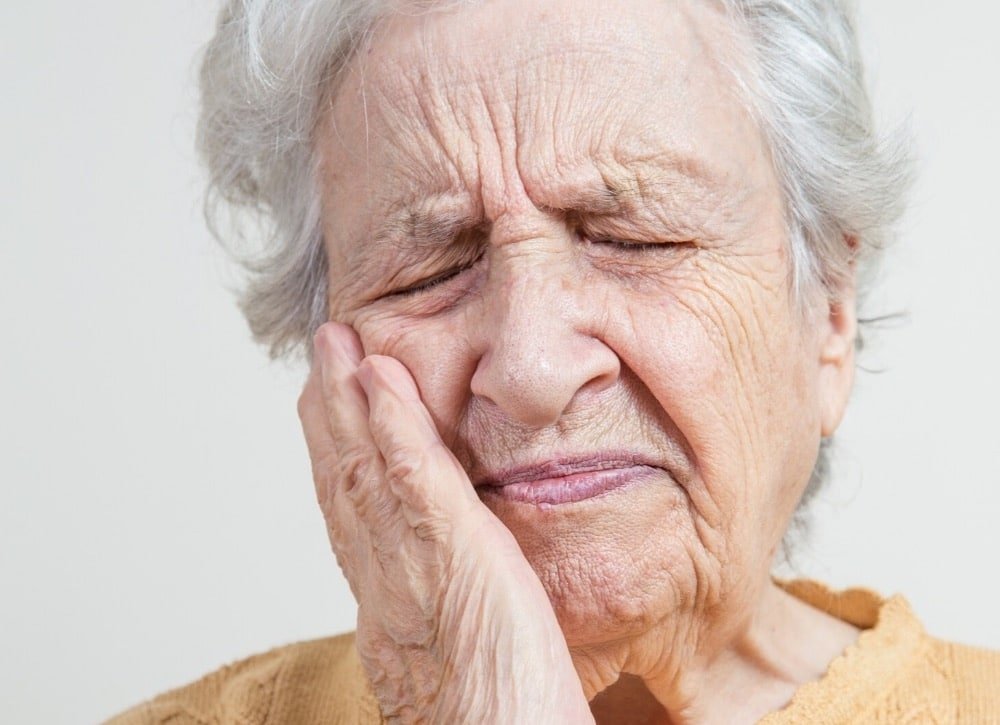
People with dementia experience pain as they always have or as anyone else does.

Dementia itself neither causes nor dulls the pain.

One key difference though is that in many cases the person with dementia can no longer recognize or communicate pain as they once could.

Another change is that they are often no longer able to treat pain on their own before it worsens. It is generally recognized that it is more effective to prevent pain than it is to “chase” it, or treat it once it has escalated.

When a person can no longer take medication, apply heat, change their position, or do what may be needed to address the pain in its early stages managing it starts to become more challenging.

Many family members tend to be under the impression that their loved one “used to have” chronic pain but no longer do. Because they no longer mention it, families assume it no longer bothers them.

A sudden increase in pain may be the result of a bump, fall, ingrown toenail, rash or skin infection, spontaneous compression fracture, or shoes that need replacement.

Whatever the cause, hurting takes a lot of energy. Pain is exhausting on its own, and it can also interfere with sleep.

With dementia, everything including thinking and basic functioning requires a great deal of energy.

Everything becomes increasingly difficult, and it becomes impossible to function at one’s best.

Sleeplessness

sleeplessness
It’s no secret that people don’t function well without proper sleep.

If a loved one with dementia is not sleeping well due to pain, illness, depression, nightmares or any other reason, they will not be able to function at their highest level.

When a brain can’t function well the result often includes changes in mood, emotional control, behavior, thinking, reasoning, or motor control.

The brain controls literally everything the person does, so everything is potentially affected.

Changes in medications

changes in medications
Medications tend to affect the elderly much more significantly than the general adult population.

They have different recommended dosing and there are many medications that are considered too dangerous to use in the elderly in most cases.

Furthermore, many elders take multiple medications, many of which affect each other. They may increase or decrease the potency of one another, or increase the risk of dangerous side effects.

To reduce the risk of medication interactions it is important to use only one doctor to the extent possible and to use only one pharmacy.

If a sudden change in behavior or condition occurs, consider whether there have been any recent changes in medication or dosages. Also, consider if the person may have accidentally taken too much or too little of what has been prescribed.

For example, might they have forgotten to take their medication, or might they have accidentally taken more than what was prescribed?

Other medical conditions

other medical conditions
Most people with dementia are over 65 and many have additional medical conditions. These may be acting up or newly onset. Uncontrolled blood sugars caused by diabetes, heart conditions, thyroid conditions, other infections or any other underlying medical condition may be to blame.

So, what to do when a loved one with dementia experiences a rapid change or decline?

It is always important to consult with the loved one’s doctor when any sudden change is noted in someone with dementia.

What Should I Bring to a Memory Care Facility?

what should i bring to a memory care facility

It can be hard to anticipate what will be needed when a loved one is planning a move to a memory care facility. There is just so much stress, so much emotion, and so much unknown.

Smooth the Experience Where Possible

It’s hard enough to make a move to a facility under any circumstances, but if the home must be completely vacated it can be especially stressful.

Some of the pressure can be alleviated by renting a storage unit for a few months until the person is more settled.

Jump straight to:

The overall experience can be made smoother by communicating well with facility management, having realistic expectations and planning ahead.

Plan ahead, yes, but don’t try to plan too tightly.

Flexibility is paramount in dementia care.

It should be expected that things will not always go as planned, and that needs and preferences will continually change throughout the course of the illness.

It’s impossible to predict exactly what will change or go awry, so just be prepared to roll with the punches as they present themselves.

What to Bring to a Memory Care Facility

Read on for a few things to consider when preparing for a move to memory care.

Furniture

which furniture to bring to a memory care facility

Check with facility management about which furniture, if any, will be provided and whether they have any suggestions regarding what to bring or leave behind.

The Bed

Some facilities will provide a bed and others won’t. If they do, find out what kind of bed and mattress to expect.

Connect with the staff to ensure everyone understands who will be providing and laundering bed linens.

Regardless of which bed is used, it is almost always advisable to bring a personal bedspread, quilt or blanket to use as a cover. This will increase familiarity in the room, so it usually should be an item the person already owns.

Be sure that the spread isn’t too big for the bed, which can create a tripping hazard. When downsizing beds, altering a favorite bedspread to fit the new bed safely can be a good option.

If the opportunity should come up it is worth considering a bed with adjustable head and foot position, even if it isn’t a current need.

As conditions change these features can really come in handy. Having them readily available may make a big difference down the road and may help to prevent a last-minute scramble to find one.

When deciding on which bed to bring to memory care consider the following points:

  • Does the person prefer a softer or firmer mattress?
  • Some mattresses are specially designed to reduce the risk of developing pressure sores. This may not be needed for everyone, but can make a big difference for some.
  • Thick or thin, firm or fluffy, most people sleep best with their own pillow – or at least their own favorite type of pillow.
  • It may be a good idea to bring one’s own bed when allowed if the specific bed is currently very important to the person. Usually, it’s not a big deal to people in the scope of everything, but to some, it matters tremendously. Be sure to verify that the bed fits in the room safely and can be transported through the doorway.

Armoire or Dresser

Many facilities have limited closet space, so an armoire or dresser can be a nice addition for some.

For many with dementia out of sight means out of mind. In some cases, it can be a good idea to keep certain items purposely out of sight.

In many cases, the person will be better able to maintain their independence if they can find items they need on their own.

For this reason, consider whether any of the following tips may be helpful:

  • Use a familiar dresser and keep the clothing arranged how they are accustomed to it.
  • Label each drawer with large print or simple pictures to identify what is inside.
  • Use furniture without a lot of separate compartments so that they can readily see their options.

There are furniture companies that make specialized furniture designed using these theories to help support people with dementia maintain their independence.

Don’t expect that the person’s closet or other belongings will be kept in order. Regardless of any effort to label or keep them organized, it just isn’t realistic to expect that they will stay that way.

It’s not useless; it still helps minimize disarray to do so, just don’t be disappointed when it’s not well kept up. There are just too many people, factors and variables involved.

Whether the person will rummage through their things on their own, or a confused neighbor will, or the well-meaning care staff will not share the same understanding of organizational principles, or they will encounter situations that are prioritized over putting away clothing neatly, or any number of other factors will prevent the organization from lasting more than a couple of days in a memory care closet.

It can help to pack up seasonal items and clothing and store them elsewhere to minimize clutter in the room. Ask the facility if they have any storage available for residents’ overflow or find an off-campus solution.

Other furniture

In addition to a bed and dresser, there may be enough room for an additional small or medium-sized piece of furniture. A favorite chair is often a good choice. Think about how and where the person currently spends their day.

The battered recliner may not look as attractive as another option, but if that is where they usually choose to sit it is likely to bring them the greatest comfort in their new home.

A desk, a computer, a sewing machine or similar items may be important to the person and so they could be good to bring along as space allows.

Often these items become more decorative than utilitarian but not only do they add familiarity to the room, they also reinforce the person’s sense of self. This is very valuable because the sense of self is constantly being eroded away by the disease.

Be sure to take any appropriate safety precautions.

  • Make sure to remove scissors, pins, needles, et cetera if needed.
  • Be sure that any sensitive financial information or access is removed from desks or computers.
  • Avoid rolling chairs, which can lead to falls.

Lamps

A floor or desk lamp can add a cozy glow and a comfortable homey feeling to a room. Be sure extra light bulbs are stored safely.

Decoration

decoration for memory care facility
Always keep in mind that anything brought into a memory care facility is at risk of becoming lost or damaged.

Don’t bring anything irreplaceable unless losing it is an acceptable outcome. Insure anything of value. Renter’s insurance is a good idea to maintain in memory care.

When selecting decor keep in mind that the main goals are:

  • Create and maintain a safe and homey environment
  • Maximize familiarity of the person’s new home
  • Reinforce the person’s sense of self
  • Facilitate connections between the person and others, namely staff or visitors

Safety

People with dementia typically experience an increase in confusion when they are in an unfamiliar environment. Until they acclimate to their new home they are at a heightened risk for falling.

This is especially concerning considering that many people with dementia are already at high risk for falls due to many factors including impulsivity, impaired safety awareness and altered spatial awareness.

Fall risk can be reduced by observing the following recommendations:

  • Avoid bringing too many items to memory care. Cluttered areas present a significant risk for tripping and falling.
  • Avoid area rugs, throw rugs and bath mats. These are huge tripping hazards and should generally be avoided at all costs.
  • Double check to ensure that electrical cords cannot accidentally end up anywhere they could cause somebody to stumble. Taping them into place may be advisable, and keep them well clear of walkways.

Many facilities have policies regarding extension cords and other potentially dangerous items. Be sure to check with facility management prior to bringing in items such as:

  • Extension cords or power strips
  • Electric heaters
  • Faux fireplaces
  • Electric blankets
  • Heating pads
  • Blades including pocket knifes, scissors, nail clippers, razors, et cetera
  • Other sharp objects such as letter openers, knitting needles, sewing needles

Familiarity

Being able to recognize familiar items or decor can ease the transition to the new environment.

People with dementia can function better and experience less disorientation and confusion in a familiar environment than an unfamiliar one.

Generally, it is advisable to create the most familiarity possible in the new environment. Use the same furniture, decor, and items and place them in similar arrangements to the extent possible and practical.

Consider what can be found in the person’s current home.

Do they have lots of family photos, artwork or plants? Which furniture do they use most frequently? Which daily morning, afternoon or evening routines are most important?

As they acclimate to the facility, and settle into this new chapter in their life, many of these things will change. Setting them up as similarly as possible to start can be helpful in the beginning.

Sense of Self

Decor is an excellent tool for reinforcing the sense of self. Consider which items evoke feelings of security, comfort, identity or pride in the individual.

For some, it may be a college degree or a special award. For others, it may be a photo of a workplace, home, or a particular accomplishment. Others may enjoy seeing a knitting basket full of yarn or quilts that they have created. Many find comfort in family photos.

Use caution with military memorabilia. For some, it may evoke positive feelings, but for others, it may have the opposite effect.

Opportunities for Connection

Decor is one of the best and quickest ways to introduce one’s self to staff and visitors without ever having to say a word. It gives people a way to instantly connect.

Use labels with basic details so that it doesn’t fall on the person to always remember and verbalize the information.

An example might be a world map marked with the places the person had visited or captioned photographs.

Photographs

Family photos are usually a safe bet and a frequent favorite.

Bear in mind that people with dementia sometimes regress in their orientation, and may believe at times that they are still a young adult or even a child.

They may believe that their children are still babies, not grown adults, and that their spouse, if they are married at all, is a young adult, not an elder.

In these cases, it is generally most effective and therapeutic to meet them where they are in the moment rather than try to continually reorient them.

If in their mind they are back in their childhood, pictures of their parents are often the most recognizable and comforting. Pictures of siblings, pets or the family home can also be welcome.

For some, it is helpful to bring a frame that shows labeled pictures of their children both as youngsters and as grown adults.

Other items

other items that a patient should not miss in a memory care facility

Clothing

How much to bring?

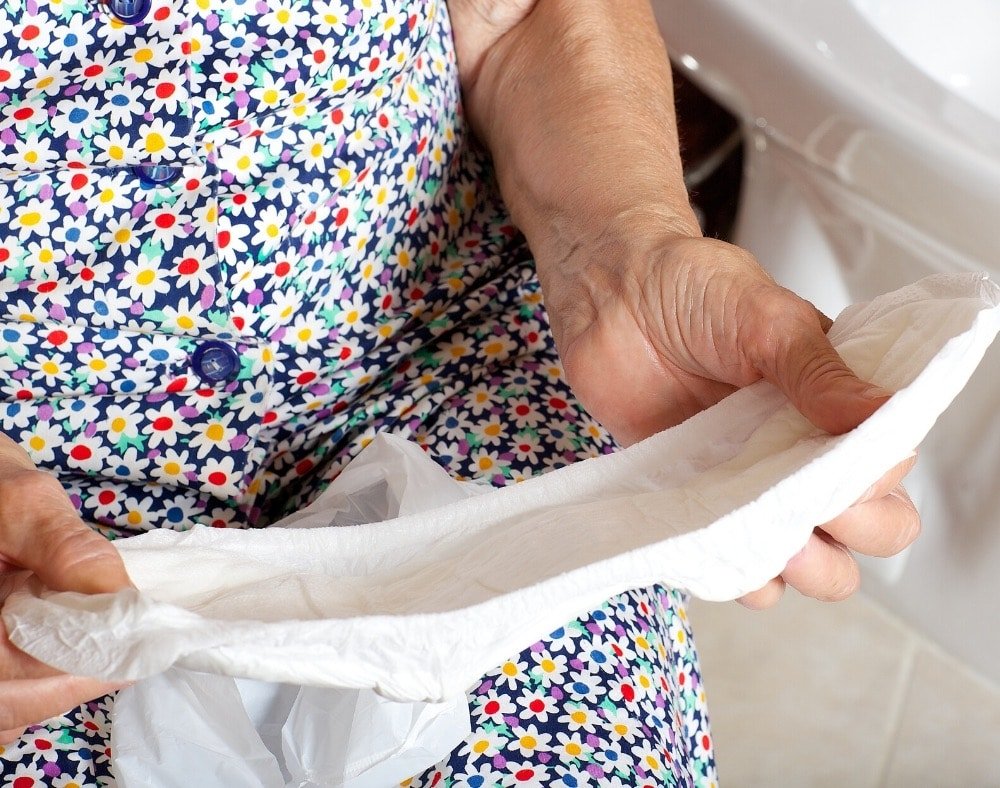
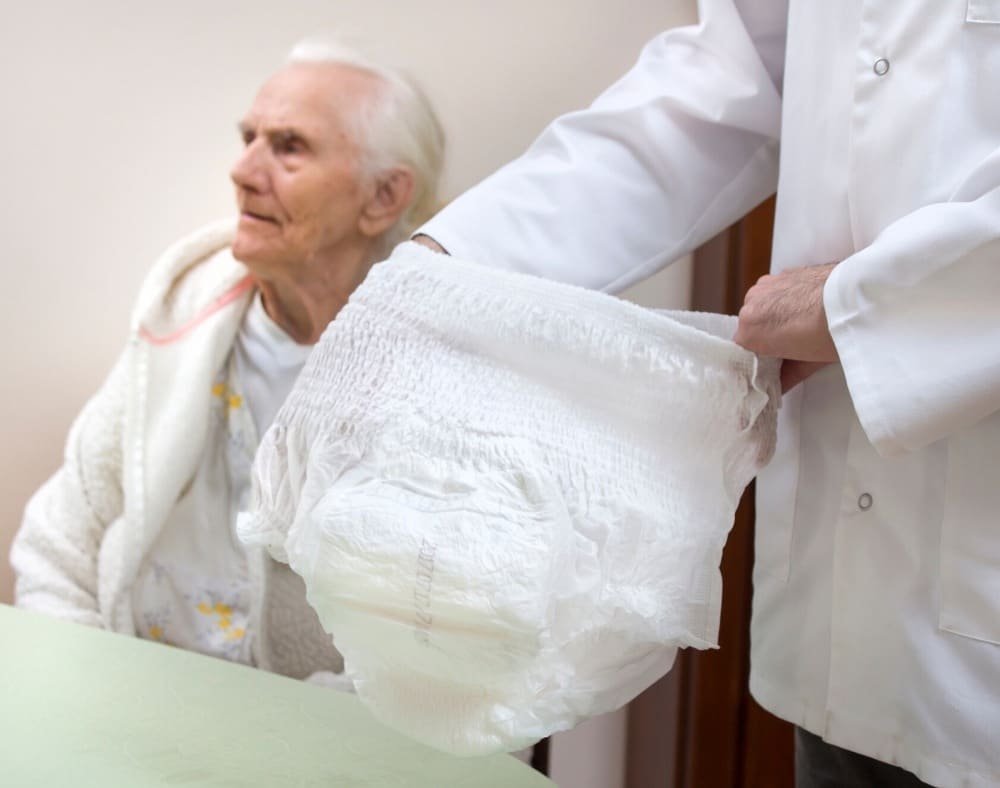
Bring at least enough clothing, pajamas, socks and underclothing for 7-10 days, more if incontinence is an issue.

Be mindful not to bring so much clothing that the closets or drawers are stuffed, and avoid bringing items that the person won’t need regularly.

Be sure to bring a couple of pairs of shoes, ensuring they are comfortable and slip-resistant.

Safe footwear

Slippers and other shoes should cover the heel so they aren’t easy to step out of accidentally. Slipper socks with non-slip rubber on the soles are often a good addition to the wardrobe.

They can help prevent falls if the person gets up from bed and forgets to put on shoes or slippers.

Adapting the wardrobe

At some point, it may be helpful or necessary to adapt the wardrobe to enhance independence or to change with evolving needs or preferences.

Examples of common adaptations include:

  • Eliminating buttons, or choosing clothing with large buttons only
  • Avoid tops that pull over the head, opting instead for a button down or cardigan style
  • Eliminating pants with zippers and buttons in favor of elastic waistbands
  • Replacing shoes with shoelaces with velcro or slip on styles
Clothing should feel comfortable, familiar and help the person feel they look good

Don’t go out and buy a whole new wardrobe unless these adaptations are necessary. Clothing should feel comfortable, familiar and reinforce the person’s sense of self and self-esteem.

Looking good helps people feel better, so the person should feel good about what they are wearing.

Laundry

Clothing should be machine washable to the extent possible. Caregivers mean well but they come from a variety of backgrounds – and laundry skills.

Expect that there will be a number of people caring for each resident, and their clothing, throughout the course of the week.

Check with management regarding laundry practices. Who will be doing the laundry, and how often. What will they do if the person has no clean clothes available?

Keep a realistic understanding

Understand that what is brought may well end up in the washer, on a neighbor or in their closet, or who knows where else.

Be prepared to adapt to what may come up as the person’s needs and preferences change with the course of the disease.

Jewelry

Costume jewelry is a wonderful thing to bring to memory care, provided it’s understood that it may become lost. Many people feel better wearing it, and many love to spend time sorting through it.

Wedding rings, or other valuable or irreplaceable jewelry that the person insists on wearing, can be tricky.

As people age they can lose weight, making it easier for rings to fall off. They often hide items like jewelry to “keep it safe”, never to be found again.

Often people wrap small items in tissues and then inadvertently throw them away. One possible solution is to take the ring to be cleaned.

Have the jeweler make a duplicate so that the original can be stored safely and the person can enjoy the feeling of wearing their precious jewelry.

Toiletries

Personal and paper supplies

Typically the resident is responsible for bringing items such as toothbrushes, toothpaste, hairbrushes, incontinence supplies and the like. Some facilities will provide these items at an additional cost.

Check with the facility to find out whether toilet paper, tissues, gloves, shampoo or soap or other supplies are provided by the facility and if so, at what cost.

Washcloths and towels

Be sure to confirm with the facility whether they provide bed linens, washcloths or towels.

Over the counter medications and creams

Be sure to connect with staff regarding any over the counter medications, supplements, eye drops, medicated creams or ointments, or other such items that the person may use.

For safety reasons, these types of items are often not allowed to be kept unsecured in the resident rooms.

Telephones

Telephones can be tricky in certain cases. Some people have a tendency to call others without realizing the time or to make inappropriate 911 calls.

Most facilities have telephones available for residents to use. In cases like these, it may make the most sense to skip any in-room phone.

Staff should be able to help dial phone numbers and/or redirect away from the phone as needed.

For some people, telephones represent a great deal of security.

It may be helpful to have a phone with preset numbers if they are used to using one. It should be the actual phone they are used to using if possible.

Most people have difficulty navigating voicemail by this point so it usually should be disabled.

Check with the facility to find out if there is a phone number that family and friends can call to reach staff if they are having difficulty reaching the person directly.

Generally speaking, the person should be allowed to have a personal phone if they want one, so long as there aren’t any current problems.

Should challenges arise later the plan can evolve.

Reading material

Books, newspapers and magazines can be great to bring to memory care. The person may still gain enjoyment from reading them, but even if not they can all be used to reinforce the sense of self.

For certain people seeing a small bookcase with familiar titles or seeing the newspaper that has been part of the breakfast routine for fifty years can be extremely meaningful, and can give others ways to easily connect with the person.

Large picture books on topics of interest can also be a valuable addition.

Keep in mind that there is nothing at all wrong with reading a book and forgetting or reading the same passage over and over, so long as it doesn’t bother the person.

Many people with dementia enjoy the “Chicken Soup for the Soul” books. This series is full of inspiring and heartwarming short stories that are easier to follow than longer books.

Spiritual books can be a source of comfort during this extraordinarily difficult period in their life.

Photo albums

Photo albums with labeled pictures are a must. As described above, bear in mind what types of photos will be most personally meaningful to the individual at their current stage of dementia when selecting photo content.

Make copies of photos so the irreplaceable originals aren’t lost or damaged.

Activity Box

A small box or basket full of little things that the person enjoys doing, looking through, or talking about can be a great addition to the person’s collection.

This enables staff and visitors to easily engage them in personally meaningful activity.

Examples of possible items to place in an activity box could include:

  • Cards with meaningful spiritual passages
  • Baseball cards
  • Playing cards
  • Scented lotions
  • Manicure supplies
  • Costume jewelry, scarves
  • Fabric notions
  • Yarn
  • Trivia or joke books
  • Pictures of family, animals or favorite places

The options are limitless and items in the box can be added or updated as needed.

Music

A simple CD or MP3 player with a collection of favorite music is a must for most memory care residents.

Studies have shown that music stimulates brain function. The brain is able to better function and communicate during, and for a short period after, listening to one’s favorite music.

The music enjoyed in the person’s teens and twenties is typically most effective.

This is true even when people don’t especially consider themselves to be music lovers.

Exceptions

exceptions to bring to a memory care facility
In many cases, the thought of moving can be overwhelming to someone with dementia. In some cases it can be so stressful it is in fact beyond a person’s ability to process.

Often this coincides with cases in which the person doesn’t understand that they need help.

In cases like these, it can sometimes reduce distress and lead to a smoother transition present the move as a temporary situation.

Perhaps it’s a trial or it’s just until some goal is met. The goal would have to make sense to the person, for example:

  • Just until physical therapy is complete
  • Until the doctor has adjusted some medication
  • Until some necessary repair work is completed in the current home

Presenting it this way may help the person be more accepting of the idea of going – although they will not likely like it.

Once he or she has settled into the new place, gets to know the staff, the environment and the routines, the prospect of a permanent stay is much less overwhelming.

If this is the case it may make sense to minimize what items are initially brought. The environment should support the person’s understanding of the situation.

It wouldn’t make sense to bring a bunch of furniture and artwork to a rehab facility. In a case like this, it may be advisable to bring clothing, toiletries, a framed picture for the bedside, a blanket for the bed, et cetera.

Bring a couple more items with each visit, or every couple of days, without making a big deal of it. Soon the person has their familiar items and familiar space.

Be sure to coordinate with facility staff regarding anything that is told to the resident so he or she can hear consistent information from all sources.

The staff may have good ideas and insight on how to alleviate stress from the move and achieve the smoothest possible results as well.

Dementia and Pain: Signs, Causes and How to Help

Older man experiencing pain and discomfort

Dementia and pain can be a difficult combination for both the person experiencing it and their caregivers. People with dementia feel pain just like anyone else, but as dementia progresses they may have increasing difficulty recognizing, describing or communicating what hurts.

This can lead to pain being overlooked or mistaken for a dementia-related behavior.

A person who suddenly becomes agitated, withdrawn, restless or aggressive may not simply be experiencing a change in dementia symptoms. They may be trying to communicate discomfort or pain.

Dementia and Pain: Do People With Dementia Feel Pain?

Yes. People with dementia experience pain.

The challenge is often not whether pain exists, but whether the person can communicate it effectively.

The National Institute on Aging explains that people with Alzheimer’s disease may not be able to tell caregivers when they are hurting. Instead, pain may appear through facial expressions, changes in behavior, difficulty sleeping, agitation, crying, moaning or refusing food.

For this reason, caregivers and health care professionals need to pay attention to both verbal and nonverbal signs.

Common Causes of Pain in People With Dementia

common causes of pain in a person with dementia

People with dementia can develop pain from many of the same conditions as other older adults.

Common causes can include:

  • Arthritis and osteoarthritis
  • Back, neck or joint problems
  • Headaches and migraines
  • Dental problems
  • Infections
  • Constipation
  • Falls, bruises and fractures
  • Skin tears and wounds
  • Pressure injuries or bedsores
  • Nerve pain
  • Foot problems
  • Muscle stiffness
  • Medical procedures or surgery
  • Other chronic health conditions

Reduced mobility can also contribute. Sitting or lying in one position for long periods can result in stiffness, pressure injuries and discomfort.

Someone with dementia may also fall or injure themselves and then be unable to remember what happened or explain where they hurt.

Why Pain Can Be Difficult to Recognize in Dementia

caregiver recognizing signs of pain in dementia

During the earlier stages of dementia, many people can still explain that something hurts and describe the location and severity of their pain.

As dementia advances, communication can become more difficult.

A person may:

  • Have difficulty finding the words to describe pain
  • Forget how an injury occurred
  • Be unable to identify exactly where the pain is coming from
  • Answer questions inconsistently
  • Have difficulty understanding questions about pain
  • Express discomfort through behavior rather than words

The Alzheimer’s Association notes that communicating pain becomes particularly difficult in later-stage dementia.

This makes observation increasingly important.

Signs of Pain in a Person With Dementia

If the person can communicate, asking directly is still important.

Simple questions may work better than complicated ones:

  • “Does it hurt?”
  • “Where does it hurt?”
  • “Is this sore?”
  • “Does it hurt when you move?”

When verbal communication is limited, caregivers can watch for changes from the person’s normal behavior.

Facial Expressions

Possible signs include:

  • Grimacing
  • Frowning
  • Clenched teeth
  • Tight or closed eyes
  • A frightened or distressed expression
  • Rapid blinking

Changes in Movement

Pain may affect how someone moves.

You may notice:

  • Guarding one part of the body
  • Moving more slowly
  • Difficulty walking
  • Stiff or rigid posture
  • Fidgeting
  • Pacing
  • Repeatedly changing position
  • Pulling away when touched or moved

Changes in mobility can also increase the person’s risk of falls and further injury.

Changes in Behavior or Mood

behavior changes that may indicate pain in dementia

Pain can sometimes appear as a change in behavior.

A person may become:

  • Agitated
  • Irritable
  • Withdrawn
  • Tearful
  • Restless
  • Resistant to care
  • More confused than usual
  • Unusually aggressive

This does not mean that every behavioral change is caused by pain. However, unexplained changes should prompt caregivers to consider pain or another medical problem as a possible cause.

Changes in Eating and Sleeping

A person in pain may have difficulty sleeping or experience a sudden change in their normal sleep pattern.

They may also eat less or refuse food.

For example, refusing food may sometimes indicate dental or mouth pain rather than a loss of appetite.

Vocal Signs of Pain

Someone who can no longer say “I am in pain” may communicate through sounds.

These can include:

  • Moaning
  • Groaning
  • Sighing
  • Crying
  • Calling out
  • Repeatedly asking for help
  • Unusual vocalizations

The National Institute on Aging specifically advises caregivers to watch for increased agitation, crying, moaning and grimacing when someone with dementia cannot communicate pain clearly.

How Health Care Professionals Assess Dementia and Pain

If you suspect pain, speak with the person’s doctor or health care team.

Assessment may begin by determining:

  • Where the pain might be located
  • When it began
  • Whether it is constant or intermittent
  • What makes it better or worse
  • Whether there has been a recent fall or injury
  • Whether the person has a condition known to cause pain
  • Whether medications or treatments have recently changed

When a person cannot reliably describe pain, health care professionals may use observational pain-assessment tools.

PAINAD: Pain Assessment in Advanced Dementia

One commonly used tool is the Pain Assessment in Advanced Dementia, or PAINAD, scale.

The scale helps health care professionals observe several areas, including:

  • Breathing
  • Negative vocalizations such as moaning or crying
  • Facial expressions
  • Body language
  • Whether the person can be comforted

The Alzheimer’s Association dementia care recommendations discuss observational pain scales such as PAINAD as one way of assessing people who have difficulty communicating their pain.

Ways Caregivers Can Help Prevent Pain

caregiver helping prevent common sources of discomfort and pain

Not all pain can be prevented, but regularly checking for common sources of discomfort can help.

Consider:

  • Making sure clothing and shoes fit comfortably
  • Checking dentures and maintaining good oral hygiene
  • Looking for cuts, bruises, swelling or skin irritation
  • Changing position regularly when mobility is limited
  • Encouraging appropriate gentle movement
  • Checking that glasses and hearing aids fit properly
  • Watching for constipation
  • Keeping an eye out for signs of infection
  • Reducing fall hazards around the home

Knowing the person’s usual behavior can also make it easier to recognize a sudden change.

Managing Pain in Someone With Dementia

managing pain for a person living with dementia

Pain treatment should address the underlying cause whenever possible.

The appropriate treatment will depend on the person’s health, medications, type of pain and its severity.

The National Institute on Aging explains that treatment for older adults may include medications as well as non-drug approaches.

Medication options can include acetaminophen and, in appropriate circumstances, other pain medications prescribed or recommended by a health care professional.

Older adults can be particularly vulnerable to medication side effects and drug interactions. NSAIDs such as ibuprofen and naproxen, for example, can cause serious side effects in some older people.

Opioids may sometimes be used for moderate to severe pain but require careful medical supervision.

Do not start, stop or change pain medication without discussing it with the person’s doctor or pharmacist.

Non-Drug Approaches to Pain

Depending on the cause of the pain and the person’s medical condition, supportive approaches may include:

  • Changing position
  • Gentle movement or stretching
  • Physical therapy
  • Appropriate heat or cold therapy
  • Gentle massage
  • Relaxation
  • Comfortable seating and bedding
  • Distraction and enjoyable activities
  • Music

Some treatments are unsuitable for certain injuries or medical conditions, so seek professional advice when the cause of pain is uncertain.

Why Untreated Pain Matters in Dementia

effects of untreated pain in a person with dementia

Undetected pain can significantly affect a person’s quality of life.

It can interfere with:

  • Sleep
  • Eating
  • Mobility
  • Mood
  • Social interaction
  • Daily activities

Pain may also contribute to agitation and other behavioral changes.

This is particularly important because behavioral symptoms caused partly by pain could potentially be mistaken for psychiatric or dementia-related symptoms.

The Alzheimer’s Association notes that poorly managed pain can contribute to behavioral symptoms and may result in unnecessary use of psychotropic medications.

When to Contact a Doctor About Dementia and Pain

Contact the person’s health care professional when pain is new, persistent, worsening or unexplained.

Medical assessment is particularly important after a fall or injury or when there is a sudden change in the person’s normal behavior, mobility, eating, sleeping or ability to participate in daily activities.

If the person cannot explain what is wrong, describe the changes you have observed to their health care team.

The National Institute on Aging recommends asking for a pain evaluation and treatment plan when caregivers suspect that someone with dementia is experiencing pain.

Dementia and Pain: Key Takeaway

Dementia does not mean that a person no longer feels pain.

The difficulty is that dementia can gradually make pain harder to recognize and communicate.

Watch for changes in facial expression, movement, sleep, appetite, vocalizations and behavior. When something changes unexpectedly, consider pain or illness as a possible explanation rather than assuming that the dementia itself has suddenly become worse.

Identifying and treating pain can improve comfort, mobility, sleep, mood and overall quality of life for a person living with dementia.

How do Dementia Patients Die?

how do dementia patients die

Because dementia is an incurable disease, there is one pertinent question that many ask and that is how do dementia patients die?

Before answering this question it is important to note that in many countries Alzheimer’s disease and other kinds of dementia have been documented as the leading cause of death in the country, especially for the older generation.

According to Alzheimer’s Research UK, deaths due to dementia doubled from 40,253 in 2007 to 87, 199 in 2017 and the trend does not appear to change anytime soon.

In America, dementia is the 6th leading cause of death and currently, millions of people are living with the disease.

World Health Organization estimates that the number of dementia deaths across the globe will increase by more than 40% from 2015 to 2030.

How Does Dementia Lead to Death?

Before a person dies from dementia, there are a couple of warning signs they may showcase as discussed below.

End-Stage Dementia Signs and Symptoms

end stage dementia signs and symptoms
Several signs may be an indication that a person with dementia is living their final days on earth.

These can differ from one affected person to another because different individuals have varying reactions to the illness.

Examples of some common end-of-life warning signs include:

  • An increase in hospital admissions or visits
  • Diagnosis of other medical conditions like congestive heart failure or different cancer types
  • Loss of the ability to communicate
  • Immobility which can make a person bedridden
  • Inconsistence
  • Challenges when eating and drinking
  • Terminal restlessness or agitation because a person becomes extremely disoriented and confused
  • Difficulties in breathing
  • Legs, arms, feet, and hands become cold to touch

To get back to answering the query do dementia patients die, many experts agree that the actual death of an individual who has dementia may be due to another medical condition.

During the later stages of dementia, the affected person is likely to be in a trailer.

This implies that their immunity is compromised, hence they cannot effectively cope with physical problems or infections.

Several factors can lead to the death of a person who has dementia such as

Lack of Proper Nutrition

how do dementia patients die
Food acts as fuel for the human body. When the body is not getting proper nutrition, there is a likelihood that an array of problems will start developing.

This is what happens during the later dementia stages.

Persons with the illness will struggle to eat well, hydrate, and stay healthy.

Many may not be in a position to prepare or eat food without assistance. This may cause them to go off food which can make them dangerously lose weight.

Some individuals will also lose muscle control towards the end of the disease where they cannot chew properly or even swallow food.

When the individual is not getting adequate nourishment, they become weaker and are more susceptible to the risk of infections, fractures, and falls which may lead to their demise.

There are also chances that a person with dementia may end up inhaling fluids or foods. It mostly happens because they lose the skill to coordinate breathing and swallowing because of the damage that happens in the brain which controls these activities.

When this happens, it can lead to life-threatening chest infections and choking.

Existing Diseases

existing diseases
When you ask how do dementia patients die, the answer might be because of other co-existing diseases.

A huge percentage of people with dementia also suffer from other chronic conditions like diabetes, heart disease, chronic respiratory disease, and hypertension amongst others.

It can become challenging to try and manage dementia with other illnesses so it becomes easy for a person to experience the complications associated with these conditions which can lead them to their last breath.

Several studies reveal that people within the last stage of dementia become vulnerable to all sorts of medical conditions.

Autopsies often reveal that the main cause of death for persons with dementia are pneumonia, dehydration, cardiovascular diseases, cachexia, and pulmonary embolism.

Other facts that may contribute to dementia deaths include increased falls, advanced age, and delirium.

Closing Thoughts

Sadly dementia does not only make a person forgetful and weak. It is a serious progressive condition that is terminal.

Reading the text above will reveal answers to the question on how do dementia patients die.

Vitamin B12 and Dementia: What’s the Connection?

Older adult medical test results illustrating vitamin B12 and dementia

Vitamin B12 and dementia are sometimes linked because a deficiency of this important vitamin can cause problems with memory, concentration and other neurological functions.

This can be particularly important in older adults because vitamin B12 deficiency becomes more common with age.

A deficiency does not necessarily mean that a person has dementia. In some cases, vitamin B12 deficiency can cause cognitive symptoms that may resemble dementia or make existing cognitive problems more difficult to manage.

The good news is that vitamin B12 deficiency is treatable.

However, there is an important distinction to make. Correcting a genuine vitamin B12 deficiency is very different from taking extra vitamin B12 in an attempt to treat Alzheimer’s disease or another established dementia.

Current evidence does not show that vitamin B12 supplements prevent, reverse or treat dementia in people who are not deficient.

What Is the Link Between Vitamin B12 and Dementia?

Vitamin B12, also known as cobalamin, is an essential nutrient involved in several important processes in the body.

It helps maintain healthy blood and nerve cells and is required for DNA production and normal nervous system function.

When vitamin B12 levels become too low, neurological symptoms can develop.

According to the National Institute for Health and Care Excellence (NICE), vitamin B12 deficiency can be associated with cognitive difficulties such as problems concentrating and short-term memory loss.

These symptoms can sometimes resemble those seen in early dementia.

The National Institute on Aging also includes low levels of vitamin B12 among the medical and nutritional factors that can contribute to memory problems.

This is one reason healthcare professionals may investigate vitamin levels when assessing someone with new or unexplained cognitive symptoms.

Can Vitamin B12 Deficiency Cause Memory Loss?

Yes. Vitamin B12 deficiency can contribute to memory and thinking problems.

Possible neurological and cognitive symptoms may include:

  • Short-term memory problems
  • Difficulty concentrating
  • Confusion
  • Numbness or pins and needles
  • Problems with balance or walking
  • Weakness or fatigue
  • Mood or behavioral changes

Not everyone with vitamin B12 deficiency will experience these symptoms, and these problems can have many other causes.

Memory loss should therefore not automatically be blamed on low B12 levels.

Anyone experiencing noticeable or worsening memory loss should be assessed by a healthcare professional so that the underlying cause can be investigated.

vitamin B12 and dementia memory loss and cognitive symptoms

Can Vitamin B12 Deficiency Look Like Dementia?

In some people, it can.

Doctors assessing possible dementia often look for other health conditions that could be causing or contributing to cognitive symptoms.

The National Institute on Aging notes that vitamin deficiencies and several other medical conditions can cause serious memory problems that resemble dementia.

This is clinically important because some of these underlying problems can be treated.

Vitamin B12 deficiency should therefore be considered as one possible explanation for cognitive changes, rather than assuming that memory problems are automatically caused by Alzheimer’s disease or another neurodegenerative condition.

This does not mean that all dementia is reversible with vitamin B12.

A person can also have both a vitamin B12 deficiency and an underlying dementia at the same time.

Why Is Vitamin B12 Important for the Brain?

importance of vitamin B12 for the brain and nervous system

Vitamin B12 is important for normal nervous system function.

It contributes to the maintenance of myelin, the protective covering around many nerves, and is involved in processes required for healthy nerve cells and DNA formation.

Vitamin B12 is also needed for normal red blood cell production.

When a significant deficiency continues untreated, neurological damage can develop.

This is why persistent symptoms such as memory problems, numbness, balance difficulties or unusual weakness should not simply be dismissed as normal aging.

Why Are Older Adults at Greater Risk of Vitamin B12 Deficiency?

Vitamin B12 deficiency becomes more common as people get older.

NICE estimates that deficiency affects around 5% of people aged 65 to 74 and more than 10% of people aged 75 and older.

Several factors can contribute.

Reduced Absorption of Vitamin B12

reduced vitamin B12 absorption in older adults

The body must absorb vitamin B12 from food through the digestive system.

Some gastrointestinal conditions can interfere with this process.

Autoimmune gastritis, for example, can prevent normal B12 absorption. Previous surgery involving the stomach or the end of the small intestine can also increase the risk of deficiency.

This means a person may consume adequate vitamin B12 but still become deficient because their body cannot absorb it properly.

Dietary Intake

dietary sources of vitamin B12 including animal foods and fortified foods

Vitamin B12 occurs naturally mainly in animal-derived foods.

Sources include:

  • Fish and shellfish
  • Meat
  • Poultry
  • Eggs
  • Milk and other dairy products
  • Foods fortified with vitamin B12

People following vegan or some vegetarian diets may therefore have a greater risk of inadequate intake unless they regularly consume fortified foods or appropriate supplements.

Older adults who eat very little because of poor appetite, illness or difficulties preparing food may also be at risk of nutritional deficiencies.

For more information on nutrition for people living with dementia, see our guide to a healthy dementia diet.

Medications

medications and gastrointestinal surgery associated with vitamin B12 deficiency

Certain medications can contribute to vitamin B12 deficiency.

For example, NICE lists metformin, which is commonly used to treat type 2 diabetes, and proton pump inhibitors used to reduce stomach acid among medications that may increase the risk.

People should not stop prescribed medications because of this risk.

Instead, anyone concerned about B12 deficiency should discuss testing and treatment with their healthcare professional.

Gastrointestinal Conditions and Surgery

Conditions that interfere with nutrient absorption can also contribute to vitamin B12 deficiency.

These include autoimmune gastritis and, in some cases, celiac disease.

People who have undergone certain bariatric operations, gastrectomy or surgery involving the terminal ileum may also be at increased risk.

The cause of a deficiency matters because it can influence how vitamin B12 should be replaced.

How Is Vitamin B12 Deficiency Diagnosed?

A healthcare professional will consider a person’s symptoms, medical history, diet, medications and possible risk factors.

Blood testing is normally used to investigate suspected vitamin B12 deficiency.

NICE recommends either total serum B12 or active B12 as the initial test in most circumstances.

Sometimes additional testing, such as methylmalonic acid or homocysteine, may be useful when the initial result is uncertain or when particular causes of deficiency are suspected.

It is important to tell the healthcare professional about any vitamin B12 supplements already being taken.

Supplements can increase blood B12 levels and may make test results more difficult to interpret without necessarily showing whether an underlying deficiency has been fully corrected.

How Is Vitamin B12 Deficiency Treated?

Treatment depends partly on why the person has become deficient.

Some people can be treated with oral vitamin B12 replacement.

Others may require vitamin B12 injections, particularly when the body cannot absorb the vitamin properly.

NICE recommends lifelong intramuscular vitamin B12 replacement for some irreversible causes, including deficiency caused by autoimmune gastritis or following certain major gastrointestinal operations.

For dietary deficiency, oral replacement and improving dietary intake may be appropriate.

This is one reason a generic “best vitamin B12 supplement” recommendation is not suitable for everyone.

The appropriate form, dose and duration of treatment should be based on the individual’s circumstances and the cause of the deficiency.

Can Treating Vitamin B12 Deficiency Improve Memory?

Treating a confirmed deficiency is important, and symptoms related to the deficiency may improve after B12 levels are restored.

NICE advises that symptoms can begin to improve within approximately two weeks in some people, although improvement can take up to three months and some symptoms may take considerably longer to resolve.

The degree of recovery can vary.

If neurological problems have been present for a long time, complete recovery is not always guaranteed.

This is another reason suspected vitamin B12 deficiency should be assessed rather than left untreated.

However, improvement after treating deficiency should not be confused with vitamin B12 acting as a general memory-enhancing supplement.

Can Vitamin B12 Supplements Treat Dementia?

This is where the evidence surrounding vitamin B12 and dementia needs to be interpreted carefully.

Researchers have observed associations between low vitamin B12 levels, increased homocysteine and poorer cognitive function in some studies.

This led to considerable interest in whether vitamin B12 or combinations of B vitamins could slow cognitive decline.

However, randomized controlled trials have generally been disappointing.

According to the National Institutes of Health Office of Dietary Supplements, clinical trials have not shown that vitamin B12 supplementation, either alone or combined with folic acid and vitamin B6, improves cognitive function in older adults with or without dementia, mild cognitive impairment or Alzheimer’s disease.

This has remained true even when supplementation successfully lowered homocysteine levels.

What About B Vitamins and Brain Shrinkage?

Older research created considerable interest after a clinical trial involving people with mild cognitive impairment found that high-dose B vitamins were associated with a slower rate of brain atrophy.

A later Cochrane review considered this and other trials.

The review found that B-vitamin supplementation probably had little or no effect on measures such as episodic memory, executive function, processing speed or quality of life.

Evidence from one study suggesting slower brain atrophy was considered interesting enough to justify further research, particularly in people with higher homocysteine levels.

But slowing a change seen on a brain scan is not the same as demonstrating that a supplement prevents dementia or produces meaningful improvement in a person’s daily cognitive abilities.

research into B vitamins, brain atrophy and cognitive impairment

Should People With Dementia Take Vitamin B12?

A person who has dementia and a confirmed vitamin B12 deficiency should have that deficiency appropriately treated.

The presence of dementia is not a reason to ignore a nutritional deficiency.

However, taking additional vitamin B12 solely because someone has Alzheimer’s disease or another dementia is different.

Current research does not support routinely using high-dose vitamin B12 supplements as a treatment for dementia when there is no deficiency.

Anyone considering supplements should discuss them with their doctor, particularly if they are already taking medications or have other medical conditions.

The National Institute on Aging also recommends discussing supplements with a healthcare professional rather than assuming that more of a vitamin is necessarily better.

Vitamin B12 and Dementia: The Bottom Line

The relationship between vitamin B12 and dementia is important, but it is often misunderstood.

Vitamin B12 deficiency can cause memory problems, difficulty concentrating and neurological symptoms that may sometimes resemble dementia.

Because deficiency is treatable, checking for vitamin and other medical problems can be an important part of investigating unexplained cognitive decline.

If a genuine deficiency is identified, appropriate vitamin B12 replacement can correct the deficiency and may improve symptoms caused by it.

However, there is currently no convincing evidence that taking extra vitamin B12 prevents Alzheimer’s disease, reverses established dementia or slows dementia progression in people who are not deficient.

The key is therefore not simply to take more vitamin B12.

It is to identify whether a deficiency is actually present, determine why it has developed and treat it appropriately under medical guidance.

Dementia And Incontinence [Causes & Treatment]

dementia and incontinence

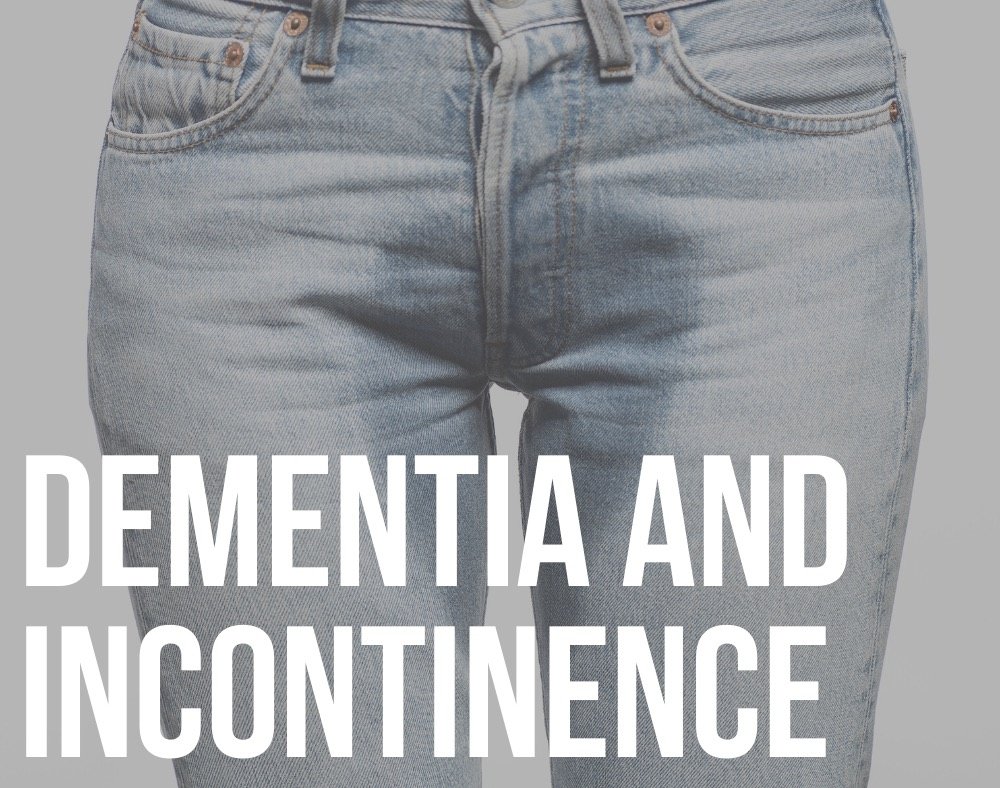
How closely related are dementia and incontinence? Are people with dementia at a higher risk of experiencing toilet problems?

You will learn it all through this extensive article that covers causes, treatment and provides tips.

What is Dementia? A Quick Overview

Dementia is a common affliction characterized by a group of conditions related to brain impairment.

A person experiencing dementia experiences a host of conditions that coincide directly to the loss of memory and cognitive judgment.

A statistic from the CDC indicates the condition of dementia affects as much as 5.8 million Americans.

Dementia is caused by the degeneration of the cerebral cortex region of the brain. This occurs by head injury, stroke, brain tumors, and other factors not yet fully understood.

Of note: Alzheimer’s Disease is noted to be responsible for 60-70% of dementia in adults.

Common traits and symptoms for adults diagnosed with dementia include:

  • Forgetfulness
  • Limited desire or ability to socialize with others
  • Trouble speaking
  • Difficulty performing daily tasks and responsibilities
  • Compromised muscular function
  • Depression
  • Mood Swings and/or Anger
  • Disorientation or Confusion

Is it Common for Patients to Experience Incontinence?

is it common for patients to experience incontinence
Yes. Patients with dementia will typically have more issues with incontinence compared with someone of the same age.

The main reason is that they tend to have trouble connecting with the impulses to go to the bathroom.

There are many unknowns about the exact scientific relationship between dementia and incontinence.

Is There a Cure for Dementia?

Researchers are searching for answers for cures, new treatment options, and more advanced knowledge of these conditions and more.

To date, there are many clinical trials underway and progress is being made. We have seen many advancements in the way of diagnostic and imaging technology in addition to identifying important biomarkers.

Select Incontinence Products

ProductFeaturesAvailable on Amazon
Prevail Air Plus Adult DiaperPrevail Air plus Daily BriefSoft & breathable
Ultimate absorbency
Pack of 4 (18 count)
Night & day
Skin smart
Omni-odor guard
Wellness BriefWellness Superio Series BriefsBrand: Unique WellnessFully Absorb up to 2.6L
Wide absorbent core
Resealable landing zone for easy adjustment
White with a nylon based crinkle-free plastic
Value for money
Stays dry for 8+ hours
Award winner/ Featured on Discovery Channel
One Piece Waterproof Snap-on Brief Re-usableOne Piece Waterproof Snap-on Diaper Cover BriefBrand: SalkLightweight
Softness of cloth
100% waterproof
Polyester/urethane outer
Brushed polyester inner
Super-absorbent pad
3-ply inner layer
Waterproof outer layer
Washable
SOSecure Containment Swim BriefSOSecure Containment Swim BriefBrand: Discovery Trekking Outfitters Discreet Swimming Undergarment
Durable Polyurethane Fabric
Fleece Lining
Hook and Loop Closure (Easy)
Elastic Waist & Legs
Machine Washable
Latex Free
Prevail Overnight Bladder Control PadsPrevail Overnight Bladder Control PadsBrand: First QualityFor Women
Dri-Fit cotton enhanced
QUICK WICK Layer and cotton
Odor Guard
Depend Men GuardsDepend Men GuardsBrand: Kimberly ClarkAdhesive strips to hold guard in place
Individually wrapped
Discreet- pocket-sized pouch
Easy carrying and disposal
Contoured design
Cup-shaped protection for men
One size fits most
Medline Incontinence Bed PadsMedline Incontinence Bed PadsUnderpads
50 count
36"X36"
Heavy absorbancy
Polypropylene backing (protects against leakage & resists melting)
Ideal for overnight use
Inspire Washable and Reusable Incontinence Chair or Bed PadsInspire Washable and Reusable Incontinence Chair or Bed PadsWashable/reusable
Solves incontinence problems
Safely absorbs & lock in liquids
Soft & comfortable
Non-irritating
Attends Bariatric 2X-Large UnderwearBariatric 2X-Large UnderwearBrand: AttendsImproved side panels (better comfort & fit)
Acquisition layer
Super absorbent polymer
Tear-away sides (easy removal)
Looks & feels like regular underwear
Bag of 12
Depend Mens Maximum Absorbency UnderwearDepend Mens Maximum Absorbency UnderwearBrand: Kimberly ClarkOutstanding protection
Improved underwear-like fit
Brief-like leg opening
Heavy incontinence
Soft, quiet, breathable material
Conforms to the body
Washable Absorbent Urine Incontinence Underwear for WomenAIRCUTE Washable Absorbent Urine Incontinence Underwear for Women6 layers
High waist
Absorbent & leakproof
Washable
Breathable
Comfortable
Prevail Adult WashclothPrevail Adult WashclothBrand: First Quality
Super strong & soft fabric (12" x 8")
Stay-open & easy-close lid
Press 'N' Pull lid
Super strong soft fabric
Aloe & lanolin
Lid closes tightly

Why Are Dementia and Incontinence Related?

why are dementia and incontinence related
As a standalone issue, incontinence is a difficult condition. Incontinence is classically defined as the inability to control one’s urination or bowel movements.

The severity of causes of incontinence vary from person to person and there could be more than one contributing factor or causes.

Some of the more common reasons for incontinence stem directly from one or more medical conditions such as age-related stress incontinence paired with limited mobility.

Dementia tends to complicate incontinence factors in a myriad of ways:

  • It becomes difficult to identify the urges to go to the bathroom.
  • Sometimes there may be issues remembering the location of a bathroom.
  • They may be physically unable to reach the restroom in time.
  • There may be the inability to control the muscular control needed for voluntary bowel movements and urination.

Are There Any Treatment Options for Dementia Patients Suffering from Incontinence?

are there any treatment options for dementia patients suffering from incontinence
The first thing to do would be to determine as best you can the type of incontinence that is being experienced.

Your doctor should be able to help assist with any underlying medical issues that might be a factor.

This could translate to a change in medications or even addressing a possible urinary tract infection.

An example of possible medical interventions could be as simple as recommending pelvic floor exercises to undergo corrective surgery.

You may also find that you or your loved one qualifies for use of a medical device or procedure designed to strengthen pelvic floor muscles and to retrain the bladder.

These represent some of the more modern methods of managing bladder control. These and other treatment options are best explored with the help of your personal physician.

How Do You Manage Incontinence in Dementia Patients?

how do you manage incontinence in dementia patients
Managing incontinence is best achieved with a plan and a simple level of preparedness.

Making sure the caregiver is paired with adequate resources, preferences, and supplies can help shape the experience in a new light.

The key to effectively managing incontinence lies in maintaining one’s dignity and health intact in every possible way.

Daily Care

daily care for incontinence
There are many things you can do to help offset the helplessness that accompanies incontinence.

  • Keep a clear course or route to the bathroom. Make it as easy as possible.
  • Eliminate bladder aggravating foods and drinks such as coffee, alcohol, soda, or teas.
  • Choose clothing that makes getting the bathroom easier and is easily removed or changed.
  • Create a routine for taking medications and eating to help facilitate predictable bowel patterns.
  • Create a plan for keeping clean. Think out of the box and consider the installation of shower tools, benches, or other modifications if you are in a caregiver role.
  • Get creative. An example might be to set timers to help remind patients to use the bathroom.
  • Don’t’ forget about privacy – Help your loved one keep his or her dignity.

Planning for Trips

dementia incontinence planning for trips
Plan accordingly for trips away from the comfort of one’s home.

Consider having a to-go bag complete and ready with a change of clothing, undergarments, and care products and keeping it in the car always.

Good practices might be assessing the need for extra stops along the way, or simply knowing the layout of a place ahead of time for an easy bathroom location.

These simple ideas may prevent an accident and help simplify visits to the doctor or even marketplaces.

Tip: Understand ahead of time what restroom facilities are available to you – especially in the cases of staying in a hotel or event location.

Don’t be afraid to call ahead and ask for any modifications that may make your stay easier.

Services and Resources

dementia incontinence services and resources
Finding support for yourself if you are a caregiver and your loved one should be a priority.

Many aren’t designed to navigate these waters alone. The CDC estimates that there are 25% of adults in the U.S. that are providing care to a loved one.

There are specialty organizations and hospital affiliates designed to assist with affordable incontinence supplies, counseling, and in some cases in-home care visits.

To learn more about the resources available to you, contact your care provider or visit informative websites like this one.

How Do You Overcome the Emotional Obstacles Associated with Incontinence and Dementia?

how do you overcome the emotional obstacles associated with incontinence and dementia
It goes without saying, the level of embarrassment felt by someone with incontinence is debilitating. Left unchecked, these emotions can quickly escalate to severe depression.

Encourage dialogue and healthy emotional outlets – a little compassion can go a long way.

Consider finding avenues to maintain discreet cleaning, and personalizing care options.
Don’t be afraid to experiment with the fit of personal care products.

Do your best to honor personal preferences regarding incontinent product choices.

dementia incontinence factors

Never underestimate the humanity and value of being comfortable and feeling your best in the face of unpleasant circumstances.

It could be the one thing that makes the experience of embarrassing incontinent situations bearable.

Conclusion

Living with incontinent associated dementia isn’t easy.

However, it can be managed effectively with knowledge and a little understanding.

Make your physician your partner in creating a personalized healthcare strategy. It might be one of the best things you can do aside from staying positive.

Most importantly, stay connected with what is trending for available treatment options.

Remember communication, patience, and quality care are the hallmark vehicles to effectively managing complications of incontinence due to dementia.

Vascular Dementia Stages and Progression

vascular dementia stages

Vascular dementia is one of the most common types of dementia, and people who have this illness often have to go through several vascular dementia stages.

It is a disease that develops when the brain cells die because they are not getting enough nutrients and oxygen.

It can happen when there are impaired tiny blood vessels in the brain or after a person has gone through a major stroke or even a series of smaller strokes.

Because the condition does not have a cure yet, it progresses from a mild case to a severe one. Note that these stages will differ from one person to the next.

This is simply because this type of dementia is typically brought about by different conditions.

One person may experience vascular dementia following a stroke.

However, another may get it after the inner parts of the brain get damaged for one reason or another. Just like other forms of dementia, vascular dementia also tends to progress in gradual stages. This, however, happens in a more step-like manner.

Check out how the illness may affect an individual over time describing what happens during the three major vascular dementia stages below.

Vascular Dementia Stages

1st Stage

first stage of vascular dementia
At the onset of vascular dementia, things are usually not too serious. Many individuals during this first stage can go about their daily lives without any interference.

This is because the symptoms are still somewhat stable; thus, manageable.

Most of the time, it is difficult to tell whether a person has vascular dementia or Alzheimer’s disease.

Some people may even have what is known as mixed dementia, where one has both Alzheimer’s disease and dementia.

Some people may experience things like impaired memory (general forgetfulness), challenges finding the right words, and difficulty with planning, organizing, and carrying out several tasks in an efficient manner during the first stages of this illness.

A small percentage of individuals with vascular dementia will also go through a slight decline in walking and balance. The condition at this point may also affect thinking and decision making.

At this stage, a majority of people can live alone, but it is recommended that their loved ones always check on them often.

This helps to make sure that everything is in place and that the individuals are not a danger to themselves or any other people around them.

At times, small home modifications may also come in handy to create a more supportive and comfortable environment for individuals with vascular dementia.

2nd Stage

stages of vascular dementia
After a person has gone through the initial vascular dementia stages, it may reach a point where the symptoms are no longer stable.

Things become worse where you might find that the affected person now has a different personality.

Depending on the cause of this dementia, many people will start going through anxiety, depression and have mood swings.

This usually occurs because a person is more aware of the changes that are happening to their bodies. Some people will become overly emotional and a majority are prone to apathy.

Other behavioral changes may include increased agitation and irritability.

Increased agitation and irritability

There may also be sessions where they are certain outbursts where a person can either cry or laugh inappropriately.

Hallucinations and delusions may also be part of the equation.

In severe cases, a percentage of individuals who have vascular dementia will also experience epilepsy episodes. Loss of social skills is also common at this stage.

You may find that a person who has the disease no longer wants to be a part of the social circles they were in before. They may not want to talk to the people they love.

You may notice that they want to spend more time indoors as a means of shutting out the world.

Most of the time, this usually comes about because a person is embarrassed about what they are going through seeing that they are no longer in complete control of their lives.

Several physical signs may also be prevalent during the middle stages of vascular dementia.

This is where a person may experience loss of bowel or bladder control. Some may also experience dizziness and tremors often.

Caregivers may also notice that the persons under their care are experiencing arm and leg weakness and maybe moving around with shuffling rapid steps.

Language and speech problems

If a person was speaking well in the past, slurred speech and other language problems might also start to show up.

Individuals with this illness should also get close monitoring when they are on the move. That’s because they tend to get lost even when they are in familiar surroundings.

Doing things like paying bills handling money or engaging in their favorite hobby becomes challenging, which can prove to be quite frustrating to the ill individual.

It’s not uncommon for a person with the illness to have difficulties sleeping during this phase.

Some individuals also display repetitive, obsessive or even impulsive behavior.

If a person is staying alone at this point, it would be best to make different housing arrangements.

They can move in with relatives who will act as caregivers and also keep an eye on the persons with the illness to prevent avoidable accidents.

If this is not possible, the family might have to look into senior care facilities where persons with vascular dementia will get professional care.

This is simply because a person at this point may need support with multiple day-to-day activities.

These may include showering, walking, dressing, eating, cooking, and using the restroom, among others.

3rd Stage

vascular dementia stages
You can consider this one of the final vascular dementia stages. The symptoms that persons experience at this stage are normally severe.

These can be distressing to the weak person.

If one gets vascular dementia after suffering a stroke, the aftermath can bring out physical symptoms.

They can experience problems with speech, vision, and weakness of the limbs. These symptoms will surface if the stroke caused damage to certain parts of the brain.

Individuals who have vascular dementia may also experience similar symptoms to the people who are in their last stages of Alzheimer’s disease.

It is where issues with communication, reasoning, confusion, memory loss, and disorientation become worse.

Motor challenges

A majority of people with vascular dementia also experience motor symptoms that may include unsteady or slow gait disturbance and clumsiness.

Handling daily activities becomes increasingly difficult, too.

Delusions or hallucinations that would come and go during the previous stage worsen.

At times, persons with vascular dementia may also become violent, suspicious, and demanding of people who are around them.

Many persons have a difficult time eating and swallowing. This often leads to rapid unhealthy weight loss. Some may even experience loss of speech.

Almost everyone at this point will have significant problems with both long-term and short-term memory.

As the condition becomes worse, it may affect/damage all the functions of the brain. This is also the stage where the illness deteriorates and can end up being fatal.

Some people at this stage can also go through heart attacks or a major stroke that can end their lives.

During this stage, it might be difficult for the family to render the appropriate care. Especially if they are not around their loved ones 24/7.

This calls for other measures such as hiring a professional who will move in to look after the person who has vascular dementia.

Alternatively, the individual might have to move into a senior care community.

A place that looks after people with dementia to get the kind of assistance and care they need without compromising their health.

Closing Remarks

Anyone who has vascular dementia should not think of it as a death sentence. It is still possible to live a full life even when going through the various vascular dementia stages.

Always remember that different people will experience vascular dementia differently.

While some may go through gradual changes, others will experience a decline in cognitive abilities, which is followed closely by stability periods.

This does not last because there are other step downs in abilities and then stability for a while, and so forth. This is what is called “stepwise” or “step-like progression.”

When your grandparent manages to catch vascular dementia in its early stage, he or she can come up with an effective treatment plan.

This will slow down the illness, preventing it from becoming worse at a fast rate.

Professional doctors have the know-how to identify the underlying cause of the illness.

The expert will come up with a healthy program you can use to reduce the risk of complications that may crop up in the future.

This might include a total change in lifestyle that will slow down the progression of the disease.

Most professionals will recommend that you get moving to increase your physical fitness and blood flow. Additionally, eat a balanced diet, get on a routine, and quit smoking and drinking alcohol.

On average, reports indicate that persons with vascular dementia will live for about five years after they detect the symptoms.

There are, however, many people who have lived for more than five years.

Dementia And Eating Issues In Patients

dementia and eating issues

For a person with dementia, the topic of dementia and eating is important to discuss.

This is because individuals with dementia usually go through several changes; one of them being how they eat.

Below you will explore some of the common eating challenges persons with dementia face.

It is important to understand each to act accordingly.

Common Eating Challenges for Persons with Dementia

Poor Appetite

poor appetite
A high percentage of individuals who have dementia experience lack of appetite at some point.

There are several explanations of why individuals can lose their appetite, including:

1. Depression

It is common for people with dementia to go through depression, which can be the cause of loss of appetite.

If you notice that a loved one or person under your care has depression, talk to your doctor right away.

He or she will prescribe the ideal medication or other therapies to help treat depression.

2. Constipation

This is another problem that can make one feel nauseous and bloated; thus, feel less likely to eat.

Try and avoid constipation by making sure the person with dementia takes lots of fluid and foods that are rich in fiber. If this condition becomes worse, consult your GP.

3. Communication

communication
An individual who has the illness may have a tough time communicating well that they are hungry or do not like the food in front of them.

Take cue of how such people try and pass the message. For instance, closing the mouth for refusing to swallow can be an indication that they do not like the food that is on the table.

You can offer food choices using pictures and prompts so that a person can enjoy what they are eating.

Other factors that can trigger loss of appetite include when a person is experiencing pain, tiredness, changes in medication, or lack of physical exercises that make one not feel hungry.

Mouth Infections

mouth infections
There are times when dementia and eating issues come about because a person simply cannot eat the food even when they want to.

They can have bad teeth, redness, or sores in the mouth. If this is the case, visit a dentist to get a practical solution.

Caregivers can also help by taking care of their loved ones’ dental hygiene. This includes ensuring that they brush and floss their teeth at least two times a day.

It is also advisable to serve foods that are easy to chew. Solid foods can be cut into small pieces to make them more manageable.

You may also have to seek the services of an occupational therapist if a person is having challenges moving their muscles to open the mouth.

The professionals will come up with ways to help them eat.

Insatiable Appetite

dementia and eating - insatiable appetite
While some people with dementia will experience loss of appetite, others will want to eat non-stop.

It may be possible that they may have forgotten when they had the last meal or be afraid of where the next one will come from.

Naturally, this is not healthy as overeating also comes with its fair share of negative health issues.

To try and tackle such a situation, you can serve five-to-six small meals throughout the day.

You can also avail of low-calorie snacks like carrots and apples that the person will munch on when they feel hungry.

Remember to cut down on processed foods, refined sugars, and foods with high sodium levels.

Engaging the individuals in physical exercises or other enjoyable activities can also help to take their mind off food.

Sweet Cravings

dementia and eating - sweet cravings
Some individuals with dementia will all over sudden develop a sweet tooth where they are always craving something sweet to eat.

Although you can give in to their demands a couple of times, it is not right to always give them sweet foods that are not good for their health.

To manage the cravings, you can opt to try food items like egg nogs, milkshakes and low-calorie ice cream that can help satisfy the cravings without causing too much damage.

Fruit can come in handy during such times. You should also check some of the side effects that the medicine the person with dementia is on.

Some antidepressant medications can make someone crave sweets. It is also advisable to share meals with your loved ones as this might increase their chances of eating the healthy meal you provide.

Decreased Judgment

decreased judgment
Another factor that may contribute to dementia and eating problems in an individual is decreased judgment.

This is where a person with dementia may not be able to know what food items are on their plate or what to do with the cutlery before them.

You may notice that a person tries to eat from a cup rather than a plate.

Some may even use knives to try and pick up food instead of a spoon or fork.

To help with such, you can cue the person with actions or words so that they can mimic the effects of eating like putting food on a spoon and taking it to the mouth.

If the person is still struggling, be respectful and ask if they need assistance and go-ahead to offer a hand in a way that does not make them feel less of a person.

You can also serve finger foods that do not require utensils to consume like sandwiches and miniature quiches.

Swallowing Difficulties

trouble swallowing
Some patients with dementia will experience Dysphagia, where they have difficulties swallowing food.

This can come about as a result of the changes that occur in the brain.

Environmental changes like noisy dining rooms can also make one experience difficulties while swallowing.

You must be very careful with this because it can cause further problems like choking, poor nutrition, aspiration where food goes down the wrong way in the lungs, and reduced life quality.

To give assistance, it is vital to create a comfortable and relaxed eating environment where a person will be at ease.

You can also use contrasting colored cutlery and plates so that the individual can easily see the food.

It may also help to offer small food amounts so that they can swallow without too much difficulty.

Softer textured food might also be an option as it is easy to chew and swallow.

A speech and language therapist can help when you feel like the swallowing issue is getting out of hand.

Agitation and Irritability

agitation and irritability
During mealtimes, a person with dementia may experience behavior changes where one becomes angry, agitates, or irritable.

These can manifest in different ways like spitting out food, throwing away the food, or simply refusing to eat.

Before you dismiss the individual, try and find out why they are acting this way.

Some possible reasons for this behavior changes may include:

  • The food is too hot
  • A person does not like what is on the table
  • They are frustrated by the eating difficulties they are facing
  • Rushed eating
  • They do not like the eating area or the people around
  • They want assistance eating, etc.

When faced with such a scenario, remember to be as calm as possible so that it does not escalate and become worse. Never put pressure or rush a person as they eat.

You can also take the food away and wait for them to cool down before offering something to eat or drink.

It is also important to try and read body language to pick up clues on what the person wants.

You should also note that this is not the time for criticism and nagging. Offer plenty of support keeping in mind that the individual may not be in control of how they react.

They act the way they do because of the changes that happen in their brain because of the memory-loss disease.

Declining Motor and Visual Abilities

declining motor and visual abilities
In regards to dementia and eating problems, the individual with the illness may experience a decline in motor and visual abilities as the disease progresses.

He or she may have a difficult time trying to comprehend where some objects concerning each other.

This often affects co-ordination and movement, which can cause problems when a person is eating.

Some helpful tips that can make things a lot easier for the person with dementia include offering colorful foods that are easily distinguishable.

You may also want to avoid the use of paper napkins or Styrofoam cups that a person might eat by mistake.

Store away the fragile China porcelain and do not place sharp knives on the table. It is also recommended to offer one food at a time to avoid overwhelming the person with dementia.

Closing Thought

Eating well is essential for anyone who has dementia if they want to stay healthy. A balanced diet is key to enhancing the quality of life. Not eating enough makes you prone to unhealthy weight loss, lower muscle strength, higher risk of infection, and a myriad of other health problems.

For people with dementia, it is vital to work closely with a dietician who will advise on the best foods to consume at every stage of the illness.

You should also note that each person’s dementia and eating journey is unique. For this reason, it also helps to take into account an individual’s culture, history, beliefs, and preference when coming up with diet plans.

This will help you to tailor appropriate eating solutions that will meet their preferences and nutritional needs.

Why Do Dementia Patients Stop Eating? 7 Reasons and What Helps

Why do dementia patients stop eating and lose interest in food

There are many reasons why do dementia patients stop eating, ranging from changes in appetite and food preferences to pain, difficulty communicating and problems with chewing or swallowing.

A person with dementia may forget to eat, no longer recognize the food in front of them, struggle to explain what is wrong or simply lose interest in meals.

Sometimes the cause is relatively simple, such as food being too hot, an uncomfortable denture or a medication side effect. In other cases, eating difficulties can be related to the progression of dementia itself.

Reduced food and fluid intake can contribute to weight loss, weakness and dehydration, so a persistent change in eating should not simply be dismissed as part of getting older.

Below we look at seven common reasons a person with dementia may stop eating, followed by practical ways caregivers can help.

Why Do Dementia Patients Stop Eating?

Common reasons why do dementia patients stop eating

Eating and drinking rely on many abilities that dementia can gradually affect.

A person needs to recognize food, understand what to do with it, coordinate the movements involved in eating, communicate their needs and safely chew and swallow.

At the same time, unrelated health problems can also reduce appetite. This is why it is important to look for the underlying reason rather than assuming the person simply does not want to eat.

1. Chewing or Swallowing Becomes Difficult

Swallowing difficulties can make eating harder for a person with dementia

As dementia progresses, some people develop difficulty chewing or swallowing.

Difficulty swallowing is known as dysphagia. A person may cough or choke during meals, hold food in their mouth, take a long time to swallow or appear to have difficulty managing certain textures.

The National Institute on Aging explains that swallowing problems become more common in the later stages of Alzheimer’s disease and can increase the risk of choking and food or liquid entering the lungs.

If swallowing appears difficult, speak with the person’s doctor or healthcare team. A speech-language pathologist can assess swallowing and recommend safer ways to eat and drink.

Do not assume that simply switching to puréed foods or thickened liquids is appropriate for everyone. The safest food and drink consistency depends on the individual.

2. They May Have Difficulty Communicating What Is Wrong

Person with dementia having difficulty communicating hunger at mealtime

A person with dementia may feel hungry but have difficulty communicating it.

They may also be unable to explain that the food is too hot, too cold, difficult to chew or simply something they no longer enjoy.

Pain and discomfort can be difficult to communicate as well.

Instead of saying what is wrong, the person might push the plate away, keep their mouth closed, spit food out or become distressed during the meal.

Watching facial expressions, body language and other nonverbal signals can sometimes help identify the problem.

3. Their Taste and Food Preferences May Change

Food preferences and appetite can change with dementia

Dementia can change a person’s relationship with food.

Foods they once enjoyed may no longer appeal to them, while they may suddenly develop a preference for different flavors or textures.

The Alzheimer’s Society notes that some people with dementia develop a stronger preference for sweet foods or stronger flavors.

This does not necessarily mean they have forgotten what healthy food is. Their experience of taste and smell, food recognition and personal preferences may simply have changed.

If a familiar meal is repeatedly rejected, experimenting with different foods, temperatures, textures or stronger flavors may help.

4. Pain, Constipation or Other Health Problems May Reduce Appetite

Physical and emotional health can affect appetite in dementia

Not every eating problem is directly caused by dementia.

A person may not want to eat because they are constipated, nauseated, unwell, in pain or experiencing dental problems.

Sore gums, mouth ulcers, dry mouth and poorly fitting dentures can all make eating uncomfortable.

Depression can also cause appetite loss. People with dementia can experience depression, and a noticeable change in mood alongside reduced eating should be discussed with a healthcare professional.

If eating suddenly changes, consider whether a new physical problem could be responsible.

5. They May Forget to Eat or No Longer Recognize Food

Memory loss and changes in thinking can interfere with eating in several ways.

A person may forget that it is mealtime, become distracted partway through eating or forget how to use utensils.

As dementia progresses, they may sometimes have difficulty recognizing the food or drink placed in front of them.

They may also forget the sequence involved in eating: picking up the utensil, moving the food to their mouth, chewing and swallowing.

Simple verbal or visual prompts can sometimes help.

6. Medications May Affect Appetite

Some medicines can affect appetite, taste, digestion or how a person feels after eating.

Changes may be particularly noticeable after a new medicine has been introduced or the dose has changed.

Never stop a prescribed medicine simply because you suspect it is affecting appetite.

Instead, ask the person’s doctor or pharmacist to review their medications if there has been a significant change in eating.

7. Dementia May Reduce Appetite in the Later Stages

As Alzheimer’s disease or another dementia advances, a person’s appetite may naturally decrease.

They may become less active and require fewer calories, have more difficulty recognizing food or experience increasing problems with chewing and swallowing.

The National Institute on Aging notes that loss of interest in food can begin earlier in Alzheimer’s disease and become more pronounced as the condition progresses.

Reduced eating in advanced dementia therefore needs to be considered in the context of the person’s overall condition, comfort, wishes and stage of illness.

How to Help a Dementia Patient Eat

Caregiver helping a person with dementia eat a meal

If someone with dementia is eating less, the first goal is to understand why.

Look for changes in their health, mouth, medications, mood, swallowing ability and food preferences.

It is also important to encourage fluids. People with dementia may forget to drink or may not recognize that they are thirsty, which increases the risk of dehydration.

The following strategies may help.

Keep a Familiar Meal Routine

Setting up a familiar daily meal routine for dementia

Whenever possible, serve meals at familiar times and in a familiar place.

A predictable routine can make eating easier for someone who becomes confused by changes in their surroundings.

The National Institute on Aging recommends continuing familiar mealtime routines where possible.

Offer Foods They Enjoy

A person’s preferences may change as dementia progresses.

Instead of insisting on foods they previously enjoyed, observe what appeals to them now.

If maintaining weight has become difficult, their healthcare professional or dietitian may suggest higher-calorie foods, snacks or nutritional supplements.

Offer Smaller Portions More Often

A large plate of food can be overwhelming.

Smaller meals and snacks offered throughout the day may be easier to manage than three large meals.

Allow plenty of time to eat and avoid rushing the person.

Give Simple Choices

Too many options can be confusing.

Instead of asking, “What would you like for lunch?” try offering two simple choices.

Showing the person the foods or using pictures may also make choosing easier.

Make Food Appealing and Easy to See

Food that smells appetizing and looks attractive may encourage interest.

Reduce distractions such as television or excessive noise during meals.

Contrast can also help some people see their food more easily. For example, food may be easier to recognize on a plate that clearly contrasts with its color.

Make Mealtimes Social and Relaxed

Eating with other people can make meals more enjoyable.

The Alzheimer’s Society recommends using eating and drinking as opportunities for social interaction rather than turning meals into a struggle.

If the person becomes distressed, avoid pressuring or forcing them to eat. Allow them time to settle before trying again.

Involve Them in Preparing Food

Person with dementia participating in meal preparation

If the person is able and interested, simple meal preparation activities can stimulate appetite and provide a sense of involvement.

They might help wash vegetables, stir ingredients, set the table or choose between two foods.

Even the smell of familiar food cooking may encourage interest in eating.

Check Their Mouth and Teeth

Mouth pain can easily be overlooked when someone has difficulty communicating.

Look for sore gums, ulcers, broken teeth, dry mouth or dentures that do not fit properly.

Your dentist can assess problems that may be making eating painful.

You can read more about common issues in our guide to dementia and eating.

When Should You Seek Medical Advice?

Contact the person’s doctor or healthcare professional if they continue to refuse food, lose a noticeable amount of weight or have a sudden change in appetite.

Medical advice is particularly important if the person:

  • coughs or chokes while eating or drinking
  • has difficulty swallowing
  • regularly holds food in their mouth
  • appears to be in pain when eating
  • is becoming dehydrated
  • has rapid or unexplained weight loss
  • has recently started or changed medication
  • has a sudden change in eating compared with their usual pattern

A doctor may identify a treatable cause or refer the person to a dietitian, dentist, speech-language pathologist or another appropriate professional.

Eating and Drinking in the Later Stages of Dementia

Eating and drinking can become more difficult in late-stage dementia

Eating and swallowing often become more difficult as dementia reaches its advanced stages.

A person may spend more time sleeping, communicate less, lose weight and become increasingly dependent on others for everyday care.

They may also develop dysphagia, increasing the risk of choking or food and liquid entering the lungs.

The Alzheimer’s Association recommends allowing plenty of time for meals, keeping the person comfortably upright and adapting food when swallowing becomes difficult.

A doctor, dietitian or speech-language pathologist can help determine which approach is appropriate.

For someone approaching the end of life, the emphasis may gradually shift from maximizing calorie intake to maintaining comfort and respecting the person’s wishes.

How Long Can a Dementia Patient Live Without Eating?

Reduced eating and drinking can occur near the end of life with dementia

There is no single reliable number of days that applies to everyone.

How long a person can live after eating or drinking very little depends on many factors, including their underlying health, fluid intake, stage of illness and whether they are approaching the natural end of life.

Near the end of life, loss of appetite and reduced thirst are common. The National Institute on Aging advises that appetite loss can be a normal part of dying and that a person who is dying should not be forced to eat.

This is different from someone in an earlier stage of dementia suddenly refusing food because of an infection, dental pain, medication, depression or another potentially treatable problem.

If a person with dementia has stopped eating or drinking almost entirely, contact their healthcare or hospice team for individualized advice.

Do Some People With Dementia Eat Too Much?

Some people with dementia may overeat instead of losing their appetite

Yes. Although some people lose interest in food, others may eat too much or too often.

A person may forget that they have recently eaten or worry about when their next meal will be.

Certain dementias can also cause significant changes in food preferences and eating behavior.

For example, people with behavioral variant frontotemporal dementia may develop overeating, strong food preferences or repetitive eating behaviors.

Changes in a person’s dietary preferences therefore need to be considered alongside their type and stage of dementia.

Conclusion

Understanding why do dementia patients stop eating starts with recognizing that there is rarely one explanation that applies to everyone.

Memory and thinking changes, difficulty communicating, altered taste, pain, depression, medication effects and swallowing difficulties can all play a role.

Many practical changes can make eating easier, including familiar routines, smaller meals, favorite foods, fewer distractions and giving the person enough time.

However, persistent food refusal, weight loss or swallowing problems deserve medical attention rather than being assumed to be an unavoidable part of dementia.

As dementia reaches its final stages, reduced appetite can also become part of the natural progression of the illness. At this point, healthcare professionals can help families balance nutrition, safety, comfort and the person’s wishes.

References and Further Reading

National Institute on Aging. Helping People With Alzheimer’s Disease Eat Well.

National Institute on Aging. Care in the Last Stages of Alzheimer’s Disease.

Alzheimer’s Association. Food and Eating.

Alzheimer’s Society. Appetite and Dementia.

Cambridge University Hospitals. Eating and Drinking Difficulties in Dementia.

What Conditions Can Be Mistaken For Dementia?

what conditions can be mistaken for dementia

There is a pertinent question that everyone especially the elderly should know the answer to and that is: what conditions can be mistaken for dementia?

This is because sometimes, a person can be scared that they are developing dementia because of the symptoms they have pointed to the onset of the illness.

However, when they go to the doctors for a diagnosis, it turns out that they do not have dementia, but another medical condition.

This is the primary reason why it is important to avoid self-diagnosis and always consult a doctor when you have dementia warning signs.

At times, a person may even have to seek a second and a third opinion.

Unfortunately, sometimes, it is the doctor who will give a misdiagnosis based on the symptoms that a person has.

There is a long list of curable or partially reversible medical conditions that share symptoms with dementia.

Here are some of the most common ones.

Conditions That Mimic dementia

Lung and Heart Disorders

lung and heart disorders mistaken for dementia
Disorders of the heart and lungs are some of the top answers available for anyone who asks what conditions can be mistaken for dementia.

This is mainly because the two organs provide nutrients and oxygen to the brain; hence, they are essential for normal functioning.

As people age, they may develop vascular diseases that interrupt cardiac output. Others can get lung diseases that affect oxygen delivery to the brain.

When this happens the affected person may have issues with executive function, memory, and alertness which can fool people into thinking that it is dementia.

UTI’s (Urinary Tract Infections)

UTIs urinary tract infections
Some seniors may experience sudden outbursts of confusion. In some cases, this may be a result of UTI.

Urinary tract infections occur when germs get into the urethra and make their way to the kidneys and bladder.

This often makes a person experience fever, painful urination, or abdominal pain.

Alongside these symptoms, elderly persons may also experience symptoms like withdrawal, mood swings, and agitation.

While UTIs and dementia may have similar symptoms, it does not automatically mean that an older person who has UTI has dementia.

Worth noting is that a majority of UTIs are treatable with rest, a lot of fluid, antibiotics, and a healthy diet.

NPH (Normal Pressure Hydrocephalus)

NPH normal pressure hydrocephalus
Another answer to the query, what conditions can be mistaken for dementia, is normal pressure hydrocephalus or NPH.

Many persons who have dementia will go through times when they experience memory slips or they cannot complete day to day chores.

An individual who has NPH will showcase similar symptoms.

Normal pressure hydrocephalus is a brain disorder that develops when there is excess cerebrospinal fluid in the brain’s ventricle.

This causes problems like urinary incontinence, lack of concentration, and challenges with thinking.

Anyone who has such symptoms is advised to see a neurologist who will diagnose the conditions.

Experts state that with early and timely treatment, individuals with NPH can regain their independence.

Sensory Limitations

sensory limitations mistaken for dementia
Sensory issues like having problems with hearing and seeing can also create a picture where a person experiences worsening cognitive impairment.

Many people who cannot hear or see clearly prefer to stay on their own because they feel like other people do not understand what they are going through.

If this happens and a person is older, their loved ones might assume that they have dementia.

Depression

depression
Before going in for a professional diagnosis, it is easy to conclude that a person has dementia when they are suffering from depression.

The two conditions have comparable symptoms like isolation, detachment, and declining interest in the things an individual loves.

With depression, however, it is possible to reverse the condition through regular exercise, medication, stress-reduction techniques like prayer, yoga, and medication, as well as cognitive therapy.

Delirium

Delirium happens when there is a sudden change in the brain that causes emotional disruption and mental confusion. It makes it hard to pay attention, think, sleep, remember, and many more.

This is another condition that can lead to dementia misdiagnosis.

Just like with many conditions that mimic dementia, delirium can be reversed as soon as doctors identify the cause of the condition.

Some Cancers

some cancers
Some kinds of cancer cause a person to experience behavioral and cognitive changes the same way dementia leads to such changes.

This can happen when there are local effects of a tumor.

For instance, the tumor may be compressing or invading a brain tissue or it can harm the immune system by producing antibodies that fight the brain.

Subdural Hematoma

subdural hematoma
When a person has subdural hematoma, it means that there is abnormal bleeding which results in a build-up of blood around the tissue that surrounds the brain.

This is usually a result of a head injury.

When the pressure goes on for long it can make a person develop dementia-like symptoms such as confusion, apathy, and behavioral changes.

This makes it one of the answers to what conditions can be mistaken for dementia.

Unlike dementia, however, subdural hematoma is treatable.

The hematoma can disappear on its own when it is not severe. Some people with hematoma may have to go through surgery to get rid of it.

Confusion

confusion
When an individual starts to have a hard time recognizing where they are or the time of the day, others will assume that he or she is in their first stages of dementia.

It mostly happens when they become agitated or anxious about their current situation.

At times, the confusion symptoms may come from different situations like dehydration, hunger, chest, or urinary infection.

Closing Remarks

Nowadays, dementia-like warning signs such as stress, fatigue, memory lapses, and many others are becoming more common.

When you start to showcase such, it is easy to think of the worst.

Thankfully, it is not all the time that you will get a positive dementia diagnosis from your doctor.

Above, we have listed a majority of the answers you will get when asking what conditions can be mistaken for dementia.

You will notice that many can be treated; thus, you will not be dealing with them for a lifetime.