Is There A Connection Between Dementia And Concussion?

dementia and concussion

Dementia researchers for a long time have been fascinated by the potential link between the risk of developing dementia after a concussion.

Mayo Clinic defines a concussion as a traumatic brain injury that affects the functions of the brain.

Its effects are normally temporary and can include headaches as well as problems with memory, coordination, balance, and concentration.

Can a Concussion Make Dementia Worse?

Blows to the head or violently shaking the upper body and head are the main causes of concussions.

In short, any severe head injury can lead to a concussion.

There is a very high chance that people will experience a concussion after falling or a motor accident.

Concussions are also common for people who play sports like soccer or football, as well as boxing.

Alzheimer’s Association describes dementia as a general term for loss of memory, problem-solving, language, and other thinking abilities.

It ends up affecting an individual’s daily life.

Many people with concussions usually recover fully.

New research, however, shows that there may be a link between increased risk of dementia development for people who have experienced concussions.

Some Studies Support The Increased Risk After Concussion

Does Dementia Risk Increase After a Concussion?
Several studies are supporting the idea that the risk of dementia can be increased by concussions.

One of the studies published in JAMA Neurology in May 2018 suggests that having a concussion can lead to increased dementia risk even when the person did not experience loss of consciousness.

The study was conducted by a team at UCSF (University of California).

There were over 350,000 participants in the study whose average age was 49. The researchers followed the participants for about 4.2 years.

The researchers also discovered that concussion without loss of consciousness accounted for a 2.4 fold in dementia increased risk.

When the concussion resulted in a loss of consciousness the risk of dementia increased up to 2.5 times higher.

The risk was higher for persons who experienced a moderate-to-severe traumatic injury almost four times (3.77).

The study also acknowledged that concussions in the general population were also risky for dementia and not for veterans alone. They draw the participants from two databases.

One of them has a list of all-era veterans who experienced concussions during military or civilian life.

The other has vets serving war zones meaning most of their injuries occurred in combat zones for example for shockwaves in blasts.

Concussions are risky for people with dementia

concussions are risky for people with dementia
The findings were similar in both groups.

This indicated that concussions happening in combat areas are as likely linked to the development of dementia as those affecting the general population according to Deborah Barnes the first author Ph.D., MPH, professor in UCSF psychiatry, epidemiology and biostatistics department.

The experts advised people who experienced concussions to seek medical attention. Also, to allow time to heal as well as try and avoid other concussions.

Although the research did not examine the issue of repeat concussions directly, there is growing evidence that it may result in a cumulative effect.

Different research from Boston University Medical Centre also concludes that there is a link between concussions and Alzheimer’s disease (AD).

Note, AD is one of the most common causes of dementia.

The experts on the study concluded that concussions speed up cognitive decline and brain atrophy that relates to Alzheimer’s especially in persons who are at genetic risk for the medical condition. You can find these findings in the Brain journal.

The researchers observed 160 Afghanistan and Iraq war veterans.

Among them were participants who had suffered one or more concussions and others who had never had a concussion.

Concussions and genetics are crucial

concussions and genetics are crucial
The professionals used MRI imaging to study the thickness of the participant’s cerebral cortex in regions that first show atrophy in AD.

They found that those who experienced a concussion had lower cortical thickness in the regions of the brain that are first affected by Alzheimer’s.

Their results suggest that concussions when combined with genetic factors may play a role in accelerating memory decline and cortical thickness in AD’s relevant areas.

The experts on the study hope that other researchers will build-up on their findings to discover the concussion-related mechanisms that increase the development of neurodegenerative diseases like Alzheimer’s, Parkinson’s and others.

As a result, treatment may target the mechanisms which might lead to delaying the onset of neurodegenerative pathology.

Dementia and Concussion Closing Remarks

Currently, experts do not know the long-term effects that concussions cause.

More ‘dementia and concussion’ research is still necessary to determine whether concussions cause dementia development in later years.

Benefits of Dance Therapy and Dementia

dance therapy and dementia

One of the most prominent topics that come up when talking about dementia treatment therapies and approaches has got to be dance therapy and dementia.

According to the American Dance Therapy Association, dance therapy or DMT is the psychotherapeutic use of movement to further the social, emotional, physical, cognitive and spiritual integration of an individual.

The therapy supports that body, mind, and spirit are connected and that humans should be treated in a way that supports the integration of all three.

This versatile type of therapy is also founded on the idea that emotion and motion are interconnected.

How does dancing help dementia?

Many experts recommend dance therapy for persons who have the neurodegenerative disease.

It can maintain or even improve cognitive function and memory at times.

The therapy stimulates memories and offers reminiscence opportunities. It also offers other perks such as:

Helps with Communication

the benefits of dance therapy and dementia
Dance therapy has been known to encourage communication, engagement, and offer an outlet for self-expression.

Dancing can help persons express non-verbal behaviors, body language, and regulate emotions.

This is something that can sharpen communication skills as a person becomes more social, confident, and attentive to others.

It especially helps persons with dementia who tend to withdraw socially.

Moreover, it can brighten up their lives when they meet up with a group of people who are facing the same challenges to do something fun and meaningful with their lives.

Strengthens Body and Mind Connection

strengthens body and mind connection
Another perk you should be aware of when it comes to dance therapy and dementia is that it helps to eliminate or reduce problematic behaviors that are a result of the neurodegenerative disease.

This can include symptoms like agitation which arise when people with dementia feel frustrated because of their changing abilities.

The therapy is not only reassuring, but it also helps to boost self-esteem and self-confidence while making a person feel calmer.

Enhances Mood and Reduces Depression and Anxiety Symptoms

enhances mood and reduces depression and anxiety symptoms
A randomized controlled trial done on the effects of physical exercise and psychophysiological dance movement therapy on seniors with mild dementia reveals that the therapy helps to decrease loneliness, depression, and negative mood significantly.

The trial recruited 204 elderly persons that had a positive mild dementia diagnosis.

Researchers followed the group for over 12 months after they completed self-report questionnaires on daily functioning, psychosocial well-being, salivary cortisol measures, and neurocognitive assessments.

Builds Motor-Skills

builds motor skills
When people with dementia take some time to enjoy dance therapy, it can help with coordination and balance which builds motor skills.

It can also help with maintaining motor functioning for the persons suffering from Parkinson’s disease.

All this is thanks to the physical component of dance therapy that helps to increase coordination, muscle strength, and mobility.

It also helps to reduce muscular tension.

Promotes Relaxation

promotes relaxation
The therapy is great for relaxation because it helps to increase endorphins in the brain.

As a result of this, it helps the suffering individuals experience rhythmic movements and a sense of well-being which can make people feel more relaxed.

Improves Quality of Life

dance therapy improves quality of life for dementia
Another New Zealand pilot study touching on dance therapy and dementia also supports the idea that dance therapy has a positive effect on persons with dementia.

The researchers published their findings in the American Journal of Alzheimer’s Disease and other Dementias.

They stated that seniors with dementia seem to experience an improved quality of life after being exposed to dance and music.

Researchers from the Department of Psychological Medicine and the Department of Dance used natural gestures as well as familiar reminiscent music on a group of 22 participants to come up with an original dance exercise series.

Ting Choo the lead author and Dance Studies Masters graduate explained that their aim of the study was to offer social interaction, mood moderation, and mental stimulation in a bid to improve quality of life for persons with dementia.

The researchers scheduled 10 weekly sessions offering imagination, intuition, and humor which encouraged participants to interact and dance with joy.

The findings revealed that the participants positively responded to the music and showed enthusiasm in moving to the beats in spite of their physical limitations.

During each session, the researchers observed that there was a positive response concerning spontaneous dancing, memory recalling, and joking among the participants.

Choo noted that music stimulates better response when compared to verbal instructions when dealing with individuals who are immobile and passive.

Based on the results, researchers now plan to expand their pilot study to cater for the conditions and the participants in a better way.

Choo hopes that further research can attract more support from the community.

Closing Remarks

Going through the above benefits, it is clear why dementia and dance therapy is an essential topic to discuss.

The therapy does not only involve dancing but rhythm playing, singing, physical exercise, and other fun structured musical activities that are beneficial to persons with dementia.

Coping with Alzheimer’s and Diarrhea [6 Tips]

alzheimer's and diarrhea

Many elderly persons at some point in their lives may have to deal with Alzheimer’s and diarrhea.

Diarrhea happens when an individual gets three or more watery or unformed stools in 24 hours.

It can be a very tiring time for the affected individual as well as the caregivers.

Can Alzheimer’s cause diarrhea?

There are several reasons a person with Alzheimer’s may experience diarrhea and toilet problems, such as:

1. Medication side effect: Some Alzheimer’s drugs and other medications that a person may be taking could be the cause of diarrhea.
2. Viruses or bacteria: These infections can result in diarrhea.
3. Abdominal Surgery: At times recent surgery especially in the belly area around the gallbladder or intestines can cause diarrhea.
4. Irritable Bowel Syndrome (IBS): Most people who have cramps and diarrhea for no apparent reason may have IBS. This can be caused by stress, lack of exercise, and some food.
5. Malabsorption syndromes: This usually occurs when the body is not getting enough nutrients from the intestines. Examples of these include celiac disease and lactose intolerance.

After knowing some of the reasons persons with Alzheimer’s may get diarrhea, let’s look into some of the symptoms to be on the lookout for when someone has diarrhea.

Symptoms of Diarrhea

Several warning signs may showcase a person has diarrhea, such as:

  • Urgent need to have a bowel movement
  • Bloating
  • Abdominal Cramps or pain
  • Nausea
  • Mucus in stool
  • Bloody stool, chills, or fever are symptoms that can show up if it is bacteria or virus causing the unformed stool

With this in mind, it is time to jump into some of the coping mechanisms that can help deal with a person who has Alzheimer’s and diarrhea.

Increase Fluid Uptake

Alzheimer’s and diarrhea
A person who is going through diarrhea ends up losing a lot of fluids in their body and they are at risk of dehydration.

Caregivers should make sure the person with Alzheimer’s and diarrhea gets plenty to drink.

If an individual can keep liquids down, try and give them water, juice, sports drink, and soda but steer clear from anything that has caffeine or alcohol.

They should drink the fluids even though they are not feeling thirsty.

Apart from water, the other drinks help to put back potassium and sodium that diarrhea deprives the body.

If someone is vomiting, they may not be able to keep the liquids down. This calls for improvising where you feed them small amounts of liquids say one or two tablespoons after every 15 minutes.

If this is not sustainable, you may need to head to the doctors so that the suffering individual can be put on IV fluids.

Offer Easy-to-Digest and Low-Fiber Foods

offer easy to digest and low fiber foods
A person who has diarrhea needs to eat foods that are high in fiber and are easy to digest.

Examples of these include eggs, toast, saltine crackers, rice, chicken, or yogurt.

When giving cooked food make sure they are well-cleaned and cooked so that the foods do not end up making the problem worse.

It is advisable to stay away from heavily seasoned foods, spicy meals, and foods that have high-fat content. Cabbage, beans, raw vegetables, and fruits can also make diarrhea worse.

Avoid Medication

avoid medication
Where necessary, it is usually best to avoid medication when dealing with Alzheimer’s and diarrhea.

This is because diarrhea helps to eliminate viral or bacterial infections.

If a person takes the drugs, the infection may end up staying longer in the body causing more problems. In most cases, diarrhea episodes will last for two days and clear up on their own.

However, if a person must take medication, it is best to seek advice from an expert medic to get a proper prescription.

Keep in mind that the affected individual should stay away from medication if they have a high fever, have been constipated recently, has a swollen belly, or still has diarrhea even after two days.

It is also not advisable for the person to take medication if they have black, tarry stool, blood in the stool, or stool that has a cranberry color.

Use of Supplements

use of supplements
Some supplements can help deal with diarrhea for persons who have dementia.

However, it is important to talk to your doctor before taking anything so that the professional can give you the green light or offer some solid recommendations.

The most common supplements include probiotics that feature normal intestinal bacteria that can help successfully stop the watery stools.

Ensure the Person is as Comfortable as Possible

ensure the person is as comfortable as possible
Diarrhea comes with a lot of discomforts; thus, it is important to make sure that the affected individuals end up feeling as comfortable as possible.

If possible, the person should stay near the washroom so that they can dash in anytime they need to use the toilet.

When mobility is an issue, caregivers may want to consider the use of adult diapers, pads.

Approach this topic with caution because it can be embarrassing for a person who has never used them before.

Change the “briefs” often so that they are not the cause of additional discomfort during the diarrhea period.

Consult a Doctor

consult a doctor
If you try most home remedies and they do not seem to work for Alzheimer’s and diarrhea, it is best to consult a doctor as soon as possible.

The professional will run the necessary tests and offer proper medication.

Other circumstances where it is important to call the doctor include:

  • When a person has had over six watery or unformed stools within two hours
  • If diarrhea happens right after constipation
  • Pale, greasy, and foul-smelling stools
  • Diarrhea that goes on for more than 7 days
  • Diarrhea that is accompanied by a low-grade fever of about 99-101 F (37.2-38.3 °C) that lasts for over 48 hours
  • When there is blood in the stool
  • If vomiting is accompanied by diarrhea

Naturally, a person who has diarrhea may not want to walk into the doctor’s office.

At this point, you may want to consider the services of mobile healthcare professionals.

The experts will travel to the patient and offer home treatment that many persons with Alzheimer’s and diarrhea may prefer.

Dementia and Cholesterol – Is There a Risk?

dementia and cholesterol

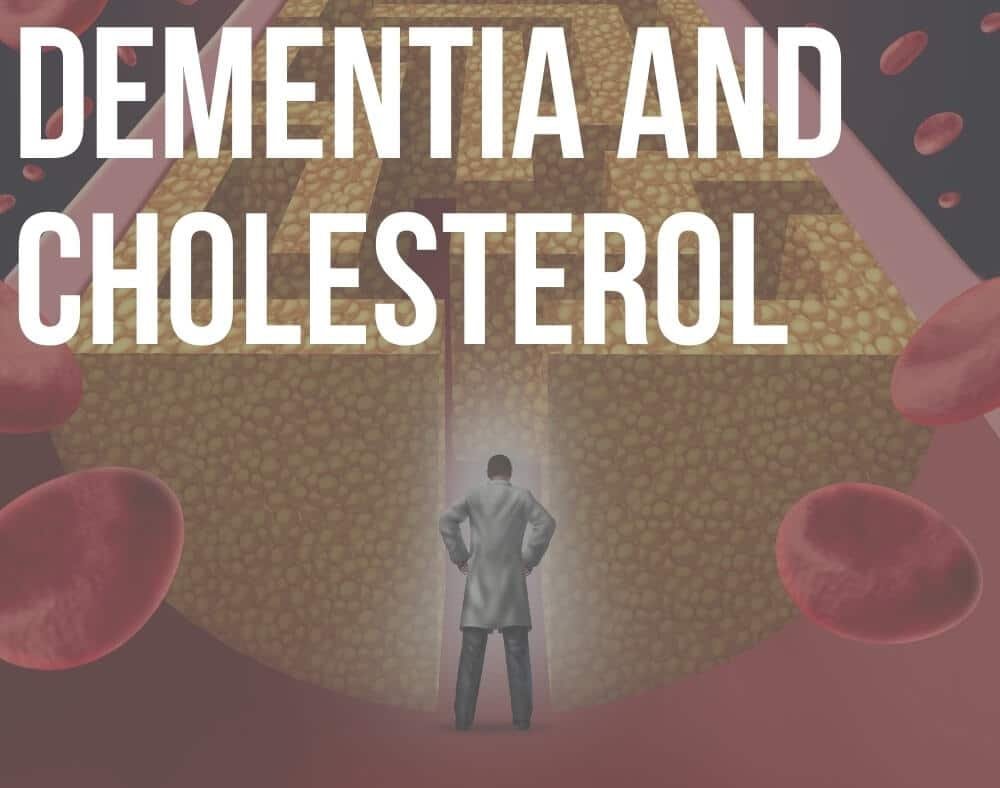
Several studies report that there is a link between dementia and cholesterol levels in the human body.

Before getting deeper into this, it is important to note that cholesterol is essential for the healthy functioning of the body.

But there is a catch.

Is There a Link Between Dementia and Cholesterol?

Without this, people would not be able to produce hormones or digest food.

We can describe cholesterol as a waxy-like fatty substance that the liver produces.

It is also present in some foods. Cholesterol circulates through the blood-stream in carries known as lipoproteins made of proteins and fats.

Even though the fatty substance is beneficial, too much cholesterol in the blood can harm vascular and heart health.

There are two types of cholesterol

there are two types of cholesterol
1. HDL (high-density lipoprotein) – also known as “good cholesterol” this is responsible for preventing the build-up of cholesterol in the arteries. Not just that, but it also protects a person against stroke and heart attack.

2. LDL (low-density lipoprotein) – referred to as “bad cholesterol” this is what causes high levels of cholesterol.

With this in mind, let’s jump into the relationship between dementia and cholesterol.

Health experts agree that watching cholesterol levels can help keep Alzheimer’s disease at bay which is one of the most common dementia types.

It can also help prevent the development of vascular dementia which is one of the most common types of dementia.

Below we will expound more on how lowering cholesterol may be instrumental in starving off dementia.

Studies on How High Levels of Cholesterol can Increase Dementia Risk

studies on how high levels of cholesterol can increase dementia risk
One of the factors that can increase a person’s risk of developing dementia is high cholesterol.

A neurology study borrowing insights from Niemann Pick-C disease and Down’s syndrome stated that high cholesterol disrupts the process of cell division.

Dr. Kensuke Sasaki one of the authors of this study said that his team of researchers discovered that high levels of cholesterol were related to brain plaques that are markers for Alzheimer’s disease.

Kensuke is a researcher at Kyushu University in Japan.

Together with his team of professionals, they tested cholesterol levels for about 2600 people aged 40-79.

At the beginning of the study, all the participants were dementia-free. The researchers then checked on the participants after 10-15 years.

They also conducted autopsies on the persons who had passed on. They found 34% of the individuals had been diagnosed with dementia.

Autopsies also revealed hallmark tangles and plaques of the illness which normally translated to protein build-up in the brain.

The study recorded that 86% of individuals with high levels of cholesterol had brain plaques.

Only 62% of the people with low cholesterol had plaques.

A similar study investigating the link between dementia and cholesterol was reported by researchers in Arteriosclerosis Thrombosis and Vascular Biology: Journal of the American Heart Association.

Low levels of HDL can contribute to a memory decline

low levels of hdl can contribute to a memory decline
In this study, professionals observed 3,673 participants from the Whitehall II study. 26.8% of the subjects were women.

The researchers discovered that low levels of HDL cholesterol were among the major predictors of declining memory by the time a person turns 60.

The experts came to the conclusion after measuring lipid concentrations in blood samples they collected after the participants underwent an eight-hour fast.

Researchers at Emory University and the Atlanta Veterans Affairs Medical Centre also conducted a study that found an association between early-onset Alzheimer’s disease (AD) and high LDL cholesterol levels.

This condition is considered “early-onset” when it develops before a person is 65 years.

To find out whether early-onset AD is related to cholesterol the experts sequenced various genomic regions of 2,125 participants.

Among them, 654 already had early-onset Alzheimer’s while 1,472 wee controls.

The researchers also went ahead to test blood samples from 267 subjects to determine their LDL cholesterol levels.

From the blood samples, the experts discovered that people with elevated LDL levels were more likely to develop early-onset AD when compared to persons with lower levels of cholesterol.

They published their findings in JAMA Neurology.

Contracting Studies on the Link between Risk of Dementia and Cholesterol Levels

contracting studies on the link between risk of dementia and cholesterol levels
While many studies state that high cholesterol levels can increase dementia risk, some scientists in the US dispute this.

They are on record stating that high cholesterol levels in seniors over 85 have been linked to reduced decline in thinking abilities and memory.

They published their findings in Alzheimer’s and Dementia a scientific journal.

Knowing that high levels of cholesterol were linked to cardiovascular diseases and higher dementia risk, the scientists opted to study people who are over the age of 85.

In their study, they found that the elderly who had already celebrated their 85th birthday has fewer problems with thinking and memory even though they also had higher levels of cholesterol.

Chief Scientific Officer of Alzheimer’s Research UK Dr. David Reynolds said that although most of the evidence points towards the dangers of high cholesterol levels it is not easy to pinpoint one dementia factor in the group of seniors who do not have the disease.

He continued to explain that high cholesterol levels in the participants of the study might have been linked to enhanced cognitive function because it was a reflection of the genetic makeup of individuals who live to an advanced age instead of the cholesterol levels in their blood.

There is still no evidence or suggestion from the research that people need to increase their levels of cholesterol levels to sustain a healthy brain.

Because of the results of this study, the impact of high cholesterol levels remains a controversial and intriguing subject.

Closing Remarks

Seeing that overwhelming evidence points to the association between dementia and cholesterol levels, everyone must get to know the levels of this waxy-like fatty substance in their blood.

The recommendation for adults over the age of 40 is to take a blood test once every 5 years which can help in identifying the risk.

Women who are above 50 years and men who are over 45 may need to take the tests more frequently.

For now, scientists will continue to explore the role that cholesterol has in dementia development.

Calcium Supplements and Dementia Risk

calcium supplements and dementia

A new study has revealed that there may be a link between calcium supplements and dementia risk. This was published in the peer-reviewed journal Neurology.

It reported that women who take calcium supplements are at a higher risk of developing dementia.

This especially applies if they suffered from cerebrovascular diseases.

These are conditions that are a result of problems that affect the supply of blood to the brain. Stroke, vascular dementia, subarachnoid haemorrhage, and transient ischemic attack are some of the common cerebrovascular diseases.

Calcium Supplementation Linked to Dementia Risk

The reality of the study results, however, are not certain. The study was conducted on a small sample comprised of 98 women.

But it is the beginning.

So far, no one yet did a similar study on men.

It’s women who are more prevalent in taking the supplements in the first place.

Additionally, the study only focused on women from Sweden.

The entire study observed 700 Swedish women all who were 70 years and above.

All the participants did not have dementia. Also, not all were taking calcium supplements.

During the onset of the study, all the women took tests to measure their thinking skills and memory.

They then repeated the process at the end of the study.

More than half of the participants also underwent CT brain scans at the beginning of the research.

71% of this group had lesions in the white matter which is one of the markers for cerebrovascular disease.

Lesions in white matter tissue show evidence of a mini-stroke or other problems that are affecting the flow of blood within the brain.

The researchers then committed to monitoring the use of calcium supplements among the participants.

Women taking calcium supplements are at higher risk of developing dementia

women taking calcium supplements
From this group, only 98 were taking calcium supplements. 14.3% of these women who were taking supplements developed dementia after just five years.

Comparing this to 7.5% of ladies who did not get the neurodegenerative disease, researchers concluded that taking calcium supplements increases the risk of developing dementia up to seven times after considering all other factors.

The risk of dementia was also recorded at three times higher in the ladies who took calcium supplements and had white matter brain lesions.

Many women who are older than 40 often take calcium supplements to treat osteoporosis. It is a condition that causes bones to become brittle and weak.

Further analysis from the Swedish study on calcium supplements and dementia risk revealed that the raised risk only affected ladies who already experienced a stroke.

This also applies to the women who had signs of blood vessel damage in their brains after a scan.

Note that these results were only based on 6 out of 15 women who had a history of stroke and 50 of 316 females who had blood vessel damage and were taking calcium supplements.

Experts on the study acknowledged that the study was relatively small and that it was an observational study whose findings needed to be confirmed.

They did not advocate for an immediate call of action based on their results.

Instead, Dr. Silke Kern who was part of the study said that ladies with osteoporosis and cerebrovascular diseases should discuss the results of the research with their doctors because the study does not prove causality.

The study was done by researchers from the University of Gothenburg in Sweden in collaboration with other experts from University College London.

Different organizations provided grants for the study including the Swedish Research Council.

Why Calcium Supplements can Increase the Risk of Dementia

why calcium supplements can increase the risk of dementia
The study did not explain the exact relationship between calcium supplements and dementia. Kern says that calcium plays an essential role in the death of cells.

She explained that high calcium levels in the blood might trigger the death of neurons. Too much calcium can also affect blood vessels in the brain.

An associate professor of neurological science and director of research for Rush Heart Centre for Women Dr. Neelum Aggarwal said that calcium can affect brain chemistry which can cause degeneration of brain cells.

The doctor, however, cautioned against blaming calcium supplements for the increased risk of dementia.

Implications of the Study

implications of the study
If the results of the Swedish study on calcium supplements and dementia are anything to go by, it would be wise for people to look for other ways of getting the mineral.

This includes eating foods like green leafy vegetables, dairy products, nuts, sesame seeds, tofu, soya beans, fish like pilchards and sardines where you eat the bones, and whole grain bread.

Kern told, the findings only applied to calcium from supplements and not from food sources because they affect the brain in different ways.

The results of the study cannot be generalized for the entire population since it followed a small sample size.

However, if a person suffers from low levels of calcium and they are not getting the required dose from the diet, it is recommended you speak to your doctor who will offer guidance on whether the supplements are the way to go.

More research still needs to be done to confirm whether calcium supplements accelerate or cause the development of dementia.

Dementia and High Blood Pressure

dementia and high blood pressure

Numerous research studies confirm that there is a link between dementia and high blood pressure.

High blood pressure also known as hypertension is a chronic condition where the force of blood against the artery walls becomes too high causing various health problems including strokes and heart attacks.

Hypertension is known to cause progressive brain damage.

Blood pressure usually measures the force that is applied to the arteries as blood is circulated by the heart around the body.

Normal blood pressure should read about 120/80 mmHg. Hypertension is constantly above 140/90 mmHg.

Common risk factors for high blood pressure include an unhealthy diet comprising mostly salty foods, lack of exercise, excessive alcohol consumption, being obese or overweight, taking steroid medication, drinking lots of caffeine and kidney disease.

Also, everyone in the family with a history of hypertension is at risk, as well as those of Caribbean or African descent.

Dementia is a general term that is used to describe problems with memory, problem-solving, language, and other thinking abilities that end up interfering with a person’s day-to-day life.

The disease is progressive implying that the symptoms will become worse over time.

Research on Dementia and High Blood Pressure

research on dementia and high blood pressure
The World Alzheimer Report 2014 states that several studies observing large groups of individuals demonstrated that people with hypertension especially in mid-life were at high risk of developing vascular dementia one of the most common kinds of dementia later on in life.

The subjects were between the ages of 15-40 while mid-life was characterized by people between the ages of 40-64.

Vascular dementia occurs when there is an inadequate flow of blood to the brain which denies the organ essential nutrients and oxygen it needs to function properly.

People with hypertension are at higher risk

people with hypertension are at higher risk for dementia
A study published by Oxford University Press in Cardiovascular Research also reports that persons who have hypertension are at a higher risk of getting dementia.

For the first time, the research also reveals that doctors can conduct an MRI to detect neurological damage for persons with high blood pressure before dementia symptoms occur.

Researchers came to this conclusion after subjecting individuals between the ages of 40-65 to undergo a 3 Tesla MRI scan at the Regional Excellent Hypertension Centre of the Italian Society of Hypertension of the I.R.C.C.S.

The participants of the study did not have a dementia diagnosis or any structural damage.

The subjects also underwent clinical examinations to know their hypertensive status as well as damage to the target organ.

They were also subjected to an MRI scan to identify any microstructural damage.

The results indicated that hypersensitive participants had major alternations in 3 specific white matter fiber tracts.

The group also scored worse in cognitive tests and decreased performances in memory, speed, and learning-related tasks.

This goes to show that it is possible to detect changes before a person starts showcasing symptoms. Medics can then offer medication that will prevent further deterioration in regard to brain function.

Hypertension medication and dementia

hypertension medication and dementia
Another study worth mentioning about dementia and high blood pressure was conducted at the John Hopkins University.

Experts analyzed previously gathered data to report that persons taking hypertension medication were half as likely to end up with Alzheimer’s (the most common cause of dementia) when compared to the people who do not take the drugs.

Constantine Lyketsos, director of Memory and Alzheimer’s treatment at John Hopkins explained that people who do not have Alzheimer’s but are taking blood pressure drugs were less likely to develop dementia.

He went ahead to say that individuals who got dementia from Alzheimer’s and were taking specific antihypertensives were likely to experience slow or halt progress.

He concluded that it was still not clear where this connection arises.

It can either be from better management of blood pressure or some medications that may have some properties that interfere with some of the processes that relate to Alzheimer’s.

Women with high blood pressure are more like to get dementia

women with high blood pressure are more like to get dementia
A sex-specific study reveals that women who experience hypertension in their 40’s are 73% more likely to get dementia later in life when compared to the ladies who did not have high blood pressure.

This was in a bid to determine how dementia strikes women and men differently.

Experts who conducted the study said they adjusted the results for other risk factors that can also lead to dementia including diabetes, smoking, and obesity which held true for all races.

This, however, was not the same case for men even though hypertension was more common among the male fraternity. The study that was published in the American Academy of Neurology journal observed more than 7,000 individuals.

The participants went through blood pressure checks at the age of 33 and again at 44 in the 60s and 70s. Researchers began to follow up to see the persons who developed dementia in 1996.

The results indicated that ladies who had hypertension in their 30’s did not have a higher dementia risk as compared to those with high blood pressure in their 40’s.

How Hypertension Affects the Brain

how hypertension affects the brain
There are several ways high blood pressure affects the function of the brain. One of them is that over time, hypertension causes strain on the arteries.

This makes the artery walls become stiffer, thicker, and narrower a condition known as arteriosclerosis.

When this happens, the brain is deprived of important oxygen and nutrients which results in damaged brain cells that negatively affect the functioning of the brain.

Hypertension is also one of the major stroke risk factors.

One of the major reasons that cause strokes is the blockage of arteries in the brain which is usually a result of hardening arteries.

A stroke can also occur when an artery in the brain burst causing bleeding in the organ. Strokes can result in post-stroke or stroke-related vascular dementia.

When talking about dementia and high blood pressure, it is also important to mention that hypertension can damage small blood vessels in the brain.

This can affect the parts of the brain responsible for memory and thinking.

Closing Remarks

Even though the link between vascular dementia and high blood pressure is quite apparent, there is still no proof that lowering blood pressure can help to prevent the development of dementia.

More research needs to be done to identify the link between hypertension and dementia to see if anything can be done to prevent or treat dementia.

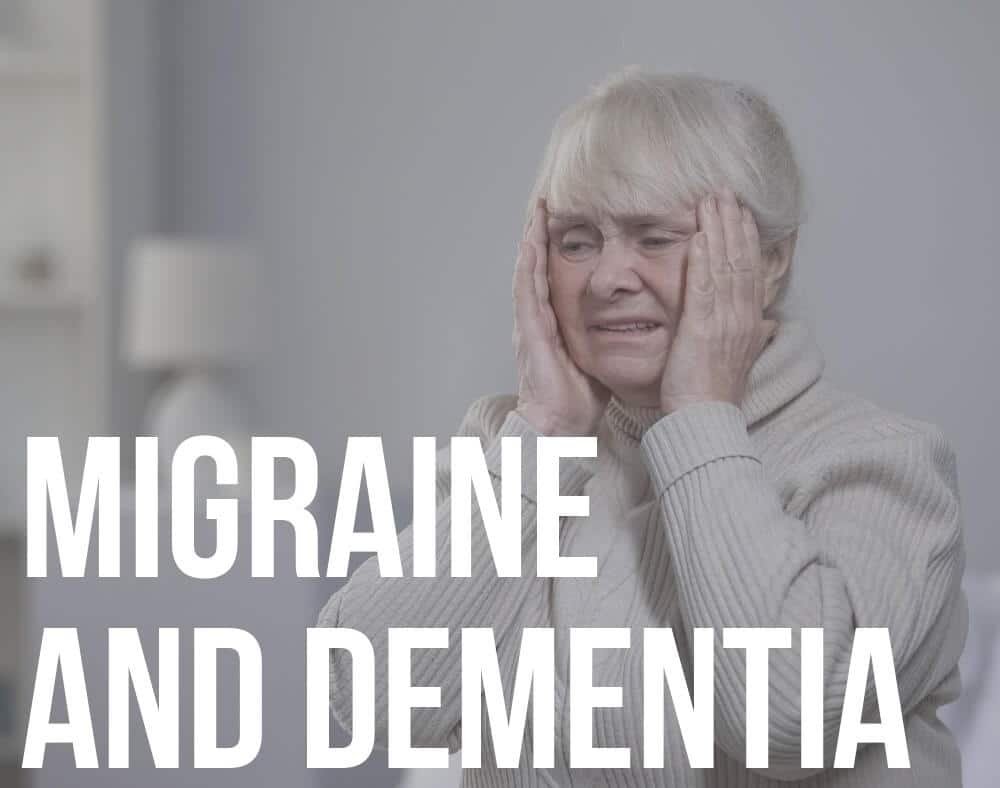
Migraine and Dementia: Is There a Link?

migraine and dementia

Research looking into the link between migraine and dementia reveals that migraines are among the top dementia risk-factors.

Migraines are a neurological disease that involves repetitive and severe headaches as well as other symptoms.

In some cases, there may be an aura which is a sensory change before the headache occurs. Migraines are not your typical headaches.

They can last for days and can affect an individual’s daily life including their ability to study or work.

The Migraine Research Foundation reports that the disease affects one billion people across the globe.

That makes it the 3rd most widespread disease in the world.

Are Migraines and Dementia Closely Related?

Dementia on the other hand is not a specific disease but a group of conditions that are characterized by impairment of brain functions like judgment and memory loss.

One of the reasons why researchers were interested in studying dementia and migraines is because both are common neurological diseases.

While dementia mostly affects seniors, migraines usually affect people of all ages.

One of the studies that support the idea that there is an association between migraine and dementia was published in the International Journal of Geriatric Psychiatry.

It explains that researchers talked to 679 seniors asking them about their migraine history. More than half of this group were women and none had a history of cognitive problems.

Are migraine sufferers more likely to develop one form of dementia?

are migraine sufferers more likely to develop one form of dementia
The average age of the subjects was 76. The experts pursued elderly individuals for 5 years and discovered that 51 of them had a positive dementia diagnosis.

Considering factors such as age and education, the researchers found that individuals with Alzheimer’s disease (AD) were over four times more likely to have had migraine attacks.

AD is one of the most common forms of dementia.

Suzanne L. Tyas a senior author of the study said that persons with migraines history were three times more likely to develop a kind of dementia and four times more as likely to develop Alzheimer’s.

The study, however, did not find a link between migraines and vascular dementia.

What affects migraines?

migraine and dementia
According to Rebecca Edelmaye, director of scientific engagement at the Alzheimer’s Association, the link between migraine and dementia is advanced by the fact that migraines affect the lifestyle decisions of a person.

This includes not eating a healthy diet, poor sleep, reduced social/cognitive stimulation, and not being active.

These factors have very much in common with those known to increase the risk of dementia.

Previous research had found connections between dementia risk and migraines. Scientists have, however, not yet pinpointed the exact link between the two diseases.

Many suspect that it has a lot to do with vascular risk factors like diabetes and hypertension. On record, these are potential dementia risk factors.

Research also reveals that long-term migraines can alter the structure of the brain resulting in some destructive effects.

A study published in Neurology in 2013 examined the contribution of migraines to structural changes in the brain including volumetric changes in white and gray matter, white matter abnormalities, and infract-like lesions.

Experts in this study were looking for solid evidence and a better understanding of the relationship between migraine and dementia.

Implications of the Studies

implications of the studies
There are a couple of things that come up after the discovery that there is a link between migraine and dementia.

One of them is the fact that the research can help medics predict better the people who are at risk of this neurodegenerative disease.

This might also lead to early detection of the disease. This is an essential part of treatment according to the professionals.

Early detection is helpful because it means that affected individuals can start treatment as soon as possible. It can, in turn, enhance the effectiveness of the treatment therapies.

This can also empower persons with the illness and their loved ones to make the proper decisions at the right time.

There is also a chance that future research will better explain how migraines affect Alzheimer’s and other forms of dementia as well as how to ease the risk.

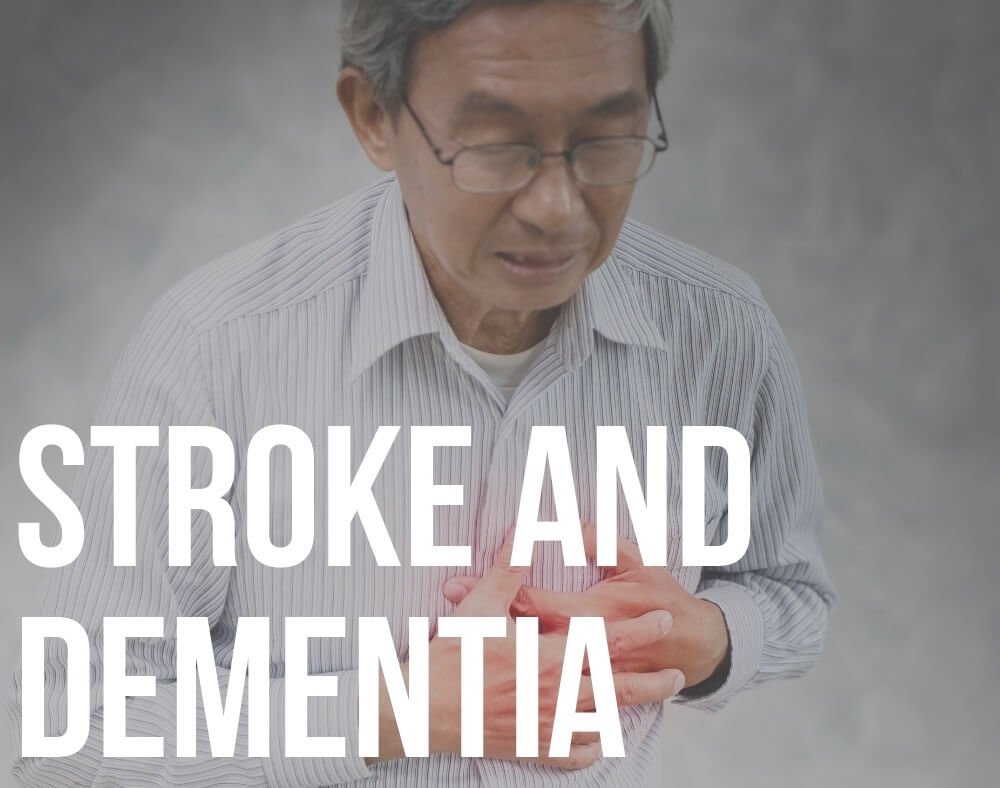
Stroke and Dementia: Is There A Link?

stroke and dementia

Several studies confirm that there is a link between stroke and dementia.

A stroke occurs when brain cells are damaged or die-off because the flow of blood to the organ is interrupted.

This kind of damage can lead to the development of dementia because it results in problems with thinking and memory.

Dementia is a group of symptoms that result in cognitive decline.

This includes problems with communication, memory, and concentration.

Statistics indicate that having a stroke doubles the risk of developing dementia.

Understanding Stroke and Dementia

The conclusion was made after a large-scale study led by The University of Exeter Medical School. Researchers analyzed data on stroke and dementia risk from over three million people from across the globe.

The experts were building on research that has been previously done but had not quantified the extent that stroke increases the risk of dementia.

The research analyzed 36 studies where 1.9 million subjects had a history of stroke.

They went ahead and also examined twelve more studies where the participants had a recent stroke during the period of the research adding 1.3 million people.

Stroke increases the risk of dementia by 70%

stroke increases the risk of dementia by 70%
Dr. ILianna Lourida who was part of the study from the university said that they discovered that a history of stroke increases the risk of dementia by about 70%.

Moreover, recent strokes increase the risk by more than double.

The link between dementia and stroke was prevalent even after the experts took into account other dementia risk factors like diabetes, cardiovascular disease, and blood pressure.

Findings from this study released strong evidence that having a stroke increases dementia risk significantly.

This was important given how common dementia and stroke are.

World Health Organization reports that 50 million people around the world have dementia and the number will continue to rise significantly.

Meanwhile, 15 million individuals experience strokes yearly.

The study on stroke and dementia is also useful because it can help with the prevention or treatment of dementia.

Dr. David Llewellyn who hails from the University of Exeter Medical School believes that about 1/3rd of the cases of dementia are preventable.

He reckons that protecting the supply of blood to the brain might help to reduce dementia cases.

The research was published in Alzheimer’s & Dementia: The Journal of The Alzheimer’s Association one of the top dementia journals.

What Type of Dementia are People with Stroke Likely to Get?

what type of dementia are people with stroke likely to get
When talking about stroke and dementia, it is important to note that a majority of people who suffer from stroke will end up developing vascular dementia.

This is one of the most common dementia types.

It is not to say that every person who has a stroke will end up with vascular dementia.

The risk may also depend on sex, age, family history, and severity and location of the stroke.

In addition to damaged brain cells, vascular dementia can also develop after an individual experiences a series of silent strokes.

These usually cause small areas of damage in the brain.

They are known as silent strokes because in most cases, the strokes are usually so small that a person may not even know when they are happening.

Worth mentioning is that it is possible to confuse vascular dementia with the effects of stroke.

Both medical conditions can cause issues with memory, mood, and thinking.

If a person with stroke experiences these problems and they do not improve but seem to get worse, it could be an indication that they have vascular dementia.

If caused by a single stroke, the symptoms of vascular dementia can appear suddenly.

They tend to appear gradually if the symptoms are caused by silent strokes. In the absence of dementia, these symptoms will improve after some time.

Experts also believe that stroke can cause dementia at any age. As people grow older, their risk of stroke and dementia increases.

Nowadays, however, stroke risk factors are increasing even for younger adults.

The same case applies to dementia where individuals can start developing the neurodegenerative disease in their 40’s or younger.

Smoking and Dementia: Does Smoking Increase the Risk?

Older adult smoking a cigarette illustrating smoking and dementia risk

The relationship between smoking and dementia has been studied for many years. Today, the overall evidence is much clearer than it once was.

People who smoke have a higher risk of developing dementia than people who have never smoked. This includes an increased risk of both Alzheimer’s disease and vascular dementia.

Smoking does not mean that a person will definitely develop dementia. Dementia has many causes and risk factors, including age, genetics, cardiovascular health and lifestyle.

However, tobacco use is now recognized as one of the modifiable risk factors for dementia.

The World Health Organization’s 2026 guidelines on reducing the risk of cognitive decline and dementia include stopping tobacco use among the actions that can help reduce dementia risk.

The encouraging part is that quitting smoking provides health benefits at any age and appears to reduce dementia risk over time.

What Is the Link Between Smoking and Dementia?

Smoking affects many parts of the body that are also important for brain health.

Cigarette smoke contains thousands of chemicals. Smoking can damage blood vessels, contribute to cardiovascular disease, increase inflammation and expose cells to oxidative stress.

These effects are relevant because the brain depends on a healthy blood supply.

Damage to blood vessels can increase the risk of stroke and other vascular problems. These are closely associated with vascular dementia and can also contribute to cognitive decline.

Smoking is also associated with health conditions such as type 2 diabetes, heart disease and high blood pressure, which themselves can affect dementia risk.

For these reasons, the relationship between smoking and brain health involves several overlapping pathways rather than one single mechanism.

How Much Does Smoking Increase Dementia Risk?

Different studies have produced different estimates, so it is better not to attach one universal percentage to every smoker.

However, large reviews consistently show an increased risk.

A meta-analysis of 37 prospective studies found that current smokers had a higher risk of all-cause dementia, Alzheimer’s disease and vascular dementia than people who had never smoked.

In that analysis, current smoking was associated with approximately:

  • 30% higher risk of all-cause dementia
  • 40% higher risk of Alzheimer’s disease
  • 38% higher risk of vascular dementia

The researchers also found evidence of a dose-response relationship. For all-cause dementia, risk increased as cigarette consumption increased.

These figures describe associations across large groups of people. They cannot predict whether an individual smoker will or will not develop dementia.

research examining smoking and dementia risk

Why Can Smoking Increase Dementia Risk?

Researchers believe several mechanisms may contribute.

Damage to Blood Vessels

Smoking damages the cardiovascular system.

It can contribute to narrowing and stiffening of arteries, blood vessel damage and an increased risk of stroke.

This matters because vascular health and brain health are closely connected.

Poor blood flow or damage to small blood vessels in the brain can contribute to cognitive impairment and vascular dementia.

Cardiovascular disease is also associated with an increased risk of Alzheimer’s disease.

Oxidative Stress and Inflammation

Cigarette smoke contains substances that can increase oxidative stress.

Oxidative stress occurs when harmful molecules called free radicals overwhelm the body’s ability to neutralize them.

Smoking can also promote chronic inflammation.

Both oxidative stress and inflammatory processes are being investigated for their possible roles in neurodegenerative diseases, including Alzheimer’s disease.

This does not mean that inflammation alone causes dementia. Rather, it is one of several possible pathways through which long-term tobacco exposure may affect the brain.

Stroke and Cardiovascular Disease

Smoking is a major risk factor for cardiovascular disease and stroke.

A stroke can directly cause vascular dementia or contribute to cognitive decline, depending on which parts of the brain are affected.

Maintaining good heart and blood vessel health is therefore an important part of reducing overall dementia risk.

Does Quitting Smoking Reduce Dementia Risk?

This is one of the most encouraging findings in research on smoking and dementia.

Evidence suggests that dementia risk falls after a person stops smoking.

The Alzheimer’s Society states that former smokers do not appear to have the same increased dementia risk seen in current smokers, although the exact amount of time needed for risk to fall is not completely established.

A large prospective study published in 2025 followed more than 32,000 adults over many years.

Researchers found that people who quit smoking had a lower subsequent risk of dementia than those who continued smoking.

Dementia risk declined progressively with longer periods after quitting and, in this study, approached the level seen in never-smokers after approximately five to seven years.

This does not mean everyone will follow exactly that timeline.

Age, previous smoking exposure, cardiovascular health and other factors can all influence an individual’s risk.

The important message is that it is not too late to benefit from quitting smoking.

What About Second-Hand Smoke and Dementia?

second-hand cigarette smoke and possible effects on brain health

Second-hand smoke, also called passive smoking, exposes non-smokers to many of the harmful substances found in tobacco smoke.

There is strong evidence that second-hand smoke increases the risk of several diseases, including cardiovascular disease and stroke.

There is also evidence suggesting that long-term exposure may be associated with cognitive impairment and dementia.

A meta-analysis of cohort studies reported an association between second-hand smoke exposure and an increased risk of cognitive impairment.

The Alzheimer’s Society also notes that studies suggest passive smoking may increase dementia risk, particularly with greater exposure.

However, the evidence for second-hand smoke and dementia is not as extensive as the evidence concerning active smoking.

It is therefore more accurate to say that passive smoking may increase dementia risk rather than claiming that a precise increase has been proven.

Avoiding second-hand smoke is still sensible because of its well-established effects on cardiovascular, lung and overall health.

Can Nicotine Protect Against Dementia?

This is an area where discussions about smoking can become confusing.

Nicotine has effects on receptors in the brain, and researchers have investigated whether isolated nicotine or drugs targeting similar biological pathways might influence attention or cognition.

That does not mean cigarette smoking protects against dementia.

Smoking exposes the body not only to nicotine but also to a large mixture of toxic and carcinogenic substances.

Any possible short-term cognitive effects associated with nicotine do not outweigh the established harms of smoking.

People should therefore not start smoking, continue smoking or use tobacco in an attempt to protect their memory.

Research into nicotine as an isolated compound is fundamentally different from research into the health effects of cigarette smoking.

Why Have Some Older Studies Found No Link?

older research examining conflicting findings about smoking and dementia

Some individual studies have found little or no association between smoking and dementia.

This does not necessarily contradict the much larger body of evidence.

There are several reasons why research results can differ.

One important issue is known as competing mortality.

Smoking substantially increases the risk of premature death from conditions such as heart disease, lung disease, cancer and stroke.

Dementia becomes much more common at older ages.

This means some people who smoke heavily may die before reaching the age when dementia would otherwise become apparent.

If researchers study only people who survive into very old age, the surviving smokers may not represent smokers as a whole.

A 2025 Norwegian population study, for example, found current smoking was associated with increased dementia risk overall but not among people aged 85 and older. The researchers considered competing mortality a likely explanation.

Why Research on Smoking and Dementia Can Be Complicated

reasons research into smoking and dementia can produce different findings

Studying smoking over several decades is challenging.

Some of the reasons include:

  • Smoking habits change. A person may smoke heavily when younger, reduce their smoking later and eventually quit.
  • Accurate lifetime exposure can be difficult to measure. Studies often rely on participants remembering how much they smoked many years earlier.
  • Smoking is associated with other risk factors. Researchers must try to separate the effects of smoking from factors such as alcohol consumption, diet, physical activity and cardiovascular disease.
  • Premature death affects study results. Some smokers die before reaching the ages when dementia becomes most common.
  • Different types of dementia have different causes. Smoking may not influence every dementia in exactly the same way.

These difficulties explain why individual studies can sometimes appear contradictory.

Researchers therefore place more weight on systematic reviews, meta-analyses and the total body of evidence than on one isolated study.

Were Some Claims That Smoking Was Protective Influenced by the Tobacco Industry?

There is another historical issue worth mentioning.

Some early research appeared to suggest that smoking might protect against Alzheimer’s disease.

Researchers later examined whether financial or professional connections with the tobacco industry could have influenced some of these findings.

A 2010 analysis of studies on smoking and Alzheimer’s disease found that studies involving authors with tobacco-industry affiliations were more likely to report apparently protective results.

When researchers focused on studies without tobacco-industry affiliation and considered stronger study designs, smoking was associated with increased Alzheimer’s risk.

This history is one reason modern assessments rely on the overall evidence rather than older claims that smoking might somehow be protective.

Is Smoking a Modifiable Dementia Risk Factor?

Yes.

A modifiable risk factor is something that can potentially be changed, unlike factors such as age or inherited genes.

WHO’s updated 2026 dementia risk-reduction guidelines identify tobacco use as one of the factors that can be addressed as part of reducing the risk of cognitive decline and dementia.

Smoking is only one part of the picture.

Other potentially modifiable dementia risk factors include high blood pressure, diabetes, physical inactivity, harmful alcohol use, hearing loss and some aspects of cardiovascular health.

Reducing a risk factor does not guarantee that dementia will be prevented.

Instead, it may reduce the probability of developing dementia across a population and can provide substantial benefits for general health at the same time.

How Can Someone Stop Smoking?

Stopping smoking can be difficult because nicotine dependence is powerful.

People do not have to rely on willpower alone.

The World Health Organization’s tobacco cessation guideline recommends evidence-based support that can include behavioral counseling and, where appropriate, medications or nicotine-replacement therapy.

Options may include:

  • Speaking with a doctor, pharmacist or other healthcare professional
  • Behavioral counseling or structured quit-smoking support
  • Nicotine patches, gum, lozenges or other nicotine-replacement products
  • Prescription medications when medically appropriate
  • Telephone, online or community stop-smoking services

The most suitable approach depends on the individual, their health and their level of nicotine dependence.

Smoking and Dementia: The Bottom Line

The evidence on smoking and dementia no longer supports treating the subject as an evenly balanced debate.

Current smoking is associated with a higher risk of dementia, including Alzheimer’s disease and vascular dementia.

Smoking can damage blood vessels, increase stroke and cardiovascular risk, and contribute to inflammation and oxidative stress. These effects provide several possible pathways through which tobacco use may affect brain health.

Second-hand smoke may also increase cognitive and dementia risk, although the evidence is less certain than it is for active smoking.

Most importantly, people who stop smoking appear to have a lower dementia risk than those who continue.

There is no guaranteed way to prevent dementia, and people who have never smoked can still develop the condition.

However, quitting tobacco is one evidence-based step people can take to reduce a modifiable risk factor while also improving heart, lung and overall health.

Dementia and Multiple Sclerosis – Is There A Link?

dementia and multiple sclerosis

Several studies have been conducted to investigate the link between dementia and multiple sclerosis.

Dementia is not a specific disease but a group of conditions that are characterized by impairment of various brain functions like judgment and memory loss amongst others.

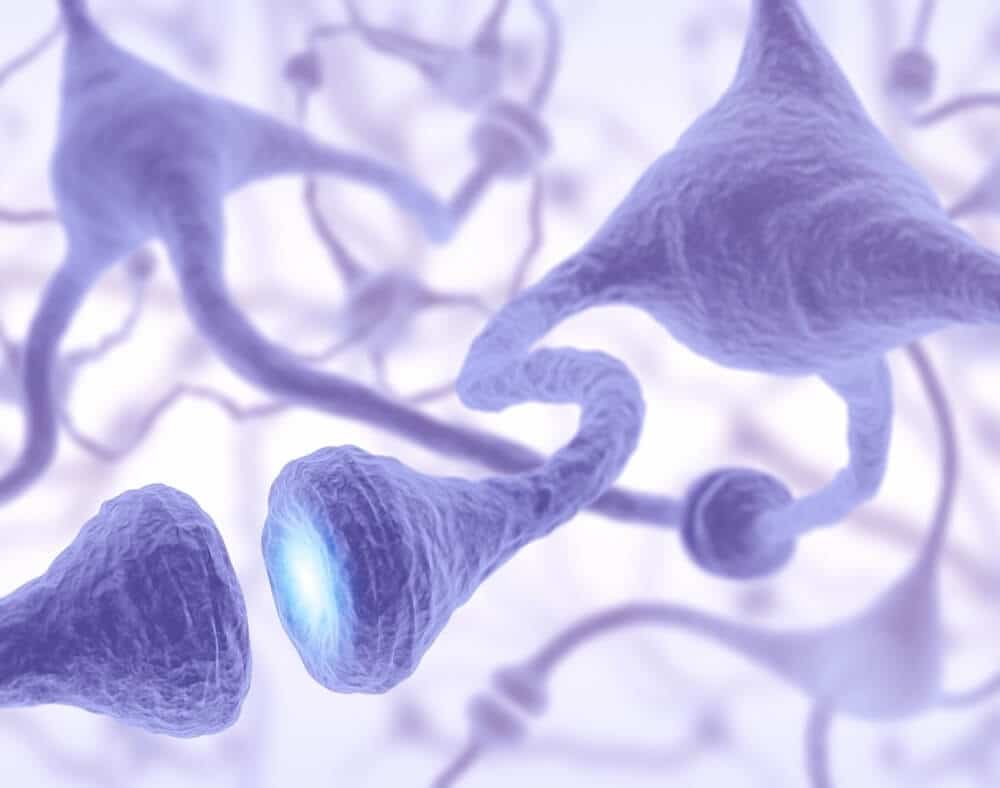
Multiple Sclerosis (MS) can be described as a neurological condition where the immune system attacks the human body. This leads to a process known as demyelination.

Note that nerve cells are covered in myelin which is a fatty protective coating.

This allows messages to travel faster between the brain and nerve endings. Myelin sheath found on the nerve cells is damaged when demyelination happens.

This can cause damage to the nerve cells leading to a wide range of mental and physical symptoms. Sclerosis stands for lesions or scars that appear in the white matter section of the brain.

Comparison of Dementia and Multiple Sclerosis

MS affects individuals in different ways. Some will experience loss of coordination, weakness, paralysis, and neuropathic pain.

damaged nerve cells lead to mental and physical symptoms

Many people with MS will end up developing cognitive symptoms.

Cognition is how well memory works and the ability to think things through. It is also about how people maintain attention, focus, remember new things, learn, solve problems, use and understand language, reason, and carry out activities, etc.

Based on various studies with statistics varying depending on the type of study, experts estimate that about 40-60% of persons with MS experience cognitive impairment.

Another difference between dementia and multiple sclerosis is the age of diagnosis.

With dementia, many people will get the disease when they are older. This is different from MS because it mostly affects younger people.

Differences between Dementia and Multiple Sclerosis

differences between dementia and multiple sclerosis
One of the major differences between the two illnesses is the fact that brain damage in dementia is different from that of multiple sclerosis.

While some people with MS may showcase cognitive problems like slowed thinking, poor focus, and fuzzy memory, the symptoms are normally mild and do not affect daily life.

With dementia, everyone with the illness will have problems with their day-to-day lives.

Also, as the disease progresses, they may have to be fully dependent on caregivers for activities of daily life.

In most cases, multiple sclerosis will not hurt long-term memory or a person’s intelligence.

Experts also agree that MS does not majorly affect the ability to read or carry conversations. These are things that dementia changes.

Similarities between Dementia and Multiple Sclerosis

similarities between dementia and multiple sclerosis
It is common for people with dementia to have communication problems.

In the beginning, they may have trouble understanding what people are saying.

They may also have a hard time using the right words to complete sentences; thus, making it hard to have conversations with others.

This also happens to people who have multiple sclerosis especially the ones who develop cognitive issues like blurred thinking.

This is where they will have challenges with finding the right words to say. They may also forget tasks they have already done or the things they need to do.

A high percentage also struggle to set priorities or plan ahead.

Many will likewise have challenges with concentrating especially when two things are happening at the same time.

Some people with MS may also experience emotional problems such as personality changes and mood swings which is common with persons with dementia.

Closing Thoughts

There is little known information about the coexistence of multiple sclerosis with other diseases of aging like dementia.

More research needs to be done in regards to the link between dementia and multiple sclerosis.

Anyone who has dementia and they suspect they have cognitive impairment should consult their doctor as soon as possible so that the professional can identify the best treatment options.