How to Deal with Dementia and Insomnia

dementia and insomnia

Many seniors end up suffering from both dementia and insomnia at some point in their lives.

Insomnia affects about 20%-35% of persons who have dementia.

It can be described as a sleeping disorder that causes people to have trouble falling or staying asleep.

The condition can come and go and it can also be chronic or acute.

Acute or short-term insomnia lasts from a single night to a few weeks.

Long-term or chronic insomnia can go on for a minimum of three nights every week to three months or more.

Managing Dementia and Insomnia

Lack of proper sleep often leads to reduced functioning during the day and can also lead to increased health problems that may reduce the quality of life.

Not getting enough sleep can also make dementia worse.

This not only causes strain on ill individuals but caregivers as well. It is not uncommon for persons with dementia to experience early institutionalization because of insomnia.

When caring for a person who has dementia and is experiencing insomnia as well, there are a few tips you can use to manage sleep problems, which we cover in detail below.

Treating Any Underlying Conditions

treating any underlying conditions
A person with dementia can experience sleep problems because of some untreated ailments or pain.

Some medical conditions like sleep apnea, depression, or restless leg syndrome can be the cause of sleep issues.

Visiting a doctor as soon as you spot the signs of insomnia can help treat such conditions or alleviate pain to help individuals with dementia enjoy a good night’s sleep.

If you want to know whether a person has sleep apnea, you can watch them as they sleep.

Most people with this condition will stop breathing momentarily because it causes them to pause while breathing.

An individual with restless leg syndrome will twitch or move their legs uncontrollably. Some individuals may experience burning, tingling, or fizzing sensations in the legs.

Avoid Over-Sleeping During the Day

avoid over sleeping during the day
One of the reasons why a person with dementia may not sleep well at night is because they sleep too much during the day making it hard to get some shut-eye at night.

For this reason, it is important to ensure that the individual with the neurodegenerative disease does not spend most of their days sleeping.

While it is okay for a person to take short naps during the day, they should not end up sleeping for hours.

These should only last 30 minutes to an hour.

This means that you have to come up with fun and engaging stuff for the suffering person.

Encouraging physical activity is also important as this promotes better sleep thanks to a better flow of blood in the body.

It will keep them occupied during the day so that they do not resort to sleeping even when they do not have to.

Keeping a person busy during the day also means that they will be tired by the time the sunsets.

This is something that can help them fall asleep faster because their bodies will be craving some relaxation.

Stay Away from Stimulants before Bedtime

stay away from stimulants before bedtime
Nicotine, caffeine, and alcohol are some of the things that can interfere with sleep.

To manage dementia and insomnia, limit or completely avoid these substances when a person is about to retire to bed.

Effects of caffeine can last many hours; thus, end up interfering with sleep. This substance can lead to frequent awakenings, or challenges initiating sleep.

Although alcohol can offer a sedative effect after a few hours of consumption, it is not advisable to take it at night because it often results in arousals as well as a non-restful night’s sleep.

It is also recommended that you keep away from stimulates during those wakefulness periods at night.

These include things such as engaging in conversations, reading books, or keeping the TV or radio on.

Using Light Therapy

using light therapy for dementia
Many people agree that exposure to light therapy especially during the daytime can help maintain the circadian rhythm.

The main source of this light is ideally the sun.

Take the person with dementia outside, and when the sun sets, the body will know that time for sleeping is around the corner.

If the sun is not an option, you can use some special lamps that are designed to emulate light from the sun.

Several studies reveal that light therapy is most beneficial for people with mild to moderate dementia.

Creating an Ideal Sleeping Environment

creating an ideal sleeping environment for dementia
A person’s sleeping area can end up affecting the quality of sleep.

You want to make sure that the person with dementia and insomnia gets a comfortable place to sleep every night.

Some of the things that can help with the creation of a great sleeping place include:

  • Where possible, make sure that the individual with dementia only uses their bedroom to sleep or for intimacy. They should move from the room when they wake and not have any meals there. This way, they will associate the specific room with sleeping.
  • At night the bedroom should remain quiet and relatively dark. Blackout curtains are a great option for eliminating disturbances coming from outside. Persons who insist on sleeping with lights can use low levels ones. If there is noise from the surrounding areas, white noise can help with masking it out. Some experts state that using lights with violet colors helps to induce drowsiness.
  • The temperatures inside the bedroom also need to remain at comfortable levels.
  • Beds should be well made and comfortable. Remember to change sheets, pillows, and comforters. You can also invest in special pillows and mattress pads that work for the specific sleeper.
  • Keeping the room safe may also help. You can re-enforce safety by using the appropriate window and door locks. Motion detectors and door sensors can also be used to alert caregivers when a person starts wandering.
  • You can consider placing a clock next to the bed that shows a person whether it is day or night.
  • A person with dementia can try and take a hot shower or bath before bedtime. For some people taking warm milk or cuddling with their favorite soft toy can help with relaxing before sleeping.

Create and Maintain Schedules

create and maintain schedules
Regular routines can help people with dementia sleep better.

Encourage the individual with dementia and insomnia to go to bed and wake up around the same time every day.

A consistent sleep schedule can enhance circadian rhythm to help persons with dementia not only sleep faster but also have better quality sleep.

It can also help to maintain regular meal schedules.

Take Steps towards Reducing Stress

take steps towards reducing stress for dementia
People with dementia are likely to experience stress that can make them suffer from insomnia.

As a caregiver, you can try the following tips to help the person with the neurodegenerative illness reduce stress and probably sleep better.

Let the weak person enjoy some alone time as they engage in the things they love to have a bit of fun and forget about their troubles for a while.

It can be anything from doing hobbies like knitting, playing music, watching movies, and so forth.

They can also socialize with their loved ones as they catch up and make each other laugh one of the best ways to relieve stress.

Help the person talk about their expectations. If some are unrealistic, find a soothing way to tell them that they have to accept that some things cannot be changed.

Although the person may shy away from support, try and give them as much as you can without forcing it so that you can reduce and finally eliminate the harmful effects of stress on the body and mind.

Eating a Healthy Diet

eating a healthy diet
A well-balanced and nutritious diet is important for everyone, more so, individuals with dementia.

When it comes to mealtimes, make sure that persons with the illness do not take heavy meals and processed foods just before bedtime.

If possible they should take their last meals at 6:00 PM. Anything a person eats after this should be low in carbs and sugar.

Experts state that eating some foods around bedtime can help induce sleep.

For instance, calcium is known to help in the production of a natural hormone called melatonin that is responsible for inducing sleepiness.

This means that a person can have a glass of milk before they go to bed.

Oatmeal is another option to consider.

Using Medicine

using medicine
Most of the time, it is recommended that you try and use natural therapies when dealing with dementia and insomnia. Sadly, this may not work for everyone.

In such cases, it is important to consult a doctor who can prescribe drugs that can help with insomnia.

Sedatives, sleeping pills, and tranquilizers are examples of medications that a person can take to help with the situation.

Some doctors may even recommend the use of sleep aids that come with some kind of sedating antihistamine.

Keep in mind that there are some drugs a person may be taking that could be responsible for sleep problems.

The doctor should replace these as soon as possible with alternatives that will not negatively affect a person’s sleep.


Why Do Dementia Patients Stop Talking?

why do dementia patients stop talking

Many persons with dementia develop communication challenges where some even stop speaking leading to the question of why do dementia patients stop talking.

Below, we are going to explore several reasons that may cause a person with dementia to stop speaking.

Why do dementia patients lose the ability to speak?

Brain Damage

brain damage
One of the top answers to the query why do dementia patients stop talking is because of the damage the disease causes to their brains.

The illness slowly damages the areas of the brain that are responsible for speech and comprehension resulting in a symptom known as aphasia.

When a person is first diagnosed with the illness, they may be communicating well.

From here individuals may start experiencing some communication challenges mostly because they have difficulties remembering things.

After some time, they will completely lose the ability to talk.

At this point, therapies aimed at enhancing communication become futile. This mostly happens in the later stages of illness where dementia affects almost all aspects of a person’s life.

This renders the suffering individual dependent on all activities, and their willingness or ability to talk reduces among other severe changes.

Frustrations

why do dementia patients stop talking
Another reason persons with dementia may stop speaking is that they are frustrated with not being understood by the individual they are communicating with.

They can reach a stage where they keep repeating the same sounds, words, or phrases; thus other people will not understand the message they are trying to pass across.

Numerous studies done by linguists focusing on the language of individuals with dementia reveal that the affected individuals may be communicating about the reality from their past world but are not able to use “dictionary words” which results in misunderstandings.

Communication challenges can make a person feel discouraged and just not try and talk to other individuals.

Social Withdrawal

social withdrawal
Social withdrawal may be another answer to why do dementia patients stop talking.

Many people with the neurodegenerative disease find their current world filled with loneliness, pain, noise, and confusion.

The affected individuals may also be dealing with an array of emotions from fear, anger, or sadness, etc.

They, therefore, find comfort in solitude as they retreat to a world that they once lived in. Here they can relive happier moments when the disease was not taking a toll on them.

Lack of Engagement

lack of engagement
At times, a person with dementia may stop talking because of a lack of engagement.

They may opt to keep to themselves because they feel bored or isolated.

This is why you will find that some persons with the disease will spend a lot of time alone.

Even when they are in the company of others, they may remain mum because not much conversation may be going on.

Some people with dementia will find it difficult to start a conversation; thus opt to stop speaking especially when other people do not put in the effort to engage with them.

Hearing Loss

hearing loss
A high percentage of people who have dementia will end up suffering from hearing loss. This makes it one of the answers to why do dementia patients stop talking.

When individuals with dementia lose their ability to hear, it will most likely be associated with communication problems that can result in a person not talking because they cannot hear properly.

Closing Thoughts

Sadly, when a person with dementia stops talking especially because of excessive damage to the brain, it may be an indication that they are living their last days on earth.

Caregivers may want to consider hospice care at this point to ensure that the affected persons remain as comfortable as possible until they breathe their last breath.

Seizures and Dementia – Is There A Link?

seizures and dementia

Researchers continue to investigate the link between seizures and dementia.

This is after observing several people with dementia experience seizures as one of the symptoms of the neurodegenerative disease.

Seizures and Dementia in the Elderly

Seizures can be described as uncontrolled and sudden electrical disturbances that happen in the brain.

This can cause levels of unconsciousness, feeling, or movements as well as changes in behavior.

While seizures are usually an indication that a person has epilepsy, not everyone who experiences seizures has epilepsy.

Naturally, persons who have dementia are at risk of seizures.

People with dementia are at risk of seizures

Alzheimer described this way back in 1911. What is not clear yet is how common the seizures are.

This is because some seizures can be quite complex.

Many people are familiar with the generalized tonic-clonic seizures that make people fall to the ground, become stiff and unresponsive and their bodies shake with convulsions.

However, there is another type of seizure that mainly affects individuals with dementia.

These are known as focal onset seizures.

They generally involve short periods of increased unresponsiveness or amnesia.

The person going through this can showcase involuntary repeating movements of the arms, hands, face like swallowing, lip-smacking, or chewing.

Because it does not go on for long, it can easily be missed.

At What Stage of Dementia Do Seizures Occur

In the past, it was believed that only people who had been diagnosed with dementia for years developed seizures.

Recent studies on seizures and dementia, however, reveal that it is also possible for seizures to occur during the early stages of the disease.

Some people will even experience seizures before memory loss become obvious.

Reasons Persons with Dementia Develop Seizures

reasons persons with dementia develop seizures
Individuals with dementia may experience seizures because of the structural changes that happen in the brain.

In some cases, they will occur after a brain infection like meningitis, head injury, or stroke.

As the cells in the brain begin to die, the size of the brain will shrink and this is something that can lead to seizures.

Some types of dementia like Alzheimer’s disease are a result of protein build-up in the brain that interferes with how cells in the brain communicate with each other.

This can result in nerve cells becoming “hyper-excitable” which implies that they will start to behave uncontrollably which can cause seizures.

The Role of Seizures in Dementia

Seizures-and-Dementia
While studying seizures and dementia, scientists were also triggered on the topic of the role seizures in the illness.

A study was conducted towards this end. Researchers observed 55 patients aged 50-69 years.

They were all admitted to an Israeli medical center with their first known seizure. A quarter of the participants developed dementia later on.

Another study that was done in the US looking at almost 300,000 veterans who were all over 55 years uncovered that seizures increased the risk of people developing dementia over a period of one to nine years.

Managing Seizures in People with Dementia

managing seizures in people with dementia
When talking about seizures and dementia, many people are usually concerned as to whether the seizures are manageable or not.

The good news is that there are drugs that a person can take to stop or reduce the seizures.

It is, therefore, important to consult a doctor when a person who has dementia suspects that they have seizure episodes.

In short, the medics will perform the necessary tests and prescribe medication that will treat the issue.

Hallucinations and Dementia: Are They Common?

hallucinations and dementia

It is important to talk about hallucinations and dementia seeing that this is one of the most common symptoms that persons with this neurodegenerative disease experience.

Hallucinations are incorrect perceptions about experiences or things that involve the senses that can result in a negative or positive experience.

Hallucinations in People with Dementia

They normally seem real to the person who is experiencing them, but other people cannot see them the way the person hallucinating is.

Hallucinations typically involve the senses of a person who has dementia.

In most cases, however, they will affect the visual or auditory senses where a person can see something that does not exist or hear voices or noises that are not there.

For example, a person can be convinced that they are seeing crawling bugs on their bed or seat but they are not actually there.

What Causes People with Dementia to Experience Hallucinations

what causes people with dementia to experience hallucinations
People will dementia will experience hallucinations because of the changes that happen in their brains.

Some of the possible causes for hallucinations when a person has dementia include:

  • Unfamiliar environments or people
  • Agitation and anxiety
  • Different drug combination
  • Insufficient lighting
  • Changes in routine
  • Sundowning which is a form of confusion and disorientation that some people may experience during later afternoons
  • Overstimulation of the environment such as too many distractions, people, and too much noise
  • Eyesight or hearing problems
  • Alcohol or drug abuse
  • Schizophrenia
  • Physical problems like bladder or kidney infection or intense pain

Responding and Treating Hallucinations

responding and treating hallucinations in dementia
Below we cover twelve steps that caregivers can try and take when they are dealing with a person who has hallucinations and dementia, like:

How do you deal with hallucinations in dementia

1. Ensuring that their environment is well-lit.

2. Making sure the person with dementia gets proper nutrition and stays hydrated because dehydration and malnutrition can lead to depriving the brain of the nutrients it needs to thrive and function normally.

3. Maintaining schedules and routines.

4. Where possible do not change the environment where the person stays and make sure it is as comfortable as possible, limiting distractions and people who visit or stay.

5. Look out for signs of physical injury like scrapes or bruises that may be causing hallucinations.

6. Come up with creative distressing techniques. For instance, if a person insists that a person has stolen their jewelry, do not outrightly tell them they are wrong.

Instead, offer to help search for the items or you can even look for another interesting activity that will distract them from their current thoughts.

It can be things that they like doing like looking at photos, listening to music, playing cards, or working out.

7. Avoid arguments at all costs because at the end of the day the hallucinations are real to the person with dementia even though they may appear far-fetched to you.

Always responds to the person’s feelings rather than the issue as this shows that you acknowledge their concerns. Seek to constantly reassure the person at all times.

8. Figure out if the hallucinations have a negative impact. If they have a positive impact, it is best not to address the issue.

9. At times, it helps to investigate any suspicions that the person raises because it may end up being true.

10. Being flexible. Sometimes, you have to indulge in little fibs to make the person with hallucinations and dementia feel safe.

For instance, if they hear an imaginary sound you can tell them that you were the cause and that everything is okay.

11. Have backups and additional resources.

Where possible have multiples of some of the things that a person loves. This way, if they keep misplacing them, you can always search for them and magically find them.

It is helpful because it helps frustration from boiling over to aggression or disappointments which can dampen someone’s mood.

12. Visiting a doctor to rule out any vision or hearing problems. The medic might also change medication if it is the source of hallucinations.

Medication for Dementia Hallucinations

If the hallucinations are severe, physicians can prescribe medications to treat hallucinations. Different drugs can do the job such as:

Nuplazid

nuplazid
This is one of the first drugs that has even been approved to treat hallucinations that relate to Parkinson’s disease dementia.

Antipsychotic medication

These can treat hallucinations by offering a calming effect which makes the hallucinations less distressing. The drugs can also reduce or eliminate the frequency with which they occur.

Cholinesterase Inhibitors

These are medicines that doctors will give people to treat both hallucinations and dementia. They increase levels of specific neurotransmitters in the brain which helps to boost cognition as well as alertness. They also have the potential to reduce hallucinations.

It is also recommended that caregivers seek out support because dealing with persons who have hallucinations and dementia is not an easy task.

This is because you may end up dealing with feelings of frustration, exhaustion, guilt, distress, and exasperation.

Seeking support helps you to effectively deal with such so that you can be in the best possible position to look after the individual with dementia.

Which Dementia’s Cause Hallucinations

which dementias cause hallucinations
Lewy Body Dementia is the number one culprit for causing dementia in person with this type of illness.

It is usually common in the early stages of the disease and might disappear as it progresses into the middle or end stages of the illness.

The hallucinations are usually persistent and last for a long-time. Studies also reveal that hallucinations can affect people who have Parkinson’s disease and Alzheimer’s disease.

With these diseases, the hallucinations occur during distinct periods for a short time. They can occur during the middle to late stages of the disease.

Are Aphasia and Dementia Related?

aphasia and dementia

It is easy to confuse some of the symptoms of aphasia and dementia, which often leads to questions on whether the two medical conditions are related.

Before we go deeper into answering the query, it is important to first define these conditions.

Aphasia is a language or speech disorder that is a result of complications in the brain.

In Greek, the word Aphasia translates to speechlessness.

Dementia, on the other hand, is a general term that describes a range of medical conditions that are caused by abnormal brain changes.

In Latin, the term dementia stands for “madness” which implies severe memory loss in a person who was previously normal beyond what is expected as a person grows older.

Similarities between Aphasia and Dementia

similarities between aphasia and dementia
Some factors may lead persons to believe that dementia and aphasia are quite similar.

One of them is the fact that a person who has aphasia can have challenges finding the proper words to use when holding a conversation.

It is something that persons with dementia may also struggle with. Both conditions are also caused by damage that occurs in the brain.

Another similarity that the two conditions share is that diagnosis of dementia and aphasia is often done through observation of symptoms.

There is No Set Test

This is because there is no specific test that can offer conclusive evidence of the disease.

There is also no approved cure for both aphasia and dementia.

Treatment is usually done to reduce or eliminate some of the symptoms that a person is experiencing.

Keep in mind that there are different types of dementia, which are caused by various factors.

These may also include infections like HIV and meningitis, hormone disorders, metabolic disorders, chronic alcoholism, drug abuse, and nutritional deficiencies.

This implies that there are treatable dementias, especially in the case where the causes can be cured.

It is also worth mentioning that there is a type of aphasia known as progressive aphasia that is a progressive illness that continues to become worse as time goes by.

This is a characteristic that the disease shares with dementia because it is also a progressive illness.

It is caused by a type of dementia that is known as frontotemporal dementia.

Progressive aphasia starts with the impairment of language abilities and after some time, the affected individual may also experience attention and memory impairment.

Most people with progressive aphasia also develop additional dementia symptoms.

Differences between Aphasia and Dementia

differences between aphasia and dementia
Several differences crop up when comparing dementia and aphasia. Here we will discuss the three main ones touching on communication, behavior, symptoms, and cause.

Communication

We have already noted that communication problems are present in both disorders. When it comes to communication, however, some subtle differences come up for individuals with dementia and the ones with aphasia.

A person with aphasia may already know what they are trying to say, but they may not be able to communicate the idea clearly.

With dementia, a person may lose sight of what they were trying to say.

While both persons may be searching deep in their brain to find purpose or meaning in what they want to say, the one with aphasia can toy around with the word on the tip of their tongue but this is not possible for the one with dementia.

Behavior

When it comes to behavior, a person with dementia will, at some point, need help to complete day to day activities because of the extent of brain damage that happens as the disease progresses.

Individuals with aphasia will continue to function “normally” in regards to daily activities. They will not need assistance with activities like eating, grooming, or drinking because they only have challenges with speech and conversations.

Symptoms

The symptoms of aphasia and dementia also vary.

Symptoms that a person with aphasia may showcase include the inability to read aloud, constant phase repetition, challenges with writing, inability to recollect the name of objects, the substitution of letters or words, and even speaking things that do not make sense.

While persons with dementia may experience some of the aphasia symptoms, they may also encounter other symptoms such as memory loss, confusion, mood changes, difficulties concentrating, and inability to perform day-to-day activities amongst others depending on the stage of the illness.

These are symptoms that are not common with individuals who are suffering from aphasia.

Causes of Aphasia and Dementia

causes of aphasia and dementia
We have already established that both dementia and aphasia are caused when there are damages in the brain.

What sets the two conditions apart is the section of the brain that is hurt.

For aphasia, people will get the illness when the part of the brain that controls speech is damaged. This mostly happens because of traumatic brain injury or a stroke.

Infections and brain tumors are other probable causes of aphasia.

Dementia is quite different from this.

Even though a stroke or traumatic brain injury can also cause it, it is mostly a result of amyloid plaque build-up in the brain, which leads to the development of the most common dementia type known as Alzheimer’s disease.

This build-up cuts off neurons in the brain that are responsible for relaying messages from one part of the brain to the next.

It ends up affecting the entire brain and not the speech part, as is the case with aphasia.

This is why a person with dementia may not know the name of a familiar face or even remember how to hold a fork because they cannot access their memories.

The person with aphasia only has problems accessing the part of the brain that deals with speech.

These differences between aphasia and dementia are instrumental when it comes to diagnosis.

A doctor can study the symptoms to know whether a person is only having trouble with speech or they are having communication problems as well as other challenges with their day to day lives to understand what the person is suffering from.

Massage Therapy for Dementia Patients Benefits

massage therapy for dementia

You may have heard about massage therapy for dementia patients and are wondering whether it is helpful or not.

Many experts believe that persons with dementia need love and care from their relatives, friends, and other caregivers.

Massage can be defined as hand-on manipulation by a practitioner on the body’s soft tissues according to Alzheimer’s Society UK.

A friendly touch can be soothing for ill people as it can communicate encouragement, comfort, protection, reassurance, relaxation, and trust.

Massage Therapy and Dementia

Let’s look at other benefits individuals with dementia can enjoy from massage therapy.

Improves Quality of Life

improves quality of life
Professional massage therapists agree that massages, when done properly, offer psychosocial benefits to persons with the neurodegenerative disease.

This is a factor that can help to improve the quality of life for those who are living with dementia.

Touching a person and massaging them with essential oils or lotions will not only soothe the skin but will also increase the circulation of blood and other nutrients.

This is a move that can help nerves function better as it helps them to relax.

Eases Disruptive Behaviors

eases disruptive behaviors
Massage therapy is said to have a positive effect on some dementia symptoms like agitation and wandering. This can come from both hand massage and massaging chairs.

Because they help a person feel calm and relaxed, it can help to reduce or eliminate wandering habits and disruptive behaviors that are common with people who have dementia.

Researchers from Canada conducted this study where they observed 57 persons with Alzheimer’s in a facility in British Columbia for three days.

They divided the participants into three groups each getting different amounts of touching.

One group was not receiving any touch, the other was getting a “non-nurturing touch” and the 3rd group was getting massages two times a day. They found that the group that was receiving touches were calmer.

Slows Down the Process of Memory Loss

slows down the process of memory loss
Slowing down memory loss is another benefit of massage therapy for dementia patients.

This mostly happens because massage helps to enhance blood circulation in which turns slows down memory loss.

After all, the brain is getting adequate oxygen and other nutrients it needs to function properly.

Naturally, this improves brain activity making individuals with dementia more active as well as aware of their current health status.

A person with dementia should receive regular massages so that positive progress can be seen regarding memory loss.

A licensed massage therapist in New York Connie Tjaden recommends a ten-minute massage applied to the right place three times weekly.

Restores Dignity

restores dignity
Dementia can make a person feel like they are undesirable and unwanted, reason many individuals with the illness end up withdrawing socially.

A good massage can help fix this because touch one of the things that ill individuals need. Massage can restore dignity as it develops a bond between the therapist and their clients.

This can also increase the confidence of a person which leads them to be more socially active as the individuals with dementia try and express their thoughts and feelings to their loved ones.

Enhances Overall Health

enhances overall health
When talking about massage therapy for dementia patients, it is also important to note that it can also help with overall health and not brain health only.

This is mostly because good massages increase the levels of endorphins that are released in the body thanks to improved blood circulation.

Endorphins contribute to the general wellness of the human body because they make a person feel energized and happy.

Massages, on the other hand, also encourage a relaxation effect on the brain. This helps to decrease the levels of cortisol (a stress hormone).

This is essential especially for seniors because it can help strengthen the immune system.

Massage is also known to increase serotonin levels in the body.

This is the neurochemical that helps to enhance feelings of relaxation and calm as well as regulates mood.

Different Types of Massages for Dementia

different types of massages for dementia
When it comes to massage therapy for dementia patients, there are different types of massages that can benefit persons with the neurodegenerative illness.

The ones that work best are the ones that target specific pressure or pain points to aid in relieving stress for persons with dementia.

Hand Massage

Many individuals with dementia can respond well to hand massage because holding hands is a familiar feeling.

It mostly involves the gentle pressing of the palm as well as rubbing knuckles in a therapeutic motion.

They can help reduce agitation and increase bonds between loved ones. As little as five minutes is enough to evoke a positive response.

Foot Massage

These are beneficial when it comes to alleviating anxiety, encouraging relaxation, easing pain, communicating comfort and support in palliative care, and promoting sleep.

An article published in the Australasian Journal on Ageing the 2011 issue by Amy Johnson, Wendy Moyle, and Siobhan O’ Dwyer titles “Exploring the Effect of Foot Massage on Agitated Behaviors in Older People with Dementia: A Pilot Study stated that at least ten minutes of foot massage reduced agitative behavior symptoms like wandering, repetitive movements, and aggression.

According to the research daily foot massages reduced this kind of behavior after only two weeks for both females and males with dementia.

Slow-Stroke Back Massage

This uses effleurage mostly in a figure-8 formation on all sides of the back moving the palm with firm, rhythmic, and long strokes.

This type of massage is great for fighting agitation, sleep, and anxiety. It may also help to decrease heart rate and blood pressure.

Closing Remarks

When looking for a natural and reliable way to soothe persons with dementia, you can always try massage therapy for dementia patients.

Practitioners say that it records significant improvements.

More scientific data, however, needs to be collected to show conclusive results. Worth noting is that while massage therapy is a viable option, it is not for everyone with dementia.

Some will respond well, while it may hurt others especially the ones who are afraid of touch; thus, it has to be personalized.

7 Best Essential Oils for Dementia

essential oils for dementia

While researchers and other medical experts continue to search for a cure for dementia, there are some essential oils for dementia that can help improve some of the symptoms that persons with this neurodegenerative disease experience.

The use of essential oil is not a new concept.

For years, people have used these oils to ease symptoms of insomnia, anxiety, and depression.

Because these are some of the symptoms that persons with dementia may get, it implies that essential oils are good for dementia.

Nowadays, persons living with dementia can use the oils for various reasons that may include:

  • Easing anxiety and depression symptoms
  • Improving sleep
  • Enhancing memory
  • Appetite stimulation
  • Improving cognitive function
  • Decreasing agitation
  • Production of endorphins and serotonin that can decrease pain in the brain
  • Stimulate creativity
  • Improving the quality of life

How Essential Oils are Made

how essential oils are made
Essential oils are generally extracted from plants and herbs.

There are two ways this is done.

One of them is through expression which uses mechanical pressure to force the oil out. The other is distillation where the steam releases compounds from the plants.

A cooling system is then used on the vapor as the stream converts back to the water. The oil will float on top when the mixture cools.

Best Essential Oils for Dementia

Let’s check out some of the essential oils that are best suited for persons with dementia.

Lavender

lavender
Lavender is known to balance strong emotions and it also produces a calming effect. It can be used for persons who have anger issues, irritability, or depression.

In some cases, it can also help people with insomnia.

Rosemary

rosemary
Rosemary belongs to the group of essential oils for dementia that is worth mentioning. It is considered an uplifting oil that stimulates both the body and mind.

Some say that it can also improve mood and cognitive performance.

A study by Lorraine Oliver and Mark Moss reported some persuasive evidence that exposing people with dementia to rosemary oil improves cognitive performance in both accuracy and speed measures.

Additionally, rosemary is thought to increase appetite, ease constipation, and even relieve depression symptoms

Lemon Balm

lemon balm
A quick market search reveals that lemon oil is among the most costly essential oils. Nonetheless, it is one of the most studied oils, thanks to its effectiveness.

The oil has been shown to help people with insomnia and anxiety to relax and remain calm. It is also known to ease indigestion, and improve memory.

Ginger

Oil made from the ginger root also belongs to the category of essential oils for dementia. It is particularly helpful for individuals suffering from digestion problems.

For generations, the oil has been used to treat constipation, and loss of appetite. Ginger is also known to help people eat well.

Ylang Ylang

ylang ylang
Ylang Ylang oil is great for two major functions. It can help promote good sleep and it can also ease depression symptoms.

In addition to people with dementia, caregivers looking after ill individuals can also use it if they are struggling with a lack of sleep and restlessness.

It is advisable to combine this with lemon oil for maximum benefits.

Bergamot

bergamot
Bergamot oil is a mood-elevating oil that also has a calming effect.

The essential oil helps with several symptoms including stress, agitation, mild depression, insomnia, and anxiety.

Peppermint

It is not possible to discuss essential oils for dementia without mentioning peppermint oil.

It is categorized as an energizer that stimulates the mind as well as calms nerves. Experts advocate for its use in the morning.

Note that there are many other essential oils that can benefit persons with dementia, but the above are the ones that have the most clinical support.

The other oils include oregano oil which is antifungal, anti-parasitic, antibacterial, anti-viral, and antimicrobial.

Sandalwood, frankincense, eucalyptus, thyme, and chamomile are other oils that can help reduce inflammation.

It is also important to note that scent has the potential to activate various emotional and physical responses. Specific aromas can bring back memories that a person might have forgotten.


Comparison/Review of Barefut Oils and Rocky Mountain Oils

There are many companies selling essential oils. The 2 companies we have reviewed offer 100% pure organic premium oils. All the oils discussed in this article are sold by both companies.

Barefut Essential OilsRocky Mountain Essential Oils
Company NameBAREFUT ESSENTIAL OILSROCKY MOUNTAIN ESSENTIAL OILS
Selection/RangeAll oils in this article available100 single oils, plus 75 blends. All oils in this article available
Customer Reviews4.9 STARS averageBetween 4 and 5 STARS
Organic100%USDA Certified organic
QualityEvery batch GC/MS Tested & analysed by chemistsProvides GC/MS test results from an independent 3rd party lab
Chemicals & PesticidesChemically freeChemically Free
ExtractionSteam distillation or cold press
Artificial Ingredients, filters and additivesNilNil
Purity100%100%
Guarantee30 days satisfaction money back Guarantee90 days satisfaction money back guarantee
Shipping CostsFree shipping with orders over $25 in USAFree shipping USA
Rewards programYesYes
Packaging & storagePrevents oxidation with nitrogen cap, and cool dark storage. Amber bottles.Amber glass bottles
Delivery Posted day after purchase3-7 business days in USA
PriceAverage/moderate eg Lavender oil $14.00/15mlAverage/high eg Lavender oil $23.95/15ml
BUY BAREFUT OILS HEREBUY ROCKY MOUNTAIN OILS HERE


How to Use Essential Oils for Dementia

how to use essential oils for dementia
There are different ways that a person with dementia can get the benefits that come from using the essential oils.

In most cases, the oils are used for aromatherapy where persons inhale the oils or they are used for a massage. Look at some of the most common ways the oils are used.

Massage

Massage combines the therapeutic benefits of touch with the oils. This helps to improve and relax muscle tone as well as improve lymph flow and blood circulation.

Direct Inhalation

For this, a person puts essential oils in a cloth or tissue and inhales through their nose.

Ambient diffusion

This is where you use a dispenser to disperse the oils into the air.

Bath

An individual can opt to use the essential oils in their bathwater. It is one of the best ways to relieve emotional and muscular stress while soothing skin conditions at the same time.

It can be a full bath or foot bath depending on what a person desires.

Body oil

It is where individuals benefit from aromatic treatment through absorption of the skin. The oils in this case are best used after a bath or shower in a bid to deep condition the skin.

Misting

This is another way the essential oils can be dispersed in the air. For this, you will add drops of oil to a mister and vigorously shake to mist the air.

Gargling

At times, an expert may advise a person to gargle the essential oils.

Compress

It is also possible to use essential oils as a compress.

For this, an individual needs to add drops of oil to warm or cold water. Soak a cloth in this water, wring it, and apply the infused cloth on the skin.

Spraying on linens or clothing

Some oils, especially the ones used to promote sleep and relieve stress are best applied to pillowcases or clothes for the best results.

What to Look For When Purchasing Essential Oils?

Ensure you are buying high-quality oils. Essential oils are not regulated by the FDA and have therefore have no quality control guidelines in place. It is up to the buyer to do their own due diligence.

  • Best to buy organic. Ensure the product has a USDA (U.S. Department of Agriculture) certified organic label.
  • Read the label. The label should include where the plant originates, where the product was made, the Latin name, as well as how the oil was extracted. The label should also include safety data.
  • Jar color: dark blue or amber bottles protects the aromatic and therapeutic properties.
  • Be wary of companies claiming their product can cure Alzheimer disease, dementia, or other diseases. Be cautious.
  • Tightly sealed bottles.
  • Do not buy synthetic oil products. These have none of the health benefits that pure essential oils have.
  • Look for 100% pure essential oils. Pure oils will not be greasy/oily or leave any residue on paper. Pure oils do not have artificial substances in the formulas

Closing Remarks

As much as essential oils for dementia may offer a wide range of benefits, they are not regulated by the FDA (Food and Drug Administration).

For this reason, it is important to consult a professional doctor before using any of the oils to make sure they will be safe and effective.

How Do You Treat Dementia Naturally?

how do you treat dementia naturally

After a positive dementia diagnosis, some people may ask how do you treat dementia naturally.

Before answering this question, it is important to note that there is currently no cure for dementia.

Affected persons can, however, take some steps that will help to treat symptoms of the illness or help slow down its progression.

There are two ways of doing this.

The first includes taking medication while the other focuses on alternative treatments.

Natural Treatments for Dementia

The primary aim of treatment is to create a better quality of life for ill individuals. Below we will highlight some of the options available when a person wants to treat dementia naturally.

Eating a Healthy Diet

treat dementia naturally by eating a healthy diet
Some studies confirm that diet plays a vital role in slowing down the progression of dementia.

Some foods like leafy green vegetables, fatty fish, herbs, some oils (CBD oil, olive oil, etc.), nuts, fruits, cruciferous vegetables, and other superfoods come highly recommended not only for treating the disease but reducing its risk as well.

Use of Supplements

treat dementia naturally by use of supplements
Supplements are another answer given to the question of how do you treat dementia naturally.

Several supplements are known to be beneficial to persons suffering from dementia.

The most popular one is Ginkgo biloba which comes from trees from the Maidenhair tree.

It is in use in America for years, but it still needs a prescription in many countries in Europe.

Ginkgo biloba is said to have three primary active ingredients namely bilobalide, ginkgolides, and flavonoids that help in promoting blood flow, inhibiting inflammation, and reducing the damage that free radicals cause.

Numerous trials reveal that the supplement helps to improve cognition in individuals with dementia. Other supplements that people with the neurodegenerative illness can try include Omega-3 fatty acids, Ginseng, Vitamins B12 & B9, Vitamin E, Huperzine, and Vitamin D.

Remember to exercise extreme caution when taking supplements because, in most cases, the remedies are not regulated.

It is always best to consult your doctor before you start taking any supplements.

Different Therapies

different therapies
Some therapies can work very well in treating numerous dementia behavior problems and symptoms, such as:

Occupational therapy

A professional occupational therapist can work with individuals with dementia as well as their families to teach coping behaviors.

The expert can also offer insight on how to modify the affected person’s living space to make it safer and more comfortable.

This is one to manage behavior, prevent accidents like slipping and falling, and also prepare everyone involved for dementia progression.

Music Therapy

This can help to promote relaxation and reduce agitation especially if it involves listening to soothing music.

What’s best, almost everyone can introduce music therapy to their lives.

Pet Therapy

The therapy involves the use of domestic animals like cats and dogs. This has been known to improve the behavior and moods of people with dementia.

Art Therapy

This entails getting weak individuals to participate in creative art focusing on the process instead of the results.

Reality Orientation Training

This comes in handy as the disease continues to progress and a person starts to forget important details. It involves going over basic things like the time, date, and person’s name.

Bright Light Therapy

Many people who have dementia will experience sleep disruptions because the disease affects the region of the brain that regulates the circadian rhythm that tells the body when to wake up and sleep.

Light therapy can help to restore a person’s sleep-wake cycle. Not to mention, bright light therapy works in reducing agitation, too.

Aromatherapy

This is the use of essential oils to improve well-being. A short-term study revealed that therapy can help improve thinking abilities in seniors.

Some oils commonly used for aromatherapy include lavender, lemon, rosemary, and orange.

Reminiscence Therapy

This involves the process of allowing persons with dementia to remember the good old days.

In short, you can do reminisce therapy by talking about their past life, viewing pictures and videos, or listening to music that helps them remember treasured memories.

Exercise

exercise helping dementia
Exercise is another solution available for persons asking how do you treat dementia naturally.

Persons with dementia can get multiple benefits from exercising. These include enhanced balance, strength, and cardiovascular health.

Experts also explain that exercise can help to effectively manage symptoms like restlessness.

Additionally, staying physically active can help a person sleep better.

Growing evidence also reveals that exercise can help protect the human brain from dementia especially when it is combined with treating cardiovascular disease risk factors and a healthy diet.

Research also states that physical activity can help reduce depression symptoms as well as slow down the progression of impaired thinking in persons who have dementia.

Exercise does not have to be something strenuous that will end up frustrating an individual. It can be something light and enjoyable such as gardening, taking walks, swimming, and dancing.

The workouts must also be safe to do depending on a person’s ability.

Coconut Oil

coconut oil for dementia
Processed coconut oil contains a fatty acid known as caprylic acid.

The body breaks down this acid into a protein known as ketone. For your information, Ketasyn is a drug that uses a similar protein.

Some researchers claim that individuals who took Ketasyn recorded less cognitive decline and improved memory performance.

Instead of taking the drug, some individuals are taking processed coconut oil to reap the benefits.

Acupuncture

acupuncture and dementia
Some people believe strongly that acupuncture can help in dementia treatment. This is why we had to include it as one of the responses of how do you treat dementia naturally.

Acupuncture defines an alternative medicine option that used fine sterile needles to promote self-healing.

The therapist uses needles to stimulate the body while improving energy flow.

Some studies show that acupuncture can help improve cognitive function and mood for people with dementia.

Others claim that it can help to relieve pain and increase energy levels. This is worth trying out as it presents little risk.

A licensed and trained practitioner must, however, perform the therapy.

Reflexology

dementia and reflexology
This is the practice of careful hand and foot massage with the aim of alleviating pain and reducing distress.

Massages for a long time have been known to improve the quality of life for individuals who have dementia. It can also help to brighten up someone’s mood.

Social Interaction

social interaction
Some problems that people with dementia face stem from social isolation. It is one of the main reasons social interactions are a part of the answers to the query of how do you treat dementia naturally.

Psychosocial interactions can help improve cognition and the general well-being of persons who have dementia.

An individual can do this in different ways such as participating in group activities that help to bring joy to the elderly.

Sensory activities are also important especially when the affected individuals have challenges with communication because they can help identify new ways to communicate with peers and caregivers.

These can include things like dancing and art activities like pottery.

Challenging the Brain

challenging the brain helping dementia
Another way you can treat dementia naturally is through keeping the brain active. If the impaired person enjoys Sudoku or crossword puzzles, set time apart for them to engage in these activities.

If they do not like such, caregivers must identify some of the hobbies that the person with dementia may like.

This can be anything from going to church for service, listening to music, playing an instrument, cooking, playing card games, reading a book, or other mentally engaging activities.

The internet is a great resource for cognitive games that individuals with dementia can try out to keep their brains active and healthy.

Quality Sleep

quality sleep
A good night’s sleep is another solution available for people seeking answers to how do you treat dementia naturally.

Researchers constantly remind people that there is a strong link between sleep and cognition.

Persons who have dementia may have problems with sleeping. Some may end up sleeping too much during the day and end up tossing and turning most of the night.

Lack of sleep can worsen a majority of dementia symptoms.

This is why caregivers and family members need to ensure that their loved ones who have dementia get enough rest and quality sleep each night.

An individual may have to go through cognitive behavioral therapy that can help improve insomnia symptoms and those of depression as well.

Sticking to a schedule can also help a person know when it is time to sleep.

If you cannot solve the problem at home, do not shy away from consulting a doctor who will offer a practical solution.

Closing Thoughts

Even though dementia may not have a cure yet, it does not mean that a person with the disease has to suffer immensely for the rest of their lives.

Above are some of the examples of natural treatment that individuals with dementia can try out to improve quality of life and relieve some negative symptoms that are brought by the disease.

Because there are several options, caregivers should make sure that they only explore the ones that are working with a particular individual.

Some persons may find some options too patronizing. Drop them immediately and try others until you identify the ones that bring out the best results.

Dementia and Pain: Signs, Causes and How to Help

Older man experiencing pain and discomfort

Dementia and pain can be a difficult combination for both the person experiencing it and their caregivers. People with dementia feel pain just like anyone else, but as dementia progresses they may have increasing difficulty recognizing, describing or communicating what hurts.

This can lead to pain being overlooked or mistaken for a dementia-related behavior.

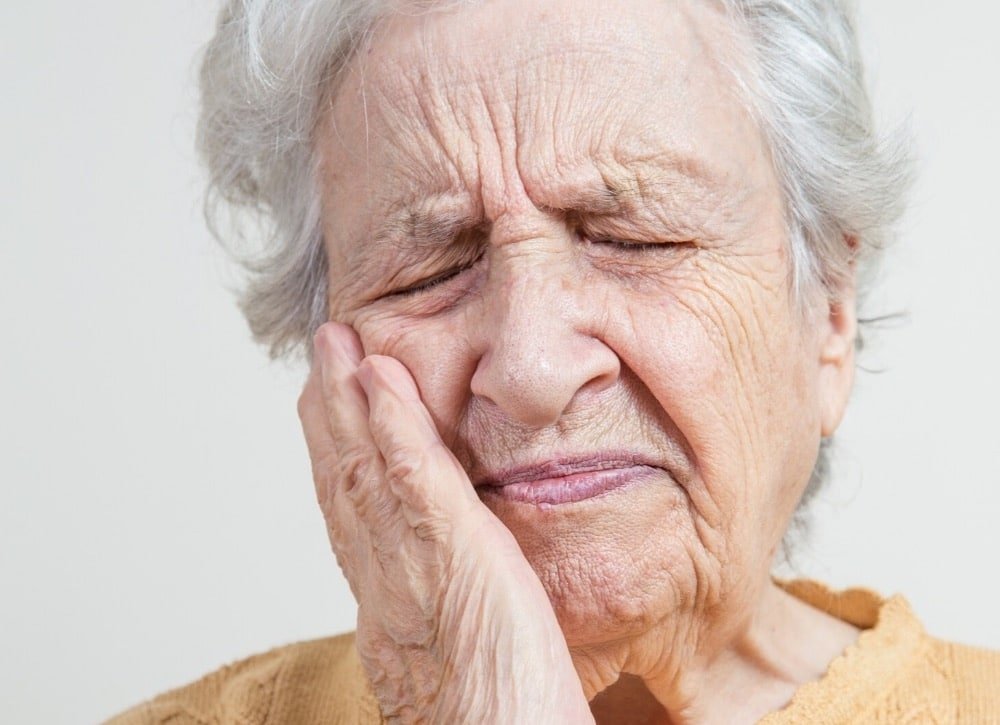
A person who suddenly becomes agitated, withdrawn, restless or aggressive may not simply be experiencing a change in dementia symptoms. They may be trying to communicate discomfort or pain.

Dementia and Pain: Do People With Dementia Feel Pain?

Yes. People with dementia experience pain.

The challenge is often not whether pain exists, but whether the person can communicate it effectively.

The National Institute on Aging explains that people with Alzheimer’s disease may not be able to tell caregivers when they are hurting. Instead, pain may appear through facial expressions, changes in behavior, difficulty sleeping, agitation, crying, moaning or refusing food.

For this reason, caregivers and health care professionals need to pay attention to both verbal and nonverbal signs.

Common Causes of Pain in People With Dementia

common causes of pain in a person with dementia

People with dementia can develop pain from many of the same conditions as other older adults.

Common causes can include:

  • Arthritis and osteoarthritis
  • Back, neck or joint problems
  • Headaches and migraines
  • Dental problems
  • Infections
  • Constipation
  • Falls, bruises and fractures
  • Skin tears and wounds
  • Pressure injuries or bedsores
  • Nerve pain
  • Foot problems
  • Muscle stiffness
  • Medical procedures or surgery
  • Other chronic health conditions

Reduced mobility can also contribute. Sitting or lying in one position for long periods can result in stiffness, pressure injuries and discomfort.

Someone with dementia may also fall or injure themselves and then be unable to remember what happened or explain where they hurt.

Why Pain Can Be Difficult to Recognize in Dementia

caregiver recognizing signs of pain in dementia

During the earlier stages of dementia, many people can still explain that something hurts and describe the location and severity of their pain.

As dementia advances, communication can become more difficult.

A person may:

  • Have difficulty finding the words to describe pain
  • Forget how an injury occurred
  • Be unable to identify exactly where the pain is coming from
  • Answer questions inconsistently
  • Have difficulty understanding questions about pain
  • Express discomfort through behavior rather than words

The Alzheimer’s Association notes that communicating pain becomes particularly difficult in later-stage dementia.

This makes observation increasingly important.

Signs of Pain in a Person With Dementia

If the person can communicate, asking directly is still important.

Simple questions may work better than complicated ones:

  • “Does it hurt?”
  • “Where does it hurt?”
  • “Is this sore?”
  • “Does it hurt when you move?”

When verbal communication is limited, caregivers can watch for changes from the person’s normal behavior.

Facial Expressions

Possible signs include:

  • Grimacing
  • Frowning
  • Clenched teeth
  • Tight or closed eyes
  • A frightened or distressed expression
  • Rapid blinking

Changes in Movement

Pain may affect how someone moves.

You may notice:

  • Guarding one part of the body
  • Moving more slowly
  • Difficulty walking
  • Stiff or rigid posture
  • Fidgeting
  • Pacing
  • Repeatedly changing position
  • Pulling away when touched or moved

Changes in mobility can also increase the person’s risk of falls and further injury.

Changes in Behavior or Mood

behavior changes that may indicate pain in dementia

Pain can sometimes appear as a change in behavior.

A person may become:

  • Agitated
  • Irritable
  • Withdrawn
  • Tearful
  • Restless
  • Resistant to care
  • More confused than usual
  • Unusually aggressive

This does not mean that every behavioral change is caused by pain. However, unexplained changes should prompt caregivers to consider pain or another medical problem as a possible cause.

Changes in Eating and Sleeping

A person in pain may have difficulty sleeping or experience a sudden change in their normal sleep pattern.

They may also eat less or refuse food.

For example, refusing food may sometimes indicate dental or mouth pain rather than a loss of appetite.

Vocal Signs of Pain

Someone who can no longer say “I am in pain” may communicate through sounds.

These can include:

  • Moaning
  • Groaning
  • Sighing
  • Crying
  • Calling out
  • Repeatedly asking for help
  • Unusual vocalizations

The National Institute on Aging specifically advises caregivers to watch for increased agitation, crying, moaning and grimacing when someone with dementia cannot communicate pain clearly.

How Health Care Professionals Assess Dementia and Pain

If you suspect pain, speak with the person’s doctor or health care team.

Assessment may begin by determining:

  • Where the pain might be located
  • When it began
  • Whether it is constant or intermittent
  • What makes it better or worse
  • Whether there has been a recent fall or injury
  • Whether the person has a condition known to cause pain
  • Whether medications or treatments have recently changed

When a person cannot reliably describe pain, health care professionals may use observational pain-assessment tools.

PAINAD: Pain Assessment in Advanced Dementia

One commonly used tool is the Pain Assessment in Advanced Dementia, or PAINAD, scale.

The scale helps health care professionals observe several areas, including:

  • Breathing
  • Negative vocalizations such as moaning or crying
  • Facial expressions
  • Body language
  • Whether the person can be comforted

The Alzheimer’s Association dementia care recommendations discuss observational pain scales such as PAINAD as one way of assessing people who have difficulty communicating their pain.

Ways Caregivers Can Help Prevent Pain

caregiver helping prevent common sources of discomfort and pain

Not all pain can be prevented, but regularly checking for common sources of discomfort can help.

Consider:

  • Making sure clothing and shoes fit comfortably
  • Checking dentures and maintaining good oral hygiene
  • Looking for cuts, bruises, swelling or skin irritation
  • Changing position regularly when mobility is limited
  • Encouraging appropriate gentle movement
  • Checking that glasses and hearing aids fit properly
  • Watching for constipation
  • Keeping an eye out for signs of infection
  • Reducing fall hazards around the home

Knowing the person’s usual behavior can also make it easier to recognize a sudden change.

Managing Pain in Someone With Dementia

managing pain for a person living with dementia

Pain treatment should address the underlying cause whenever possible.

The appropriate treatment will depend on the person’s health, medications, type of pain and its severity.

The National Institute on Aging explains that treatment for older adults may include medications as well as non-drug approaches.

Medication options can include acetaminophen and, in appropriate circumstances, other pain medications prescribed or recommended by a health care professional.

Older adults can be particularly vulnerable to medication side effects and drug interactions. NSAIDs such as ibuprofen and naproxen, for example, can cause serious side effects in some older people.

Opioids may sometimes be used for moderate to severe pain but require careful medical supervision.

Do not start, stop or change pain medication without discussing it with the person’s doctor or pharmacist.

Non-Drug Approaches to Pain

Depending on the cause of the pain and the person’s medical condition, supportive approaches may include:

  • Changing position
  • Gentle movement or stretching
  • Physical therapy
  • Appropriate heat or cold therapy
  • Gentle massage
  • Relaxation
  • Comfortable seating and bedding
  • Distraction and enjoyable activities
  • Music

Some treatments are unsuitable for certain injuries or medical conditions, so seek professional advice when the cause of pain is uncertain.

Why Untreated Pain Matters in Dementia

effects of untreated pain in a person with dementia

Undetected pain can significantly affect a person’s quality of life.

It can interfere with:

  • Sleep
  • Eating
  • Mobility
  • Mood
  • Social interaction
  • Daily activities

Pain may also contribute to agitation and other behavioral changes.

This is particularly important because behavioral symptoms caused partly by pain could potentially be mistaken for psychiatric or dementia-related symptoms.

The Alzheimer’s Association notes that poorly managed pain can contribute to behavioral symptoms and may result in unnecessary use of psychotropic medications.

When to Contact a Doctor About Dementia and Pain

Contact the person’s health care professional when pain is new, persistent, worsening or unexplained.

Medical assessment is particularly important after a fall or injury or when there is a sudden change in the person’s normal behavior, mobility, eating, sleeping or ability to participate in daily activities.

If the person cannot explain what is wrong, describe the changes you have observed to their health care team.

The National Institute on Aging recommends asking for a pain evaluation and treatment plan when caregivers suspect that someone with dementia is experiencing pain.

Dementia and Pain: Key Takeaway

Dementia does not mean that a person no longer feels pain.

The difficulty is that dementia can gradually make pain harder to recognize and communicate.

Watch for changes in facial expression, movement, sleep, appetite, vocalizations and behavior. When something changes unexpectedly, consider pain or illness as a possible explanation rather than assuming that the dementia itself has suddenly become worse.

Identifying and treating pain can improve comfort, mobility, sleep, mood and overall quality of life for a person living with dementia.

Dementia Doctors: Choose the Right Specialist

dementia doctors

If you suspect that someone has dementia or you already know a person with the neurodegenerative illness, they must see the right dementia doctors.

One of the main reasons for this is the fact that it is usually not easy to diagnose or manage dementia.

For this reason, an ill individual needs to consult with a specialist. He or she has the knowledge and experience to effectively deal with the disease.

People who have dementia may have to visit different types of specialists to get a proper diagnosis.

This will help them get the right information on how to go about living with the illness that has no cure.

Best Dementia Doctors

Some of the professionals that can help individuals with dementia include:

A General Physician

a general physician
Any individual who has concerns about changes in memory, mood, thinking, and behaviors, should first contact their primary care physician.

After discussing the symptoms, the doctors will mostly probably diagnose dementia using tests to determine cognitive ability, brain scans, neurological evaluations, and mental health evaluations.

The professionals use a combination of various diagnosis methods because there are no blood tests that confirm whether a person has dementia or not.

It is important because it helps determine whether other underlying medical conditions are behind the symptoms that a person has.

When need is, the doctor can recommend other specialists that a person who has dementia can see to lighten the burden of the illness.

Neurologists

neurologists
Neurologists also belong to the category of dementia doctors who help persons with the illness. These are professionals who specialize in abnormalities of the central nervous system and the brain.

Neurologists have the technical know-how to interpret brain scans to see if any changes are as a result of dementia.

Geriatricians

These are specialists who manage health care for seniors. Geriatricians are aware of how the body changes as a person grows older and can detect some of the symptoms that are not a normal part of aging.

Gerontologist

This is a professional who deals with gerontology, like social, biological, and psychological aspects of aging.

Although they are not medical professionals, they can be instrumental when it comes to offering essential support services to people who have different types of dementia.

Geriatric psychiatrists

They are professionals who focus on the emotional and mental problems of the elderly. They can also assess thinking and memory.

Neuropsychologists

These are experts who are responsible for conducting tests that relate to memory and thinking.

Now that you have an idea of some of the dementia doctors that persons with the disease can see, let’s jump into some of the tips you can use to choose the right specialist.

Seek Referrals

seek referrals
When dealing with dementia especially for the first time, you may not know who to turn to. This is why it is important to look for referrals.

Your primary doctor can help you with this when you need to see a specialist.

Alternatively, if you know a person who is dealing with dementia, they can direct you to a specialist they trust to offer proper treatment and care.

Other resources you can take advantage of include dementia care centers, and reputable senior living communities in your region.

While working with referrals, it is important to get a few contacts.

This way you will be in a position to compare the services that different doctors have to offer so that you can pick the ones that you feel will serve your needs best

Experience with Dementia

experience with dementia
No offense to doctors who are just starting, but it is usually recommended that you look for a specialist who has been in the industry for a couple of years.

These are well-trained and competent individuals who can properly deal with dementia.

Other than being professional, the doctor should give individuals all the time they need to listen and address any questions and health concerns that a person may have.

Before a person commits to seeing one doctor, it is important to research the professional beforehand.

This is where you get to find out about the credentials of the professional, office policies, and any other details you would like to know about the professional before working with them.

Checking board certifications can also help determine the skills a particular doctor has in a specific area of medicine.

You can make a cold call to the office to determine how they run things. If this impresses you, schedule a one-on-one meeting to see if you will finally seal the deal.

Accessibility

accessibility
Naturally, you do not want to deal with dementia doctors who are miles away. This can prove to be rather unhelpful when you want their services.

It is best to find a doctor who is easily accessible so that you can see them anytime you want without too many complications.

The doctor’s office should have open communication lines so that you do not have to struggle when you want to consult the doctor.

Cost Implications

cost implications
When looking for a good doctor, you must also think about the cost implications. If you are using insurance, make sure the professional accepts the insurance you are under or else it will create problems later on.

When using cash, it is important to find a doctor whose services are within your budget.

This way, you will not end up in debt simply because you are walking with a professional that you cannot afford.

Trust your Gut

trust your gut
Your gut feeling can be helpful when it comes to choosing the right dementia doctors.

If something does not sit well with you, it is better to continue with your search. It is worth investing extra time until you find a doctor that you are confident with.

Even after picking a doctor, there is space to change your mind if you discover that he or she is not the person you are looking for to meet your medical needs.

You might also want to look for a doctor who speaks your language and is sensitive to your religious and cultural convictions.

It is one of the ways to create a friendly working relationship with the specialist.