5 Types of Vascular Dementia And Symptoms

types of vascular dementia

At the time of writing this, there are several different types of vascular dementia you should be aware of.

If you are ready to learn about all different varieties of the disease, this article covers all the necessary and then some.

Note, vascular dementia occurs when one starts to experience damaging blood vessels in the brain.

This can happen for an assortment of different reasons from poor oxygen flow and lack of nutrition to infarct and other brain diseases and injuries.

Have in mind, strokes are one of the most common reasons for the development of destructive vascular dementia.

While some of the types of vascular dementia are pretty similar, they still have particular details that are exclusive to the condition.

In other words, some are more common than others and the same goes for their symptoms.

Also, each type progresses uniquely if not treated early enough.

Of course, we all need to know that so far there is still no cure for dementia. However, if we act quickly enough, we can lighten the progress of the disease and ensure a more comfortable life.

With that in mind, let’s further investigate the different variations of vascular dementia and some of the causes.

By having the right knowledge, you can seek help from a doctor or a practitioner early enough for the older adult to get appropriate treatment as soon as possible.

Different Types of Vascular Dementia

1. Multi-Infarct Dementia (MID)

multi-infarct dementia
Vascular Dementia is a broad name that describes an umbrella of signs and symptoms related to brain damage caused by cerebrovascular disease.

The condition is marked by the impairment of blood flow to the brain owing to injured or damaged cells. In turn, it also hampers oxygen flow to the brain.

The impaired blood flow affects several functions initiated by the brain including memory, reasoning, judgment, and planning.

Vascular dementia presents itself in several ways depending on the specific cause and it also affects each individual person in different ways. Multi-infarct dementia (MID) is one of the types of vascular dementia.

What Causes MID

MID comes about when the brain suffers from several minor strokes causing injuries to several areas of the brain referred to as infarcts.

The strokes also cause extensive lesions in the brain’s nerve fibers. Physicians also explain that most of these “silent strokes” go unnoticed without any clinical symptoms.

That is how they manage to cause the severe and often irreparable damage to the brain cells resulting in the MID symptoms.

Since the infarcts affect secluded brain areas, the symptoms often have an adverse effect on specific functions like language or it can attack only one side of the body.

2. Subcortical Vascular Dementia

subcortical vascular dementia
One of the other types of vascular dementia is Binswanger’s disease. For your information, many as well call this particular one subcortical vascular dementia.

It is marked by extensive damage to multiple tiny areas of the brain.

The result is an impairment in the arteries that supply blood to the brain’s subcortical regions which, in turn, diminishes blood circulation within the brain.

The more narrow the arteries get, the lesser the amount of blood that goes to the brain’s tissues, and the ultimate result is the inevitable death of the brain.

The condition could come about as a result of untreated diabetes or high blood pressure.

Symptoms of Subcortical Vascular Dementia

Notably, Binswanger’s disease is stroke-related and it presents even more impairments to the brain’s white substance as a result of the hardened arteries and several lunar infarctions.

Often, a person with this condition experiences memory difficulties and their reasoning skills deteriorate.

The condition also presents itself at the tail end of the fourth decade in life and its severity increases with age.

One of the symptoms characteristic of this type of vascular dementia is psychomotor slowness.

It presents itself with an increased length of time that a person takes to perform the simplest of tasks like writing the shape of a letter on a piece of paper.

Other symptoms include changes in speech, personality/ mood shifts, unsteady gait/clumsiness, or frequent falls.

3. Strategic Infarct Dementia

strategic-infarct dementia
A single stroke can at times lead to vascular dementia depending on stroke’s size and its origin within the body.

The type of vascular dementia that comes about from these types of strokes is known as Strategic Infarct Dementia.

It occurs after the destruction of a significant cognitive process by an infarct in a specific area of the brain.

It is associated with the sudden onset of behavioral changes that take place after the stroke. Its symptoms depend on the function of the brain that the stroke damages.

If there are no subsequent series of strokes symptoms like impaired memory and decreased attention can often go unnoticed. Otherwise, the chances of the symptoms becoming worse are quite high.

Symptoms Associated With Strategic Infarct Dementia

Someone with Strategic Infarct Dementia often starts by presenting acute symptoms including fluctuating alertness and attentiveness.

Memory loss, psychomotor retardation and apathy are also some of the primary symptoms which suggest frontal lobe dysfunction.

When the stroke damages the left-sided infarcts it results in verbal memory loss while damages to the right-sided infarcts cause problems with visuospatial memory.

A state of altered consciousness also results in a lack of motivation as well as severe personality changes.

People who experience thalamic infarcts and hemorrhages might also experience motor aphasia and transcortical sensory issues.

4. Stroke-related Dementia

stroke-related dementia
Note, many also use Cerebrovascular accident (CVA) when talking about this type of vascular dementia.

It affects the blood vessels within the brain as well as those in close proximity to it. This condition comes about when an artery feeding the brain with blood raptures.

It also comes about when part of the brain is deprived of enough blood affecting its normal functioning (termed ischemia) leading to the death of the cells (infarction).

Ischemia, which is also known as atherosclerosis, occurs when arteries supplying blood to the brain are narrow as a result of plaque, a fatty deposit.

These fatty deposits can rupture forming a blood clot that together can travel to arteries in the brain and block the vessels causing a stroke.

Symptoms Of Stroke-related Dementia

The symptoms that come about after a stroke leading to dementia vary based on the part of the brain that is affected.

The most common symptoms of stroke-related dementia include paralysis or weakness experienced on either side of the body. It can lead to the complete or partial loss of sensations or voluntary movements related to the arms or legs.

Also, it can cause speech problems owing to weakened face muscles, and drooling is often a symptom too.

When a stroke hits the base of the brain it affects functions like balance, consciousness, swallowing, and even breathing.

Strokes are a medical emergency and it’s important to seek medical assistance when you suspect someone is having a stroke.

5. Post-Stroke Dementia

types of vascular dementia post-stroke dementia
Another common vascular dementia type is Post-stroke Dementia (PSD) that often occurs after suffering from a stroke. It uniquely comprises of the symptoms associated with other types of dementia collectively.

It could be degenerative dementia Alzheimer’s disease or a mix of both. At this point, cognitive abilities usually deteriorate, unlike the temporary physical disability symptoms experience post strokes.

Since the vascular system in the brain is damaged due to an insufficient supply of oxygen and nutrients, a person with vascular dementia often exhibits depression with rapid mood fluctuations.

Post-stroke cognitive damage may also affect a large number of stroke survivors. People with pre-stroke cognitive decline have a high risk of also developing PSD.


Dementia and Eyesight – How Vision Changes

dementia and eyesight

When talking about how dementia affects a person’s life, it is important to touch on one crucial topic, which is dementia and eyesight.

In addition to causing multiple changes in the brain, dementia also affects how the brain processes information the eyes deliver as well as how the eyes see.

This implies that some behavioral changes in people with dementia may be as a result of vision changes.

Five common changes that happen to the eyes when a person has dementia explained below.

How Vision Changes With Dementia

1. The Field of Vision Becomes Narrow

the field of vision becomes narrow
One of the changes that occur when a person has dementia is the fact that the field of vision becomes narrow.

This is common with old age because, by the time a person is in their mid-70s, the normal vision peripheral reduces a little so that a person does not notice or see as much as they were able to when they were younger.

With dementia, the field of vision narrowing is not the same as what happens when a person becomes older.

The disease causes the field of vision to decrease by about 12 inches.

Experts compare this to a person who wears binoculars. It is not possible to move about normally when you are putting on binoculars.

2. Blurring

blurring
A person with dementia may not be able to see things as sharply as before because the illness causes them to experience blurring.

Because of this, everyday and familiar objects become more challenging to recognize.

3. The brain does not Effectively Process Information from the Eyes

brain does not effectively process information from the eyes
Worth noting when talking about dementia and eyesight is that someone with the illness may find it challenging to see the things that are in front of them.

This normally happens as the disease advances, and the brain starts shutting down information that comes from the eyes.

At some point, the brain finds the details from the eyes overwhelming; thus, it cannot begin processing the information.

When this happens and you have dementia, you may be forced to only see through one eye.

As a result, you will end up losing perception of depth where you can’t tell if something is two or three-dimensional.

This makes it difficult for an individual to know different things like whether they are looking at a picture of an apple of the real fruit, whether there is a print on a fabric, or whether there is an object on a surface.

4. Pupils React to Light Slowly

pupils react to light slowly
Persons with dementia and eyesight problems may also have slow reactions to light that makes it difficult for them to move from a light to a dark space and vice versa.

Going out when it is sunny can also be an overwhelming experience.

5. Changes That Don’t Make Sense to “Healthy People”

changes that don't make sense to healthy people
When it comes to the effects of dementia on eyesight, you may start seeing a person doing things that you consider strange.

For instance, a person may be trying to flip something in the air.

While this may not make sense to you, the person with the illness may be thinking that they are switching on the lights because the switch appears to be closer than it is.

Because the persons with dementia lack the perception of depth, they will respond to the world as they see it in the best way they know-how.

Causes of Vision Problems in People with Dementia

causes of vision problems in people with dementia
There are several reasons thousands of people with dementia will experience issues with vision, such as:

  • Development of eye conditions like macular degeneration and cataracts
  • Health conditions like stroke
  • Dementia itself
  • Normal aging of the eyes

The above causes damage to the visual system which can lead to sight loss.

Symptoms of Eyesight Issues for People with Dementia

symptoms of eyesight issues for people with dementia
People with dementia can exhibit certain symptoms that show they have problems with their eyesight. This is where they can have challenges with things like:

  • Reading
  • Avoiding obstacles
  • Recognizing familiar faces
  • Finding personal items
  • coping with bright lights, dim lights or both
  • Seeing well even when they have glasses
  • Locating food on plates

To confirm that the symptoms are a result of dementia, a person with the neurodegenerative illness needs to go through eye-tests.

Eye-specialists can adapt the eye tests for individuals with dementia if need be to get the proper results.

Coping with Dementia and Eyesight Problems

coping with dementia and eyesight problems
A person with eyesight issues because of dementia is likely to experience more problems with mobility, expansive disorientation, and increased risk of falls.

They may also have increased problems communicating, learning new tasks, lack of motivation, and the need for more social isolation.

Some of the tips caregivers can work with to make the people with dementia as comfortable and productive as possible include:

Taking care of the eyes

The suffering individuals and their carers need to make the most of the individual’s sight.

This means having regular eye rests and making sure that if a person wears glasses, they are correct, current, and clean at all times.

Making adjustments to the environment

This might need simple projects like improving the lighting, keeping areas clutter-free and familiar, as well as the use of contrasting colors. In short, making a dementia-friendly home.

You might also have to go the tech-way and use equipment like audio labels and automatic lights.

Enhancing communication techniques

This might include speaking clearly to a person who has dementia and eyesight issues.

You may have to introduce yourself when talking to the person, practice patience as they try to figure out what you are saying, and even using pictures and charts for ease of communication.

Extra help

When you are at a loss of how to help, there are numerous resources online as well as support groups where you can get ideas on how to move forward without harming the person with dementia.

Professionals like occupational therapists and visual rehabilitation workers can also offer help.

Closing Thoughts

A person may become more confused and fearful when suffering from dementia and eyesight problems.

Their behavior might also change because of the alterations happening in the brain.

It is important to accord people with illnesses as much support as possible so that they can live long quality lives.

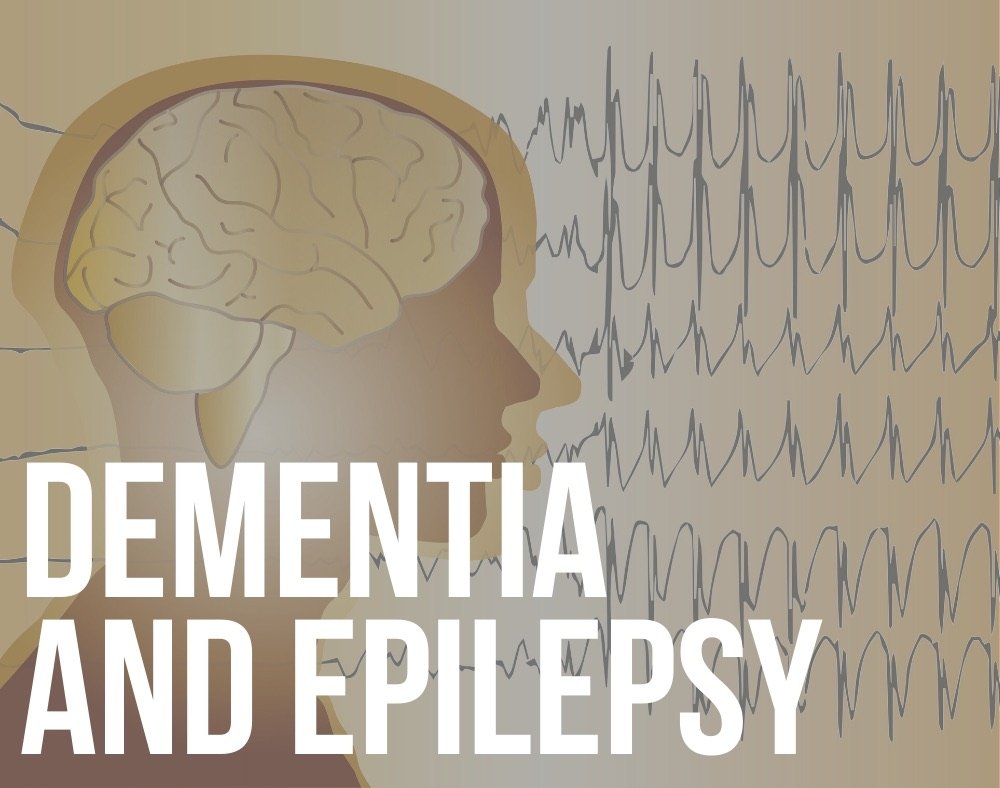
Dementia and Epilepsy: Seizure Signs, Risks and Treatment

Dementia and epilepsy illustration showing brain activity and seizures

Dementia and epilepsy are linked in ways researchers are still working to fully understand. People living with dementia have a higher risk of developing seizures than people without dementia, while studies also suggest that people with epilepsy may have an increased risk of developing dementia later in life.

A seizure does not always involve falling to the ground and shaking. In people with dementia, seizures can sometimes be subtle and may look like brief periods of staring, unresponsiveness, confusion or repetitive movements.

This can make them difficult to distinguish from the symptoms of dementia itself.

In this guide, we look at the connection between dementia and epilepsy, what seizures may look like, why they happen, how doctors investigate them and when a seizure requires urgent medical attention.

What Is the Link Between Dementia and Epilepsy?

Research shows that dementia and epilepsy have a complex relationship.

A 2024 systematic review and meta-analysis found that people with dementia had a greater risk of seizures or epilepsy than people without dementia. It also found evidence of the relationship working in the opposite direction, with epilepsy associated with a higher risk of developing dementia.

The research estimated the overall prevalence of seizures or epilepsy at about 4% among people with dementia, although the rate differed according to the type of dementia and the population being studied.

This does not mean that everyone with dementia will experience seizures.

Most will not.

However, the connection is strong enough that unusual episodes of staring, unresponsiveness, repetitive movements or unexplained periods of confusion should be discussed with a doctor.

What Do Seizures Look Like in Someone With Dementia?

Many people imagine a seizure as a dramatic event involving loss of consciousness and whole-body shaking.

These are known as generalised tonic-clonic seizures.

They can certainly occur, but seizures associated with dementia may also be much less obvious.

dementia and epilepsy seizure symptoms

Focal Seizures and Dementia

According to the Alzheimer’s Society, many epileptic seizures seen in people with dementia are focal onset seizures.

A focal seizure begins in one area of the brain.

Possible signs may include:

  • a brief period of staring or unresponsiveness
  • sudden increased confusion or memory loss
  • lip-smacking, chewing or swallowing movements
  • repetitive movements of the hands or arms
  • unusual sensations or behaviours
  • a short period in which the person appears disconnected from their surroundings

The person may return to their usual state soon afterwards.

Because dementia itself can cause confusion, memory problems and behavioural changes, these subtle seizures can sometimes be overlooked.

If episodes occur repeatedly or seem distinctly different from the person’s usual dementia symptoms, it is important to describe them to a healthcare professional.

Generalised Tonic-Clonic Seizures

A generalised tonic-clonic seizure is usually much easier to recognise.

The person may:

  • lose consciousness
  • fall to the ground
  • become stiff
  • develop rhythmic jerking or shaking movements
  • be confused or extremely tired afterwards

A person can experience one seizure without necessarily having epilepsy. Epilepsy is a neurological condition characterised by a tendency to have recurrent seizures.

Why Can Dementia Cause Seizures?

Dementia involves physical and chemical changes in the brain.

These changes can sometimes interfere with the normal electrical signalling between brain cells.

why dementia and epilepsy can occur together

Conditions that damage or alter brain tissue can increase the risk of seizures. These include:

In Alzheimer’s disease, abnormal accumulations of amyloid and tau proteins are associated with changes in communication between nerve cells.

Researchers are investigating whether these changes may make networks of brain cells unusually excitable and therefore more likely to generate epileptic activity.

The exact mechanisms behind dementia and epilepsy, however, are still being studied.

Can Seizures Occur Early in Dementia?

Yes.

Researchers once believed seizures mainly appeared during the later stages of dementia, after considerable changes had occurred in the brain.

That view has changed.

More recent evidence suggests that epileptic seizures can occur earlier in Alzheimer’s disease and, in some people, may even occur before obvious memory problems develop.

This does not mean that a seizure is normally an early sign of dementia.

There are many other possible causes of seizures, particularly in older adults, and a first seizure requires proper medical assessment.

Does Dementia Increase the Risk of Epilepsy?

Research indicates that people with dementia have an increased risk of epilepsy compared with people without dementia.

A 2024 meta-analysis found dementia was associated with approximately 2.3 times the risk of seizures or epilepsy.

The level of risk is not identical for every type of dementia.

Researchers have reported associations with:

  • Alzheimer’s disease
  • vascular dementia
  • Lewy body dementia
  • frontotemporal dementia

Risk may also differ according to factors such as age at dementia onset, previous stroke or brain injury, and the severity or progression of the underlying neurological disease.

For this reason, percentages quoted for seizures in dementia can vary widely between studies.

Can Epilepsy Increase the Risk of Dementia?

The relationship may also work in the opposite direction.

Studies have found that people with epilepsy have a higher statistical risk of developing dementia than those without epilepsy.

A large systematic review of longitudinal research found evidence of a bidirectional association: dementia was associated with a higher risk of epilepsy, while epilepsy was also associated with a higher risk of dementia.

However, an association does not prove that epilepsy itself directly causes dementia.

Age, stroke, cardiovascular disease, brain injury and other neurological conditions can influence the risk of both conditions.

Researchers are continuing to investigate how the two disorders may be connected.

How Are Seizures Diagnosed in Someone With Dementia?

diagnosis and treatment of dementia and epilepsy

Diagnosing epilepsy in someone with dementia can be challenging because some seizures resemble symptoms of dementia.

Episodes of confusion, staring or unusual behaviour can have many possible causes.

A doctor may consider:

  • what happened before, during and after the episode
  • how long it lasted
  • whether similar episodes have happened before
  • current medications
  • recent infections or illnesses
  • previous stroke or head injury
  • blood tests
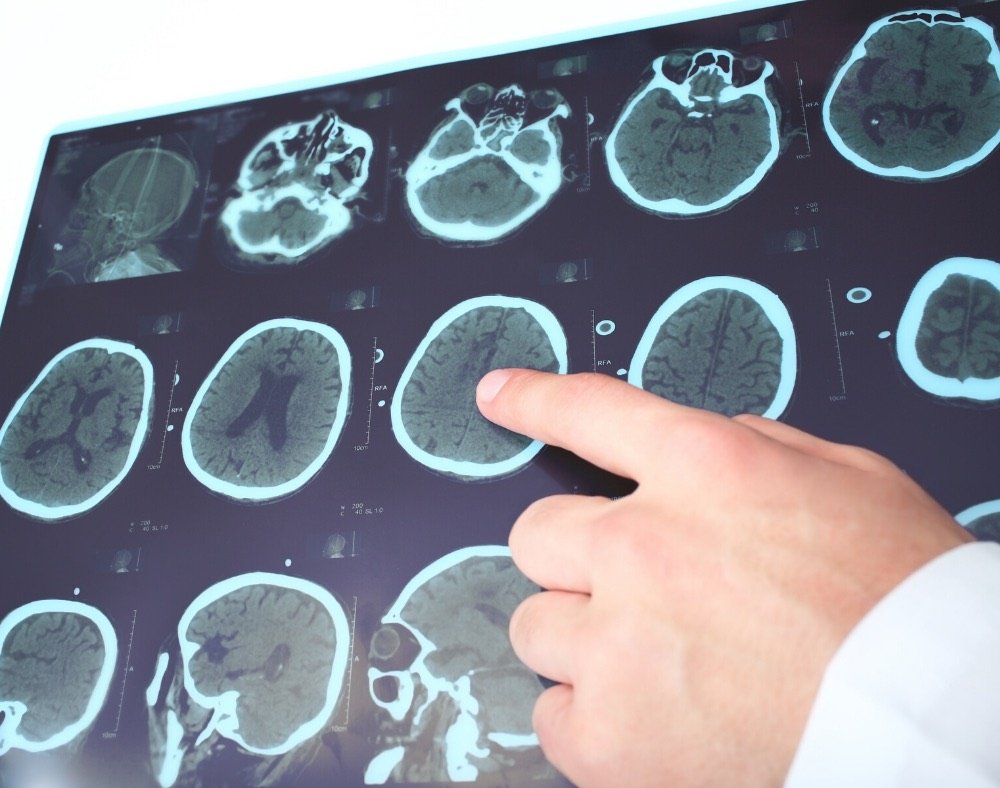
  • brain imaging such as CT or MRI
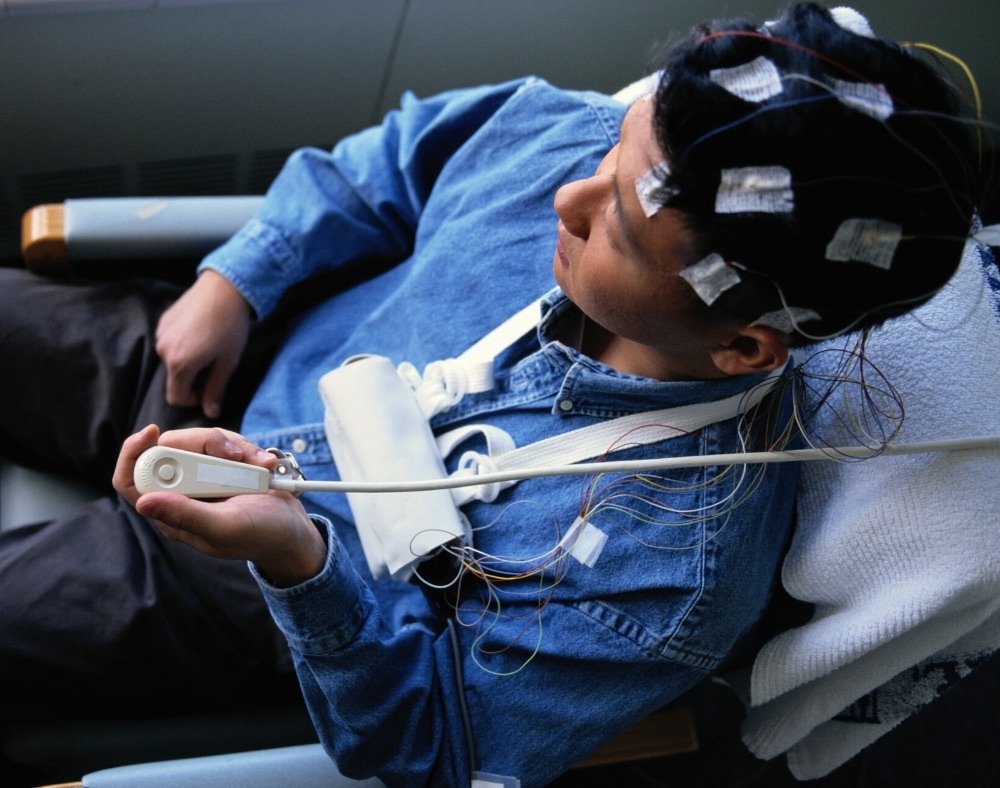
  • an electroencephalogram, or EEG, which records electrical activity in the brain

Witness accounts can be particularly useful.

If it is safe to do so, noting the time the episode begins and ends and recording exactly what happened can help doctors determine whether it may have been a seizure.

Treatment of Dementia and Epilepsy

Seizures in people with dementia can often be controlled with anti-seizure medication.

The choice of medicine depends on the type of seizure, other medical conditions, potential drug interactions and possible effects on memory, alertness and balance.

For this reason, medication should be selected and monitored by an appropriately qualified doctor, often with input from a neurologist.

It is important not to start, stop or alter anti-seizure medication without medical advice.

Research is also exploring whether controlling abnormal electrical activity in the brain could have benefits for memory or the progression of Alzheimer’s disease.

At present, however, it has not been established that treating epilepsy slows or reverses dementia.

What Should You Do If Someone With Dementia Has a Seizure?

If someone is having a convulsive seizure:

  • stay calm and remain with them
  • note the time the seizure begins
  • move dangerous objects away
  • cushion their head if they are on the ground
  • loosen tight clothing around their neck
  • do not restrain their movements
  • do not put anything in their mouth
  • once the convulsions have stopped, place them on their side if it is safe to do so
  • stay with them until they recover

The NHS seizure first-aid guidance recommends calling emergency services when a seizure lasts longer than five minutes if you do not know the person’s normal seizure duration, or when several other emergency circumstances are present.

When Is a Seizure a Medical Emergency?

Seek urgent medical assistance if:

  • it is the person’s first known seizure
  • the seizure lasts more than five minutes, or longer than is normal for that person
  • another seizure begins before they have recovered
  • they do not regain consciousness as expected
  • they have difficulty breathing afterwards
  • they are seriously injured

Someone with established epilepsy may already have an individual seizure-management plan provided by their healthcare team.

Follow that plan where appropriate.

Dementia and Epilepsy: Closing Remarks

The relationship between dementia and epilepsy is more complicated than was once believed.

People with dementia have an increased risk of seizures, but the majority of people living with dementia will not develop epilepsy.

Seizures may be dramatic, but they can also be subtle. Brief periods of staring, unusual unresponsiveness, repetitive movements or unexplained episodes of confusion may therefore be worth discussing with a doctor.

Research also suggests that epilepsy and dementia may have a two-way relationship, although scientists are still investigating exactly why.

Most importantly, a new or unexplained seizure should not simply be assumed to be part of dementia. Medical assessment can help identify its cause and determine whether treatment is required.

References and Further Reading

Alzheimer’s Society. What is the link between seizures and dementia?

Chen L, et al. The crosstalk between epilepsy and dementia: A systematic review and meta-analysis. Epilepsy & Behavior. 2024.

Age and Ageing. Bi-directional associations of epilepsy with dementia and Alzheimer’s disease.

NHS. Epilepsy.

NHS. What to do if someone has a seizure.

Loss Of Smell And Dementia

loss of smell and dementia

There is a need to have a conversation about the loss of smell and dementia.

This is after several studies suggest that a poor sense of smell, especially in old age, may be a warning sign for dementia.

In the past, experts linked the inability to identify certain smells to untimely deaths.

In a new study, researchers now claim that individuals who cannot name at least four out of five common fragrances are at risk of developing dementia in five years.

Why make this conclusion.

Find out more about the study below.

Loss Of Smell can be a Sign of Dementia

To begin with, it is vital to point out that the study on loss of smell and dementia had three thousand adult participants aged 57-85.

peppermint

The five scents experts used for the study are:

  • Leather
  • Peppermint
  • Rose
  • Orange
  • Fish

At the begging of the study, 78% of persons tested had a normal sense of smell because they could name at least four of all the five scents.

14% were only able to identify three smells while 5% could name two. 2% of that population were able to identify a single smell, and 1% could not tell any scent from the list above.

Results of the Study

results of the study
The study to determine the relationship between loss of smell and dementia was conducted over five years.

After this period, the researchers found out that almost everyone who could not identify a scent was diagnosed with dementia.

This was the case for the participants who could only identify one or two smells because almost 80% also developed dementia.

Take-Home from the Study

take home from the study
Based on the results of the study, Jayant M. Pinto otolaryngologist and the lead author of the study deduced that sense of smell has a close connection to how the brain functions and overall health.

She continued to state that it is not only smell ability but the overall sensory function that may be a significant warning sign for persons who are at greater risk of developing dementia.

Pinto also added that it is vital to understand the basic principles so that the team can have a more in-depth insight into the disease to perhaps develop new preventative measures as well as treatments for loss of smell and dementia.

Related Studies

related studies
After the above study was conducted, more researchers gained an interest in the topic. An example of this is a study by researchers from Stockholm University.

The experts looked into a person’s sense of smell in association with the inability to identify odors and the increased risk of early deaths.

The study involved persons aged 40-90 for ten years.

They uncovered that those who lost their sense of smell had a higher risk of early death as compared to those with a normal sense of smell.

Mayo Clinic’s Rosebud Roberts and a team of researchers also conducted a study to assess the sense of smell of 1,430 persons without any cognitive disorders.

The study ran from 2004 to 2010 with participants getting clinical evaluations after 15 months. The professionals used six food-related smells and the same number of non-food related odors.

These included turpentine, soap, smoke, paint thinner, gasoline, rose, pineapple, lemon, onion, cinnamon, banana, and chocolate.

After about three and a half years, it was evident that people whose smelling ability decreased were also having trouble with their thinking capacity.

Many persons with dementia usually have problems with thinking.

How Loss of Sense of Smell can lead to Dementia Development

how loss of sense of smell can lead to dementia development
The smell ranks amongst the most primitive human senses.

Loss of this sense can negatively affect an individual’s lifestyle, wellbeing, mental health, and nutrition.

The inability to smell is also associated with depression because affected people do not get to enjoy life as much.

Persons with an inability to smell face challenges every day. These are individuals who cannot detect smoke in the event of a fire.

Assess whether they need to jump into the shower after a long day. Or even tell whether food is spoilt, etc.

As a person loses their sense of smell, experts reckon that it also affects the brain’s ability to rebuild some key components that decline naturally with age.

This according to Professor Martha McClintock results in the pathological changes that people with different types of dementias experience.

Recommended Solutions

recommended solutions
There is still a need for more research on the loss of smell and dementia.

While it is common for persons with dementia to experience loss of smell, there are some solutions that seniors can work with to help reduce this and increase the quality of life.

One of the ways is through smell training.

This is where experts expose individuals to a wide range of odors so that the brain can have more records of these smells.

This happens continually for a minimum of three years. It has been known to enhance the memory of odors and to a lesser extent.

It has also been associated with bettering other cognitive abilities.

Closing Thoughts

At this point, it is not enough to conduct a simple smell test as a means of identifying the risk of dementia. However, there is also a somewhat successful study about the peanut butter test, which you should also investigate.

With time, however, things might change after more conclusive research has been conducted. Who knows, this may be a breakthrough in regards to preventing and curing dementia.

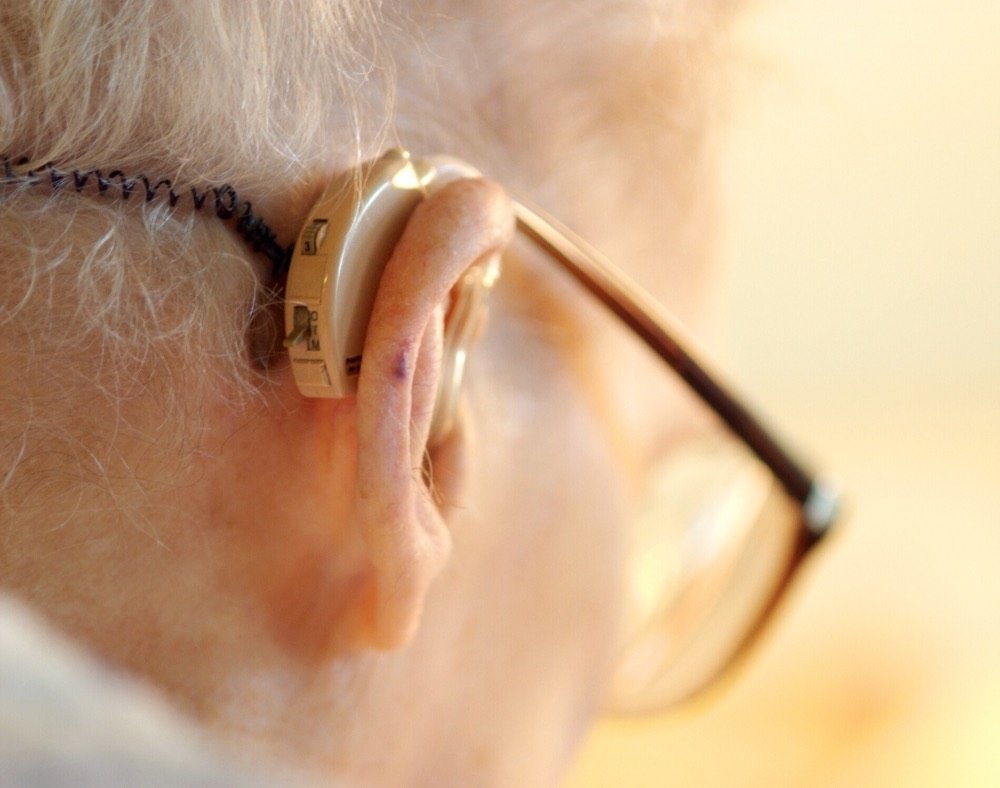
The Link Between Dementia and Hearing Loss

dementia and hearing loss

Researchers continue to work hard to establish the exact relationship between dementia and hearing loss.

This is after numerous studies suggest that hearing loss can increase dementia risk.

Dementia is a medical term that describes multiple symptoms characterized by deterioration in a person’s cognitive abilities.

Previously, experts believed that hearing loss was a normal aging process. Recent findings, however, point to the fact that it may play a significant role in brain health.

Worth noting is that there are common symptoms of both hearing loss and dementia such as:

  • Changes in communication methods
  • Confusion during conversations
  • Challenges in completing daily tasks
  • Feelings of stress or fatigue

Statistics reveal that hearing loss is the 3rd most common health condition in elderly persons.

About 30% of individuals aged over 65 and 55% of seniors over 80 suffer from some degree of hearing loss.

Around the globe, it is estimated that about 580 million people are affected by hearing loss. The Lancet Commissions published a study in 2015, revealing that 47 million in different parts of the world are living with dementia.

By 2050, this number will most likely be up by X3 or more.

The Link Between Hearing Loss and Dementia

An associate professor of epidemiology and otolaryngology at Johns Hopkins University Frank Lin M.D, Ph.D. kin 2011 conducted one of the studies seeking to uncover the link between dementia and hearing loss.

His study involved 639 cognitively stable participants. The individuals underwent regular supervision for 12-18 years.

The results of this study stated that participants with normal hearing had lower risks of developing dementia.

The risk of developing dementia was twice as much for older adults with mild hearing loss, triple for the ones with moderate hearing loss and shoots to up to 5 times for the elderly with severe hearing loss according to Lin’s findings.

Let’s gain more insight into how hearing loss increases the risk of dementia. Not just that, but some of the solutions that experts recommend.

Theories on How Hearing Loss can Increase Risk of Dementia

theories on how hearing loss can lead to increased risk of dementia
Several theories try to explain how dementia and hearing loss relate because the exact link is still a mystery such as:

Cognitive Load

cognitive load
One of the theories that try to explain how hearing loss increases dementia risk; states that the brain has a difficult time with degraded sounds.

As a result, the organ allocates more resources to processing the sounds causing a “cognitive load” which leads to a decrease in cognitive functioning because the brain is working overtime to try and figure out what other people are saying.

Straining to hear for long periods depletes mental energy and taps into the brainpower that the brain uses for other functions like thinking, remembering and acting.

Additionally, hearing loss has been known to accelerate atrophy in the cerebrum; a part of the brain that plays a role in memory and the processing of sound.

Changes in Brain Structure

changes in brain structure
Another theory on the relationship between dementia and hearing loss is that loss of hearing can affect the normal brain structure in that it leads to cognitive issues.

Through brain imaging studies, it has been noted that seniors with hearing loss tend to have less gray matter in the section of the brain that is responsible for receiving and processing sounds from the ears.

In most cases, this does not mean that a person is losing brain cells. It might imply that some brain cell structures are shrinking because of a lack of adequate stimulation.

Social Isolation

social isolation
Social isolation also comes into play when talking about hearing loss and cognitive issues.

A study by NCOA (National Council on the Aging) of 2,300 hearing-impaired participants found that persons who go through untreated hearing loss are most likely to experience worry, loneliness, paranoia, depression, and anxiety.

When a person is hard of hearing, a majority would rather not socialize in groups.

They will also avoid going to social places like restaurants or clubs.

Social isolation for the longest time has been recognized as one of the risk factors that intensify the risk of dementia and cognitive decline.

Solutions

solutions
Although there has not been much research in terms of looking into treating hearing loss to treat dementia, there are a few studies that can offer hope.

Isabelle Mosnier, M.D a French researcher recommends the use of cochlear implants for individuals who have intense hearing loss.

This is after conducting a study with 94 seniors who were experiencing profound deafness for at least one year.

She found that hearing rehabilitation enhanced cognitive functioning and speech perception.

Closing Thoughts

If experts can establish the exact link between dementia and hearing loss, it will not be all gloom and doom.

This is because it may lead to more aggressiveness when treating hearing loss a factor that might end up starving off dementia and cognitive decline.

In the meantime, it is vital for any person experiencing hearing loss to get appropriate treatment as soon as possible.

This is because untreated hearing loss is one of the conditions that increase the risk of developing dementia.

Type 2 Diabetes and Dementia: What’s the Link?

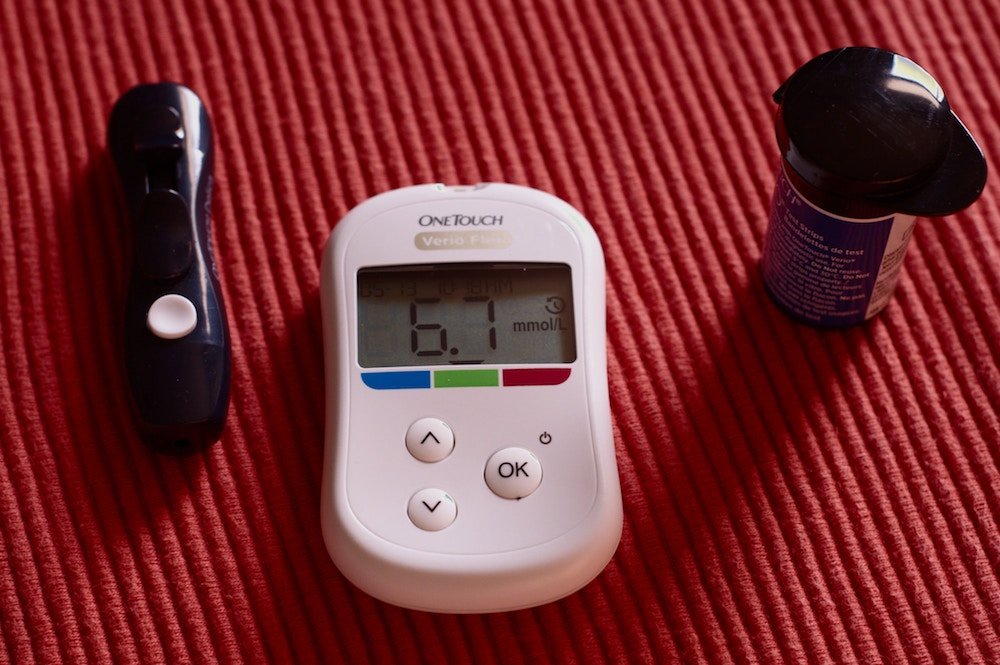
Older adult having blood glucose checked, illustrating type 2 diabetes and dementia

Type 2 diabetes and dementia have been linked in a growing body of research. People with type 2 diabetes appear to have a higher risk of developing cognitive impairment and dementia than people without diabetes, particularly when diabetes develops earlier in life or is poorly controlled.

However, having diabetes does not mean that a person will develop dementia. The relationship is complex, and researchers are still working to understand exactly how blood sugar, insulin resistance, cardiovascular health and changes in the brain may interact.

According to the Centers for Disease Control and Prevention (CDC), diabetes can affect the blood vessels and nerves of the brain and may contribute to problems with memory and learning over time.

In this article, we look at what scientists currently know about type 2 diabetes and dementia, why the two conditions may be connected and what people with diabetes can do to support their overall and brain health.

What Is Type 2 Diabetes?

Type 2 diabetes is a chronic condition that affects the way the body regulates and uses glucose, or blood sugar.

Insulin is a hormone produced by the pancreas that helps glucose move from the bloodstream into cells, where it can be used for energy. With type 2 diabetes, cells become less responsive to insulin. Over time, the pancreas may also struggle to produce enough insulin to keep blood glucose within a healthy range.

Persistently high blood sugar can damage blood vessels, nerves and organs throughout the body.

The brain is no exception.

Because the brain relies on a healthy blood supply and a steady source of energy, conditions that damage blood vessels or disrupt glucose regulation can potentially affect memory and thinking.

Are Type 2 Diabetes and Dementia Linked?

Yes. Research has consistently found an association between type 2 diabetes and an increased risk of cognitive decline and dementia.

Importantly, an association does not mean that diabetes directly causes every case of dementia.

Dementia can have many causes and risk factors, including age, genetics, cardiovascular disease, smoking, high blood pressure and other health conditions.

The National Institute on Aging has reported research showing that people who develop type 2 diabetes earlier in life may have a greater risk of developing dementia later on.

This is one reason researchers are particularly interested in the long-term effects of diabetes on brain health.

How Might Type 2 Diabetes Affect Dementia Risk?

There probably is not one single explanation for the connection between type 2 diabetes and dementia. Several biological and cardiovascular pathways are being investigated.

1. Damage to Blood Vessels in the Brain

blood vessel health linking type 2 diabetes and dementia risk

One of the clearest connections involves blood vessel health.

Over time, high blood glucose can damage blood vessels throughout the body. Diabetes is also associated with an increased risk of conditions including:

The brain requires a continuous supply of oxygen-rich blood. Damage to its blood vessels can reduce blood flow and contribute to vascular injury.

This is particularly relevant to vascular dementia, which results from problems with blood flow to the brain.

The CDC notes that long-term high blood sugar can damage blood vessels in the brain and contribute to problems with memory and thinking.

2. Insulin Resistance and Brain Function

insulin resistance and brain function in type 2 diabetes

Insulin is best known for controlling blood sugar, but insulin signalling also occurs in the brain.

Researchers are investigating whether insulin resistance may influence brain metabolism, communication between brain cells and cognitive function.

There are similarities between some metabolic changes seen in type 2 diabetes and changes studied in Alzheimer’s disease. However, this does not mean that Alzheimer’s disease is simply another form of diabetes.

The Alzheimer’s Association specifically cautions that Alzheimer’s disease and diabetes are separate medical conditions, despite some areas of biological overlap.

3. High Blood Sugar

high blood sugar and its possible effects on brain health

Frequent or prolonged periods of high blood sugar, known as hyperglycemia, may affect brain health over time.

High glucose levels can contribute to blood vessel damage and other metabolic changes throughout the body.

The CDC reports that the effects of persistently high blood sugar on the brain can develop gradually and may contribute to problems with memory and thinking.

This does not mean that an occasional elevated glucose reading will cause dementia. The concern is primarily the cumulative effect of diabetes and associated health problems over many years.

4. Low Blood Sugar

low blood sugar and temporary problems with thinking and memory

Blood sugar that falls too low can also affect brain function.

Hypoglycemia can cause symptoms such as dizziness, confusion, difficulty concentrating, weakness and, in severe cases, seizures or loss of consciousness.

Some research has also found associations between severe or repeated episodes of hypoglycemia and cognitive problems, particularly in older adults.

For people using insulin or medicines that can lower blood glucose, preventing severe hypoglycemia is an important part of diabetes management.

Individual blood glucose targets should always be discussed with a healthcare professional.

5. Inflammation and Oxidative Stress

inflammation being studied in diabetes and brain health

Type 2 diabetes is associated with chronic low-grade inflammation and oxidative stress.

Both processes are being investigated for their potential roles in blood vessel damage, brain aging and neurodegenerative disease.

It would be too strong, however, to say that inflammation from diabetes directly produces Alzheimer’s plaques or causes dementia.

The pathways involved in Alzheimer’s disease are complex and include age, genetics, vascular health and numerous biological processes.

6. Cerebrovascular Disease and Stroke

cerebrovascular disease as a link between diabetes and dementia

Diabetes is an established risk factor for stroke and other vascular problems.

A stroke can damage areas of the brain involved in memory, reasoning, language and other cognitive functions.

Multiple small vascular injuries may also accumulate over time.

Because vascular disease can contribute to cognitive decline and vascular dementia, this provides another plausible connection between diabetes and dementia risk.

7. Mild Cognitive Impairment

mild cognitive impairment and type 2 diabetes

Researchers have also studied the relationship between diabetes and mild cognitive impairment, commonly known as MCI.

MCI involves greater difficulty with memory or thinking than would normally be expected for a person’s age, but the changes are not severe enough to substantially interfere with everyday independence.

Some people with MCI later develop dementia, while others remain stable or sometimes improve.

Having type 2 diabetes is one of several health factors clinicians may consider when evaluating an older adult for cognitive impairment. The National Institute on Aging includes a history of type 2 diabetes among factors that may indicate a need to assess cognitive health.

8. Alzheimer’s Disease and Brain Proteins

amyloid and tau research in diabetes and Alzheimer's disease

Scientists have investigated whether problems with glucose metabolism and insulin resistance are related to the abnormal accumulation of amyloid-beta and tau proteins associated with Alzheimer’s disease.

The results are not straightforward.

Some studies suggest possible connections between metabolic dysfunction and Alzheimer’s disease, while other research has not found a clear relationship between type 2 diabetes and the amount of amyloid or tau detected in the brain.

A 2024 study published in Diabetes Care, for example, noted that the relationship between glucose metabolism and later amyloid and tau pathology remains an active area of research.

It is therefore more accurate to say that scientists are investigating these shared pathways rather than claiming that diabetes directly creates Alzheimer’s plaques and tangles.

Does Type 2 Diabetes Cause Dementia?

Current evidence does not support saying that type 2 diabetes directly causes dementia in every case.

Instead, diabetes is regarded as an important risk factor.

A person can have type 2 diabetes and never develop dementia. Likewise, many people with dementia have never had diabetes.

Research examining causation has produced more nuanced results. Some studies find strong associations between diabetes and cognitive decline, while research using other methods has not always demonstrated that diabetes itself is the direct causal factor.

It is likely that diabetes interacts with other factors such as:

  • Age
  • Genetics
  • Blood pressure
  • Cholesterol
  • Cardiovascular disease
  • Stroke
  • Smoking
  • Physical activity
  • Weight
  • Duration and severity of diabetes

This is why researchers generally discuss diabetes in terms of increasing risk rather than being a single direct cause of dementia.

Does the Age You Develop Type 2 Diabetes Matter?

Research suggests it may.

An NIA-funded study following more than 10,000 people found that developing type 2 diabetes at a younger age was associated with a greater subsequent risk of dementia.

This may partly reflect the fact that someone diagnosed earlier can live with diabetes and its metabolic and vascular effects for a longer period.

More research is needed to understand precisely how the duration of diabetes, glucose control and other health conditions combine to influence long-term cognitive health.

What About Type 1 Diabetes and Dementia?

type 1 diabetes and research into dementia risk

Although this article focuses on type 2 diabetes and dementia, researchers have also investigated cognitive health in people with type 1 diabetes.

Some observational studies have found a higher incidence of dementia among older adults with type 1 diabetes compared with people without diabetes.

Possible contributors include the long duration of the condition, vascular complications and episodes of severe high or low blood sugar.

However, the previous version of this article stated that “83% of seniors with type 1 diabetes are at risk of getting dementia.” We have removed that claim because it does not accurately communicate an individual’s dementia risk.

Type 1 diabetes and type 2 diabetes are also different conditions, so findings relating to one should not automatically be applied to the other.

Can Managing Type 2 Diabetes Reduce Dementia Risk?

There is no guarantee that good diabetes management will prevent dementia.

However, managing diabetes can reduce the risk of many complications that are themselves associated with poorer brain health, including stroke and cardiovascular disease.

The CDC lists uncontrolled diabetes among the modifiable factors associated with dementia risk and recommends preventing or managing diabetes as part of supporting long-term health.

Depending on individual medical needs, diabetes management may include:

  • Working with a healthcare professional to establish appropriate blood glucose targets.
  • Taking prescribed medication as directed.
  • Monitoring blood pressure.
  • Managing cholesterol.
  • Eating a nutritious, balanced diet. See our guide to brain-healthy foods.
  • Taking part in regular physical activity appropriate to your health and abilities.
  • Maintaining a healthy weight where appropriate.
  • Not smoking.
  • Limiting excessive alcohol consumption.
  • Attending regular medical reviews.

These measures are valuable for cardiovascular health and diabetes management regardless of their effect on dementia risk.

Type 2 Diabetes and Dementia: The Bottom Line

managing diabetes as part of supporting long-term brain health

The relationship between type 2 diabetes and dementia is well established as an important area of medical research.

People with type 2 diabetes appear to have a higher risk of cognitive decline and dementia, but diabetes does not mean that dementia is inevitable.

Several factors may help explain the association, including damage to blood vessels, stroke risk, insulin resistance, high and low blood sugar, inflammation and other metabolic changes.

Researchers are also continuing to investigate whether diabetes influences the biological processes involved in Alzheimer’s disease.

The most practical message is that managing diabetes, blood pressure, cholesterol and cardiovascular health is important for overall health and may also help reduce some of the modifiable risks associated with cognitive decline.

If a person with diabetes develops new or worsening memory problems, confusion or difficulty managing everyday tasks, they should discuss these changes with a healthcare professional rather than assuming they are simply part of aging or diabetes.

Related Articles

What Is Dementia?

Common Causes of Memory Loss

Vascular Dementia

Stroke and Dementia

Is Alzheimer’s Disease Type 3 Diabetes?

16 Warning Signs Of Alzheimer’s 2023

signs of alzheimers

You must not ignore changes in an older adult and these signs of Alzheimer’s will help you pay attention. Instead of being lost and wondering what to do next, first skim through the different signs and go from there.

Bear in mind, if they forget a name or where they put their keys every once in a while does not necessarily mean they have dementia or Alzheimer’s disease.

However, if it happens repeatedly, it might already be a sign of the condition.

Once you are fully aware of the most common signs, you will easily recognize changes and act accordingly.

Alzheimer’s disease (AD) is not something that happens overnight.

It is a brain disorder that keeps evolving over many years. There are numerous different factors that contribute to the development, yet still, no scientist and doctor fully understand its development.

If you notice any of the signs and symptoms appear in your relative or friend, and they keep on repeating, we advise you to see a doctor.

Due to the complexity of the disease, you need to understand the signs vary from person to person.

Also, while it is most common that Alzheimer’s disease develops in the mid-60s, some experience it earlier while others in their 70s and beyond.

In other words, the progression of the condition is person-specific.

Study Signs of Alzheimer’s Disease Carefully

1. Memory Loss

memory loss signs of Alzheimer's
Memory loss is one of the earliest signs of Alzheimer’s and initially, it might seem just like normal age-related forgetfulness.

In the later stages of the disease, it affects the ability to recognize places and people including family and friends. People with Alzheimer’s have a propensity to start wandering in the late afternoons and evenings.

Repetitive movement due to memory challenges is what causes the person to wander around. It poses challenges when they are unable to remember their way back home and they end up putting themselves in dangerous situations.

Memory challenges often lead to losing things, forgetting to keep appointments, and misplacing items or storing them in odd places.

2. Spontaneity/ Poor Judgements

spontaneity poor judgements
Mood swings and personality changes are some of the signs of Alzheimer’s that are easy to spot. With Alzheimer’s, poor judgment is not only about questionable decisions.

Instead, it is a pattern of unfortunate actions and decisions.

You may find that a person with Alzheimer’s constantly uses vulgar language or can start undressing in public. Most people cannot even recognize danger.

You may find a person with Alzheimer’s constantly putting themselves in harm’s way. For instance, if a person underwent surgery of a broken hip, the doctor may put them on bed rest for a while.

People with Alzheimer’s will not listen to the doctor but will insist on moving around even when it hurts badly.

3. Problems in Completing Daily Tasks

problems completing daily tasks
One of the notable changes that affect someone with Alzheimer’s is their inability to see daily tasks to their completion. It includes activities like shaving, cooking, and cleaning which all of a sudden becomes challenging.

A shortened attention span is the reason why someone with Alzheimer’s will start working on a task and move to another activity without completing the first.

The progression of the disease eventually affects a person’s ability to organize their thoughts or think logically.

Another challenge sparked by memory loss is repetitiveness, which causes a person with Alzheimer’s to lose their chain of thought and repeat themselves severally.

4. Trouble Managing Finances

trouble managing finances
Managing money is a huge problem for people with Alzheimer’s. In fact, it is one of the first noticeable signs of Alzheimer’s.

Solving numerical problems becomes a big challenge. Coupled with memory problems, a person with dementia starts forgetting to pay bills or overpays for items when shopping.

As the disease becomes worse, the individual may not even realize that they can no longer handle money matters. Some will even try and hide financial problems in a bid to protect their independence.

A trustworthy family member or trustee needs to step in and check bank statements as well as other financial records monthly.

This protects the individual with Alzheimer’s from fraud or financial abuse.

5. Aggressive Tendencies

aggressive tendencies are signs of Alzheimer's
Increased anxiety, might cause someone to lash out aggressively when they feel out of their comfort zone. Often, the anger outbursts might seem out of the blue to onlookers and wildly inappropriate.

Someone with Alzheimer’s will also have problems coping or accepting new situations because they are always worried or restless.

The later stages can spark hallucinations and paranoia, which leads the person with Alzheimer’s to see things that do not exist.

Although no one certainly knows why it happens. Multiple factors can cause aggression. These include poor communication, stress, environmental factors, and physical discomfort.

6. Inability To Grasp New Concepts

inability to grasp new concepts
As memory loss, entering the moderate stage of Alzheimer’s, it affects the ability to learn.

Difficulty with language is also experienced and a person with the disease often has challenges reading and writing legibly.

Repetitiveness is also experienced when the person might ask a question severally despite receiving an answer.

In the severe stages of the disease, the person with Alzheimer’s might lose their ability to communicate entirely. Other than learning impairments, some individuals with the illness block the information they think they should know.

This is one of the signs of Alzheimer’s that may pave the way, go together with, or follow a burst of other anxiety symptoms and sensations.

7. Over Sleeping

over sleeping
Someone with Alzheimer’s goes through many changes and one of them is tied to sleep. Disruption of the sleep/wake cycle is one of the negative effects of Alzheimer’.

Some individuals will sleep more than usual and this may include taking long naps during the day.

New research from Dr. Matthew Pase from Boston University suggests that sleeping for over nine hours a night is an Alzheimer’s warning sign.

Persons usually become sleepier as the disease progresses. Some people will even sleep during the day and stay awake all night.

Many individuals with Alzheimer’s will also experience sundowning. This is agitated behavior that normally occurs after the sunset.

It may involve yelling out, getting violent or pacing.

8. Weight Loss

weight loss
Losing weight is a manifestation of Alzheimer’s disease. The medial temporal cortex responsible for memory and feeding behavior is affected at the onset of the illness.

Eating becomes more difficult in the later stages of Alzheimer’s disease.

As the disease progresses, food tends to be less appealing to people who have Alzheimer’s. The primary reason behind this is that the disease dulls the senses of smell and taste contributing to the loss of appetite.

Some individuals will even lose a lot of weight despite eating enough food. People with Alzheimer’s may also struggle to recognize food or beverages; thus, end up not eating because of the damage the illness causes the brain.

9. Skin Infections

skin infections
It is common for people with Alzheimer’s to pick or scratch their skin because of infections.

One of the signs of Alzheimer’s to look out for is incredibly dry skin that gets irritated and itchy. Use of harsh soaps and other body products can also cause this.

Another reason someone with Alzheimer’s may get skin infections is through pests such as fleas, lice, mites, ringworm, and bedbugs. The individual may also be experiencing allergies that cause scratching and itching.

It is advisable to seek medical treatment as soon as you notice this sign to treat the cause of skin infections fast. This way, the person with Alzheimer’s can live more comfortably.

10. Trouble Swallowing

trouble swallowing
A person with dementia may struggle to chew and swallow food. Caregivers may misconstrue this sign of Alzheimer’s thinking that the person simply does not like the food on the plate.

Some people simply forget to chew the food and end up holding it in their mouth.

In the later stages of the disease, dysphagia or swallowing difficulties become more prevalent. These can lead to dehydration, weight loss, high fever, belly pain, chest congestion, choking while eating and malnutrition.

Aspiration pneumonia is one of the unfortunate consequences brought about by difficulties in swallowing.

It’s pneumonia that causes the lungs to take in liquids or food instead of air.

11. Recurring Falling and Tripping

recurring falling and tripping
Before we even continue if you or anyone else who you know is falling or tripping frequently, you need to tell the doctor about it.

A study showed that the older adults who were falling the most during the research showed early signs of Alzheimer’s disease after they did the brain scans.

Have in mind, it is not a guarantee that someone who is on the floor a lot or simply becomes very clumsy will develop dementia, particularly Alzheimer’s disease.

However, cognitive problems may occur as it is not normal for a healthy human being to misstep and slip very often.

Always watch after yourself and act early enough when you discover something uncommon.

12. Vision Changes

vision changes
Because the eye and the brain work together, someone with Alzheimer’s may go through vision changes. Different areas of vision may be affected by the elderly generation.

One of them is the inability to detect movement. Persons with the disease may perceive everything around them to be a still photo instead of an ongoing video.

Individuals with Alzheimer’s may also experience limited peripheral vision. They may not be able to see both sides when gazing forward.

This results in intense disorientation where a person may end up bumping into things. Recognizing colors also becomes an obstacle particularly in the violet-blue range.

13. Social Withdrawal

social withdrawal
Alzheimer’s can be an isolating and lonely illness. Many people with Alzheimer’s disease spend a lot of time alone and when in the company of others, they do not participate much.

It can lead to withdrawal from family, friends, and a lack of interest in familiar things and surrounding activities.

Persons with AD can start to remove themselves from the things they once loved including work projects and hobbies.

It is also likely that because of all the changes they are facing, they feel ashamed or embarrassed; thus, they do not want to face the world.

At times, a person may become withdrawn because they feel bored or isolated.

14. “Childlike” or Clingy Behaviour

childlike clingy behaviour
Persons with Alzheimer’s can at one point become totally dependent on another individual. This is where they never want to leave the other person’s side and are constantly shadowing them.

Experts reckon that this mostly happens in the evenings as the day is about to end. This is where an individual with AD starts to feel fearful, worn down and confused.

They follow the person they trust around because they are not sure how long they will be gone if they leave their sight. This is why they do not have a problem following a person everywhere they go even to the bathroom.

15. Seizures

seizures
Seizures occur in people with dementia at a high rate. Unprovoked seizures affect a huge percentage of individuals with Alzheimer’s.

It is not yet clear the exact mechanisms that trigger the seizures. The seizures are also not easy to diagnose because the behaviors that the individuals present may mimic those of the illness.

Individuals may go through non-epileptic episodes triggered by confusion and inattention not to be confused with seizures.

Many studies conclude that seizures are uncommon for people with Alzheimer’s, but they do occur more in people with AD than those in the general population. With Alzheimer’s, younger age is also a risk factor.

16. Difficulty Communicating

difficulty communicating
As Alzheimer’s progresses an individual’s communication and language skills start to diminish. You may be talking to a person and in the middle of the conversation, they suddenly stop because they do not know what to say next.

Vocabulary can be particularly troublesome.

A person may struggle to identify the correct word; thus, end up using the wrong names to refer to things. For instance, an individual may call a house a car. Some individuals also have tendencies to invent new words and phrases.

Others will use one word repetitively. As time goes by, an individual may turn to the use of gestures.

15 Lewy Body Dementia Symptoms [LBD]

lewy body dementia symptoms

It is essential to know the most common and not so common Lewy body dementia symptoms as it can help with treating a person early.

You also need to understand that this type of dementia is, according to statistics, the third most common one. Alzheimer’s disease/dementia and vascular dementia are the only two more frequent.

Fun fact: Robin Williams (August 2014) had Lewy body dementia (LBD), and it is one of the main reasons for suicide.

Someone who is affected by LBD develops problems with thinking, movement, mood, alertness and starts showing signs of depression.

Of course, diagnosing LBD is not as easy as it sounds. There are other brain diseases that also have similar symptoms and are often confused.

What is Lewy body dementia?

Lewy bodies are another name for the significant increase in the creation of proteins that occupy the brain. This same protein is also linked to Parkinson’s disease.

Similarly, those with Lewy body dementia have alike symptoms compared to Alzheimer’s disease.

Moreover, predominantly, more men than women are affected by LBD in their sixties and above. Also, if a family member has Lewy body dementia or Parkinson’s disease, relatives are at higher risk.

Common Lewy Body Dementia Symptoms

1. Changes In Reasoning

Lewy body dementia symptoms - changes in reasoning
Lewy body dementia (LBD) or dementia with Lewy bodies (DLB) presents itself as progressive dementia that affects thinking, independent function, and reasoning.

Abnormal protein deposits that accumulate in certain areas of the brain over time damage its cells over resulting in the condition.

Depending on different circumstances, everyone affected by the condition will display differing symptoms from the onset. A few people experience changes in reasoning seeing them struggle to process information and plan.

Their flow of ideas may become unclear, disorganizer or seem illogical. Changes in behavior are also common when someone with the condition rationalizes things differently.

The person may gravitate towards risky behavior that is out of the norm because of their impaired judgment.

2. Visual Hallucinations

Lewy body dementia symptoms - visual hallucinations
Hallucinations are amongst the most commonly experienced Lewy body dementia symptoms. In fact, about 80% of people with LBD experience hallucinations marked by seeing things that in real sense aren’t present.

In the beginning, someone with the condition will often see animals or children who aren’t present.

Rarely, a few people may also experience nonvisual hallucinations meaning that they respond to smells or hear things that don’t exist.

Often, if the hallucinations aren’t disruptive in nature then there isn’t a cause for concern or treatment isn’t required.

However, if the person begins to respond in harmful or dangerous ways concerning their hallucinations, it’s crucial to seek prescribed medication.

3. Movement Difficulties (Parkinsonism)

movement difficulties parkinsonism
Some people suffering from DLB might never experience movement problems or it could take several years for them to start having this challenge.

It projects itself initially as things like handwriting changes in mild forms that it may easily be overlooked.

Often referred to as Parkinsonism, it describes the set of symptoms experienced during the offset of Parkinson’s disease dementia.

A person can experience the same symptoms with LBD in the later stages.

Some of the other signs that accompany it include:

  • Muscle stiffness
  • Loss of coordination
  • Slow movement when walking
  • Stooped posture
  • Shaking during rest
  • Balancing problems
  • Reduced facial expressions
  • A weakened voice when speaking
  • Difficulties swallowing

4. Changes In Body Function Regulation

changes in body function regulation is a sign of Lewy Body
People with LBD suffer from significant changes affecting the part of their nervous system that is responsible for automatic functions.

It includes functions related to the heart, muscles, and glands.

The Lewy body dementia symptoms that point out to a shift in body function regulation include:

  • Experiencing sudden body temperature changes
  • Heightened sensitivity to cold and heat
  • Dizziness
  • Frequent falls
  • Constipation
  • Blood pressure issues
  • Urinary incontinence
  • A diminished sense of smell

Some people with LBD will start suffering from restless leg syndrome which is a condition that compels them to move their legs while resting.

It may even happen while sleeping and the only way to stop the unpleasant sensation is by moving to relieve the discomfort.

5. Problems With Cognition

problems with cognition a sign of Lewy Body Dementia
A person with LBD will often stare into space for prolonged periods of time and they also usually appear drowsy and lethargic. Problems with cognition is some of the common Lewy body dementia symptoms a majority of people experience.

It’s also identifiable from unpredictable changes in concentration, wakefulness, attention, and alertness throughout the day as well as from day to day.

The person will seem better one day only for them to re-occur the next day or worsen as the days progress. Typically, cognitive fluctuations are some of the symptoms that help physicians distinguish the condition from Alzheimer’s disease.

6. Sleep Problems

sleep problems
Sleep disorders can arise as one of the Lewy body dementia symptoms, but they often go undiagnosed. Visiting a sleep specialist can help with treating sleep problems as well as possibly diagnose the root cause.

Most people with DLB experience insomnia which is attributed to difficulties falling or staying asleep. People with LBD also experience excessive sleeping during the day where the person sleeps for two or more hours.

A few people also exhibit REM disorder which is a condition where someone seems to act out their dreams. In the case of REM, the person might talk while sleeping, display violent movements, and may even fall out of bed.

7. Memory Loss & Dementia

memory loss dementia
Degenerative thinking abilities or severe memory loss marked eventually set in and affect a person’s ability to perform their normal daily activities.

Memory loss is a primary Lewy body dementia symptom and it’s marked by forgetfulness, misidentifying objects, challenges multitasking, reasoning and problem-solving.

Confusion is yet another symptom that accompanies dementia and the person may suddenly have difficulties making sense of time and place.

However, unlike with Alzheimer’s dementia, the memory problems do not manifest at first but they start becoming apparent as LBD progresses.

Dementia can also alter mood and behavior leading the person to start displaying loss of initiative or poor judgment.

8. Inattentiveness and Confusion

inattentiveness and confusion
Related to memory loss, a person with LBD may become more inattentive than usual combined with sudden confusion.

It’s best described as spacing out where someone in a situation that requires their undivided attention wanders off in their thoughts.

Several other symptoms collectively contribute to inattentiveness including difficulties with sleep. Once again it is something that will affect someone’s ability to perform daily tasks and it’s more pronounced for people who are employed.

They often find it difficult to get work done and grasp new information which leads to frustration for the individual and those around them.

As the condition progresses, it also affects both written and spoken speech.

9. Trouble Interpreting Visual Information

trouble interpreting visual information
People with LBD have difficulties processing visual information with regard to object size, perceiving objects as overlapping, and they also display difficulties with counting tasks.

For instance, they may have problems drawing common objects like a clock and the symptom is worse in people who also experience visual hallucinations.

They also have trouble perceiving spatial information leading them to misjudge the distance between objects.

Often, a few of these visual issues can be handled either by prescribing antipsychotic medications or with the help of an eye-care practitioner.

Oftentimes, the diagnosis of visual problems can help in making the correlation to DLB as opposed to other neurodegenerative conditions.

10. Depression

depression
People with LBD have a sense of understanding about the changes that they are experiencing. Before they receive a diagnosis, it can be frustrating trying to understand the root cause of the problems they are experiencing.

Often, they cannot control most of the symptoms on their own and they may feel like a burden to family or friends trying to help them through the challenging time.

It leads them to develop a feeling of sadness and they also start feeling worthless because of their inability to get tasks started or complete them.

Problems with sleep as well as eating only aggravates the situation, and soon people with LBD go into depression.

11. Apathy

apathy
Along with depression comes the disinterest in enjoying fun activities or even normal tasks. Apathy as one of the Lewy body dementia symptoms leads someone to withdraw from social interactions. Someone with LBD becomes upset easily, and they often resort to pacing around or wringing their hands because of their inability to feel settled.

They also repeat words or phrases severally which impedes their ability to hold a decent conversation. They can recognize their shortcomings in social settings which makes them rationalize that withdrawing from such situations is the solution.

It becomes more pronounced when the person becomes bedridden perhaps owing to the progression of one of the other symptoms.

12. Unpredictability Of Symptoms

unpredictability of symptoms
One of the striking signs of DLB is the fact that the severity of symptoms changes from time to time. The shifts are often dramatic and someone can never tell when they are going to strike and in what form.

Often, it can give a false sense of hope that someone with the condition is cured only for the symptoms to come back in more severe forms. The shifts in “good days and bad days” makes it somehow easy to recognize that there is an existing health problem.

Subsequently, early diagnosis can come about from catching on to these unusual changes at the very start.

13. The One-Year Rule

the one year rule
Doctors typically use the one-year rule to make a diagnosis distinction between Lewy bodies dementia and Parkinson’s disease.

The rule of thumb is that cognitive difficulties precede movement issues by more than a year when someone has Parkinson’s diseaseis suffering from Parkinson’s disease dementia.

However, in the case of LBD, the cognitive problems may start concurrently with movement problems or within a year of developing issues with cognition.

The symptoms of Lewy bodies dementia are treatable on their own and complete recovery is based on their severity. However, much like all other forms of dementia, there is still no cure for this type of dementia.

14. Staring Into Space/Zoning Out

staring into space
If a person is staring into space, it does not necessarily mean he or she has Lewy body dementia. However, once they keep doing it over and over again, over a longer period of time, you need to start taking things into consideration.

Indeed, staring into space or zoning out is one of Lewy body dementia symptoms, you should be aware of. For your information, they can stare into objects far away or items nearby.

One of the reasons they might begin to stare or completely lose track of what is happening around them is due to hallucinations. We already mentioned the latter above, so please re-read it if necessary.

15. Imperfect Digestive Process

imperfect digestive process
Since Lewy body dementia affects all sorts of different parts of the body, one of the symptoms is an imperfect digestive process. A patient can experience all kinds of inconveniences, like dizziness, constipation and bowel issues.

If the body does not get enough nutrients through quality food, an array of other conditions can occur that can worsen dementia. Not just that, but rapidly speed up the progress.

As a caregiver, it is crucial to understand the ill person’s eating habits even from before the symptoms and the possibility of dementia become a thing.

You should act immediately and take the person to the doctor as soon as possible.

15 Symptoms Of Alzheimer’s In Elderly 2023

symptoms of alzheimer's in elderly

We will look at the most typical and common symptoms of Alzheimer’s in elderly people.

As a caregiver or a relative, you need to be aware of these so you can take action early enough.

As soon as you start working on getting a senior to see a doctor and they prescribe an appropriate treatment, the easier the process.

Even if you think (or believe) sudden changes in behavior are due to old age, think again. With more and more people getting diagnosed with dementia (and Alzheimer’s disease is the most common cause), you should take thing seriously enough.

There are about ten million new cases of dementia each year worldwide. Old people of the age sixty and beyond are those who are affected the most commonly.

However, dementia and Alzheimer’s disease appear in a much younger population, too.

What’s even more shocking, Alzheimer’s disease is one of the top leading causes of death in older adults. And the numbers keep on increasing due to the fact that there is still no cure for dementia.

But there are different treatments that lessen the impact, which is why you must be aware of the symptoms first and foremost.

Most Typical Symptoms of Alzheimer’s in Elderly

1. Misplacing Belongings

symptoms of Alzheimer's in elderly - misplacing belongings
Scientists haven’t fully established the root cause of Alzheimer’s disease in relation to how it affects different people.

The condition is generally attributed to genetic components that are responsible for triggering the early-onset symptoms and a series of complex changes in the brain over time which results in late-onset Alzheimer’s.

One of the earliest symptoms of Alzheimer’s in elderly people presents itself as misplacing belongings.

It could be things like forgetting where to store items or placing things where they don’t belong. In the case of elderly people, it’s often thought of as a sign of aging and easily dismissed.

2. Trouble Forming New Memories

trouble forming new memories is a symptom of Alzheimer's
Age is a contributing risk factor when it comes to the prevalence of Alzheimer’s disease as noted between people who are 65 to 85 years old.

Research suggests that the incidence of Alzheimer’s doubles every five years after the age of 65.

However, the disease does not correlate directly with aging but the odds of diagnosis is higher in older people. That is why signs like problems with forming new memories are hard to discern because several other issues related to aging have often become prominent by that time.

The illness, in general, affects the brain process and a person’s ability to form new memories.

3. Confusion Of Time

Alzheimer's disease symptom confusion of time
Abnormal plaques and tangles that develop as we age have been linked with the damaging and ultimate demise of the brain’s nerve cells.

Plaques refer to deposits of protein fragments known as beta-amyloid which may build up within nerve cell spacings over time. Tangles are twisted fibers of a different kind of protein known as tau.

Alzheimer’s affects most regions of the brain which in turn affects thinking, memory, judgment, problem-solving, language, behavior, and movement.

Confusion is yet another symptom of Alzheimer’s in elderly people that is often attributed to the aging process.

It affects someone’s ability to perceive places and also perceive the passing of time. They might forget what’s typical and also forget simple things like the day of the week.

4. Impairments With Abstract Thinking

impairments with abstract thinking
As the damage developed by the brain cells worsens, it affects a person’s ability to organize their thoughts and express themselves. The disease begins to attack the brain cells long before the symptoms of Alzheimer’s in elderly people become apparent.

The pre-clinical stage is only discernable in research settings but the mild cognitive impairment that follows comes with signs related to diminished thinking and memory skills.

A person with Alzheimer’s disease often has challenges performing complex tasks that require critical thinking. Much like misplacing belongings, they might forget what numbers are for or have trouble co-relating the written digits with their corresponding names.

Someone with the disease also starts having challenges with things they often did with ease like balancing a checkbook.

5. Moderate Dementia

moderate dementia
At some point, when the damage to the brain cells continues to worsen a person with Alzheimer’s develops moderate dementia.

The person becomes more confused and their forgetfulness also becomes heightened. It’s at this stage that they start having more challenges with activities of daily living, including things like grooming.

The period is marked by confusing names and even the inability to recognize friends or family members.

For the elderly, this is the point when they begin to wander around more, searching for places that feel familiar. The conditions make it unsafe to leave them alone and they start requiring a given level of assistance.

6. Inability to Communicate Coherently

inability to communicate coherently
Yet another symptom of Alzheimer’s in elderly people that is often confused with the natural aging process is the inability to communicate coherently.

As people age, it’s often typical for them to start speaking at a slower speed. People with Alzheimer’s often have trouble finding the simplest of words to express what they intend and they may substitute them with unusual words.

It makes both their written and spoken speech much harder to understand. They may want to find a hairbrush and refer to it as “that thing for the head,” which might seem odd or unusual of them particularly if they are the ones who misplaced the item in the first place.

7. Impaired Visuospatial Abilities

impaired visuospatial abilities
Some people might start having challenges with processing visual information pointing out to the possibility of the disease.

Problems are quite common, particularly in the case of people who develop cataracts during the aging process.

The change comes through as problems with reading, determining color, and judging distance. Given that different areas related to vision could develop sudden lapses, a person with Alzheimer’s might also have trouble perceiving movement as well as issues with their peripheral vision.

These are all things that pose a great problem when driving and signal that it’s time for the person to stop operating any type of machine.

8. Muscle Memory Loss

muscle memory loss
Several ailments affect fine motor skills including Parkinson’s disease but it’s also a symptom of Alzheimer’s in elderly people.

The tricky little tasks most of us take for granted like threading a needle, writing neatly, and buttoning a shirt all become problematic to someone with Alzheimer’s.

In the same way memory loss associated with remembering information affects people with the illness, they also suffer from muscle memory loss.

It refers to a diminished ability to make use of motor skills when the part of the brain that communicates with the muscles becomes damaged.

It’s visible through aspects like taking shorter steps with a shift to a particular side. Numbness experienced in the extremities can also signal the disease.

9. The Sundowner Syndrome

the sundowner syndrome
Insomnia is another symptom of Alzheimer’s in elderly people marked by shifts in patterns of sleeping.

However, the sleep issues one person develops may vary from what someone else with Alzheimer’s experiences.

It could be problems with falling asleep in the first place or conversely sleeping more than usual.

Often, the day/night sleep cycle suffers, resulting in the Sundowner Syndrome. It’s noticeable by the sudden increase in the length or number of day time naps.

At the same time, experts attribute it to one of the normal changes that come with aging but it’s safe to bring it to a physician’s attention.

10. Poor Grooming and Hygiene

poor-grooming and hygiene
Whether due to apathy or increased forgetfulness, poor grooming and hygiene are among the other symptoms of Alzheimer’s that are noted in the elderly.

It’s more apparent in individuals who often take good care of their appearance and all of a sudden start looking disheveled. You can identify it through aspects like a senior wearing the same clothes several days consecutively.

It also presents itself when someone stops shaving or stops brushing their hair or handling other grooming aspects like brushing their teeth.

Poor or lack of grooming also becomes more apparent as the condition progresses and affects a person’s motor skills.

11. Mood or Behavior Shifts

mood or behavior shifts
There is a tendency to notice that most seniors seem forlorn or less enthusiastic about life in general. Often, it’s even more evident in older adults who are suffering from terminal medical conditions.

People with Alzheimer’s experience the same symptoms marked with mood or behavior changes.

It is always inverse behavior, for instance, someone outgoing suddenly becomes withdrawn and another person known to keep to themselves might suddenly embrace an outgoing personality.

Anger and aggressive tendencies are also exhibited by people with Alzheimer’s when it’s unnecessary and appears out of line.

It all often comes from feeling extremely confused, suspicious of others in unfamiliar surroundings, and experiencing heightened anxiety.

12. Hallucinations, Paranoia, and Delusions

hallucinations paranoia and delusions
People suffering from various neurological conditions like Parkinson’s disease, vascular dementia and Alzheimer’s often experience delusions, hallucinations, and paranoia.

Someone with the condition may feel out of their comfort zone and start being wary, suspicious, and distrustful about those around them.

They might also start seeing, hearing, smelling or even tasting things that don’t really exist.

Experiencing any of these symptoms whether in a woken state or when asleep isn’t usual by any account and seeking medical treatment could lead to an Alzheimer’s diagnosis.

The fact that it’s also a symptom that is characteristic of other conditions like schizophrenia could also lead to a false diagnosis.

13. Body Shuts Down

body shuts down
It’s unfortunate that Alzheimer’s, just like other neurodegenerative conditions, doesn’t have a cure. The conditions progressively worsen and soon enough, the person suffering from it loses their physical functions entirely.

That includes being bedridden and losing the ability to see, hear, or talk entirely.

It’s difficult to assess individual prognosis due to how the disease affects every individual differently and in the course of an indeterminate period before conclusive diagnosis.

Life expectancy after a diagnosis is roughly seven years; fewer than 3% of people who are diagnosed with Alzheimer’s live past fourteen years.

The best that doctors can do following diagnosis is to manage the symptoms to the best of their abilities.

14. Repetitive Questioning

repetitive questioning
One of the symptoms of Alzheimer’s in the elderly is the fact that they keep on asking the same question over and over again. If you are blind to their condition, this may annoy you what can get you to react inappropriately towards them.

With this, you create even more tension in the person with Alzheimer’s disease, which can end up with irrational behavior. With that in mind, keep calm if the older adult asks the one question for the tenth time.

One thing you need to understand is that they, very likely, are unaware of the repetitive questioning.

If you have not already taken them to the doctor, now is the right time to seek help from a practitioner.

15. Poor judgment

poor judgement
It is very common that a person with Alzheimer’s disease starts experiencing poor judgment. This can affect all sorts of different aspects of one’s life.

For instance, they cannot make the right decision when it comes to money anymore. They do not have control over the money, payments and cost, paying less or giving away more money. It is sad that some people then start taking advantage of the latter.

Moreover, it is also widespread that an individual begins forgetting about taking care of themselves.

From washing themselves and their teeth to taking care of their clothes and other whatnot, hygiene becomes a struggle.

12 Warning Signs of Dementia [Common] 2023

signs of dementia

With each passing year, we need to be more and more aware of the warning signs of dementia.

Why so? The fact of the matter is, there are more and more people affected by the disease in one form or another.

However, if you act early, you can positively impact the person with dementia and help alleviate the condition.

That said, you can discover some of the most common signs that are connected to a person with dementia. But only if you are familiar with them.

Some are pretty basic, almost mundane, but we just do not link them with dementia. Thus, it almost should be part of the general knowledge, knowing what signs to take into consideration.

Bear in mind, millions and millions of people are impacted by dementia globally and the number is only to increase year in and year out.

Most common warning signs of dementia

Trouble accomplishing mundane tasks

signs of dementia include trouble accomplishing mundane tasks
One of the most common signs of dementia is when one starts to develop a problem completing familiar tasks.

For instance, all of a sudden, they start having trouble making a cup of coffee or even bringing a meal to the table. Moreover, they forget how to tie shoelaces or clean the floor.

What was once a piece of cake, unexpectedly, a person gets distracted too frequently or completely forgets/ignores the process.

When you observe drastic and repeated changes in their behavior, it is very advisable to seek a doctor or a practitioner.

Together, you can then investigate the condition further and diagnose whether he or she has dementia.

Trouble Concentrating or Thinking

trouble concentrating or thinking is a sign of dementia
Concentration and thinking are essential for us to get going with our daily tasks. One of the early signs of dementia is having trouble concentrating or thinking.

We can characterize this symptom of dementia when one cannot maintain his focus on one thing or situation at a time.

He or she is constantly dealing with “having a million thoughts on one’s mind” at the same time which demands your attention. One might also have an unusual difficulty focusing on or remembering what he just said, the last food he ate or what he was doing just minutes ago.

There is also the tendency of forgetting names, phone numbers or what one was just thinking of.

Since concentration and thinking are necessary for accomplishing intellectual tasks, losing those will make living life much more difficult than usual.

Poor Short-term Memory

a dementia sign is poor short term memory
When one thinks of poor short-term memory, Dory from Disney’s Finding Nemo easily comes to mind. The character of Dory perfectly represents yet another one of the signs of dementia.

Similarly, a person suffering from dementia may not remember the address of the scuba diver written on the goggles which the Disney characters saw before almost getting eaten alive by an anglerfish.

This symptom can go as mild as forgetting some random events or even romantic conversations with one’s loving spouse which transpired just about twenty minutes ago.

There are also extreme cases where one becomes unable to recognize his spouse and whom he starts chasing out of the house for mistaking them as thieves breaking into their home.

Problem Finding the Right Words

problem finding the right words
Have you ever encountered someone whom when you were having a conversation with but usually utters a lot of filler words instead of articulating their thoughts?

How about a person who often says, “It’s at the tip of my tongue.” Or “I know the right word but I just cannot seem to find it.” Having difficulties finding the right words to say is one of the signs of dementia.

This is because a part of the memory of a person who has dementia, which is also called semantic memory, is impaired. It leads them to forget a person’s name even if they’ve known them for decades.

Once the semantic memory starts to be impaired, the part of the individual’s memory for understanding and recognizing words are similarly affected.

Easily Distracted

easily distracted
Getting easily distracted is another symptom that is mostly connected to being out of concentration. One who struggles with distractions regularly may experience difficulty meeting deadlines or keeping belongings organized.

If a person usually feels that he is getting quickly irritated with a sudden noise, music or anything that would be considered normal as to others, this circumstance results in making that person inefficient in his daily tasks.

Distractions clearly affect one’s functioning and cause social, academic or occupational impairment. Thus, one feeling this symptom of dementia may find himself overly stressed which may result to behave anxiously.

Misplacing Objects

misplacing objects
Do you know someone who is constantly experiencing forgetting things; the location of the object or item he or she is searching for or even where they placed it?

Misplacing objects is one of the most recognizable signs of dementia.

A person may actually put things in very unusual places, such as remote control in the fridge or wristwatch in the trash bin. If you have someone suffering from dementia at home and he starts hiding things, be cautious of their future activities.

Such a person may not even realize that the items are not his nor do they belong to him.

People who have dementia are not intentionally trying to hide an important item but because of their mental incapacity, they just do not understand what they are actually doing.

Unmotivated

unmotivated
Loss of interest in social activities and hobbies are one of the main outcomes of being unmotivated.

Experiencing this sign of dementia lets that person feel that he is losing the meaning of life. He or she perceives that everything that they do is useless.

Instead of being the old positive risk-taker, this person has now become pessimistic and weak. Unmotivated behavior occurs when other symptoms severely affect your daily responsibilities.

Psychologists have labeled this as having a low level of self-efficacy which is the innate ability to influence the outcome of a project or venture.

People who have dementia also tend to forget thinking of long-term rewards and benefits. At the end of the day, isn’t that an essential element of motivation?

Confusion

confusion
It all starts with losing memory, forgetting names and lacking the ability to complete sentences. This leads to confusion that may begin to irritate the person with dementia.

It is a prevalent sign of dementia when patients get confused for not knowing where they put keys, their wallet, heck, even shoes.

Not just that, it goes so far they do not remember the person they just met. In some instances, they try to fake it, like they know who they are; however, in reality, they have no clue.

For everyone with dementia, it is important to speak openly about their situation, even if it is only about slight memory loss.

Appropriate treatment can help alleviate the condition.

Loss of Feeling for a Time

loss of feeling for time
There are occasions when time or the place of their current location confuses people with dementia.

We identify this sign of dementia when one usually loses track of dates, seasons, due dates and even the passage of time. They may also have trouble understanding something if it is not happening immediately.

Thus, they have the tendency to forget what another person just said and act as nothing happened.

Worse is, sometimes they may even forget where they are and end up asking the questions, “Where am I?”, “What am I doing here” or even “How did I get here?”.

Alternatively, we can also call this symptom disorientation which may eventually result in having sleeping problems.

Avoiding Company

avoiding company
Sometimes, a person becomes unnecessarily and extremely withdrawn from his surroundings and the people around him.

People suffering from this symptom of dementia spend much of their time alone. Besides, even if they are with others, they may not have much of a conversation with them as they feel lonely or bored with engaging conversations.

They just do not feel comfortable when people are around them.

A person with dementia may find it difficult to initiate a conversation or participate in any social activity. Instead, the affected person may spend much of their time sleeping.

They may also seem disinterested if somebody tries to engage them or offer them something to do.

They are also more likely to lose interest in group interest, such as playing sports or going out for a movie. Instead, they rather choose to stay alone.

Difficulty Managing Money

difficulty managing money
Having money problems may be one of the first noticeable signs of dementia. At the early stages, a person with dementia may be able to perform basic tasks, such as paying bills, among others.

However, the affected person may have difficulty with more complicated tasks, such as balancing a checkbook. A person with dementia may also have trouble counting changes, paying for a purchase, calculating tips or even understanding bank statements.

The person may also not be comfortable, even afraid when he or she talks about money.

Moreover, he or she may sometimes perform unreasonable and unnecessary withdrawals from their bank account.

As the disease gets worse, the person may even try to hide their financial problems to maintain independence from their family and friends.

Rapid Mood Swings

rapid mood swings
A person who has been diagnosed with dementia can go from good to bad mood pretty quickly. Predominantly every living human being experiences mood swings, some more and the others less regularly.

It is hard to feel full of joy all the time, but we definitely need to do something about it when we are down all the time.

A healthy person can control the mood to some extent.

However, when it comes to a person with dementia, their rapid mood swings are uncontrollable. That said, if you are in the company of a person with this condition, their mood swings should not have any effect on you mentally.

Keep calm and understand that they are very likely not aware of their temper.