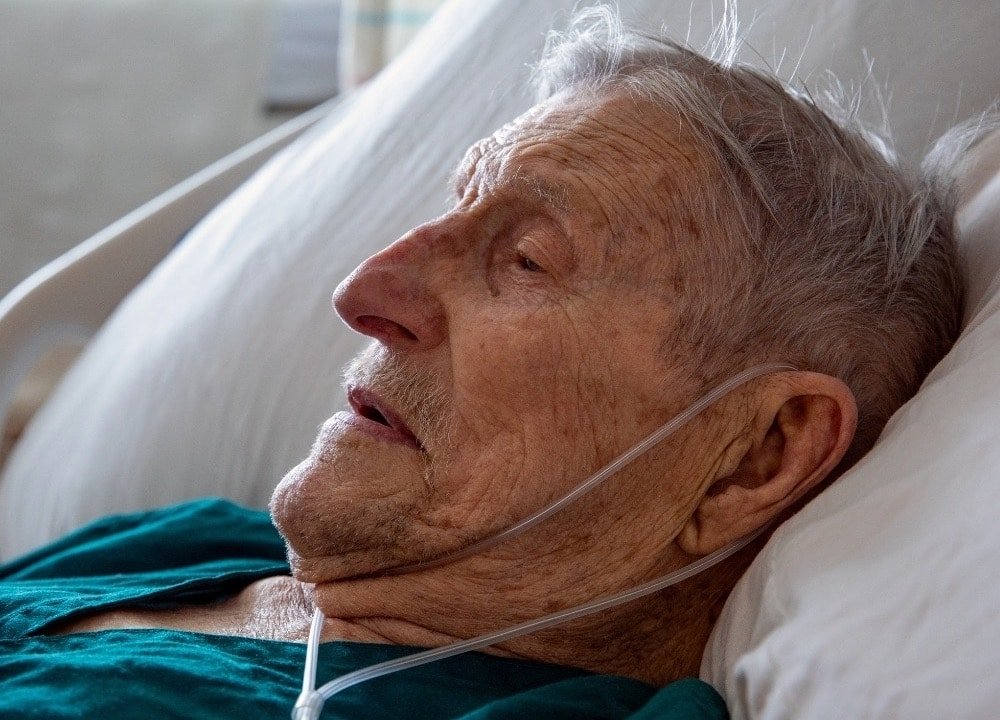
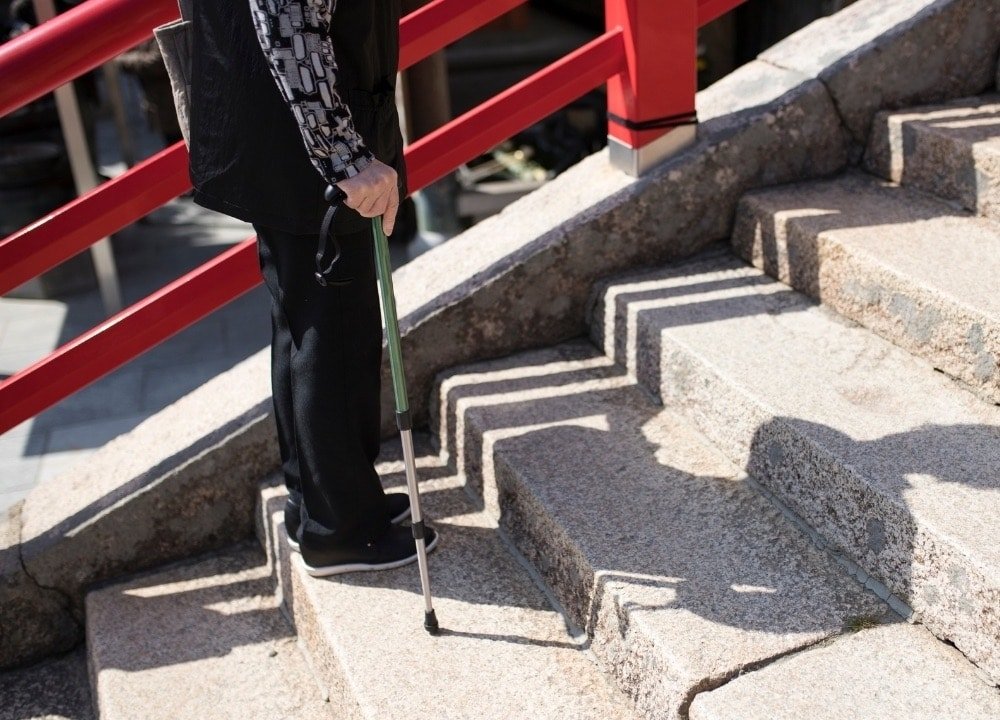
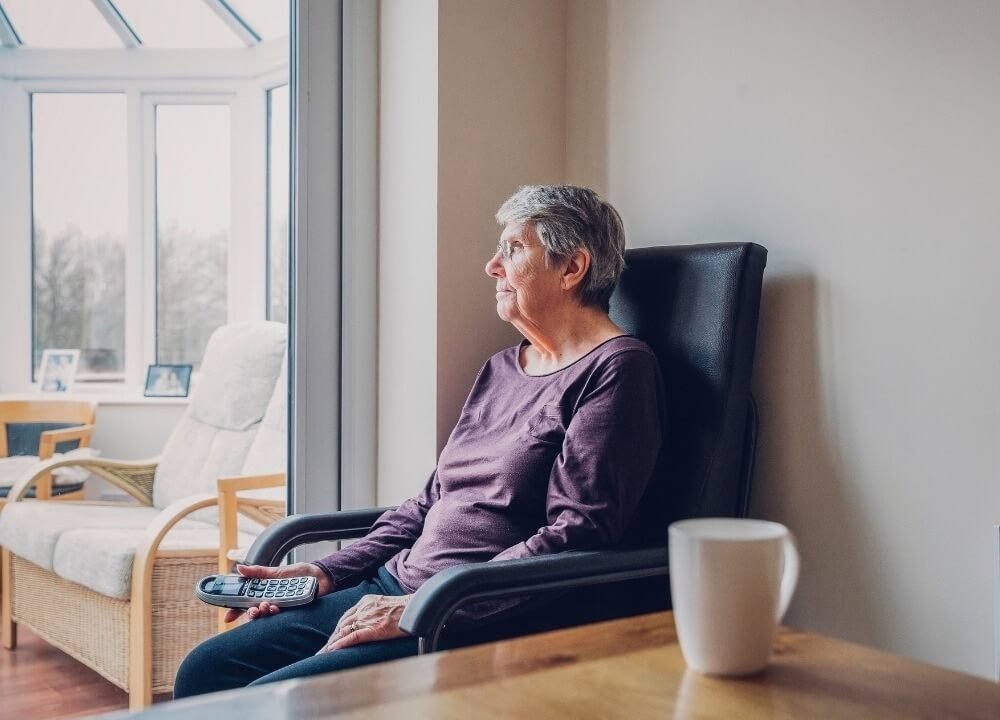
Social Isolation and Dementia

social isolation and dementia

We are looking at the connection between social isolation and dementia risk for many years.

Social isolation especially in seniors is considered one of the public health risks that affect many people.

It puts them at RISK for dementia and other severe medical conditions.

The NASEM (National Academies of Sciences, Engineering, and Medicine) released a report stating that almost a fourth of adults aged 65 and older are considered socially isolated.

Loneliness and Social Isolation Linked to Dementia

Many elderly people are at an increased risk of social isolation because of various factors like:

  • Living alone
  • Loss of family and friends
  • Hearing loss
  • Chronic illness
  • Lack of interests in social activities they once enjoyed

Studies Looking into Social Isolation and Dementia Risk

studies looking into social isolation and dementia risk
Several studies have shown that there is a connection between increased dementia risk and social isolation.

An example of this was a behavioral rodent study that was conducted in Belgium.

The research team discovered that mice that were in isolation for four weeks during adolescence ended up with a specific dementia-like phenotype.

It compromised both cognitive and non-cognitive domains when compared to the animals that were socially housed.

The mice also displayed a lifelong impairment in a memory task.

A cohort study on the “Association of social isolation, loneliness, and genetic risk with the incidence of dementia: UK Biobank” also concluded that socially isolated persons are at risk of dementia at all levels of genetic risk.

This was after observing 144,074 men and women with a mean age of 64.1 from the UK Biobank study.

The participants were recruited between 2006-2010.

8.6% of the participants reported that they were socially isolated. During a follow-up, 0.9% of the participants were diagnosed with dementia.

Social isolation was the MAIN culprit associated with increased dementia risk.

Loniless biggest risk for Alzheimer’s?

On the flip side, a new study from the Netherlands reported that “feeling lonely” and not “being alone” might be considered a major risk factor for Alzheimer’s disease. One of the most common causes of dementia.

This study was published in the Journal of Neurology, Neurosurgery, and Psychiatry. For the study, researchers observed 2,173 seniors aged between 65-86.

At the beginning of the study, none of the participants had dementia.

The professionals assessed the participants’ degree of isolation including whether they lived alone or lacked a partner, spouse, or network of friends alongside how lonely they reported they felt.

About half of the participants lived alone, and 1 in 5 reported feeling lonely.

The participants also underwent thinking and memory tests to look for signs of severe memory loss and incipient AD (Alzheimer’s disease).

After controlling factors like concurrent medical issues like cardiovascular disease or depression and socioeconomic status, researchers found that the participants who felt lonely were more likely to develop dementia.

The ones who were socially ISOLATED but did not feel lonely were not at increased risk of developing dementia.

The researchers stated that there needs to be a better understanding of why individuals feel lonely as this may help them identify vulnerable persons to come up with interventions that will IMPROVE the outcome in seniors who are at risk of dementia.

Can Social Activity Buffer Against Decline?
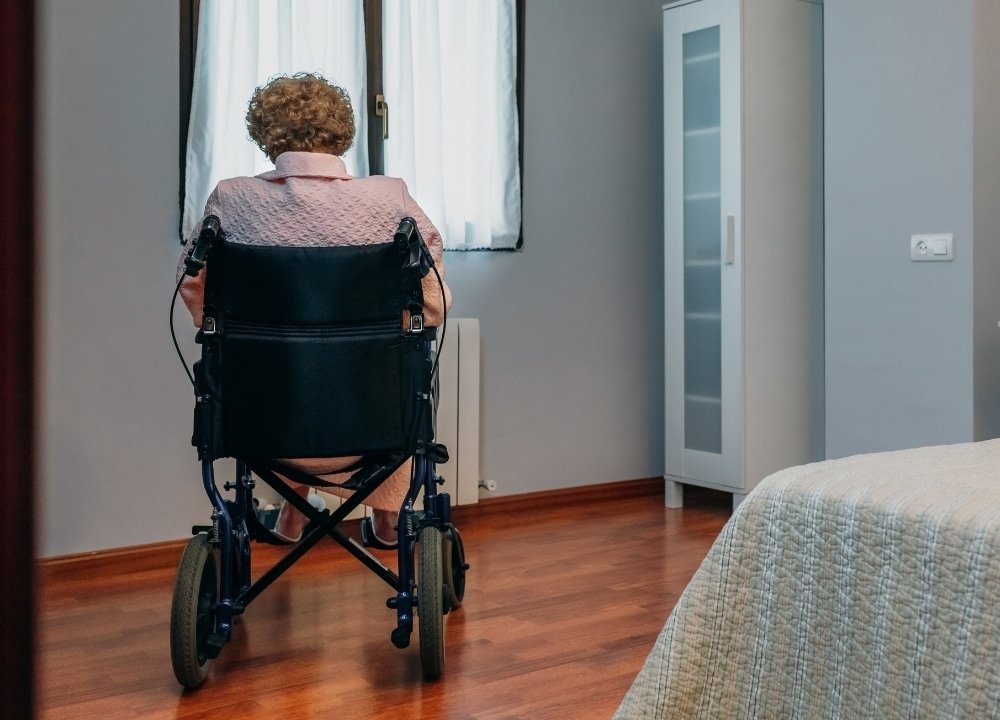
can social activity buffer against decline
When discussing social isolation and dementia risk, we find it important to pinpoint some of the things that can help reduce the risk.

For one, MAINTAINING HIGH-QUALITY relationships is key to protecting brain health from the negative effects of isolation.

Studies show that seniors who feel more satisfied with their relationships have a 23% lower dementia risk.

Older adults who feel that their relationships are supportive have a 55% lower risk of developing dementia compared to the ones who feel unsupported or dissatisfied in their relationships.

Maintaining social activities can also buffer against the decline in thinking abilities even for people who live alone or are experiencing signs of beta-amyloid accumulation in the brain.

One of the reasons this happens is that if a person is cultivating and maintaining strong social ties, it can help them cope better with stress.

Individuals who feel better able to cope with challenges or bounce back after stressful events normally show less tau protein build-up in the brain.

What Action can a Person Experiencing Social Isolation Take?
what action can a person experiencing social isolation take
When experiencing social isolation, an individual should consult a doctor.
The physician can assess an individual’s risk of social isolation and if needed connect the affected individual to community resources for assistance.

National Organizations like Area Agencies on Aging, National Council on Aging, Eldercare Locator, and AARP can also be helpful.

Other strategies that may help fight social isolation include:

1. Friends

Reaching out to friends and family even if it is just a phone call or text.

Dr. Miller states that making contact with someone can improve well-being and it should be part of an individual’s daily routine.

2. Joining a club

Affected individuals should look for clubs that interest them such as book clubs, collectors’ clubs, or jazz clubs, etc.

Volunteering at an organization they support can also help.

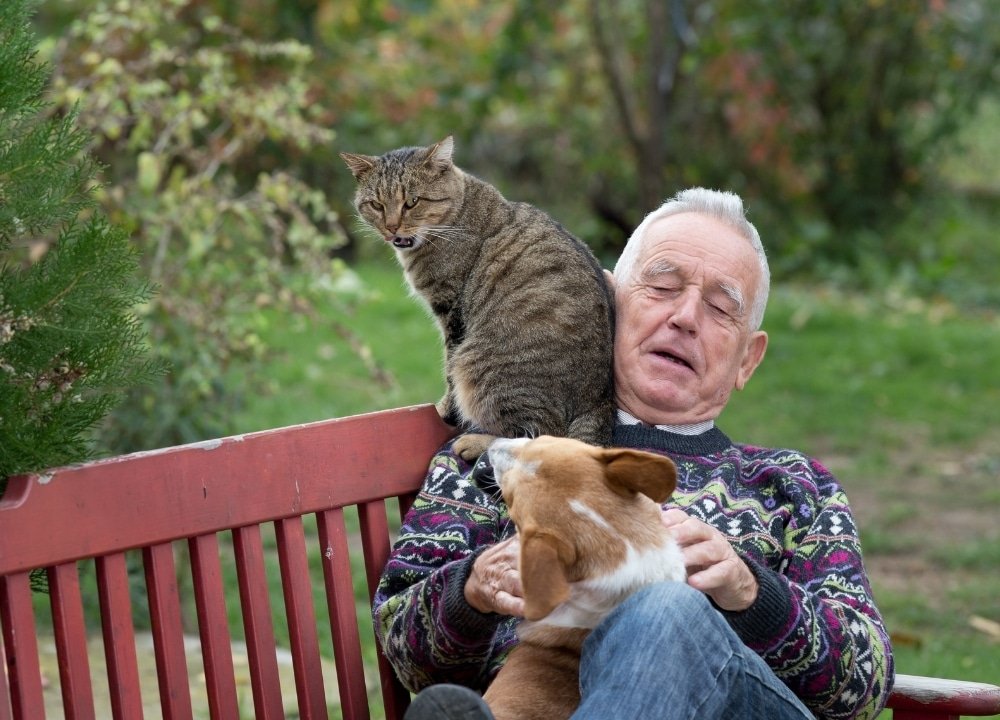
3. Adopting a pet

Persons who can mentally and physically care for pets should get them as they make wonderful companions who offer numerous physical and emotional benefits.

Closing Thoughts

Human beings are generally social in nature and high-quality social relationships can help people live healthier and longer lives.

There is growing evidence that there is a link between social isolation and dementia risk.

While more studies need to be conducted on this subject, it is something that people need to take seriously in a bid to reduce the number of people who end up developing dementia in old age.

Bonus: What is Social Isolation
what is social isolation
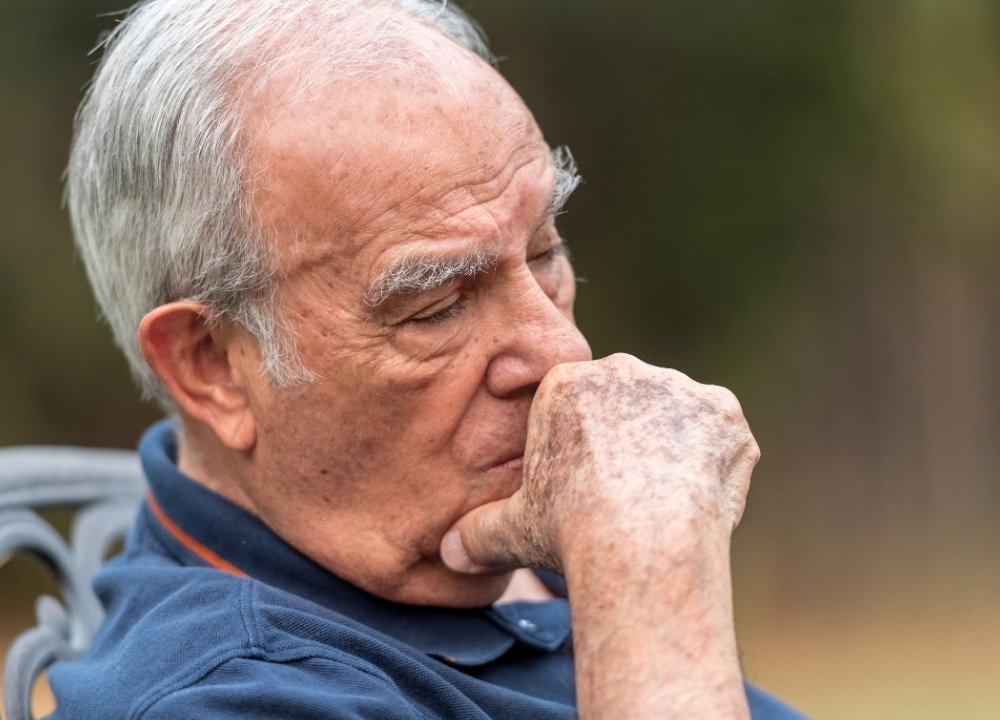
Social isolation is the lack of social connection. We can also describe it as an objective measure of solitude that may or may not be distressing.

Although it is not easy to precisely measure social isolation, there is evidence that older adults who are isolated socially put their health at risk.

In line with this, some recent studies uncovered that:

  • Social isolation was associated with almost 50% increase in developing dementia.
  • Social isolation increases a person’s risk of premature death from all causes significantly. This is a risk that may rival those of obesity, physical inactivity, and smoking.
  • Poor social relationships characterized by social isolation were linked to increased link in heart disease and stroke (29% and 32% respectively).
  • Seniors who are socially isolated record increased emergency room and physician visits.

Social isolation among older adults also leads to poor performances on tests of thinking abilities. Especially in situations when an individual is required to process information fast.

Alcohol Dementia (Symptoms & Treatments)

alcohol dementia

We are observing the negative effects and health problems of alcohol daily, including alcohol dementia.

This is a health condition that leads to SEVERE cognitive issues as well as improper neurological functioning.

Alcohol-Related Dementia

It is one of the detrimental effects of alcohol on the human body that not many people are aware of.

The illness can affect any person at any age more so the ones who are into consuming LARGE quantities of alcohol over a short period.

It is unlike other dementia types that normally affect the elderly.

This kind of intoxication deprives the body of important nutrients causing brain damage as well as harmful effects to major organs in the body. Including pancreas, liver, kidneys, and many more.

Note that alcohol has a direct negative effect on brain cells.

This results in a lack of insight, poor judgment, and difficulties making proper decisions. To some extent, alcohol-induced dementia is similar to Alzheimer’s disease.

They both affect COGNITIVE and MEMORY abilities.

Symptoms of Alcohol Dementia

symptoms of alcohol dementia
Alcohol-related dementia is influenced by two important factors:

Korsakoff syndrome

This is a condition that translates through frequent episodes of confusion, depression, memory issues, and inability to speak among others.

Dementia and alcohol are related in this case because excessive alcohol consumption prevents normal neurological functioning.

This leads to the development of dementia in people who abuse alcohol.

Wernicke’s encephalopathy

This occurs when an individual does not have a vitamin known as thiamine in their body.

Over-the-top drinking and vomiting normally cause this.

Drinking too much alcohol regularly results in thiamine deficiency.

Experts reckon that alcoholics typically develop Wernicke’s encephalopathy first, which then causes Korsakoff syndrome.

Ultimately, the SEVERE MEMORY ISSUES that are associated with Korsakoff syndrome will result in dementia that is caused by alcoholism.

Check out some of the most common symptoms that people who have dementia caused by alcoholism showcase.

Confusion

confusion
This is one of the most common symptoms of this kind of dementia. People with the illness appear not to be in a position to think clearly.

Many feel disoriented and have a tough time making decisions or focusing.

Confusion normally makes a person experience sudden emotional changes like being agitated out of the blues.

An individual may also have incoherent speech and lack awareness of time or location.

Repetition

A high percentage of individuals who have this illness will find themselves telling the same story over and over again without even realizing it.

In line with this, some will also ask the same question repeatedly because THEY HAVE NO recollection of the queries that have just been asked or answered.

When having a conversation with such individuals, do not be shocked if they keep repeating the same information over ten times.

Impulsivity problems

A person who has alcohol dementia may start to be reckless with their finances.

This is where an individual may get into a habit of making rash financial decisions purchasing items they do not need.

They may also become too generous with their money giving it out aimlessly.

Such people usually have a DIFFICULT time CONTROLLING EMOTIONS. One minute they may be the happiest beings on earth and the next they start crying.

Inability to perform motor tasks

You may notice that a person who has alcohol-related dementia has challenges performing both simple and complex motor tasks.

These can include walking, running, getting dressed, or getting up and down a flight of stairs.

Heavy alcohol abusers also experience damage to nerves in their legs and arms.

These people normally have issues with sensation, and they might also demonstrate unsteadiness on their feet.

An array of psychiatric problems

an array of psychiatric problems
Dementia that relates to alcohol is also known to produce various psychiatric issues. These can include disconnect from reality (psychosis), anxiety, depression, and changes in personality.

Some may also develop apathy which can be MISTAKEN for depression.

Impaired ability to learn new things

It can become very difficult for a person who has this type of dementia to start learning new things. This is because damage to the brain affects its comprehending and processing ability.

Other symptoms may include but are not limited to frequent headaches, anger episodes, slurred speech, mood swings, decreased spontaneity and initiative, and memory gaps.

Oddly, persons who have alcohol-related dementia may seem to be in total control of their faculties drawing correct deductions, playing games that require mental skills like cards or chess, and making witty remarks, etc.

Before concluding that a person has alcohol-related dementia, you must seek the services of a professional or doctor.

Because of the symptoms that the illness has, it becomes difficult to tell right away that dementia has been caused by alcohol abuse.

Doctors, however, can conduct several proper tests to come up with the right diagnosis.

The professionals will also be in a position to advise on how to combat the illness in the right way, depending on the individual.

Treatment for Alcohol Dementia

treatment for alcohol dementia
It is advisable to start treating alcohol-related dementia as fast as possible.

If we detect this dementia early enough, it means that the damage to the nerves and brain will not be excessive.

While the treatment process can be quite stressful for candidates with alcohol-induced dementia, it is necessary, if a person wants to PREVENT further health problems or death.

Studies show that women have more success reversing the effects of alcohol-related dementia than men.

Both genders, nonetheless, require support from their friends and family while undergoing treatment.

There are several treatment options that a person who has this dementia type can explore such as:

Quitting Alcohol

To cure this type of dementia, a person simply needs to quit drinking alcohol. When a person stops taking alcohol, it prevents further damage to nerves and brain function.

People with the illness can also show improvement by improving diet and exercising.

Alcoholism Treatment

alcoholism treatment
Quitting consumption of alcohol may not be the easiest thing to do. Doctors may put the person with dementia on alcoholism treatment when the situation is dire.

This typically consists of multiple IV infusions and therapies that attempt to replenish the vital nutrients the body has lost.

Most people will have to stay in a clinic or hospital for a certain period so that they can be monitored closely during the treatment.

Some who have the willing power may, however, go through alcoholism treatment successfully at home.

Others may even need a rehabilitation center to stay “clean.” This is because, during the treatment, a person MUST NOT touch even a single drop of alcohol.

It is usually a difficult moment because an alcoholic at this point has been used to the toxic substance to an extent that their bodies crave it and most feel like they cannot survive without a drink.

In such cases, alcoholism support groups can be helpful.

Thiamine Therapy

Thiamine therapy also helps with the treatment of dementia from the abuse of alcohol. This provides the body with the much-needed B1 or thiamine vitamin.

This vitamin is crucial in the body because it helps the brain cells convert sugar into energy.

When there is thiamine deficiency, it means that the brain cells will not have enough energy to function well.

The treatment comes highly recommended because it enhances the neurological functioning of people with alcohol-related dementia.

Additionally, it can also PREVENT this type of dementia FROM PROGRESSING to more dangerous stages.

Counseling

counselling
It is important to incorporate counseling as part of treating dementia caused by alcoholism. This is where the affected person gets a chance to talk to professional therapists.

It can help identify the root cause of the problem to eliminate it. After dealing with what causes a person to OVERINDULGE in alcohol, the chances of relapsing become slimmer.

Persons who have alcohol dementia may also benefit from services that memory clinics offer.

It is, therefore, wise to seek referrals from your doctor to point you in the direction of a good clinic.

You can also consider addiction programs that have been successful in helping people abstain from alcohol for the rest of their lives.

If the person who has dementia is living in a retirement community, remember to communicate this to the caregivers early enough. This is because not all communities may be aware of the health condition.

Some may not even have the proper resources to extend beneficial care.

If you find yourself in such a situation, continue searching until you can identify the community that will be the right fit.

Alcohol Dementia Final Remarks

To clarify things, alcohol dementia mostly affects people who drink EXCESSIVELY.

It is very rare for a person who gets tipsy once a week by having a few wine or beer glasses to develop the illness.

Individuals who are at risk are the ones who frequently intoxicate themselves with alcohol and suffer from hangover symptoms almost every day.

These are the people who are always feeling dizzy and vomit all the time.

Not treating the disease early enough can make it an incurable health condition.

Nonetheless, administering proper treatment on time gives alcoholics a chance to lead a happy, alcohol-free life.

Negative Thinking and Dementia (Link?)

negative thinking and dementia

We’ve dealt many times with negative thinking and dementia. We also found several studies revealing the possible link between the two.

Thus conducted this article that will help you and your loved ones with the impact of negative thinking.

Does Negative Thinking Influence Dementia?

Researchers from University College London conducted the research suggesting that repetitive negative thinking also known as perseverative cognition is linked to a higher number of harmful protein deposits in the brain which is linked to cognitive decline.

Subsequently, this INCREASES the risk of developing dementia.

Natalie L. Marchant the lead investigator of the study said that they were prompted to carry out the research based on the fact that anxiety and depression are known as dementia risk factors in mid- and old-age.

The research revealed that certain thinking patterns implicated in anxiety and depression could be the reason individuals experiencing disorders are MORE LIKELY to get dementia.

negative thinking anxiety depression can promote dementia development

She further explained that chronic perseverative cognition patterns over long periods of time could increase the risk of dementia.

However, there was no evidence showing that SHORT-TERM setbacks increase an individual’s risk of developing dementia.

More details of the novel study below.

Participants and Duration of the Research

The researchers observed hundreds of participants who were above 55 years over a four year period.

All the participants were in good cognitive and physical health and had a parent or sibling with Alzheimer’s disease.

The authors of the study looked at two cohorts of participants.

The first came from the PREVENT- AD (Pre-symptomatic Evaluation of Experimental or Novel Treatments for Alzheimer’s disease) research project.

Other participants were drawn from IMAP+ (Multi-Modal Neuroimaging in Alzheimer’s disease) study.

Both studies involved 360 participants.

Research nurses conducted DETAILED medical examinations before enrolling the subjects to ensure they were eligible for the study.

During this time, participants were asked to respond to questions that indicated how they normally felt about various negative experiences.

The queries were primarily centered on patterns that are usually observed in repetitive negative thinking.

These include worrying about the future or thoughts of past events.

The research team also assessed the cognitive function of the subjects including language, attention, and spatial cognition.

In the quest to find out if there is a relationship between negative thinking and dementia, 113 participants had PET scans.

These were done to measure the amount of amyloid and tau deposits in the brain.

Alzheimer’s disease is linked to an excessive accumulation of these two proteins in the brain.

Results of the Study

Researchers found that the participants who demonstrated HIGHER LEVELS of repeated negative thinking patterns had more memory and cognitive decline.

Additionally, the group of participants also had more tau and amyloid deposits when compared to the ones who did not have repetitive negative thinking patterns.

Marchant concluded that repetitive negative thinking could be one of the new risk factors for dementia.

It could contribute to the development of the illness in a unique manner.

Researchers also noted some limitations of the study.

While there may be an association between repetitive negative thinking and dementia, the casual relationship between the two is still not clear.

Authors believe that perseverative cognition contributes to the development of Alzheimer’s by ELEVATING an individual’s stress levels.

Furthermore, the experts could not ignore the fact that early signs of Alzheimer’s disease could also lead to repetitive negative thinking.

Tips for Avoiding Repetitive Negative Thinking

tips for avoiding repetitive negative thinking
Seeing that there could be a link between negative thinking and dementia, it is possible that the risk of developing the illness can be reduced by being more positive.

Researchers are currently taking up projects to see whether interventions such as meditation, mindfulness training, and targeted talk therapy can help REDUCE repeated negative thoughts.

Dr. Gael Chetelat co-author of the study stated that people’s thoughts have a biological impact on physical health.

It can either be negative or positive.

He believed that mental training practice CAN PROMOTE positive thinking.

The doctor advised individuals to take care of their mental health.

He says that this should be a major public health priority.

It is important for people’s well-being and health in the short term and can reduce the risk of dementia.

Responding to this, Dr. Jacob Hall a neurologist at Stanford Health Care said that experts must use scales to determine what is considered normal or abnormal when it comes to negative thoughts.

Positive thoughts increase the quality of life

positive thoughts can reduce dementia development
This is because some negative thoughts are considered to be a normal part of life.

Hall said that there it is still not clear whether perseverative cognition causes, accelerates, or is just associated with Alzheimer’s disease.

He, however, noted that a positive mindset is associated with tons of benefits.

He went further to state that healthier thinking patterns can lead to a higher quality of life reducing the risk of multiple health problems including dementia.

There is no doubt that a positive outlook is great for the mind, body, and brain.

Previous research supports the hypotheses of the study indicating persons who are more positive usually have a better shot at avoiding death from cardiovascular risks than pessimistic people.

A study conducted in 2019 revealed that more positive individuals enjoyed GREATER protection from stroke, heart attacks, and other causes of death.

Moving Forward

Based on the results of the study, researchers hope for more studies on the link between negative thinking and dementia.

We can use the findings to develop effective strategies to IMPROVE the quality of life.

These can lower the risk of people developing dementia by curbing repetitive negative thoughts.

Stress and Dementia (Is There a Link?)

stress and dementia

When looking into the causes of dementia, we wondered many times whether there is a connection between stress and dementia risk.

News usually reports that there is a link between the two.

Below we discuss what stress is, WHY stress is linked to dementia, the EFFECTS of stress on the brain, STUDIES on the link between dementia and stress, and some of the ways to REDUCE stress.

Reasons Stress is Linked to Dementia

There are several logical reasons why there is a connection between stress and dementia.

For one, stress is known to affect a person’s IMMUNE SYSTEM which plays a major role in dementia development.

reasons stress is linked to dementia

When a person is going through stress, the body releases a hormone known as cortisol.

This has been linked to issues with memory.

Stress is also CLOSELY linked to conditions like anxiety and depression. These have been documented as factors that can increase the risk of dementia.

Effects of Stress on the Brain

Researchers from the University of Wisconsin School of Medicine and Public health presented a study explaining how stressful life events can age the brain about 1.5 years.

They also clarified that some stressful experiences may lead to the development of different kinds of dementia later on in life. This was presented at the Alzheimer’s Association International Conference in London.

Researchers assessed data from 1,320 participants who took part in cognitive tests and shared details about their stressful life events. The professionals discovered that each stressful event was equal to one and a half years of brain aging.

The statistics were different for African-Americans because a single stressful event was equal to four years of brain aging.

Although the link between dementia and stress needs more investigation, professionals believe that stress can lead to inflammation in the brain making the organ more susceptible to HEALTH ISSUES like dementia.

Stress can also cause depression which is another risk factor for dementia.

Stressful experiences

Examples of stressful experiences that are linked to damaging the brain include but are not limited to:

  • Being suspended or expelled from school
  • Getting fired from a job
  • A cheating partner
  • Financial problems
  • Death of a loved one
  • Dropping out of school
  • Legal difficulties
  • Being jobless
  • Assault

Research on the Link Between Stress and Dementia

research on the link between stress and dementia
While there have been numerous studies looking into the relationship between dementia and stress, there is no general agreement on what the exact link is.

One of the main reasons for this is that it is challenging for researchers to conclusively investigate stress.

This is because different people have different reactions to stressful situations.

It is also hard to quantify how stressed an individual is.

Other factors that are hard to separate may also come into play.

For instance, the role of lack of sleep, depression, and anxiety all of which have been associated with an INCREASED risk of dementia.

The complications explain why it may be challenging to carry out extensive research on the role that stress has in the risk of dementia.

Despite this, professionals still work hard to try and explain the connection between increased dementia risk and stress.

Below are some of the studies that have been conducted on the relationship between stress and dementia.

Studies

New research reported that PTSD (post-traumatic stress disorder) is a potential risk factor for dementia development.

PTSD is normally caused by childhood trauma, being a victim of abuse or violence, and traumatic experiences like war.

The study was the first to attempt to quantify the risk of developing dementia associated with post-traumatic stress disorder.

The team thoroughly searched around 8,000 papers to identify existing studies across the globe. Focusing on different populations examining the relationship between future dementia risk and PTSD.

Data collected from different studies indicated that PTDS was associated with increased dementia risk.

Post-traumatic stress disorder

The researchers concluded that post-traumatic stress disorder was a strong but modifiable risk factor for the progressive illness.

To identify if there is a potential link between stress and dementia, researchers from the University of Southampton in the UK in 2021 started a 3-year study. Investigating the effects of chronic stress on individuals with MCI (mild cognitive impairment) and a control group of 70 people over 50 years without any memory problems.

All the participants were assessed for STRESS LEVELS as well as any progression from mild cognitive impairment to dementia.

After years of following up, taking into consideration numerous factors, the study suggested that objective psychological stress is one of the risk factors for cognitive decline.

Stress, women and dementia

Another study also reported that midlife stress may increase the risk of developing dementia. Researchers came to this conclusion after conducting a study of 800 women living in Sweden.

The professionals followed the ladies for almost 4 decades.

Even though the study did not include men, the results suggested that stress may have long-term detrimental effects on everyone.

The researchers examined the long-term cognitive and medical health of the ladies.

The women underwent regular health assessments every 5-10 years including searching for symptoms of memory loss of Alzheimer’s and other dementia types.

When the study began the ladies were asked whether they had experienced MAJOR STRESSES like illness of a family member, divorce, or death of a child or spouse, and other sources of stress.

About 25% of the ladies had experienced a major life stressful experience. 23% had gone through two stressful events, 20% had experienced at least 3, while 16% had gone through 4 or more stressful experiences.

Around 1 in 5 women developed dementia during the follow-up period.

The ladies that reported the most stressful experiences in middle age were at 21% increased risk of developing Alzheimer’s disease in old age.

15% also recorded a higher risk of developing other dementia types.

The authors acknowledged that more studies need to be done to confirm the results.

Tips for Reducing Stress

tips for reducing stress
Seeing that there may be a connection between stress and dementia, it may be helpful to try and avoid or reduce stress as it may reduce the risk of developing dementia.

Some of the steps that people can take to help reduce stressful events include:

  • Identifying sources of stress and avoiding them
  • Addressing stress triggers and accepting help with the situations. People should aim to look for something positive even in the most difficult situations
  • Knowing limits and establishing boundaries
  • Changing stressful environments to an alternative that is quiet and relaxing
  • Identify relaxing techniques to adapt when feeling overwhelmed or stressed. This can be anything from meditation, yoga, exercising, journaling, listening to music, gardening, or watching TV, etc.
  • Talking to someone you trust about current feelings. It can be a friend, relative, or professional counselor
  • Take breaks as needed to help conserve energy
  • Letting things that are out of control go
  • Social engagement like joining a club (See our group activity recommendations)
  • Getting a pet
  • Sleep well
  • Eat healthy food
  • Take part in brain-stimulating activities like playing games

Stress and Dementia Closing Thoughts

Even though evidence points to a strong relationship between stress and dementia risk, more research needs to be done on this topic.

More conclusive results can help professionals come up with effective ways of preventing, managing, or treating dementia.

Bonus: What is Stress?

The National Institute of Mental Health (NIMH) describes stress as how the body and brain respond to any demand.

This can be any kind of challenges such as performance at school/work, traumatic event, or a significant life change. Symptoms of stress include sweating, pounding heart, and tense muscles amongst others.

These warning signs are supposed to disappear as soon as the danger passes, but some individuals experience stressed feelings for longer periods.

This can result in chronic or prolonged stress that can be severe and have serious effects on a person’s physical, mental, and emotional being.

Music Therapy and Dementia: 7 Ways It May Help

Music therapy and dementia

Music therapy and dementia are often discussed together because music can provide enjoyment, connection and opportunities for self-expression even when memory and communication abilities have changed.

Familiar songs can sometimes prompt singing, movement, conversation or emotional responses in people living with dementia. Structured music therapy may also provide benefits for some people.

However, it is important not to overstate what music therapy can do. It does not cure dementia or reverse the underlying disease, and research into many of its effects is still developing.

What Does Research Say About Music Therapy and Dementia?

A recent Cochrane review of music-based therapy for people with dementia included 30 studies involving 1,720 participants.

The researchers found that, compared with usual care, music-based therapeutic interventions probably produce a small improvement in depressive symptoms and may improve overall behavioral problems at the end of treatment.

The evidence was less convincing for several other outcomes. Researchers did not find clear evidence that music-based therapy improves agitation or aggression, anxiety, cognition or overall emotional well-being compared with usual care.

There was also uncertainty about whether any benefits continued after therapy ended.

This does not mean music has no value for someone living with dementia. Instead, it means we should view it as a supportive and enjoyable activity rather than a treatment that can reliably improve every symptom.

Here are seven ways music may be helpful.

7 Ways Music Therapy and Dementia Care Can Work Together

1. May Support Mood and Depressive Symptoms

group singing activity with older adults

One of the stronger findings from current research relates to mood.

The Cochrane review found moderate-certainty evidence that music-based therapeutic interventions probably produce a small improvement in depressive symptoms immediately after treatment when compared with usual care.

For a person living with dementia, listening to a favorite song or participating in music can also simply be an enjoyable experience.

This is particularly valuable because depression can occur alongside dementia and can have a significant impact on quality of life.

Music should not replace assessment or treatment for depression, but it can form part of a broader person-centered approach to care.

2. Can Encourage Social Engagement

familiar songs encouraging reminiscence

Music provides a natural reason for people to participate together.

Singing, listening, clapping or playing simple instruments can create opportunities for interaction without requiring complicated conversation.

Research comparing music-based therapy with other activities suggests it may improve social behavior for some people with dementia, although the evidence is still limited.

Group music sessions can also be incorporated into group activities for people with dementia.

The aim should not be to force participation. Some people may prefer to listen quietly rather than sing or move. Following the person’s interests and responses is more important than completing a particular activity.

3. Can Create Moments of Connection and Reminiscence

person communicating through song

Familiar music can have strong personal associations.

A song from someone’s childhood, wedding, favorite performer or important period of life may provide an opportunity to reminisce and connect with family members or caregivers.

The Alzheimer’s Association notes that even during later stages of Alzheimer’s, some people may still be able to tap to a beat or sing lyrics from familiar songs.

Rather than thinking of music as a way to “restore” lost memory, it is more helpful to think of it as another route for connection.

A familiar song might lead to a smile, a few words, movement, singing or simply a peaceful shared moment.

That experience can be meaningful even when the person cannot explain the memory associated with the music.

4. Can Support Communication and Self-Expression

seated movement and rhythm activity

As dementia progresses, communication can become more difficult.

Music offers ways to participate that do not depend entirely on spoken language.

A person might hum, sing, tap a rhythm, make eye contact or respond through facial expressions and movement.

The Alzheimer’s Association describes music as a way for people to connect even after verbal communication has become difficult.

This does not mean music therapy will restore speech or prevent language decline. Those claims go beyond what current evidence can establish.

Its value may instead lie in providing another way for the person to express themselves and interact with those around them.

5. Can Encourage Movement and Participation

movement during music activities for people with dementia

Music naturally encourages movement for many people.

Someone may clap their hands, tap their feet, sway, dance or move their arms in time with a familiar song.

The Alzheimer’s Association recommends encouraging activities such as clapping and dancing when the person enjoys them.

Movement should always suit the person’s mobility, balance and physical abilities. A person who cannot safely stand may still enjoy tapping, clapping or moving while seated.

Music can therefore complement other appropriate physical activities for people with dementia, although it should not be described as a treatment that directly improves physical health or motor function in every person.

6. May Help With Some Behavioral Symptoms

caregiver using familiar music during dementia care

Behavioral and psychological changes can occur as dementia progresses.

The recent Cochrane review found that music-based therapy may improve overall behavioral problems when compared with usual care.

However, there was no clear evidence that it specifically reduces agitation or aggression.

That distinction is important.

A familiar piece of music may sometimes help redirect attention, encourage engagement or create a calmer environment, but caregivers should not assume music will resolve every episode of agitation.

Sudden or significant changes in behavior can also have other causes, including pain, illness, medication effects, fatigue, hunger or an uncomfortable environment.

These causes should be considered rather than simply trying to distract the person with music.

7. Can Provide Meaningful Engagement at Different Stages

person with dementia engaging with music

One advantage of music is that the activity can be adapted as abilities change.

A person in an earlier stage of dementia might play an instrument, choose songs, dance or attend a concert.

Later, the activity may become simpler. Listening to familiar recordings, singing together, tapping a beat or quietly enjoying music may be more appropriate.

The focus should always be on the person’s enjoyment rather than performance.

Meaningful activities can contribute to quality of life for someone living with dementia, particularly when they reflect the person’s interests, history and abilities.

Music Therapy Is Different From Simply Listening to Music

There is an important distinction between clinical music therapy and playing enjoyable music at home.

According to the American Music Therapy Association, music therapy is the clinical and evidence-based use of music interventions to achieve individualized goals within a therapeutic relationship with a credentialed professional.

A qualified music therapist assesses the person’s needs and uses music purposefully as part of an individualized treatment plan.

Simply playing a person’s favorite music is not clinical music therapy.

That does not mean families and caregivers should avoid playing music themselves. Familiar music can still provide enjoyment, companionship and meaningful engagement.

The distinction simply prevents everyday music activities from being confused with professional therapy.

Practical Music Tips for Dementia Caregivers

Caregivers do not need complicated equipment to make music part of everyday life.

The Alzheimer’s Association recommends choosing music that is familiar and enjoyable to the person and, whenever possible, allowing them to choose what they want to hear.

Other useful approaches include:

  • Choose songs connected with positive periods in the person’s life.
  • Watch their reaction and change the music if they appear uncomfortable or distressed.
  • Keep the volume comfortable.
  • Reduce competing noise from televisions, conversations or other devices.
  • Avoid music interrupted by advertisements if these cause confusion.
  • Use gentle music when trying to create a relaxed environment.
  • Try more upbeat familiar music when encouraging movement or participation.
  • Encourage clapping, singing or dancing when the person appears to enjoy it.
  • Do not test the person’s memory by asking them repeatedly to identify songs or artists.

A person’s response can also change from one day to another. Music that is comforting today may be irritating or overwhelming at another time.

Follow the person’s response rather than assuming a particular type of music will always work.

When Should You Consider a Professional Music Therapist?

Families may want to consider a qualified music therapist when they have a specific therapeutic goal or would like a structured program tailored to the person’s needs.

The American Music Therapy Association explains that qualified music therapists receive specialized education and clinical training and develop individualized treatment plans.

In the United States, look for a board-certified music therapist with the MT-BC credential.

A professional may use techniques such as singing, instrument playing, movement, improvisation, songwriting, music-assisted relaxation or carefully selected listening activities depending on the person’s abilities and therapeutic goals.

Music therapy should complement appropriate dementia and medical care rather than replace it.

Music Therapy and Dementia: Closing Thoughts

Music can remain meaningful even as dementia changes memory, language and everyday abilities.

Current research does not support claims that music therapy can cure dementia, restore cognition or reliably improve every behavioral symptom.

What the evidence does suggest is more modest but still valuable. Structured music-based therapy may provide a small improvement in depressive symptoms, may help with some overall behavioral problems and may encourage social interaction in certain circumstances.

Outside formal therapy, familiar music can also offer enjoyment, movement, self-expression and moments of connection between a person with dementia and those around them.

When considering music therapy and dementia, the most important principle is to make the experience personal. Choose music the individual enjoys, watch their response and focus on connection rather than achievement.

Is Melatonin Safe for Elderly with Dementia?

is melatonin safe for elderly with dementia

When a person with dementia has sleep issues, we, as caregivers, wondered many times- is melatonin safe for elderly with dementia?

We went on a long journey of studying, reviewing and even testing melatonin ourselves.

Is Melatonin Safe For Patients With Dementia?

The supplements are generally safe and can be used to treat insomnia in people who have trouble getting quality sleep.

is melatonin safe for patients with dementia

The drugs can improve sleep moderately.

Even though the drugs may be safe for most healthy people, some experts do not recommend melatonin for seniors with dementia.

This view has been backed by the American Academy of Sleep Medicine.

The institution does not advise elderly people with dementia to use melatonin or other sleep-promoting drugs.

Not All Experts Recommend Melatonin

This is due to an increased risk of falling as well as other adverse effects.

The adverse effects of melatonin supplementation though rare include:

  • Drowsiness
  • Nausea
  • Hypothermia (lower body temperature)
  • Decreased blood flow

Melatonin may also be UNSAFE for individuals who have orthostatic hypotension, diabetes, bleeding disorders, autoimmune illnesses, depression, transplant recipients, and seizure disorders.

When it comes to answering the query is melatonin safe for elderly with dementia there are conflicting responses.

Some experts state that it is safe while others say it is not.

This is because, in elderly persons who have dementia, melatonin treatment has proved to worsen caregiver rating of the person’s mood.

Additionally, it might also interfere with other drugs the individual may be taking.

Bellow are some of the studies that may help answer the query is melatonin safe for elderly with dementia.

Studies Regarding Melatonin and Dementia

studies regarding melatonin and dementia

Researchers from the Netherlands Institute for Neuroscience reviewed the perks of melatonin and the effect of environmental light on seniors with dementia.

The study that was published in the Journal of the American Medical Association reported that melatonin was useful with sleep issues.

However, it also increased withdrawn dementia-related behavior. The results were enhanced when combined with a bright light environment. The study involved 189 elderly persons.

Most of the participants (87%) had dementia. All the participants were living in assisted care facilities.

The seniors were assigned to different groups randomly.

The groups received different treatments and these included:

  • Melatonin and dim light exposure
  • Melatonin and bright light exposure
  • Placebo and dim light
  • Placebo and bright light

The researchers discovered that melatonin helped to enhance the onset of sleep as well as sleep duration by 27 minutes.

Side Effects

However, it was also the cause of unwanted side effects of increased depressive and withdrawn behaviour in participants.

Bright light therapy was also linked to improvements in depressive and cognitive deterioration symptoms as well as improved functional abilities and daily living activities.

The experts concluded that a combination of the two therapies produced the best results. This resulted in a decrease in agitation, night-time restlessness, and aggression.

It seemed that a bright light environment countered the negative melatonin effects.

A pilot study was also conducted that may help answer the question is melatonin safe for elderly with dementia.

The researchers wanted to assess the tolerability and efficacy of melatonin in treating sleep disturbances in the elderly.

The professionals observed 41 patients of whom 28 were female and 13 were male with a mean age of 74 ± years.

Studying Three Groups

The participants were separated into three groups:

1. Participants with sleep disturbances only
2. Members with sleep disturbances and symptoms of depression
3. Persons with sleep disturbances and dementia of the vascular or degenerative type

All participants of the study were orally given 3-mg gelatin capsules of melatonin for 21 days 30 minutes before expected sleep time.

Sleep logs and structured clinical interviews were used to assess daytime alertness and overall sleep quality. Melatonin IMPROVED sleep quality SIGNIFICANTLY from day 2 or 3 of treatment reducing the number of awakenings in participants with sleep disturbances.

Participants also recorded improved daytime alertness in persons who were only experiencing sleep disturbances.

Clinical assessments recorded that symptoms improved in 73% of the patients with sleep disturbances only and 44% of participants with sleep disturbances associated with depression.

70% of the participants with dementia also recorded a significant decrease in sundowning.

Some participants who were on benzodiazepines also reduced intake during the treatment duration. The researchers did not note any side effects attributed to the treatment.

Results of the study suggest that melatonin may help treat primary sleep disturbances in seniors.

Melatonin Options Available on Amazon

ProductFeaturesAvailable on Amazon
Isagenix Sleep Support & renewal SprayIsagenix Sleep Support&renewal Spray,2.0 fl. oz./60mL
Quality product
Melatonin Fast Dissolve TabletsNatrol Melatonin Fast Dissolve Tablets, Helps You Fall Asleep FasterStrengthen immune system
Drug free
Stay asleep longer
Dissolve in mouth
Strawberry
Simply8 Melatonin Gummies for AdultsSimply8 Melatonin Gummies for Adults5mg melatonin
Magnesium
Gelatin free
Chewable
Immune health
Liquid Melatonin for sleepLiquid Melatonin 3mg Drops for Adults and Kids Max strength
Raspberry/Vanilla flavor
Rapidly-absorbed
More bio-available

Foods Rich in Melatonin

foods rich in melatonin

Supplements are not the only source of melatonin when the body is not producing enough.

Scientists have identified some foods that are great sources of melatonin and these include

Tart Cherries

Tart Cherry juice is one of the most popular sleep aids.

Professionals have uncovered that they increase melatonin levels in the body; hence, improves sleep.

Because the juice version is high in sugar, it may not be recommended to drink it at night. It is healthier to eat cherries instead.

Warm Milk

For ages, warm milk has been used as an effective insomnia remedy implying that the beverage is high in melatonin.

Eggs

Eggs are a nutritious source of melatonin also offering iron and protein among other essential nutrients.

Fish

Fish is a better source of melatonin when compared to the other types of meat.

The best options are oily fish like sardines and salmon which also offer beneficial omega-3 fatty acids.

Goji Berries

In addition to having anti-aging effects, goji berries are high in melatonin and may be useful in enhancing sleep.

Nuts

Many nut options have good amounts of melatonin.

Almonds and pistachios have the highest levels. Nuts are also good sources of minerals, antioxidants, and healthy omega 3 fats.

Closing Thoughts – is melatonin safe for elderly with dementia?

Because sleep problems are common for people with dementia, it is not a surprise when people ask is melatonin safe for elderly with dementia.

It is not yet 100% clear whether melatonin supplementation is safe or not for seniors with dementia.

This is because some experts claim it is safe especially when combined with other alternative therapies like bright light exposure while others say it is not.

This simply means that more scientific studies need to be done on the use of melatonin supplementation in seniors with dementia.

This said it is important to note that different people react differently when they take melatonin.

It is; therefore, crucial for a person with dementia to consult a physician first before taking any medication or supplement to be on the safe side.

Bonus: What is Melatonin

Is Melatonin Safe for Elderly with Dementia and Alzheimer's?

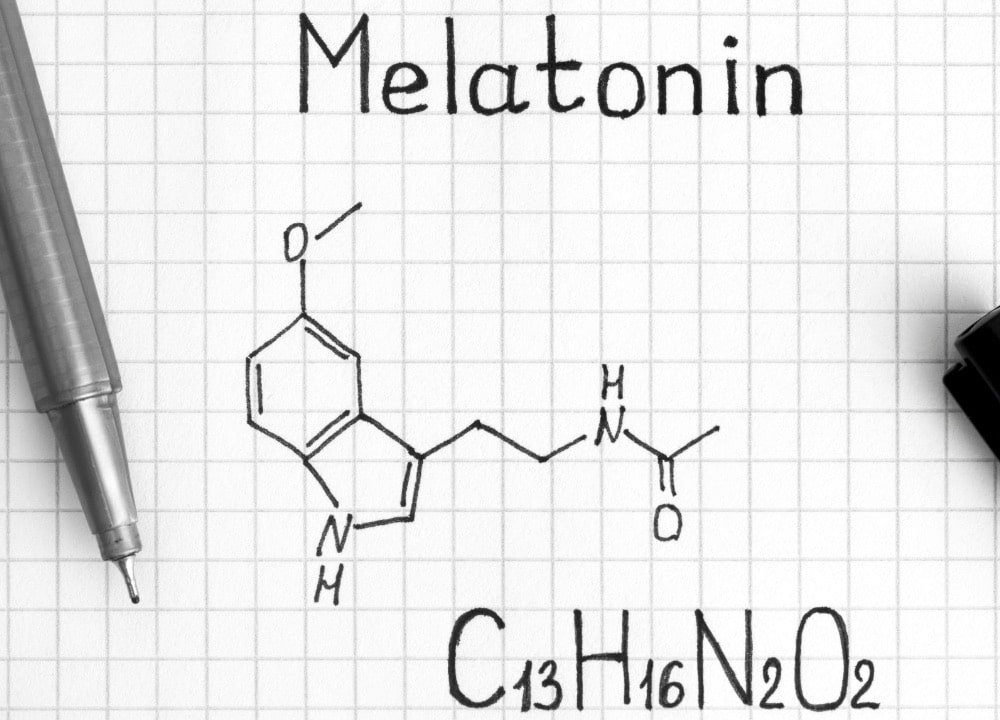
Melatonin can be described as a hormone that is produced by the pineal gland and is responsible for regulating the circadian rhythms which is the sleep-wake cycle.

It is also known as the darkness hormone because under normal conditions, the human body synthesizes melatonin at night and it is inhibited during the day.

In addition to managing the natural sleep cycle melatonin also has pleiotropic effects like anti-inflammatory, antiapoptotic, antioxidant, and immunomodulative effects.

As people grow older the body begins to produce less melatonin.

Research also shows that people with different types of dementia experience impaired melatonin production. This means that they may develop insomnia where persons with the progressive illness may have trouble sleeping.

This may also result in impaired cognitive function in the affected individuals and other symptoms like sundowning caused by circadian disorganization.

When this happens, physicians may prescribe melatonin supplements.

Should You Correct Someone With Dementia?

should you correct someone with dementia

When we communicate with persons with dementia, they may say something wrong or untrue and that’s when we start to wonder whether it is right to correct someone with dementia.

When speaking with a person with the illness, it is IMPORTANT to understand that the disease affects how an individual communicates because it causes the brain to malfunction.

Should I correct my grandparent with dementia?

This implies that if a person is saying something that is not true, they may not be doing it on purpose because it is the illness “speaking.”

The reality of persons with dementia may be different from your reality.

This simply means that THEY BELIEVE what they are saying because that’s what their brain is telling them.

Confabulation

While trying to interact with those around them, persons with dementia normally experience confabulation.

We can describe this as memory distortion where individuals express false information to others.

2 Reasons for confabulation

Should You Correct Someone With Dementia?
There are two primary reasons confabulation may occur and these are:

1. The details were not encoded properly in the brain.

Some distractions may occur while the details were being processed preventing them from being completely or correctly inputted into the brain’s memory.

2. Over-Learned details may be more dominant.

For instance, interesting stories, well-known facts, or typical life habits may rise to the forefront in an individual’s mind.

This ends up pushing out other specific facts. This may cause a person to lean more on inaccuracies instead of the truth.

The main reason memory and encoding are impaired in dementia are that the disease affects the hippocampus area in the brain.

This is the section that is responsible for encoding and memory.

To answer the query on whether it is right to correct someone with dementia: It is not.

Most of the time, it is better to be kind rather than be right.

People with the illness are already going through so much because of all the changes happening in their brain; hence, need a break once in a while.

Correcting a person with the illness may only lead to arguments that can agitate a person resulting in more behavioral problems.

It’s better to be kind rather than right

Trying to use reason and logic to try and explain why the affected person is wrong is likely to cause defensiveness, confusion, anger, agitation, or acting out with challenging behavior.

Going along with what a person is saying may work best.

Agreeing with persons who have dementia will not do any harm and it will make them feel happier and calmer.

But then the question comes, “Do you tell a person with dementia the truth?”

It is important to know that you should not lie to them with some exceptions where white lies are necessary.

For the most part, it’s better to stay on their side, following a person’s REALITY, which can be referred to as therapeutic fibbing.

This is all about agreeing or saying some things that are not true to avoid causing people with dementia distress.

It also makes them feel comforted and safe.

Closing Remarks

Communicating with a person who has dementia may be quite challenging at times especially if they are not making sense of whatever they are saying. It is clear that, should you correct someone with dementia, it will cause confusion and upset.

Although it may be tempting to correct someone with dementia, do not fall into this temptation.

Instead, try and meet the affected person where they are always practicing understanding, patience, kindness, and love during conversations.

Do You Tell Dementia Patients the Truth? A Caregiver Guide

Do you tell dementia patients the truth

Do you tell dementia patients the truth? In many situations, yes. But there are times when repeatedly insisting on factual accuracy can cause unnecessary fear, grief or distress for a person with dementia.

The goal should not simply be to decide between “truth” and “lying.” A better question is: What response will help this person feel safe, respected and understood right now?

As dementia progresses, memory and reasoning can change. A person may ask for a spouse who died years ago, insist they need to go to work even though they retired decades earlier, or believe they need to pick up children who are now adults.

Correcting them every time may not help. In some situations, reassurance, validation and gentle redirection may be kinder and more effective.

Do You Tell Dementia Patients the Truth?

There is no single answer that applies to every person or every situation.

In the earlier stages of dementia, a person may still understand and remember factual explanations. Honesty and open communication should generally be encouraged.

As dementia progresses, however, repeatedly correcting someone may become confusing or upsetting.

The Alzheimer’s Association recommends avoiding confrontation or arguments about facts. It gives the example of a person who wants to visit a parent who died years ago and advises caregivers not to simply point out that the parent is dead.

The National Institute on Aging similarly recommends avoiding arguments, offering reassurance and redirecting attention when someone with Alzheimer’s is distressed by beliefs or perceptions that do not match reality.

Why Telling the Truth Can Sometimes Cause Distress

Dementia affects the ability to store and retrieve new memories.

Imagine that a woman with dementia asks, “Where is my husband?” Her husband died five years ago, but she no longer remembers his death.

If a caregiver replies, “Your husband died five years ago,” she may experience the news as though she is hearing it for the first time.

Ten minutes later, she may forget the conversation and ask again.

If the caregiver repeats the truth, she may experience the grief again.

In a situation like this, repeatedly providing the factual answer may not achieve anything useful. It may simply recreate emotional pain.

First Try to Understand What the Person Is Really Asking

Sometimes the words a person uses are not the whole message.

“Where is my husband?” might actually mean:

  • “I feel lonely.”
  • “I don’t recognize where I am.”
  • “I want someone familiar.”
  • “I’m frightened.”
  • “I need reassurance.”

Rather than focusing only on whether the statement is factually correct, try to identify the emotion behind it.

This is an important part of communicating with someone who has dementia.

Validate the Feeling Without Arguing

Validation means acknowledging the person’s feelings even when you do not agree with their understanding of the situation.

For example, if someone says:

“I need to go home. My mother will be worried about me.”

Instead of saying:

“Your mother has been dead for 30 years. This is your home.”

You might respond:

“You sound worried about your mother. You must have been very close to her.”

This acknowledges the person’s emotional reality without beginning an argument.

The National Institute on Aging recommends being open to the concerns of a person with Alzheimer’s, remaining patient and avoiding arguments. :contentReference[oaicite:1]{index=1}

Use Reassurance

When someone is frightened or confused, reassurance can be more valuable than a detailed explanation.

Simple phrases may help:

  • “You’re safe here.”
  • “I’m here with you.”
  • “We’ll take care of it.”
  • “You don’t need to worry about that right now.”
  • “Everything is okay.”

Keep your tone calm and relaxed.

Body language is also important. Sitting nearby, making gentle eye contact or holding the person’s hand, if they are comfortable with touch, may communicate reassurance more effectively than words.

Redirect the Conversation

caregiver gently redirecting a conversation with a person who has dementia

Redirection can be especially useful when continuing a conversation is likely to increase distress.

Suppose someone repeatedly asks to see their deceased spouse.

You might say:

“Tell me about John. How did you two meet?”

The conversation moves away from the immediate question and toward a positive memory.

You might also redirect attention toward:

  • Looking through photographs
  • Listening to favorite music
  • Going for a walk
  • Having a cup of tea
  • Preparing a snack
  • Doing a familiar activity

NIA specifically recommends distraction and redirection when someone with Alzheimer’s becomes distressed. :contentReference[oaicite:2]{index=2}

Should You Correct a Person With Dementia?

Sometimes correction is appropriate.

If the information is important to the person’s health, safety, finances or ability to make a meaningful decision, accurate information may be necessary.

Examples might include:

  • Explaining a medical procedure
  • Discussing medication
  • Correcting something that creates an immediate safety risk
  • Providing information needed for a legal or financial decision

But correcting minor details simply to prove that the caregiver is right may create unnecessary conflict.

If someone says it is Wednesday when it is actually Thursday, ask yourself whether correcting them serves a useful purpose.

What About Hallucinations and Delusions?

A person with dementia may occasionally see, hear or believe things that are not real.

The Alzheimer’s Association recommends avoiding arguments about what the person sees or hears. Instead, caregivers can acknowledge the person’s feelings and offer reassurance. :contentReference[oaicite:3]{index=3}

For example, if someone says there is a man standing in the room when nobody is there, repeatedly saying, “There is nobody there” may not change what they are experiencing.

You could say:

“I know you can see him. I don’t see anyone there, but I’m here with you and you’re safe.”

This allows you to remain truthful without dismissing the person’s experience.

If hallucinations or delusions are new, severe, frightening or creating a safety problem, contact the person’s doctor. Illnesses and medications can sometimes contribute to these symptoms.

Is It Okay to Tell a White Lie to Someone With Dementia?

caregiver comforting and reassuring a person with dementia

This is where the issue becomes more complicated.

Some caregivers occasionally use what are sometimes called therapeutic fibs or compassionate responses when telling the literal truth would repeatedly cause distress.

For example, someone may repeatedly ask when their deceased husband will be home.

A caregiver might respond:

“He’s not here right now. You’re safe with me.”

That response avoids confronting the person again with the death while providing reassurance.

There is no rule saying caregivers should routinely lie to people with dementia.

Whenever possible, try validation, reassurance, redirection or a truthful but gentle response first.

Avoid Arguing About Reality

Trying to prove that someone with dementia is wrong rarely improves the situation.

Dementia can affect memory, reasoning and the person’s ability to understand why their version of events differs from yours.

Arguments may lead to:

The Alzheimer’s Association advises caregivers to focus on the person’s emotion rather than repeatedly applying logic to a situation they may no longer be able to process. :contentReference[oaicite:4]{index=4}

Respect and Dignity Still Matter

A dementia diagnosis does not mean that a person’s opinions, feelings or preferences should be ignored.

The Alzheimer’s Association communication guidance recommends speaking directly to the person, listening to their thoughts and feelings and not excluding them from conversations.

Especially in earlier dementia, the person may still understand much more than others assume.

Avoid talking about them as though they are not present or treating them like a child.

When Safety Changes the Answer

There are times when the person’s immediate safety must take priority.

For example, someone may insist that they need to drive somewhere even though they are no longer able to drive safely.

Another person may believe they need to leave the house to “go home.”

In these circumstances, simply agreeing with the person may not be safe.

Remain calm, offer reassurance and redirect them while taking appropriate steps to prevent harm.

See our article about when it may no longer be safe to leave someone with dementia alone.

Questions to Ask Yourself Before Responding

When you are unsure what to say, it can help to ask:

  • Is this information important for the person’s health or safety?
  • Will telling the literal truth help them understand the situation?
  • Will they be able to remember what I tell them?
  • Could repeating the truth cause unnecessary grief or fear?
  • What emotion is behind their question?
  • Can I reassure them without lying?
  • Would changing the subject or redirecting their attention help?

These questions can help caregivers respond to the person rather than simply responding to the words they have used.

Do You Tell Dementia Patients the Truth? Key Takeaway

So, do you tell dementia patients the truth?

Whenever a person can understand and benefit from an honest explanation, honesty remains important.

However, dementia can eventually make factual correction confusing or unnecessarily distressing.

In those situations, caregivers can often respond more compassionately by acknowledging the person’s feelings, reassuring them, gently redirecting the conversation or providing a simple response that does not force them to relive painful information.

The objective is not to deceive someone for convenience.

It is to communicate in a way that preserves their dignity, reduces distress and helps them feel safe.

Understanding Poor Balance and Dementia

balance and dementia

We found it essential to understand the connection between poor balance and dementia when carrying for grandparents.

As a consequence, we combined our experience with studies to bring you this EXTENSIVE OVERVIEW of balance loss in dementia.

Persons living with dementia normally experience poor balance at several stages.

Some people will start losing balance when walking or standing before other dementia symptoms start to develop. This may be an indication that the individual is at risk of developing Alzheimer’s.

Understanding Balance Loss in Dementia (+ Tips)

Researchers from the University of California conducted a study that identified a strong correlation between the risk of dementia and poor balance. They used 2 types of physical performance tests: the 13-foot walking test and the standing balance test.

The professionals discovered that poor balance recorded the strongest association with dementia incidences.

It can also be a sign that an individual is already suffering from another type of dementia.

A person may exhibit loss of balance differently depending on the type of dementia they have.

For instance, for Alzheimer’s disease (AD), loss of balance is TYPICALLY a sign of the late stages of the illness.

When seniors are experiencing poor balance and they are not showcasing memory loss or any other early dementia warning signs, vascular dementia may cause poor balance.

Causes of Poor Balance for Individuals with Dementia

causes of poor balance for individuals with dementia
Individuals experience poor balance and dementia for a variety of reasons and some of them are:

Damaged Brain Vessels

If an individual has vascular dementia, it means that damaged blood vessels are blocking or reducing the flow of blood to the brain. This can cause problems with balance, movement, and weakness on one side of the body.

This is mostly because the illness NEGATIVELY affects the cerebellum. The cerebellum is the part of the brain that is responsible for controlling body movements.

It is located close to the back base of the skull. Because dementia is a progressive illness, the symptoms only get worse over time.

Alzheimer’s disease

AD is another reason people will experience poor balance. This normally happens in the later stages of the illness.

As the brain cells continue to deteriorate, neural communication in the body also becomes worse. This causes people with Alzheimer’s to have challenges seeing, walking, and processing information about the physical environment.

All this ends up affecting a person’s balance.

A majority of people will start changing how they walk as they START shuffling their feet rather than lifting them with each step.

This makes it very hard to walk, a loss of balance, and falls also become more likely.

Medications

Many drugs that seniors take cause light-headedness or dizziness which can increase the risks of falls.

These can include medications prescribed for blood pressure or the ones that individuals take to relieve other symptoms they may have.

Consulting a doctor may help confirm whether the medications a person is taking are causing loss of balance.

The professional will then CHANGE the drugs to options with less or no interactions.

Note: Hearing aids and cochlear implants that are rooted inside the ear could also be the cause of dizziness and vertigo which may explain why a person has balance issues.

Identifying Balance Problems

identifying balance problems
Several signs may be an indication that a person had poor balance such as:

  • Walking unsteadily
  • Bumping into things
  • Shuffling of feet instead of lifting them
  • Stooped posture
  • Turning through small steps instead of pivoting on heels

Dealing with Poor Balance and Dementia

When a person with dementia is experiencing issues with balance, there are a few tips they can work with to help cope with the changes.

Early Detection

early detection of balance issue in dementia
An early dementia diagnosis may help LIMIT the severity and impact of poor balance.

It is, therefore, important for anyone who suspects having any type of dementia to consult a doctor as soon as possible.

This increases the chance of catching the illness early.

Home Improvements

If the person with dementia is experiencing poor balance and is still leaving at home, it may be important to make some adjustments at home to create a more secure environment.

These include the installation of walk-in-baths/ showers or wet rooms to make bathing easier and safer.

Installation of anti-slip floors, handrails, seats, and low threshold entry points can also help.

Try and ENSURE that the home is easy to navigate as this reduces accidents while ensuring affected persons retain their independence.

By creating a dementia-friendly home, you may be able to leave someone with dementia home alone for longer.

Working Out

working out to alleviate poor balance in dementia
If a person is able; it helps to engage in exercises like leg lifts, Tai Chi or riding a stationary bike.

Exercises are important for people with poor balance and dementia because it not only increases flexibility but it also enhances memory and lowers anxiety.

Low-impact workouts can also help strengthen leg muscles, improve balance, and maintain bone density.

Mobility Aids

The use of mobility aids like walkers and canes can help people with dementia maintain balance and become more comfortable when walking or standing.

Remember to talk to a physical therapist or doctor before getting any mobility aid so that the experts can GUIDE YOU on the most effective aid to purchase.

Balance and Dementia Closing Thoughts

Caring for a person with dementia means that the caregiver at some point may have to deal with poor balance and dementia.

It is important to understand what causes balance issues and come up with effective ways of dealing with the problem.

This way, the person with the progressive illness gets to lead a more COMFORTABLE LIFE and reduces the risk of falls, pain and other accidents.

Is It Safe To Leave Someone With Dementia Alone?

is it safe to leave someone with dementia alone

After a dementia diagnosis, caregivers want to know is it safe to leave someone with dementia alone or not.

Unfortunately, through our own experience and research, this is one of the questions that does not have a DEFINITE answer.

During the initial stages, most individuals with dementia can live alone safely without any problem.

In the course of the illness, a person MAY REQUIRE assistance with daily living activities like cooking, bathing, grooming and dressing.

This normally happens in the middle stages of the illness.

At this point, it is usually not safe to leave the person with dementia for long periods.

They need caregivers to check on them REGULARLY to ensure that everything is in place and they get timely assistance at all times.

For some individuals, however, it may NOT BE SAFE to leave them alone even for short periods.

When Not To Leave A Person Alone

is safe to leave someone with dementia alone
There are several instances where it may be unsafe to leave a person with dementia alone and these include but are not limited to:

Inability to Respond to Emergencies

If a person with the illness CANNOT appropriately respond to emergencies and act quickly; it may not be wise to leave them alone.

The disease affects the brain’s ability to remember and follow procedures.

This implies that someone may not know the proper steps to take in case of an emergency.

If left unsupervised, the person with the illness can end up getting hurt or worse should they find themselves in a fix.

Risk of Injuries

risk of injuries
While dementia usually affects the mind, it also takes a physical toll on people with the illness.

Many individuals with the illness will experience disorientation and poor balance which can increase the risk of slips and falls.

Falls can cause permanent damage reducing the quality of life significantly. If the person with the illness gets REGULAR supervision, it can PREVENT the risk of falls.

Wandering Tendencies

Wandering is one of the symptoms that people with dementia experience.

People who wander are usually at risk of getting LOST or HURT; thus, it is not ideal to leave them alone.

Hallucinations

Some people with dementia may start hearing, seeing, smelling, or even tasting things that are not real.

At times, the hallucinations can be potentially dangerous to the affected persons.

For instance, if a person with dementia SEES a shadow on the wall and thinks it’s an intruder, they may end up grabbing a sharp knife or weapon and end up harming themselves.

As the illness continues to progress, persons with dementia lose their ability to live independently.

In the last stages of the disease, the affected persons become fully dependent on caregivers and medical personnel.

At this point, it is not safe to leave a person with dementia alone.

If it is NOT POSSIBLE to have someone check on the affected individual around the clock, it is usually best to move the person to a facility where they will receive the professional care they need.

Devices to Assist Caregivers

ProductFeaturesAvailable on Amazon
Bed Alarm for Elderly Dementia PatientsBed Alarm for Elderly Dementia PatientsMotion sensor
Portable pager
Fall prevention
Easy to install
Wireless
Caregiver Pager, Wireless Panic Buttons Elderly Monitoring AssistanceCaregiver Pager, Wireless Panic Buttons Elderly Monitoring AssistanceIntercom
Waterproof
Durable
58 loud chimes
Easy to install
500ft wireless
4pc Security Home Camera4pc Security Home Camera24/7 full HD recording
Enhanced night vision
Video alarm system
AI identification
Home app for family
Cordless Bed Exit Monitoring System AlarmSmart Caregiver Corporation Cordless Bed Exit Monitoring System Alarm with Bed Pressure Sensing PadPrevent falls & wandering
Wireless portable (300ft)
Pressure pad and monitor
Elderly Cellular Medical Alert DeviceElderly Cellular Medical Alert Device| Wearable Panic Button Necklace | Medical Alert Systems for Seniors Fall detection
2-way communication
Waterproof
5 emergency contacts
Lifetime warranty
Elderly Cellular Medical Alert SmartwatchElderly Cellular Medical Alert Device | Medical Alert SmartwatchFall detector
2-way communication
Heart rate, blood pressure, oxygen monitor
Lifetime warranty

Closing Thoughts – Is safe to leave someone with dementia alone?

Taking care of persons with dementia requires an individual to make some tough decisions.

One of them is; is it safe to leave someone with dementia alone or not?

The SAFETY of persons with dementia depends on multiple factors including the symptoms they are experiencing, environmental factors, and other health conditions a person may be having.

It is recommended to take a needs assessment frequently to determine the kind of care the affected person needs during different stages of the illness.