Benefits of Dance Therapy and Dementia

dance therapy and dementia

One of the most prominent topics that come up when talking about dementia treatment therapies and approaches has got to be dance therapy and dementia.

According to the American Dance Therapy Association, dance therapy or DMT is the psychotherapeutic use of movement to further the social, emotional, physical, cognitive and spiritual integration of an individual.

The therapy supports that body, mind, and spirit are connected and that humans should be treated in a way that supports the integration of all three.

This versatile type of therapy is also founded on the idea that emotion and motion are interconnected.

How does dancing help dementia?

Many experts recommend dance therapy for persons who have the neurodegenerative disease.

It can maintain or even improve cognitive function and memory at times.

The therapy stimulates memories and offers reminiscence opportunities. It also offers other perks such as:

Helps with Communication

the benefits of dance therapy and dementia
Dance therapy has been known to encourage communication, engagement, and offer an outlet for self-expression.

Dancing can help persons express non-verbal behaviors, body language, and regulate emotions.

This is something that can sharpen communication skills as a person becomes more social, confident, and attentive to others.

It especially helps persons with dementia who tend to withdraw socially.

Moreover, it can brighten up their lives when they meet up with a group of people who are facing the same challenges to do something fun and meaningful with their lives.

Strengthens Body and Mind Connection

strengthens body and mind connection
Another perk you should be aware of when it comes to dance therapy and dementia is that it helps to eliminate or reduce problematic behaviors that are a result of the neurodegenerative disease.

This can include symptoms like agitation which arise when people with dementia feel frustrated because of their changing abilities.

The therapy is not only reassuring, but it also helps to boost self-esteem and self-confidence while making a person feel calmer.

Enhances Mood and Reduces Depression and Anxiety Symptoms

enhances mood and reduces depression and anxiety symptoms
A randomized controlled trial done on the effects of physical exercise and psychophysiological dance movement therapy on seniors with mild dementia reveals that the therapy helps to decrease loneliness, depression, and negative mood significantly.

The trial recruited 204 elderly persons that had a positive mild dementia diagnosis.

Researchers followed the group for over 12 months after they completed self-report questionnaires on daily functioning, psychosocial well-being, salivary cortisol measures, and neurocognitive assessments.

Builds Motor-Skills

builds motor skills
When people with dementia take some time to enjoy dance therapy, it can help with coordination and balance which builds motor skills.

It can also help with maintaining motor functioning for the persons suffering from Parkinson’s disease.

All this is thanks to the physical component of dance therapy that helps to increase coordination, muscle strength, and mobility.

It also helps to reduce muscular tension.

Promotes Relaxation

promotes relaxation
The therapy is great for relaxation because it helps to increase endorphins in the brain.

As a result of this, it helps the suffering individuals experience rhythmic movements and a sense of well-being which can make people feel more relaxed.

Improves Quality of Life

dance therapy improves quality of life for dementia
Another New Zealand pilot study touching on dance therapy and dementia also supports the idea that dance therapy has a positive effect on persons with dementia.

The researchers published their findings in the American Journal of Alzheimer’s Disease and other Dementias.

They stated that seniors with dementia seem to experience an improved quality of life after being exposed to dance and music.

Researchers from the Department of Psychological Medicine and the Department of Dance used natural gestures as well as familiar reminiscent music on a group of 22 participants to come up with an original dance exercise series.

Ting Choo the lead author and Dance Studies Masters graduate explained that their aim of the study was to offer social interaction, mood moderation, and mental stimulation in a bid to improve quality of life for persons with dementia.

The researchers scheduled 10 weekly sessions offering imagination, intuition, and humor which encouraged participants to interact and dance with joy.

The findings revealed that the participants positively responded to the music and showed enthusiasm in moving to the beats in spite of their physical limitations.

During each session, the researchers observed that there was a positive response concerning spontaneous dancing, memory recalling, and joking among the participants.

Choo noted that music stimulates better response when compared to verbal instructions when dealing with individuals who are immobile and passive.

Based on the results, researchers now plan to expand their pilot study to cater for the conditions and the participants in a better way.

Choo hopes that further research can attract more support from the community.

Closing Remarks

Going through the above benefits, it is clear why dementia and dance therapy is an essential topic to discuss.

The therapy does not only involve dancing but rhythm playing, singing, physical exercise, and other fun structured musical activities that are beneficial to persons with dementia.

Coping with Alzheimer’s and Diarrhea [6 Tips]

alzheimer's and diarrhea

Many elderly persons at some point in their lives may have to deal with Alzheimer’s and diarrhea.

Diarrhea happens when an individual gets three or more watery or unformed stools in 24 hours.

It can be a very tiring time for the affected individual as well as the caregivers.

Can Alzheimer’s cause diarrhea?

There are several reasons a person with Alzheimer’s may experience diarrhea and toilet problems, such as:

1. Medication side effect: Some Alzheimer’s drugs and other medications that a person may be taking could be the cause of diarrhea.
2. Viruses or bacteria: These infections can result in diarrhea.
3. Abdominal Surgery: At times recent surgery especially in the belly area around the gallbladder or intestines can cause diarrhea.
4. Irritable Bowel Syndrome (IBS): Most people who have cramps and diarrhea for no apparent reason may have IBS. This can be caused by stress, lack of exercise, and some food.
5. Malabsorption syndromes: This usually occurs when the body is not getting enough nutrients from the intestines. Examples of these include celiac disease and lactose intolerance.

After knowing some of the reasons persons with Alzheimer’s may get diarrhea, let’s look into some of the symptoms to be on the lookout for when someone has diarrhea.

Symptoms of Diarrhea

Several warning signs may showcase a person has diarrhea, such as:

  • Urgent need to have a bowel movement
  • Bloating
  • Abdominal Cramps or pain
  • Nausea
  • Mucus in stool
  • Bloody stool, chills, or fever are symptoms that can show up if it is bacteria or virus causing the unformed stool

With this in mind, it is time to jump into some of the coping mechanisms that can help deal with a person who has Alzheimer’s and diarrhea.

Increase Fluid Uptake

Alzheimer’s and diarrhea
A person who is going through diarrhea ends up losing a lot of fluids in their body and they are at risk of dehydration.

Caregivers should make sure the person with Alzheimer’s and diarrhea gets plenty to drink.

If an individual can keep liquids down, try and give them water, juice, sports drink, and soda but steer clear from anything that has caffeine or alcohol.

They should drink the fluids even though they are not feeling thirsty.

Apart from water, the other drinks help to put back potassium and sodium that diarrhea deprives the body.

If someone is vomiting, they may not be able to keep the liquids down. This calls for improvising where you feed them small amounts of liquids say one or two tablespoons after every 15 minutes.

If this is not sustainable, you may need to head to the doctors so that the suffering individual can be put on IV fluids.

Offer Easy-to-Digest and Low-Fiber Foods

offer easy to digest and low fiber foods
A person who has diarrhea needs to eat foods that are high in fiber and are easy to digest.

Examples of these include eggs, toast, saltine crackers, rice, chicken, or yogurt.

When giving cooked food make sure they are well-cleaned and cooked so that the foods do not end up making the problem worse.

It is advisable to stay away from heavily seasoned foods, spicy meals, and foods that have high-fat content. Cabbage, beans, raw vegetables, and fruits can also make diarrhea worse.

Avoid Medication

avoid medication
Where necessary, it is usually best to avoid medication when dealing with Alzheimer’s and diarrhea.

This is because diarrhea helps to eliminate viral or bacterial infections.

If a person takes the drugs, the infection may end up staying longer in the body causing more problems. In most cases, diarrhea episodes will last for two days and clear up on their own.

However, if a person must take medication, it is best to seek advice from an expert medic to get a proper prescription.

Keep in mind that the affected individual should stay away from medication if they have a high fever, have been constipated recently, has a swollen belly, or still has diarrhea even after two days.

It is also not advisable for the person to take medication if they have black, tarry stool, blood in the stool, or stool that has a cranberry color.

Use of Supplements

use of supplements
Some supplements can help deal with diarrhea for persons who have dementia.

However, it is important to talk to your doctor before taking anything so that the professional can give you the green light or offer some solid recommendations.

The most common supplements include probiotics that feature normal intestinal bacteria that can help successfully stop the watery stools.

Ensure the Person is as Comfortable as Possible

ensure the person is as comfortable as possible
Diarrhea comes with a lot of discomforts; thus, it is important to make sure that the affected individuals end up feeling as comfortable as possible.

If possible, the person should stay near the washroom so that they can dash in anytime they need to use the toilet.

When mobility is an issue, caregivers may want to consider the use of adult diapers, pads.

Approach this topic with caution because it can be embarrassing for a person who has never used them before.

Change the “briefs” often so that they are not the cause of additional discomfort during the diarrhea period.

Consult a Doctor

consult a doctor
If you try most home remedies and they do not seem to work for Alzheimer’s and diarrhea, it is best to consult a doctor as soon as possible.

The professional will run the necessary tests and offer proper medication.

Other circumstances where it is important to call the doctor include:

  • When a person has had over six watery or unformed stools within two hours
  • If diarrhea happens right after constipation
  • Pale, greasy, and foul-smelling stools
  • Diarrhea that goes on for more than 7 days
  • Diarrhea that is accompanied by a low-grade fever of about 99-101 F (37.2-38.3 °C) that lasts for over 48 hours
  • When there is blood in the stool
  • If vomiting is accompanied by diarrhea

Naturally, a person who has diarrhea may not want to walk into the doctor’s office.

At this point, you may want to consider the services of mobile healthcare professionals.

The experts will travel to the patient and offer home treatment that many persons with Alzheimer’s and diarrhea may prefer.

Dementia and Cholesterol – Is There a Risk?

dementia and cholesterol

Several studies report that there is a link between dementia and cholesterol levels in the human body.

Before getting deeper into this, it is important to note that cholesterol is essential for the healthy functioning of the body.

But there is a catch.

Is There a Link Between Dementia and Cholesterol?

Without this, people would not be able to produce hormones or digest food.

We can describe cholesterol as a waxy-like fatty substance that the liver produces.

It is also present in some foods. Cholesterol circulates through the blood-stream in carries known as lipoproteins made of proteins and fats.

Even though the fatty substance is beneficial, too much cholesterol in the blood can harm vascular and heart health.

There are two types of cholesterol

there are two types of cholesterol
1. HDL (high-density lipoprotein) – also known as “good cholesterol” this is responsible for preventing the build-up of cholesterol in the arteries. Not just that, but it also protects a person against stroke and heart attack.

2. LDL (low-density lipoprotein) – referred to as “bad cholesterol” this is what causes high levels of cholesterol.

With this in mind, let’s jump into the relationship between dementia and cholesterol.

Health experts agree that watching cholesterol levels can help keep Alzheimer’s disease at bay which is one of the most common dementia types.

It can also help prevent the development of vascular dementia which is one of the most common types of dementia.

Below we will expound more on how lowering cholesterol may be instrumental in starving off dementia.

Studies on How High Levels of Cholesterol can Increase Dementia Risk

studies on how high levels of cholesterol can increase dementia risk
One of the factors that can increase a person’s risk of developing dementia is high cholesterol.

A neurology study borrowing insights from Niemann Pick-C disease and Down’s syndrome stated that high cholesterol disrupts the process of cell division.

Dr. Kensuke Sasaki one of the authors of this study said that his team of researchers discovered that high levels of cholesterol were related to brain plaques that are markers for Alzheimer’s disease.

Kensuke is a researcher at Kyushu University in Japan.

Together with his team of professionals, they tested cholesterol levels for about 2600 people aged 40-79.

At the beginning of the study, all the participants were dementia-free. The researchers then checked on the participants after 10-15 years.

They also conducted autopsies on the persons who had passed on. They found 34% of the individuals had been diagnosed with dementia.

Autopsies also revealed hallmark tangles and plaques of the illness which normally translated to protein build-up in the brain.

The study recorded that 86% of individuals with high levels of cholesterol had brain plaques.

Only 62% of the people with low cholesterol had plaques.

A similar study investigating the link between dementia and cholesterol was reported by researchers in Arteriosclerosis Thrombosis and Vascular Biology: Journal of the American Heart Association.

Low levels of HDL can contribute to a memory decline

low levels of hdl can contribute to a memory decline
In this study, professionals observed 3,673 participants from the Whitehall II study. 26.8% of the subjects were women.

The researchers discovered that low levels of HDL cholesterol were among the major predictors of declining memory by the time a person turns 60.

The experts came to the conclusion after measuring lipid concentrations in blood samples they collected after the participants underwent an eight-hour fast.

Researchers at Emory University and the Atlanta Veterans Affairs Medical Centre also conducted a study that found an association between early-onset Alzheimer’s disease (AD) and high LDL cholesterol levels.

This condition is considered “early-onset” when it develops before a person is 65 years.

To find out whether early-onset AD is related to cholesterol the experts sequenced various genomic regions of 2,125 participants.

Among them, 654 already had early-onset Alzheimer’s while 1,472 wee controls.

The researchers also went ahead to test blood samples from 267 subjects to determine their LDL cholesterol levels.

From the blood samples, the experts discovered that people with elevated LDL levels were more likely to develop early-onset AD when compared to persons with lower levels of cholesterol.

They published their findings in JAMA Neurology.

Contracting Studies on the Link between Risk of Dementia and Cholesterol Levels

contracting studies on the link between risk of dementia and cholesterol levels
While many studies state that high cholesterol levels can increase dementia risk, some scientists in the US dispute this.

They are on record stating that high cholesterol levels in seniors over 85 have been linked to reduced decline in thinking abilities and memory.

They published their findings in Alzheimer’s and Dementia a scientific journal.

Knowing that high levels of cholesterol were linked to cardiovascular diseases and higher dementia risk, the scientists opted to study people who are over the age of 85.

In their study, they found that the elderly who had already celebrated their 85th birthday has fewer problems with thinking and memory even though they also had higher levels of cholesterol.

Chief Scientific Officer of Alzheimer’s Research UK Dr. David Reynolds said that although most of the evidence points towards the dangers of high cholesterol levels it is not easy to pinpoint one dementia factor in the group of seniors who do not have the disease.

He continued to explain that high cholesterol levels in the participants of the study might have been linked to enhanced cognitive function because it was a reflection of the genetic makeup of individuals who live to an advanced age instead of the cholesterol levels in their blood.

There is still no evidence or suggestion from the research that people need to increase their levels of cholesterol levels to sustain a healthy brain.

Because of the results of this study, the impact of high cholesterol levels remains a controversial and intriguing subject.

Closing Remarks

Seeing that overwhelming evidence points to the association between dementia and cholesterol levels, everyone must get to know the levels of this waxy-like fatty substance in their blood.

The recommendation for adults over the age of 40 is to take a blood test once every 5 years which can help in identifying the risk.

Women who are above 50 years and men who are over 45 may need to take the tests more frequently.

For now, scientists will continue to explore the role that cholesterol has in dementia development.

Calcium Supplements and Dementia Risk

calcium supplements and dementia

A new study has revealed that there may be a link between calcium supplements and dementia risk. This was published in the peer-reviewed journal Neurology.

It reported that women who take calcium supplements are at a higher risk of developing dementia.

This especially applies if they suffered from cerebrovascular diseases.

These are conditions that are a result of problems that affect the supply of blood to the brain. Stroke, vascular dementia, subarachnoid haemorrhage, and transient ischemic attack are some of the common cerebrovascular diseases.

Calcium Supplementation Linked to Dementia Risk

The reality of the study results, however, are not certain. The study was conducted on a small sample comprised of 98 women.

But it is the beginning.

So far, no one yet did a similar study on men.

It’s women who are more prevalent in taking the supplements in the first place.

Additionally, the study only focused on women from Sweden.

The entire study observed 700 Swedish women all who were 70 years and above.

All the participants did not have dementia. Also, not all were taking calcium supplements.

During the onset of the study, all the women took tests to measure their thinking skills and memory.

They then repeated the process at the end of the study.

More than half of the participants also underwent CT brain scans at the beginning of the research.

71% of this group had lesions in the white matter which is one of the markers for cerebrovascular disease.

Lesions in white matter tissue show evidence of a mini-stroke or other problems that are affecting the flow of blood within the brain.

The researchers then committed to monitoring the use of calcium supplements among the participants.

Women taking calcium supplements are at higher risk of developing dementia

women taking calcium supplements
From this group, only 98 were taking calcium supplements. 14.3% of these women who were taking supplements developed dementia after just five years.

Comparing this to 7.5% of ladies who did not get the neurodegenerative disease, researchers concluded that taking calcium supplements increases the risk of developing dementia up to seven times after considering all other factors.

The risk of dementia was also recorded at three times higher in the ladies who took calcium supplements and had white matter brain lesions.

Many women who are older than 40 often take calcium supplements to treat osteoporosis. It is a condition that causes bones to become brittle and weak.

Further analysis from the Swedish study on calcium supplements and dementia risk revealed that the raised risk only affected ladies who already experienced a stroke.

This also applies to the women who had signs of blood vessel damage in their brains after a scan.

Note that these results were only based on 6 out of 15 women who had a history of stroke and 50 of 316 females who had blood vessel damage and were taking calcium supplements.

Experts on the study acknowledged that the study was relatively small and that it was an observational study whose findings needed to be confirmed.

They did not advocate for an immediate call of action based on their results.

Instead, Dr. Silke Kern who was part of the study said that ladies with osteoporosis and cerebrovascular diseases should discuss the results of the research with their doctors because the study does not prove causality.

The study was done by researchers from the University of Gothenburg in Sweden in collaboration with other experts from University College London.

Different organizations provided grants for the study including the Swedish Research Council.

Why Calcium Supplements can Increase the Risk of Dementia

why calcium supplements can increase the risk of dementia
The study did not explain the exact relationship between calcium supplements and dementia. Kern says that calcium plays an essential role in the death of cells.

She explained that high calcium levels in the blood might trigger the death of neurons. Too much calcium can also affect blood vessels in the brain.

An associate professor of neurological science and director of research for Rush Heart Centre for Women Dr. Neelum Aggarwal said that calcium can affect brain chemistry which can cause degeneration of brain cells.

The doctor, however, cautioned against blaming calcium supplements for the increased risk of dementia.

Implications of the Study

implications of the study
If the results of the Swedish study on calcium supplements and dementia are anything to go by, it would be wise for people to look for other ways of getting the mineral.

This includes eating foods like green leafy vegetables, dairy products, nuts, sesame seeds, tofu, soya beans, fish like pilchards and sardines where you eat the bones, and whole grain bread.

Kern told, the findings only applied to calcium from supplements and not from food sources because they affect the brain in different ways.

The results of the study cannot be generalized for the entire population since it followed a small sample size.

However, if a person suffers from low levels of calcium and they are not getting the required dose from the diet, it is recommended you speak to your doctor who will offer guidance on whether the supplements are the way to go.

More research still needs to be done to confirm whether calcium supplements accelerate or cause the development of dementia.

Dementia and High Blood Pressure

dementia and high blood pressure

Numerous research studies confirm that there is a link between dementia and high blood pressure.

High blood pressure also known as hypertension is a chronic condition where the force of blood against the artery walls becomes too high causing various health problems including strokes and heart attacks.

Hypertension is known to cause progressive brain damage.

Blood pressure usually measures the force that is applied to the arteries as blood is circulated by the heart around the body.

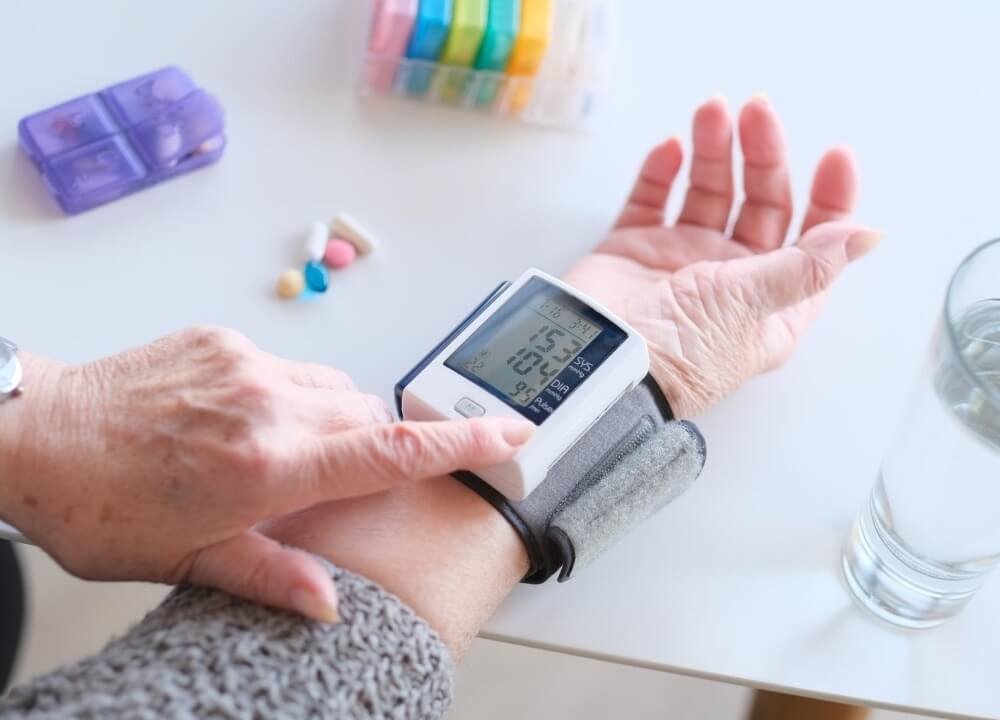
Normal blood pressure should read about 120/80 mmHg. Hypertension is constantly above 140/90 mmHg.

Common risk factors for high blood pressure include an unhealthy diet comprising mostly salty foods, lack of exercise, excessive alcohol consumption, being obese or overweight, taking steroid medication, drinking lots of caffeine and kidney disease.

Also, everyone in the family with a history of hypertension is at risk, as well as those of Caribbean or African descent.

Dementia is a general term that is used to describe problems with memory, problem-solving, language, and other thinking abilities that end up interfering with a person’s day-to-day life.

The disease is progressive implying that the symptoms will become worse over time.

Research on Dementia and High Blood Pressure

research on dementia and high blood pressure
The World Alzheimer Report 2014 states that several studies observing large groups of individuals demonstrated that people with hypertension especially in mid-life were at high risk of developing vascular dementia one of the most common kinds of dementia later on in life.

The subjects were between the ages of 15-40 while mid-life was characterized by people between the ages of 40-64.

Vascular dementia occurs when there is an inadequate flow of blood to the brain which denies the organ essential nutrients and oxygen it needs to function properly.

People with hypertension are at higher risk

people with hypertension are at higher risk for dementia
A study published by Oxford University Press in Cardiovascular Research also reports that persons who have hypertension are at a higher risk of getting dementia.

For the first time, the research also reveals that doctors can conduct an MRI to detect neurological damage for persons with high blood pressure before dementia symptoms occur.

Researchers came to this conclusion after subjecting individuals between the ages of 40-65 to undergo a 3 Tesla MRI scan at the Regional Excellent Hypertension Centre of the Italian Society of Hypertension of the I.R.C.C.S.

The participants of the study did not have a dementia diagnosis or any structural damage.

The subjects also underwent clinical examinations to know their hypertensive status as well as damage to the target organ.

They were also subjected to an MRI scan to identify any microstructural damage.

The results indicated that hypersensitive participants had major alternations in 3 specific white matter fiber tracts.

The group also scored worse in cognitive tests and decreased performances in memory, speed, and learning-related tasks.

This goes to show that it is possible to detect changes before a person starts showcasing symptoms. Medics can then offer medication that will prevent further deterioration in regard to brain function.

Hypertension medication and dementia

hypertension medication and dementia
Another study worth mentioning about dementia and high blood pressure was conducted at the John Hopkins University.

Experts analyzed previously gathered data to report that persons taking hypertension medication were half as likely to end up with Alzheimer’s (the most common cause of dementia) when compared to the people who do not take the drugs.

Constantine Lyketsos, director of Memory and Alzheimer’s treatment at John Hopkins explained that people who do not have Alzheimer’s but are taking blood pressure drugs were less likely to develop dementia.

He went ahead to say that individuals who got dementia from Alzheimer’s and were taking specific antihypertensives were likely to experience slow or halt progress.

He concluded that it was still not clear where this connection arises.

It can either be from better management of blood pressure or some medications that may have some properties that interfere with some of the processes that relate to Alzheimer’s.

Women with high blood pressure are more like to get dementia

women with high blood pressure are more like to get dementia
A sex-specific study reveals that women who experience hypertension in their 40’s are 73% more likely to get dementia later in life when compared to the ladies who did not have high blood pressure.

This was in a bid to determine how dementia strikes women and men differently.

Experts who conducted the study said they adjusted the results for other risk factors that can also lead to dementia including diabetes, smoking, and obesity which held true for all races.

This, however, was not the same case for men even though hypertension was more common among the male fraternity. The study that was published in the American Academy of Neurology journal observed more than 7,000 individuals.

The participants went through blood pressure checks at the age of 33 and again at 44 in the 60s and 70s. Researchers began to follow up to see the persons who developed dementia in 1996.

The results indicated that ladies who had hypertension in their 30’s did not have a higher dementia risk as compared to those with high blood pressure in their 40’s.

How Hypertension Affects the Brain

how hypertension affects the brain
There are several ways high blood pressure affects the function of the brain. One of them is that over time, hypertension causes strain on the arteries.

This makes the artery walls become stiffer, thicker, and narrower a condition known as arteriosclerosis.

When this happens, the brain is deprived of important oxygen and nutrients which results in damaged brain cells that negatively affect the functioning of the brain.

Hypertension is also one of the major stroke risk factors.

One of the major reasons that cause strokes is the blockage of arteries in the brain which is usually a result of hardening arteries.

A stroke can also occur when an artery in the brain burst causing bleeding in the organ. Strokes can result in post-stroke or stroke-related vascular dementia.

When talking about dementia and high blood pressure, it is also important to mention that hypertension can damage small blood vessels in the brain.

This can affect the parts of the brain responsible for memory and thinking.

Closing Remarks

Even though the link between vascular dementia and high blood pressure is quite apparent, there is still no proof that lowering blood pressure can help to prevent the development of dementia.

More research needs to be done to identify the link between hypertension and dementia to see if anything can be done to prevent or treat dementia.

Migraine and Dementia: Is There a Link?

migraine and dementia

Research looking into the link between migraine and dementia reveals that migraines are among the top dementia risk-factors.

Migraines are a neurological disease that involves repetitive and severe headaches as well as other symptoms.

In some cases, there may be an aura which is a sensory change before the headache occurs. Migraines are not your typical headaches.

They can last for days and can affect an individual’s daily life including their ability to study or work.

The Migraine Research Foundation reports that the disease affects one billion people across the globe.

That makes it the 3rd most widespread disease in the world.

Are Migraines and Dementia Closely Related?

Dementia on the other hand is not a specific disease but a group of conditions that are characterized by impairment of brain functions like judgment and memory loss.

One of the reasons why researchers were interested in studying dementia and migraines is because both are common neurological diseases.

While dementia mostly affects seniors, migraines usually affect people of all ages.

One of the studies that support the idea that there is an association between migraine and dementia was published in the International Journal of Geriatric Psychiatry.

It explains that researchers talked to 679 seniors asking them about their migraine history. More than half of this group were women and none had a history of cognitive problems.

Are migraine sufferers more likely to develop one form of dementia?

are migraine sufferers more likely to develop one form of dementia
The average age of the subjects was 76. The experts pursued elderly individuals for 5 years and discovered that 51 of them had a positive dementia diagnosis.

Considering factors such as age and education, the researchers found that individuals with Alzheimer’s disease (AD) were over four times more likely to have had migraine attacks.

AD is one of the most common forms of dementia.

Suzanne L. Tyas a senior author of the study said that persons with migraines history were three times more likely to develop a kind of dementia and four times more as likely to develop Alzheimer’s.

The study, however, did not find a link between migraines and vascular dementia.

What affects migraines?

migraine and dementia
According to Rebecca Edelmaye, director of scientific engagement at the Alzheimer’s Association, the link between migraine and dementia is advanced by the fact that migraines affect the lifestyle decisions of a person.

This includes not eating a healthy diet, poor sleep, reduced social/cognitive stimulation, and not being active.

These factors have very much in common with those known to increase the risk of dementia.

Previous research had found connections between dementia risk and migraines. Scientists have, however, not yet pinpointed the exact link between the two diseases.

Many suspect that it has a lot to do with vascular risk factors like diabetes and hypertension. On record, these are potential dementia risk factors.

Research also reveals that long-term migraines can alter the structure of the brain resulting in some destructive effects.

A study published in Neurology in 2013 examined the contribution of migraines to structural changes in the brain including volumetric changes in white and gray matter, white matter abnormalities, and infract-like lesions.

Experts in this study were looking for solid evidence and a better understanding of the relationship between migraine and dementia.

Implications of the Studies

implications of the studies
There are a couple of things that come up after the discovery that there is a link between migraine and dementia.

One of them is the fact that the research can help medics predict better the people who are at risk of this neurodegenerative disease.

This might also lead to early detection of the disease. This is an essential part of treatment according to the professionals.

Early detection is helpful because it means that affected individuals can start treatment as soon as possible. It can, in turn, enhance the effectiveness of the treatment therapies.

This can also empower persons with the illness and their loved ones to make the proper decisions at the right time.

There is also a chance that future research will better explain how migraines affect Alzheimer’s and other forms of dementia as well as how to ease the risk.

Stroke and Dementia: Is There A Link?

stroke and dementia

Several studies confirm that there is a link between stroke and dementia.

A stroke occurs when brain cells are damaged or die-off because the flow of blood to the organ is interrupted.

This kind of damage can lead to the development of dementia because it results in problems with thinking and memory.

Dementia is a group of symptoms that result in cognitive decline.

This includes problems with communication, memory, and concentration.

Statistics indicate that having a stroke doubles the risk of developing dementia.

Understanding Stroke and Dementia

The conclusion was made after a large-scale study led by The University of Exeter Medical School. Researchers analyzed data on stroke and dementia risk from over three million people from across the globe.

The experts were building on research that has been previously done but had not quantified the extent that stroke increases the risk of dementia.

The research analyzed 36 studies where 1.9 million subjects had a history of stroke.

They went ahead and also examined twelve more studies where the participants had a recent stroke during the period of the research adding 1.3 million people.

Stroke increases the risk of dementia by 70%

stroke increases the risk of dementia by 70%
Dr. ILianna Lourida who was part of the study from the university said that they discovered that a history of stroke increases the risk of dementia by about 70%.

Moreover, recent strokes increase the risk by more than double.

The link between dementia and stroke was prevalent even after the experts took into account other dementia risk factors like diabetes, cardiovascular disease, and blood pressure.

Findings from this study released strong evidence that having a stroke increases dementia risk significantly.

This was important given how common dementia and stroke are.

World Health Organization reports that 50 million people around the world have dementia and the number will continue to rise significantly.

Meanwhile, 15 million individuals experience strokes yearly.

The study on stroke and dementia is also useful because it can help with the prevention or treatment of dementia.

Dr. David Llewellyn who hails from the University of Exeter Medical School believes that about 1/3rd of the cases of dementia are preventable.

He reckons that protecting the supply of blood to the brain might help to reduce dementia cases.

The research was published in Alzheimer’s & Dementia: The Journal of The Alzheimer’s Association one of the top dementia journals.

What Type of Dementia are People with Stroke Likely to Get?

what type of dementia are people with stroke likely to get
When talking about stroke and dementia, it is important to note that a majority of people who suffer from stroke will end up developing vascular dementia.

This is one of the most common dementia types.

It is not to say that every person who has a stroke will end up with vascular dementia.

The risk may also depend on sex, age, family history, and severity and location of the stroke.

In addition to damaged brain cells, vascular dementia can also develop after an individual experiences a series of silent strokes.

These usually cause small areas of damage in the brain.

They are known as silent strokes because in most cases, the strokes are usually so small that a person may not even know when they are happening.

Worth mentioning is that it is possible to confuse vascular dementia with the effects of stroke.

Both medical conditions can cause issues with memory, mood, and thinking.

If a person with stroke experiences these problems and they do not improve but seem to get worse, it could be an indication that they have vascular dementia.

If caused by a single stroke, the symptoms of vascular dementia can appear suddenly.

They tend to appear gradually if the symptoms are caused by silent strokes. In the absence of dementia, these symptoms will improve after some time.

Experts also believe that stroke can cause dementia at any age. As people grow older, their risk of stroke and dementia increases.

Nowadays, however, stroke risk factors are increasing even for younger adults.

The same case applies to dementia where individuals can start developing the neurodegenerative disease in their 40’s or younger.

How to Grow a Therapeutic Indoor Garden for Dementia

therapeutic indoor garden for dementia

The healing power of plants and nature has been realized for centuries. The last several decades of scientific research has yielded overwhelming evidence of its efficacy. In this article we look at the benefits of a therapeutic indoor garden for dementia.

Gardening, and interaction with live plants, is very beneficial to the physical, mental and social health of human beings.

It is one of the more effective natural remedies for dementia.

This is happy news for all humans, but it’s especially exciting for people with certain hard-to-treat health conditions, such as dementia.

Therapeutic Gardening for People With Dementia

While there is still no cure for most types of dementia, gardening has been proven to offer a very effective method of relieving some of dementia’s distressing symptoms including:

Furthermore, gardening and interaction with plants has been shown to improve the quality of life for people with dementia by:

  • Enhancing their general well-being
  • Improving their level of functioning
  • Reducing their use of psychotropic medication
  • Decreasing their incidence of serious falls

Interaction with plants benefits people with dementia

interaction with plants benefits people with dementia
Sensory stimulating interaction with plants has been determined to be therapeutic to people living with dementia.

Tactile stimulation, or touching live plants, has been shown to promote psychological feelings of relaxation along with a physiological calming response in the body.

Meanwhile, olfactory stimulation, or smelling certain natural aromas, has been proven to:

  • Enhance feelings of calm
  • Increase alertness
  • Improve mood
  • Stimulate memories

Visual stimulation, or viewing images of nature, has been shown in numerous studies to have these health-promoting effects:

  • Significantly increase feelings of comfort
  • Significantly increase feelings of relaxation
  • Reduce biochemicals related to stress

Listening to the gentle sounds of nature is well known to promote feelings of calm and offer these benefits:

  • Aid in stress recovery
  • Increase attention
  • Promote relaxation
  • Decrease feelings of anxiety
  • Reduce agitation

Many studies confirm that spending time outside in nature will create a wealth of positive effects on the health, happiness and well-being of people with dementia.

The science confirms these effects occur indoors as well.

Indoor gardening can bring about many desirable health outcomes

indoor gardening can bring about many desirable health outcomes
Indoor gardening can be especially effective when working with a certified horticulture therapist – but even without one, the benefits of simply interacting with plants can be profound.

A therapeutic indoor garden can be any size. Each garden is as unique as the individual for which it was created.

How to create a therapeutic indoor garden for someone with dementia

how to create a therapeutic indoor garden for someone with dementia
Ideally, you can start by selecting an assortment of sensory-stimulating plants. Look for colorful flowers, interesting foliage and pleasant aromas.

However, don’t worry if this isn’t possible or practical – even a single plant can be therapeutic. For some individuals, or in some circumstances, a single plant might be a better choice than a whole garden.

There aren’t too many rules or restrictions when it comes to indoor dementia gardens, but there are a few.

1. Plants and any additives should be non-toxic

plants and any additives should be non toxic
Double check every plant for toxicity before including it.

Many people don’t realize, for example, that poinsettias are poisonous. Lilies, ivy, philodendron, jade and oleander are other common poisonous houseplants, and there are many more.

There shouldn’t be much need for insecticides or other additives in an indoor garden.

If you apply fertilizer or any other substance, avoid a potential crisis by taking proper precautions.

  • Keep all chemicals or substances securely put away when not in use.
  • Read labels thoroughly to understand any potential dangers associated with anything you use.

Err on the safe side; assume that any part of every plant could be ingested and plan accordingly.

2. Avoid thorns, stickers and other sharp points or edges

avoid thorns stickers and other sharp points or edges
Avoid thorny roses, prickly cacti and other sharp plants that may cause injury or discomfort.

Also, be aware of sharp points or edges on the garden tools. It may be okay for an experienced gardener with dementia to use a familiar tool, even if it is sharp.

There is something extremely therapeutic about using familiar items!

However, depending on the person’s situation, it may not be safe or appropriate for them to use particular tools or items.

Use good judgment to determine the risks and benefits of the person using a potentially dangerous item.

Since people who have dementia often experience ups and downs from day to day, it’s possible that using an item could be unsafe one day but not the next.

Re-evaluate the safety of the situation daily or as needed.

In most cases, any sharp tools should be kept secured when unsupervised.

3. Expect interaction and recognize success

expect interaction and recognize success
Be sure to set up the garden so that the person can interact with it to the extent desired.

This may mean frequent handling, overwatering or other behavior that might actually not be in the best interest of the plants themselves.

If possible, select hardy plants that will tolerate the amount of care – or neglect – they are likely to receive.

Get creative to create success

If the person will be watering the plant or garden, find a small watering can that won’t get too heavy when full.

This can also keep flooding to a minimum if the person enjoys watering the plants frequently.

Another solution to potential over-watering could be to ensure plants have plenty of drainage. Elevate them with pebbles above extra-large drip-trays so they aren’t soaking in overflow.

Alternatively, it could be as simple as putting up a sign that says “Already Watered” – or finding plants that love lots of water!

Opting for a hydroponic system could be another solution.

Knowing the person and their needs, and then tailoring solutions accordingly will lead to the best successes.

It’s important to keep perspective on the goal of this garden: for the person to engage with it.

Don’t worry about imperfection if it would discourage the person with dementia from interacting with the garden.

If the person is engaging with the garden, it is a success!

if the person with dementia is engaging with the garden it is a success
There are many ways that a person with dementia can interact or engage with the garden.

Depending on their interests and abilities, any of the following activities may be very therapeutic engagement:

  • Choosing which plants, or types of plants, to grow
  • Sharing their opinions, experience or thoughts about the garden
  • Reminiscing about past gardening or plant experience
  • Using hands or a gardening spade to fill pots with soil
  • Planting seeds or starts
  • Watching the plants develop
  • Simply sitting near the indoor garden
  • Smelling, touching or looking at the fruit, flowers or foliage
  • Watering the plants
  • Deadheading flowers, harvesting, pruning or providing other care
  • Cutting flowers or arranging bouquets
  • Cooking or crafting with what they have grown
  • Picking the plants (even at “non-traditional” or “non-ideal” times)

Any other activity not listed above that allows the person to enjoy, experience or interact with the garden area or individual plants is also considered a success.

4. Find the right light

Find a suitable location to start a garden

A sunny south-facing window is perfect. If that’s not available, adding a grow light can help. Grow lights are designed to simulate sunlight. They can even enable plants to grow year-round.

Consider a countertop hydroponic system for simplicity and ease

Another alternative to consider may be a self-contained countertop hydroponic system. These systems are designed to make gardening extremely easy and successful.

“Hydroponic” means that the plants grow without soil – just water, light and nutrients. Basically, all that is required in many of these systems is to drop a seed into a designated area and then ensure that the device’s water reservoir is kept full.

They usually provide nutrient tablets to drop into the water every couple of weeks or so.

All in all, these systems tend to require very little work for a countertop full of fresh herbs, greens, strawberries, or other lush plant life.

Keep safety foremost in mind

If using a grow light or other electrical devices in a dementia garden, take extra care to be sure that any light bulbs or cords are handled safely.

Look for LED grow lights when possible, which emit less heat than their counterparts.

Be sure cords are kept well out of walkways. Taping them into place may be a good idea, depending on the particular set up.

5. Choose good plant candidates

choose good plant candidates
Select plants that are non-toxic and not sharp. If possible, find plants that stimulate the senses, memories or both.

Most of all, don’t worry too much about getting everything “right.” Just enjoy the experience, and ensure that the person with dementia does too.

That being said, the following is a list of some generally good candidates for an indoor dementia garden.

Lavender
  • This lovely flowering plant has a pleasant aroma and phytochemicals known to promote relaxation. It needs a lot of heat and light to thrive.
Herbs
  • Edible, aromatic and purposeful! Using herbs in cooking may even help to stimulate an appetite.
  • Basil likes its soil to be kept moist while oregano, thyme and rosemary prefer less frequent watering. All of these herbs enjoy warm sunny conditions.
  • Mint, parsley and chives fare well with lower levels of heat and sunlight.
Jasmine
  • This pretty vine boasts small white flowers with a strong sweet aroma that can easily fill a room. It can be grown indoors in a partly sunny location where temperatures remain on the cooler side. They prefer growing in moist soil on a trellis or support.
Lemon balm
  • Lemon balm has a strong sweet lemony aroma. It prefers lots of light and well-drained soil. It can be enjoyed as cuttings in a vase or bouquet. Moreover, lemon balm has long been prized for its medicinal properties. Among other things lemon balm is known for calming the mind, improving mood and enhancing cognitive function.
Spider plant
  • Appreciated by many for their ability to survive without much sun or attention, spider plants are among the easiest houseplants to grow.
African violet
  • African violets are popular houseplants due to their velvety leaves and pretty purple flowers. They can blossom year-round under the right conditions. They prefer indirect light and are sensitive to overwatering.
Hoya
  • Also known as a wax plant, honey plant or wax vine, hoyas are popular hanging or climbing houseplants. They are pretty, hardy and low maintenance. They tolerate various lighting conditions but grow best and produce flowers in bright light. Avoid overwatering.
Baby rubber plant
  • Another easy to grow houseplant, the baby rubber plant prefers moderate light and somewhat cooler temperatures. It doesn’t like to be overwatered, but it does appreciate humidity. Misting it regularly would make a good activity.
Lettuce, kale or salad greens
  • These grow quickly and easily in a sunny location.
Scallions
  • Also known as green onions, these aromatic plants grow quickly in bright sunlight. They take longer from seed, but can be regrown from kitchen scraps within days or weeks simply by placing the roots in water or soil. Cut off the green tops for cooking or eating and the plant will continue to grow.

There are countless more good choices of what to grow in your unique indoor dementia garden.

How will an indoor garden affect your loved one’s life?

how will an indoor garden affect your loved ones life
There are so many reasons to grow an indoor garden with, or for, someone with dementia.

Science has proven it with countless studies, but what really matters are the effects each individual sees in his or her own life.

Even if you have access to an outdoor garden, having plants indoors as well will only increase the therapeutic benefits.

So, let’s get growing!

Smoking and Dementia: Does Smoking Increase the Risk?

Older adult smoking a cigarette illustrating smoking and dementia risk

The relationship between smoking and dementia has been studied for many years. Today, the overall evidence is much clearer than it once was.

People who smoke have a higher risk of developing dementia than people who have never smoked. This includes an increased risk of both Alzheimer’s disease and vascular dementia.

Smoking does not mean that a person will definitely develop dementia. Dementia has many causes and risk factors, including age, genetics, cardiovascular health and lifestyle.

However, tobacco use is now recognized as one of the modifiable risk factors for dementia.

The World Health Organization’s 2026 guidelines on reducing the risk of cognitive decline and dementia include stopping tobacco use among the actions that can help reduce dementia risk.

The encouraging part is that quitting smoking provides health benefits at any age and appears to reduce dementia risk over time.

What Is the Link Between Smoking and Dementia?

Smoking affects many parts of the body that are also important for brain health.

Cigarette smoke contains thousands of chemicals. Smoking can damage blood vessels, contribute to cardiovascular disease, increase inflammation and expose cells to oxidative stress.

These effects are relevant because the brain depends on a healthy blood supply.

Damage to blood vessels can increase the risk of stroke and other vascular problems. These are closely associated with vascular dementia and can also contribute to cognitive decline.

Smoking is also associated with health conditions such as type 2 diabetes, heart disease and high blood pressure, which themselves can affect dementia risk.

For these reasons, the relationship between smoking and brain health involves several overlapping pathways rather than one single mechanism.

How Much Does Smoking Increase Dementia Risk?

Different studies have produced different estimates, so it is better not to attach one universal percentage to every smoker.

However, large reviews consistently show an increased risk.

A meta-analysis of 37 prospective studies found that current smokers had a higher risk of all-cause dementia, Alzheimer’s disease and vascular dementia than people who had never smoked.

In that analysis, current smoking was associated with approximately:

  • 30% higher risk of all-cause dementia
  • 40% higher risk of Alzheimer’s disease
  • 38% higher risk of vascular dementia

The researchers also found evidence of a dose-response relationship. For all-cause dementia, risk increased as cigarette consumption increased.

These figures describe associations across large groups of people. They cannot predict whether an individual smoker will or will not develop dementia.

research examining smoking and dementia risk

Why Can Smoking Increase Dementia Risk?

Researchers believe several mechanisms may contribute.

Damage to Blood Vessels

Smoking damages the cardiovascular system.

It can contribute to narrowing and stiffening of arteries, blood vessel damage and an increased risk of stroke.

This matters because vascular health and brain health are closely connected.

Poor blood flow or damage to small blood vessels in the brain can contribute to cognitive impairment and vascular dementia.

Cardiovascular disease is also associated with an increased risk of Alzheimer’s disease.

Oxidative Stress and Inflammation

Cigarette smoke contains substances that can increase oxidative stress.

Oxidative stress occurs when harmful molecules called free radicals overwhelm the body’s ability to neutralize them.

Smoking can also promote chronic inflammation.

Both oxidative stress and inflammatory processes are being investigated for their possible roles in neurodegenerative diseases, including Alzheimer’s disease.

This does not mean that inflammation alone causes dementia. Rather, it is one of several possible pathways through which long-term tobacco exposure may affect the brain.

Stroke and Cardiovascular Disease

Smoking is a major risk factor for cardiovascular disease and stroke.

A stroke can directly cause vascular dementia or contribute to cognitive decline, depending on which parts of the brain are affected.

Maintaining good heart and blood vessel health is therefore an important part of reducing overall dementia risk.

Does Quitting Smoking Reduce Dementia Risk?

This is one of the most encouraging findings in research on smoking and dementia.

Evidence suggests that dementia risk falls after a person stops smoking.

The Alzheimer’s Society states that former smokers do not appear to have the same increased dementia risk seen in current smokers, although the exact amount of time needed for risk to fall is not completely established.

A large prospective study published in 2025 followed more than 32,000 adults over many years.

Researchers found that people who quit smoking had a lower subsequent risk of dementia than those who continued smoking.

Dementia risk declined progressively with longer periods after quitting and, in this study, approached the level seen in never-smokers after approximately five to seven years.

This does not mean everyone will follow exactly that timeline.

Age, previous smoking exposure, cardiovascular health and other factors can all influence an individual’s risk.

The important message is that it is not too late to benefit from quitting smoking.

What About Second-Hand Smoke and Dementia?

second-hand cigarette smoke and possible effects on brain health

Second-hand smoke, also called passive smoking, exposes non-smokers to many of the harmful substances found in tobacco smoke.

There is strong evidence that second-hand smoke increases the risk of several diseases, including cardiovascular disease and stroke.

There is also evidence suggesting that long-term exposure may be associated with cognitive impairment and dementia.

A meta-analysis of cohort studies reported an association between second-hand smoke exposure and an increased risk of cognitive impairment.

The Alzheimer’s Society also notes that studies suggest passive smoking may increase dementia risk, particularly with greater exposure.

However, the evidence for second-hand smoke and dementia is not as extensive as the evidence concerning active smoking.

It is therefore more accurate to say that passive smoking may increase dementia risk rather than claiming that a precise increase has been proven.

Avoiding second-hand smoke is still sensible because of its well-established effects on cardiovascular, lung and overall health.

Can Nicotine Protect Against Dementia?

This is an area where discussions about smoking can become confusing.

Nicotine has effects on receptors in the brain, and researchers have investigated whether isolated nicotine or drugs targeting similar biological pathways might influence attention or cognition.

That does not mean cigarette smoking protects against dementia.

Smoking exposes the body not only to nicotine but also to a large mixture of toxic and carcinogenic substances.

Any possible short-term cognitive effects associated with nicotine do not outweigh the established harms of smoking.

People should therefore not start smoking, continue smoking or use tobacco in an attempt to protect their memory.

Research into nicotine as an isolated compound is fundamentally different from research into the health effects of cigarette smoking.

Why Have Some Older Studies Found No Link?

older research examining conflicting findings about smoking and dementia

Some individual studies have found little or no association between smoking and dementia.

This does not necessarily contradict the much larger body of evidence.

There are several reasons why research results can differ.

One important issue is known as competing mortality.

Smoking substantially increases the risk of premature death from conditions such as heart disease, lung disease, cancer and stroke.

Dementia becomes much more common at older ages.

This means some people who smoke heavily may die before reaching the age when dementia would otherwise become apparent.

If researchers study only people who survive into very old age, the surviving smokers may not represent smokers as a whole.

A 2025 Norwegian population study, for example, found current smoking was associated with increased dementia risk overall but not among people aged 85 and older. The researchers considered competing mortality a likely explanation.

Why Research on Smoking and Dementia Can Be Complicated

reasons research into smoking and dementia can produce different findings

Studying smoking over several decades is challenging.

Some of the reasons include:

  • Smoking habits change. A person may smoke heavily when younger, reduce their smoking later and eventually quit.
  • Accurate lifetime exposure can be difficult to measure. Studies often rely on participants remembering how much they smoked many years earlier.
  • Smoking is associated with other risk factors. Researchers must try to separate the effects of smoking from factors such as alcohol consumption, diet, physical activity and cardiovascular disease.
  • Premature death affects study results. Some smokers die before reaching the ages when dementia becomes most common.
  • Different types of dementia have different causes. Smoking may not influence every dementia in exactly the same way.

These difficulties explain why individual studies can sometimes appear contradictory.

Researchers therefore place more weight on systematic reviews, meta-analyses and the total body of evidence than on one isolated study.

Were Some Claims That Smoking Was Protective Influenced by the Tobacco Industry?

There is another historical issue worth mentioning.

Some early research appeared to suggest that smoking might protect against Alzheimer’s disease.

Researchers later examined whether financial or professional connections with the tobacco industry could have influenced some of these findings.

A 2010 analysis of studies on smoking and Alzheimer’s disease found that studies involving authors with tobacco-industry affiliations were more likely to report apparently protective results.

When researchers focused on studies without tobacco-industry affiliation and considered stronger study designs, smoking was associated with increased Alzheimer’s risk.

This history is one reason modern assessments rely on the overall evidence rather than older claims that smoking might somehow be protective.

Is Smoking a Modifiable Dementia Risk Factor?

Yes.

A modifiable risk factor is something that can potentially be changed, unlike factors such as age or inherited genes.

WHO’s updated 2026 dementia risk-reduction guidelines identify tobacco use as one of the factors that can be addressed as part of reducing the risk of cognitive decline and dementia.

Smoking is only one part of the picture.

Other potentially modifiable dementia risk factors include high blood pressure, diabetes, physical inactivity, harmful alcohol use, hearing loss and some aspects of cardiovascular health.

Reducing a risk factor does not guarantee that dementia will be prevented.

Instead, it may reduce the probability of developing dementia across a population and can provide substantial benefits for general health at the same time.

How Can Someone Stop Smoking?

Stopping smoking can be difficult because nicotine dependence is powerful.

People do not have to rely on willpower alone.

The World Health Organization’s tobacco cessation guideline recommends evidence-based support that can include behavioral counseling and, where appropriate, medications or nicotine-replacement therapy.

Options may include:

  • Speaking with a doctor, pharmacist or other healthcare professional
  • Behavioral counseling or structured quit-smoking support
  • Nicotine patches, gum, lozenges or other nicotine-replacement products
  • Prescription medications when medically appropriate
  • Telephone, online or community stop-smoking services

The most suitable approach depends on the individual, their health and their level of nicotine dependence.

Smoking and Dementia: The Bottom Line

The evidence on smoking and dementia no longer supports treating the subject as an evenly balanced debate.

Current smoking is associated with a higher risk of dementia, including Alzheimer’s disease and vascular dementia.

Smoking can damage blood vessels, increase stroke and cardiovascular risk, and contribute to inflammation and oxidative stress. These effects provide several possible pathways through which tobacco use may affect brain health.

Second-hand smoke may also increase cognitive and dementia risk, although the evidence is less certain than it is for active smoking.

Most importantly, people who stop smoking appear to have a lower dementia risk than those who continue.

There is no guaranteed way to prevent dementia, and people who have never smoked can still develop the condition.

However, quitting tobacco is one evidence-based step people can take to reduce a modifiable risk factor while also improving heart, lung and overall health.

Dementia and Head Injury Risk

dementia and head injury

Numerous studies have been done to find out the connection between dementia and head injury.

This is after suspicion that TBI (traumatic brain injury) which is usually caused by head injury normally disrupts the normal functions of the brain which can affect someone’s cognitive abilities such as thinking and learning skills.

Can a head injury make dementia worse?

Keep in mind that it is not everyone who gets a head injury will end up developing dementia.

The immediate effect of a head injury can induce symptoms that people with dementia also exhibit.

These can include things memory loss, confusion, changes in speech, personality and vision.

They can go away quickly, last for years, or never clear up depending on the severity of the injury.

Causes of Head Injury

causes of head injury
Some of the most common causes of head injuries that can lead to traumatic brain injury include:

  • Car accidents
  • Being struck on the head by objects
  • Bullet wounds
  • Falls
  • Assault
  • Injuries that penetrate the brain and skull
  • Blast injuries, etc.

The above causes the brain to jolt violently in the brain.

Each of them normally has different outcomes for the people they impact.

Some types of TBI can increase the risk of developing various types of dementia including Alzheimer’s years after the injury took place.

Reasons Head Injury may Result in Increased Dementia Risk

reasons head injury may result in increased dementia risk
There are a couple of mechanisms that explain the link between dementia and head injury.

One of them is that brain injury is known to accelerate or induce the accumulation of abnormal proteins.

This then leads to the death of neurons that are associated with some dementia types like Alzheimer’s disease.

There is also a possibility that trauma leaves the brain more vulnerable to other types of injuries.

Research that has been done on Dementia and Head Injury

research that has been done on dementia and head injury
As mentioned earlier, researchers have been trying to uncover the link between head injury and increased dementia risk.

Below are examples of research that has been done on this course.

Umea University Study

A study done at the Umea University in Sweden confirms that traumatic brain injury is one of the dementia risk factors.

It was after observing over three million people aged 50 years and above. This was published on 30th January 2018 in the PLOS medical journal.

It indicated that the risk of dementia diagnosis was highest during the first 12 months after the injury.

During this period, individuals with traumatic injuries are 4-6 times likely to get a positive dementia diagnosis when compared to the ones who do not have a traumatic brain injury.

The study also concluded that a traumatic brain injury or a concussion can increase the risk of dementia even 3 decades later.

Another study published in the Journal of Neurology discovered that a history of traumatic brain injury may increase by two or more years the age of onset for cognitive impairment.

Other studies also had similar results indicating that traumatic brain injury causes a significant risk when it comes to cognitive decline in the elderly.

It is also associated with earlier onset of in people with Alzheimer’s disease and mild cognitive impairment.

Increased Risk in Boxers

Some research on dementia and head injury also reveals that boxers have an increased risk of chronic traumatic encephalopathy (CTE) which is a type of dementia.

CTE symptoms include confusion, memory loss, impulse control problems, impaired judgment, anxiety, aggression, suicidality, and progressive dementia.

The symptoms may show up after years or decades of traumatic brain injury.

This is mostly due to the number of rounds that the professional boxers rather than the times he or she was knocked out.

This implies that when someone suffers mild traumatic repeatedly, they are also at increased risk of getting dementia even when the injuries did not cause unconsciousness.

Researchers are yet to uncover whether CTE is likely to occur after several traumatic brain injuries, a large number of mild traumatic brain injuries, or some other forms of heard trauma patterns.

Brain Issues in other Professional Athletes

brain issues in other professional athletes
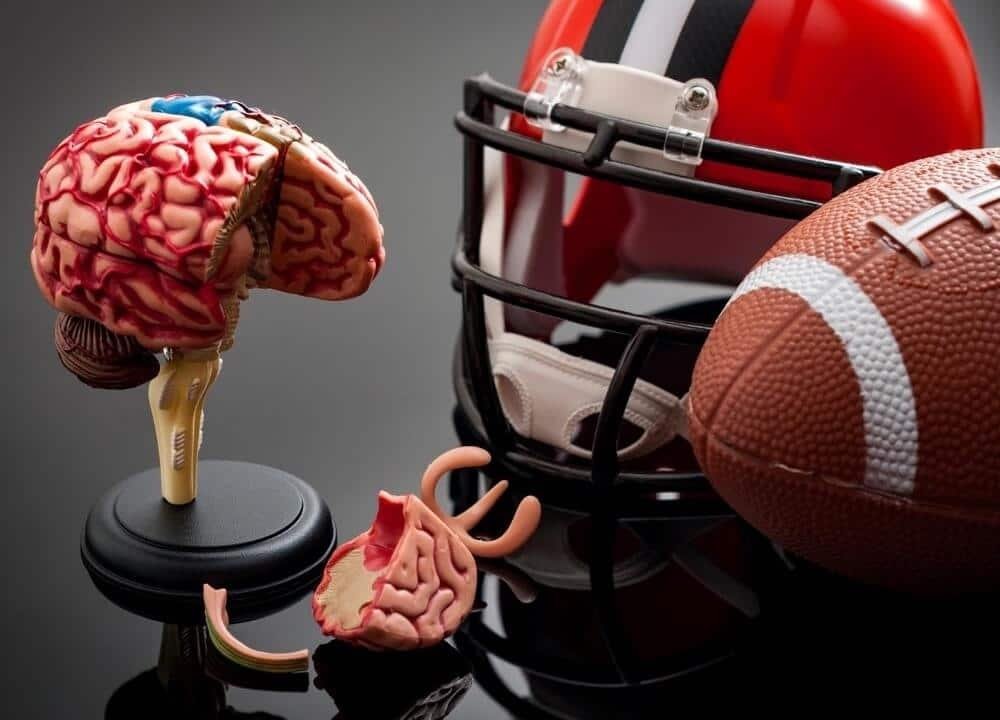
Several studies have also been done focusing on professional athletes including boxers, football players, and mixed martial arts fighters.

Most have found a connection to serious brain troubles later in life. These include dementia or CTE.

A UCSF study also reported that the risk of dementia doubles after a person suffers a concussion.

The researchers tracked over 330,000 veterans while trying to find the link between dementia and head injury.

After adjusting sex, age, education, race, and other health conditions, they stated that without loss of consciousness, people who had a concussion were 2.36 times likely to get dementia.

The number was higher for people who lost consciousness at 3.77 times higher.

The research focused on veterans and members of the general public and the findings were similar for both groups.

There is still no evidence that one mild traumatic brain injury can increase the risk of developing dementia.

Nonetheless, there is emerging evidence that states that repeated mild traumatic brain injuries lead to a greater risk of CTE.

Closing Thoughts

More research still needs to be done concerning dementia and head injury.

Scientists are working to establish the link between traumatic brain injury and the increased risk of dementia.

Based on the existing evidence, it is highly recommended that people protect their heads when participating in activities that can lead to head injury.