Chocolate and Dementia – The Positive Effects

chocolate and dementia the positive effects

Several studies about chocolate and dementia reveal that it is beneficial for persons with the illness to consume chocolate.

One, in particular, explains that flavanols, a strong antioxidant present in chocolate, can reduce dementia risk by increasing blood flow to the brain and protecting brain cells.

Note that this is not just any other chocolate that you can pick off the shelf. We are speaking about dark chocolate, which is rich in cocoa (the bitter one and not the sugary alternative).

Experts recommend the consumption of dark chocolate because it is rich in flavonoids that protect the brain from oxidative stress.

The study that Mars funded involving 91 participants is not the only study with this conclusion.

Can Chocolate Relieve Dementia?

Let’s look at other studies that talk about the benefits of chocolate for those with dementia, as well as the persons who have not developed the disease.

A Study on Drinking Hot Chocolate

a study on drinking hot chocolate
A group of researchers from Harvard revealed that drinking two cups of hot cocoa every day helps to boost memory and could prevent dementia.

Professor of psychiatry and aging, Dr. Gary Small, explains that there was a limit on cocoa consumption because it is possible to get too much even when it is a good thing.

Taking too much cocoa means that a person will gain too many calories, which is not healthy for the brain.

Back to the study, it was concluded that drinking cocoa everyday causes an 8% improvement in the way blood flows to the brain.

The study had 60 participants who did not have dementia with an average age of 73.

The volunteers consumed two cups of hot chocolate without consuming any other form of chocolate.

The experts were studying their thinking skills and memory. Those involved underwent ultrasounds to measure the flow of blood to the brain.

A majority of the volunteers recorded impaired blood flow to the vital body organ (brain). In the end, however, there was an 8.3% improvement in blood flow specifically to the brain’s working areas.

Within a month, the group also experienced enhanced working memory with scores of between 167 to 116 seconds.

To get accurate results in their quest to identify the link between chocolate and dementia, half of the participants were taking flavanol-poor hot cocoa, while the rest were consuming hot cocoa rich in flavanol.

This did not create any differences in terms of results.

The persons with regular blood flow at the beginning of the study did not experience any improvements. This is one of the studies that show it is not only dark chocolate that people should consume but the beverage as well.

Chocolate Offers a Calming Effect on Persons with Dementia

chocolate offering a calming effect to persons with dementia
A new study on chocolate and dementia states that chocolate has a calming effect, especially for people who are in the last stage of dementia.

This is found in the AMDA (The Medical Director’s Association) publication. The article references a nurse in a nursing home in Phoenix, AZ, who was carried chocolate to offer agitated residents.

The explanation for this is that chocolate also contains caffeine, a neuro stimulant that increases neurotransmitter levels to enhance executive function and memory.

Starving Early Memory Decline Signs with Dark Chocolate

starving early memory decline signs with dark chocolate
A different study published in Frontiers in Nutrition shows that taking dark chocolate regularly is mostly beneficial for people who have started to show signs of memory decline or mild cognitive impairment.

The study teaches people that individuals who eat chocolate every day have a better ability to process speed, memory, and attention spans.

A study from Columbia University Medical Centre conducted in 2014 also confirms that dietary cocoa flavanols reverse age-related memory decline in healthy seniors.

This was published in Nature Neuroscience. It offers direct evidence that a single component of memory decline related to age is a result of changes in a particular section of the brain.

The conclusion is that dietary intervention can improve this type of memory decline.

Benefits of Dark Chocolate for the Elderly

benefits of dark chocolate for the elderly
One more study on chocolate and dementia divulges that the benefits of taking dark chocolate daily are more prominent in elderly people.

Daily intake improved mental function, but this was subtle for the younger participants. Other factors that improved after taking dark chocolate include verbal fluency, attention, working memory, and processing speed.

Closing Thoughts

Other than flavanols, chocolate also contains several minerals like potassium, magnesium, and calcium. These are important for the brain and overall body health.

All these studies have opened up a conversation about chocolate and dementia.

This is because more intensive work still needs to be done to pinpoint the link between blood flow problems, cocoa, and cognitive decline.

While a cocoa-based treatment would be much welcome, it is still too early to jump on this option until scientists and other involved parties give it the green light.

Hopefully, researchers and other experts can speed this up so that people can know if it is true that chocolate can prevent or treat dementia.

Coconut Oil and Dementia: What Does the Evidence Say?

Older adults illustrating research into coconut oil and dementia

Coconut oil and dementia have been linked for years, largely because of claims that the oil may provide the brain with an alternative source of energy.

Interest grew after personal reports and some early studies suggested that coconut oil or medium-chain triglycerides (MCTs) might improve thinking or memory in people with dementia.

However, the evidence is much more complicated than some of the early claims suggested.

Research into coconut oil, MCT oil and ketogenic approaches is continuing. Some studies have reported possible cognitive benefits, while others have found no meaningful improvement.

Most importantly, coconut oil has not been proven to cure, reverse or prevent dementia.

This article looks at why coconut oil became associated with dementia, what clinical research has found, how coconut oil differs from MCT oil, and what people should consider before adding large amounts to their diet.

Can Coconut Oil Treat or Reverse Dementia?

At present, there is not enough reliable evidence to recommend coconut oil as a treatment for Alzheimer’s disease or other forms of dementia.

There is also no evidence that coconut oil can reverse dementia or restore brain cells that have already been damaged by a neurodegenerative disease.

This does not mean researchers have found nothing of interest.

Several small studies involving coconut oil or MCTs have produced encouraging results. However, other better-controlled research has failed to show an overall improvement in cognition.

Alzheimer’s Disease International does not currently recommend coconut oil as a proven treatment for dementia.

People should therefore be cautious about claims that coconut oil can cure Alzheimer’s disease, stop its progression or restore memory.

Why Are Coconut Oil and Dementia Linked?

One reason researchers became interested in coconut oil relates to how the brain uses energy.

Normally, glucose is an important fuel for the brain. Researchers have observed changes in glucose metabolism in the brains of people with Alzheimer’s disease.

This led to interest in whether ketones might provide an alternative energy source.

The body can produce ketones when it metabolizes certain fats. Medium-chain triglycerides can increase ketone production more readily than many other dietary fats.

A scientific review of coconut oil and MCTs has explored whether this alternative fuel source could potentially help compensate for some of the changes in brain energy metabolism associated with Alzheimer’s disease.

That is a plausible area of research, but a plausible biological mechanism is not the same as evidence that a treatment works.

coconut oil and dementia research into brain energy and nutrition

Coconut Oil and MCT Oil Are Not the Same

This distinction is important because discussions about coconut oil and dementia often combine evidence from two different products.

Coconut oil contains a mixture of fatty acids.

MCT oils used in clinical research are often more concentrated preparations containing specific medium-chain triglycerides, particularly caprylic acid (C8) and capric acid (C10).

These concentrated MCT products can produce different metabolic effects from ordinary coconut oil purchased at a supermarket.

For this reason, a study showing a possible benefit from an MCT preparation does not automatically prove that eating coconut oil will produce the same effect.

This distinction is sometimes lost when research findings are discussed online.

What Does Research on Coconut Oil and Dementia Show?

The evidence has developed considerably since coconut oil first became widely promoted as an alternative dementia treatment.

The results remain mixed.

Small Studies Have Reported Possible Cognitive Benefits

A 2018 pilot study involved 44 people with Alzheimer’s disease.

Participants in the intervention group followed a Mediterranean-style diet enriched with coconut oil for 21 days.

Researchers reported improvements in several measures, including episodic memory, temporal orientation and semantic memory.

These findings attracted attention, but the study was small and short. It could not establish whether coconut oil produced a lasting clinical benefit or affected the progression of Alzheimer’s disease.

Earlier small studies have also reported improvements in some cognitive test scores after coconut oil supplementation.

These findings helped generate interest in larger and better-controlled trials.

research studies examining coconut oil and dementia

A Larger Randomized Trial Found No Overall Cognitive Benefit

More recent research has produced less encouraging results.

A 2023 double-blind randomized controlled trial studied 120 people over age 65 with mild-to-moderate Alzheimer’s disease.

Participants received either 30 mL of virgin coconut oil or a similar amount of canola oil each day for 24 weeks.

Overall, researchers found no significant improvement in cognition in the coconut oil group compared with the control group.

An improvement was observed in one genetic subgroup involving APOE ε4 carriers, but subgroup findings need further confirmation and should not be taken as evidence that coconut oil is an effective Alzheimer’s treatment.

The study is particularly important because it was larger, longer and better controlled than many of the earlier coconut oil studies.

What Did the 2024 Review Find?

A 2024 systematic review and meta-analysis examined studies involving coconut oil and related bioactive compounds in Alzheimer’s disease.

The pooled analysis reported an improvement in cognitive scores among people receiving coconut-oil-related interventions compared with controls.

This is encouraging enough to justify further research.

However, the available studies remain relatively few, with differences in study design, intervention, duration and cognitive testing.

A pooled improvement in cognitive test scores also does not prove that coconut oil slows Alzheimer’s disease, reverses dementia or provides meaningful long-term improvement in everyday functioning.

For now, the research should be described as promising but inconclusive.

What Does Research on MCT Oil and Dementia Show?

Research into MCT oil may be somewhat more developed than research into ordinary coconut oil.

A 2023 systematic review and meta-analysis examined studies of medium-chain triglycerides in people with mild cognitive impairment or Alzheimer’s disease.

Across the included studies, MCT supplementation was associated with an improvement in general cognitive function.

However, significant improvements were not demonstrated consistently in individual areas such as memory, language and attention.

Researchers also found considerable differences among studies and concluded that better-designed clinical trials are needed before firm recommendations can be made.

This means there is an important difference between saying:

“MCTs are being investigated for possible cognitive benefits”

and saying:

“Coconut oil treats dementia.”

The first statement reflects the research. The second goes beyond what the evidence currently supports.

What About the Mary Newport Coconut Oil Story?

Much of the public interest in coconut oil and Alzheimer’s disease can be traced to Dr. Mary Newport, a physician who documented her experience giving coconut oil and MCT oil to her husband after he developed Alzheimer’s disease.

She reported noticeable improvements in some aspects of his functioning and subsequently wrote about their experience.

Personal stories such as this can be valuable because they may inspire researchers to investigate new ideas.

However, an individual experience cannot establish that a treatment works.

Symptoms of dementia can fluctuate, people respond differently to dietary changes, and improvements observed by family members can have many possible explanations.

Clinical trials with comparison groups are needed to determine whether an intervention itself caused an improvement.

For that reason, the Newport story is best viewed as part of the history behind interest in coconut oil rather than proof that coconut oil treats Alzheimer’s disease.

Is Coconut Oil Safe for People With Dementia?

Coconut oil is a common food, but that does not mean consuming large amounts is appropriate for everyone.

One important issue is its high saturated fat content.

The American Heart Association explains that diets high in saturated fat can raise LDL cholesterol, which increases cardiovascular risk.

Coconut oil is one of the tropical oils that contains a high proportion of saturated fat.

This is particularly relevant because cardiovascular health and brain health are closely connected. Conditions affecting blood vessels can contribute to vascular dementia and may also influence a person’s overall risk of cognitive decline.

The older claim that coconut oil is automatically a “heart-healthy oil” because it can increase HDL cholesterol is therefore misleading.

People with high cholesterol, cardiovascular disease, diabetes or other medical conditions should speak with a healthcare professional or registered dietitian before substantially increasing their coconut oil intake.

coconut oil used as part of a diet

Is There a Recommended Amount of Coconut Oil for Dementia?

No medically established dose of coconut oil has been shown to treat dementia.

Different studies have used different products, quantities and durations, making it inappropriate to turn one research dose into a general recommendation.

The same caution applies to MCT oil.

MCT supplements can also cause digestive side effects such as diarrhea, nausea or abdominal discomfort in some people, particularly when larger amounts are introduced quickly.

Anyone considering coconut oil, MCT oil, a ketogenic diet or another substantial dietary change for someone living with dementia should discuss it with their doctor or dietitian.

Dietary supplements and alternative approaches should not replace prescribed dementia treatment.

What Type of Diet Is Better Supported for Brain Health?

Rather than relying on one particular oil or supplement, evidence increasingly supports looking at the overall dietary pattern.

Eating patterns emphasizing vegetables, fruits, whole grains, legumes, nuts, fish and unsaturated fats are generally more consistent with cardiovascular and brain-health recommendations.

The Mediterranean-style eating pattern is one example.

This does not mean a particular diet can cure or prevent every case of dementia. Dementia has many causes and risk factors.

However, maintaining cardiovascular health, adequate nutrition and a balanced diet for people with dementia is generally more evidence-based than depending on a single food as a treatment.

You can also read our guide to foods that may support a healthy diet for people with dementia.

Should You Try Coconut Oil for Dementia?

For most people, using a small amount of coconut oil as part of normal cooking is very different from taking large quantities in an attempt to treat Alzheimer’s disease.

Current research does not provide enough evidence to recommend therapeutic doses of coconut oil for dementia.

If a person or caregiver is interested in trying coconut oil or MCT oil, it is worth discussing the idea with their healthcare professional first.

This is especially important if the person has:

  • High LDL cholesterol
  • Heart or blood vessel disease
  • Diabetes or other metabolic conditions
  • Difficulty maintaining a healthy weight
  • Problems eating or swallowing
  • Digestive problems
  • Other medical conditions that require a specific diet

A healthcare professional can help assess the person’s nutritional needs and whether a dietary change is appropriate.

Coconut Oil and Dementia: The Bottom Line

Research into coconut oil and dementia is more nuanced than either “it works” or “it is a myth.”

Some small studies and a recent meta-analysis have reported improvements in cognitive test scores. Research into concentrated MCTs has also produced some promising results.

At the same time, a larger 24-week randomized trial found no overall cognitive benefit from virgin coconut oil, and the available evidence remains too limited to establish coconut oil as a dementia treatment.

There is currently no good evidence that coconut oil cures, reverses or prevents dementia.

Researchers may eventually learn more about ketones, MCTs and brain energy metabolism. For now, coconut oil should be viewed as a food being studied for possible effects rather than a proven therapy.

People interested in making significant dietary changes should discuss them with a doctor or registered dietitian, particularly because coconut oil is high in saturated fat.

For related topics, you can also read our articles on olive oil and dementia and CBD oil and dementia.

Pseudodementia – An Overview

pseudodementia

Leslie Kiloh, a psychiatrist, came up with the term Pseudodementia (PDEM) in 1961.

In short, describes a range of dementia-like symptoms.

These may include hysteria, depression, and schizophrenia.

Experts agree that depression is the major culprit that makes people feel as though they have dementia.

Also known as depression-related cognitive dysfunction, there are three primary cognitive components that Pseudodementia involves:

I. Deficits in executive functioning
II. Problems with memory
III. Challenges with language and speech

People who go through this worry too much about their experience a high percentage assuming that they have dementia.

Thankfully, this is not the case because the psychiatric conditions that a person goes through while dealing with this form of cognitive impairment are reversible through treatment.

If the treatment of depression, hysteria, or schizophrenia is successful, then the cognitive symptoms also go away.

Pseudodementia Background

background
Even though people were using the term Pseudodementia before, it was not until Kiloh published a paper titled “Pseudo-dementia” in 1961 that many others took up interest.

The Scientific journal Acta Psychiatrica Scandinavica published her paper that presented vignettes of ten people a majority with depressive features.

This sparked a huge debate opening up areas of scientific study and research examining whether it is possible to reverse cognitive deficits in depression cases and whether these end up causing dementia in the long-run.

Symptoms of Pseudodementia

symptoms of pseudodementia
Persons with PDEM might experience a wide range of symptoms. Most of these usually overlap with those of individuals with dementia.

Examples of the symptoms may include:

  • Anxiety
  • Delayed motor response
  • Difficulty making decisions or completing tasks
  • Trouble remembering things
  • Difficult times communicating with others
  • Lower processing speed
  • Feelings of hopelessness and helplessness
  • Hypersomnia or insomnia
  • Fatigue
  • Loss of appetite or overeating
  • Suicide thought
  • Cognitive impairment is mostly seen in middle-aged and older adults

Diagnosis

diagnosis
There have been very many misdiagnosis cases of people who have Pseudodementia because a majority usually conclude that they have dementia. Thus, start getting into a lifestyle to manage the illness because it still has no cure.

This is especially in cases that touch on elderly persons who experience negative changes in behavior or thinking.

Statistics suggest that between 2-32% of seniors who experience cognitive problems may not have dementia.

Proper diagnosis is also tricky because some older adults can experience both PDEM and dementia.

It is, therefore, crucial for a person to go through an extensive clinical interview. This helps to reveal essential clues that professionals can use for proper diagnosis.

A GDS (Geriatric Depression Scale) may also be necessary. It can help differentiate between dementia and other forms of cognitive disorders.

Most of the time, medics and geriatricians will combine this with current functioning and medical history to come up with a diagnosis.

Treatment Options for Pseudodementia

treatment options for pseudodementia
It is important to note that even though this is a reversible cognitive disorder, treating it is still complex.

This type of cognitive dysfunction requires a combination of treatment modalities that may include psychotherapy, drugs, or a combination of both.

Various treatments can help with this condition such as:

1. CBT (Cognitive Behavioural Therapy)

CBT cognitive behavioural therapy
This generally seeks to enhance the mood of a person going through conditions like depression. It involves the changing and exploring of behaviors as well as thought patterns.

2. Interpersonal Therapy

interpersonal therapy
The other treatment option that experts recommend is interpersonal therapy. This mostly focuses on the relationships of the impaired individual.

Professionals seek to identify if these have any link between the relationships and feelings of depression.

3. Antidepressants

antidepressants
Some antidepressant drugs can help to eliminate cognitive dysfunction brought about by depression.

Keep in mind that depression has different causes; thus, treatment may vary from one person to the next, depending on what is most suitable.

How PDEM differs From Dementia

how PDEM differs from dementia
There are clear differences between dementia and cognitive impairment that mimics the illness.

This is one of the factors that can help to reduce misdiagnosis.

For instance, when looking at the history of dementia, you will notice that it is stealthy while this cognitive decline is quick and short.

Doctors usually test the memory of individuals to know whether they have reversible cognitive impairment or dementia.

This may involve asking several questions. For persons with this depression-related cognitive dysfunction, the answer will always be they do not know.

Concentration and attention, however, are usually intact though affected persons may appear as though they are upset.

It is a different case with dementia because individuals with the illness have poor concentration and attention, give out wrong answers, and typically appear like they are unconcerned.

Persons with PDEM might also complain about their memory but do reasonably well when it comes to mental status tests and exams that evaluate cognitive function.

On the other hand, people with dementia may deny experiencing any memory problems, but they do not do well with cognitive exams.

Most people with the reversible cognitive disorder will not show signs of severe mood swings.

The opposite is true for people with dementia because many showcase an extensive range of emotions where some have inappropriate responses like crying when everyone else is laughing.


If you found value in this article, then you may also enjoy reading our other article titled What is Pseudodementia?

Turmeric and Dementia – Can It Help?

turmeric and dementia can it help

Researchers continue to look into the connection between turmeric and dementia after multiple studies suggest that the spice can prevent or treat dementia.

One of the actualities that prompted this study, according to thetruthaboutcancer.com, is the fact that India records the lowest dementia rates in the globe, seeing that they consume about 25-50mg of turmeric daily.

Experts believe that this prevents brain inflammation reason the country does not have too many dementia cases where you compare it to other parts of the globe.

The exact reason for this is still unknown, and the statistic may not be accurate. What is clear is that people in India generally consume more turmeric than individuals in other parts of the world.

Why do experts think that this old spice can be useful concerning the potential treatment for dementia?

Below we will study some of the findings that mostly come from lab-based studies.

Effects of Turmeric on Dementia

Curcumin Breaks Down Amyloid-Beta Plaques

curcumin breaks down amyloid beta plaques
While looking into turmeric and dementia, many experts focus on curcumin, which is a turmeric extract that has high concentrations in the root.

This is a chemical that is known to have strong anti-inflammatory, anti-amyloid, and anti-oxidant properties, amongst many others.

Multiple studies state that the chemical can prevent the formation as well as break up of amyloid-beta plaques.

The latter is a hallmark of dementia disease.

The plaques accumulate between nerve cells and impair brain function by damaging synapses. These are the structures that nerve cells use to transmit signals.

Some studies also suggest that the extract can help to prevent the accumulation of tau in the brain.

Animal research also indicates that the chemical can also help to curb oxidative stress and inflammation factors. The two contribute to the development of dementia.

Clinical studies are yet to report similar results. Unfortunately, it is still unclear how curcumin works in the human brain.

Turmeone Stimulates Growth of New Brain Cells

turmeone stimulates growth of new brain cells
Other than curcumin, experts are also looking into the role that turmerone can play in treating or preventing dementia.

This is yet another chemical present in turmeric.

In several animal studies, turmerone has been seen to stimulate the stem cells that foster the growth of new brain cells. In theory, this is an important factor that can be of assistance in neurodegenerative illnesses such as dementia.

This study is still in its initial stages. There is no telling whether it has an identical effect on people’s stem cells.

Experts are also trying to figure out whether the production of new brain cells is in any way beneficial to persons who already have dementia.

Turmeric Enhances Mood and Memory

turmeric enhances mood and memory
While discussing turmeric and dementia it is prudent to mention that results from various studies ascertain that turmeric consumption helps to enhance memory and mood.

Researchers believe that this benefit comes from the fact that curcumin can decrease the accumulation of tau and amyloid.

This is through lowering of cholesterol levels, enhancing antioxidant capacity, and reducing neuroinflammation to help the body fight against dementia.

A study published in The American Journal of Geriatric Psychiatry reveals that taking curcumin on a daily basis can help to prevent memory issues and, in some cases, improve them all together.

This was after a study conducted at UCLA publicized that taking curcumin can improve memory function. Nut just that, but negative emotions like depression, too.

The study had 40 participants aged between 50-90 years who had varying memory complaints. Participants were given 90 mg of curcumin two times a day as a placebo for 18 months.

People who were on curcumin reported that they experienced significant improvements in their attention abilities and memory.

The group that was on placebo did not have the same results.

How to Effectively Take Turmeric

how to effectively take turmeric
Many people will just add turmeric to their diets, hoping to reap all its benefits.

While this works, it is important to state that only a small percentage gets into your bloodstream after you eat food with turmeric.

This is because the body does a poor job regarding the absorption of turmeric. It is stomach acid that quickly degrades the spice.

Research has also revealed that turmeric dissolves in fats because it is not water-soluble.

This implies that the best form to consume turmeric is through supplements that have some type of oil or have an enteric coating so that the bloodstream absorbs a high percentage of the spice.

If you or a loved one wishes to take turmeric to help combat dementia, it is advisable to consult your doctor first so that the professional can guide you accordingly.

Final Thoughts on Turmeric and Dementia

final thoughts on turmeric and-dementia
Evidence that the spice plays a role in the prevention or cure of dementia is still scarce. It is, therefore, impossible to conclude whether or not turmeric will be a game-changer in regards to the treatment of dementia.

Extensive work and researches are still necessary on the topic of turmeric and dementia.

It is crucial because the popular spice may be the solution that the industry has been desperately looking for.

Food Cravings and Dementia

are food cravings a sign of dementia

One of the topics that crop up frequently with people taking care of persons experiencing cognitive decline is food cravings and dementia.

Many people who have dementia will often go through drastic changes in what they prefer to eat where they majorly have unhealthy cravings.

This mostly happens because taste buds become less sensitive as the disease progresses.

Healthy young adults normally have around 10,000 taste buds allowing them to detect all types of tastes from sweet, sour, spicy and salty.

By the time a person celebrates their 70th birthday, the number of taste buds will reduce by over 60%. This implies that impaired people no longer experience flavor or taste food as they did in the past.

It can make them feel as though the food they are eating is boring and bland.

As people age, the production of saliva also decreases, which makes seniors have a dry mouth, making the problem even worse.

The brain’s insulin levels also drop, leading many seniors to have intense cravings for sweet or high-calorie meals.

Experts also link unhealthy food cravings and dementia to the damage of the dorsolateral prefrontal cortex. This is the section of the brain that helps humans have self-restraint regarding diet.

When it is affected in people with dementia, it often leads to food cravings.

The sense of smell also diminishes another factor that contributes to taste decline leading to cravings for additional salt, sugar, or calories.

Managing Food Cravings in People with Dementia

managing food cravings in people with dementia
It is not healthy for people with dementia to feed their cravings, especially if all they want is high-calorie or sugary foods.

Caregivers must find a way to address the issue of food cravings and dementia so that the infected persons continue to consume healthy diets that are beneficial to their bodies.

Some of the steps that loved ones and professionals can take to address these cravings include:

Eating Meals Together

eating meals together
Most people who have dementia may eat the healthy meals you provide if you sit down and eat with them, rather than leave them to consume the food on their own.

It also helps to create a calm environment during mealtimes so that the person can focus on eating without too many distractions.

Offer Well-Balanced Meals

offer well balanced meals
The only way that a person with dementia will get the nutrients they need is by eating balanced meals.

Most of the time, individuals will crave sweet things because they do not consume enough carbohydrates to provide their bodies with enough energy.

To prevent issues that arise with food cravings and dementia, it is prudent that the seniors do not skip any meals. Encourage him or her to snack even when they are not hungry.

In addition to vegetables and proteins, ensure that their meals are also packed with complex carbs like whole grains and healthy fats.

Including sweet healthy food options might also do the trick. These may include options like fruits, baby carrots, and the use of honey in meals sparingly.

You can also focus on giving the person more liquids like hot chocolate, soups, low-calorie ice cream, eggnog or milkshakes. Just make sure that whatever goes into their mouths has some nutritional value.

Engaging in Enjoyable Activities

engaging in enjoyable activities
Unhealthy cravings can lead to severe health problems in people who have dementia. Before the problem escalates, the person should replace their urge to eat “bad” food with a pleasurable activity.

It can be anything from calling a friend, dancing or listening to their favorite tunes, talking a walk, or taking a long relaxing bath, etc.

Scientists explain that the act of eating and food stimulates a feel-good mood because it stimulates the production of endorphins.

Go above and beyond to identify activities that make the seniors feel good so that you do not have to deal with the negative effects of food cravings and dementia.

This is because a person may want to overindulge in unhealthy food stuff because they are lonely or bored.

Check Medications for Side Effects

check medications for side effects
At times, seniors with dementia will experience food cravings because of the medicine they are taking. This is especially if they are on antidepressants, which are known to cause cravings for sugary stuff.

If this is the cause, discuss it with their doctor to get the way forward.

During the doctor’s visit, the professional should also conduct tests to ensure that no untreated illnesses are contributing to these unhealthy cravings.

Visiting a dentist is also recommended because sometimes, the craving problems arise because of issues like ill-fitting dentures, or gum diseases.

Strengthen the Part of the Brain Responsible for Dietary Restraint

strengthen the part of the brain responsible for dietary restraint
Another option caregivers and people with dementia have when it comes to tackling food cravings and dementia is to take care of the section of the brain that deals with self-restraint and regulation.

They can easily accomplish this by making sure the weak persons get adequate sleep and they also participate in mental and physical exercise.

Do Coffee And Dementia Go Hand In Hand?

coffee and dementia

Over the years, there has been a great interest in the topic of coffee and dementia.

Some studies reveal that it is possible to fight dementia with a cup of coffee. This may come as great news to individuals who need coffee to perk up their mornings.

Can coffee and caffeine reduce dementia?

can coffee and caffeine reduce dementia
An example of such a study is one that was conducted by Krembil Brain Institute in Canada.

Danish and Swedish researchers sought to find out if it is true that consuming coffee can lower the risk of dementia.

Too Much Coffee Is Not Good

There were 1409 participants in the study that were observed for 21 years. The researchers found that persons who drank 3-5 cups of coffee daily were less likely to develop dementia by 65% in comparison to the individuals who only took 2 cups or less.

Another study by Dr. Jonathan Geiger states that caffeine can help protect the brain by blocking damage that cholesterol causes hence reducing the risk of dementia.

This is after studying rabbits that were put on a fat-rich diet and were also given a caffeine supplement for protection.

He did this in a bid to investigate the blood-brain barrier an essential barrier between the main blood supply in the body and the brain.

Researches

researches
Preceding studies reveal that high cholesterol levels in the blood create this barrier that might cause damage to the brain triggering the development of dementia.

The rabbits were on the diet for 12 weeks. Half of the animals were also on a supplement that is comparable to the caffeine amount that is present in a cup of coffee daily.

After the experiment, the researchers concluded that the blood-brain barrier in the animals on caffeine was more intact than in the rabbits that were not taking caffeine.

One more study seeking to explain the relationship between coffee and dementia was conducted by researchers in the United States of America. This uncovered that postmenopausal ladies who drink at least 2-3 cups or 261mg of caffeine daily.

They were at lower risk of developing cognitive impairment or dementia than the ones who consume less coffee.

Participants of this study were 6,467 women who were followed for a decade. In the end, it was revealed that the ladies taking more caffeine were at lower risk of cognitive functioning issues.

In this study consuming caffeine was based on a self-report meaning the decaffeinated drinks were not specified. It was assumed that all cola drinks, tea, and coffee were caffeinated.

The studies seeking to find out the relationship between coffee and dementia was also done on animals.

It was discovered that caffeine in animals lowers beta-amyloid plaque levels.

This is a biomarker that is associated with dementia.

Drinking coffee can help reduce vascular disease

drinking coffee can help reduce vascular disease
Additionally, drinking coffee is also known to reduce the risk of vascular disease and Type 2 diabetes. These two are also common dementia risk factors.

In yet another study, researchers put caffeine in drinking water. They then fed it to transgenic mice that develop dementia-like symptoms where they reach around 8 months of age.

It was found that caffeine treatment reduced inflammation mediators. This also increased the levels of plasma of GCSF (granulocyte-colony stimulating factor).

The latter enhances the cognitive performance of the transgenic mice.

Worth noting is that the above studies on coffee and dementia are only observational.

This implies that they do not reveal causation as they only show correlation. Experts agree that coffee consumption may lower the risk of dementia but the beverage is not behind the decreased risks.

There is, however, a need for further evidence regarding the protective effect of coffee on dementia.

Researchers caution that there is still a need for more studies to confirm this theory.

Coffee and caffeine treatment for dementia?

coffee and caffeine treatment for dementia
Many experts are nonetheless optimistic that the findings may open up the possibility of the development of new dementia treatments. As well as dietary interventions that can modify dementia risk.

It is also important to mention that while studying coffee and dementia, some studies refute the claim that caffeine can prevent dementia.

These state that long-term caffeine consumption makes dementia symptoms worse.

Researchers from Sweden and Spain undertook one of the studies on normal aging mice as well as the ones that have dementia-like symptoms.

The results indicated that caffeine alters behavior in healthy mice and makes neuropsychiatric symptoms of mice even worse.

Furthermore, the experts explained that during the study, they discovered that caffeine has little benefit when it came to the memory and learning of rodents.

Even though many studies support the idea of coffee reducing the risk of dementia, it is not yet clear what the exact cause of dementia is.

In conclusion

This means that there is no clear way of preventing this illness.

Nevertheless, professionals advise on several things that you can do to reduce the risk.

These include reducing alcohol intake, quitting smoking, staying mentally active and physically fit. Lastly, it is important to consume a balanced healthy diet.

Dementia and Communication With a Patient

dementia and communication

When it comes to dementia and communication, caregivers and loved ones must acknowledge the fact that persons who have dementia may experience various challenges as they try to communicate.

While ill persons experience the progression of the disease differently, there are some common challenges that most people with dementia face, such as:

  • Repeating stories
  • Disorganized speech
  • Inventing new words
  • Leaning more to the use of native language, etc.

As time goes by, it may become more complicated to communicate with a person who has the disease.

This does not mean that you should write them off and never speak or listen to them again.

There are several strategies you can employ to communicate effectively with a person who has dementia.

1. Effective Strategies for Dementia and Communication

1. Get the Person’s Attention

dementia and communication get the persons attention
It is crucial to start by getting the attention of the person you intend to speak to.

You can do this by approaching the person with the illness from the front to help them see you. It is also advisable to reduce any background noise that may be coming from the radio, TV, crying babies, etc.

Always identify yourself and address them by their names. It may help to repeat the name of the affected person a couple of times during the conversation.

Remember to keep expressions friendly. Keep in mind that the person with dementia wants undivided attention. Always show that you are willing to listen and comprehend what they are saying.

Practice patience when dealing with dementia and communications because the persons need some time to concentrate, understand, and come up with a response.

You may also want to meet the other needs of the suffering person first before you sit down and start having a conversation. This way, the person will not be hungry, thirsty, in pain, or uncomfortable when it is time to start talking.

2. Go Beyond Words

go beyond words with dementia communication
This is extremely important, especially during the later stages of the disease, when a person with the illness cannot express themselves properly.

Using hand gestures, eye contact, body language, touch, and facial expressions may come in handy when trying to communicate with a person who has dementia.

Examples of such are nodding your head for yes and shaking your head if you want to say no. You can do this even when voicing out the words as a reinforcement measure.

If it is possible to say something without letting it out, opt for this route.

Experts agree that a hug or warm smile may convey the message strongly so that you do not have to use actual words.

Remember that it is okay not to know what to say. Honest friendships and presence are the most valuable. Remember to stay close to the person you are talking to but not too close in a way that you are interfering with their personal space.

Your facial expressions and body language should always match what you are saying. This is because people with dementia are good at reading body language.

Tense facial expressions or sudden movements can make communication difficult as this may cause distress to the ailing individual.

3. Learn How to Speak

learn how to speak
When facing dementia and communication issues, it is crucial to check how you speak. Always approach an affected person with a calm and clear tone.

You may want to peak at a slightly slower pace. This will give the person you are conversing with time to process the information you are trying to pass across.

Do not raise your voice or speak sharply. You should also avoid asking too many questions at once because this may lead to confusion and frustration.

Respect the person you are having a conversation with so that you are not talking down at them. You should also talk to them like grownups and do not address them like young kids.

4. Use Simple Language

use simple language to communicate with dementia patients
When you are talking to a person who has dementia, it is not the time to showcase your prowess of complicated words.

It is advisable always to use simple, short and familiar words during conversations.

For instance, instead of saying hypertension, you can use the phrase high blood pressure.

Positive language is also crucial during the trying times of handling dementia and communication issues. Try and use short sentences that do not exceed five words so that you can convey one thought or message at a time.

If you are trying to give off directions, opt for one-step instructions. For example, let’s go for a walk, kindly lean this way, and lift your arm.

Always identify things and individuals by name avoiding the use of pronouns.

Rather than telling a person what not to do, it is better to suggest what they should do. This way, they will not feel as though you are trying to attack them because of their current situation.

5. Adapt To Changes

adapt to changes
As time goes by, you may find that it becomes harder to deal with the problems that arise due to dementia and communication.

The person you are trying to talk to may start to misunderstand you constantly.

At this point, it is advisable to rephrase as an alternative to repeating what you have just said.

Adapt to the suffering person doing your best to understand their unique gestures and words. Redirect, or distract the person when they are facing stressful situations so that they can fast forget what is stressing them.

Always encourage the person with dementia to express their thoughts even when they find it increasingly difficult.

Do not, in any way, criticize, interrupt, argue or correct the person you are having a conversation with.

Adapting also means that you should make the most of the “good” days and try to cope during the “bad” ones.

Type 2 Diabetes and Dementia: What’s the Link?

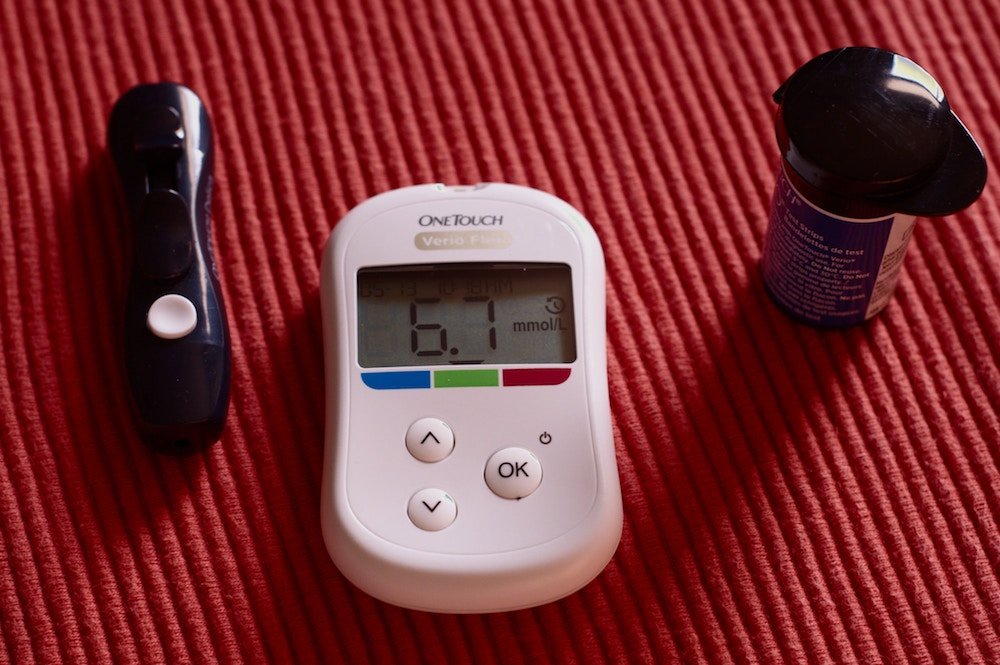
Older adult having blood glucose checked, illustrating type 2 diabetes and dementia

Type 2 diabetes and dementia have been linked in a growing body of research. People with type 2 diabetes appear to have a higher risk of developing cognitive impairment and dementia than people without diabetes, particularly when diabetes develops earlier in life or is poorly controlled.

However, having diabetes does not mean that a person will develop dementia. The relationship is complex, and researchers are still working to understand exactly how blood sugar, insulin resistance, cardiovascular health and changes in the brain may interact.

According to the Centers for Disease Control and Prevention (CDC), diabetes can affect the blood vessels and nerves of the brain and may contribute to problems with memory and learning over time.

In this article, we look at what scientists currently know about type 2 diabetes and dementia, why the two conditions may be connected and what people with diabetes can do to support their overall and brain health.

What Is Type 2 Diabetes?

Type 2 diabetes is a chronic condition that affects the way the body regulates and uses glucose, or blood sugar.

Insulin is a hormone produced by the pancreas that helps glucose move from the bloodstream into cells, where it can be used for energy. With type 2 diabetes, cells become less responsive to insulin. Over time, the pancreas may also struggle to produce enough insulin to keep blood glucose within a healthy range.

Persistently high blood sugar can damage blood vessels, nerves and organs throughout the body.

The brain is no exception.

Because the brain relies on a healthy blood supply and a steady source of energy, conditions that damage blood vessels or disrupt glucose regulation can potentially affect memory and thinking.

Are Type 2 Diabetes and Dementia Linked?

Yes. Research has consistently found an association between type 2 diabetes and an increased risk of cognitive decline and dementia.

Importantly, an association does not mean that diabetes directly causes every case of dementia.

Dementia can have many causes and risk factors, including age, genetics, cardiovascular disease, smoking, high blood pressure and other health conditions.

The National Institute on Aging has reported research showing that people who develop type 2 diabetes earlier in life may have a greater risk of developing dementia later on.

This is one reason researchers are particularly interested in the long-term effects of diabetes on brain health.

How Might Type 2 Diabetes Affect Dementia Risk?

There probably is not one single explanation for the connection between type 2 diabetes and dementia. Several biological and cardiovascular pathways are being investigated.

1. Damage to Blood Vessels in the Brain

blood vessel health linking type 2 diabetes and dementia risk

One of the clearest connections involves blood vessel health.

Over time, high blood glucose can damage blood vessels throughout the body. Diabetes is also associated with an increased risk of conditions including:

The brain requires a continuous supply of oxygen-rich blood. Damage to its blood vessels can reduce blood flow and contribute to vascular injury.

This is particularly relevant to vascular dementia, which results from problems with blood flow to the brain.

The CDC notes that long-term high blood sugar can damage blood vessels in the brain and contribute to problems with memory and thinking.

2. Insulin Resistance and Brain Function

insulin resistance and brain function in type 2 diabetes

Insulin is best known for controlling blood sugar, but insulin signalling also occurs in the brain.

Researchers are investigating whether insulin resistance may influence brain metabolism, communication between brain cells and cognitive function.

There are similarities between some metabolic changes seen in type 2 diabetes and changes studied in Alzheimer’s disease. However, this does not mean that Alzheimer’s disease is simply another form of diabetes.

The Alzheimer’s Association specifically cautions that Alzheimer’s disease and diabetes are separate medical conditions, despite some areas of biological overlap.

3. High Blood Sugar

high blood sugar and its possible effects on brain health

Frequent or prolonged periods of high blood sugar, known as hyperglycemia, may affect brain health over time.

High glucose levels can contribute to blood vessel damage and other metabolic changes throughout the body.

The CDC reports that the effects of persistently high blood sugar on the brain can develop gradually and may contribute to problems with memory and thinking.

This does not mean that an occasional elevated glucose reading will cause dementia. The concern is primarily the cumulative effect of diabetes and associated health problems over many years.

4. Low Blood Sugar

low blood sugar and temporary problems with thinking and memory

Blood sugar that falls too low can also affect brain function.

Hypoglycemia can cause symptoms such as dizziness, confusion, difficulty concentrating, weakness and, in severe cases, seizures or loss of consciousness.

Some research has also found associations between severe or repeated episodes of hypoglycemia and cognitive problems, particularly in older adults.

For people using insulin or medicines that can lower blood glucose, preventing severe hypoglycemia is an important part of diabetes management.

Individual blood glucose targets should always be discussed with a healthcare professional.

5. Inflammation and Oxidative Stress

inflammation being studied in diabetes and brain health

Type 2 diabetes is associated with chronic low-grade inflammation and oxidative stress.

Both processes are being investigated for their potential roles in blood vessel damage, brain aging and neurodegenerative disease.

It would be too strong, however, to say that inflammation from diabetes directly produces Alzheimer’s plaques or causes dementia.

The pathways involved in Alzheimer’s disease are complex and include age, genetics, vascular health and numerous biological processes.

6. Cerebrovascular Disease and Stroke

cerebrovascular disease as a link between diabetes and dementia

Diabetes is an established risk factor for stroke and other vascular problems.

A stroke can damage areas of the brain involved in memory, reasoning, language and other cognitive functions.

Multiple small vascular injuries may also accumulate over time.

Because vascular disease can contribute to cognitive decline and vascular dementia, this provides another plausible connection between diabetes and dementia risk.

7. Mild Cognitive Impairment

mild cognitive impairment and type 2 diabetes

Researchers have also studied the relationship between diabetes and mild cognitive impairment, commonly known as MCI.

MCI involves greater difficulty with memory or thinking than would normally be expected for a person’s age, but the changes are not severe enough to substantially interfere with everyday independence.

Some people with MCI later develop dementia, while others remain stable or sometimes improve.

Having type 2 diabetes is one of several health factors clinicians may consider when evaluating an older adult for cognitive impairment. The National Institute on Aging includes a history of type 2 diabetes among factors that may indicate a need to assess cognitive health.

8. Alzheimer’s Disease and Brain Proteins

amyloid and tau research in diabetes and Alzheimer's disease

Scientists have investigated whether problems with glucose metabolism and insulin resistance are related to the abnormal accumulation of amyloid-beta and tau proteins associated with Alzheimer’s disease.

The results are not straightforward.

Some studies suggest possible connections between metabolic dysfunction and Alzheimer’s disease, while other research has not found a clear relationship between type 2 diabetes and the amount of amyloid or tau detected in the brain.

A 2024 study published in Diabetes Care, for example, noted that the relationship between glucose metabolism and later amyloid and tau pathology remains an active area of research.

It is therefore more accurate to say that scientists are investigating these shared pathways rather than claiming that diabetes directly creates Alzheimer’s plaques and tangles.

Does Type 2 Diabetes Cause Dementia?

Current evidence does not support saying that type 2 diabetes directly causes dementia in every case.

Instead, diabetes is regarded as an important risk factor.

A person can have type 2 diabetes and never develop dementia. Likewise, many people with dementia have never had diabetes.

Research examining causation has produced more nuanced results. Some studies find strong associations between diabetes and cognitive decline, while research using other methods has not always demonstrated that diabetes itself is the direct causal factor.

It is likely that diabetes interacts with other factors such as:

  • Age
  • Genetics
  • Blood pressure
  • Cholesterol
  • Cardiovascular disease
  • Stroke
  • Smoking
  • Physical activity
  • Weight
  • Duration and severity of diabetes

This is why researchers generally discuss diabetes in terms of increasing risk rather than being a single direct cause of dementia.

Does the Age You Develop Type 2 Diabetes Matter?

Research suggests it may.

An NIA-funded study following more than 10,000 people found that developing type 2 diabetes at a younger age was associated with a greater subsequent risk of dementia.

This may partly reflect the fact that someone diagnosed earlier can live with diabetes and its metabolic and vascular effects for a longer period.

More research is needed to understand precisely how the duration of diabetes, glucose control and other health conditions combine to influence long-term cognitive health.

What About Type 1 Diabetes and Dementia?

type 1 diabetes and research into dementia risk

Although this article focuses on type 2 diabetes and dementia, researchers have also investigated cognitive health in people with type 1 diabetes.

Some observational studies have found a higher incidence of dementia among older adults with type 1 diabetes compared with people without diabetes.

Possible contributors include the long duration of the condition, vascular complications and episodes of severe high or low blood sugar.

However, the previous version of this article stated that “83% of seniors with type 1 diabetes are at risk of getting dementia.” We have removed that claim because it does not accurately communicate an individual’s dementia risk.

Type 1 diabetes and type 2 diabetes are also different conditions, so findings relating to one should not automatically be applied to the other.

Can Managing Type 2 Diabetes Reduce Dementia Risk?

There is no guarantee that good diabetes management will prevent dementia.

However, managing diabetes can reduce the risk of many complications that are themselves associated with poorer brain health, including stroke and cardiovascular disease.

The CDC lists uncontrolled diabetes among the modifiable factors associated with dementia risk and recommends preventing or managing diabetes as part of supporting long-term health.

Depending on individual medical needs, diabetes management may include:

  • Working with a healthcare professional to establish appropriate blood glucose targets.
  • Taking prescribed medication as directed.
  • Monitoring blood pressure.
  • Managing cholesterol.
  • Eating a nutritious, balanced diet. See our guide to brain-healthy foods.
  • Taking part in regular physical activity appropriate to your health and abilities.
  • Maintaining a healthy weight where appropriate.
  • Not smoking.
  • Limiting excessive alcohol consumption.
  • Attending regular medical reviews.

These measures are valuable for cardiovascular health and diabetes management regardless of their effect on dementia risk.

Type 2 Diabetes and Dementia: The Bottom Line

managing diabetes as part of supporting long-term brain health

The relationship between type 2 diabetes and dementia is well established as an important area of medical research.

People with type 2 diabetes appear to have a higher risk of cognitive decline and dementia, but diabetes does not mean that dementia is inevitable.

Several factors may help explain the association, including damage to blood vessels, stroke risk, insulin resistance, high and low blood sugar, inflammation and other metabolic changes.

Researchers are also continuing to investigate whether diabetes influences the biological processes involved in Alzheimer’s disease.

The most practical message is that managing diabetes, blood pressure, cholesterol and cardiovascular health is important for overall health and may also help reduce some of the modifiable risks associated with cognitive decline.

If a person with diabetes develops new or worsening memory problems, confusion or difficulty managing everyday tasks, they should discuss these changes with a healthcare professional rather than assuming they are simply part of aging or diabetes.

Related Articles

What Is Dementia?

Common Causes of Memory Loss

Vascular Dementia

Stroke and Dementia

Is Alzheimer’s Disease Type 3 Diabetes?

Dehydration and Dementia (How to Avoid It)

dehydration and dementia

There are multiple conditions that people with dementia should be aware of, one of them being dehydration and dementia.

Many persons with dementia often suffer from dehydration.

The worst part is that this a serious condition that persons with the illness or their caregivers do not easily detect.

Dehydration happens when there is insufficient fluid intake or when the body loses too much body fluids.

Most of the individuals with dementia who suffer dehydration cannot recognize thirst; thus, they do not end up taking enough liquids.

Some caregivers might overlook the symptoms of dehydration.

This is made worse by the fact that some sick individuals cannot verbalize their needs to have a drink in a timely manner.

Signs of Dehydration

signs of dehydration
Before getting deeper into dehydration and dementia, it is important to learn about some of the warning signs of dehydration.

The most common ones include:

  • Increased levels of confusion
  • Changes in behavior
  • Fatigue
  • Agitation
  • Muscle cramping especially in the legs and arms
  • Infrequent urination and darker urine
  • Dizziness
  • Sunken eyes
  • Nausea
  • Headaches
  • Lower blood pressure
  • Dry lips, tongue, and mouth
  • Development of UTIs

Causes of Dehydration in Individuals with Dementia

causes of dehydration in individuals with dementia
Multiple factors can cause a person with dementia to experience dehydration like:

  • Incontinence
  • Natural aging process
  • Needing assistance with fluids and food consumption
  • Living in care facilities with poor training on dehydration
  • Depression
  • Decreased thirst levels
  • Medications like laxatives and diuretics
  • Acute illnesses such as colds
  • Vomiting and diarrhoea
  • Limited mobility
  • Inability to swallow

How to Avoid Dehydration

how to avoid dehydration
When dealing with dehydration and dementia, it is important to learn strategies that can help to keep dehydration at bay.

Some of the most effective ones include:

Leaving a jug or glass of water within reach

leaving a jug or glass of water within reach
If a person does not take enough water because of mobility issues, help them out by making sure water is within reach. It does not have to be a clear glass.

You can use a brightly colored cup so that it draws attention to the person who needs to drink the water.

If this does not work for a particular person, using a dark-colored cup can help make the drinking process easier.

Make sure the glass is not too heavy or has a weird shape. Straws might also prove to be helpful.

Prompt the person to take water

prompt the person to take water
If a person with dementia does not take water because they are constantly forgetting, you should remind him or her to take a drink frequently.

Phone reminders can assist with this.

You may even have to call the sick person to remind them to drink water if you will be far away from them but still want to remind them to drink water.

You can even make this a sociable activity. This is where you pick something to drink and prompt the sick individual to also drink with you.

Do this several times each day when possible.

Eliminate challenges

eliminate challenges
Elderly persons with muscle weaknesses, arthritis, or Parkinson’s disease are at high risk of developing complications that come with dehydration and dementia.

This is because they may have a hard time gripping a cup or taking it to their mouth.

Offering no-spill smaller cups can give a solution, making the ill person more confident in their drinking abilities.

Finding Creative Ways to Slip Liquids into a Person’s Daily Activities

finding creative ways for a senior to drink water
This is especially helpful for persons who refuse to take liquids.

Some of the options to explore include vegetables, fruits, hot chocolate, ice-cream, Jell-O, applesauce, and popsicles.

While it is best to drink clear water throughout the day, the sick individual may not have a taste for pure water.

Here you can try flavored water, herbal teas, and healthy juices to ensure a person gets enough liquid.

Review medicine interactions

review medicine interactions
Some drugs that people with dementia take may contribute to dehydration. These include both over-the-counter-drugs and prescription medication.

Review warning labels and consult your doctor if the sick person is taking medicines that cause dehydration.

The professional can change the drugs or advice on the best way to avoid dehydration.

Recognize early dehydration warning signs

recognize early dehydration warning signs
Early detection of dehydration is the best way to give the person with dementia the help they need.

Go through the list of some warning signs above to treat the problem as soon as it manifests itself.

Avoid giving people with dementia alcohol, coffee, and high-protein drinks in large quantities.

These normally have diuretic effects, which lead to increased levels of losing water in the body leading to dehydration.

Dehydration and Dementia Final Thoughts

People caring for their loved ones with dementia need to be proactive when it comes to ensuring that sick individuals have enough to drink.

This is because a person with dementia may not always ask for a drink, hence end up suffering from the problems that come with dehydration and dementia.

Note that dehydration can lead to increased mortality rates.

How Can Virtual Reality Dementia Treatments Help

can virtual reality help dementia

One of the topics that have taken the healthcare industry by storm is virtual reality dementia therapy.

Experts suggest that VR (Virtual Reality) can help make the lives of people with dementia a lot easier.

Several studies have been conducted in regards to this. We will discuss some of the findings below to uncover how VR can help persons with dementia.

Virtual Reality Can Support Dementia Patients

Help with the Recollection of Past Memories

help with the recollection of past memories
When it comes to virtual reality and dementia, multiple studies indicate that VR can help persons with dementia recall memories easily.

VR is no longer a tool for gaming, but it is also invaluable for people who experience loss of memory.

Virtual reality experiences can help persons retrieve long-lost memories through the incorporation of novel stimuli that are usually challenging to access because of declining poor health or limited environments.

For instance, seeing a water body can remind a person of a vacation they once took at the beach. This is not only good for the ill individuals but the caregivers as well.

When persons with dementia narrate about their past lives, it helps caregivers to learn more about them; thus, offer better care.

Remembering old memories serves as positive mental stimulation, which enhances mood.

Makes Aging in Place a Reality

makes aging in place a reality
A majority of persons with dementia end up losing their mobility, especially during the latter stages of the illness. This usually creates a sense of loneliness that can lead to other medical conditions like depression.

Today, however, weak individuals can benefit from assistive technology like VR to age in place, even in scenarios where they can longer walk or drive with ease.

Even though virtual reality cannot replace going somewhere, it helps to bring the ideal location close to a person offering a much-needed lifeline to the outside world.

Many people can use VR to reconnect with places that they thought they would never visit again because of their current condition.

For persons who live in senior homes, caregivers can create a group virtual reality experience where many persons with dementia visit one place at the same time.

This creates a fun bonding experience where group members can talk about the things they are doing or seeing.

This is one of the perks of virtual reality and dementia. Even when the exercise is over, participants are bound to remain excited and want to talk about this experience for a long time.

Ease Some Symptoms

Virtual Reality Dementia Treatments Help ease some symptoms
Many people who have dementia often experience symptoms like extreme mood swings, agitation, and stress.

Medics have already jumped into the VR bandwagon to treat anxiety and pain. Something that makes virtual reality a good fit for addressing some of the symptoms that dementia patients experience.

VR is known to calm ill persons. In some cases, it can make uncommunicative persons speak again. This happens when suffering persons get into a virtual world where they experience several calming scenes.

These scenes, which can be anything from a beachfront or a flower garden, help to interpose repetitive behaviors. Meaning, the person with dementia can take advantage of non-drug approaches to reduce stress levels and improve moods.

Tribemix, one of the companies that offer virtual reality experiences for individuals with dementia, reports a 70% stress reduction rate.

Aids with Caregiver Interactions

aids with caregiver interactions
When talking about virtual reality and dementia, it is also important to note that this technology also helps impaired persons through their caregivers and professional healthcare providers.

This is through building empathy where other people get to experience what it is like to live with the illness.

An example is The Dima Lab, a virtual reality experience that was developed by Embodied Labs.

Caregivers use this to experience different kinds of conditions related to dementia via protagonists with diverse backgrounds. This allows persons to go through a more active role to experience what people with the disease go through.

This mainly stimulates the physical and mental challenges that persons with the illness get without the use of sensory stimulation instructions and devices.

It seeks to create more empathy and understanding of what persons with dementia face to help improve their lives.

Closing Thoughts

Virtual reality offers tons of benefits for persons with dementia. It can help people recollect memories, improve relations with caregivers, reduce agitation and other dementia symptoms as well as travel to their favorite destinations without leaving their house, among many others.

VR is continually improving, aiming to produce 360-degree videos that may allow engineers to tailor-make the virtual reality experiences for greater satisfaction as well as enhanced quality of life.

Despite all this, more research still needs to be done when it comes to virtual reality and dementia. This is because it is not a proven aid that a doctor can prescribe.

Nonetheless, persons with dementia can still use VR cautiously over short periods to see if it will be of any help.