6 Early Warning Signs of Dementia 

6 early warning signs of dementia

Let’s talk about the 6 early warning signs of dementia.

Feeling tired, stressed, lethargic?

You would have all the symptoms of dementia, but do you really have dementia?

Tiredness and stress, may simply be due to late nights, low blood sugar, heavy work load, or any number of things. There are a number of signs that are not real dementia.

The worst thing you could do is give your spouse or partner the wrong diagnosis.

Another trap is the belief you have dementia, but not actually have it. You may have a well-meaning spouse who self-diagnoses you with dementia. He/she then gets into the habit of reminding you when you are forgetful and corrects you when you make a mistake. You then start to think and feel that you actually have early dementia.

It doesn’t mean you have dementia if these symptoms happen occasionally.

early warning signs of dementia

What is dementia?

A mental decline. When certain parts of your brain are shrinking, specifically a structure called the hippocampus.

6 Early Warning Signs of Dementia

1.Poor organization

People with early dementia may have problems with familiar everyday organization tasks. They may get confused with the order of things or with making plans.

2. Personality changes

Having unexpected mood swings where a person switches between emotions for no apparent reason may indicate an early sign of dementia. For no real reason, they may seem different from his/her usual self. They may become irritable, depressed, anxious, agitated, or apathetic.

3.Constipation

Our gut is like a second brain. There is a connection between our gut and our brain. The microbiome (bacteria) in our gut makes neurotransmitters. They also make more serotonin than our brain makes serotonin. Serotonin is a natural mood stabiliser that regulates wellbeing and happiness.

We have more nerve fibers in our digestive system than we do in our spinal column.

Many cognitive problems can stem from our gut. People who have Alzheimer’s Disease and Parkinson’s Disease have much higher instance of constipation than someone who doesn’t have these diseases.

However, it is important to note that if you have constipation, it doesn’t mean you have dementia. It is just an early sign.

4.Sensory Dysfunction.

unable to focus

This could include issues with your smell, taste, hearing, eyesight and even your appetite. These could be early signs of cognitive decline. As sensory decline becomes more apparent, then the ability to focus, concentrate and overall memory is really what shows up to be a problem.

5.Language Problems

Struggling to find words for certain things, tending to repeat saying the same things over and over again, or mixing up words are all early indicators of dementia.

For example, a person may be able to talk and make sentences, but is incoherent. What they are saying does not make sense. Words come out randomly and all over the place.  This can be extremely frustrating for the person trying to communicate. Language problems are a result of a shrinking hippocampus.

6.Problems Navigating

Dementia Patient Getting Confused and Lost

Problems navigating are apparent when you are trying to locate a place in a new area. You get confused and can’t work out where you are.

In our brain we have a GPS which allows us to locate where we are in space. When this area of the brain goes down, we lose this GPS. So, our internal map becomes non-functional, resulting in not being able to find out where you are.

Final Comments

Now that you are aware of what the early warning signs of dementia are, the next step is to know how to prevent the onset of dementia. We have published an article with 7 easy things you can do to prevent cognitive decline.

Viewing Dr. Eric Berg DC channel guided much of the content for this article. Dr. Berg specializes in Intermittent Fasting and Healthy Ketosis.


How to Talk to Someone with Dementia on the Phone

how to talk to someone with dementia on the phone

It is common for loved ones to ask how to talk to someone with dementia on the phone.

Phone conversations are important when relatives or friends want to keep in touch and cannot always enjoy face-to-face conversations because of distance and other factors.

Keep in mind that when calling a person with dementia, they may have some communication problems brought about by the illness depending on the level of progression.

This said it is possible to have fulfilling and fun conversations over the phone.

Practical Tips: Dementia and the Telephone

practical tips on how to talk to someone with dementia on the phone

Below are some practical steps to follow when calling a person who has dementia.

Do Not Be in a Hurry

When scheduling a phone call with a person who has dementia, be prepared to take some time. Do not be in a rush to speak quickly and get the conversation over and done with.

Free up some time and make sure to speak slowly and clearly. Pay close attention to the responses the person makes.

It is also best to talk about one point before moving to the next to avoid overwhelming the person.

It is also important to avoid jargon and use language that is familiar to the person on the other end of the phone line.

Where necessary, repeat or rephrase to make sure that the individual has enough time to process what they have been told. Additionally, use the name of the person when speaking to them or a title they prefer.

Listen Actively

listen actively when speaking with dementia patients

When talking to an individual who has the progressive illness, it is advisable to listen very carefully to them. It lets them know that an individual values them and has time for them.

At times, the conversations may be one-sided with a lot of pauses. This is the time to be a little creative and come up with ways to enhance the dialogue. It can be through fun things like singing or reminiscing on a memory that brings joy to the individual.

Have a list of topics to talk about during the duration of the call. Listen keenly to how the person responds to the topic of discussion and move on to a different one if they are not comfortable with what is currently on the table.

Most importantly, do not infantilize a person with dementia by talking to them as though they were young kids or senile. Always use a respectful tone of voice and treat them with honor.

Plan Ahead

plan ahead with calls to dementia patients

When learning techniques on how to talk to someone with dementia on the phone, it is important to be in tune with the person’s daily schedules. You do not want to call when they are having a meal, sleeping, irritable, or taking part in an activity.

If the person is in a facility, call ahead to know when it would be best to schedule the conversation. If the affected individual is still at home, you may have to visit or get into contact with another individual who lives with them to know the best times to make the call. Ideally, this needs to be a time when the person with dementia is most alert and well-rested.

At the end of the conversation, the person calling may agree to set a time and day for the next call. The individual with dementia can note it down on their calendar or have reminder alerts on their phone or other devices so that they can have something to look forward to.

Try Video Calling

try video calling when phoning a person with dementia

If the person with dementia is tech-savvy, it may be better to use video calls particularly if they are in the later stages of the illness.

It will not only help two or more people to see each other but gestures can also be added to the conversation.

A study conducted in 2015, explained that representational gestures such as pointing to an object can help compensate for speech deficits.

Some of the gestures that experts recommend include:
    • Giving thumbs-up
    • Waving
    • “Talking” with hands
    • Giving an “OK” sign
    • Pointing to objects a person is talking about
    • Facial expressiveness
    • Indicating size with the distance between hands or fingers
    • Using fingers to list (such as 1st, 2nd, and 3rd)

Gestures come in handy in many circumstances. For instance, rather than saying “Thank you very much, that means a lot to me” it might be better to say “Thank you”, offer a meaningful smile, and place a hand on the heart. If the affected individual is at a loss for words, remind them that they can point to an object and it can be seen through the screen.

Remember to position the device used for video calling at a table or desk considering factors such as lighting to ensure the person with the illness sees who they are talking to clearly.

It also helps to sit at eye level to the camera so that the affected individual does not struggle to stare up or down at the person they are conversing with to avoid making them feel intimidated. Remember to concentrate fully by looking into the camera lens at all times during the conversation. Looking elsewhere may give an impression that the person on the other end is not important.

It is also advisable to minimize distractions when on call giving the individual with dementia undivided attention they require.

Focus on Sensory Experiences

While it may be tempting to bring up the past when learning how to talk to someone with dementia on the phone, it is advisable to focus on the present.

As the neurodegenerative disease progresses, it may affect long-term memories like important past dates, events, and relationships. To have an enjoyable conversation, focus on the present.

Describing surroundings, for example, may work and the individual with dementia can also describe their current surroundings, weather, and other things they are comfortable talking about.

Enter their Reality

phoning dementia enter their reality

One of the things that stands out when discussing how to talk to someone with dementia on the phone is to enter your loved one’s reality. Get into their shoes and try and feel what they are going through. Rather than show disbelief when the person makes a mistake during a conversation, just mask or brush it off.

A person with the progressive illness may find themselves asking one question over and over. Do not get irritated by this, but calmly answer each time. The primary goal of conversing is to connect with the person with the illness and not to correct them or keep reminding them about who they are.

Closing Thoughts

While it may not be easy to converse with a person who has dementia, the above are some practical tips an individual may work with when learning how to talk to someone with dementia on the phone.

Remember that dementia affects everyone differently. A lot of experimentation and patience is needed to identify what works for both parties. Keep the conversations light and fun so that the persons always look forward to the calls.

Loved ones also need to be flexible because what works today may not necessarily work the next day. Learning more about the disease is also prudent when it comes to empowering, encouraging, celebrating, and offering better support to people living with dementia.

While there is no formula for holding successful conversations at all times adding genuine warmth and respect can increase the odds of success.

How to Talk to Someone with Dementia on the Phone- A Quick Guide

1. Do Not Be in a Hurry

Patience is key when talking to someone who has dementia over the phone. Do not schedule a one-minute call. Instead, create ample time to catch up and have a good time.

2. Listen Actively

The person calling an individual with the progressive illness should not just talk, talk, and talk. Keep ears wide open and listen to the other person as well. Where possible, let them lead the conversation.

3. Plan Ahead

No one wants to be called without an agenda even those with dementia. Plan the calls ahead of time and know what to say and not what to say. It is also crucial to get the timing right to avoid interfering with an individual’s daily routines.

4. Try Video Calling

Video calling is a great way to communicate with a person who has dementia. It allows a person to see the other individual’s reaction and also incorporate gestures to understand each other better.

5. Focus on Sensory Experiences

Do not force a person with the neurodegenerative disease to talk about the past especially if they are having trouble with their memory. Focus on the present and have conversations that the person can take part in. Do everything possible to bring joy to the individual during the conversations.

6. Enter their Reality

Understand that the neurodegenerative disease affects the way a person communicates. Try and understand how they feel and treat them with love, respect, and dignity.

The 10 Best Nuts for Dementia

nuts for dementia

Research reveals that persons with dementia should consider adding a variety of nuts for dementia in their diets. High nut consumption, in the long run, may be the key to enhanced cognitive health in seniors. In this article we discuss at the best nuts for dementia.

NHS describes dementia as a syndrome that is associated with a constant decline of cognitive functioning. A new study, however, found that eating nuts might help boost brain function in old age. Dr. Li says that nuts are known to be high in fibre, healthy fats, and proteins with nutritional properties.

Check out some of the nuts that come highly recommended for persons living with dementia.

Best Nuts for Dementia & Alzheimer’s

best nuts for dementia and alzheimers

Almonds

These are nuts that have protein which can help repair brain cells: thus, enhancing cognitive functions including memory.

Almonds are also rich in zinc which can help reduce the effects of free radicals that destroy body cells and make a person sick. Omega-3 fatty acids present in the nuts strengthen neuron function.

Furthermore, almonds consist of Vitamin E that may help to slow down the aging process of brain cells.

Brazil Nuts

Eating a single Brazil nut every day might help to reduce dementia risk and slow cognitive decline.

The above is a statement that was made by Dr. Barbara Cardoso a biochemist and Postdoctoral Research Fellow from the Institute for Physical Activity and Nutrition at Deakin University.

This is because Brazil nuts are the richest natural source of selenium. Dr. Cardoso reveals that selenium is a nutrient that lacks in the Alzheimer’s disease (AD) brain. AD is one of the most common causes of dementia.

Brazil nuts are also said to help reduce bad cholesterol, keeping the heart healthy, regulating blood sugar, and improving neural health.

Walnuts

walnuts for dementia

Researchers categorize walnuts as one of the top nuts for brain health making them a great addition for nuts for dementia.

Walnuts are rich in DHA a type of Omega-3 fatty acid that is said to boost brain performance as well as prevent age-related cognitive decline. Experts also suggest that walnuts and oil derived from the nuts is helpful in reducing stress.

A study that was published in the Journal of the American College of Nutrition reported that participants who consumed walnut oil and walnuts reduced their LDL levels and also recorded significant drops in resting blood pressure and blood pressure response to stress.

Hazelnuts

Hazelnuts are not only a tasty snack but they are a great source of healthy fat, vitamin E, protein, amino acids, dietary fibre, and multiple minerals and vitamins.

The nuts may help to boost brain health by assisting in the promotion and regeneration of healthy brain cells.

Hazelnuts are also said to be loaded with selenium, vitamin K, and thiamine, components that can help enhance memory.

Additionally, the nuts can help regulate digestion, aid in weight loss, improve heart health, manage diabetes, and make bones stronger.

Almonds

Consuming almonds could prevent memory loss and enhance cognitive ability.

Studies conducted on the benefits of almonds show that these nuts can help stave off decline in brain function. A study that was published in the British Journal of Nutrition reported that eating almonds during lunchtime enhanced memory in the afternoon. One of the reasons for this may be that the nuts have a positive effect on balancing blood sugars.

Almonds are also said to be rich in magnesium which can combat fatigue and tiredness. The nuts are also a source of brain-boosting folate, thiamine, and niacin.

Other benefits of consuming almonds include reducing the risk of stroke, reducing cholesterol, and lowering blood pressure.

Pecans

pecan nuts for dementia

Pecans are among the nuts for dementia that help in boosting the brain.

The University of Massachusetts Lowell studied the effects of pecans on the brain. They concluded that the nuts offer neurological protection. This is based on the fact that pecans are rich in antioxidants that fight off Alzheimer’s.

The antioxidant that occurs naturally in pecans include flavonoids, vitamin E, and ellagic acid. The antioxidants are said to prevent oxidation in cells that is linked to developing various dementia types.

Pecans are also a great option when it comes to fighting brain-threatening fat. Research from Loma Linda University in California and New Mexico State University revealed that pecans can also fight bad cholesterol. This is because they contain beta-sitosterol which is a natural cholesterol-lowering compound.

As nut consumption increases, overall body weight and body fat decrease according to clinical research from Harvard University School of Public Health.

Peanuts

Peanuts have specific antioxidant and anti-inflammatory effects which can alleviate and reduce cognitive decline. This is according to researchers who conducted a study observing about 5,000 Chinese adults over the age of 55 for more than twenty-two years.

They uncovered that adults who consumed more than 10 grams of nuts daily had better memory, mental functioning, reasoning, and thinking.

Pistachios

pistachio nuts for dementia

Pistachios are a kind of tree nut that offers multiple health benefits. The nuts are a good source of protein, fibre, and antioxidants.

Pistachios contain numerous nutrients one of them being vitamin B-6 that helps with protein metabolism and cognitive development.

Antioxidants are essential when it comes to preventing damage to the body’s cells which often results in disease development. Pistachios may also help in preventing oxidative stress that usually results in memory loss, inflammation in the brain, and preserving essential fatty acids levels.

The nuts are also known to reduce the risk of colon cancer, good for blood sugar balance, helpful in weight loss, great for heart health, good for eye health, low in calories and so much more.

Macadamia nuts

Macadamia nuts are linked to several benefits like improved heart health, digestion, blood sugar control, and weight management. This is thanks to the fact that the nuts are nutrient-dense and contain beneficial plant compounds.

Netmeds reports that taking macadamia nuts may also help to prevent neurodegenerative diseases such as Parkinson’s and Alzheimer’s which are types of dementia. What makes this possible is the fact that the nuts are loaded with tocotrienols a kind of vitamin E which protects brain cells from glutamate effects. An anion of glutamic acid may result in multiple brain degenerative conditions.

Chestnuts

For years, chestnuts have been an excellent food source. These are nuts that are low in fat and surprisingly high in Vitamin C which is not common with nuts.

The nuts are also a great source of antioxidants like ellagic acid and gallic acid among others that support a healthy heart, control blood sugars and enhance digestion.

Chestnuts also offer different minerals and vitamins like Vitamin C, A, & B complex, magnesium, calcium, manganese, zinc, copper, and iron.

Ambiguous Loss in Dementia

Ambiguous Loss in Dementia

When caring for a person with dementia, it is possible to experience ambiguous loss in dementia.

Ambiguous loss can be described as a type of loss an individual feels when a person with dementia is physically there, but is not as emotionally or mentally present as before.

Ambiguous Loss Pioneered by Pauline Boss, Ph.D. explains that this type of loss happens when a loved one is not psychologically present.

This is where a person is cognitively or emotionally gone.

Dementia is a progressive, neurodegenerative, and fatal disease that destroys brain cells. For people who care and love for those with the illness, the ambiguous loss is a constant reminder of how challenging the illness can be.

This kind of loss is not like other types of losses.

Ambiguous Loss, Grief and Dementia

Ambiguous loss in dementia affects everyone

Ambiguous loss is often unclear and has not resolution, closure, or predictable ending. For instance, with death, loved ones know that the person is gone and they can grieve the loss.

With the ambiguous loss, however, individuals are usually at crossroads because there is no certainty of death and it is also not possible to tell whether they will go back to their “normal” selves.

Ambiguous Loss in Dementia Affects Everyone

Ambiguous loss does not only affect caregivers but people with dementia as well. Individuals with the progressive illness are likely to experience feelings of grief and loss over their diagnosis and the changes they go through as the disease progresses through various stages.

Some carers will not recognize ambiguous grief or know how to react when the abilities of the individual with dementia change. This type of grief can confuse relationships and prevent people from moving on.

Recognizing these feelings and understanding the concept of this type of loss can help ease the effects. It is possible to grieve the losses through guidance and support allowing carers to stay connected to the person with dementia while at the same time building resilience and strength.

Understanding Ambiguous Loss

Understanding ambiguous loss

Carers need to get an in-depth understanding of this unique type of loss. It helps caregivers come up with effective techniques to cope with ambiguous loss in dementia and live successfully with all the uncertainties that surround the progressive illness.

Carers have to learn new ways of relating with the person with the illness while becoming more comfortable with the ambiguity. This is especially because it is not possible to control the effects and progression of dementia. At the same time, caregivers have to move on with their lives while looking after the individual with the illness.

Effects of Ambiguous Loss in Dementia

Effects of ambiguous loss in dementia

Ambiguous loss can be a huge stressor for people looking after their loved ones with dementia. It can lead to several negative effects such as:

  • Anxiety and stress
  • Ongoing strain and tension
  • Role confusion
  • Depression
  • Family discord that may result in dysfunctional relationships
  • Caregiver isolation

Managing Ambiguous Loss Positively

Managing ambiguous loss positively

Caregivers, family members, and friends can take several steps to positively live with ambiguous loss in dementia and some of them include:

Reflection

Reflecting on the losses that occur both in the person with dementia and the one looking after the affected individual. Acknowledge this grief, express it, and share it with other persons who will be supportive and understanding. Knowing that a person is not alone when dealing with this type of loss can help offer some relief.

Engage in paradoxical thinking

Paradoxical or dual thinking allows carers to accept the presence and absence that ambiguity presents. It is where a person uses “both/and” thinking instead of “either/or” when dealing with two contradictory ideas that are true at the same time.

This helps people reframe perceptions that they cannot change. “My grandmother has dementia and needs help and I need opportunities to enjoy life” is an example of a paradoxical way of thinking.

Strengthening relationships

Strengthening relationships

Strengthen existing relationships with family and friends is important. At the same time, carers should be open to establishing new relationships that can support and enhance life amid grief and loss.

Where possible, carers should continue with family traditions and celebrations (e.g., holidays and birthdays, etc) making changes where necessary.

Caregivers should also learn to create new rituals that will aid with effective daily living.

Carers should not be afraid of going out to ask for emotional support or hands-on assistance. They should also be ready to share their experiences with others in a bid to help those who may be in a similar position.

Self-care

Eating well, staying physically active, and taking practical steps towards relieving stress are options people have when it comes to taking care of personal needs. Scheduling breaks from care can also help boost morale and health to enable better decision-making and caregiving.

Identify creative outlets

Look for creative and interesting ways to express loss and grief like painting, writing, or other visual forms of art.

Get professional help

Other than reaching out to caregivers, relatives, and friends for support, professional assistance may also come in handy. Options available include well-organized support groups, licensed councillors, and professional organizations like the Alzheimer’s Society.

Celebrate the happy and sad

While grieving what is lost celebrate what has been gained. It is important to always embrace what remains through the various stages of the illness. For instance, while a person may not be able to take long walks or go to the gym, they can still go to the movies.

Ignore what cannot be controlled

It is not possible to control memory loss of a person with dementia but carers can control their reactions.

Closing Remarks

Caregivers looking after people with dementia may struggle with ambiguous loss in dementia. This does not have to be something that wears the carer out. Understanding what this type of loss is and learning how to successfully manage it is instrumental in taking good care of persons living with dementia.

10 Famous People With Dementia

10 famous people with dementia

November is now recognized as the National Alzheimer’s Awareness Month, all thanks to former U.S. President Ronald Reagan. Sadly, Regan would later succumb to Alzheimer’s in 2004 after nearly a decade spent battling the disease. It serves as a bleak reminder that the degenerative condition doesn’t target a specific demographic or group of people; it can affect anyone, whether poor, rich, unknown, or famous. Several other celebrities have suffered from the cognitive disorder, and unfortunately, many more famous people with dementia also succumbed to the disease.

Celebrities and Famous People With Dementia

Ronald Reagan

Ronald Reagan dementia

Reagan was 83, in August 1994, when he found out that he was suffering from an incurable neurological disorder. He informed the nation about his diagnosis later in November through a handwritten letter. In part, Reagan said that he was one of the millions of U.S. citizens who were afflicted by Alzheimer’s Disease.

Reagan’s son Ron shared in his 2011 book that his father’s dementia had presented itself as early as 1984. Ron later tempered his claims during an interview with The New York Times. He explained that he doesn’t believe the disease inhibited his father’s time in office, but rather, it could have been “present in him” years before the diagnosis.

The disease progressively affected Regean’s mental capacity over the years, but he was able to still recognize his wife Nancy and a few other people. He’s also said to have maintained regular visits to beaches and parks near home, and he also played golf until 1999.

Pneumonia is what claimed Reagan’s life, aggravated by Alzheimer’s disease.

Robin Williams

Robin Williams suffered from a host of symptoms including confusion, depression, paranoia, and Parkinson’s disease. Collectively, he had the disorder called dementia with Lewy bodies (DLB). His widow, Susan Williams, shared their ordeal with the disease during a 2015 interview with Good Morning America.

Susan likened it to a “sea monster” that had 50 tentacles of symptoms manifesting when they wanted. She added that the disease is chemical warfare attacking the brain and it only reveals itself when the affected person dies.

Susan also revealed that leading up to his untimely death in August 2014, Williams had disintegrated before her eyes. He was losing his mind and very much aware of it, and the pressure of it all pushed him to take his own life.

James Doohan

Canadian actor James Doohan revealed that he had Parkinson’s disease and Alzheimer’s disease in July 2004. Doohan explained that he would withdraw from public life given his health condition.

Doohan also suffered from several other ailments, partially as a result of his lifestyle, and some of his afflictions were post-World War II injuries during his military service. He had high blood pressure, diabetes, hearing loss, liver cirrhosis, and osteoarthritis.

Chris Doohan, his son, explained that his father’s Alzheimer’s diagnosis came about from his increasing short-term memory loss. However, his long-term memory appeared to have been intact.

Chris also said that his father’s energy seemed to be diminishing and he looked frail. Doohan passed away in July 2005 from complications brought about by pulmonary fibrosis.

Rosa Parks

Legendary civil rights activist Rosa Parks is also on the list of famous people with dementia, and for her, it started when she received an eviction notice in 2002 for non-payment of rent. She hadn’t been able to keep up with her monthly $1,800 rent payments owing to age-related mental and physical decline. A collection from the Baptist Church in Detroit covered her rent, but Parks recurrently couldn’t keep up with her financial affairs.

The incident was highly publicized in 2004, and by then, Parks was 91 years old and in extremely poor health. Her medical records were released when a lawsuit filed on her behalf against the hip-hop group OutKast went to court. Lawyers claimed that the duo had defamed her by using her name for their 1998 single “Rosa Parks” without permission.

Gregory Reed, Parks’s lawyer at the time, explained that she had severe mental impairment and dementia that prevented her from testifying. Reed added that “it comes and goes,” but Parks was receiving care at home. She passed away in 2005 from the condition.

Gene Wilder

Gene Wilder’s family shared the terrible effects of Alzheimer’s in 2016 following his death. His fourth wife Karen and the daughter he adopted from their marriage were well taken care of following his demise. It all falls back to good estate planning, which is something people with neurological disorders typically don’t have the chance to leave in order.

Wilder had been diagnosed with Alzheimer’s in 2013 and the public wasn’t aware of his condition until his death. The disease took his life in August 2016, and according to his family, the decision not to share the news with the public wasn’t vanity. They didn’t want young children to get exposed to adult references of the illness, given that Wilder left a lasting impression when he appeared in the 1971 film Willy Wonka & the Chocolate Factory.

Karen poured her efforts into bringing attention to the disease, and Wilder’s Willy Wonka character was used in a Pure Imaginations Projects Alzheimer’s awareness campaign.

Glen Campbell

When country star Glen Campbell embarked on his final tour in 2011, he shared that he was suffering from Alzheimer’s disease. Campbell was the subject of James Keach’s documentary titled Glen Cambell: I’ll Be Me that examined how the disease affected his musical performances while he toured across the U.S.

Campbell’s wife Kimberly spearheaded the documentary and has openly shared what it means to be a wife and caregiver to someone with Alzheimer’s. Kimberly explained that she would help him with daily tasks like changing his shirt and it wasn’t easy because he would sometimes become agitated and fight her away. She knew that he just wanted to maintain some semblance of dignity, and she would patiently return to the task once he had calmed down.

The illness claimed Campbell’s life in August 2017. Kimberly released a memoir titled Gentle on My Mind: In Sickness and in Health with Glen Campbell detailing their life together in June 2020.

Peter Falk

Peter Falk, known for starring in the long-running crime drama Columbo, was reported to have Alzheimer’s disease in 2008. An incident earlier that year at a Beverly Hills street reported that Falk had been behaving erratically and he appeared disoriented. Passerbys had to call the police to subdue him.

The next year, a conservatorship trial revealed more details about his state, with his personal physicians saying that he slipped rapidly into dementia. It started after a series of dental operations Falk had in 2007. Dr. Stephen Read explained that it wasn’t clear whether the anesthesia had worsened his condition or yet another unknown reaction to the procedures. The judge appointed his wife Shera Danese as his conservator.

Falk passed away on June 23, 2011, at his Roxbury Drive home, and his death was ruled to have been caused by pneumonia aggravated by complications of Alzheimer’s disease.

Tom Benson

Sports franchise owner Thomas Milton Benson is remembered for owning the New Orleans Saints. By the Christmas season of 2014, Benson who was 87 years old had become increasingly forgetful. He had undergone a series of knee surgeries and the pain medication was identified as the potential trigger to his forgetfulness.

Amidst legal feuds between his family members, a court declared Benson competent to oversee his business affairs in 2015, despite the allegations that he had Alzheimer’s. Benson changed his will and testament leaving his entire fortune to his third wife Gayle.

Benson died in February 2018 after being hospitalized at the Ochsner Medical Center for a month with the flu.

Charlton Heston

Charlton Heston was amongst the well-known famous people with dementia and he memorably starred in The Ten Commandments (1956). In August 2002 Heston released a taped message announcing that he had symptoms of Alzheimer’s disease. He retreated from public life after his final appearance at the White House in July 2003 to receive the Presidential Medal of Freedom.

Various newspapers were reporting in March 2005 that his friends and family were shocked by his level of deterioration. The progression of the illness had left him weak to the point of not being bedridden sometimes.

Heston passed away in April 2008 at his Beverly Hills home with his wife Lydia by his side. The two had been married for 64 years.

Sugar Ray Robinson

Five-time world middleweight champion Sugar Ray Robinson died in April 1989 from complications of Alzheimer’s disease. Robinson had been receiving treatment at the Brotman Medical Center for diabetes and other symptoms related to Alzheimer’s.

Robinson was completely dependent on his wife Millie for his daily needs and care. Reports also revealed that he was hypertensive and barely able to speak in the year that he battled the illness before his demise. Millie said that she could have hired help to help care for her husband, but she didn’t mind doing it. She added that she didn’t want him subjected to any kind of ill-treatment and that’s why she chose to take control of his care.

Closing Thoughts

celebrities and famous people with dementia

Revisiting the experience of these 10 famous people with dementia and the experiences of family members, we are reminded that neurological disorders can affect anyone indiscriminately.

There are certain risk factors that lead to the disease, with age, genetics, and family history being some of them. The bottom line is that Alzheimer’s is not a disease that is exclusive to a certain demographic but anyone can develop it.

Dementia and Sexually Inappropriate Behavior

Dementia and Sexually Inappropriate Behavior

Dementia and sexually inappropriate behavior can be challenging to manage, and can make it difficult to provide quality care.

Sexually inappropriate behaviors are among the most distressing behavioral changes for family members and caregivers of people with dementia. Sexual behaviors can leave care partners rattled by a range of emotions, from shock and fear to embarrassment and shame.

Sexually inappropriate behaviors, sometimes called hypersexuality or sexual disinhibition, encompass a range of activities from lewd or suggestive comments to non-consensual touch.

Sexually inappropriate behaviors may interfere with the rights of others or with a person’s activities of daily living.

Some sexual behaviors are not inappropriate in and of themselves, but rather in context. They are pursued at inappropriate times or places, or with the wrong people.

Examples of sexually inappropriate behavior include:

examples of sexually inappropriate behavior include

  • Disrobing or exposing one’s genitals
  • Masturbating or looking at pornography in public
  • Sexually suggestive comments, language or stories
  • Touching others’ private areas, or touching others in a sexually suggestive way
  • Requesting unnecessary genital care

Sometimes these behaviors aren’t actually motivated by sexual desires.

Is it Actually Sexual?

is it actually sexual behavior shown by someone with dementia

There are a number of reasons people with dementia display behaviors that might be construed as sexual. In some cases, they are driven by a desire for sexual gratification, but not always. For example, a person who exposes himself may actually be seeking a place to urinate. A person who is disrobing may simply be overly warm.

The first step in managing sexual behaviors is to determine the cause behind them.

Common Causes Behind Dementia and Sexually Inappropriate Behavior

common causes behind sexual behaviors of persons with dementia

Some inappropriate sexual behaviors are due to dementia-related brain changes. Confusion, disorientation, misinterpretation, and impulse control are all common in dementia, and are frequent culprits behind sexual behaviors.

There are also a number of needs that may be unmet, which can lead to sexual behaviors.

Disorientation to Place

When someone with dementia doesn’t realize where they are they may behave “inappropriately”.

The solution may be to provide privacy. For example, if they wish to masturbate or look at sexually explicit materials, provide them with a private area to do so.

Disorientation to Person

dementia and sexually inappropriate behavior

Sometimes the person with dementia mistakes one person for another. For example, it’s not uncommon for a father to mistake his daughter for his wife.

It can help to leave the room for a few minutes, and then come back in with a big greeting such as “Hi, Dad!” to clear up any confusion while sparing any embarrassment.

Misinterpretation of Signals

misinterpretation of signals of inappropriate sexual behaviors of persons with dementia

People with dementia commonly misinterpret signals or environmental cues. For example, a man who sees his pants are down, and then notices a young lady in the room with him, may come to the conclusion that she is interested in him sexually – not that she is here to provide incontinence hygiene care.

This can be especially pronounced if the person giving care is smiling, giggling nervously, or otherwise emitting signals that might be misinterpreted as flirtatious behavior. If she is also wearing somewhat revealing clothing – including scrubs that may not fully cover the chest when bending over, for example – there ends up being a lot of hard-to-read signals and room for misinterpretation.

Exerting an air of confident, no-nonsense professionalism during personal hygiene assistance can be helpful. If the behaviors exist more with caregivers of one gender, try using caregivers of another.

Putting on a lab coat or bulky jacket, tucking long hair up into a hat, or wearing dark glasses will sometimes alter a caregiver’s appearance enough to change the environmental cues, or signals – and the behavior.

Impulse Control

impulse control

Somewhere between 7-25% of men and women with dementia exhibit sexually inappropriate behaviors to some extent. About 60% of these instances are comments. Sexual behaviors tend to be less frequent in people with Alzheimer’s-type dementias (7-8%), and higher in other types, with vascular dementia having the highest prevalence.

Researchers theorize that this may be related to the areas of the brain affected by various types of dementia. Damage to certain areas of the brain, such as the frontal and temporal lobes, is likely to decrease inhibition, making it more difficult for a person to control their impulses and actions.

When helping someone with impulse control issues, reasoning is generally ineffective, and may create unnecessary negative feelings. Instead, try to avoid situations or images that trigger the unwanted behavior.

It may help to avoid alcohol, change caregivers (or their attire) and remove potentially stimulating television programing from the environment. In some cases, it may help to strategically substitute other pleasant distractions – such as providing a small lollipop during personal care.

Environmental Triggers

environmental triggers

The person may disrobe due to environmental triggers, such as feeling too warm, or wearing clothing that is tight or itchy.

Improving the environment and assisting them to become more comfortable should resolve these behaviors.

Unmet Needs

People with dementia often have a hard time recognizing and communicating what they need, and their behavior becomes a form of communication.

When their need is identified and met, the behavior resolves.

Physical Discomfort

“Indecent exposure” or touching one’s genitals may actually be a sign of needing to use the toilet. Urinary tract infections, yeast infections or prostate problems can also contribute to genital discomfort and “inappropriate” touching.

Assist the person to the toilet, or take measures to make it easier for them to find it on their own.

Look for changes in urination patterns, new incontinence, difficulty passing urine, and signs of rash or redness in the genital area. If noted, report to the person’s doctor.

Sexual Expression

dementia sexual expression

While some seniors may naturally lose interest in sexual activity as they age, others do not. Some seniors enjoy healthy and evolving sex lives well into their advanced years. Older adults – as well as those with young-onset dementia – may continue to feel a desire for sexual expression, sexual contact and intimacy.

Dementia may affect a person’s sex drive – as well as that of their partner. In some cases, the person with dementia may experience an increased interest in sex, while the caregiving spouse is less sexually attracted to them (or simply too exhausted to be interested).

While it can be uncomfortable to discuss, sexual health is an important part of holistic wellness. If the person with dementia has a need for sexual expression, it’s important to find ways to meet it appropriately.

Sexual expression isn’t limited to intercourse, and these needs can sometimes be met by cuddling and exchanging loving touch with a romantic partner. If there is no romantic partner, some find masturbation to be a suitable alternative. Provide privacy and materials as needed.

Intimacy, Affection, Companionship and Social Connection

People need companionship, affection and connection in their lives. While they may seek to meet these needs through sexual expression, there may also be alternate ways to do so.

The term intimacy refers to the need for trusting connections and shared vulnerability in a relationship. Intimacy can be sexual, but it isn’t always. It can also refer to an open emotional, mental or spiritual connection. Intimacy is usually cultivated over time, through a process of communication and patience. When someone lacks intimate connections, they may feel isolated, lonely or disconnected.

Supporting positive, healthy friendships, heartfelt conversations, and meaningful relationships may help meet the need for companionship and close connection.

A cuddly pet can be a very affectionate companion.

Touch

Every human being needs touch. Some people with dementia have very little opportunity to share positive, appropriate touch with other humans.

Look for ways to increase appropriate touch in their lives. Foot, hand or back massages, manicures, pedicures, or even combing their hair can offer satisfying tactile stimulation. Find excuses to offer handshakes throughout the day. Holding hands may also be appropriate.

Sucking on lollipops or popsicles can offer alternative sensory stimulation.

Responding to Sexual Behaviors in the Moment

responding to sexual behaviors in the moment

Encountering a sexual behavior from someone with dementia can evoke uncomfortable feelings of stress, embarrassment or even fear in many family members or caregivers. It’s easy to be overcome with shock or disbelief, especially if it’s the first time it has happened.

Keep in mind these simple steps:

  • Remain calm
  • Ensure the safety of all involved
  • Step back, or out of the room, if needed
  • If possible, determine the cause behind the behavior

Depending on the situation, it may help in the moment to…

  • calmly and firmly tell them not to touch you
  • respectfully remind them why it’s inappropriate
  • look them in the eye and ask them to stop because it’s making you uncomfortable
  • ignore comments or behaviors that aren’t harming anyone
  • step out of the room
  • redirect with humor
  • provide privacy

Managing Ongoing Sexual Behaviors

If the person with dementia has begun to demonstrate a pattern of sexual behaviors it is essential to determine the unmet need. Once the need is fulfilled, the distressing behavior will resolve.

It’s important that people caring for someone with dementia are educated about potential sexual behaviors, so they can be handled successfully should they arise. In addition to education, emotional support and reassurance for family members and caregivers may be necessary.

If the person can understand, it may help to have a frank, respectful conversation about their needs and behavior. Sometimes this is better received if it comes from someone the person holds in high regard, such as a doctor or religious leader.

Sometimes the behavior occurs more with a particular gender, or with younger (or older) caregivers.

Switching caregivers can help.

Gather Information, Track the Behavior and Look for Patterns

gather-information-track-the-behavior-and-look-for-patterns

It can help to have basic information about the person’s lifelong sexuality, if possible. It can also be very helpful to keep a log of challenging behaviors in order to discover patterns, and develop interventions to prevent unwanted behaviors.

Track details about each episode to identify any patterns or trends.

  • Who else is around or involved?
  • What are they doing? What have they been doing recently? And what else is happening in the area?
  • When is it occurring? Note the time of day, the date, and day of the week
  • Where is it occurring?

You may notice that the behavior is occurring, for example, after visiting with a particular family member, when a certain television program is on, at a certain time of day, or primarily during personal care.

Keep a log of these details, and, if possible, sit down to discuss them with another care partner of the person with dementia. Plan to debrief with some regularly for as long as the behaviors occur.

Medications for Sexually Inappropriate Behaviors

medications for sexually inappropriate behaviors

At this time, there are no good drugs for managing sexual behaviors in people with dementia. Sometimes sedatives, or drugs that reduce testosterone or libido are used, but their success is hit or miss, and many have serious side effects.

Drugs can make it harder for the person to communicate or function, and they can increase the risk of falls or health complications. Medications should be used only as a last resort when the situation is serious, and the need clearly outweighs the risks and drawbacks of the drug.

Note that alcohol or certain medications can increase sexual behaviors in some cases.

Refer to the doctor or pharmacist for questions about medications.

Keep Calm and Uncover the Cause

Cause of sexually inappropriate behaviours with dementia

There are many reasons that people with dementia may exhibit sexually inappropriate behaviors, which can be very impactful on the people around them. Understanding the cause or need behind behaviors is essential for resolving them.

When encountering sexually inappropriate behavior in a person with dementia:

  • Remain calm and respectful at all times.
  • Ensure the safety of all involved.
  • Determine the need or cause behind the behavior. (Tracking behaviors and discussing with the person directly, other care partners, or medical providers may be necessary.)
  • Try an intervention. If it doesn’t work, try another. Keep trying until you figure out a solution.

Education about the nature of sexual behaviors in dementia is helpful for family members – and essential for professional caregivers – so they aren’t caught completely off guard if it happens.

Speech Therapy for Dementia Treatment

Speech Therapy for dementia treatment

Individuals with dementia or their carers should consider speech therapy for dementia when an individual with the progressive illness has communication problems. Dementia is a progressive disease that can cause a person with the illness to experience various communication difficulties such as:

  • Inability to find the proper words to use
  • Using substitute for words
  • Not using words at all
  • Going back to the first language that a person learned as a child
  • Using words without any meaning
  • Difficulties following conversations, etc.

The illness can also cause drinking, eating, and swallowing challenges.

Learning how to communicate with others effectively is important for persons living with dementia.

With the onset of dementia, it is common for speech-related issues to progress. It is important to note that speech therapy is not only used to treat lost language function and speech, but it also enhances memory loss deficits and multiple cognitive functions. This is why individuals with dementia seek speech therapy to improve their current functions.

Speech and language pathologists have the skills and knowledge to assess and manage the issues effectively.

Before digging deeper into how speech therapy can help persons with dementia, let’s first discuss what speech therapy is.

What is Speech Therapy?

speech therapy for dementia

Speech therapy can be described as an intervention service that focuses on improving verbal and non-verbal language. It can also be defined as the assessment as well as treatment of speech disorders and communication problems. This is performed by speech-language pathologists who are also known as speech therapists.

The professionals mostly focus on 2 areas of treatment and these are:

  1. Addressing fluency, articulation, and voice-volume recognition via mouth coordination.
  2. How to express and use language through various alternative and traditional communication forms like body, written, social media, sign, and computer, etc.

With this in mind, let’s jump into how speech therapy helps persons with dementia.

How Individuals with Dementia Benefit from Speech Therapy

how do individuals with dementia benefit from speech therapy

Speech pathologists can help individuals with dementia through all the stages of the illness. Some of the ways speech therapy for dementia can help persons with the progressive illness and these include:

Maintains level of independence

Speech therapy can help people maintain their level of independence for a longer time. It helps to stimulate cognitive ability through various activities that relate to the underlying cognitive domain.

Learn how to modify the environment

Persons working with speech pathologists learn how to modify their environment and compensate for their deficits. This is vital because it helps affected individuals adapt well to the changes that are brought about by dementia.

Management strategies

Speech pathologists can also help access how people drink, eat, or swallow. The professionals offer management strategies for mealtimes if they notice any dysfunction.

The language-speech pathologists also gauge the person’s capacity to consent to care and treatment.

Caretakers can rely on the experts to communicate relevant details to the person who has the illness. This ensures that the affected persons can process the information in the best possible way.

What Does Speech Therapy for Dementia Involve?

what does speech therapy involve

When it comes to speech therapy for dementia, professionals come up with personalized speech and language therapy programs that will take into consideration the severity of the illness. A program may involve assessments, reviews, reports, education, advice, and support programs.

When dealing with a person who has speech issues, speech therapists may indulge them in various exercises like repeating words, naming pictures, and teaching techniques that strengthen the mouth’s muscles.

Speech and language pathologists may also guide an individual through workouts that train the muscles a person uses for swallowing. This helps improve an individual’s ability to swallow while reducing the risk of food going through the windpipe into the lungs. In the event where swallowing is extremely challenging, the pathologists may suggest alternative feeding methods like feeding tubes.

Support for Caregivers

support for dementia caregivers

When talking about speech therapy for dementia, expert speech and language therapists also beneficial support for caregivers. This helps to maximize effective communication, skills, knowledge, and quality of life. It also minimizes anxiety and stress. Enhanced communication has an impact on:

  • Peer relationships
  • Selfcare
  • Social skills
  • Behavior

Keep in mind that early intervention is usually best. Persons with dementia or their carers should consult speech or language pathologists as soon as possible to enjoy all the benefits that come with working with the experts.

Does ProMind Complex Work? Independent Review

ProMind Complex Reviewed

Does ProMind Complex work? reaDementia investigates the validity of the company’s claims.

Identifying a supplement that offers benefit to people, either with dementia or seeking to prevent dementia, is a formidable task. There are many supplements marketed online and in stores- perhaps too many!

ReaDemetia.com investigated several products that we felt had the ingredients and integrity to be worthy for our audience to consider. One product, ProMind Complex, ticked many of the boxes.

We investigated the creator’s claims that his product benefits people with cognitive decline. Our research (looking into clinical studies) does show strong support of several of the ingredients in the ProMind Complex formulation.

We also see plausible reason in the creator’s approach to removing toxic dental bacteria, a major contributor to plaque build-up in the brain- leading to brain cell damage. Our investigation identified research that supports his reasoning.

Brain Food Supplement ProMind Complex

A Brief Summary of ProMind Complex

Category: Anti-memory Loss Supplement

Ingredients: Huperzine, Vinpocetine, Phosphatidylserine, St. John’s Wort, N-Acetyl-L-Carnitine, Ginkgo Biloba Leaf, Bacopa Monnieri, and vitamins.

Key Features: FDA Approved guidelines; GMP Certified; Non-habit forming; 100% natural; Non-GMO; Gluten-free; 3rd party audited.

Does ProMind Complex Work?Benefits
• Helps remove harmful plaque within the brain
• Prevent memory loss
• Reduces anxiety and depression
• Assists learning abilities
• Helps with focus and concentration
• Removes brain fog and inflammation
• Supports cognitive performance
• Reduces gum inflammation
• Enhances the clarity of mind
• Improves blood supply to the brain
• Increases oxygen and nutrients to brain cells

Price: $49 to $69 bottle (dependent on quantity purchased). Equates to $1.63/day to $2.30/day Check Price

Formula: Capsules

Dosage: 1 capsules/day for adults

Made in: USA

Guarantee: 60 days money-back guarantee

Availability: USA, UK, Australia, New Zealand, Canada

Where to Buy? http://promindcomplex.com


What is ProMind Complex?

ProMind Complex is an all-natural supplement that aims to improve the brain’s cognitive functioning — including thinking, memory, executive function, creativity, and motivation. Carl Henderson and his team claim to have provided a solution that is allegedly backed by extensive research.

According to Dr. Henderson, ProMind Complex is formulated using premium ingredients consisting of herbs, other plants, and amino acids, in carefully measured quantities to help enhance cognitive abilities.

Who Developed ProMind Complex?

Formulated by Carl Henderson, a Psychology doctor from Texas. He, along with Dr. Jack Lane, combined herbs, vitamins and essential amino acids to arrive at a solution for prevention of dementia.


ProMind Complex Ingredients

The supplement facts label indicates 1 capsule has these ingredients and dosages

[table id=2 /]

Other ingredients listed are gelatine, microcrystalline cellulose magnesium stearate, and silicon dioxide.


ProMind Complex Ingredients Discussed:

ReaDementia examined the ingredients’ list to look at how each natural ingredient benefits cognitive functioning. We also identified some of the clinical studies, on each ingredient, that support/not support Dr. Carl Henderson’s claims.

Vinpocetine

periwinkle brain healthA compound from the Periwinkle plant that is utilized as a cognitive shield and anti-aging agent.

The ProMind Complex company says this compound repairs damaged brain cells and opens blood vessels in the brain allowing for oxygen to flood the brain, and this helps repair nerve cells.

Research shows vinpocetine increases blood flow to the brain– supporting what the company claims.

Another benefit identified is with relieving stress helping a person feel relaxed.

In a study, Vinpocetine has also been shown to improve memory after 2 days in healthy people at a dosage of 40 mg, three times a day. ProMind Complex provides 2mg of Vinpocetine per capsule, once a day. This is well below the dosage used in the study.

Numerous studies looking at Vinpocetine and the benefits of increased blood circulation and metabolism in the brain have been conducted. Although the studies are promising, the evidence for beneficial effect of vinpocetine on people with dementia is inconclusive.

Vinpocetine has been sold by prescription under the name Cavinton.

Huperzine A

huperzine aThis herb derived from Chinese club moss Huperzia serrata, it is listed in ReaDementia.com’s top 10 list of beneficial herbs.

The plant has powerful antibacterial properties that help with fighting harmful bacteria on the brain’s surface. It provides a protective shield (coating), blocking out toxins and bacterial infections.

According to Mayoclinic.org, Huperzine A behaves as a cholinesterase inhibitor, thus improving the levels of neurotransmitters in the brain.

Small early studies suggest that the herb might improve memory and protect nerve cells, which could reduce cognitive decline associated with Alzheimer’s.

Ginkgo Biloba

Ginkgo BilobaA tree of native China and also listed in our top 10 list of herbs that benefit dementia.

Due to its ability to aid blood flow, this compound assists neurotransmitters in the brain, which play a role with stress and fatigue. The herb also helps in considerably lowering the rate of periodontal disease pathogens (dental bacteria leading to toxins that are the cause of damaging brain plaque- explained further into this review).

In clinical trials, there is promising evidence of ginkgo supporting brain health in Alzheimer’s disease, cerebrovascular disease, mild cognitive impairment, and vascular disease. In addition, ginkgo gives benefit to several other bodily systems.

Acetyl-L-carnitine

Not an herb, however an excellent ingredient that works directly with memory and analytical skills.

A healthy human body makes adequate L-Carnitine, and it can also be gained from eating animal products.

L-caritine helps with speedy and effective learning, having a direct effect on our analytical reasoning and concentration building skills.

Together with its memory-boosting ability, L-Carnitine also benefits with insomnia issues, helping people achieve higher levels of energy and mental alertness.

Clinical trials suggest that supplements of acetyl-L-carnitine may enhance mental function and decrease deterioration in older adults with mild cognitive impairment and Alzheimer’s disease.

Phosphatidylserine

An amino acid found in a variety of foods known for helping with brain cell membranes. It works like a wall that safeguards the brain membrane against harmful elements. As a result, it aids memory retention, memory alertness and brain function.

The human body does synthesise phosphatidylserine; however, with older people supplementation seems to improve memory and cognitive capacity.

Studies do support this claim: For example; in a 2010 study published in the Journal of Clinical Biochemistry and Nutrition, 78 elderly people with mild cognitive impairment took part.

Participants supplemented with phosphatidylserine derived from soy beans were found to have experienced a significant improvement in memory over a 6 months trial period.

St. John’s Wort

St. Johns WortWhen used over time it is known to scrape the hardened plaque (explained later in review) out of your brain and enhances supply of blood flow to your brain, aiding active brain cell communication.

In addition, St. John’s Wort helps keep the brain from using up neurotransmitters like serotonin, GABA, dopamine, and norepinephrine. As a result, the neurotransmitters are more effectively utilized in the brain. This can work as an antidepressant giving an overall feel-good effect in the brain.

This peer reviewed animal study using mice using St. John’s wort as treatment to reduced Alzheimer’s disease pathology, supports the reduction of plaque reasoning.

Bacopa Monnieri

Bacopa MonnieriIncluded in the formula for its powerful memory building nutrients helping those with memory loss.

Bacopa Monnieri is known in Ayurvedic medicine for treating anxiety, epilepsy, and forgetfulness.

Studies demonstrate immense potential in the improvement of cognitive disorders, as well as reduction of oxidative damage, NT modulation, and cognitive enhancement in healthy people.

Research on Bacopa Monnieri is still in its infancy, but early results are very promising.

Tyrosine

An amino acid known to relieve stress, depression, and anxiety. Tyrosine is available naturally in many foods such as meats, soy, almonds, avocados and seeds.


Retailer of the Product

BuyGoods is the authorized retailer of this product, which is a registered trademark of BuyGoods Inc., a Delaware-based corporation.

The marketing campaign of ProMind Complex is managed by ClickBank, a Delaware-based company that has years of experience in affiliate marketing.

How Does ProMind Complex Work?

Dr. Carl Henderson and his team use a step-by-step approach to improving cognitive function.

1. Firstly, this is done by taking care of the periodontal disease pathogens:

Clearing the dental nerve bacteria. This oral bacteria can get in the brain. Once there, they excrete protein and enzyme by-products that lead to damaging the brain’s nerve cells.

Diminishing the plaque-forming bacteria and that interfere with memory loss.

2. Once the disease-causing bacteria has been lessened, the next step is restoring blood-flow to the brain– supplying essential oxygen and nutrients for cells.

3. Lastly, an approach to repairing damaged brain cells is applied, followed by bullet-proofing the brain, protecting it from future damage.

The herbal formulation works on the toxic plaque growth, which appears to be the main cause of cognitive problems, such as age-linked memory loss.

According to Healthcare Business Today, ProMind Complex has anti-inflammatory ingredients that also help with cerebral metabolism and effective functioning of overall brain health.
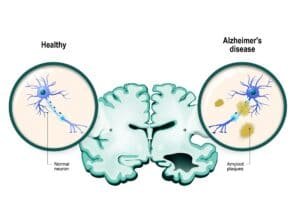
Brain Plaque link to Alzheimer's disease

The Link Between Dental Bacteria and Dementia

The makers of ProMind Complex point to dental bacteria as the basis of memory problems like dementia and Alzheimer’s Disease. This bacteria (called Porphyromonas gingivalis) cause problems when it travels from the mouth and gums up into the brain.

The bacteria generate a toxin known as gingipains, which leads to memory impairment, serious memory loss, and Alzheimer’s.

By using their simple breath test – smell your breath in the morning and have smelly breath – you can tell if you have the bacteria and are at risk of having cognitive impairment in the future.

Does ProMind Complex work? Are the makers of this supplement, correct in saying? We found research that does support their claim, suggesting that there is a link between dental bacteria and dementia.

Strong-Risk-Factor to Alzheimer’s Disease Being Dental Bacteria- Research

Researchers have discovered the gingipains toxin is present in over 90% of people with Alzheimer’s.

Researchers infected brain stem cells with Porphyromonas gingivalis, a dental bacteria which makes gingipains.

They found that the gingipains toxin caused brain cells to die and reduced tau protein– essential for helping neurons stay healthy.

These dental bacteria also increased inflammation– another risk factor for dementia and other diseases. This has led some researchers to call Porphyromonas gingivalis a “strong risk factor” for Alzheimer’s disease.

It’s not substantiated if this is the case for those who have infrequent problems with remembering.

These toxin causing dental bacteria have also been found in artery-clogging plaque. This indicates a link with heart disease as well.

Amyloid plaques in Alzheimer's disease

ProMind Complex Research- Does ProMind Complex Work?

Is there any research that supports ProMind Complex being beneficial to cognitive function? We found that there is, and there isn’t.

While there appears to be no research specifically on ProMind Complex, there is research on the ingredients it uses (as we have already outlined).

The creator’s premise behind the key ingredients is that they work best together, rather than by themselves. This is described as the entourage effect. While this appears to be the case, there is no evidence that the combination of ingredients in ProMind Complex has an entourage effect.

How Long Until Results Are Seen?

The company says fairly soon, although this will vary from person to person and the memory problems they may have. Our advice is to remember improvements in health take time. No supplement works overnight, especially when it comes to getting your memory back. The company recommends giving ProMind at least 60 days to allow the nutrients time to flood your system.


ProMind Complex Safety

The company’s website says all the ingredients used in the formula have been thoroughly tested and delivered in the right quantity and ratio for optimal efficiency, whilst ensuring safety.

The Food and Drug Administration (FDA) does not endorse dietary supplements. What it does do is regulate supplements. Regulation and approval are different. Usually, supplement companies do not need to seek approval from the FDA before selling products to the public.

Having clarified that, ProMind complex formula has been formed under the FDA-approved guidelines. The company’s website states that certified goods manufacturing practices have been met to the highest standard.

Independent third-party testing is conducted to uphold the dosage, potency, and of the product. ProMind Complex is non-GMO, vegan-friendly and gluten-free.

ProMind Complex Side Effects & Adverse Reactions

While there are no serious side effects known from taking this supplement, there are a few precautions.

The company instructs not to exceed the recommended dosage of one capsule/day. They also advise those with bleeding disorders, people taking blood thinners, and those on antidepressant medications (such as MAO inhibitors) to consult to their doctor before starting on the supplement.

Other considerations:

  • Store in a cool, dry place.
  • If the safety seal is broken, do not consume.
  • Avoid if pregnant or breastfeeding.
  • The ingredient, St. John’s Wort, may have drug interactions. This may include birth control pills. If you take medications, consult with your doctor.
  • Some ingredients may thin the blood. Stop taking the supplement at least 2 weeks prior to having surgery- including dental surgery.
  • The supplement is not intended for children.
  • For those with allergies, the product is manufactured is made in a facility that may also process milk, soy wheat eggs, peanuts, tree nuts, and shellfish.


What Are the Benefits of ProMind Complex?

1. An instant memory boost, something that allows people to act more rationally in day-to-day life.

2. Helps with keeping age-related cognitive concerns at bay, therefore helping people with enhanced brain functioning.

3. A memory-strengthening supplement, refilling the brain with memory and energy.

4. Helps maximise focus and sustain concentration.

5. Helps reclaim memory power and boost brain performance.

6. Assists with learning, whilst keeping mental fatigue at bay.

7. Helps eliminate bacterial plaque, whilst strengthening and rebuilding brain cells.

8. Alleviates anxiety and negative feelings.

9. Aids in releasing the ‘feel good’ hormone in the brain.

Dosage

This product contains 30 capsules in each bottle. The company advises that adults take one capsule a day after a meal.

Guarantee

ProMind Complex GuaranteeThe company gives a 60-day 100% money-back guarantee– valid on empty bottles too. This guarantee period begins when the product is shipped, not when it arrives.

Keep in mind, sixty days may not be enough time to tell if the product is helping you with memory and cognitive problems. The company suggests giving it at least two months to work.

How To Get A Refund

Does ProMind Complex work? If you are not satisfied with the product, return the bottles to this address: 37 Inverness Drive East, Suite 100, Englewood, Colorado, 80112.

Remember to send all opened and unopened bottles back within the 60 days.

The company will send an email when they have received your returned bottles. If you have questions/concerns you can contact the company at promindcomplex.com.

Packaging Options

ProMind Complex can be purchased in a single bottle, or in multiple bottles. The company provides a better price when you buy multiple bottles.

Shipping Information

When ordering within USA, shipping is free. The shipping rate for other countries is set at $15.95. The company does ship to Canada, UK and Ireland, Australia and New Zealand.

Once your order has been placed, you will receive an email (within 60 hours) with tracking information on your package.

US orders arrive within 5-7 days. Orders sent to other countries may take 10-15 working days.

Where to Buy ProMind Complex

ProMind Complex is only sold by the company itself at their official website. This is done to protect the product from copycat products and third-party involvement. The product cannot be purchased from retail stores or other online stores.

When reviewing this product, we found other online stores (such as Amazon) selling a supplement with the same name as ProMind Complex. On closer inspection it appears that these products are made by different companies and their ingredients are not the same.

Who Manufactures ProMind Complex?

The company is called The ProMind Complex, Inc, a sole proprietorship that was started in 2020. The Official website is ProMindComplex.com.

ProMind Complex options


Our Verdict

Although there are no clinical studies yet conducted to confirm the effectiveness of ProMind Complex, we are encouraged by several of the ingredients used in the formulation.

There is sufficient research-based evidence to support that these ingredients do help people with cognitive decline (in particular bacopa and huperzine). Whilst this is encouraging, there are also ingredients listed where their effectiveness cannot be substantiated.

The supplement may not contain sufficient levels of certain ingredients to be fully effective. For example, in a study, Vinpocetine had an effect in 2 days at 40mg/day, yet ProMind Complex has only a small amount (2mg) of Vinpocetine per capsule.

We accept the creators’ explanation that dental bacteria are a root cause of plaque build-up in the brain, causing cell decline. This is well supported by research. The ingredients specifically selected by the creators of ProMind Complex were included in the formula to help reduce gingipains toxin caused by dental bacteria. We accept St John’s Wort being a key ingredient that helps reduce plaque.

The step-by-step approach using a combination of natural ingredients working in synergy is plausible; firstly, taking out the toxins that have caused the plaque build-up that damaged brain cells, then replenishing and repairing brain cell function by improving blood flow.

Does ProMind Complex work? Although ProMind Complex demonstrates many of the attributes to help people with dementia, we don’t see it necessarily working overnight. In our view, it is likely to take several months to notice any real difference. This will vary from person to person depending on factors specific to them, such as how severe their condition is and what they are seeking help with.

We see no risk in giving the supplement a try. If you’re someone who is noticing forgetfulness, inability to focus and concentrate, and feeling a lack of motivation; ProMind Complex does have the attributes to make a difference.

Does ProMind Complex work? If you feel it is not helping, then utilize the 60-day money back guarantee to get a refund.


ProMind Complex Pros & Cons

Pros

  • Ingredients make sense
  • Several ingredients validated by research
  • Tackles root cause of brain cell damage- removal of plaque formation
  • 60- day money-back guarantee
  • Undergone rigorous testing for safety and efficacy
  • Additional benefits: heart health, blood flow, well being
  • Easy to purchase
  • Costs as little as $1.63/day

Cons

  • No research on supplement itself
  • Some ingredients’ research is preliminary
  • May take time for a noticeable result
  • Only available from the company’s web site
  • Additional delivery costs for international orders
  • Copycat inferior products found in other stores

ProMind Complex Price

15 Early Signs Of Dementia (Common) 2021

early signs of dementia

Our extensive research and study allowed us to bring you a list of the most common early signs of dementia.

As soon as you observe regular deteriorations in the condition of a person, you should not really wait for too long.

Instead, act as soon as possible and let the person that shows early signs of dementia see a doctor.

(In some cases, it might be just age-related change.)

Still, if a person is developing dementia, you will be glad that it is really early and appropriate treatment CAN apply to slower the condition.

(Dementia does not happen as part of natural aging.)

In this article, we will look at different changes you should pay attention to and what are some of the early signs and symptoms of dementia.

Common Early Signs Of Dementia

To make your lives easier, we compiled what is considered the most common symptoms of dementia especially when in the super early stage.

1. Temporary memory loss

temporary memory loss
Dementia is the term used to refer to a broad spectrum of symptoms that allude to the weakening of the brain affecting its ability to function properly.

Often the symptoms are quite severe and they affect someone’s daily life. It results from damaged brain cells affecting their normal function to communicate and facilitate different activities of the body.

Temporary memory loss which often affects someone short-term is known to be one of the early signs of dementia. It starts with someone who can often recall events that happened a long time ago suddenly not being able to remember what they had for lunch.

As it affects someone’s cognitive abilities, a person with dementia tends to forget any recently learned information. Even things like dates, events or they cannot help but ask about the same thing repeatedly.

Most find that they have an increasing need to depend on memory aids.

2. Difficulty communicating

difficulty communicating
A person with the condition may have a hard time trying to find the right words to piece together a sentence when communicating. It’s because they often can’t remember the names of items, people or places.

They may not be able to hold a MEANINGFUL conversation to the end since most times they tend to forget simple words or substitute the use of words incorrectly making sentences hard to comprehend.

They may also pause mid-sentence trying to figure out the right vocabulary to use.

What’s more, they also find that they are unable to complete a sentence at all. The result is a lot of repetition making them sound like they are babbling incoherently.

It may also be hard for them to understand those around them and this may become disheartening. To help them, you can simplify your sentences or speak a bit slower or perhaps repeatedly in case they still don’t understand.

3. Increased confusion

increased confusion
Confusion is also one of the early indications of dementia. As the brain cells begin to deteriorate, confusion may occur affecting the person with dementia’s perception of time and place.

As a result, they may not know their whereabouts, how they arrived at certain places and they even forget the way home or easily get lost.

Dementia also causes someone to LOSE track of dates, the passage of time and seasons. If you leave someone with dementia alone for a few minutes to them it may feel like a really long time.

It’s worth noting that at older ages it’s NORMAL to confuse time and dates, however, all factors considered this information often aligns.

However, someone with the disorder keeps suffering from forgetfulness regardless of their age.

4. Challenges performing everyday tasks

challenges performing everyday tasks
Difficulty in performing familiar tasks is also one of the early signs of dementia. As a result of the changes brought about by the condition, abstract thinking becomes quite hard.

Moreover, the person with dementia often shows an unusual struggle performing mental tasks.

People with this disease may at many times find it hard to handle regular everyday tasks that they had previously carried out with ease.

For example, organizing events, planning chores or make simple financial transactions like paying bills become more and more challenging due to the significant decline in brain cognition.

Something as simple as brewing a cup of coffee may prove difficult to someone with dementia because it may be troublesome to follow the right steps.

5. Repetitiveness

repetitiveness
Due to memory loss, people with dementia often end up repeating themselves or lose their chain of thought when holding conversations.

The frequent repetition of activities, questions or statements is a significant sign of reduced cognition.

Sometimes, weariness or anxiety sparks this repetitive behavior. A person with dementia may not remember handling a certain task or previously holding any conversations.

They may repeat the same question several times even after they’ve been answered over and over again.

This happens when the brain’s cerebral cortex which oversees a wide range of functions such as memory and language is damaged or ceases to perform the way it should.

When it comes to repetitiveness, it is also IMPORTANT to educate children about dementia, so they act appropriately.

6. Rapid mood swings

rapid mood swings
Mood swings are also a part of the early signs of dementia and they lead someone to suddenly respond or react irrationally.

It also elicits feelings of fear, anxiety, depression or irritability especially in situations where remembering things becomes quite problematic.

They may also be easily vexed with their colleagues, with friends, at home or in surroundings where they are out of their comfort zones.

This may be quite challenging for caregivers because the person with dementia may behave differently from their usual selves in ways that are hard to explain.

On the other hand, a person with dementia may also be less emotional than they previously were. Plus, their behavior can change SWIFTLY, resulting in rapid mood swings.

7. Poor judgment

poor judgement
Poor judgment is another hallmark of dementia that at times precedes memory loss. A person with dementia is continually unable to make apt decisions.

They may be unable to make the right call in terms of evaluating the different aspects that should be well-thought-out when making an important decision.

If your kin exhibits a pattern of unmistakably wrong decisions or actions such as driving yet they are unable to determine how fast they should go on a highway, chances are they’re suffering from dementia or a similar disorder.

It may be helpful as you cope to consider dementia as a possible reason for their behaviors that seem beyond their control.

8. Withdrawal

withdrawal
Due to the loss of multiple abilities as sparked by dementia the person afflicted soon becomes withdrawn from friends and family.

They also start to display a general lack of interest in activities that they previously found exciting.

A person with dementia may begin to exclude themselves from social activities, hobbies, or even sports that they once loved.

When they are aware of their diminished capacity to handle daily tasks, they may develop poor self-esteem and end up feeling embarrassed or even ashamed.

It leads most to retreat into isolation.

Withdrawal as a symptom of dementia often hits those who are working the hardest. It affects their productivity leading to a decline in their overall performance.

It throws them into a state of sadness and depression.

9. Problems with coordination

problems with coordination
If recognition and coordination complications begin to take effect and affect someone’s everyday life, it could be an early sign of dementia.

A person with the disorder may be clumsy, unhandy, uncoordinated and heavy-handed.

They are not performing tasks with the same ease as they used to. And this means simple things like walking, not to mention running and cycling.

They may also find it difficult to recognize familiar objects like a pot of coffee, cutlery, a cooker, kettle, toothbrush or toothpaste.

Symptoms of a loss of coordination and motor abilities include shaking, struggling to use a hairbrush or shaver and difficulty tying or untying shoelaces.

If, all of a sudden, a person starts to act awkwardly and it goes on for longer than usual, do not leave it behind thinking it will get better.

10. Inability to adapt to change

inability to adapt to change
Difficulty adapting to change is one of the typical early signs of dementia. The inability to recall people’s names or follow what others are talking about can cause nervousness and fear of new changes.

It makes someone with dementia almost obsessive about sticking to their usual routine. On the other hand, they are shying away from trying out new experiences.

Dementia can also alter the way how a person responds to different environments. They may be frustrated and irritated since they cannot follow what’s happening in unfamiliar places.

Disruptive noise, conversations, large crowds, and movements may be overwhelming for them.

Moreover, they find it even more difficult to comprehend information in such surroundings.

11. Neglecting hygiene

neglecting hygiene
Although dementia effects vary from one person to another, it gradually takes a toll on the afflicted individual.

It prevents them from taking care of their daily responsibilities as their cognitive abilities decline. This eventually leads to poor personal grooming and hygiene. Even those who were previously obsessed with their looks and cleanliness are not spared.

As the illness progresses, someone with dementia often starts forgetting to brush their teeth, change their clothes, shower regularly or even use the toilet.

They may not remember the importance of doing all those things.

Depression from the condition could also cause someone to neglect their personal hygiene. At this point, professional assistance is necessary to help them comfortably cope with the activities of daily life.

12. Misplacing items

misplacing items
Many tend to associate misplacing things with the natural aging process. However, this could be one of the early signs of dementia.

Regularly finding supposedly missing items in unusual spots such as locating the remote control in a shoe rack or missing car keys inside the refrigerator are strong indications of the manifestation of dementia.

A person with the condition may easily forget where they kept items such as books or a wristwatch.

They might end up accusing those around them of stealing or hiding their possessions.

They will also emphatically deny it due to their weak memory function and cognitive reasoning. If these underlying concerns are checked out and treated on time, the effects CAN be cured.

13. Lack of abstract thinking

lack of abstract thinking
While we already mentioned trouble with completing everyday tasks and activities earlier, lack of abstract thinking is another early sign of dementia.

There are loads of simple questions you can ask them or even use while observing a person if you notice any changes.

You might not see it the first time, but if a difference in behavior and action happens regularly, a close watch is necessary.

They might have trouble with the simplest mathematical tasks or providing a summary of the article they just read.

Even when reading the instruction for a new gadget, once they are complete, they are still not really sure how to use it.

They might repeat the reading but the end result stays the same – they are unaware of how the gadget operates. Lack of abstract thinking is especially noticeable with how well they manage their finances.

14. Inappropriate behavior

inappropriate behavior
One of the early signs of dementia is inappropriate behavior. This becomes especially evident if a person was behaving in a certain way for the majority of their time, but then they begin to misbehave for no real reason.

If it happens once or twice, even three times, it might not be too big of a deal.

However, if it becomes their repetitive practice, it is highly advisable to see the doctor as soon as possible. Some of the misbehaving acts could be aggression, both physical and mental, arguing and bickering.

One of them is also inappropriate sexual behavior, but that is something we will talk about more in-depth in a future article.

15. Mixing up time and place

miximg up time and place
Since we already chatted about this earlier, it is worth adding it in its own paragraph. While everyone sometimes forgets about what day it is, even where they are going, it is not healthy if this starts happening regularly.

If that begins to occur TOO frequently, it could be one of the early signs of dementia.

Do observe the person as much as possible. Take them to the doctor as soon as possible if this “new forgetfulness” does not go away. Acting early enough and getting treatment before the condition progresses can alleviate it tremendously.

Also, if you happen to be the person who is sensing something “weird” happening to you, again, see the doctor or practitioner as soon as possible.

10 Best Herbs for Dementia & Brain Health 2023

herbs for dementia

Through the years, we have studied and tested several herbs for dementia that you can use for people with the illness.

These are GREAT to improve brain health and even treat memory loss.

Some of these herbs have been studied for their effect on dementia and others have been tested for the effect they have on cognition which is the mental process involved in understanding, thinking, remembering, and learning.

Best Herbs for Dementia

Here are some herbs that may be beneficial for natural dementia treatment.

1. Sage

Many people recognize this herb for its PUNGENT smell.

Studies reveal that sage might also help treat dementia and enhance cognition.

One of the research reviews that was published back in 2017 stated that sage is rich in compounds that are beneficial for both neurological and cognitive function.

2. Rosemary

Rosemary is indeed a great herb for cooking different cuisines.

What you may NOT KNOW is that this herb with a lovely smell also contains some anti-inflammatory properties that can assist with memory issues.

It produces similar results to those of numerous Alzheimer’s drugs.

A controlled study with seniors showed that rosemary promotes memory and performance.

Another way persons with dementia can use rosemary is through aromatherapy where they get to utilize the potential of the herb’s potent essential oil.

3. Ginseng

ginseng
It is NOT possible to mention herbs for dementia without talking about ginseng.

The herb has numerous benefits that include reducing inflammation, improving brain function, and reducing stress levels.

A high percentage of people with dementia will benefit from ginseng treatment as it is known to CLINICALLY improve cognition.

4. Turmeric

Turmeric is rich in a compound known as curcumin which has anti-inflammatory and antioxidant effects.

These are two major factors that not only benefit brain health but your OVERALL health as well.

A review that was published in 2010 research suggests that turmeric may stave off dementia and boost brain health by getting rid of a protein fragment known as beta-amyloid.

Note that the build-up of these protein fragments is what leads to the formation of Alzheimer’s related BRAIN PLAQUES.

Alzheimer’s disease (AD) is the most common form of dementia.

Additionally, turmeric may help to inhibit the breakdown of brain nerve cells which, in turn, protects brain health.

5. Salvia

salvia
Also known as red sage root or dan shen, this is an essential herb in Chinese medicine.

Traditionally, it was mostly administered for its CALMING effect.

Modern scientific experiments disclose that salvia is helpful when it comes to enhancing microcirculation by dilating blood vessels which then improves blood circulation.

In addition to this, it can also help to slow blood clotting.

6. Ashwagandha

ashwagandha
This is another plant that makes it on the list of herbs for dementia.

It belongs to the tomato family and is native to the dry regions of Northern Africa, India, and the Middle East.

For years, it has been a staple for ayurvedic medicine because it PROMOTES healthy sleep, fights disease, and restores energy.

Recently, studies have shown that it also has the potential to improve memory and learning.


Ayurvedic practitioners recommend the herb as an agent for FIGHTING FORGETFULNESS and as a brain booster.

Researchers at Newcastle University reported that ashwagandha inhibits the formation of beta-amyloid plaques.

These are the plaques that accumulate in the brains of persons with neurodegenerative illnesses like dementia and are known to be toxic to cells in the human brain.

Scientists at the National Brain Research Centre also tested the herb on mice with Alzheimer’s.

The mice recorded IMPROVED cognitive performance after 20 days of undergoing treatment.

After 30 days, the study reveals that the brain function of the ill mice returned to normal and the amyloid plaques that were in the mice’s brain reduced significantly.

7. Ginkgo Biloba

ginkgo biloba
When talking about herbs for dementia we absolutely need to mention Ginkgo Biloba.

Commonly taken in TCM (Traditional Chinese Medicine), the herb has been used for a LONG TIME to treat dementia.

The experts who advocate for Ginkgo Biloba claim that it helps to promote blood flow by stimulating circulation something that enhances cognitive function.

Conclusive research still needs to be done on the herb because studies generate MIXED results.

8. Gotu Kola

gotu kola
In popular alternative medicine systems like TCM and Ayurveda, Gotu kola has been used to improve mental clarity for a long time.

Animal-based research also confirms that the herb can help fight oxidative stress which is beneficial for brain health.

A preliminary study that was published in 2003 in Clinical and Experimental Pharmacology & Physiology states that tests of rats concluded that Gotu kola has the potential to stop oxidative stress associated with Alzheimer’s, and it may also BOOST cognitive function.

9. Lemon Balm

Most people will consume lemon balm in tea form to ease insomnia and anxiety.

These are TWO SYMPTOMS that are common with dementia.

Studies show that this herb can also heighten cognitive function reason it is listed among herbs for dementia.

A study published in 2003 in the Journal of Neurology, Neurosurgery, and Psychiatry explained that 42 patients with Alzheimer’s took lemon balm extract or a placebo for 4 months.

When the study came to an end, it was recorded that those who were taking lemon balm showed improvements in cognitive function when compared to the ones who were on the placebo.

10. Huperzine A

huperzine a
In China, it is estimated that more than 100,000 individuals with dementia have been treated using Huperzine A.

They use it to treat AD and other types of dementia in the region. It is extracted or manufactured from club moss extract.

TRADITIONALLY, they mainly use it to treat inflammation and fever.

The herb has also been known to reduce cell injury from epilepsy, strokes, and other disorders.

Comparison Table – Herbal Supplements

[table id=12 /]

Closing Remarks

The use of herbs and natural remedies is quite promising when it comes to early treatment of dementia and other conditions that involve poor memory.

While taking herbs for dementia may be considered beneficial for the brain, it is important to seek medical advice before you START taking the herbs so that you can get the GREEN LIGHT on whether to continue or not.

Keep in mind that it is best to add small amounts of herbs and spices to your food or beverage.

More is not necessarily better as it can lead to adverse side effects, especially when it comes to spicy food.

Finally, you can GROW many HERBS AT HOME, too.

For this, we prepared a full article on how to grow a therapeutic indoor garden.


All-Natural Brain Health Supplement Reviewed

ProMind Complex ReviewedIt is not always practical to grow your own herbs. Taking a well-formulated supplement may be the solution.

ReaDemetia investigated several products that we felt had the ingredients and integrity to be worthy for our audience to consider. One product, ProMind Complex, ticked many of the boxes.

Read our comprehensive review of ProMind Complex HERE.