13 Creutzfeldt-Jakob Disease Symptoms 2023

creutzfeldt jakob disease symptoms

Today, we will look at some of the most common Creutzfeldt-Jakob disease symptoms and signs of which you should be aware.

Let’s face it, went it comes to CJD, it is important to treat the condition as early as possible.

If it is your first time hearing of the disease, read along.

First and foremost, Creutzfeldt-Jakob disease or short CJD is a destructive brain disorder that leads to dementia and even death.

However, CJD is not that common and affects approximately one person in every one million per year. A person with the disease can die within a year.

First, in the early stages of Creutzfeldt-Jakob disease, a person begins lacking memory, their vision gets blurry and even starts behaving out of place.

But these are just some of the symptoms of CJD. Moreover, when the condition progresses, a person can fall into a coma, get blind, depressed and experiences difficulty swallowing.

In short, CJD appears when prion protein gets damaged and deformed. When healthy, this protein does not cause any inconvenience to the body.

But everything changes drastically when prion does not perform as it should.

The main Creutzfeldt-Jakob disease symptoms

1. Behavioral changes

behavioral changes
Creutzfeldt–Jakob disease (CJD) is a deadly neurological disease that progressively destroys brain cells by creating small holes in the brain.

It is known to occur when prion protein that communicates message among different brain cells are damaged.

Once prion proteins are affected, they fold into an abnormal shape and in turn, they don’t function how they normally would.

When it affects the nervous system, someone experiences a series of signs and symptoms that require instant attention and care.

Some of Creutzfeldt-Jakob’s disease symptoms are psychological-based. The person affected by the illness displays a rollercoaster of behavior and emotions due to mental impairment and it gets worse with time.

2. Memory Impairment

memory impairment
When the damaging brain cells appear, the cognitive actions of individuals suffering from Creutzfeldt–Jakob disease deteriorate rapidly.

The affected person develops dementia where their memory becomes problematic and this affects their thinking skills as well.

Since the brain is incapacitated and unable to perform fully, the affected person is susceptible to confusion, disorientation and poor planning because they cannot think critically.

The person is unable to recall any recent events or exhibit general knowledge of simple things related to their surroundings.

It throws them into a state of disintegration and restlessness. With time, it may turn into distress or even depression.

3. Coordination Difficulties (Ataxia)

coordination difficulties ataxia
Difficulties with physical coordination is also another common Creutzfeldt-Jakob disease symptom.

As the illness progresses, the person with the illness develops neuromuscular defects leading to coordination dysfunction, voluntary muscle loss, and lacks of rhythm.

It happens because of the weakening of muscles and muscle mass loss, especially around the arms and legs. As a result, balance and coordination prove challenging affecting the ability to control different body parts.

Overall, it affects how someone speaks and they suddenly develop challenges walking comfortably. The assistance of a caregiver is necessary to lend them a hand to help them move around.

At the later stages, the person with the disease may suffer from the total loss of their physical and intellectual capabilities and they eventually slip into an unconscious state.

4. Slurred speech

slurred speech
Rogue prion protein damages the brain cells, making their communication ineffective. The speech of the affected person becomes incomprehensible and impaired.

They find that they are unable to communicate clearly to those around them or their caregivers. Their ability to express themselves becomes stunted or totally halted.

The reason is that a muscle tone known as hypotonia diminishes and also the tongue muscle weakness. It can even lead to facial paralysis.

When in such a state, the person with the disease may retreat into a state of isolation and despair as a result of the inevitable changes that their body is undergoing.

5. Impaired vision

impaired vision
One of the other Creutzfeldt-Jakob disease symptoms is vision impairment or total blindness. The visual signs are marked by complex visual disturbances, cortical blindness, supranuclear palsies, hallucinations, and diplopia.

When the infectious prion proteins are deposited on the cornea’s lymphoid tissue, which controls the immune response in the eye’s frontal section, the proteins damage the cortical region.

The damage results in poor vision or even hearing or seeing things that don’t really exist.

If the person with the disease develops blurry vision, it is a result of cortical damage and it may trigger discomfort making it crucial to visit an eye specialist for lasting solutions.

6. Increasing Confusion

increasing confusion
Due to memory loss and disturbed cognitive processes, a person suffering from CJD is likely to experience rapid confusion and feel overwhelmed by their current state.

They often acknowledge to themselves that they are unable to live their lives fully as before.

As another common Creutzfeldt-Jakob disease symptom, confusion leaves the affected person frustrated due to visual disturbances that make them unable to recognize simple things like their surroundings or how to get back home.

It causes them to wander around aimlessly and also feel unsafe in unfamiliar surroundings.

People with the disease often lose track of time and seasons so they require full-time care and guidance to handle their daily tasks.

7. Depression and Rapid Mood Swings

depression and rapid mood swings
As a result of the Creutzfeldt–Jakob disease taking a toll on someone battling with the illness, their mood tends to oscillate rapidly.

One moment they are happy and excited and the next minute they are agitated and irritated by their surroundings or situations that they previously enjoyed. The unexpected change sparks frustrations making them lapse into depression and despair.

They also become easily irritable and develop poor personal grooming and a loss of appetite leading to weight loss.

When out of their comfort zones, people with CJD tend to easily become upset. They may also exhibit inappropriate emotional responses like laughing when they receive or relay bad news or crying for no reason.

This may also leave their caregivers frustrated because the person becomes difficult to handle sometimes.

8. Withdrawal

withdrawal
People suffering from CJD tend to isolate themselves and withdraw from family and friends. To them, the usual activities or hobbies that they previously enjoyed no longer excite them.

It often stems from their inability to respond to social cues or the decline of their motor skills which makes them unable to perform or participate in any task.

It makes them feel embarrassed and this results in low self-esteem which makes them prefer to retreat to seclusion.

Also, being unproductive causes psychological distress to the persons with Creutzfeldt–Jakob disease so they choose to be by themselves.

The changes experienced during the course of the illness bring about an overall personality and behavioral change and it is wise to approach the person with the disease with utmost care.

9. Swallowing Difficulties

swallowing difficulties
The diminished performance of different body parts arises when the damaged brain cells stop functioning as they should also affect the muscles around the mouth.

It may make swallowing problematic and this may lead to malnutrition.

For instance, if the swallow reflex or the coordination of the throat muscles are affected, the affected person finds it hard to chew or move food in the mouth while at the pharyngeal stage.

At this stage, the tongue pushes the food back to the mouth triggering the swallow reflex as the windpipe closes briefly.

It poses an even greater risk of choking which could prove fatal. For sufficient nourishment, the caregivers should consider perennial feeding and consult with a physician.

10. Abnormal gait/walking

abnormal gaitwalking
Abnormal walking or gait is one of the other Creutzfeldt-Jakob disease symptoms that are common. It comes about due to the communication breakdown between the muscles and the brain.

As the nervous system is damaged, the body is unable to control intricate synchronized movements affecting normal walking.

Since normal walking requires the collective help of systems that oversee coordination, strength, and sensation, someone with CJD is often unable to sustain normal movements.

Also, the body of the person with the disease is unable to maintain a rigid posture; they experience unsteadiness and difficulty in balancing physical configurations as a normal person would.

11. Issues With Bladder and Bowel Control

issues with bladder and bowel control
When the communication between the brain cells that facilitate bladder and bowel function weakens, it leads to issues with bladder or bowel control.

As a result, someone with CJD may experience instances of uncontrolled urine or stool passage. When the brain cells are unable to communicate on when to contract the sphincter or rectal muscles, urinary or fecal incontinence is inevitable.

It often starts as leakage when passing gas and as the illness progresses the situation worsens. In such situations, the caregivers turn to products like diapers or tiny plugs to handle the situation.

However, if cases worsen or progress medical intervention is necessary.

12. Difficulty Sleeping

difficulty sleeping
While you might not have any of the signs mentioned here, have you taken a look at your sleeping behavior?

Chances are, you are experiencing insomnia and you are not even aware of the consequences it brings.

Indeed difficulty sleeping is one of Creutzfeldt-Jakob disease symptoms which you should pay close attention to.

In other words, if you find that sleeping is troubling you and is not as quality as it used to be, you better talk to your doctor for any possible additional examination.

Let’s face it, without a good solid 7-8 hours worth of sleep, the long-term effects on our body can be catastrophic.

13. Numbness

numbness
When it comes to Creutzfeldt-Jakob disease symptoms, one of them is numbness that can occur in some parts of the body.

Whether it’s fingers on hands or feet or even the whole arm, it can happen that a patient loses a sense of feel.

Creutzfeldt-Jakob disease symptoms conclusion

As a caregiver or even a family member, you should always pay close attention to all kinds of changes in the body, both physical and mental.

Those small shifts can help take action early enough to prescribe the right treatment and alleviate the condition.

In the majority of cases, we act almost too late, so make sure that’s not you. Let these symptoms help you discovering Creutzfeldt-Jakob disease as soon as possible.

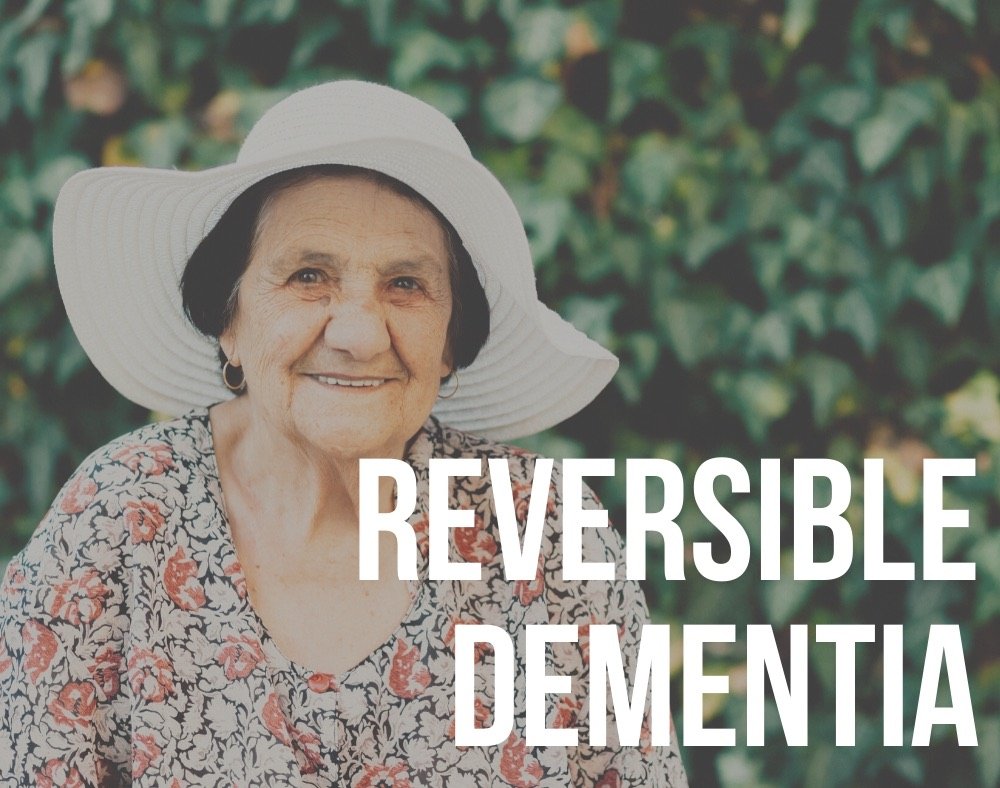
8 Reversible Dementia Causes and Symptoms

reversible dementia

If you have never clearly understood the reversible dementia causes and symptoms, you came to the right place. In short, in this article, we discuss the most common ones that you need to be aware of.

One of the most disheartening dementia facts is that it has no cure.

This implies that if a person gets a positive dementia diagnosis, they will have to live with it until their last day.

This said, it is important to note that some conditions exhibit dementia-like symptoms, which can make one confuse other diseases or infections for dementia.

These are often known as reversible dementia causes and some of them include:

Most Common Reversible Dementia Causes

1. Psychiatric Disorders

psychiatric disorders
Some psychiatric disorders, such as depression, can also cause dementia-like symptoms in seniors.

Worth noting is that depression can be one of the signs of dementia. Depression can make a person LACK motivation and have problems with paying attention or feeling lethargic about daily activities.

If someone does not have dementia, treating dementia can help to improve cognitive abilities.

It is important to understand depression symptoms as well as get an accurate assessment from the experts to get prompt treatment for better emotional and cognitive health.

2. Tumors

tumors
Tumors, especially the ones that develop in the brain, are known to be part of reversible dementia causes.

Depending on its size and location, many people may confuse this tumor for dementia.

Brain tumors are responsible for multiple symptoms that can negatively affect judgment, memory, impulse control, and personality changes, amongst many others.

Depending on the affected person, treatment can offer the benefit of full restoration, especially when it is a tumor that can be successfully removed.

3. Normal Pressure Hydrocephalus

normal pressure hydrocephalus
Also known as “water in the brain,” NPH (normal pressure hydrocephalus) is a condition that causes extra spinal fluid to build up in the brain instead of traveling to the spinal column via the brain.

When this happens, a person will normally experience a couple of symptoms, such as:

Proper diagnosis is essential in the event a person is going through the above.

This is because there is a HIGH chance of reversing some, if not all, of the confusion and memory impairment.

Early identification is always best because it allows treatment on time, which generally offers better results.

4. Subdural Hematomas

subdural hematomas
Older adults are at high risk of developing subdural hemorrhages, which are also known as subdural hematomas.

This is where blood vessels in the brain tear and break leaving behind a pool of blood between the dura and the brain. This typically makes a person experience symptoms like lethargy, confusion, headaches, and difficulties with speech.

When an individual with subdural hematomas does not undergo treatment fast enough, the condition can be fatal.

However, if this is detected early enough, treatment can involve surgery or medication that will drain off all the excess blood in the brain.

When everything goes to plan, the person will not experience any NEGATIVE symptoms related to this type of hematoma.

5. Low Levels of Thyroid Hormones

low levels of thyroid hormones
Thyroid disorders can also make individuals experience symptoms that might be mistaken for dementia.

This can include communication problems such as finding the proper words to complete sentences, reduced levels of concentration, memory loss, slower visual processing, and poor spatial organization.

Problematic cognitive symptoms can crop up because of both hyperthyroidism and hypothyroidism. Should a person experience any of the above symptoms, it is vital to see a specialist right away.

With PROPER treatment, all the symptoms may disappear after a while.

6. Sleep Deprivation

sleep deprivation
Lack of sleep also belongs to the category of reversible dementia causes.

Sleep deprivation is a major cause of memory loss. Experts also point out that when you do not get enough sleep, it can make some parts of the brain shrink.

Sleeping well is crucial for good health.

If you suffer from constant sleep deprivation, you will most likely go through cognitive decline and experience loss of memory. This can have a huge impact on how you reason and think.

Thankfully, this is not something you have to live with for the rest of your life. A professional medic can treat this successfully in regaining your memory and cognitive function.

7. Central Nervous System Infection

central nervous system infection
Several CNS (central nervous systems) infections are also known to cause treatable cognitive impairment. Examples of these include AIDS dementia complex, tuberculous meningitis, and bacterial meningitis, etc.

Most of these usually meet dementia’s diagnostic criteria.

For instance, HIV-associated dementia may present challenges with memory and concentration, as well as social withdrawal, apathy, and motor dysfunction.

Multiple studies state that with adequate treatment, we can REVERSE the symptoms. In the case of antiretroviral therapy produces the best results.

8. Metabolic Disorders

metabolic disorders
When talking about reversible dementia, it is important to mention that metabolic disorders vitamin B12 deficiency can make a person have symptoms that are similar to those of dementia.

These mostly include behavior changes like irritation and agitation, as well as memory loss. Many people will have low levels of vitamin B12 because of a poor diet.

Health issues like Crohn’s disease or pernicious anemia may also be responsible for this deficiency. As people grow older, the ability to absorb this particular vitamin may reduce.

Doctors may prescribe vitamin B12 supplements to people who have low levels of the vitamin. These may also help to restore or improve memory as well as cognitive functioning.

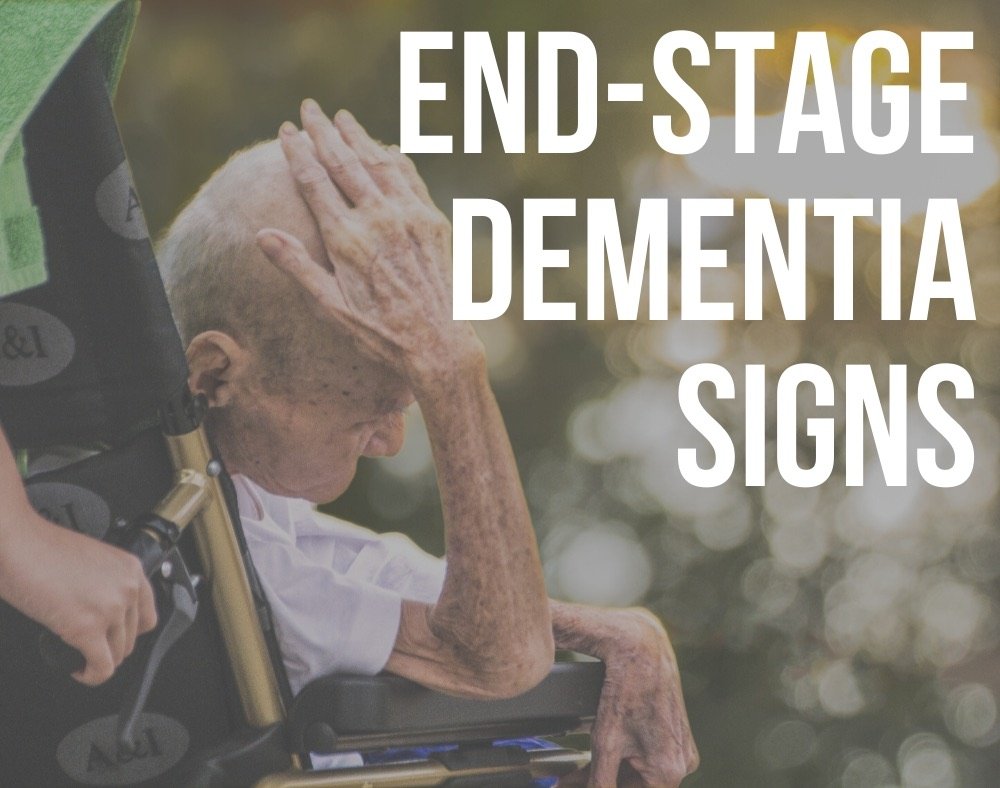
7 End-Stage Dementia Signs in Elderly

end-stage dementia signs

We noticed multiple different end-stage dementia signs over the course of 10 years of our experience with this deadly condition.

This essentially means that the person with the disease and caregivers should start preparing for the affected person’s demise.

It is important to note that the illness affects people differently. Thus, the severity or timings of the end-stage WARNING signs may vary from one person to the next.

After diagnosis, most people will live between 4 to 20 years.

Before their final days on earth, a person who has dementia may showcase several symptoms.

Below we will discuss seven of the most common signs that occur during the last stage of dementia.

Most Common End-Stage Dementia Signs

1. Trouble Communicating

trouble communicating
You will notice that many people with dementia at the onset have a little bit of trouble communicating with others. This becomes WORSE as the years go by.

During the severe/last stage of dementia, the ill person will have significant communication issues. Some only use expressions or words sparingly to express themselves.

Most people do not verbally communicate at the very end. During the later stages of dementia, affected individuals may not be able to understand when other people talk to them.

In the event of no speech, persons with dementia may use facial expressions, body language, or show agitation to communicate their feelings and needs.

2. Health Problems

health problems
A wide array of health problems belong to the category of end-stage dementia signs.

This is where a person with dementia may become frail and prone to illnesses like infections such as pneumonia, pain or discomfort.

UTI’s (Urinary Tract Infections) are particularly common in the end stages. These can speed up the progression of the disease or cause more confusion in the people who have dementia.

Some persons may experience more side effects with the medications they are taking. Health problems may also include problems with vision, hearing, and mobility.

If treatable, any health conditions must be QUICKLY diagnosed and taken care of.

In addition to medication, caregivers should also try non-drug approaches like a massage and other alternative therapies to help offer relief to the persons with the illness.

3. Severe Memory Loss

severe memory loss
When a person with dementia gets to the final stages of the illness, high chances are that they will have SIGNIFICANT memory problems.

They may lose the ability to remember even the most recent memories.

For instance, a person may not recall what they have just eaten or who they were speaking to an hour ago. A high percentage of persons with the illness believe that they are living in earlier times, for example when they were still teens.

This implies that they may start to behave or using words that may not make sense to people around them.

The affected person may also lose their ability to recognize themselves or other individuals close to them, like children, friends, colleagues, and neighbors, etc.

4. Incontinence and Toilet Issues

incontinence and toilet issues
Another example of end-stage dementia signs is toilet problems and incontinence. As the illness progresses, there is a possibility that the person will EXPERIENCE some accidents while trying to use the washroom.

It can be anything from the occasional urine or fecal leaks or a total loss of control when the person needs to use the toilet.

Many factors can cause this, such as:

  • Forgetting where the facilities are or forgetting to visit the toilet in time
  • Constipation
  • UTI
  • Not recognizing the need to use the toilet
  • Prostate gland issues, etc.

To avoid inconvenience, there are many incontinence products that patients with dementia can use.

5. Problems with Mobility

problems with mobility
People with dementia may also experience mobility issues as they go through the last stage of the disease.

Most people will lose their ability to stand, walk or get up from a bed or chair gradually.

At this point, the affected individuals may start to experience more falls.

While not all people with dementia will have mobility problems, the issues may be brought about by dementia, balance problems, medical conditions like stroke, drugs, and the environment, amongst others.

People with mobility problems are likely to DEVELOP other issues, like bedsores because they can sit or sleep in one position for a long time without moving.

When mobility decreases, the person with dementia is also at risk of blood clots and other infections.

6. Problems with Eating and Drinking

problems with eating and drinking
Changes in eating and drinking patterns are also considered to be part of end-stage dementia signs.

Most people will lose their appetite, which makes them eat less. As a result, most people with dementia will lose weight in an unhealthy manner.

Losing weight may have an effect on a person’s IMMUNE system, making it harder for the body to fight off other diseases.

Many people will have a problem with eating and drinking because they develop mouth sores or have problems swallowing.

Swallowing issues arise when a person’s reflexes and muscles cease to function correctly.

7. Loss of Independence

loss of independence
When talking about end-stage dementia signs, it is only right to mention that a person with the illness may lose their independence. This means that they cannot do simple daily tasks on their own.

They have to rely on caregivers to assist with tasks like taking a bath, dressing, walking, eating, brushing teeth and so forth. This usually means that a person cannot live on their own.

A person must get all the care they need so that they do not suffer too much before they exit the earth. If it is NOT POSSIBLE to offer the support that a person needs at home, it is best if they move to a facility that will take care of their needs.

In the end, even though dementia is fatal, most will die of medical complications that are related to dementia.

For example, a person’s death may be a result of aspiration pneumonia or a blood clot as a result of being bedbound and immobile.

Reduce Risk Of Dementia (11 Tips)

reduce the risk of dementia

We found numerous different approaches to how you can reduce risk of dementia.

Unfortunately, many start acting when it is way TOO LATE.

However, one of the reasons is also the fact that we keep too many things for ourselves instead of sharing them with our loved ones.

If you feel like something is happening with you, you notice a change in your thinking, your mind, whatever, talk about out it to your partner, family or friends.

Sometimes, we happened to be ashamed or embarrassed to talk about particular topics. But you should not be. Who knows, the other person might be experiencing the same situation, too.

Imagine HOW supportive you would be of each other. After all, we are all here to help one another, and an honest conversation is a great start.

Today, we will look at some of the things and activities that HELP reduce the risk of dementia.

For whatever reason, we frequently find ourselves in a loop of doing the wrong thing over and over again.

When doing the wrong thing for too long, things like dementia and Alzheimer’s can happen.

Watch after yourself.

Steps To Reduce Risk Of Dementia

Obvious but often overlooked.

1. Being Physically Active

reduce the risk of dementia
Dementia is a group of symptoms that contribute to the slow and continuing DECLINE of the brain hence affecting its abilities.

Its symptoms include short-term memory, confusion, problems with speech and thinking speed affecting someone’s ability to do their daily activities.

Fortunately, there are several ways to reduce the risk of dementia. One of them is being physically active.

Engaging in physical activity is good for the heart, weight control, as well as overall wellbeing.

Lack of exercise is reportedly responsible for a particular risk percentage of this condition.

Therefore, it’s less likely for people who don’t exercise to maintain higher cognition levels compared to those who take part in physical activities regularly.

2. Eating Healthy

eating healthy to reduce the risk of dementia
Another way of reducing the risk of developing dementia is by eating a balanced diet.

Maintaining a healthy diet and weight doesn’t only reduce the chance of risks of this illness, but it also minimizes risks of other conditions too like cancer, diabetes, stroke, and heart-related diseases as well as obesity.

The brain needs a consistent supply of nutrients present in our food to enable it to function to its full capacity and remain healthy.

Therefore, what we eat affects how the brain works. Eating sugar-laded foods and those with high levels of saturated fats can raise our cholesterol levels.

The MOST EVIDENT effect is often weight gain increasing heart disease risk and other health conditions associated with dementia.

3. Don’t Smoke

dont smoke to reduce the risk of dementia
Not smoking or kicking the habit can also reduce the risk of dementia. Cigarette smoking can be detrimental to heart health.

The chemicals in tobacco tend to trigger inflammation and the brain’s vascular changes putting one at a higher risk of getting dementia.

It harms blood circulation in the body, including the brain, heart, and lung blood vessels and these free radicals can lead to cell damage, possibly contributing to the development of this disease.

This would lead to increased cognitive impairment and cardiovascular risk factors associated with dementia.

Even though NOT EVERY smoker will get dementia, quitting the habit is thought to minimize the risk.

4. Cutting Down on Alcohol Consumption

cutting down on alcohol consumption
Long-term and excessive alcohol consumption leads to impaired cognitive function as well as neurological damage depleting the body’s thiamine, causing a type of dementia known as Alcohol-related dementia (ARD).

This form of dementia deteriorates the intellectual function even though memory may not be precisely affected but may arise with other dementia forms resulting in several symptoms.

These SYMPTOMS INCLUDE muscle jerks, extreme confusion, unsteadiness, nausea, vomiting and lack of ability to move one’s eyes.

People with this form of dementia that affects the brain’s frontal lobes often display a loss of planning and a lack of inhibition.

Additionally, their brain’s vascular system changes and increased hemorrhage risk.

5. Taking Part In Mentally Stimulating Activities

taking part in mentally stimulating activities
Some studies have linked mentally stimulating activities by reducing the risk of dementia. Others too, have linked spending MORE TIME studying to lowering the risks.

Engaging in mentally stimulating activities that one enjoys in a social setup increases the chances of successful cognitive training.

Although it’s not crystal clear which activities are more beneficial, it’s advisable that one engages in WHAT THEY LOVE. That could be reading, playing an instrument or even tackling crosswords.

This way, one’s brain is kept active, improving and maintaining their mental wellbeing as it also helps boosts one’s spirits while socializing with others.

Good thing is, one can strengthen their brain at any age, whether through leisure activities or workplace achievement.

6. Treating Depression

treating depression
The correlation between depression and dementia risk is significant. This is because depression is a high-risk factor for dementia since it significantly increases the chances of the illness.

Earlier-life depression is associated with causing changes in the brain that make it susceptible to vascular dementia as well as Alzheimer’s disease many years later.

Even though depression is NOT a CAUSE of this condition, it also has a certain percentage risk responsible for it.

Despite the causal relationship between the risk of dementia and depression has not been established, it is good to treat early-life depression to minimize the chances of developing dementia

7. Hearing Loss

hearing loss
The association between hearing impairment and dementia onset is impartially new. Hearing loss may cause more stress to an already weak brain regarding the possible changes that eventually occur.

It may also cause the persons with dementia to retreat into isolation, leaving them depressed, dependent and lonely as they withdraw from crowds or their usual social activities.

It is still unknown how hearing loss relates to cognitive FAILURE and dementia, but it is said to contribute to different specific cognitive abilities such as processing speed, visuospatial ability, executive function, and memory.

Although old age could contribute to this relationship, a hearing loss too could play a role in developing dementia.

8. Controlling Blood Pressure Levels

controlling blood pressure levels
Uncontrolled high levels of blood pressure are bound to create complications by damaging and narrowing the brain’s blood vessels. Eventually, this increases the chances of the blood vessels becoming blocked or even bursting.

When this occurs, cells in the brain may be impaired due to a lack of an insufficient supply of oxygen and nutrients in the blood.

This damage, therefore, can cause vascular dementia affecting one’s memory and thinking skills.

Moreover, diabetes also associates with cognitive dysfunction progression. This possibly will INTENSIFY the risk of getting dementia.

Hence, controlling someone’s blood pressure and observing their lifestyle may save them from this condition.

9. Maintaining Social Contact

maintaining social contact
Frequent social contact is yet another way of reducing risk of dementia. This includes visiting friends, going out of comfort zones and also engaging in group activities.

Unlike loneliness, which may increase the risk of the illness, socializing does the complete opposite.

Social isolation is a breeding ground for depression. It also contributes to a higher risk of developing other conditions like heart disease and hypertension.

People who ACTIVELY take part in social activities can also lessen the progression to dementia compared to those who isolate themselves once they develop the condition.

10. Meditation

reduce the risk of dementia with meditation
Reportedly, deep concentration and relaxation can lead to new brain cell growth, preventing the shrinking of the brain that is linked to Alzheimer’s.

Several studies have shown that “quieting” your mind is of paramount importance when it comes to reducing dementia risk.

People who meditate and take part in yoga sessions have MINIMAL brain atrophy compared to those who don’t. This is because meditation increases the brain’s protective tissue that helps us feel less worried and minimizes the effects of the cortisol hormone.

It also helps fight negative thinking.

Cortisol is also associated with health problems related to lack of enough sleep. On top of that, it escalates the risk of having dementia.

The waste-draining system is highly active when asleep, which in turn clears the beta-amyloid levels in the brain.

11. Quality Sleep/Rest

quality sleep and rest
While there might not be any clear evidence of whether or not sleep and dementia have something in COMMON, make sure you get enough rest every day.

That would be, on average, at least eight hours.

Keep in mind, there was a small study done that does somewhat support the idea that quality sleep CAN DECREASE the development of dementia. In short, the less REM sleep, the higher the chance of dementia.

To learn more about this subject, we published an in-depth article that shares all the information necessary about the connection between sleep and dementia.

Dementia and Amnesia (The Difference?)

dementia and amnesia

We found it time and time again the importance of understanding the difference between dementia and amnesia.

This is one of the reasons it is important to discuss the differences between the two.

There are SEVERAL areas in which amnesia and dementia differ, and we will discuss them in-depth in this article.

What is the difference between dementia and amnesia?

Definition

definition dementia amnesia
Dementia can be described as a progressive disorder that affects various domains like attention, language, memory, judgment/ executive function, perception motor i.e. visual construction and visual perception and social cognition.

This normally influences an individual’s day-to-day activities because it affects the capability to perform basic motor functions.

Dementia also showcases personality distortions.

We can describe amnesia, on the other hand, as the inability to recall old memories or form new ones.

It is among the most common symptoms of dementia and is also known as an amnestic syndrome. People who have amnesia retain their motor skills.

Causes

causes of dementia and amnesia
Although some common causes can lead to both amnesia and dementia, others remain distinct.

Experts state that dementia is brought about by the loss or damage to nerve cells and their connections in the brain.

Many resources also include age as one of the causes of dementia.

Diversely, there is a wide range of conditions that can result in amnesia.

These may include but are not limited to seizures, head injury, brain surgery, severe illness, hysteria, high fever, concussions, drug or alcohol abuse, Alzheimer’s disease, stroke, general aesthetic, and electroconvulsive therapy.

Symptoms

symptoms
Amnesia generally has two primary features. One is challenged with learning new information after the onset of dementia.

The other one is having a difficult time recalling past events or information that was once familiar.

In dementia cases, when a person experiences memory loss, it does not affect a person’s general knowledge, intelligence, judgment, attention span, identity or personality.

In most cases, individuals with amnesia can UNDERSTAND both spoken and written words.

They can also learn new skills, like playing the piano or riding a bike. Many of them also know that they have a memory disorder.

The symptoms of dementia are quite different from those of amnesia.

Persons with dementia may have issues with solving problems or planning.

Many are confused about the place or time and have challenges completing tasks they frequently do like getting to a familiar location, making coffee, or changing the settings on the TV.

Most also have issues with writing or speaking, and they have a hard time grasping visual information as the disease progresses.

It is also common for persons with dementia to experience changes in personality and mood as well as withdrawing from their social circles.

Types

types
We also see the differences between dementia and amnesia in the different types of these conditions.

There are about nine different types of dementia. These are

Primarily, there are two types of amnesia i.e.

Retrograde amnesia

retrograde amnesia
This is the inability to recollect details that a person acquired before a specific date, usually the date of operation or accident.

Anterograde amnesia

anterograde amnesia
It is the inability to relocate new details to the long-term store from the short-term memory store. People with this type of amnesia cannot recall things for long periods.

The two types of amnesia are not mutually exclusive because they can both occur at the same time.

Treatment

treatment
When looking at the differences between dementia and amnesia, it is worth talking about treatment.

Sadly to date, there is still no cure for dementia.

The disease is typically progressive, disabling, and fatal.

With amnesia, most forms usually fix themselves without the need for treatment. However, if there is a need for treatment, doctors may recommend different options such as:

1. Treatment of psychiatric conditions like schizophrenia, depression, bipolar disorder, and anxiety, etc.

2. Cognitive therapy using expert language or speech therapists especially for persons who have mild to moderate loss of memory.

3. Treating the underlying medical conditions that result in amnesia. These are conditions like kidney and liver diseases, low thyroid functions, head injuries, stroke, bleeding and blood clots in the brain amongst others.

Rates

dementia and amnesia rates
When differentiating dementia and amnesia, statistics indicate that dementia is MORE prevalent than amnesia.

Across the globe, there are more than 50 million individuals who have dementia. There are up to 10 million new cases that crop up every year, according to the World Health Organization.

Even though amnesia has been prominently featured in movies, it does not affect as many people in real life.

A study on transient global amnesia records that amnesia usually affects people between the ages of 40-80 years and it has an incidence of 5 per 100,000 population every year.

Dementia and Amnesia Closing Remarks

Several points come up when differentiating dementia and amnesia, as highlighted above.

Summing up, amnesia is memory loss, while dementia is a global loss of higher brain functions.

Rapidly Progressive Dementia (Treatment & Diagnosis)

rapidly progressive dementia

Over the course of our studies, we discovered different types of dementia, including rapidly progressive dementia (RPD).

This is a form of dementia where deterioration from onset happens at a SPEEDY rate when you compare it to other dementias.

Experts, most of the time, predict two years as the time frame for the development of the illness. However, in most cases, RPD usually develops sub-acutely in a few weeks or months.

Various factors can lead to the development of RPD like:

The progression of RPD is different from one person to another because it mostly depends on the cause.

Persons with the disease usually develop problems with communication, movements, thinking, and personality.

Let’s find out more RPD explicitly touching on the diagnosis process and available treatment options.

Rapidly Progressive Dementia Diagnosis

diagnosis
RPD is rare and challenging to diagnose. Nonetheless, accurate and early diagnosis is essential because a majority of the causes of the illness are treatable.

If you suspect that a person has the illness, it is advisable to see a doctor who specializes in these medical conditions.

The professional then makes a proper diagnosis.

The practitioner might ask some questions concerning the medical history of the person suspected to have the illness, the progression of symptoms, recent possible exposures i.e. from toxins, infections, chemicals, or travel as well as any similar diseases present in biological relatives.

Thorough documentation of all medications, both prescribed and non-prescribed, is also imperative.

The medics also perform CAREFUL physical examinations. These help spot any physical issues as well as evaluate the current mental function level.

These examinations determine whether there are other neurologic features present and whether there are any organs in the body that are affected by the illness.

To confirm whether a person has rapidly progressive dementia or not, doctors normally combine different types of diagnosis methods to come up with conclusive results. These include:

Rapidly Progressive Dementia Tests

Laboratory Tests

laboratory tests
Ancillary testing is crucial mainly because many RPDs have similar clinical features.

Doctors may request various laboratory tests that may include:

  • Blood tests
  • Urine tests
  • Brain imaging like electroencephalogram which measures electrical activity in the brain from the scalp, MRI or CT.
  • Cerebrospinal fluid tests which involves looking at the clear fluid that surrounds the spinal cord and the brain.

The results that the doctor will gather from the tests can HELP to determine the cause of the disease.

Lumbar Punctures

lumbar punctures
A lumbar puncture or CSF can also be performed on a person to determine if they have rapidly progressive dementia.

It is usually beneficial for persons who have neoplastic, infectious, or autoimmune disorders.

EEG

Some doctors also find that it is necessary to conduct EEG in a bid to rule out seizures as one of the causes of RPD.

Brain Biopsy

In a few cases, a brain biopsy is necessary.

RPD Treatment Options

treatment options
Regarding rapidly progressive dementia, it is important to mention that treatment for most cases of RPD is palliative.

The illness is perpetually fatal, and experts give it a median survival rate of 6-11 months even though some people can live for three years upwards.

On the other hand, some types of RPD are reversible if doctors can efficiently treat the cause of the disease.

For instance, if the illness is a result of hormonal imbalance or cancer, treatment CAN TARGET these specific conditions in a bid to help treat RPD.

Some treatment options that may help curb treatable RPD include:

Paraneoplastic and Autoimmune Encephalopathies

paraneoplastic and autoimmune encephalopathies
If medical practitioners suspect autoimmune encephalopathy, they will recommend a trial of immunotherapy for the ill person, which will help to treat RPD in responsive persons.

Immunotherapy, however, does not work when the person with dementia has infections that will become worse after immunosuppression.

Physicians also avoid steroids when lymphoma is differential because it can DELAY EFFICIENT treatment. Worth noting is that steroid trials work as diagnostic tests as well as treatment options.
This implies that doctors need to administer a high dosage for a clear clinical response.

The doctor will determine the number of steroids to give out because currently, there is no documentation on the minimum steroid dose that is sufficient to treat dementias that are immune-mediated.

Persons who cannot tolerate steroids will often go through PLEX (plasma exchange) or a course of IVIg.

Toxic Metabolic

toxic metabolic
To treat toxic-metabolic etiologies, doctors will first find out the specific disorder that they need to tackle.

Thiamine deficiency is one of the disorders that has proven to be more affordable and easier to treat empirically rather than going in to rest the thiamine levels.

Specialists use A COMBINATION of glucose and thiamine to treat a person who has Wernicke encephalopathy to help with treatment.

Taking Care of Infectious RPD

rapidly progressive dementia
When it comes to treating infectious rapidly progressive dementia, infectious disease specialists should first detect the type of infection that the person had before recommending the appropriate treatment.

For example, antivirals are normally suggested to individuals who have viral encephalitis. Medics also screen persons with RPD to look for infections like Lyme disease, syphilis, and HIV.

When diagnosed EARLY enough, such infections are treatable.

This is one of the reasons why it is essential to consult the specialists soon enough so that they have adequate time to identify and treat the infection before it is too late.

Maintenance Therapy

maintenance therapy
Studies indicate that persons who have positive responses to immunotherapy trials often require long-term treatment because relapse rates are usually high.

Individuals with RPD must, therefore, also go through maintenance therapy to maintain remission. Most people will go through suitable osteoporosis and screening for latent tuberculosis as part of this process.

Clinicians will, however, advise on the best approach for maintenance therapy depending on an individual’s progress regarding treatment.

Antiviral Medications

antiviral medications
These are medications that come in handy, especially in cases where prion diseases cause RPD.

The medicines, when administered in the right way, help to significantly improve clinical status where persons with the illness record a relapse of symptoms.

Depending on the individual, a doctor can also prescribe anticonvulsants to help deal with seizures.

Doctors may also prescribe other forms of medications that will offer relief to the persons with RPD, depending on why they got the illness in the first place.

In instances where the individual does not have the option to take medicine, the TREATMENT approach mainly FOCUSES on improving the quality of life and making sure that a person is as comfortable as possible.

Some of the options available when it comes to this include:

In-Home Care

in-home care
Because many people who have rapidly progressive dementia do not have many years to live, it is advisable to think of collaborating with an in-home care agency.

These are companies that have the experience and the expertise needed to care for a person who has medical conditions like RPD.

It works well for families that want their loved ones to stay at home while receiving expert care round the clock.

Staying in a familiar environment is beneficial as it helps to offer persons with RPD peace of mind and security.

This also allows NON-PROFESSIONAL caregivers (friends and relatives) to go on about their business so that they can spend time with their unwell relatives when they are free without feeling too overwhelmed.

In-home care professionals may offer services like assistance with dressing, walking, grooming, bathing, as well as medication reminders, appointment transportation, light housekeeping, meal preparations, errands, and shopping, amongst others.

Take time before working with any in-home agency to ensure you settle on the RIGHT FIT for the affected individual.

Above all, ensure that the person who will be spending time with the person with RPD has proper qualifications and preferably has experience working with persons who have this type of dementia.

When in-home care does not give the results a family is looking for, it is probably best to look for an appropriate care facility that will be in tune with the needs of the ill individual until they take their last breath.

Working with Routines

working with routines
It may also help to develop routines that the person will follow. Many individuals with RPD find comfort in routines. This is because, when crafted well, they help to reduce anxiety and confusion.

Routines can include waking up, sleeping, exercising, and eating at specific times.

For instance, an individual can wake up at six am have breakfast at seven am shower an hour later, rest, eat lunch at one, participate in an activity at three, go for an evening walk or exercise at five and retire to bed at eight pm.

Remember that when coming up with routines, it helps to consider the needs of the suffering person so that their day is full of activities they enjoy and love.

The routine should also not be cast in stone. It should be adjusted along the way to ensure the person with dementia has productive and comforting days.

Conclusion

Rapidly developing dementia, unlike other forms of dementia, usually develops at a fast rate.

While some cases of RPD are treatable after early diagnosis, others are irreversible, depending on the cause. If a loved one ever gets RPD, it is best to consult a doctor as soon as possible.

It is important to know the next steps to take to ensure a person receives the right treatment. Not to mention, lives comfortably until the illness runs its course.

Sugar And Dementia (Makes It Worse?)

sugar and dementia

We reviewed numerous studies that suggest a possible link between sugar and dementia.

This is after researchers confirmed that consuming TOO much sugar in any form puts a person at a higher risk of getting dementia.

One longitudinal study exposed the fact that persons with high levels of blood sugar experience faster cognitive decline rates than the ones with normal blood sugar levels.

Another study by Melissa Schilling reveals that elevated insulin plays a huge role in the development of dementia.

Seeing that too much sugar is one of the RISK factors of dementia, which still has no cure, to date, it is important to keenly study the relationship between the two to find out how both factors reconcile.

Below you will uncover some of the ways that consuming too much sugar can increase the risk of developing dementia EVEN at a young age.

Poor Insulin Control

poor insulin control
When your body always has to deal with insulin resistance, it means that you will be at a higher risk of developing dementia.

Note that when you eat different types of food, including sugar, starches, and carbohydrates, the body breaks them down into glucose.

When the digestion process takes place, the small intestines and the stomach absorb all the glucose and then sends it into your bloodstream.

Insulin, which is a hormone that the pancreas produces, transports the sugar/glucose in the bloodstream to the cells in your muscles and other organs.

Your body will produce MORE insulin when the levels of blood sugar are too high. This implies that insulin will, essentially, try to give the cells more sugar.

When this happens, the cells are bound to try and protect themselves from insulin’s powerful effect, thus creating insulin resistance.

The pancreas then responds to this resistance by giving the body even more insulin. This creates a vicious cycle where insulin resistance results in higher blood sugar levels.

Where there is an insulin spike, too much glucose will find its way to the brain through the bloodstream. This will eventually DESTROY the cells in the brain, a move that can lead to the development of dementia.

An Overdose of Glucose in Brain Cells

an overdose of glucose in brain cells
The brain needs glucose as a source of energy.

However, when there is too much sugar in the brain, the cells in this organ can easily absorb the glucose.

It is worth noting that brain cells, unlike other cells in the body, do not require insulin to absorb glucose. This means that the cells in the brain will DIRECTLY absorb the glucose from the bloodstream because sugar usually crosses the barrier in the brain fast.

When too much sugar is flowing in the brain, it will NOT PRODUCE useful mental energy. This is because the brain can only convert sugar into energy with the help of insulin.
After a long period of consuming simple carbohydrates and sugar, the brain will have an overflow of sugar that is not beneficial in any way.

In fact, when talking about sugar and dementia, it is safe to say that a high insulin load will prevent the brain from using glucose as a source of energy because it will have excess levels.

When the brain cells do not get the energy they need from glucose, they eventually die off one of the events that lead to the onset of dementia.

The sad fact is that brain cells get too much sugar but CANNOT make good use of it.

Too Much Sugar Clogs the Brain and Causes Inflammation

too much sugar clogs the brain and causes inflammation
Another front that shows evidence of the link between sugar and dementia is the fact that obese individuals have a doubled risk of developing dementia.

Most people will become overweight because of a poor diet that mostly consists of too much sugar.

As a result, this causes clumps in the brain that affect how it functions. To better understand this concept, it is essential to know that obese persons typically have TOO MANY amyloid proteins in the brain.

These proteins are toxic to the brain because they stick together and start forming clumps. These clumps are usually present in the brains of people who have different forms of dementia.

In the medical world, there is still a huge debate as to whether the clumps that amyloid proteins form are responsible for dementia even though they are generally present in persons who already have dementia.

Experts also believe that HIGH sugar amounts in the body can cause inflammation.

Inflammation has been LINKED to dementia, diabetes, heart diseases, and cancer. Inflammation inside the body is akin to a swollen red, infection on the skin that is full of puss.

When there is inflammation in the brain or other parts of the body, the body has to get into a position where it is always fighting infections.

When this happens, it will lead to cognition breaking down because the brain, as well as the blood vessels, are irritated and swollen.

Eating Sugar Leads to Addiction

eating sugar leads to addiction
Experts have established that excess sugar in the brain can impair both cognitive skills as well as self-control. Many people experience cravings after consuming a little sugar.

Sugar is known to have a drug-like effect on the brain’s reward center. Scientists propose that sweet, salty, and fatty foods can produce addiction effects in the brain.

This results in overeating, loss of self-control, and CONSEQUENTLY weight gain.

This drive, on the other hand, can lead to excess amounts of sugar in the brain, which is a dementia risk factor.

Too much sugar in the brain is harmful as it can result in deficits in attention, memory, and slow cognitive function.

Too much Sugar Leads to Strokes

too-much sugar leads to strokes
Another possible variable when discussing sugar and dementia is the fact that too much glucose in the blood vessels can lead to stroke.

This is because a spike in blood sugar can cause the vessels to become weak. Meaning, they will not function as they should leading to strokes, which can make a person get various dementia forms.

In such a case, the brain cells will die because they lack oxygen.

How to Reduce Adverse Effects of Sugar and Dementia

how to reduce adverse effects of sugar and dementia
It is almost IMPOSSIBLE to cut off sugar in your diet, seeing that most fruits are loaded with sugar. This, however, does not mean that you should not try and limit the amount of sugar that goes into your system.

There are several steps you can take to prevent getting dementia because of too much sugar like:

Balancing blood sugar

balancing blood sugar
This has everything to do with the things that you put into your mouth.

Avoid those high-fat and sugar diets because they will only lead you into trouble. Take off the unhealthy stuff that includes alcohol, refined carbs, caffeine, dairy, processed foods, etc.

Instead, your diet should constitute healthy alternatives like leafy green vegetables, nuts, good fats, and grass-fed meats, among many others.

These foods are not only great for your waistline, but they will also make the brain very happy.

If you are NOT TOO sure about the foods to be eating, it is best to work with a dietician who will give you proper guidance.

Remember that sugars present in soft drinks and sweets can lead to a spike in blood sugar levels. The ones from complex carbs are absorbed in a slower rate.

Exercising

exercising
Another way to tame blood sugar is to get physically active. This helps to reduce blood sugar levels and weight if need be.

If you have not been working out for long, try and schedule at least 150 minutes of exercise every week.

You DO NOT have to go into a gym or start working with an expensive professional trainer.

Brisk walking for a few minutes every day can do the trick. Take short but frequent breaks as you walk. This can be as short as forty seconds or one minute.

This can help to lower blood sugar effectively.

Some experts also advise taking a walk after meals. Exercising can also mean taking the stairs more than using the lift, parking a little further from your destination, and moving around if you sit around for hours.

When you are more active, your muscles will increase their glucose intake, which will prevent instances of insulin resistance.

Get enough rest and avoid stress

get enough rest and avoid stress
Giving the body enough rest is crucial if you want to protect the health of your brain. This includes getting quality sleep and listening to your body when it needs to rest.

Additionally, it is also important to avoid stress triggers because they are not good for your health.

Do things that you love and enjoy and talk to a trustworthy person if you feel like things are getting out of hand to keep stress at bay.

Sugar and Dementia Conclusion

It is now evident that there is a connection between sugar and dementia.

Experts agree that faster cognitive decline happens when there are high sugar levels in the blood, whether the sugar levels make a person diabetic or not.

It is one of the reasons why you should control sugar consumption while ADOPTING a healthy lifestyle to reduce the risk of dementia and other diseases.

Depression And Alzheimer’s Disease (Common?)

depression and alzheimers disease

We reviewed and studied the possible connection between depression and Alzheimer’s disease with out team of experts.

Almost HALF of the population with Alzheimer’s Disease (AD) will experience depression symptoms at some point.

Depression is a condition that causes people to feel irritable, sad, or hopeless most of the time. This can occur during any stage of the disease and most of the time, it makes symptoms of AD more severe.

For instance, depression can make an ill person experience more confusion, anxiety, and forgetfulness.

Experts agree that depression plays a significant role in disease progression, disability, and caregiver burden.

Some people will showcase depressive signs during the early stage, while others will have these in the middle or later stages of Alzheimer’s.

In some cases, depression may COME AND GO while in others, it stays for long periods.

Below we look at more in-depth details of depression and Alzheimer’s, including possible causes, symptoms, diagnosis, and treatment options.

Causes of Depression in Persons with Alzheimer’s

causes of depression and Alzheimer's disease
It is not easy to pinpoint the exact cause of depression in a person who has AD.

However, there are a few factors that might lead to depression like:

  • After hearing the diagnosis, a person may fall into depression during the early stages of the illness.
  • Losing independence as the illness progresses can also be the cause of depression.
  • Side effects of certain medications can also result in depressive symptoms.
  • Social isolation and fatigue might also cause depression.
  • Feeling stressed or worried about issues like the future, relationships, and money.
  • Physical illness.
  • Having a genetic predisposition to depression.

Symptoms of Depression in People with Alzheimer’s Disease

symptoms of depression in people with alzheimers disease
Depression affects individuals in different degrees and ways. Medics usually talk of severe, moderate, and mild dementia.

Diagnosing depression in a person who has AD can be challenging.

This is because the symptoms of depression and Alzheimer’s tend to overlap.

Examples of common signs for both include:

  • Social withdrawal
  • Apathy
  • Loss of interest in hobbies and other activities a person previously enjoyed
  • Impaired thinking
  • Trouble concentrating
  • Feelings of low self-esteem
  • Pains and aches that seem to have no physical cause

Worth noting is that cognitive impairment that people with Alzheimer’s experience typically makes it CHALLENGING for them to articulate guilt, sadness, hopelessness, and other feelings that come with depression.

Other signs that are common with depression include:

  • Trouble sleeping
  • Loss of appetite and weight
  • Lack of energy
  • Not wanting to be around others
  • Crying all the time
  • Feeling worthless
  • Being irritable and agitated most of the time
  • Having thoughts of suicide or death repeatedly

Diagnosing Depression in Alzheimer’s Disease

diagnosing depression in individuals with AD
Experts have not yet come up with a single questionnaire or test that medics can use to diagnose depression in persons who have Alzheimer’s disease.

Medical professionals must conduct a thorough evaluation, particularly because there are medical conditions and side effects of medicines that can produce comparable symptoms.

It is essential to diagnose depression in persons with AD because it can respond positively to treatment.

Evaluation for depression usually includes:

1. Mental and physical examinations
2. Review of a person’s medical history
3. Interviews with relatives who know the individual well

It may be helpful to consult a geriatric psychiatrist to handle the evaluation because of the complexities that are involved in the entire process.

The professionals specialize in identifying and also treating depression in older adults.

Treatment Options for Depression in Alzheimer’s

treatment options of depression and Alzheimer's
When it comes to treating depression and Alzheimer’s, the timing of the condition will determine the most appropriate treatment option.

There are two main approaches for treating depression, and these are using medications, therapies, and non-drug approaches.

Use of Medications

use of medications
A doctor may prescribe antidepressants to treat severe or persistent depression in persons with AD.

These can include drugs like SSRIs (serotonin reuptake inhibitors) and others that can help to ease sadness and lift moods.

Some people with Alzheimer’s may also be put on mood-stabilizing medicine or specific antipsychotic drugs to help treat depression.

A person must be cautious when taking these medications because some may not be helpful for somebody with Alzheimer’s.

This is particularly in cases of mild depression.

Another reason is that chemicals in the brain that cause depression are usually different for persons with Alzheimer’s.

Additionally, the cause of distress for some people may be something that medicine can’t fix, such as social withdrawal.

Depression mediation might also cause problems like dizziness, falls, and confusion amongst other side effects. It is usually advisable to try other treatment options before taking the medicine route.

Because every person with AD is unique, they might need to try different drugs under a doctor’s instructions to identify the ones that will work and present fewer side effects.

At times, one person may need to consult several doctors before determining what works for them.

Therapies

therapies to help with depression and Alzheimer's Disease
A person with depression and Alzheimer’s can try different therapies to try and get rid of depression. This mostly works for individuals with moderate depression.

Examples of helpful therapies include:

Psychotherapy

This is where an individual works closely with a professional psychiatrist or psychologist to come up with an effective solution to the depression problem.

These are professionals who specialize in treating mental health.

Talking therapy

These are therapies that encourage suffering people to talk about how they feel.

Professionals base this on the model of how the human mind works. Psychotherapists, counselors, and other experts can conduct the sessions so that that participant can get the desired results.

Studies show that after several sessions of talking therapy, depression reduces in persons who have Alzheimer’s.

Various forms of talking therapies exist, including CBT (Cognitive Behavioural Therapy), interpersonal therapy, and counseling as well.

Some medics may also recommend transcranial magnetic stimulation or electroconvulsive therapy as part of treatment. These are brain stimulation techniques that can help a person with AD.

A GP can also suggest other therapies that they feel will be helpful to the individual with AD.

These therapies typically need to be modified to suit a person’s level of memory, understanding, and communication.

It is usually best to work with therapists who have experience working with persons who have dementia.

Non-Drug Approach

non drug approach
There are several options that people with Alzheimer’s and depression can try if not on medication to treat depression such as:

1. Exercise

Getting physically active can also help reduce depression symptoms significantly. This also helps a person to stay fit which ultimately improves their health.

Make sure that the individual only takes part in ENJOYABLE physical activities depending on their ability so that working out does not stress them out.

If a person has more energy in the morning, program exercise activities at this time.

2. Counseling and support groups

Professional counseling and being part of helpful support groups can also help to take care of depression in people with AD.

This is usually helpful for mild depression that lifts by itself after some time.

3. Being around other people

It is important for people with depression and Alzheimer’s not to spend all their time alone because they will sink further into depression.

Participating in enjoyable group activities with loved ones or even other people in similar conditions can decrease depression symptoms.

4. Routines

A reassuring routine can reduce the negative effects of depression.

It helps to schedule predictable routines that take advantage of a person’s best time of the day to undertake activities they may find challenging like taking a bath.

5. Interaction

One-on-one interactions with other people may also help. This includes hand-holding, conversations, and gentle massage when appropriate.

6. Living environment modifications

Modifications to the affected person’s living environment are also advisable. This is where changes like reducing loud noises and bright lights can help create more comfortable and soothing living spaces.

Some people may not be comfortable in areas that have too many people.

7. Familiar places and activities

Coming up with a list of places, activities, and people that the ill individual enjoys and scheduling them more frequently can also help treat dementia.

8. Positive vibes

Caregivers and other people around the person with depression need to emit positive vibes at all times. Remember to celebrate small occasions and successes as this helps everyone to feel better; thus, fight depression.

Spark happiness in them.

Nurture the affected person with inspirational or soothing activities or their favorite foods.

Caregivers also need to reassure the person, letting them know that they appreciate, love, and respect them as a valuable member of the family or society.

Depressed persons also need to know that they will not be abandoned. Furthermore, people should also have realistic expectations when dealing with individuals with the illness.

Expecting too much can upset all parties.

Caregivers need to look after themselves, too

Caregivers of persons with depression and Alzheimer’s should also remember to take care of themselves.

Looking after persons with AD is usually not easy.

If caregivers do not indulge in self-care, they risk experiencing too many frustrations and other negative feelings to a point where they will not be in the right frame of mind to care for the individual.

Taking adequate breaks and seeking help when feeling overwhelmed are some of the steps caregivers can take so that they do not become worn out.

Depression and Alzheimer’s Closing Remarks

It is common for people with Alzheimer’s to experience depression often. This is not something to ignore and wish away.

Proper diagnosis needs to be carried out so that the treatment of depression and Alzheimer’s can start as soon as possible.

Early treatment often leads to a better quality of life for persons with AD, and it also makes life more enjoyable and easier for caregivers and other people around the person with Alzheimer’s.

If you found value in this article, you may also enjoy reading our article on ‘What is Peusododementia?’ 

14 Effects Of Dementia On A Person [Mental & Physical]

effects of dementia

The effects of dementia on a person go from mild to severe, depending on the stage of the disease. Also, they may vary from person to person.

In other words, not all experience the same impact of dementia on their mental and physical state.

Since we are continuously doing researches and studies, you can later come back to this article and find new effects that we will add.

As a caregiver, family member or relative, it is crucial to understand the main and most common effects of dementia.

This way, you will easier recognize the disease and seek help from a doctor. Not to mention, if a person with dementia experiences rapid mood swings, you know it is not you who is the source of the circumstance.

While this might be HARD to comprehend, you need to develop a thick skin when you are around a person with dementia.

Let the effects of the disease have no impact on you.

Typical Effects Of Dementia On A Person

1. Poor nutrition

mental and physical effects of dementia
A person with dementia suffers from different emotional and physical symptoms. These can include severe loss of appetite or the loss of willingness to ingest meals.

As a normal person without any mental incapacity, it is already typical for everyone to skip a meal when experiencing constipation or toothaches.

Thus, imagine what a person with dementia who is constantly suffering from emotional and physical pain goes through and the (poor) nutrition they consequently get from these sufferings.

Additionally, another cause of poor nutrition may be traced to communication problems such that a person affected with dementia may have difficulty indicating his hunger.

Another factor could also be the lack of appetite due to frequent changes in medication. This can also cause (rapid) weight loss in patients with dementia.

2. Aggressiveness

aggressiveness
If a person is in pain, it is normal that their behavior or mood may suddenly change without their awareness.

Aggression is another effect of dementia that may be seen in a person suffering from this kind of mental incapacity.

There are two major factors why can a person with dementia act or show aggression.

1. First is a physical abnormality.

The stress caused by physical changes to the body can affect his or her inhibitions and make them less aware of what kind of behavior is appropriate.

They may also have less tolerance for environmental changes since the surroundings may be too busy or overwhelming.

Temperature intolerance is also another reason for aggression. It is a fact that these physical changes may lead to another factor – psychological abnormality.

2. Psychological abnormality is the second factor. With this, the person affected may feel disrespected.

For example, a person may feel that he is being prevented from doing things he ought to do.

3. Reduced hygiene

reduced hygiene
It is quite normal for people with dementia to forget or neglect personal hygiene, dressing and grooming.

They may skip basic activities such as:

1. Bathing, as fear of water can sometimes be a problem.

The person may not be able to gauge the depth or temperature of the water and will be frightened to step into it.

2. Changing clothes, as changing clothes is essential for hygiene and personal freshness.

However, a person with dementia might just skip changing clothes, keep wearing the same old ones.

Thus, they might need a bit of encouragement removing dirty clothes at the end of the day and putting on clean ones the next.

Being a person who loses interest in life inevitably loses his interest in cleaning himself regularly as well.

4. Anxiety

anxiety
Dementia is both a mental and a physical torture where one’s psychological well-being could really get affected.

Once affected, it causes one’s brain to be overly stressed, thus, making a person emotionally and mentally weak.

Accordingly, this is how a person with dementia develops anxiety.

He or she will start to be frightened of everything. According to the video presentation, a person with anxiety caused by dementia will be extremely withdrawn from a crowd.

It is because a crowd makes them suffocated and anxious.

An anxiety attack can be distinguished when one is experiencing heart palpitations.

Anxiety also activates a natural stress response which causes the body to increase perspiration or sweating.

Additionally, one can also experience shortness of breath during an anxiety attack.

5. Sleep disorder

sleep disorder
A person suffering from dementia is also experiencing problems in sleeping. It is because their memory seemingly becomes worse after a bad night.

However, according to studies, sleep disorders usually afflict a person in the later stage of dementia.

As the disease progresses, the damage to a person’s brain becomes more extensive and he or she gradually becomes weaker and frailer over time.

This one may be the least experienced effect of dementia but it is still essential to know how dementia affects one’s sleeping patterns.

If you see a loved one oversleeping all throughout the night or spending their time sleeping all day time and even finds themselves sleepy regularly, such circumstances may indicate that a person’s condition is getting worse.

6. Depression

depression
When a person is suffering from dementia, his or her common response with regard to their usual routines is having uncontrollable mood swings.

Sometimes, the person becomes extremely jolly or too fearful.

Their inability to complete simple daily tasks at home, work or in school leads to multiple frustrations, and a buildup of demotivation and mental breakdowns.

These instances unconsciously lead a person to develop depression and anxiety.

Depression is the most prominent mental health problem of a person with dementia.

In some cases, symptoms of depression are often confused with the early stages of dementia but both of which are actually related to one another.

7. Communication challenges

communication challenges
Dementia makes it difficult for a person to speak or to communicate, and this can be upsetting. This is another effect of dementia that can make a person frustrated.

You might hear persons affected using filler words most of the time when trying to express themselves.

It is because they are having trouble finding the right words/sentences on how they can describe what they feel, what they want to eat, or even what they want to do.

Besides, a person with dementia may repeat words or phrases and stutter every time they try to communicate with other people.

We all need to communicate regarding our needs, wishes, and feelings. Losing the ability to communicate effectively negatively changes the quality of our life.

8. Repetitiveness

repetitiveness
According to Enomwoyi Damali, living with her mother who has dementia has taken some time adjusting to. Her mother usually asks her the same things over and over again a hundred times.

In the latter part of this mental illness, this effect of dementia occurs and becomes cognizable.

The cause of repetitiveness is the feeling of being anxious and frightened as well as seeking comfort, security, and reassurance.

A person affected with dementia may also have trouble understanding what’s going around him or her because of memory incapacity, hesitations, loss of feeling for a time and even boredom.

Always try to remember that the person is not difficult on purpose as this effect could be more frustrating to them more than what you feel every time you listen to him or her.

9. Trouble adapting to the environment

trouble adapting to the environment
A sudden change in surroundings could really make a person hard to adapt.

This is an impact of dementia wherein a person does not enjoy changes as much as what he or she was used to.

Small changes could incite negative emotions in the person who is suffering from dementia, and changes from the environment can also result in confusion and feelings of being frightened frequently.

A constant change in one’s environment can also result in anxiety attacks.

A person who is having a hard time concentrating, thinking, and expressing one’s emotions might not accept or totally reject adaptation to the environment.

10. Irritability and mood swings

irritability and mood swings
In the mid and especially late stages, a person who has dementia may begin to lose control of his impulses.

This is the most alarming effect of dementia, which may lead to hurting another person emotionally.

A person who has dementia may even say tactless things, like “Gosh, you look old!”, which they would never say before.

In the later stage, more aggressive acts often seem to come out of nowhere, including cursing, arguing, shouting, and even threatening.

As dementia gets worse, the person loses tolerance for a lot of things and situations which makes his or her mood change constantly.

11. Stressed family relationship

stressed family relationship
Engaging with a person suffering from dementia in the house can be quite stressful, not only to the one in charge but also to the one taking care of the person with this mental illness.

A person with this kind of brain incapacity requires a lot of attention, understanding, and patience.

It could also be so tiring doing the routine regularly. This engagement could cause a domino effect with other family members.

Recognition could be a problem as well and should already be expected, as the person affected may not recognize anyone of the family members when things get worse.

A person may only remember their parents; or in the worst-case scenario, no one.

12. Demotivation

demotivation
If one is sad, he is most likely to feel sluggish and lazy for a short time.

If one is depressed, he or she is unable to get the strength to be motivated which may persist for months – even years.

For a person diagnosed with dementia, it is twice as worse.

An individual who is dealing with the effects of dementia often loses the eagerness to fight it or looking at life with a positive outlook.

Now that his mental capability slowly weakens, his reason for living and fighting for the people whom he used to know and care for dies.

Anxiety and depression are two of the common reasons why a person especially suffering from dementia can be demotivated.

These certain groups of people need tons of genuine moral, financial, and emotional support from family members friends to make them feel secured, well-attended, loved and respected.

And that no matter what happens, there is always a reason to look forward to another day even if they do not remember how to anymore.

13. Trouble learning new things

trouble learning new things
If your loved one is diagnosed with dementia (predominately any type), one of the effects is trouble/difficulty learning new things and solving problems.

It becomes very evident that even if you repeat them what to do several times, not only do they not show interest in it, they are struggling, too.

Offer a helping hand and together solve the task.

The last thing you would want to do is to start screaming and yelling at them.

Unfortunately, this is part of the progression of dementia. Instead, you should introduce all sorts of different dementia activities which will help keep their brain active.

Said that, keep them engaged in various exercises as often as possible for as long as possible. This will slow down the process of dementia, worsening their well-being.

14. Unable to concentrate

effects of dementia- unable to concentrate
Unfortunately, with the progression of dementia, a patient will eventually have a hard time concentrating and focusing. Their attention span will decrease drastically, too.

In some instances, the slightest distraction can put them off, almost forgetting what they were doing just seconds ago.

As a caregiver, family member or friend, in these situations, patients matter most. One thing you must absolutely not do is to argue with the person.

It is an unpleasant effect of dementia that we cannot avoid but alleviate.

With different exercises, like opposite cards and other fun memory activities, you can contribute to the lack of their concentration, aiming to boost the attention span.

Most importantly, always keep calm.

Cooking Therapy for Dementia (Benefit?)

cooking therapy for dementia

After close investigation, we saw that cooking therapy for dementia is one of the therapies that people living with dementia benefit from.

QUITE significantly.

Some experts describe cooking therapy as a therapeutic technique that uses cooking, arts, gastronomy, and people’s personal, familial, and cultural relationships with food to address psychological and emotional issues.

It is also a popular alternative therapy with great benefits.

An article in Psychology Today described cooking therapy as one of the ways to simultaneously nourish the mind and feed the soul.

How Does Cooking Help Dementia?

Cook Book for Dementia
MIND DIET Cookbook for Beginners: Tasty and Nutritious Recipes for Optimal Brain Health (The Alzheimer’s Prevention Food Guide)

Also known as kitchen or culinary therapy, cooking therapy is also considered a form of SELF-CARE according to Dr. Axe.

This is because it helps people save money, relieve anxiety, and the result is a product that an individual can enjoy on their own or share with others.

Professionals agree that cooking can support an individual’s mental and physical health in multiple ways.

This is why this type of therapy can be beneficial to a person with dementia. It is, however, important to make sure that seniors engaging in cooking therapy do so safely depending on their current abilities.

Persons with dementia SHOULD ONLY take part in tasks that do not put them at risk of injury.

Some of the appropriate kitchen activities are:

  • Washing vegetables
  • Rolling dough
  • Setting the table
  • Mixing ingredients
  • Cleaning dishes
  • Making simple meals like sandwiches and fruit salads

Avoid letting the elderly handle sharp cutlery, hot stoves, and other risky actions.

It is best to gauge what an individual is CAPABLE of handling even for the most willing and able seniors.

Always match the tasks assigned to the functional level of the individual with the neurodegenerative illness.

With this in mind, let’s look into some of the ways individuals with the progressive illness can benefit from cooking therapy.

Benefits of Cooking Therapy for Dementia

Reduces Stress

reducing stress
A 2018 review revealed that cooking can help enhance mood and reduce anxiety symptoms by giving participants a sense of accomplishment, control, and providing for themselves or others who will end up eating the meal.

Dementia often brings negative emotions and feelings caused by frustration and confusion. Cooking can HELP get rid of such by reducing some of the behavioral symptoms that people with dementia showcase.

For instance, a SIMPLE act of kneading dough or washing potatoes can reduce irritability and depression.

This is because a person is presented with a task that they can accomplish and enjoy which aids in relieving stress.

Encourages Physical Activity

encourages physical activity
One of the perks that cooking therapy for dementia presents is encouraging individuals with the illness to get on their feet as they prepare ingredients and clean up afterward.

Physically, cooking requires some movements in fingers, shoulders, neck, elbow, neck, wrists, and good overall balance. An EXCELLENT activity for the entire body if you will.

Muscle strength is also required in upper limbs for chopping, cutting, and mixing.

While it may not be an intense workout, cooking sessions allow people to enjoy a fun and creative exercise that is relatively active.

Promotes Healthy Eating

Most people who engage in cooking therapy end up being mindful of what they put in their mouths.

promotes healthy eating

High-quality diets are crucial for maintaining brain health. Dr. Andrew McCulloch wrote that nutrition should become a mainstream daily component of MENTAL HEALTH care.

Including foods that are rich in various nutrients including legumes, dark leafy greens, berries, and oily fish, etc. has been linked with better outcomes for persons battling mood disorders.

Research also links nutrients like amino acids, omega-3 fats, magnesium, B vitamins, zinc, and iron to improved brain health.

Triggers Happy Memories

Mind Diet For Dementia Recipe Book
MIND DIET: Eating for a Sharp Mind and Healthy Brain (The Alzheimer’s Prevention Food Guide & Cookbook)

Cooking makes people FEEL nostalgic especially during family gatherings, over the holidays, and other traditional events.

Persons with dementia can reminisce on good times they had in the past cooking or sharing meals with loved ones.

Time Magazine researchers suggest that humans associate food with happy memories. The smell is another powerful element that triggers nostalgia.

Note that the part of the brain that processes smell is the EMOTIONAL center of the organ.

This implies that individuals are biologically hardwired to evoke emotions through smell.

Susan Whitborne professor of psychological and brain sciences at the University of Massachusetts explains that food memories involve all five senses reason they are more sensory than other types of memories.

Cooking therapy can also enhance brain stimulation through various actions that the senior participants in.

For starters, a person needs to concentrate on the activity a move that gives the brain a workout.

Encourages Self-Expression and Social Bonding

cooking therapy for dementia
One of the benefits of cooking therapy for dementia is when seniors cook in a group setting.

They have a good time working with peers and other staff members where they end up enjoying the support and help of others.

It is quite EASY to bond over a delicious meal or snack.

The process of creating these foods offers the elderly an opportunity to have fun and provides a social outlet for self-expression.

Closing Remarks – Cooking Therapy for Dementia

Many professionals agree that cooking therapy for dementia is quite beneficial for various stages of the illness.

This has even led to the introduction of therapeutic kitchens in many long-term care facilities.

Not only do residents use the kitchens but the staff and family members as well.