Art Therapy And Dementia Benefits

art therapy and dementia

If you have dementia or know someone with the illness, you may be interested in the topic of art therapy and dementia.

British Association of Art Therapies defines art therapy as a type of psychotherapy that uses art media as its primary communication mode.

Persons who engage in art therapy do not need any skill or experience in art.

In most cases, a professional art therapist will steer the art therapy sessions. Their main aim is to help clients use art materials in a safe environment to grow and change on a personal level.

In the past, paintings and drawings have been categorized as a useful part of therapeutic processes within psychological and psychiatric specialties.

How does Art Therapy Help Dementia

Now that you have an idea of what art therapy is, let us get into some of the reasons persons with dementia will benefit from art therapy.

Art Therapy Stimulates the Brain

art therapy stimulates the brain
Art projects create an avenue where patients with dementia can express their creativity in a fun and relaxed manner.

Therefore, art therapy can stimulate the brain in different ways.

This can help to stir memories and at times it can even encourage speech. Some studies confirm that art therapy activities can help boost cognitive function in several areas of the brain.

This, in turn, helps to enhance the functions of the brain, communication, and social interactions.

Engages Individuals in a Myriad of Activities

engages individuals in a myriad of activities
When it comes to art therapy and dementia, ill persons get a chance to engage in tons of activities that can help create pleasant experiences and memorable moments.

Nowadays, art activities go beyond drawing on blackboards of papers.

Participants can enjoy other fun activities, like:

  • Using dough or clay for sculpting
  • Paint by numbers
  • Painting using watercolors
  • Pencil or charcoal drawing
  • Creating jewelry
  • Making cards
  • Being part of community art projects and much more

These art activities help relieve stress, stimulate senses, and boost hand strength.

Art therapy has a way of making somebody with dementia laugh, smile, move, or speak which is great especially when it comes from non-verbal seniors.

They can also create a sense of accomplishment and purpose as many persons usually feel proud and fulfilled after finishing one of their creations.

Improves Psychological and Behavioral Symptoms

improves psychological and behavioural symptoms
A high percentage of people with dementia will exhibit symptoms such as anger, restlessness, anxiety, depression, sadness, and other psychological and behavioral symptoms as the disease progresses.

Experts believe that when persons with dementia take part in art activities, it can help regulate mood and help them express themselves in a comfortable and safe environment.

Negative emotions are reduced significantly when someone with dementia takes part in artistic activities.

Additionally, impaired individuals can strengthen self-control through free-form creations which ultimately helps to improve their quality of life reducing incidences of psychological and behavioral symptoms.

This is another reason why it is important to look into art therapy and dementia seriously.

Enhances Social Skills and Communication

enhances social skills and communication
Through art therapy, caregivers understand the inner world of persons with dementia better, thus, improve communication with them.

In group settings, individuals with dementia get a chance to express themselves not only to the art therapist but their peers as well as helping improve their social skills.

This is because they can form good interpersonal relationships where they no longer have to suffer the negative consequences of social isolation.

Studies focusing on art therapy and dementia revealed that even those with severe dementia were able to strengthen their sense of belonging in a group after voluntarily engaging in coloring activities under caregiver guidance.

The individuals with the illness enhance their social skills by focusing more on eye contact and the exchange of body contact.

It is also common for patients with dementia to become more vocally active when they are participating in art topics they are familiar with.

This is because the topics may stimulate pleasant past memories which trigger their interest in specific art activities, hence promoting social skills and self-expression.

Helps Alleviate Caregiver Burden

helps alleviate caregiver burden
Taking care of people who have dementia is quite challenging. This is especially because there is no textual description of how the disease progresses. The condition will also not affect all persons identically.

Carers must, therefore, examine for subtle changes in the persons they are looking after when their communication abilities start to diminish.

With art therapy, caregivers can know the proper steps to take when offering care depending on how the individual behaves while engaging in various activities.

For instance, abrupt changes in art style may be an indication of further progression of the illness.

During group sessions, caregivers also get a chance to interact with each other where they can get emotional support as they share pointers on care experiences.

Closing Thoughts

It is undeniable that there are a lot of positive things that persons with dementia get when they participate in art therapy.

In addition to opening up a new effective communication channel as well as reduce negative emotions, art activities can also help strengthen and develop fine motor skills through hand and brain coordination.

Studies are also going on concerning the benefits of art therapy and dementia.

For your information, there are also many other alternative therapies for dementia that help with the patient’s condition.

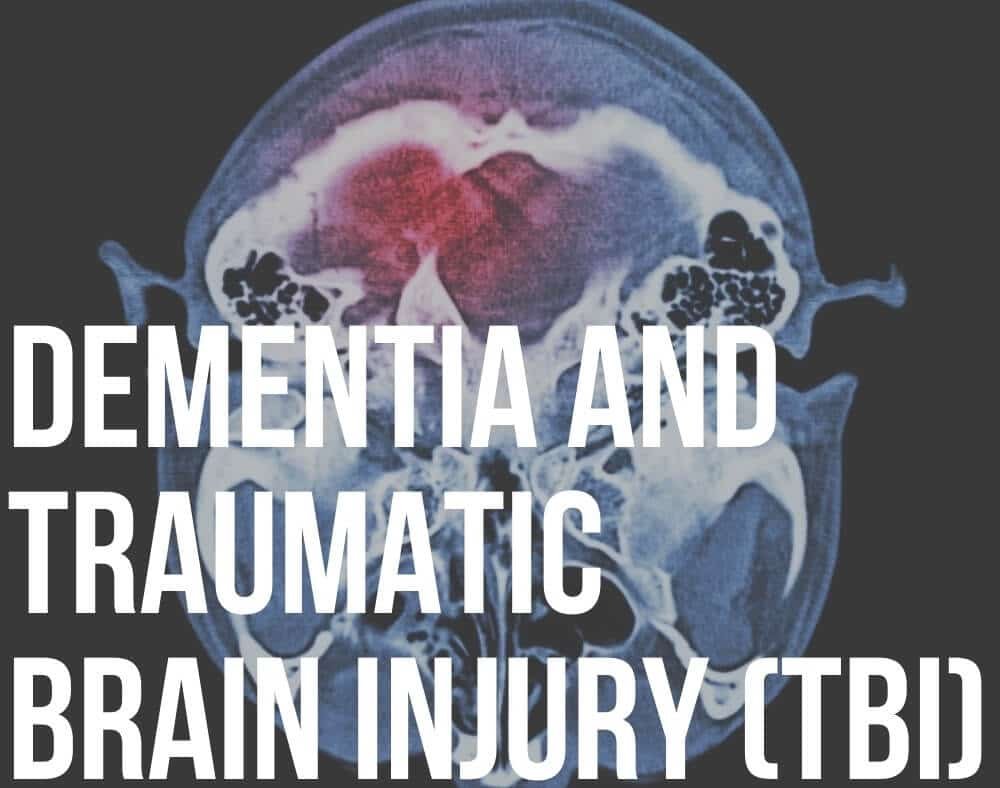
Dementia and Traumatic Brain Injury (TBI)

dementia and traumatic brain injury (TBI)

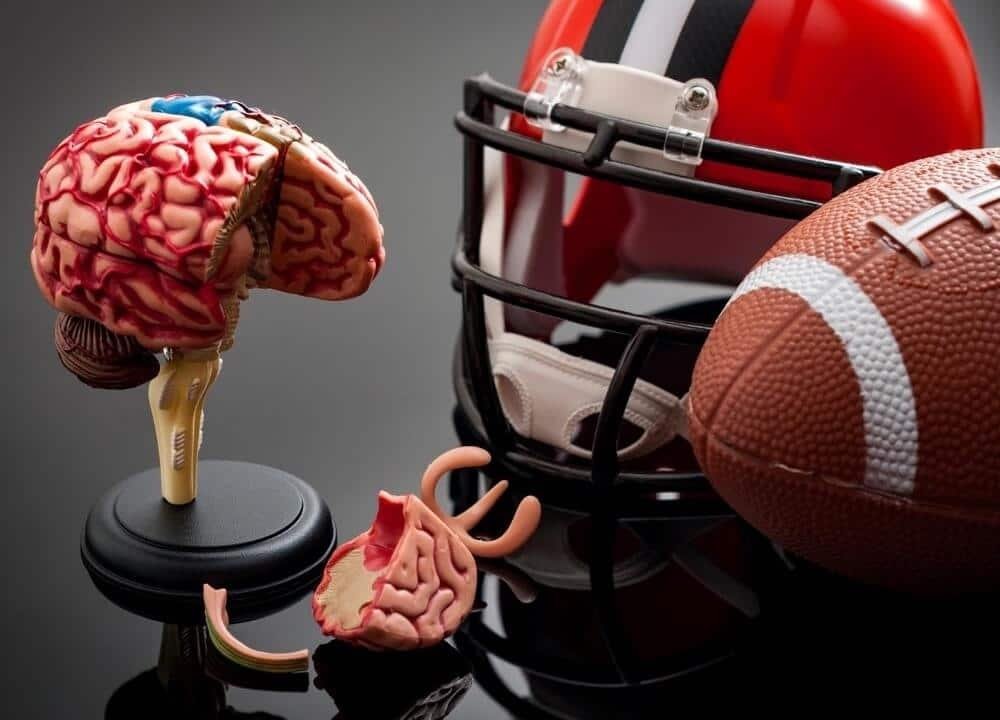
The potential between increased risk of dementia and traumatic brain injury has become a pressing issue as scientists try to find the link between the two.

This is mostly because the immediate effects of head injury can include symptoms that are similar to those of dementia.

These include signs such as memory loss, confusion, and changes in speech, personality, and vision.

Relationship Between Dementia and Traumatic Brain Injury

Depending on the severity of the head injury the symptoms can clear up fast, last a long time, or fail to go away altogether.

Keep in mind that symptoms a person experiences after an injury usually do not become worse over time which is usually the case with dementia.

Dementia affects about 47 million people worldwide and we expect the numbers to double in the next two decades.

Over 50 million people across the globe experience traumatic brain injury yearly.

Causes of TBI

causes of TBI
This usually occurs when external forced disrupt the normal functions of the brain. Leading causes of TBI include falls, assaults, and motor vehicle accidents.

Research, however, notes that certain types of head injuries may increase the risk of someone developing different types of dementia.

Two primary factors seemingly affecting a person’s risk include the severity of the injury and the age when the injury happened.

Some studies suggest that more severe head injuries might increase the risk of developing Alzheimer’s disease (AD) which is one of the most common causes of dementia.

The risk also increases for persons who experience head injuries when they are older say 55 years and above.

Repeated mild injuries also increase the risk of having problems with reasoning and thinking in the future.

Brain injuries after 55 are risky

dementia and traumatic brain injury
Check out essential details of a study that has been done to try and figure out the link between the risk of dementia and traumatic brain injury.

One of the larger studies reported that the risk of dementia as well as that of Alzheimer’s is significantly higher in persons who have experienced TBI than in those who have no history of traumatic brain injury.

The study that was conducted in Denmark observed almost 2.8 million participants and they began in 1977.

The large study population involved a 36-year follow-up where researchers gained access to a uniform healthcare system that tracks the severity and numbers of traumatic brain injuries.

Among the millions of participants, the research indicated that 4.7% have at least one diagnosis of traumatic brain injury.

With the first TBI diagnosis, 85% had been categorized as mild while the rest were characterized as a skull fracture or severe. 4.5% of the persons who were 50 years and above developed dementia from 1999 to 2013.

From this group, 5.3% had experienced at least one TBI when the scientists were conducting their observations.

The average age at first dementia diagnosis was recorded as 80.7 years. The findings of this research were published in The Lancet Psychiatry on 10th April.

Dementia risk is higher in those with TBI history

The experts in the study concluded that the overall dementia risk in people with a history of TBI was 24% higher than those who did not have a history of traumatic brain injury.

They reached this conclusion after accounting for other risk factors of the neurodegenerative disease.

Severe traumatic brain injuries accounted for an increased risk of 35% while mild TBI increased the risk by 17%.

Men also have a slightly higher increased risk of dementia development when compared to women with traumatic brain injury histories at 30% versus 19%.

Jesse Fann the lead author of the study and a professor of behavioral sciences and psychiatry at the University of Washington School of medicine said that the relationship between the risk of dementia and the number of brain injuries was very clear according to the research.

Men are more likely to develop dementia after TBI

men are more likely to develop dementia after TBI
The study also indicated that the risk of dementia also increased based on the number of traumatic brain injuries.

Five or more TBIs increased the risk by 183%, four TBIs increased dementia risk by 51%, while the risk increased by 33% for two or three TBIs.

Fann also explained that if someone had a brain injury in their 20’s chances of developing dementia increased by 60% in their 50s.

The researchers nonetheless clarified that the findings of the study do not suggest that everyone who sustains traumatic brain injury will end up developing dementia in his or her later years.

Fann hoped that the findings will help people with histories of TBI to change their behaviors towards other dementia risk factors.

This includes quitting or limiting the use of tobacco and alcohol consumption, taking part in regular physical exercise, treating illnesses like depression, diabetes, and hypertension, as well as avoiding obesity.

He also suggested that people who have suffered traumatic brain injury need to get an evaluation from medical doctors to get immediate treatment for any persisting issues.

Fann stated that some cognitive rehabilitation strategies might help decrease cognitive deficits that relate to brain injury.

Not everyone with traumatic brain injury will develop dementia

not everyone with traumatic brain injury will develop dementia
Co-author Jakob Christensen an associate professor of neurology at Aarhus University Hospital in Denmark stated that severe traumatic brain injury is more prevalent in young people.

He went ahead to explain that there is a concern that this also increases the risk of developing dementia in younger people.

Fann warned children and parents to be aware of the risks of traumatic brain injury that contact sports present.

The authors of the study recommended heightened efforts to prevent TBIs, especially for the younger generation.

They said that strategies need to be put in place to ameliorate the impact and risk of dementia relating to traumatic brain injury.

Conclusion

Many studies looking into the relationship between increased risk of dementia and traumatic brain injury are targeting participants of contact sports such as hockey, football, boxing, and soccer as well as military veterans.

These are people who end up experiencing traumatic brain injuries in their line of work.

The researchers acknowledged that more research is still needed to find out who is at the greatest risk of developing dementia as well as other factors that contribute to this risk.

Bright Light Therapy and Dementia

bright light therapy and dementia

When looking into new treatments for persons with dementia, bright light therapy and dementia is one of the topics currently getting a lot of attention.

Standford Health Care explains that bright light therapy is one of the treatments used to manage circadian rhythm disorders.

What is Light Therapy for Dementia?

Originally, it was intended for persons who were suffering from SAD (seasonal affective disorder).

According to Sleep Education, the human body has an internal clock that signals it when it is time to be awake, and when it’s time to sleep.

We find the clock in the SCN, an area of brain above the section where nerves travel to the eyes.

This clock is responsible for controlling a person’s “circadian rhythm.” The rhythms include the daily cycle of numerous hormones, alertness, and temperature.

“Circadian” implies to occur in a 24-hour cycle.

Circadian rhythm sleep disorder is common with dementia

circadian rhythm sleep disorder is common with dementia
We should mention that circadian rhythms make a person alert or sleepy at regular times daily.

It is common for persons with dementia to experience circadian rhythm sleep disorder.

Dementia refers to a group of progressive neurological symptoms and conditions that are characterized by an ongoing decline in a person’s cognitive abilities including thinking, memory, behavior, and communication.

It usually ends up affecting a person’s abilities to participate in daily living activities.

This implies that they can benefit from light therapy that can help shift sleeping patterns into what is considered normal.

Check out some of the benefits of bright light therapy for persons with dementia below.

Benefits of Bright Light Therapy

benefits of bright light therapy
In regards to bright light therapy and dementia, experts state that light therapy can help individuals with dementia.

The therapy aims to affect brain chemicals that are linked to sleep and mood.

Most people with dementia may experience sleep issues at some point in the illness.

This is because dementia can destroy the area of the brain that is responsible for the wake-sleep cycle.

A well-conducted but small study revealed promising effects on disturbed sleep as well as restlessness for individuals with dementia.

Another study showed that bright light therapy administered in the morning can help treat sleep disorders in persons with dementia.

According to this study, this is the time the therapy entertains circadian rhythm to reduce interference with the sleep-wake cycle.

Yet another research measuring the combination of walking and bright light therapy reported significant improvements in sleeping habits when bright light therapy and walking were practiced every day.

Combination of melatonin and dementia

combination of melatonin and dementia
Some researchers also looking into bright light therapy and dementia also studied the combination of the use of melatonin with bright light therapy.

The experts observed that all the participants who had dementia experienced better sleep cycles after exposure to bright light therapy.

Interestingly, the results were not similar after combining melatonin and bright light therapy.

A larger, well-conducted research review reported that bright light therapy can help reduce sleeping during the daytime and increase night-time sleeping.

Multiple other studies also showed that bright light therapy can be used to normalize the wake-sleep pattern.

Additionally, light therapy also has the potential to treat aggressive behavior in persons with dementia.

Some studies also state that bright light therapy can help reduce depression in people who have dementia.

Note that depression is one of the most common symptoms of dementia.

Other perks that persons with dementia can get from bright light therapy include:

Reduced Wandering

Some research indicates that bright light therapy in addition to enhancing the sleep-wake cycle also helps to reduce wandering for people with dementia at night.

Enhanced Cognition

Bright light therapy has also been associated with better scores on the Mini-Mental State Exam. This is one of the most common tests for measuring cognitive abilities.

Persons with vascular dementia or Alzheimer’s disease (AD) were subjected to bright light therapy and they ended up demonstrating improved scores on their cognitive abilities tests.

This was in comparison to no changes in the scores when the same group was exposed to dim light therapy.

A similar study reported better cognitive functioning after exposure to bright light therapy. However, this was for people with early-stage AD as opposed to those with middle or late-stage Alzheimer’s.

Improved Behavioral Functioning

One study reported participants with dementia showcased improvement in various challenging behaviors.

However, another study compared levels of agitation of individuals with dementia after exposure to light therapy and stated that there was no difference.

How is Bright Light Therapy Administered?

When it comes to bright light therapy and dementia, the person with the illness sits in front of a lightbox that offers around 5-30 times more light than what the average office light emits. In most cases, the lightbox will emit about 10,000 lux of light.

This happens for a set time daily.

Keep in mind that it is important to consult a physician before starting light therapy. This is because there are a few cases where the therapy may not be appropriate.

Incorporating Light Therapy into the Routine of a Person with Dementia

incorporating light therapy into the routine of a person with dementia
There are times when it may not be easy to incorporate light therapy into the routine of a person with dementia.

Below are a few case scenarios you may be presented with, in regards to using bright light therapy and dementia and how you can solve them.

  • When a person becomes agitated in front of the lightbox, you may want to use verbal reassurance. If this does not work end the session and gradually introduce it until they become used to it.
  • Sometimes, an individual with this progressive illness does not want to sit in front of the light. In this instance, you can try focusing their attention on you. Start a pleasant conversation and hold their hands so that they can feel comfortable during the session.
  • When a person is easily distracted try and schedule the therapy when they are having breakfast. This will help speed up the process of becoming part of their routine.

Closing Remarks

Although some studies confirm that bright light therapy is beneficial to some people with dementia more studies focusing on bright light therapy and dementia still need to be conducted.

This will help to offer more conclusive results so that medics, caregivers, and persons with the illness can know how light therapy will benefit them.

Dementia and Head Injury Risk

dementia and head injury

Numerous studies have been done to find out the connection between dementia and head injury.

This is after suspicion that TBI (traumatic brain injury) which is usually caused by head injury normally disrupts the normal functions of the brain which can affect someone’s cognitive abilities such as thinking and learning skills.

Can a head injury make dementia worse?

Keep in mind that it is not everyone who gets a head injury will end up developing dementia.

The immediate effect of a head injury can induce symptoms that people with dementia also exhibit.

These can include things memory loss, confusion, changes in speech, personality and vision.

They can go away quickly, last for years, or never clear up depending on the severity of the injury.

Causes of Head Injury

causes of head injury
Some of the most common causes of head injuries that can lead to traumatic brain injury include:

  • Car accidents
  • Being struck on the head by objects
  • Bullet wounds
  • Falls
  • Assault
  • Injuries that penetrate the brain and skull
  • Blast injuries, etc.

The above causes the brain to jolt violently in the brain.

Each of them normally has different outcomes for the people they impact.

Some types of TBI can increase the risk of developing various types of dementia including Alzheimer’s years after the injury took place.

Reasons Head Injury may Result in Increased Dementia Risk

reasons head injury may result in increased dementia risk
There are a couple of mechanisms that explain the link between dementia and head injury.

One of them is that brain injury is known to accelerate or induce the accumulation of abnormal proteins.

This then leads to the death of neurons that are associated with some dementia types like Alzheimer’s disease.

There is also a possibility that trauma leaves the brain more vulnerable to other types of injuries.

Research that has been done on Dementia and Head Injury

research that has been done on dementia and head injury
As mentioned earlier, researchers have been trying to uncover the link between head injury and increased dementia risk.

Below are examples of research that has been done on this course.

Umea University Study

A study done at the Umea University in Sweden confirms that traumatic brain injury is one of the dementia risk factors.

It was after observing over three million people aged 50 years and above. This was published on 30th January 2018 in the PLOS medical journal.

It indicated that the risk of dementia diagnosis was highest during the first 12 months after the injury.

During this period, individuals with traumatic injuries are 4-6 times likely to get a positive dementia diagnosis when compared to the ones who do not have a traumatic brain injury.

The study also concluded that a traumatic brain injury or a concussion can increase the risk of dementia even 3 decades later.

Another study published in the Journal of Neurology discovered that a history of traumatic brain injury may increase by two or more years the age of onset for cognitive impairment.

Other studies also had similar results indicating that traumatic brain injury causes a significant risk when it comes to cognitive decline in the elderly.

It is also associated with earlier onset of in people with Alzheimer’s disease and mild cognitive impairment.

Increased Risk in Boxers

Some research on dementia and head injury also reveals that boxers have an increased risk of chronic traumatic encephalopathy (CTE) which is a type of dementia.

CTE symptoms include confusion, memory loss, impulse control problems, impaired judgment, anxiety, aggression, suicidality, and progressive dementia.

The symptoms may show up after years or decades of traumatic brain injury.

This is mostly due to the number of rounds that the professional boxers rather than the times he or she was knocked out.

This implies that when someone suffers mild traumatic repeatedly, they are also at increased risk of getting dementia even when the injuries did not cause unconsciousness.

Researchers are yet to uncover whether CTE is likely to occur after several traumatic brain injuries, a large number of mild traumatic brain injuries, or some other forms of heard trauma patterns.

Brain Issues in other Professional Athletes

brain issues in other professional athletes
Several studies have also been done focusing on professional athletes including boxers, football players, and mixed martial arts fighters.

Most have found a connection to serious brain troubles later in life. These include dementia or CTE.

A UCSF study also reported that the risk of dementia doubles after a person suffers a concussion.

The researchers tracked over 330,000 veterans while trying to find the link between dementia and head injury.

After adjusting sex, age, education, race, and other health conditions, they stated that without loss of consciousness, people who had a concussion were 2.36 times likely to get dementia.

The number was higher for people who lost consciousness at 3.77 times higher.

The research focused on veterans and members of the general public and the findings were similar for both groups.

There is still no evidence that one mild traumatic brain injury can increase the risk of developing dementia.

Nonetheless, there is emerging evidence that states that repeated mild traumatic brain injuries lead to a greater risk of CTE.

Closing Thoughts

More research still needs to be done concerning dementia and head injury.

Scientists are working to establish the link between traumatic brain injury and the increased risk of dementia.

Based on the existing evidence, it is highly recommended that people protect their heads when participating in activities that can lead to head injury.

Down Syndrome and Alzheimer’s Disease

down syndrome and alzheimer's disease

After years of research, experts uncovered that there is a link between Down syndrome and Alzheimer’s disease.

Down Syndrome and Alzheimer’s

Down syndrome is a medical condition where an individual is born with an extra copy of chromosome 21 rather than the normal two copies.

The genetic abnormality usually results in health issues and developmental challenges that can affect memory, learning, and language.

Alzheimer’s disease (AD) can be defined as a brain disease that is one of the major causes of dementia. It makes affected persons experience impaired memory, behavior, and thinking.

It can also affect mood and emotions.

The illness is caused by an abnormal build-up of beta-amyloid which is a type of protein that forms plaques in brain cells.

This accumulation damages the connections between brain cells which, in turn, disrupts how messages are passed from one part of the brain to another.

The brain cells die eventually and this will reduce the size of the brain.

Brain degeneration that happens because of AD can impair an individual’s ability to carry out day to day activities. Because Alzheimer’s disease is a progressive illness, the symptoms become worse as time goes by.

Correlation between Down syndrome and Alzheimer’s disease

correlation between down syndrome and alzheimer's disease
Studies reveal that most people (not all) who have Down syndrome will also develop AD.

Chromosome 21 carries the APP gene (amyloid precursor protein). Beta-amyloid forms when APP breaks down.

This clumps together into brain plaques that are common with AD.

As stated earlier, persons with Down syndrome have an extra copy of chromosome 21 which implies that they can make 11/2 times more APP than persons who only have two copies.

Individuals who have Down syndrome have a higher chance of developing Alzheimer’s.

Many studies state that about 50% of individuals with Down syndrome will end up with AD by the time they are celebrating their 60th birthday. The average onset age, however, is usually 50-55 years.

The National Down Syndrome Society reports that about 30% of individuals who have Down syndrome and are in their 50s already have AD.

Early Alzheimer’s disease Signs for Persons with Down syndrome

early alzheimer's disease signs for persons with down syndrome
A person who has Down syndrome can showcase several symptoms that may indicate they have AD such as:

  • Deterioration in short-term memory
  • Reduced ability to complete daily living tasks
  • Increased inactivity and apathy
  • Withdrawing socially
  • Problems with communication
  • Changes in sleep patterns at night
  • Confusion and disorientation
  • Restlessness
  • Fearfulness, sadness, and anxiety

Diagnosing AD in Individuals with Down syndrome

diagnosing AD in individuals with down syndrome
To determine whether a person has both Down syndrome and Alzheimer’s disease, a doctor may subject the individual to various tests that may include:

  • Memory and thinking tests
  • Physical examinations that may include brain scans and blood tests
  • Assessing medical history

Careful observation of symptoms as well as how a person’s behavior and abilities change is crucial.

This is because persons with Down syndrome already have pre-existing difficulties with memory, thinking, and daily living skills.

Naturally, a person with Down syndrome may not be in a position to report concerns about memory or other changes happening in their lives.

For this reason, their loved ones or professional caregivers must help with observing cognitive changes.

Indidivual diagnosis for Down syndrome

Experts recommend certain principles that can help with a person-centered diagnosis for individuals with Down syndrome, such as:

1. Documenting baseline adult function by the time they are 35 years. The medical records of a person with Down syndrome should include details about their adult abilities.

2. Checking for Changes in Daily Function. Family members or other reliable individuals should also be on the lookout for changes in day to day function.

A person may note that an individual with Down syndrome showcases less interest in social interactions or things they loved doing previously. Changes in behavior and personality may also indicate a decline in thinking skills.

Doctors also perform other examinations to rule out other medical conditions that may look like Alzheimer’s disease.

This is because of something that is known as “differential diagnosis.”

When a person with Down syndrome showcases a decline in abilities or loss of skills, medics can consider:

  • Changes in sensory impairments like vision or hearing difficulties that can inhibit social engagement or lead to a loss in skills
  • Life changes, for instance, adjustments in a person’s day service, retirement, menopause, or reaction to something like bereavement.
  • Thyroid disorders which can be treated
  • Depression which is treatable with the proper interventions
  • Drug interactions
  • Poor sleep patterns
  • Urinary or other types of infections
  • Vitamin deficiencies

Because the above conditions are treatable, a person with Down syndrome needs to undergo a comprehensive medical assessment, especially during the early stages to rule them out.

Research on Down syndrome and Alzheimer’s disease

research on down syndrome and alzheimer's disease
Scientists are working round the clock to figure out why some people with Down syndrome end up with AD while others do not.

The experts want to get a clear picture so that they can come up with medication or other treatments that can help delay, stop, or prevent the development of AD.

Some studies are already in the clinical trial phase and people can only hope that these will yield great results in the future to help effectively deal with the two medical conditions.

Living with a Positive Alzheimer’s Disease Diagnosis

living with a positive alzheimer's disease diagnosis
Sadly if a person has Down syndrome and they get diagnosed with Alzheimer’s disease, they have to live with both medical conditions.

Currently, there is no approved cure for AD. However, there are some medications and alternative treatments like therapies and natural remedies that a person can try to treat some symptoms as well as slow or stabilize the decline in thinking abilities and memory for a while.

It is important to consult a physician before starting any treatment regimen to ensure it is best suited for the weak person.

Support services for people with Down syndrome and Alzheimer’s disease also exist. They help affected individuals and their families or carers live well with the conditions.

Research is, however, ongoing to try and find a cure for AD as well as discover new treatments to help delay or avoid the onset of Alzheimer’s symptoms for persons who already have Down syndrome.

Close Connection Between Dementia and Sleep

dementia and sleep

Researches show that dementia and sleep are actually quite closely connected to each other.

Also, those with dementia usually develop bad sleeping habits which we need to take into consideration as soon as possible.

Sleep deprivation is known to have profound consequences on a person’s health.

This can include tiredness and grumpiness as well as the risk of serious medical conditions like heart disease, diabetes, obesity, and shorter life span among many others.

Over the years, there also seems to be a connection between dementia and sleep.

This is even though scientists and researchers cannot conclusively explain how dementia affects a person’s sleep.

Studies indicate that about 40% of people who have dementia experience sleep disturbances. For some individuals, their internal “biological clock” may be damaged, affecting their sleep.

Another logical explanation is that the parts of the brain that control whether a person stays awake or not may be damaged by the disease, which results in disturbing sleep patterns.

Before experts can give conclusive explanations, let us look at different aspects of sleep risk and dementia.

Sleep Problems That Dementia People May Face

sleep problems that dementia people may face

There is a wide array of sleep issues that people with dementia may experience over the course of the illness, such as:

Oversleeping

In as much as we are encouraged to enjoy quality sleep all night, people with dementia may end up oversleeping.

This is where a person spends most of their time in bed during the day and at night. Sleeping a lot is usually common in the later stages of the illness.

As the disease progresses, brain damage also becomes more extensive, making a person become frailer and weaker over time.

This typically results in a person with dementia to sleep more as their symptoms also become more severe.

Some medication that an individual may be taking like antihistamines, antidepressants, and antipsychotics can contribute to excessive sleepiness.

Light Sleep Disorders

These are disorders that are also known as (RDB) rapid eye movement sleep behavior disorder. They make individuals act out their dreams by talking or moving in their sleep.

Sleep Disordered Breathing

This is where a person has difficulties breathing while sleeping.

It may be as a result of obstructions in the airway, which makes an individual work harder to breathe normally. At times, this is also referred to as sleep apnoea.

It is considered to be one of the risk factors when it comes to dementia and sleep.

This is because disordered breathing can damage the brain because the levels of carbon dioxide and oxygen change when a person has challenges while breathing.

Most of the time, this can also change how blood flows to the brain.

Difficulties Falling Asleep

Many people with dementia often have trouble falling asleep. A person may be in bed wanting to sleep, but it will not happen.

Counting sheep and drinking chamomile tea may not offer the solution that the person needs.

This makes the affected person want to wander off into the darkness or start yelling or calling the names of their caregivers.

Hypnagogic Hallucinations

These are imagined sensations that a person ends up thinking are real. They are also known as sleep hallucinations that happen when a person is falling asleep.

The hallucinations can appear in different forms, whether vision, taste, smell, or sound. Research about this is still ongoing as the hallucinations continue to fascinate scientists, philosophers, and writers.

Circadian Rhythm Sleep Disorders

These are characterized by normal sleep patterns that usually happen at random times during the day. These are very common when a person is growing older.

It usually happens because of reduced exposure to natural light, a decrease in physical activity, as well as changes in circadian rhythms that come with aging.

Natural Medications to Help People Sleep

[table id=15 /]

Factors that May Cause Sleep Problems in People with Dementia

factors that may cause sleep problems in people with dementia

Several factors besides brain damage may be the cause of sleep issues worth mentioning when talking about dementia and sleep. Some of these include but are not limited to:

1. Restless leg syndrome

This is a disorder that brings about unpleasant “tingling” or “crawling” feeling on the legs which makes a person want to move them all the time

2. Depression

Depression is very common with people who have dementia, and it may end up affecting how they sleep. In most cases, only a professional can give a positive diagnosis of depression in adults because this is often confused with Alzheimer’s disease.

The two conditions share symptoms like apathy, isolation, impaired thinking, social withdrawal, loss of interest in hobbies, and activities amongst others.

Once depression has been positively diagnosed, treatment can improve quality of life significantly.

Treating Sleep Problems

treating sleep problems
There are two main approaches when it comes to treating sleep issues in people who have dementia.

One of these has a lot to do with lifestyle changes that can improve sleep quality.

Some of the solutions to these may include:

1. Regular sleep regimes

Encouraging a person who has dementia to stick to regular meal times as well and going to bed and waking up times can help them enjoy their sleep more.

This way, they will not have to deal with too many dire consequences of dementia and sleep.

2. Exercise

exercise
Exercise is a recommended treatment method because it gets the body moving; thus, helps the organs in the body to function as they should.

Because people who have dementia may not be able to work out vigorously, caregivers must identify light exercises that the individuals under their care can handle with ease.

Moderate amounts of walking can do the trick. Night-time stretching may also be helpful.

3. Diet

diet
It is vital for people who have dementia to eat well-balanced food to get the nutrients the body needs to boost immunity. Avoid processed foods and stick to organic vegetables, fruits, nuts, complex carbs, and proteins.

A nutritionist can offer advice on the best foods that the individual with dementia should eat. It also helps to avoid alcohol and cigarettes.

4. Limit sleep disruptions

limit sleep disruptions
Sleep interruptions, whether caused by a noisy neighborhood or a snoring partner, can end up harming brain health.

Persons who experience poor restless sleep have a higher risk of cognitive decline compared to the ones who sleep well throughout the night.

Individuals who experience fragmented sleep can use blackout curtains or a white noise machine to help them sleep well throughout the night.

5. Plan more active days

plan more active days
Boredom during the day is one of the reasons why an individual may want to nap more.

It is advisable to plan more active days filled with activities that the seniors love. This way, they get more tired at night, making it easier to fall and stay asleep.

6. Creating a safe and comfortable sleeping space

creating a safe and comfortable sleeping space
Modifying a person’s sleeping environment to make it more welcoming, safe and comfortable can help an individual enjoy quality shut-eye at night.

This is where you can do things like check on temperatures, use nightlights, clean and soft bedding.

Also, remove clutter and use motion and door sensors for the ideal sleep environment.

7. Ensuring exposure to bright light in the morning

ensuring exposure to bright light in the morning
Furthermore, persons with dementia can also try light therapy.

Exposing seniors to natural light often can help to realign their circadian rhythm to reduce the effects of some sleep disorders.

Studies also show that light therapy helps to enhance sleep patterns for people with dementia.

8. Music intervention

music intervention
The right type of music can also help a person fall asleep when they are having difficulties with this.

Ideally, it should be something with soft beats like Mozart and other classical tunes. Loud music with fast beats may not offer the desired results.

An individual can also try playing a musical instrument to drive them to sleep.

The other option available when a person wants to deal with sleep issues is the use of medications and other apparatus.

Note that a person should only consider this when they have tried the non-medical route without any success.

Examples of such include:

1. Using CPAP (continuous positive airway pressure) – This is a machine that helps to reduce the effects of sleep apnea.

2. Some medications like benzodiazepines and tricyclic antidepressants can also improve sleep.

It is always best for the person with dementia to consult a doctor before taking any type of medication to be on the safe side. Some drugs may have a negative effect when it comes to dementia and sleep.

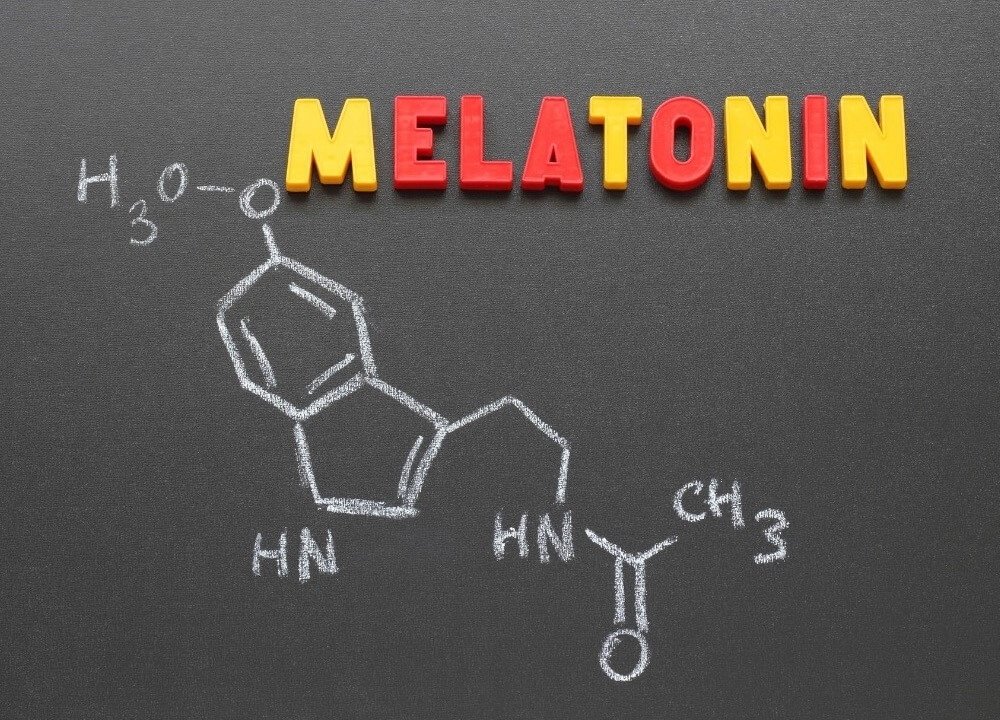
3. Doctors may also prescribe melatonin hormone that can maintain regular sleep-wake cycles.

4. Treating any pains that a person may be having can also work well for a person who wants to sleep better.

5. A person who wakes up at night should not be encouraged to watch TV, listen to loud music, or be over-active during the wakefulness periods.

This will only encourage them to stay awake instead of going back to bed

Closing Thoughts

Lack of enough quality sleep in people who have dementia can negatively affect the physical and emotional health of a person who has dementia.

This may end up worsening cognitive symptoms, ultimately reducing the quality of life of the person with the disease as well as the people around them.

When a person is having problems with dementia and sleep, it is important to try and get to the bottom of the issue.

This is by finding out what is causing these issues to administer the proper treatment that will help a person lead a more fulfilling and satisfying life even when they are ill.

Do People with Dementia Know They Have It?

do people with dementia know they have it

Seeing a person exhibit dementia symptoms can be baffling and scary which may bring up the question do people with dementia know they have it?

It is important to note that this neurodegenerative disease affects people differently.

The fact, however, is that dementia is a progressive illness that destroys brain cells over time.

Are dementia patients aware of their condition?

This implies that a person who has the disease may notice that there is something different going on in their lives but they may not necessarily know that they have the disease.

People become aware of the changes

people become aware of the changes
Some people with dementia may go about their lives oblivious to what is going on in their brains.

A report from Johns Hopkins in 2018 revealed that a majority of people living with dementia do not know about their diagnosis.

Some of these people might suffer from anosognosia which is a result of cell damage in the parietal and right pre-frontal lobes.

It can be brought about by cell declination as a result of dementia/Alzheimer’s disease or when a person has a stroke.

Other people may notice the physical changes, mental limitations, and behaviors that the ill person showcases but they will remain adamant that nothing is wrong.

This creates challenges for caregivers because they will be dealing with someone who thinks they are fine; thus, they do not need to take the necessary measures to treat symptoms and increase longevity because dementia does not have a cure to date.

The majority of people with dementia don’t know they have it

the majority of people with dementia don't know they have it
These are people who can refuse to take medicine, or insist that they can go to work or the store even when it is not safe to do so.

For such a group, if you ask the question do people with dementia know they have it, the answer will be a resounding no.

This is, however, not to state that every single person with the illness does not know they have it.

Some individuals may actually know depending on the stage dementia is diagnosed.

Developing dementia can be a stressful time for the affected person.

One day they might be living their lives “normally” and the next they can only recognize their family or friends without perhaps remembering their name among an array of other symptoms.

At this point, a person might think that they are experiencing normal forgetfulness that mostly happens as humans grow older but it may not be the case.

For this reason, it is important to seek medical advice when you suspect that there is something wrong with your health.

This will help get the proper diagnosis to know how to deal with the conditions heads on.

When to Seek Medical Attention

when to seek medical attention
Even for people without the disease, it is not easy to tell whether a person has dementia or not, the reason a doctor’s intervention is necessary.

It is because in most cases, dementia is only diagnosed when the symptoms start showing up and for some individuals, the disease may have progressed considerably.

This is one of the things that also makes it difficult to give a straight answer to the question do people with dementia know they have it.

There are some early warning signs, however, that may point towards a person having dementia.

Some of the most common ones include:

If you notice that a loved one has the above symptoms, go in for a diagnosis to know the way forward. It is ideal to do it as soon as possible.

After a positive diagnosis, many people may understand what is going on, but this may change after some time when the disease becomes worse.

Difference Between Cortical and Subcortical Dementia

cortical and subcortical dementia

An in-depth look at the differences and similarities between cortical and subcortical dementia and what you should do about it.

Also known as a major neurocognitive disorder, dementia is a group of symptoms that causes problems with memory, reasoning, and thinking.

It occurs when parts of the brain responsible for memory, decision-making, language, and learning are diseased or damaged.

The illness mostly affects elderly persons who are above the age of 65.

Some persons will, however, receive dementia diagnosis when they are younger.

There are over fifty causes of dementia the most common ones being:

Cortical vs Subcortical Dementia

Depending on the part of the brain that has been affected, a majority of dementias are either considered to exhibit cortical or subcortical patterns.

Initially, subcortical dementia was described in 1912. However, the term was not used until 1970.

Cortical dementia, on the other hand, accounts for the highest number of dementia cases (between 60-80%).

Various studies indicate that there are some prominent differences between cortical and subcortical dementia.

Both qualitative and quantitative differences exist across several cognitive domains like memory, visuospatial abilities, executive functions, attention, and semantic knowledge.

Let’s look at some of the disparities between the two groups of dementias below.

Definition

definition
Cortical dementia describes the types of dementia that develop as a result of disorders that affect the cerebral cortex in the brain.

This is the outermost layer of the brain responsible for several essential functions like language, memory, creativity, abstraction, emotion, attention and judgment.

The illnesses that are progressive in nature starts to cause changes in the brain before the symptoms start showing up.

Experts believe that the illness brings about an increase in the number of lesions in the brain, which then leads to complications like personality changes and loss of memory.

Subcortical dementias represent the types of dementias that showcase themselves without any language or memory problems in individuals who have Alzheimer’s disease.

Disorders that affect the section of the brain that is below the cerebral cortex cause this dementia.

The regions of the brain that this type of dementia affects include the midbrain, striatum, thalamus, and striatofrontal projections.

In most cases, persons who get subcortical dementia display challenges with concentration, attention, and motor function.

Causes Cortical and Subcortical Dementia

causes
Cortical dementia as aforementioned, occurs where there are problems with the cerebral cortex.

Additionally, it is primarily associated with the gray matter in the brain, which mainly consists of nerve cells.

Persons who develop this type of dementia experience serious memory loss issues where they cannot understand language or remember words.

Examples of cortical dementia include Creutzfeldt-Jakob and Alzheimer’s disease.

Subcortical dementia, on the other hand, is brought about when there are problems in the part of the brain located under the cortex.

This is mostly associated with the white matter of the brain that predominantly consists of axons that are in charge of transmitting signals.

Individuals who have this type of dementia typically show changes in their ability to start activities and speed of thinking. HIV, Parkinson’s and Huntington’s disease are possible causes of this dementia type.

Some studies also suggest that prolonged alcohol abuse may be the cause of subcortical dementia.

This is because persons who are diagnosed with alcohol dependence have a significant reduction in the brain’s white matter and the weight of the brain also becomes lighter.

Features of Cortical and Subcortical Dementia

features of cortical and subcortical dementia
Both dementias showcase different features that further explain their main differences like:

Basic function deficit

With cortical dementia, you can expect specific deficits like aphasia, which is an impairment of language that affects comprehension or production of speech and the ability to write and read.

Apraxia affects motor function and agnosia, which affects the ability to process sensory information.

Subcortical dementia presents progressive supra-nuclear palsy, a syndrome that can lead to severe problems with eye movement, balance, swallowing, mood and walking, etc.

Memory impairment

Persons with cortical dementia will often experience learning deficits and poor recognition. Individuals with subcortical dementia do not go through severe memory loss issues.

Caregivers and loved ones can use cues to help the affected individuals recall information without too much difficulty.

Motor Symptoms

motor symptoms
Cortical dementia does not showcase any motor symptoms, especially in the early stages of the illness. Motor speed also remains relatively healthy, but it might change at a later course.

Problems with motor symptoms are common with subcortical dementia that presents extrapyramidal symptoms that can include continuous muscle contractions and spasms also known as dystonia, motor restlessness, rigidity, slowness of movement, and tremor amongst others.

Speech

Individuals with subcortical dementia, for the most part, will have normal speech while it may be slow or abnormal in cortical dementia cases.

Symptom Profile

Cortical and subcortical dementia have different sets of symptoms.

Clinically, cortical dementia exhibits symptoms that are suggestive of abnormalities with various cortical functions like amnesia and language issues.

With subcortical dementia, the symptoms will manifest mainly as poor abstraction, issues in recall, mood disorders, and problems with strategy formation. Other symptoms to look into include:

Memory

memory
Memory dysfunctions tend to occur in both groups of dementia.

Studies, however, propose that the nature of memory impairment is different in subcortical and cortical dementia.

Cortical dementia showcases more severe memory loss, which is depicted by difficulties in recalling information and learning new details.

When it comes to subcortical dementia, things are not black and white.

While there is evidence of challenges with procedural learning, the impairment is not uniform in regards to all kinds of perceptomotor learning.

For example, a person who has Parkinson’s disease might have issues with skill or habit learning but have no problem in intact learning tasks such as artificial grammar and dot pattern prototype.

Memory loss patterns also come into play when differentiating these two forms of dementia.

With cortical dementia, recent literature indicates that memory impairment evolution happens in a temporal gradient, which results in progressive or extensive remote memory loss.

This is especially true for autobiographical memory.

On the contrary, the memory loss pattern in subcortical dementia is considered to be a lot more diverse. The specific type of dementia will determine the memory loss pattern.

For instance, persons who have Parkinson’s disease normally have challenges when dating events in the past.

Note that memory decline is faster in Parkinson’s dementia than in AD as reported by Selective Reminding Test and Boston naming test.

It is also important to point out that with subcortical dementias, learning impairments are subject to correction with the use of more prominent aid recognition cues.

Executive Functions

executive functions
Executive functions usually involve the frontal lobes and other subcortical structures. This means that it is only natural for executive function problems to be present in both subcortical and cortical dementia.

This, however, happens at a different rate.

AD is normally characterized by the impairment of various executive functions like problem-solving and concept formation.

Persons who have cortical dementia will experience impaired elementary calculation skills earlier than those who have subcortical dementia.

Persons with cortical dementia also remain alert for more extended periods than those with subcortical dementia.

Language

Several studies indicate that the language problem is often seen in cortical dementia.

Individuals with Alzheimer’s disease exhibit several progressive language issues. These normally start with an inability to recall names of familiar objects before it deteriorates to terminal language syndrome.

Prognosis of Cortical and Subcortical Dementia

The prognosis of cortical and subcortical dementia also significantly varies. Because different types of dementias fall under these two categories, multiple factors commonly affect prognosis.

Among these include general health, age of onset, and other illnesses that the person suffers from. These can affect not only prognosis but life expectancy as well.

Treatment

treatment
Currently, there is no specific cure for both cortical and subcortical dementia.

However, a majority of the disorders that are listed for the two groups of dementia will respond to appropriate treatment.

These can include different types of medication and other alternative therapies that can help to slow down the progression of the illness.

Lifestyle changes can also help to improve the life quality of people who are experiencing different types of dementia.

Closing Thoughts

Understanding the differences between the two main groups of dementias is essential because it helps to create a better understanding of how the brain behaves regarding neurodegenerative illnesses.

This can also help medics improve the ability to differentiate multiple dementia disorders clinically.

There is also a need for more clinical studies that will examine the differences between subcortical dementia and cortical dementia. These are bound to give a clearer picture of the factors that distinguish the two forms of dementia.

The Alzheimer’s Association indicates that about 90% of the information available about dementia has been discovered in under twenty years.

Experts in the industry continue to do more research, tests, and studies on this disease that affects millions of people in different parts of the globe.

Fresh information may continue to roll out detailing the differences or similarities of cortical and subcortical dementia so that people can get a better understanding of these illnesses.

How do Dementia Patients Die?

how do dementia patients die

Because dementia is an incurable disease, there is one pertinent question that many ask and that is how do dementia patients die?

Before answering this question it is important to note that in many countries Alzheimer’s disease and other kinds of dementia have been documented as the leading cause of death in the country, especially for the older generation.

According to Alzheimer’s Research UK, deaths due to dementia doubled from 40,253 in 2007 to 87, 199 in 2017 and the trend does not appear to change anytime soon.

In America, dementia is the 6th leading cause of death and currently, millions of people are living with the disease.

World Health Organization estimates that the number of dementia deaths across the globe will increase by more than 40% from 2015 to 2030.

How Does Dementia Lead to Death?

Before a person dies from dementia, there are a couple of warning signs they may showcase as discussed below.

End-Stage Dementia Signs and Symptoms

end stage dementia signs and symptoms
Several signs may be an indication that a person with dementia is living their final days on earth.

These can differ from one affected person to another because different individuals have varying reactions to the illness.

Examples of some common end-of-life warning signs include:

  • An increase in hospital admissions or visits
  • Diagnosis of other medical conditions like congestive heart failure or different cancer types
  • Loss of the ability to communicate
  • Immobility which can make a person bedridden
  • Inconsistence
  • Challenges when eating and drinking
  • Terminal restlessness or agitation because a person becomes extremely disoriented and confused
  • Difficulties in breathing
  • Legs, arms, feet, and hands become cold to touch

To get back to answering the query do dementia patients die, many experts agree that the actual death of an individual who has dementia may be due to another medical condition.

During the later stages of dementia, the affected person is likely to be in a trailer.

This implies that their immunity is compromised, hence they cannot effectively cope with physical problems or infections.

Several factors can lead to the death of a person who has dementia such as

Lack of Proper Nutrition

how do dementia patients die
Food acts as fuel for the human body. When the body is not getting proper nutrition, there is a likelihood that an array of problems will start developing.

This is what happens during the later dementia stages.

Persons with the illness will struggle to eat well, hydrate, and stay healthy.

Many may not be in a position to prepare or eat food without assistance. This may cause them to go off food which can make them dangerously lose weight.

Some individuals will also lose muscle control towards the end of the disease where they cannot chew properly or even swallow food.

When the individual is not getting adequate nourishment, they become weaker and are more susceptible to the risk of infections, fractures, and falls which may lead to their demise.

There are also chances that a person with dementia may end up inhaling fluids or foods. It mostly happens because they lose the skill to coordinate breathing and swallowing because of the damage that happens in the brain which controls these activities.

When this happens, it can lead to life-threatening chest infections and choking.

Existing Diseases

existing diseases
When you ask how do dementia patients die, the answer might be because of other co-existing diseases.

A huge percentage of people with dementia also suffer from other chronic conditions like diabetes, heart disease, chronic respiratory disease, and hypertension amongst others.

It can become challenging to try and manage dementia with other illnesses so it becomes easy for a person to experience the complications associated with these conditions which can lead them to their last breath.

Several studies reveal that people within the last stage of dementia become vulnerable to all sorts of medical conditions.

Autopsies often reveal that the main cause of death for persons with dementia are pneumonia, dehydration, cardiovascular diseases, cachexia, and pulmonary embolism.

Other facts that may contribute to dementia deaths include increased falls, advanced age, and delirium.

Closing Thoughts

Sadly dementia does not only make a person forgetful and weak. It is a serious progressive condition that is terminal.

Reading the text above will reveal answers to the question on how do dementia patients die.

Importance of Vitamin B12 and Dementia

vitamin b12 and dementia

For years, experts have been trying to figure out the link between vitamin B12 and dementia.

Several studies report that the elderly who have low vitamin B12 levels are at high risk of dementia.

One of the studies with 121 participants uncovered the fact that those with lower vitamin B12 levels had smaller brain volumes according to MRI’s and they also performed poorly on cognitive tests.

Can Vitamin B12 Supplementation Help with Dementia?

A clinical nutritionist, Christine Tangney, at Rush University, concluded that low brain volume co-relates to low Vitamin B12.

Vitamin B12 is naturally present in a majority of foods that come from animals, including poultry, meat, and fish.

Manufacturers also fortify many breakfast bowls of cereal with vitamin B12.

Recommended Vitamin B12 Supplements

[table id=18 /]

Importance of Vitamin B12

importance of vitamin b12
Before getting deeper into the connection between vitamin B12 and dementia, it is prudent to learn the importance of the vitamin in the human body.

In the brain, vitamin B12 enables a process known as memory formation where brain cells make new connections.

The vitamin is also an essential part of myelin, a coating that protects a majority of the brain cells. Other important roles that the vitamin plays in the body include:

  • Formation of red blood cells
  • DNA synthesis
  • Production of energy
  • The normal function of the nervous system and the brain (promotes nerve tissue health)

Learning these roles of the vitamin explains why a deficiency can lead to memory loss or dementia.

With this in mind, check out some of the reasons why low vitamin B12 mostly affects older persons.

Note: another name for vitamin B12 is Cobalamin.

Lower Absorption Rates

lower absorption rates
As people grow older, their guts’ ability to absorb vitamin B12 changes.

For a majority, this happens because their bodies can no longer produce adequate amounts of stomach acid.

The acid is an essential component for breaking down proteins and vitamin B.

This implies that seniors require more vitamin B12 as they grow older, but their bodies do not keep up.

Diet

diet
Vitamin B12 mostly comes from animal sources; this means that seniors who are on a vegetarian diet may not get adequate vitamins.

We cover the best foods for the dementia diet in this article.

Medications and surgeries

medications and surgeries
Some medicines like metformin interfere with the absorption of the vitamin.

Surgeries that remove parts or all of the small intestines or stomach can also lead to vitamin deficiency.

Alcoholism

alcoholism
Needless to say, alcohol may irritate the stomach and this is most of the time linked to poor diet.

Can Vitamin B12 Improve Memory?

can vitamin b12 improve memory
While discussing B12 and dementia, it is important to answer the question of whether the vitamin can help improve memory in persons who have dementia.

While vitamin B12 supplements help to treat the deficiency of the vitamin, there is still no clear evidence on whether it helps to enhance memory in individuals with neurological disease.

Contrary to this statement, The Daily Telegraph reported that vitamin B tablets could halt or slow down dementia.

According to the published article, large vitamin B doses can half brain shrinkage rate, a process that precedes dementia.

The article was based on a study that happened over two years, where vitamin B pills were compared to inactive placebo pills in 271 seniors with mild memory issues.

Participants in the study were persons who were 70 years and over and experience various memory issues. They received high-dose vitamin B tablets or placebo pills.

Vitamin B treatment has effects on the levels of tHcy in an individual’s blood, reducing this by 22.5%.

With the placebo group, there was a 7.7% increase in tHcy levels.

Vitamin B12 and Dementia treatment


Overall, the study uncovered the fact that those who were on vitamin B experienced atrophy (brain shrinkage) 30% lower than those elderly persons who were not given the inactive tablets.

Based on the age of the persons in the study, the shrinkage rate in persons who were on the vitamins was 30% less than the ones in the placebo.

The effect was generally higher in the participants who were more compliant when taking the medication as well as those who had high levels of tHCy when they started the study.

However, worth noting is that slower brain shrinkage may not result in improving the symptoms.

The research did not indicate the fact that vitamin B can prevent dementia.

This is because there is no evidence that when the brain shrinks at a slower rate, it will benefit persons who have early symptoms of dementia.

This said, it is evident that the results are quite promising and this demands more in-depth research about B12 and dementia.

The researchers also mentioned that vitamin B is safe for consumption with no adverse effects on the people consuming it.

This leads to the conclusion that vitamin B is a safe and simple treatment that can slow down the quick rate of brain atrophy in individuals who have mild cognitive impairment.

Final Thoughts – Vitamin B12 and Dementia

There is still a long way to go regarding vitamin B12 and dementia.

There is still no proof that vitamin B12 deficiency causes dementia or Alzheimer’s.

Studies, however, suggest that increasing the intake of the vitamin can help to slow cognitive decline.

Professionals need to conduct more research, studies, and clinical trials to ascertain whether vitamin B12 supplements can prevent, slow progression, or even treat some dementia types.