Vascular Dementia Stages and Progression

vascular dementia stages

Vascular dementia is one of the most common types of dementia, and people who have this illness often have to go through several vascular dementia stages.

It is a disease that develops when the brain cells die because they are not getting enough nutrients and oxygen.

It can happen when there are impaired tiny blood vessels in the brain or after a person has gone through a major stroke or even a series of smaller strokes.

Because the condition does not have a cure yet, it progresses from a mild case to a severe one. Note that these stages will differ from one person to the next.

This is simply because this type of dementia is typically brought about by different conditions.

One person may experience vascular dementia following a stroke.

However, another may get it after the inner parts of the brain get damaged for one reason or another. Just like other forms of dementia, vascular dementia also tends to progress in gradual stages. This, however, happens in a more step-like manner.

Check out how the illness may affect an individual over time describing what happens during the three major vascular dementia stages below.

Vascular Dementia Stages

1st Stage

first stage of vascular dementia
At the onset of vascular dementia, things are usually not too serious. Many individuals during this first stage can go about their daily lives without any interference.

This is because the symptoms are still somewhat stable; thus, manageable.

Most of the time, it is difficult to tell whether a person has vascular dementia or Alzheimer’s disease.

Some people may even have what is known as mixed dementia, where one has both Alzheimer’s disease and dementia.

Some people may experience things like impaired memory (general forgetfulness), challenges finding the right words, and difficulty with planning, organizing, and carrying out several tasks in an efficient manner during the first stages of this illness.

A small percentage of individuals with vascular dementia will also go through a slight decline in walking and balance. The condition at this point may also affect thinking and decision making.

At this stage, a majority of people can live alone, but it is recommended that their loved ones always check on them often.

This helps to make sure that everything is in place and that the individuals are not a danger to themselves or any other people around them.

At times, small home modifications may also come in handy to create a more supportive and comfortable environment for individuals with vascular dementia.

2nd Stage

stages of vascular dementia
After a person has gone through the initial vascular dementia stages, it may reach a point where the symptoms are no longer stable.

Things become worse where you might find that the affected person now has a different personality.

Depending on the cause of this dementia, many people will start going through anxiety, depression and have mood swings.

This usually occurs because a person is more aware of the changes that are happening to their bodies. Some people will become overly emotional and a majority are prone to apathy.

Other behavioral changes may include increased agitation and irritability.

Increased agitation and irritability

There may also be sessions where they are certain outbursts where a person can either cry or laugh inappropriately.

Hallucinations and delusions may also be part of the equation.

In severe cases, a percentage of individuals who have vascular dementia will also experience epilepsy episodes. Loss of social skills is also common at this stage.

You may find that a person who has the disease no longer wants to be a part of the social circles they were in before. They may not want to talk to the people they love.

You may notice that they want to spend more time indoors as a means of shutting out the world.

Most of the time, this usually comes about because a person is embarrassed about what they are going through seeing that they are no longer in complete control of their lives.

Several physical signs may also be prevalent during the middle stages of vascular dementia.

This is where a person may experience loss of bowel or bladder control. Some may also experience dizziness and tremors often.

Caregivers may also notice that the persons under their care are experiencing arm and leg weakness and maybe moving around with shuffling rapid steps.

Language and speech problems

If a person was speaking well in the past, slurred speech and other language problems might also start to show up.

Individuals with this illness should also get close monitoring when they are on the move. That’s because they tend to get lost even when they are in familiar surroundings.

Doing things like paying bills handling money or engaging in their favorite hobby becomes challenging, which can prove to be quite frustrating to the ill individual.

It’s not uncommon for a person with the illness to have difficulties sleeping during this phase.

Some individuals also display repetitive, obsessive or even impulsive behavior.

If a person is staying alone at this point, it would be best to make different housing arrangements.

They can move in with relatives who will act as caregivers and also keep an eye on the persons with the illness to prevent avoidable accidents.

If this is not possible, the family might have to look into senior care facilities where persons with vascular dementia will get professional care.

This is simply because a person at this point may need support with multiple day-to-day activities.

These may include showering, walking, dressing, eating, cooking, and using the restroom, among others.

3rd Stage

vascular dementia stages
You can consider this one of the final vascular dementia stages. The symptoms that persons experience at this stage are normally severe.

These can be distressing to the weak person.

If one gets vascular dementia after suffering a stroke, the aftermath can bring out physical symptoms.

They can experience problems with speech, vision, and weakness of the limbs. These symptoms will surface if the stroke caused damage to certain parts of the brain.

Individuals who have vascular dementia may also experience similar symptoms to the people who are in their last stages of Alzheimer’s disease.

It is where issues with communication, reasoning, confusion, memory loss, and disorientation become worse.

Motor challenges

A majority of people with vascular dementia also experience motor symptoms that may include unsteady or slow gait disturbance and clumsiness.

Handling daily activities becomes increasingly difficult, too.

Delusions or hallucinations that would come and go during the previous stage worsen.

At times, persons with vascular dementia may also become violent, suspicious, and demanding of people who are around them.

Many persons have a difficult time eating and swallowing. This often leads to rapid unhealthy weight loss. Some may even experience loss of speech.

Almost everyone at this point will have significant problems with both long-term and short-term memory.

As the condition becomes worse, it may affect/damage all the functions of the brain. This is also the stage where the illness deteriorates and can end up being fatal.

Some people at this stage can also go through heart attacks or a major stroke that can end their lives.

During this stage, it might be difficult for the family to render the appropriate care. Especially if they are not around their loved ones 24/7.

This calls for other measures such as hiring a professional who will move in to look after the person who has vascular dementia.

Alternatively, the individual might have to move into a senior care community.

A place that looks after people with dementia to get the kind of assistance and care they need without compromising their health.

Closing Remarks

Anyone who has vascular dementia should not think of it as a death sentence. It is still possible to live a full life even when going through the various vascular dementia stages.

Always remember that different people will experience vascular dementia differently.

While some may go through gradual changes, others will experience a decline in cognitive abilities, which is followed closely by stability periods.

This does not last because there are other step downs in abilities and then stability for a while, and so forth. This is what is called “stepwise” or “step-like progression.”

When your grandparent manages to catch vascular dementia in its early stage, he or she can come up with an effective treatment plan.

This will slow down the illness, preventing it from becoming worse at a fast rate.

Professional doctors have the know-how to identify the underlying cause of the illness.

The expert will come up with a healthy program you can use to reduce the risk of complications that may crop up in the future.

This might include a total change in lifestyle that will slow down the progression of the disease.

Most professionals will recommend that you get moving to increase your physical fitness and blood flow. Additionally, eat a balanced diet, get on a routine, and quit smoking and drinking alcohol.

On average, reports indicate that persons with vascular dementia will live for about five years after they detect the symptoms.

There are, however, many people who have lived for more than five years.

Dementia And Eating Issues In Patients

dementia and eating issues

For a person with dementia, the topic of dementia and eating is important to discuss.

This is because individuals with dementia usually go through several changes; one of them being how they eat.

Below you will explore some of the common eating challenges persons with dementia face.

It is important to understand each to act accordingly.

Common Eating Challenges for Persons with Dementia

Poor Appetite

poor appetite
A high percentage of individuals who have dementia experience lack of appetite at some point.

There are several explanations of why individuals can lose their appetite, including:

1. Depression

It is common for people with dementia to go through depression, which can be the cause of loss of appetite.

If you notice that a loved one or person under your care has depression, talk to your doctor right away.

He or she will prescribe the ideal medication or other therapies to help treat depression.

2. Constipation

This is another problem that can make one feel nauseous and bloated; thus, feel less likely to eat.

Try and avoid constipation by making sure the person with dementia takes lots of fluid and foods that are rich in fiber. If this condition becomes worse, consult your GP.

3. Communication

communication
An individual who has the illness may have a tough time communicating well that they are hungry or do not like the food in front of them.

Take cue of how such people try and pass the message. For instance, closing the mouth for refusing to swallow can be an indication that they do not like the food that is on the table.

You can offer food choices using pictures and prompts so that a person can enjoy what they are eating.

Other factors that can trigger loss of appetite include when a person is experiencing pain, tiredness, changes in medication, or lack of physical exercises that make one not feel hungry.

Mouth Infections

mouth infections
There are times when dementia and eating issues come about because a person simply cannot eat the food even when they want to.

They can have bad teeth, redness, or sores in the mouth. If this is the case, visit a dentist to get a practical solution.

Caregivers can also help by taking care of their loved ones’ dental hygiene. This includes ensuring that they brush and floss their teeth at least two times a day.

It is also advisable to serve foods that are easy to chew. Solid foods can be cut into small pieces to make them more manageable.

You may also have to seek the services of an occupational therapist if a person is having challenges moving their muscles to open the mouth.

The professionals will come up with ways to help them eat.

Insatiable Appetite

dementia and eating - insatiable appetite
While some people with dementia will experience loss of appetite, others will want to eat non-stop.

It may be possible that they may have forgotten when they had the last meal or be afraid of where the next one will come from.

Naturally, this is not healthy as overeating also comes with its fair share of negative health issues.

To try and tackle such a situation, you can serve five-to-six small meals throughout the day.

You can also avail of low-calorie snacks like carrots and apples that the person will munch on when they feel hungry.

Remember to cut down on processed foods, refined sugars, and foods with high sodium levels.

Engaging the individuals in physical exercises or other enjoyable activities can also help to take their mind off food.

Sweet Cravings

dementia and eating - sweet cravings
Some individuals with dementia will all over sudden develop a sweet tooth where they are always craving something sweet to eat.

Although you can give in to their demands a couple of times, it is not right to always give them sweet foods that are not good for their health.

To manage the cravings, you can opt to try food items like egg nogs, milkshakes and low-calorie ice cream that can help satisfy the cravings without causing too much damage.

Fruit can come in handy during such times. You should also check some of the side effects that the medicine the person with dementia is on.

Some antidepressant medications can make someone crave sweets. It is also advisable to share meals with your loved ones as this might increase their chances of eating the healthy meal you provide.

Decreased Judgment

decreased judgment
Another factor that may contribute to dementia and eating problems in an individual is decreased judgment.

This is where a person with dementia may not be able to know what food items are on their plate or what to do with the cutlery before them.

You may notice that a person tries to eat from a cup rather than a plate.

Some may even use knives to try and pick up food instead of a spoon or fork.

To help with such, you can cue the person with actions or words so that they can mimic the effects of eating like putting food on a spoon and taking it to the mouth.

If the person is still struggling, be respectful and ask if they need assistance and go-ahead to offer a hand in a way that does not make them feel less of a person.

You can also serve finger foods that do not require utensils to consume like sandwiches and miniature quiches.

Swallowing Difficulties

trouble swallowing
Some patients with dementia will experience Dysphagia, where they have difficulties swallowing food.

This can come about as a result of the changes that occur in the brain.

Environmental changes like noisy dining rooms can also make one experience difficulties while swallowing.

You must be very careful with this because it can cause further problems like choking, poor nutrition, aspiration where food goes down the wrong way in the lungs, and reduced life quality.

To give assistance, it is vital to create a comfortable and relaxed eating environment where a person will be at ease.

You can also use contrasting colored cutlery and plates so that the individual can easily see the food.

It may also help to offer small food amounts so that they can swallow without too much difficulty.

Softer textured food might also be an option as it is easy to chew and swallow.

A speech and language therapist can help when you feel like the swallowing issue is getting out of hand.

Agitation and Irritability

agitation and irritability
During mealtimes, a person with dementia may experience behavior changes where one becomes angry, agitates, or irritable.

These can manifest in different ways like spitting out food, throwing away the food, or simply refusing to eat.

Before you dismiss the individual, try and find out why they are acting this way.

Some possible reasons for this behavior changes may include:

  • The food is too hot
  • A person does not like what is on the table
  • They are frustrated by the eating difficulties they are facing
  • Rushed eating
  • They do not like the eating area or the people around
  • They want assistance eating, etc.

When faced with such a scenario, remember to be as calm as possible so that it does not escalate and become worse. Never put pressure or rush a person as they eat.

You can also take the food away and wait for them to cool down before offering something to eat or drink.

It is also important to try and read body language to pick up clues on what the person wants.

You should also note that this is not the time for criticism and nagging. Offer plenty of support keeping in mind that the individual may not be in control of how they react.

They act the way they do because of the changes that happen in their brain because of the memory-loss disease.

Declining Motor and Visual Abilities

declining motor and visual abilities
In regards to dementia and eating problems, the individual with the illness may experience a decline in motor and visual abilities as the disease progresses.

He or she may have a difficult time trying to comprehend where some objects concerning each other.

This often affects co-ordination and movement, which can cause problems when a person is eating.

Some helpful tips that can make things a lot easier for the person with dementia include offering colorful foods that are easily distinguishable.

You may also want to avoid the use of paper napkins or Styrofoam cups that a person might eat by mistake.

Store away the fragile China porcelain and do not place sharp knives on the table. It is also recommended to offer one food at a time to avoid overwhelming the person with dementia.

Closing Thought

Eating well is essential for anyone who has dementia if they want to stay healthy. A balanced diet is key to enhancing the quality of life. Not eating enough makes you prone to unhealthy weight loss, lower muscle strength, higher risk of infection, and a myriad of other health problems.

For people with dementia, it is vital to work closely with a dietician who will advise on the best foods to consume at every stage of the illness.

You should also note that each person’s dementia and eating journey is unique. For this reason, it also helps to take into account an individual’s culture, history, beliefs, and preference when coming up with diet plans.

This will help you to tailor appropriate eating solutions that will meet their preferences and nutritional needs.

How Can the Peanut Butter Test Detect Alzheimer’s

peanut butter test

One study indicates that it is possible to use a peanut butter test to diagnose if a person has Alzheimer’s disease.

The study that was published in 2013 in the Journal of the Neurological Sciences states that the diagnostic test involves measuring an individual’s ability to smell peanut butter through each nostril to determine whether or not they have Alzheimer’s.

How does peanut butter detect Alzheimer’s?

The researchers that conducted the study believe that persons who have dementia cannot smell peanut butter through their nostrils.

Even when the peanut butter is placed close to their noses.

Why Was the Research Conducted?

why was the peanut butter test research conducted
Jennifer J. Stamps who was the leader of the study opted to use the peanut butter test because from her research after she concluded that smell is dependent on olfactory nerve.

She noted that this was among the first thing that cognitive decline affects.

Additionally, the temporal lobe’s front part is one of the first regions in the brain to degenerate because of the illness.

She thought of the idea when working with Dr, Kenneth Heilman a distinguished neurology and health psychology professor.

This is after observing that they were not testing patients in the clinic for their sense of smell. She chose the peanut butter because according to her, the butter is a pure odorant that is easy to access and the olfactory nerve can detect it.

While conducting the study, the experts thought that there would be a difference in the left nostril because the neurodegenerative disease affects the left side of the brain.

However, they found out that people with Alzheimer’s were not able to smell peanut butter through their left and right nostrils as well.

How was the Study Conducted?

how was the peanut butter test study conducted
Jennifer Stamps led a team of researchers from The University of Florida.

They requested more than 90 participants to smell a spoonful of peanut butter (about 14 grams) that was placed a short distance from their noses on a metric ruler.

All the subjects had to close their mouths, eyes, and one nostril and have the peanut butter moved closer until they could smell it. The process was repeated after 90 seconds with the other nostril.

Among the participants, some had no neurological or cognitive problems, others had various dementia types, while the rest had confirmed Alzheimer’s diagnosis in the early stages.

After everyone was through smelling the peanut butter, the team found out that the only people who had difficulties in smelling the peanut butter test were the ones that had first-stage Alzheimer’s.

The researchers also recorded that these groups of participants had more trouble using their left nostrils to smell the peanut butter.

The individuals were able to use their right nostrils to smell the peanut butter ten centimeters farther away than the left one.

The difference in smell between the two nostrils is unique to Alzheimer’s disease.

Reactions to the Study

reactions to the peanut butter test study
The results of the study were not readily accepted in the medical field. Many neurologists like Dr, David Knopman said that there were doubting about such a simple study being used for a complex disease.

Other professionals also recorded their concerns stating that other kinds of dementia record greater smell impairments; thus, the peanut butter test cannot distinguish different forms of dementia.

Some experts, however, commended the efforts of the research saying that it may lead to more affordable and non-invasive ways of detecting Alzheimer’s.

Closing Remarks

The results of using the peanut butter test as an Alzheimer’s diagnostic test remain inconclusive. This is because the study was only done on a small sample size which included 94 participants only.

A follow-up study that was done at the University of Pennsylvania could not replicate the results of the initial study.

This research team said that their study showed no difference in the ability to smell peanut butter in their right and left nostrils.

More research needs to be done to identify more cost-effective, accessible, and accurate testing measures not only for Alzheimer’s disease but other dementia types as well.

Is Dementia Neurological or Psychological

is dementia neurological or psychological

There is a huge ongoing debate on the question is dementia neurological or psychological. Some experts claim that it is both neurological and psychological.

Others state that the disease is psychological while others vehemently say that dementia is neurological.

According to the American Psychological Association, researchers are learning new details of the underlying processes that cause various types of dementia thanks to advancements in neuroimaging; hence, it may be clear in the future whether dementia is psychological or neurological.

WHO (World Health Organization) also proposed that dementia diagnoses should now be classified as “disease of the nervous system instead of a behavioral or mental disorder.

These changes might imply that some health care experts will be exempt from offering dementia diagnostic assessment as well as an intervention that may lead to reduced access and quality care for persons who have dementia.

Is Dementia a Neurological Disorder?

dementia neurological disorder
Experts who state that dementia is a neurological illness when answering the query is dementia neurological or psychological say so because they believe that the illness involves damage or malfunction to the nervous systems which is made up of the nerves, spinal cord, and brain.

ARC (Advance Rehab Centre) explains that dementia is a progressive neurological condition.

For this reason, it is advisable for persons who think they have dementia to visit a neurologist who specializes in the diagnosis and treatment of disorders that affect the brain, nerves, and spinal cord.

They carry out neurological exams in a bid to look at reflexes, sensory function, balance, and other functions.

Dementia neurological signs

The professionals are also helpful when it comes to detecting some of the dementia signs like:

  • Memory issues
  • Reduced concentration
  • Problems completing familiar day to day tasks
  • Personality changes
  • Increased disorientation
  • Communication problems
  • Poor decision-making amongst others

Is Dementia a Psychological Disease?

dementia psychological disease
Professionals who claim that dementia is psychological also make a strong argument.

Dementia psychological symptoms

The disease presents various psychological and behavioral symptoms that include:

Psychologists play a major role when it comes to dementia.

They can help assess dementia in persons who are suspected to have the illness.

They can also offer counseling and education for the persons with the illness as well as their loved ones on how to best cope with the neurodegenerative illness.

Psychologists can offer their professional services to persons with dementia in multiple settings including hospitals, clinics, homes, and residential care facilities.

It is, however, important to note that dementia is not necessarily a mental illness because it is a persistent or chronic disorder of the mental process that is a result of brain injury or disease.

This said dementia is known to affect the mental health of a person who has the illness.

Closing Remarks

At this point, it is not easy to answer the question is dementia neurological or psychological.

This is mostly because the disease has some neurological aspects as well as psychological dimensions.

More research needs to be done to ascertain the category of the disease in regards to whether it is psychological or neurological.

5 Types of Vascular Dementia And Symptoms

types of vascular dementia

At the time of writing this, there are several different types of vascular dementia you should be aware of.

If you are ready to learn about all different varieties of the disease, this article covers all the necessary and then some.

Note, vascular dementia occurs when one starts to experience damaging blood vessels in the brain.

This can happen for an assortment of different reasons from poor oxygen flow and lack of nutrition to infarct and other brain diseases and injuries.

Have in mind, strokes are one of the most common reasons for the development of destructive vascular dementia.

While some of the types of vascular dementia are pretty similar, they still have particular details that are exclusive to the condition.

In other words, some are more common than others and the same goes for their symptoms.

Also, each type progresses uniquely if not treated early enough.

Of course, we all need to know that so far there is still no cure for dementia. However, if we act quickly enough, we can lighten the progress of the disease and ensure a more comfortable life.

With that in mind, let’s further investigate the different variations of vascular dementia and some of the causes.

By having the right knowledge, you can seek help from a doctor or a practitioner early enough for the older adult to get appropriate treatment as soon as possible.

Different Types of Vascular Dementia

1. Multi-Infarct Dementia (MID)

multi-infarct dementia
Vascular Dementia is a broad name that describes an umbrella of signs and symptoms related to brain damage caused by cerebrovascular disease.

The condition is marked by the impairment of blood flow to the brain owing to injured or damaged cells. In turn, it also hampers oxygen flow to the brain.

The impaired blood flow affects several functions initiated by the brain including memory, reasoning, judgment, and planning.

Vascular dementia presents itself in several ways depending on the specific cause and it also affects each individual person in different ways. Multi-infarct dementia (MID) is one of the types of vascular dementia.

What Causes MID

MID comes about when the brain suffers from several minor strokes causing injuries to several areas of the brain referred to as infarcts.

The strokes also cause extensive lesions in the brain’s nerve fibers. Physicians also explain that most of these “silent strokes” go unnoticed without any clinical symptoms.

That is how they manage to cause the severe and often irreparable damage to the brain cells resulting in the MID symptoms.

Since the infarcts affect secluded brain areas, the symptoms often have an adverse effect on specific functions like language or it can attack only one side of the body.

2. Subcortical Vascular Dementia

subcortical vascular dementia
One of the other types of vascular dementia is Binswanger’s disease. For your information, many as well call this particular one subcortical vascular dementia.

It is marked by extensive damage to multiple tiny areas of the brain.

The result is an impairment in the arteries that supply blood to the brain’s subcortical regions which, in turn, diminishes blood circulation within the brain.

The more narrow the arteries get, the lesser the amount of blood that goes to the brain’s tissues, and the ultimate result is the inevitable death of the brain.

The condition could come about as a result of untreated diabetes or high blood pressure.

Symptoms of Subcortical Vascular Dementia

Notably, Binswanger’s disease is stroke-related and it presents even more impairments to the brain’s white substance as a result of the hardened arteries and several lunar infarctions.

Often, a person with this condition experiences memory difficulties and their reasoning skills deteriorate.

The condition also presents itself at the tail end of the fourth decade in life and its severity increases with age.

One of the symptoms characteristic of this type of vascular dementia is psychomotor slowness.

It presents itself with an increased length of time that a person takes to perform the simplest of tasks like writing the shape of a letter on a piece of paper.

Other symptoms include changes in speech, personality/ mood shifts, unsteady gait/clumsiness, or frequent falls.

3. Strategic Infarct Dementia

strategic-infarct dementia
A single stroke can at times lead to vascular dementia depending on stroke’s size and its origin within the body.

The type of vascular dementia that comes about from these types of strokes is known as Strategic Infarct Dementia.

It occurs after the destruction of a significant cognitive process by an infarct in a specific area of the brain.

It is associated with the sudden onset of behavioral changes that take place after the stroke. Its symptoms depend on the function of the brain that the stroke damages.

If there are no subsequent series of strokes symptoms like impaired memory and decreased attention can often go unnoticed. Otherwise, the chances of the symptoms becoming worse are quite high.

Symptoms Associated With Strategic Infarct Dementia

Someone with Strategic Infarct Dementia often starts by presenting acute symptoms including fluctuating alertness and attentiveness.

Memory loss, psychomotor retardation and apathy are also some of the primary symptoms which suggest frontal lobe dysfunction.

When the stroke damages the left-sided infarcts it results in verbal memory loss while damages to the right-sided infarcts cause problems with visuospatial memory.

A state of altered consciousness also results in a lack of motivation as well as severe personality changes.

People who experience thalamic infarcts and hemorrhages might also experience motor aphasia and transcortical sensory issues.

4. Stroke-related Dementia

stroke-related dementia
Note, many also use Cerebrovascular accident (CVA) when talking about this type of vascular dementia.

It affects the blood vessels within the brain as well as those in close proximity to it. This condition comes about when an artery feeding the brain with blood raptures.

It also comes about when part of the brain is deprived of enough blood affecting its normal functioning (termed ischemia) leading to the death of the cells (infarction).

Ischemia, which is also known as atherosclerosis, occurs when arteries supplying blood to the brain are narrow as a result of plaque, a fatty deposit.

These fatty deposits can rupture forming a blood clot that together can travel to arteries in the brain and block the vessels causing a stroke.

Symptoms Of Stroke-related Dementia

The symptoms that come about after a stroke leading to dementia vary based on the part of the brain that is affected.

The most common symptoms of stroke-related dementia include paralysis or weakness experienced on either side of the body. It can lead to the complete or partial loss of sensations or voluntary movements related to the arms or legs.

Also, it can cause speech problems owing to weakened face muscles, and drooling is often a symptom too.

When a stroke hits the base of the brain it affects functions like balance, consciousness, swallowing, and even breathing.

Strokes are a medical emergency and it’s important to seek medical assistance when you suspect someone is having a stroke.

5. Post-Stroke Dementia

types of vascular dementia post-stroke dementia
Another common vascular dementia type is Post-stroke Dementia (PSD) that often occurs after suffering from a stroke. It uniquely comprises of the symptoms associated with other types of dementia collectively.

It could be degenerative dementia Alzheimer’s disease or a mix of both. At this point, cognitive abilities usually deteriorate, unlike the temporary physical disability symptoms experience post strokes.

Since the vascular system in the brain is damaged due to an insufficient supply of oxygen and nutrients, a person with vascular dementia often exhibits depression with rapid mood fluctuations.

Post-stroke cognitive damage may also affect a large number of stroke survivors. People with pre-stroke cognitive decline have a high risk of also developing PSD.

Middle Stage Alzheimer’s Disease – What to Expect

middle stage alzheimer's disease

In this article, we cover all the possible symptoms, challenges and what to do during the middle stage of Alzheimer’s disease.

This comprehensive “guide” will help you as a caregiver or someone who is concerned about their situation.

Alzheimer’s disease is a brain disorder, one of the most common dementia types. It causes numerous changes in the lives of persons who have the illness.

This includes confusion, memory loss, gradual loss of independence, and changes in personality among many others.

The disease progresses through four main stages.

4 Alzheimer’s Disease Stages

Pre-clinical stage

pre-clinical stage
This is where a person experiences changes in the brain before any symptoms of the disease start showing up.

Early/mild stage

early-mild stage
It is the onset of the disease that makes a person mildly experience various symptoms. Examples of such include mild forgetfulness and problems managing money, etc.

Middle/moderate stage

At this stage, the symptoms of the illness become more pronounced where persons with the disease start to face new challenges like difficulties learning new information and problems with communication amidst others.

Late/severe stage

late-severe stage
This is the last leg of the disease where an individual becomes less independent as they have to tackle worsening symptoms before their demise.

Each of these stages of Alzheimer’s is unique in terms of the level of independence a person has and the symptoms they go through.

Today we will focus on middle stage Alzheimer’s disease. This is typically the longest stage of the illness.

Below we will let you in on what to expect during this phase.

Signs of Middle Stage Alzheimer’s disease

signs of middle stage alzheimer's disease
Some of the symptoms that you may experience during the middle stage of the illness include:

Communication Problems

communication problems
Persons with Alzheimer’s gradually lose their ability to express thoughts, find the right words, and keep conversations going.

As time passes by, a considerable percentage will also have a problem understanding what other people are saying.

Communication problems that may crop up during the middle stage include repetitiveness, trouble finding the proper words, reverting to native language, losing train of thought, and relying on non-verbal communication.

Behavioral Changes

behavioral changes
Individuals with Alzheimer’s may experience various changes in behaviors. These may include anxiety, depression, irritability, verbal, and physical outbursts.

Loss Of Independence

loss of independence
Most people with Alzheimer’s will start to have difficulties completing daily tasks.

They may need assistance with activities like grooming, eating, choosing the clothes to wear, taking a bath, brushing teeth, and so forth.

Memory Loss

memory loss
More significant loss of memory is one of the hallmarks of mid-stage Alzheimer’s. Persons at this stage may have a hard time recalling information.

These include personal details like phone numbers, where they live, or important dates like anniversaries and birthdays.

Some people have challenges identifying people who are close to them. They may recognize familiar faces but have no clue what their names are or the relationship they share.

Other symptoms that people experience at his stage include worsening judgment and poorer concentration levels.

People with Alzheimer’s at this point may not be able to tell the time or place they are in.

Knowing the changes to expect is important for the person with the disease and the caregivers as well.

The person suffering will not be too overwhelmed with the changes happening because they already anticipate them.

Caregivers can also come up with the most suitable solutions to deal with these signs so that the person under their care remains as comfortable as possible.

With this in mind, it is also vital to emphasize that Alzheimer’s disease is an individual experience, which means that the warning signs and progression rate can vary widely across individuals.

Safety Concerns During Alzheimer’s Disease Middle Stage

safety concerns during alzheimer's disease middle stage
The signs above may lead to the development of a couple of safety concerns for persons who are going through Alzheimer’s middle stage.

One of the main ones has got to be driving.

Because of changes that are happening in a person’s body, it is advisable for people who have Alzheimer’s to stop driving when they get to the middle stages because it is no longer safe.

Persons with the illness may find it hard at first, but the people around them must reassure them it is the right move.

Additionally, friends and relatives should make sure the affected individuals always get rides when need be.

It also becomes dangerous to leave a person who has Alzheimer’s alone during the middle stages. They are bound to wander and get lost or hurt.

Safety precautions also need to be prioritized, especially if the person is still living at home to avoid accidents and enhance safety.

If the person with Alzheimer’s lives alone, it would be a great idea for them to move in with relatives who are willing to offer round the clock care.

If this is not possible, a residential care setting is an excellent alternative.

These are usually built for seniors who have Alzheimer’s; thus, take care of resident’s needs in the proper way.

Coping with Middle Stage Alzheimer’s Disease

coping with middle stage alzheimers disease
Going through mid-stage Alzheimer’s does not mean that life comes to an end. There are plenty of things that ill people can do to remain sane and enjoy life a little bit like:

Engage in Pleasurable Activities

engage in pleasurable activities
Depending on the level of interest and ability, a person with Alzheimer’s needs to take part in activities they will enjoy.

This can be anything from going for short walks, gardening, crafts, or helping with meal times. These do not need to be anything strenuous and difficult.

The main goal of engaging in various activities is to have fun and forget about the sickness even if it’s just for a little while.

This will not only enhance the quality of life, but it can also help to reduce some behaviors like aggression and wandering.

Remember that the person with Alzheimer’s has to enjoy these activities, or else it will not bring forth the desired results.

Work with a Suitable Daily Care Plan

work with a suitable daily care plan
Daily routines work out well for persons experiencing middle stage Alzheimer’s disease. Planning out the day in advance means that a person knows what they will do.

This is beneficial because the suffering individual does not need to spend a lot of time trying to figure out what they should be doing.

At this stage, a caregiver should assist in planning for the day. They should schedule activities that focus on a person’s strengths, likes, interests, and abilities.

The day must include adequate time for bathing, dressing, meals, and rest time.

For people who experience any type of sleep problem, it would be best if they stick to regular times for going to bed and waking up.

Daily routines also need to be flexible enough so that if need be a person can add some spontaneous, meaningful activities.

Most importantly, the day to day routines should adapt to changes the person with Alzheimer’s is going through.

Incorporate Music and Art

incorporate music and art
Art and music have a way of enriching the lives of individuals who have Alzheimer’s, particularly at the middle and end stages.

These allow affected people to engage and express themselves better.

Studies show that music might help improve some behavioral issues.

For instance, if a person listens or dances to the tunes, they love, it can help them feel less agitated.

Music is also known to offer a way to connect in cases where verbal communication becomes more difficult.

Art projects, on the other hand, can offer a sense of purpose and achievement. It should be exciting to engage in using materials that are not toxic or sharp.

Persons participating in the art project should also take their time and have a blast with the activity keeping in mind that the project does not have to end in a single sitting.

Join Support Groups

join support groups
Alzheimer’s disease can be a very alienating illness where most people just want to stay alone. This is not wise because this is what leads to health complications like depression.

It is crucial to find a support group that is close to your location. You can thereby meet other people who are in a similar situation.

This can give you solace, knowing that other people also experience the same challenges.

The support groups can also offer great resources that can help make the Alzheimer’s journey a little bit easier.

Closing Remarks

Experts are currently working tirelessly to come up with a cure for Alzheimer’s because there is none.

For this reason, is important for a person going through middle stage Alzheimer’s to closely work with their doctor to explore treatment options that can help to reduce symptoms that a person experiences.

Do not forget to pay attention to other health issues like dental needs.

Understand that the middle level of the disease requires more effort than the earlier stages.

This implies that persons with Alzheimer’s need all the support they need to live life to the fullest.

As a side note, the person with Alzheimer’s also needs to start planning for the future if the necessary measures are not put in place yet.

This way, there will be no debate when it comes to fulfilling care, legal, and financial wishes when the time comes. Some steps that you can take to secure the future include:

1. Looking into services that are available as your needs change and the illness progresses. These can include care facilities, community programs like Meals on Wheels, respite care, and homecare.

2. Appointing a power of attorney to a trustworthy person. This is the individual who will be responsible for voicing out your decisions when it comes to legal, care, and financial matters where you are not in a position to make a sound judgment.

Can an MRI Detect Dementia?

can an MRI detect dementia

People who are suspected to have dementia will often ask can an MRI detect dementia.

This is because doctors often use brain scans to identify tumors, strokes, and other problems that might lead to dementia development.

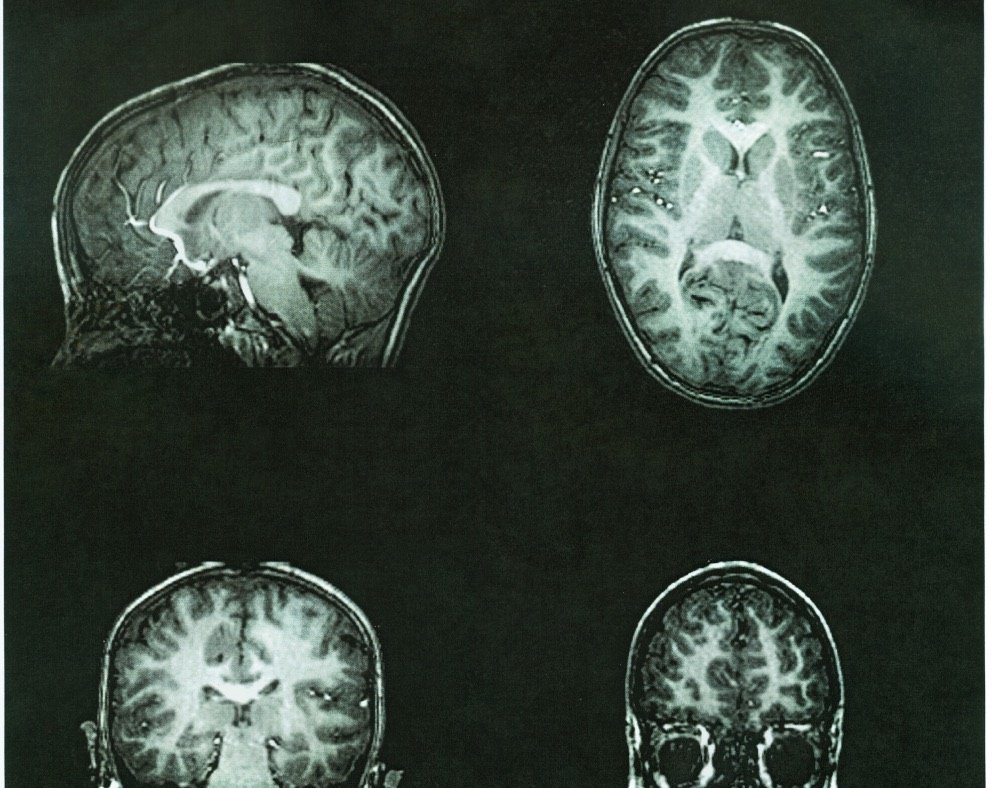
MRI (Magnetic resonance imaging) and CT (computed tomographic) scans are the most common types of brain scans that doctors use when they want to confirm whether a person has a neurodegenerative illness or not.

Brain Scans and Dementia

Below, however, we will focus on answering the query, “Can an MRI detect dementia?”

Why Doctors Consider MRI to Detect Dementia

why doctors consider MRI to detect dementia
Medical experts will advise on the use of MRI when they suspect that a person has dementia.

MRI uses focused radio waves and magnetic fields to detect the presence of hydrogen atoms in tissues in the human body.

MRI scans also reveal the brain’s anatomic structure with 3D imaging allowing doctors to get a clear view of the current state of the organ.

This way, the doctor is able to rule out other health problems like hydrocephalus, hemorrhage, stroke, and tumors that can mimic dementia.

With these scans, physicians can also detect loss of brain mass that relates to different types of dementia.

fMRI (functional MRI) records blood flow changes that are linked to the activities of the brain. This may help physicians differentiate dementia types.

Verywellhealth.com also suggests that MRI scans can at times identify reversible cognitive decline.

In such a case, a doctor will recommend appropriate treatment that will reverse this decline and restore cognitive functioning.

MRI Scans can show dementia

MRI scans can show dementia
According to researchers from Perelman School of Medicine at the University of Pennsylvania, the answer to can an MRI detect dementia is to some extent yes.

The scientists explained that doctors have an easier time telling whether a person has dementia through MRI scans.

This gets rid of the need to carry out invasive tests that people find unfriendly like the lumbar puncture where a doctor must stick a needle in the spine.

Additionally, it also helps to speed up the diagnosis process which is important seeing that dementia diagnosis for the longest time has been a struggle for medics often leading to delayed treatment.

MRI scans

In addition to telling whether a person has dementia, MRI scans may in the future help doctors determine whether an individual is at risk of dementia according to new research.

Research from the University of California San Francisco and the Washington University School of Medicine in St. Louis conducted a small study where MRI brain scans were able to predict with 89% accuracy the people who were going to develop dementia in three years.

The researchers presented their findings in Chicago during a Radiological Society of North America meeting.

It suggested that in a few years, physicians will be able to tell people their risk of developing dementia before they start to showcase any symptoms of the neurodegenerative illness.

Closing Thoughts

To answer the query can an MRI detect dementia it is safe to say that for now, doctors can use MRI scans as well as other diagnostic procedures to tell whether a person has dementia.

With time, however, researchers are hopeful that they will perfect MRI techniques.

These will improve the doctor’s ability to diagnose various forms of dementia with better accuracy using the scans alone.

Cannabis, CBD Oil and Dementia Patients

cbd oil and dementia

When looking into dementia treatment options, one that stands out has got to be CBD oil and dementia.

CBD or Cannabidiol is a compound that comes from the Cannabis plant. This has positive medicinal effects that do not make users feel anxious or “high.”

You should not confuse CBD for Marijuana or the compound Tetrahydrocannabinol (THC) that makes people “high.”

CBD oil that we mention here has nothing to do with Marijuana and THC, as there are no components in the oil that will cause the “high” effect.

The most common form of administering cannabidiol is through CBD oil that is mostly found in a dropper bottle or gel cap.

Learn how persons with dementia can benefit from CBD oil below.

How Does CBD Help Persons with Dementia?

how does cbd help persons with dementia
Multiple studies, including one from California’s Salk Institute, report that cannabinoids like CBD can help to get rid of dementia from brain cells.

There are different ways that people with dementia can benefit from the consumption of CBD oil like:

Reduces Inflammation

reduces inflammation
Inflammation is known to increase the negative effects of dementia. It normally happens where the immune cells in the brain fail to clear the disorienting blockages.

Experts agree that inflammation is a major cause of most of dementia symptoms. Using CBD oil takes care of the inflammation issue, ultimately improving the health of the suffering person.

Acts a Neuroprotectant and Brain Stimulant

acts a neuroprotectant and brain stimulant
Anyone who has dementia experiences rapid destruction and decline of brain cells.

CBD has the potential of stimulating brain tissues in a way that can prevent or reverse the development of the adverse effects of dementia.

A study by Carl Group and Tim Karl researchers from Australia in 2011 revealed that CBD could promote the growth and development of cells in the brain in a bid to reduce memory decline and enhance other brain functions.

Reduces Oxygen Build-up

reduces oxygen build up
Individuals with dementia will often experience oxygen build up in their bodies. Dementia releases oxygen as a stress-induced and reactive component of the illness.

As the brain gets more oxygen, essential functions like memory will also decrease.

Loss of memory and other brain deterioration causes increased levels of oxygen in the brain.

In such a scenario, CBD works like an antioxidant that tackles the issues that come about because of oxygen stress.

Using CBD helps to improve brain functions that have been affected by high oxygen levels.

Reduction of Stress and Anxiety

reduction of stress and anxiety
When talking about CBD oil and dementia, many users agree that oil is effective in reducing anxiety and stress.

Risks and Side Effects of CBD

risk and side effects of cbd
No public health problems are associated with the use of organic CBD, according to WHO (World Health Organization). Some users, however, report side effects like nausea, bloating, and diarrhea.

A small percentage of persons with dementia underwent liver problems, which prompted the discontinuation of CBD use. Others also said that they experienced increased terror while taking high CBD doses.

Because the use of CBD oil as a treatment is relatively new, it is best for caregivers as well as the persons with the illness to monitor the outcomes and effects closely.

This can help a person determine whether the CBD oil and dementia route is right for an individual.

Considerations for Taking CBD Oil

considerations for taking cbd oil
Just like any other medication, one has to be careful when it comes to CBD oil and dementia.

Major factors to consider include the weight, height, and age of the weak person as well as the stage and severity of the illness.

Qualified physicians will be in a position to prescribe the correct dosage after taking into account all the necessary considerations.

Other than taking cannabis in oil form, a professional medic might also recommend other forms of administration like edibles and patches.

Is CBD Legal?

is cbd legal
The legality of CBD depends on the plant where it originates from. This is because the Cannabis plant includes both marijuana and hemp.

While you can create CBD from both, CBD oil derived from hemp is what patients with dementia should use.

This is generally legal in more than thirty states. There are still some minor legal issues that exist because of the stigma that surrounds the plant.

Many states approve CBD from hemp because it contains less than 0.3% of THC. This said different states have their laws when it comes to the consumption of CBD.

If you have any concerns when you want to explore the perks of CBD oil and dementia, it is best to do thorough research on the state you are in to know the laws that surround the use of CBD.

Worth noting is that the US food and Drug Administration has not yet approved CBD as a drug for treating dementia.

Bottom Line

While many studies support the fact that CBD oil is excellent for persons with dementia, there is still no hard evidence that cannabis can cannabis oil can prevent, reverse, or stop dementia.

There is still a need for more research as well as clinical trials that will offer more conclusive results.

The future of CBD oil remains bright even though the entire topic of CBD oil and dementia is still in its early stages.

Do People with Dementia Sleep a Lot?

do people with dementia sleep a lot

There is one question that comes up a lot when discussing dementia and that is do people with dementia sleep a lot?

It has been established that individuals with dementia tend to sleep too much especially those who are already in the later stages.

This happens at night and during the daytime as well.

Below we will tackle this topic focusing on the reasons that may cause persons with dementia to oversleep and what to do when it happens.

Reasons People with Dementia Sleep a Lot

reasons people with dementia sleep a lot
Seeing that most people will answer yes when you ask do people with dementia sleep a lot it is important to discuss some of the reasons behind people with the illness sleeping too much.

One of them is the fact that as the disease progresses, the damage that occurs to the brain becomes more widespread.

These changes that occur in the human brain normally interfere with a person’s circadian rhythm which is the daily cycle that determines an individual’s sleeping patterns.

Dementia often affects sleeping habits in several ways.

You may find that one person sleeps a lot during the day; thus, it becomes difficult to fall asleep at night.

Some people may go through what is known as sundowning.

This causes irritability, restlessness, or confusion as the daylight begins to fade away. This makes it difficult for the person with the illness to fall asleep or even remain in their beds.

Dementia Often Affects Sleeping Habits

dementia often affects sleeping habits
While trying to come up with a conclusive answer to the query do people with dementia sleep a lot, researchers from the University of California conducted a study trying to establish the link between neurodegenerative illnesses and excessive sleepiness.

They found that people who have dementia often experience significant brain cell loss in the parts of the organ that keeps people awake.

The experts published their findings in the Alzheimer’s & Dementia journal.

They also stated that the over-accumulation of tau proteins is also responsible for triggering these changes in the brain.

These tau proteins form tangles that interfere with communication between impact cell health and brain cells or neurons.

Medication can make dementia patients sleepy

medication can make dementia patients sleepy
Lacking quality sleep especially when a person is ill can also make an individual become weaker making it difficult to do anything; hence, the weak persons will spend most of their time sleeping.

Medication that people with dementia take may also contribute to spending too much time sleeping.

These may include sleeping pills as well as antihistamines, antipsychotics, and antidepressants.

Another reason that may cause individuals with dementia to sleep a lot is those who suffer from sleeping disorders.

An example is sleep apnoea which causes a person to stop breathing occasionally as they sleep.

It can be a result of muscles in the throat relaxing or issues with brain signals. This can lead the affected person to sleep for longer hours.

Restless leg syndrome which is common in persons with dementia can cause unpleasant tingling or crawling sensations that usually strike at night when a person is enjoying long periods of rest.

This can make a person have trouble sleeping and they may want to compensate for these interruptions the next day.

Coping Mechanisms for People with Dementia who Sleep a Lot

coping mechanisms for people with dementia who sleep a lot
Family members and caregivers can worry a lot when a loved one with dementia starts to sleep a lot.

There are a few practical steps you can take to make the situation a little better depending on the cause of the sleepiness.

For instance, if a person with dementia is sleeping a lot because of disease progression, there is not much you can do.

However, if it is the medication they are taking that is causing them to sleep too much, you can always visit a professional doctor who will review the medicines they are taking.

Consult a doctor

consulting a doctor
Consulting a doctor is important when asking yourself do people with dementia sleep a lot.

This is because the professional can also help rule out any other health conditions or infections that may be causing the individual with dementia to sleep too much.

If the person with dementia has other physical ailments that are making them sleep a lot, the doctor will come in and offer the most appropriate solutions that can help ease the sleep issues.

Other coping mechanisms you can adopt include keeping a regular sleep/wake cycle.

You can also try and keep the person with dementia busy or entertained during the day so that they do not feel the need to go to bed when it is not the time for sleeping.

If a person can still complete daily activities help to come up with simple routines that they can accomplish throughout the day so that they can always have something to look forward to.

It is crucial to expose persons with dementia to natural daylight because it helps to regulate the body clock.

When the person is sleeping too much and they are comfortable without any negative impact, it is best to let them be.

Closing Remarks

The most common answer to the question, “Do people with dementia sleep a lot?” is yes.

Persons with the illness tend to sleep too much not because they want to but because the condition they are in forces them to want to spend more time in bed.

Caregivers can try and mitigate the situation by trying various non-medical approaches that might help.

It is also important to visit a doctor to make sure it is not other infections or illnesses that are causing a person to oversleep.

The experts are in the best position to offer practical solutions that can help persons with dementia.

Coping With Dementia And Behavior Changes

coping with dementia

It is vitally important to be armed with the right information about coping with dementia and behavior changes.

A person who has dementia goes through many stages and conditions in their lives, which might surprise you if you are unaware of them.

This is because the disease affects the brain triggering the loss of thinking skills, memory, communication, and many other aspects.

People with dementia may behave differently, especially during the middle to the final stages of the illness.

It mostly happens when an individual discovers that they are no longer in control of what is happening in and out of their lives.

This can cause a lot of stress not only for the person who has dementia but their loved ones and caregivers as well.

Depending on how the illness affects a person, there are various ways you may notice changes in how they conduct themselves.

Coping with dementia behavior changes

Here are a few common behavior changes examples and what to do when they occur.

Fidgeting and Restlessness

coping with dementia fidgeting and restlessness
At some point, many people with dementia will develop restlessness behaviors. This is where an individual gets into the habit of pacing up and down without reason.

They may also start fidgeting without cause from the blues. Some will get agitated very quickly and may want to lash out at people all the time.

To take care of this issue, it is important that the person with dementia have a routine that they try and stick to on a daily basis.

This can help to keep them calm because they know what they do every day; thus, there is no need to fidget around or be restless.

Regular exercise has also been known to minimize restlessness.

When you notice that a person is always fidgeting, it is advisable to keep their hands busy with items like worry beads, or other items that they consider meaningful.

In the case of agitation, it may help to create a calm, soothing environment for a person who is triggered. Talking reassuring and lovingly to the person can help cool them down.

You may also want to consider something like a massage or any other activity that helps promote relaxation.

Wandering

coping with dementia wandering
Individuals who have dementia may start to walk around aimlessly.

There are multiple reasons why they can do this, such as medication side effects, boredom, or they want to look for someone or something.

Wandering can put someone in danger.

A person can even get lost since they may not be able to trace their way back home.

To prevent this from happening, there are a couple of solutions you can explore to help you in the journey of coping with dementia, like:

  • Changing locks so that the person with the illness cannot easily get out of the house alone. It may seem a little mean, but there are times when you need to do this to keep the individual safe.
  • Accompanying the individuals on walks or when they go to the shops is encouraged.
  • Consider alarm systems, home monitoring systems, and tracking devices to enhance security.
  • A person fond of wandering should wear an ID bracelet with the phone number of a relative. It comes in handy when somehow they get lost because someone out there can help them get reunited with their caregiver.

Hallucinations and Delusions

hallucinations and delusions
A person with dementia may, at times, develop false beliefs or delusions.

At times when a person with dementia experiences delusions, it can be paranoia.

For instance, a person might think that a spouse is being unfaithful, someone is stealing from them or people are out to get them.

Delusions can also be related to loss of memory. In such an instance, one might want to wake up and go to work even when they retired long ago.

Others may feel the need to take care of children even when they do not have any or get in a car and drive when they do not have a license.

When a person is going through these episodes, it is important to go in and see the doctor. The professional will be in the best position to rule out any medical issues.

Abrupt mental status changes can be brought about by pneumonia, constipation, urinary tract infections, dehydration, and other medical conditions.

At home, loved ones can try and distract the person with dementia with a conversation that sparks their interest.

Caregivers should not tell the affected individual not to be scared.

Instead, it is better to empathize with what they are going through and offer reassurance in a comforting and respectful manner.

You should also check out the environment that triggers hallucinations.

Be on the lookout for auditory and visual cues that may make a person feel threatened.

Eliminate or minimize shadows, objects, and noises that can be misperceived as disturbing or scary.

You should also try and identify the items that make the person feel secure.

It can be anything from a stuffed animal, photography, spiritual or religious item.

Depression

depression
A high percentage of people with dementia also suffer from depression.

Getting to know if a person who has dementia also has depression can be quite challenging since both conditions have similar symptoms.

A medical professional can, however, conduct a thorough evaluation to diagnose depression.

Thankfully, depression does not have to be a huge burden to someone coping with dementia.

Treatment is available and it normally involves a combination of counseling, medication and continuing reconnection to people and activities that bring bliss.

As a caregiver do not be the one always to tell a dementia patient to “try harder,” “snap out of it,” or “cheer up” because this rarely helps.

People who have dementia and depression cannot simply get better by themselves. They need a lot of professional help, reassurance, and support.

Sleep Problems

sleep problems
Many senior dementia patients complain about sleep all the time. Poor sleeping habits, certain medications, alcohol use, and stress are some contributing factors that lead to disturbed sleep.

Restlessness, agitation, and confusion can also affect how a person with dementia sleeps.

Studies reveal that sleep issues are one of the reasons individuals with dementia have to stay in nursing homes.

So that a person can function well, they must get enough quality sleep.

Some tips that can help with ensuring a person with dementia does not end up struggling to get a shut-eye include:

1. Keeping away from alcohol because it contributes to confusion and also increases anxiety.

2. Limit beverages and food that contain high caffeine levels, especially later in the day because it can lead to sleeplessness.

3. Plan the days in a way that incorporates numerous activities. When you fill-up the days with meaningful activities, it can lead to exhaustion so that a person sleeps well at night.

It can be anything from taking walks, exercising, or participating in involving hobbies. However, you must be careful not to overstimulate the individual with dementia.

This will only lead to disorientation, which is not healthy for one’s sleeping time. It is also important to limit nap time as this can also affect how a person sleeps.

It may also help to come up with a bedtime routine that mainly focuses on relaxing activities such as giving the person with the illness a massage or listening to soft music.

Hoarding

hoarding
Some people will dementia will pick up a habit along the way where they cannot let go of their possessions.

As a person who is coping with dementia, several things that can lead to the development of this behavior like isolation, loss, fear, and memories of the past.

To help the individual deal with this, you can try and keep them busy with other things. For instance, you can give them a box full of different items that they can sort.

You can also learn where a person hides the things they want to hoard and remove them without the individual noticing.

You must be very careful with this so as not to agitate them further causing more problems.

Closing Remarks

There is no set of rules that you should follow when it comes to coping with dementia.

To best meet the challenges, you need to use a lot of compassion, creativity, patience, and flexibility to try and make the best out of a rather challenging situation.

Some things must be put into consideration when dealing with a person who has dementia, like:

1. It is not possible to change the person because it is a brain disorder that shapes how they behave.

2. Rather than try and control behavior, it’s best to try and accommodate the new changes in the best possible way.

For example, if a person wants to sleep on the floor, do not force them to climb on the bed. You can place a mattress on the floor instead to make them feel as comfortable as possible.

3. When there is a sudden behavior change, it is always wise to consult with a doctor. This is because some problems may come about because of various underlying medical reasons.

A person with dementia may be in pain or be experiencing side effects from the medications they are taking.

Sometimes, hallucinations or side effects may be caused by treatment or medication that is helping to manage the condition.