13+ Frontotemporal Dementia Treatment Options

frontotemporal dementia treatment

It is important to understand the right approach to frontotemporal dementia treatment and how you can ease and alleviate the condition.

Frontotemporal dementia or FTD is a group of disorders that develop when there is a progressive loss of nerve cells in the frontal or temporal lobes in the brain.

When this happens to an individual, it can affect their movement, behavior, language, and personality. If you get a positive diagnosis for FTD, the first question you may ask is how to get treatment.

Sadly, there is currently no treatment available to cure, prevent, or slow down the decline of FTD.

However, there are a couple of frontotemporal dementia treatment options that affected individuals can try out. These may help take care of some of the symptoms they experience, ultimately improving quality of life.

Worth noting is that FTD is not life-threatening and many people live with it for years.

Best Frontotemporal Dementia Treatment

Medication

frontotemporal dementia treatment medication
Doctors can prescribe different types of medication to a person who has FTD to ease some symptoms. These are usually off-label drugs that are approved for one purpose but are used for another purpose.

Before settling on the drug that a person should take, medics usually ask caregivers and the person with dementia what the most problematic symptom is.

The professional then targets to treat this first. Some of the most common drugs that a person can include in a frontotemporal dementia treatment plan include:

Antidepressants

There are very many drugs in the market available to help treat depression. That can also come in handy for a person who has FTD. They can help to control obsessive-compulsive behaviors, treat anxiety, and other signs of the disease.

Drugs like trazodone can assist with behavioral problems. SSRIs (selective serotonin reuptake inhibitors), on the other hand, have proven to be helpful when it comes to treating multiple FTD behavioral symptoms.

They include agitation, depression, apathy, and anxiety amongst others.

Drugs that most people take include Zoloft and Luvox. Professionals deem these agents relatively safe to be taken by persons who have dementia.

Sleeping aids

sleeping aids
An individual can use this to help ease sleep disturbances like insomnia.

Antipsychotic drugs

Doctors usually recommend these to help reduce compulsive and irrational behaviors. The medications which are also known as neuroleptic drugs have a reputation for affecting motor functioning negatively.

However, new generation antipsychotic drugs like Zyprexa and Seroquel are normally well-tolerated.

Cholinesterase inhibitors

Some people will be also be put on cholinesterase inhibitors to experience some improvement or temporary stabilization in memory/attention in global functioning and day-to-day activities.

Anticonvulsants

This class of medicine can act as mood stabilizers. A doctor may advise a person to take these alone or in conjunction with other drugs, specifically antipsychotic medication to manage agitation.

Tegretol and Depakote can help manage extreme behavior symptoms.

Dopaminergic Agents

dopaminergic agents
Some studies reveal that some drugs can help with enhanced initiation and speech fluency. These are medications that an individual takes to supplement the dopamine brain neurotransmitter system.

Persons with Parkinson’s disease are the ones who mostly take these drugs. In small doses, the medication might also reduce involuntary movements that some persons with FTD have.

Medroxyprogesterone

Some persons with frontotemporal dementia may show signs of sexual disinhibition. Because this can be distressing medics might recommend medroxyprogesterone which is a hormone progesterone derivative. In some cases, this is useful for calming sexual urges.

Clinicians have to weigh the advantages and disadvantages of using drugs before recommending a prescription. This is because some drugs may have dire side-effects; thus, they end up creating a bigger problem instead of offering a solution.

Others might also interact with other medications that a person is already taking.

In most cases, the doctor will proceed on a start slow approach to see if the medication will be tolerated. The expert then decides whether it is prudent for the person to continue taking the drugs or look for an alternative.

Therapy
therapy
Persons who have FTD are also advised to consider different types of therapies when coming up with a frontotemporal dementia treatment plan.

Examples of therapies that might help include:

Language and speech therapy

Experts can work with an individual to help improve communication problems.

This, at times, also assists with swallowing issues.

Physiotherapy

This comes highly recommended for people who have movement challenges because of FTD.

Occupational therapy

A person goes in for this type of therapy so that therapists can identify major problem areas in their daily lives.

These can include difficulties in eating, taking a shower, or getting properly dressed. The professionals of occupational therapy then go ahead to help come up with practical solutions.

Clinical Trials

clinical trials
Researchers and other experts are constantly working hard to make strides in the frontotemporal dementia treatment front.

This implies that a person who has FTD can volunteer to join a clinical trial that is experimenting with new tests, interventions, and treatments.

It is one of the approaches that can help to introduce new methods that are possible to detect, prevent, manage, or even treat the disease.

It is crucial to do thorough research before joining any clinical program to ensure that you will not be compromising your health at the end of the day.

Each clinical trial typically follows a protocol that has been predefined, including:

  • Clear criteria for eligible persons
  • In-depth information about the purpose of the trial
  • The experts conducting it and how they will be doing it
  • Potential benefits and risks

With most trials, a person does not have to pay to join. The experts usually cover costs like travel expenses for the participants.

Home and Lifestyle Remedies

home and lifestyle remedies
Away from frontotemporal dementia treatment options that mainly require professional help, there are some lifestyle and home remedies that can also prove valuable to individuals with FTD like:

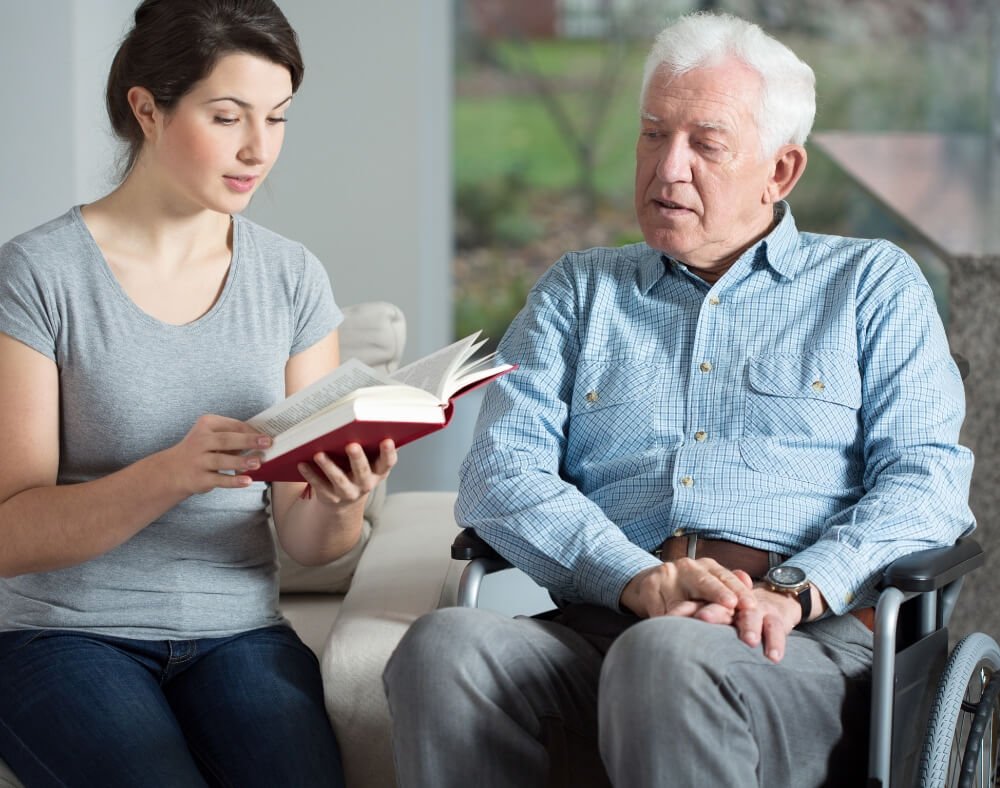
1. Accepting the help of the caregivers. As the illness progresses, a person with FTD might not be able to do everything on their own; thus need some assistance from relatives, friends, and other professionals.

These are people who will come in to lend a hand when it is needed as you go about your daily activities. They will also offer transportation, maintain safety and assist with finances.

2. Engaging in exercises that are suitable for your skill level is also good for your health. Not only will this keep you in shape, but it will also help enhance thinking skills and mood.

3. Proper nutrition is also advisable for anyone who has FTD. There are plenty of resources that a person can use to see the best foods and drinks to eat to get the nutrients and energy that is needed to tackle the disease.

4. Stress management is also crucial to everyone who is battling FTD. Try and find things that make one happy and relaxed. The activities that a person engages in should be stimulating and enjoyable and most importantly, should be of their choosing.

While lifestyle changes will not reverse or stop the progression of the illness, they can help to protect brain functioning and offer other benefits that will see a person lead a more fulfilling life even with the disease.

frontotemporal dementia treatment lifestyle changes

Extra lifestyle changes

Your physician will also discuss any lifestyle changes that you need to make along the way. For instance, it may reach a point where you are not able to drive safely again.

Creating a comfortable environment for the person with FTD can also help them cope better with the signs and symptoms they are going through.

This can be done by making sure that there is nothing in sight that upsets the person with dementia. The home should also have minimal noise and be well-lit.

Other frontotemporal dementia treatment plans that might come in handy for persons with FTD like:

1. Engaging in relaxing techniques
This can be anything from going in for a massage or just listening to some good music and dancing your heart out.

2. Leisure activities and social interactions
These are best done with people who are facing the same challenges. This is why a person with this type of dementia needs to identify a support group.

These can have all sorts of helpful ideas on the activities that members can participate in to have fun so that they do not have to think about their medical condition all the time.

These groups also offer plenty of valuable advice that members can use to lead better lives despite their current conditions.

3. Strategies to combat challenging behavior
These include approaches like structured routines, distraction techniques, and activities like completing puzzles, etc. that help to avert “difficult” behaviors.

4. The use of incontinence products like pads pants, catheters, and other products and devices can help make life a lot easier when need be.

Closing Thoughts

It is important to note that people who have FTD do not experience illness in the same way. This means that a treatment option that works for one person may be harmful to the next.

It is, therefore, vital to identify the best treatment options based on individual experience to get the best results.

Additionally, it is best to stay away from self-prescription. Always consult a professional before you embark on any new treatments to be on the safe side.

14 Best Alternative Therapies for Dementia

alternative therapies for dementia

To date, dementia still has no cure but persons with the illness can consider alternative therapies for dementia to improve symptoms and improve quality of life.

Alternative therapies refer to the treatment that is used in place of conventional medical care.

They normally target psychological, emotional, cognition, and behavioral symptoms that persons with dementia experience.

Examine some of the therapies that individuals with dementia can benefit from below.

14 Best Alternative Therapies For Dementia

Occupational Therapy

An occupational therapist can help evaluate the strengths and weaknesses of a person who has dementia. This can assist the professional understand the areas where the affected individuals need help the most.

Working with the therapist can see a person improve some of their physical skills.

The experts can also come up with suggestions for home and living changes to make it safer and better adapted to the needs of the person with the progressive disease.

Examples of modifications that you can make include:

1. Ensuring that there is a fence surrounding the yard so that the affected person will not get away, wander, and get lost in the neighborhood.

2. Organizing the closet so that appropriate outfits for the current season are within reach.

3. Identify simpler versions of activities that the individuals used to enjoy so that they can continue spending time on them.

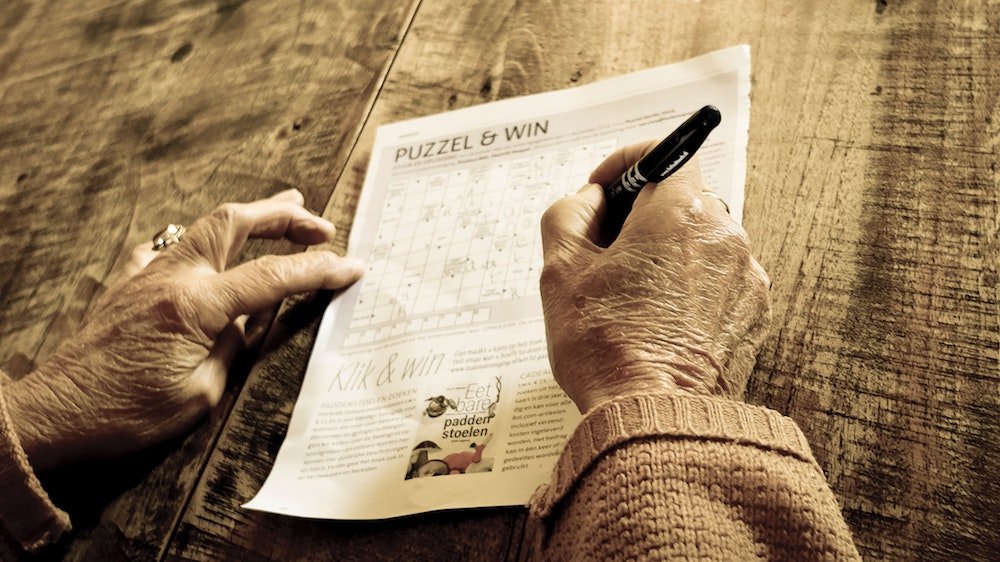
For instance, if the said individual loved completing puzzles before a positive dementia diagnosis, the occupational therapist can look for easier puzzles that the person will continue to enjoy.

Reminiscence Therapy

reminiscence therapy for dementia
Also known as life review therapy, reminiscence therapy (RT) is one of the most common alternative therapies for dementia.

RT encourages individuals to revisit past memories.

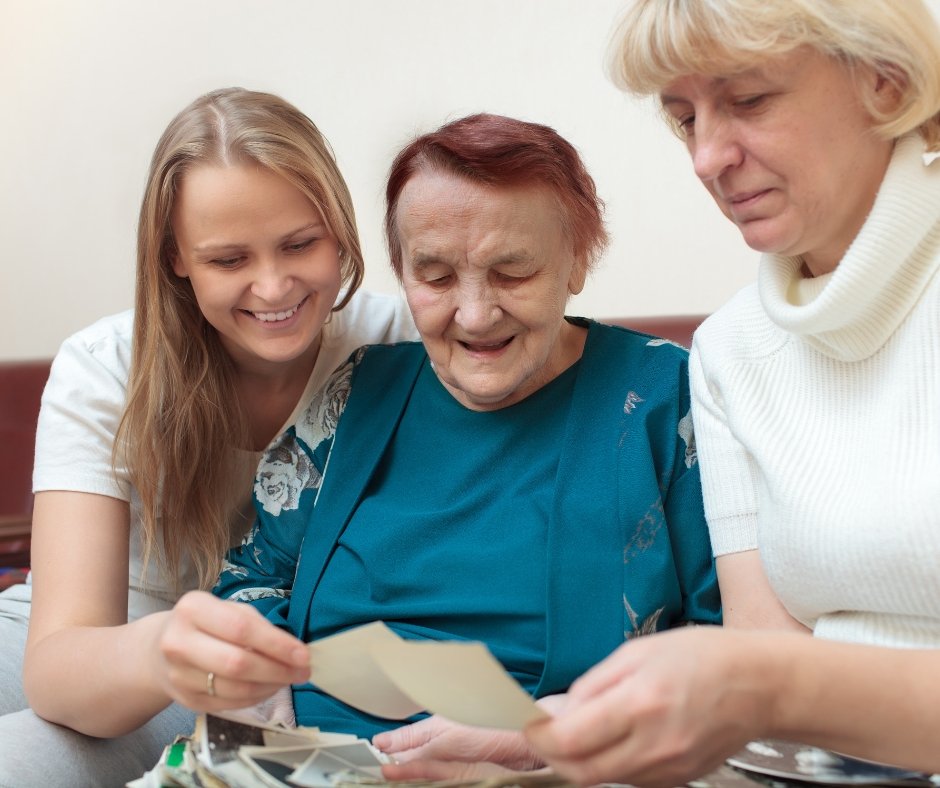
It is a kind of talk therapy where experts use sensory aids or props to help spark memories.

Examples of these may include sounds, smells, songs, photos, or stories from an individual’s past.

The therapy can be conducted in a group setting or one-on-one sessions.

Reminiscence therapy can offer several benefits to affected individuals like:

  • Enhanced cognition
  • Improved behavior and mood
  • Higher confidence and self-worth
  • Better connection with loved ones
  • Reduced depression
  • Reduced agitation

Physical Therapy

Physical therapy is beneficial to individuals with dementia because it can help enhance their balance reducing the chances of tripping, falling, and injuring themselves.

This is because the therapy mainly focuses on strength training, endurance, flexibility, and balance.

A physical therapist can come up with appropriate exercise programs that an individual can take part in to help them with movement.

Additionally, it can help with boosting mood and decreasing aggression.

When a person is active there is an increase in the release of endorphins that soothe the brain.

Most people who take part in physical therapy also enjoy improved sleep.

Physical therapy can also help a person maintain their independence a move that can help them conduct daily living activities like bathing, eating, grooming, and toileting without too much difficulty for the longest possible time.

Studies also show that physical therapy can also help with the slowing down of memory loss. Research indicates that it is one of the best ways to enhance brain health.

Music Therapy

Sound and music play are an important part of human life whether listening to it, dancing, or taking part in its creation. People respond to music at a tender age even before language and words develop.

For years, music is in use to engage and communicate with persons who have dementia. As the illness progresses, music can help enhance well-being and communication.

This is because music stimulates different parts of the brain which can help an affected person connect with past memories and express their feelings.

There are multiple different ways of incorporating music, including:

  • Singing a person’s favorite tunes
  • Playing instruments
  • Listening to a live performance or recorded music
  • Listening to music through headphones

Music therapy is normally conducted by a trained music therapist who can work with an individual or a group. This kind of therapy is known to reduce anxiety for most people with dementia.

It can also enhance cognitive function including perception, thinking, mood, feelings, and behavior. The therapy can also encourage physical exercise if it prompts a person to dance or move around while enjoying the beat.

Music also reduces the incidences of social isolation by encouraging social interaction and promoting activity in a group setting.

Art Therapy

art therapy for dementia
Art therapy is another example of beneficial alternative therapies for dementia. Most people with this progressive disease will enjoy taking part in various creative activities including art.

Art therapy creates a platform where persons with dementia can take part in fun art projects as they express their creativity. The therapy stimulates the brain in numerous ways.

For instance, it can help encourage speech or stir dormant memories. Art therapy can also create a sense of purpose and accomplishment for persons with the illness.

Some studies report that art activities can help enhance cognitive function and social interaction. Non-verbal seniors can start smiling, laughing, moving, or speaking once they take up art therapy activities.

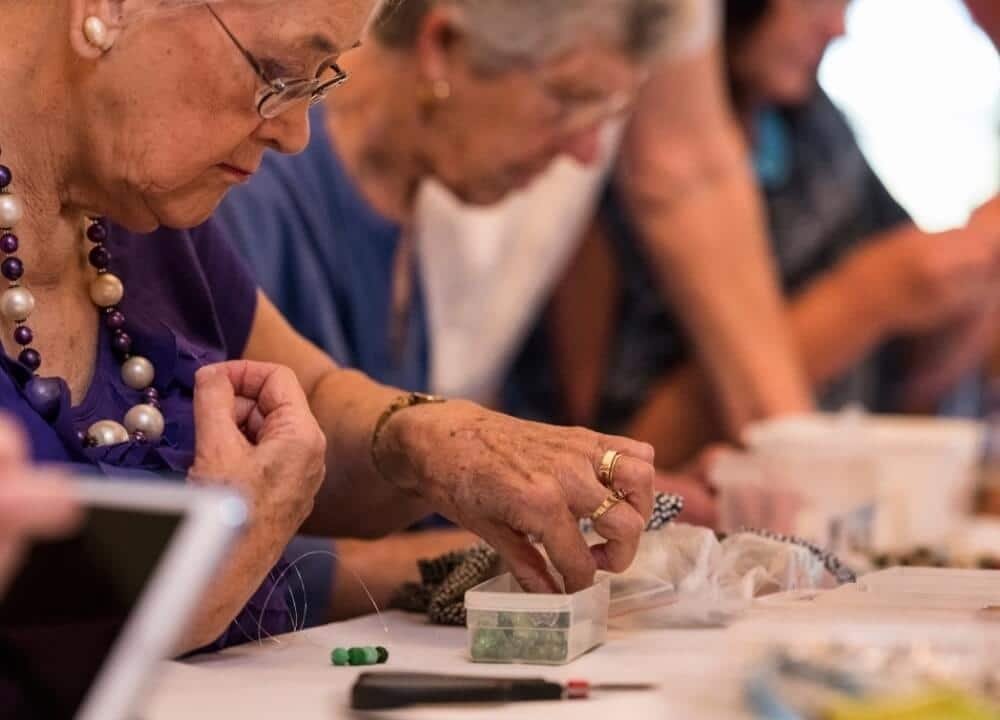
Experts agree that the best forms of art therapy are the ones based on personal memories and passions. Examples of art activities that individuals with dementia can take part in include pottery, paint by number projects, watercolor painting, pencil or charcoal drawing, participating in community art projects and making cards, jewelry, and many more.

These activities can help boost hand strength, relieve stress, and stimulate senses.

Bright Light Therapy

Bright light therapy is a promising treatment that can help people who have dementia. The therapy is thought to affect brain chemicals related to sleep and mood.

Most persons who have dementia will experience sleep issues at some point during the illness. Bright light therapy can help normalize a person’s sleep-wake pattern.

Studies show that this type of therapy is most effective for persons with mild to moderate dementia.

The administration of this therapy is best done during morning hours so that it can entrain the circadian rhythm in a bid to reduce interruption of the normal sleep-wake cycle. This results in increased sleeping hours at night and less daytime sleeping.

Pet Therapy

pet therapy as alternative therapies for dementia
Also known as animal-assisted therapy, this is another example of useful alternative therapies for dementia. The therapy encourages persons with the illness to spend time with various types of domestic animals like cats, trained dogs, birds, fish aquariums, or aviaries, etc.

Spending time with pets offers unconditional love, companionship, and fun for persons with dementia thanks to their friendliness and non-threatening ways. The animals can either live with the affected persons or somebody can bring them once in a while.

Other benefits associated with this type of therapy include:

  • Improving mood
  • Encouraging social interaction
  • Better nutrition
  • Offering a calming effect
  • Improved physical activity
  • Reducing behavioral problems like aggression, agitation, anxiety, loneliness, and depression

Laughter Yoga

Some studies indicate that people with dementia can benefit from laughter yoga. The primary goal of this kind of therapy is to bring more laughter into the lives of individuals with the disease.

Laughter offers numerous health perks for complete mind and body wellness. It can help to relieve stress as a person gets to feel happy, positive, and relaxed after a session of genuine laughter.

The best part about this therapy is the fact that a person does not even have to comprehend a joke or punch line to start laughing.

Laughter is stimulated as a form of exercise ensuring that people just burst out laughing for no reason.

Aromatherapy

aromatherapy as an alternative therapies for dementia
Aromatherapy can be defined as an ancient healing practice where essential oils from herbs, trees, plants, and flowers are used to enhance the spiritual, mental, and physical well-being of affected people.

Essential oils can be applied to the skin or inhaled. Improving cognitive function in persons with dementia is one of the health benefits that come from aromatherapy. Needless to say, the therapy boosts brain performance and improves the ability to remember events.

Aromatherapy can also help to relieve some common dementia symptoms like depression and anxiety.

Numerous studies reveal that essential oils from lemon balm, bergamot, and lavender can help a person with dementia suppress agitation, aggression, and a host of other psychotic symptoms.

Massage Therapy

Massage therapy is one of the alternative therapies for dementia that continues to attract increased attention when it comes to medication alternatives that ease dementia behavioral symptoms.

Moreover, massage can be incorporated in dementia care to offer a human touch that offers a wide range of benefits to individuals with the progressive illness such as:

  • Reduced feelings of anxiety, isolation, and insecurity
  • Increased feelings of care and reassurance
  • Decreased levels of agitation
  • Improve sleep
  • Ease pain
  • Reduce physical expressions like wandering, pacing, and resisting care
  • Decreased heart rate and blood pressure
  • Inducing deep levels of relaxation

Massage therapy is also known to communicate comfort and support in palliative care. There are different types of massages that persons with dementia can benefit from including back massage, hand massage, and foot massage.

Acupuncture

acupuncture
Acupuncture is considered one of the safe and effective alternative therapies for dementia. It is an ancient Chinese method that is in use to treat various medical conditions for years. Acupuncture mostly involves the insertion of needles in specific locations of the human body to help restore proper energy flow to treat symptoms.

Controlled investigations divulge that acupuncture helps to enhance the flow of blood to the brain ensuring that the organ gets adequate nutrients and oxygen. Several studies show that acupuncture can also help in enhancing mood as well as cognitive skills.

Others indicate that acupuncture can help increase both motor and verbal skills as well as attention and memory. One of the studies also revealed that acupuncture can help treat depression and anxiety in people with dementia.

The studies, however, do not give conclusive results on whether acupuncture can help cure dementia; hence, more research still needs to be done on this treatment option.

Doll Therapy

Many people with dementia can also benefit from doll therapy. This normally involves the use of soft toy animals or life-like dolls. These offer “companionship” to the persons with the illness especially in the later stages of the illness providing perks like pleasure and relaxation without the responsibility of taking care of the dolls.

For some, holding a doll or soft toy helps them remember when they were holding their children or when they were caring for their beloved pets. This sensation that comes with holding something soothing can help offer a connection to the outer world renewing a sense of purpose in persons with the progressive illness.

This can also lead to an increased level of liveliness and activity levels. There is evidence that confirms that the use of soft toys or dolls can be especially helpful to persons who do not engage with others or are constantly struggling with anxiety, and restlessness.

Validation Therapy

validation therapy
A brief description of validation therapy would be a kind of counseling. A professional therapist will hold the hand of the person with the illness paying close attention to their feelings.

The experts are trained to study body language and the voice of the weak. This helps the professionals to communicate with persons with the disease in a manner that acknowledges their actions and words with empathy and respect instead of anger, embarrassment, or dismissiveness.

This type of therapy is normally offered to people who are in the last stage of dementia nearing the end of life. It usually helps the affected individuals feel sage, useful, loved, and at peace before breathing the last breathe.

Reality Orientation

When it comes to reality orientation, a person with dementia will work closely with a professional therapist who will repeat details about the place, time, and other crucial details regularly.

This helps the person with the illness stay oriented to the present moment a move that can help reduce confusion. Using large calendars and clocks can also help make things easier.

It is important to understand that reality orientation does not work for everyone who has dementia. This is especially for persons who believe that they are in a different place or time. In such instances, this type of therapy ends up upsetting the affected individuals.

Closing Remarks

Caregivers and persons who have dementia must approach the use of alternative therapies for dementia with care. This is because the therapies usually have different results on different people.

It is best to consult an individual’s doctor before trying out any therapy to be on the safe side. After trying out one option and it does not work, it is best to abandon it and look for the ones that will give the suffering individual the best results.
10 Best Living with Dementia Tips & Advice

living with dementia

There are ways and approaches that make living with dementia a lot less stressful on the person, loved ones and caregivers.

For most people, a positive dementia diagnosis means a life sentence full of nightmares and all the bad experiences imaginable.

These feelings are heightened by the fact that there is still no cure for the illness.

It is, however, important to note that living with dementia does not have to be the worst thing a person can go through.

Guide on Living with Dementia

Below you will explore some of the tips and recommendations that a person with dementia can work with to live a more fulfilling and independent life for the longest possible time.

1. Accept your Situation

living with dementia
After getting to know that you have dementia, it is tempting to keep the news to yourself and pretend that everything is in place.

This is the wrong move.

It is advisable to share the news with people who care about you.

It does not mean that you have to go on the rooftops and shout about your health condition.

Take as much time as you need but when you are ready, do not shy away from sharing this news with people you love whether it is your relatives or friends.

This way, they will be in a position to understand what you are going through, especially when you start going through some changes that the disease causes.

Communicate

As you share the news, it is important to understand that different people will take in the news differently.

Some will be shocked and they may immediately start treating you differently.

It’s important to communicate about dementia.

Many will do this because they do not know what dementia is and have no clue what to do to help.

Try and explain what your diagnosis means and also tell them the ways that they can be of assistance.

For instance, if you cannot drive, your support system can step in to drop and pick you up when you need to go somewhere.

As much as it is hard to accept, you can also find that you might lose touch with some individuals.

Try and take these changes in your relationships positively.

After all, you might end up meeting new people in support groups or while engaging in different activities.

2. Learn about Dementia

learn about dementia
Millions of people around the globe are battling with dementia and new cases are coming up every year.

A person who is living with dementia needs to have in-depth knowledge of the illness to live well with the condition.

Thankfully, there is a wealth of information about dementia, including its stages and helpful treatments.

Your doctor should give you details about the illness and also offer referrals to valuable resources.

Empowering yourself means that you will be more equipped to face the challenges that lay ahead. You will also know how to better handle the symptoms you get.

3. Take Care of Your Whole Being

living with dementia by taking care of your whole being
What this means is that you need to take good care of your physical body, spiritual, psychological, and emotional health.

In regards to physical health, it is important to engage in exercises that you can handle with ease.

You also need to check what you are consuming so that you are always eating a balanced diet. This way, the body will get the nutrients and minerals it needs to boost your immune system.

Take care of your psychical and physical health

Getting enough sleep is non-negotiable.

It is also prudent to take care of your mental health by participating in stimulating activities that you can find in classes or hobbies. Various group activities are also fun.

Your doctor might also propose that you cut down on smoking and drinking alcohol or stop altogether.

When it comes to emotional health, remember to allow yourself to go through a range of emotions, especially when you first get the news.

After accepting the situation, you can go ahead and join a support group. It is best to join one with people who have dementia, whether offline or online.

Also, it is a great coping mechanism because you will not feel like you are alone and members of the group can help each other through their journeys.

It is also crucial to find something that will nourish you spiritually.

Some individuals may gravitate towards spending time in nature, religion, or calming activities like yoga.

Do all it takes to live a happy, stress-free life when dealing with dementia.

4. Plan Ahead

people with early dementia need to plan ahead
Sadly, it may reach a point where a person living with dementia is not able to make proper decisions.

For this reason, it is vital to plan for your future when you are still independent and can make sound decisions.

Long-term plans for dementia

1. Choosing a person you trust to act on your behalf in terms of managing your medical and financial needs.

2. Creating a will so that after breathing your last breath, your possessions, money, and property will go into the persons you pick.

The state gets to decide who will get what if you die without having a valid will.

3. Making a statement in advance about the care that you want to receive during the later stages of the disease as well as where you want to receive the care from.

This is a written statement that will highlight your beliefs, wishes, preferences, and values in terms of future care.

The person that you choose to handle important issues in the future will be your attorney. Failure to pick an attorney means that no one will have the right to make decisions when you are not able to.

This is something that can make things difficult for your family because they may not be able to pay bills or make good decisions about your care.

When it boils down to this, a person may be forced to apply to become your deputy at a Court of Protection. This is a costly process that may end up taking a lot of time.

5. Live in a Dementia-Friendly Environment

live in a dementia friendly environment
An individual who has dementia should live in a comfortable and safe environment.

If you choose to live at home, some modifications that can be done to create a suitable living environment.

Some of the changes that you can make around the home include working with a recognizable and meaningful interior design that incorporates your life story complete with words and pictures.

Making sure the house has good natural lighting is also important when you want to reduce shadows and glare.

Detectors for falls, GPS, alarms, and sensors can help boost security.

A tablet or smartphone can also come in handy because you can use this to organize your life, keep track of what is going on, revisit videos, and photos, and also communicate with your relatives and friends.

6. Stay Active and Busy

people with dementia to stay active and busy
When you are living with dementia, it becomes easy to withdraw socially and wallow in self-pity. You must resist this urge if you want to enjoy a quality life even into the later stages of the illness.

Staying active is also important because it will give you a sense of self-worth and purpose.

Find activities that you love and enjoy them to your heart’s content. Many service providers today are sensitive to the needs of a person who has dementia.

Occupy your body and mind

For instance, some cinemas put on dementia-friendly screenings which means you can go out and enjoy the latest film.

Many leisure centers also run appropriate activities for persons with dementia which means that you have a long list of activities to choose from.

When moving about, it is imperative to carry a card that will let other people know you have dementia.

The card should include details of a person that others can contact if you get lost or are in some sort of emergency.

When you do not have the energy to jump or move around, there are other ways to keep busy. Examples of these include listening to music or doing crosswords.

If you have grandchildren, you can offer to babysit for a few hours. There is also the option to volunteer to avoid the risks of loneliness, isolation, and depression.

7. Follow Routines

People with dementia need to follow routines
Sticking to routines is another way that people who have dementia can live well.

Do the same thing at the same time each week or day. This is bound to reassure you while at the same time stimulating your memory.

Having set schedules can also help you reduce the time you spend thinking about what needs to be done next.

If you always forget about things you need to get done regularly, you can pin your to-do-list on prominent places. This can include things like switching off lights or locking doors.

Some people with the illness also say that it helps to carry a notebook and pen around where you can write down the tasks you need to complete in a day.

You may also find that it is helpful to put important things like keys or glasses in the same place daily so that you do not have a problem locating them.

Additionally, a clock that shows the day of the week and date can come in handy.

8. Set Realistic Goals

set realistic goals for dementia patients
It is not uncommon for a person who has dementia to want to prove to the world that they are overachievers and the disease is not pulling them down.

This may lead a person to become over-ambitious where they want to handle more than they can chew in regards to day-day activities.

When you find that you cannot do all the things you set out to it can be frustrating and you might even fall into depression.

For this reason, it is important to set realistic goals so that you only focus on things you can do and complete without too much struggle.

Seek help when necessary

Remember that it is okay to ask for help from professional caregivers, family, or friends when you are in need.

When you decide to take up any task, give yourself adequate time to complete it first so that you are not always rushing into new tasks creating more confusion.

Most importantly, do not pressure yourself to be successful. Accept that there are things you were once able to do in the past that you can no longer complete at present.

It is better to focus all your attention on the things you can control, rather than spending hours on the ones you cannot control. Even as people are helping, make sure that they are not taking over.

The people around you might end up offering more help than you need which will leave you with nothing to do.

9. Coping At Work

coping at work
During the initial stages of the disease, a person living with dementia may choose to continue working.

If you choose to take this route, it is important to let your boss know about your current health situation if you are employed.

Employers have a legal duty to take necessary steps to ensure you can continue working without too much difficulty.

This can include simplifying routines, changing work schedules, or availing technology like a computerized diary that will remind you of meetings and deadlines.

If you do not want to continue working, first research on matters pertaining to pension and other benefits you are eligible for before leaving the workforce.

This way, you will not be short-changed in any way.

10. Go for Regular Hearing, Eyesight and Dental Checks

go for regular hearing eyesight and dental checks
Having dementia most of the time means that you will also experience sensory loss. This makes it hard for you to make sense of the world.

Because of this, you must regularly schedule oral, hearing, and eyesight checks to live well with dementia.

Ideally, you should consult a professional who has experience supporting persons with the illness.

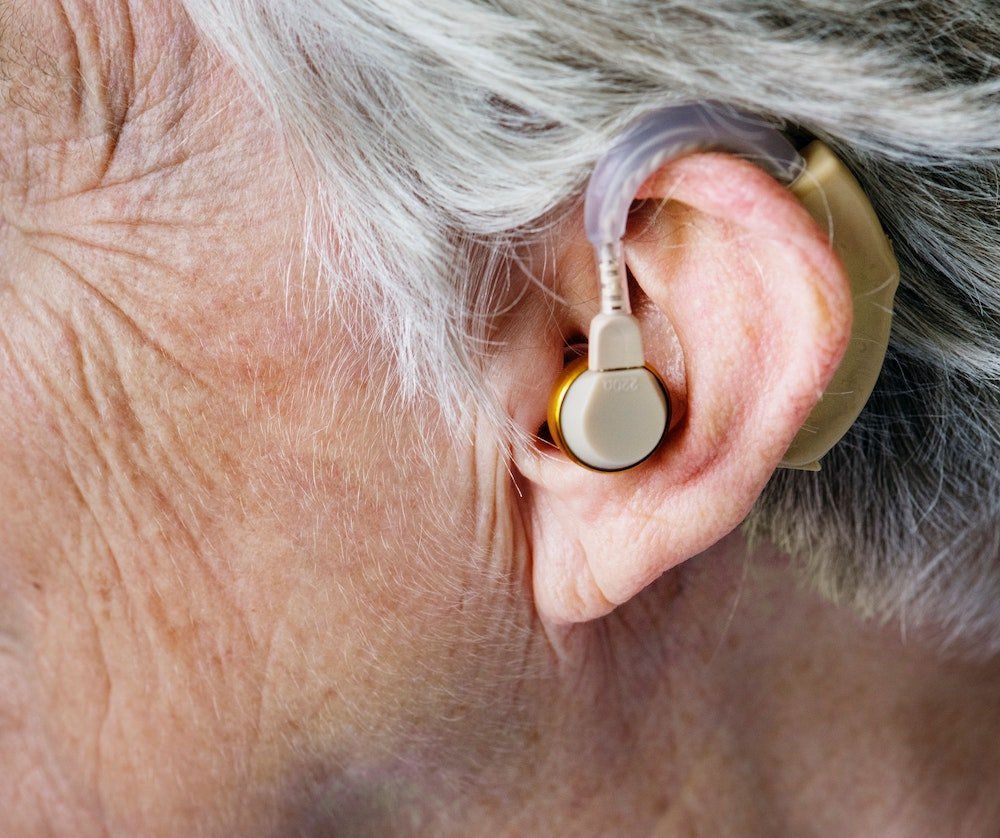
During these visits, your doctor may recommend the use of hearing aids or glasses.

Do not avoid doctors

You should never ignore dental checks because poor oral hygiene can, at times, affect your eating and drinking abilities.

At home, you should also take care of your dental health by brushing your teeth at least two times a day, flossing, and eating healthy foods that will not lead to cavities and other oral health problems.

If you are using dentures, ensure that they are comfortable. You can always set reminders to guide you on the times to remove and wear them.

What is the Average Dementia Survival Time?

average dementia survival

When someone is diagnosed with any type of dementia, what is the average dementia survival time?

Let’s find out.

Dementia is a disease that is believed to affect more than thirty million people across the globe. It primarily affects older people who are over the age of 65.

However, there is still a small percentage of the population that gets dementia at a younger age.

The incurable illness is characterized by continued progressive disability.

This makes predicting the average dementia survival time quite difficult.

What is the Average Life Expectancy With Dementia?

Studies, nonetheless, indicate that on average, four and a half years is the median for survival after the onset of dementia.

Because people’s experiences are usually different, survival can also vary between 3.8 years to 10.7 years or more.

You should understand that dementia, in most cases, is not the direct cause of death.

Several risk factors that can impact the life expectancy of a person who has dementia such as:

Age of Diagnosis

average dementia survival
The age where an individual is diagnosed with dementia might affect the number of years they have on earth. People who go through earlier diagnosis are likely to live longer.

Researchers working at the Johns Hopkins Schools of Public health uncovered that the average survival time for people who get a diagnosis at the age of 65 is 8.3 years.

On the other hand, on average, 3.4 is the average life expectancy for seniors who get diagnosed when they are 90. This is mostly because the latter do not have enough time to plan for care as the disease progresses.

Additionally, dementia may be identified when its later stages have already begun which naturally decreases the length of survival.

To add to this many seniors who have dementia are already frail and can be affected by other conditions or illnesses which may also contribute to an earlier death.

Younger individuals, on the other hand (under 65 years) may experience a slow decline since they have more energy; thus, end up living longer than the ones who are over 80 when they receive their diagnosis.

Gender

average dementia survival based on gender
Several studies report that gender plays a role when it comes to average dementia survival rates.

It is said that women end up living slightly longer than men who have dementia. Averagely, male persons can live to a ripe age of 87 while their female counterparts can go up to 90.

This is even though women are at greater risk of developing dementia. Statistics show that about 2/3rds of people who have dementia are ladies.

Severity of Symptoms

severity of symptoms
The symptoms that a person who has dementia showcases may greatly affect average dementia survival chances.

Individuals who have severe motor impairments like a long history of falls or the tendency to walk away and get lost may have shorter life expectancies.

This is one of the reasons why it is important to work closely with a doctor when a person has dementia.

After thorough examinations, the medic might identify some problem areas that can be treated effectively.

At this point, you should remember that dementia currently does not have any cure.

However, there are treatments that a person may go through to help ease symptoms. These can be in the form of medicine or alternative treatments like therapies.

Consequently, this can help add some years to the individuals’ life on earth.

Type of Dementia

type of dementia affects dementia survival
There are different types of dementia that can affect a person. This can also determine the life expectancy of the ill individual.

Note that each of the dementia types will have different rates of progression and patterns.

It is; therefore, important to get the proper diagnosis so that an individual can know how to deal with the dementia they have.

Let’s touch base on the average life expectancy of people who have different types of dementia.

1. Alzheimer’s Disease

This is the most common dementia cause characterized by a build-up of abnormal proteins that damage the brain.

The lifespan of individuals with Alzheimer’s disease is typically between eight-twelve years. Healthy and fit individuals, however, tend to live longer.

2. Dementia with Lewy Bodies

Lewy bodies can be described as small protein deposits that affect memory, movement and thought. About 7% of dementia cases account for dementia with Lewy Bodies.

Experts believe that people with this type of dementia may have about six-twelve years on earth after diagnosis. Survival can be shorter for people with severe symptoms.

3. Vascular Dementia

Vascular dementia develops when small strokes continually damage the brain. Research indicates that life expectancy may be about four years.

This is mostly because Vascular dementia is also linked to other illnesses that cause that affect general health.

4. Frontotemporal dementia

Also known as Pick’s disease, this affects a person when there is damage in both their temporal and frontal brain lobes.

It is mostly diagnosed in people who are between the ages of 45-65.

Individuals with this type of dementia usually have about eight years to live from when the symptom start showing.

Alarmingly, the young-onset of the illness tends to progress faster.

This implies that a person who gets their diagnosis at thirty years to fifty may live fewer years than the one who is diagnosed at an older age.

Other Health Problems

other health problems
It is not uncommon for people with dementia to experience a host of other medical conditions.

Persons who have a history of heart attacks, heart disease, or diabetes might have shorter lifespans than the ones who do not have these health factors.

It means that persons who have dementia need to be very cautious about their health.

As a person grows older, they become more prone to infections and other diseases.

When these affect an individual, they can cause severe trouble to an individual, especially if they go untreated.

Persons with dementia should always consult with professional medical personnel talking about all the symptoms they are facing.

The medics can save a life opening up more years on earth.

Functioning Levels

functioning levels
The level of function is also one of the factors that can affect average dementia survival time. Some experts believe that persons who have higher levels of function may celebrate more birthdays.

This goes beyond memory and simple brain function.

Evidently, people who do more things for themselves have longer life-spans even with the presence of advanced dementia.

This is probably because they move around using their muscles without just sitting around something that is healthy for the body and mind.

Lifestyle Factors

lifestyle factors
The way a person chooses to live his/her life after a dementia diagnosis can also dictate how long they have on earth.

Some people do not receive the news well; hence, end up putting themselves into trouble.

They do this in several ways like drinking too much, smoking cigarettes, using medications without prescriptions and generally letting themselves go.

This is usually not a good move because it causes the immune system of the body to go lower, which means that one can end up making their exit on earth sooner.

It is advisable to be calm when you receive the news.

Yes, it may be daunting at first, but if a person chooses to take good care of themselves, there is a chance that they may end up living many more years without too much suffering.

Other factors that people may think may have an impact on longevity in persons with dementia include:

  • Whether a person lives at home or in an assisted facility
  • Whether an individual is married, divorced, or single
  • Level of education

In rare cases, individuals with less education live slightly longer than those with more education.

Some people may also argue that seniors living at home may be at an advantage of enjoying more years than the ones who are at a care facility.

In line with this, it may also seem like married people might enjoy a longer life expectancy than the ones who do not have partners.

The truth is after multiple studies, the differences in the above situations are not statistically significant.

How Many Years Does Treatment Add?

how many years does treatment add
Sadly treatment does not stop the progression of dementia. It only takes care of some of the symptoms, and in some cases, it can slow down the advancement of the illness.

This said, there is still no resounding evidence as to whether treatment can help add time to a person’s life or not.

Ultimately, the illness will progress and side effects and symptoms become worse as it takes a toll on the body and brain.

It is not to say that persons who have dementia should not consider treatment.

Talk to a professional doctor about possible treatment because it can help to treat some of the symptoms while at the same time improving the quality of life.

Closing Thoughts

Talking about average dementia survival time can be stressful and challenging.

Statistics can easily scare people with the illness and those around them especially caregivers.

However, not all people experience this progressive disease in the same manner.

Most people can still live good lives filled with togetherness and joy with dementia. Thankfully, there are loads of resources online that a person can use to help improve their dementia.

Mostly all they need is support, love, and a doctor’s guidance to live their lives to the fullest.

Sundowning And Dementia – A Pattern Of Deterioration?

sundowning and dementia

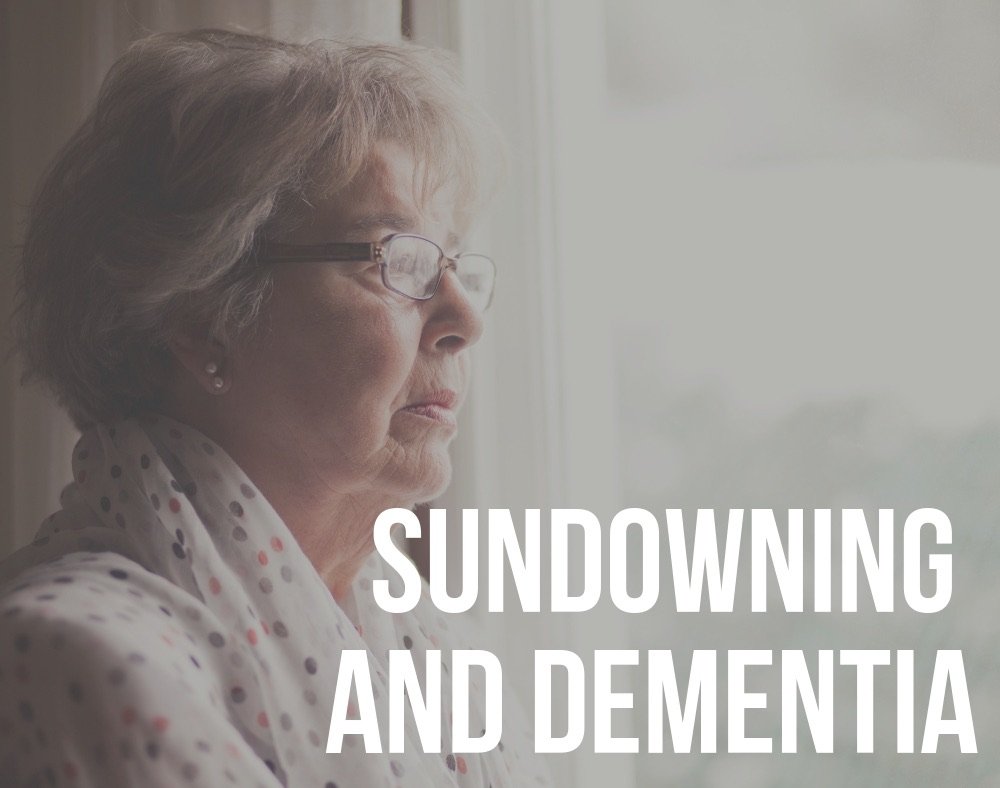
There can be a pattern of deterioration when it comes to sundowning and dementia.

Some people with dementia normally go through challenging times during the late afternoons or early evenings. This is a condition that is known as sundowning.

It is also known as sundown syndrome or late-day confusion.

This is where a person with dementia may experience big changes like irritability, agitation, confusion, and restlessness that can either start or become worse as the day begins to end.

Everything to Know About Sundowning And Dementia

These usually get better by daybreak. At times, this might continue into the night, affecting how a person sleeps and eventually how they function during the day.

In most cases, sundown syndrome happens to persons who have advanced or mid-stage dementia.

Almost 20% of people who have dementia experience the syndrome.

Sundowning itself is not a disease, but it is a group of symptoms that tend to occur at a specific time of the day affecting persons with dementia.

Even though sundown syndrome is real, it is one of the most misunderstood dementia behaviors. Below we get into more details about sundowning and dementia – a pattern of deterioration?

Possible Causes of Sundowning

possible causes of sundowning
It is still not clear what the exact causes of sundowning are. Studies, however, suggest a few theories that explain what some of the possible causes might be.

One of the most prominent is the changes that happen in the brain, which in turn affect an individual’s “biological clock,” making them confused about the wake and sleep cycles.

It is where a person cannot tell when it is daytime or when it is nighttime.

The problem becomes worse when the clock changes, i.e. when the daylight becomes extended or suddenly gets lost. This often leads to irritability and other sundowning behaviors.

Other factors that may cause this condition include:

  • Pain and discomfort
  • Being overly tired
  • Boredom
  • Depression
  • Thirst, hunger, or other unmet needs
  • More shadows and less light in the house
  • Reactions to frustration cues that exhausted caregivers may showcase at the end of a long day
  • Overstimulation by noisy children, a loud TV or when their caregiver is doing chores around their living space.
  • Changes in the environment: Most people with dementia are attuned to their environment to the extent that they can become distressed when slight or big changes occur. For instance, if a person lives in a nursing home, agitation may come about when there is a shift change. At home, it is easy for the persons with dementia to pick up bad moods from their relatives which often leads to a reaction.
  • Disorientation because of not telling the difference between reality and dreams while sleeping
  • Existence of infections like UTI (urinary tract infection), etc.

Signs of Sundown Syndrome

signs of sundown syndrome
When discussing sundowning and dementia, It is important to pinpoint some of the signs to look out for if you suspect that a person with dementia has late-day confusion.

Some of the most common ones are:

  • Yelling
  • Pacing
  • Mood swings
  • Seeing or hearing non-existent things
  • Arguing
  • Wandering
  • Restlessness
  • Confusion
  • A compelling sense that someone is in the wrong place
  • Rummaging through rooms, or drawers, etc.

When a person is going through some of the above behavioral changes, it is not the time to get into an arguing contest with them.

Some of the tips you can work with to help make the situation a little better include:

  • Approaching the person in a calm way
  • Asking if there is anything the person needs
  • Offering gentle reassurance that everything is under control
  • Reminding what time of the day it is in a kind manner

How to Deal With Sundowning

If you notice that the person with dementia you are caring for has sundowning signs, there are a few steps you can take to cope with the situation such as:

Creating distractions

sundowning and dementia
If an individual becomes excessively agitated, try to take control of the situation by calmly listening to their frustrations and concerns.

Do your best to reassure the person that everything will be fine. You can also create distractions from upsetting or stressful events.

Develop a routine

Setting regular times for meals, waking up, bathing and retiring to bed can help with the situation.

It is also important to try and schedule outings, appointments, and visits during morning hours when a person is likely to feel their best.

Identify triggers

identify triggers
Another way you can help a person going through sundowning is to look for patterns.

Note down the things that may be triggering the condition and go ahead to limit or avoid them.

Avoid or limit things that affect sleep

Persons with dementia should not drink alcohol or smoke. Additionally, you can encourage them to consume bigger meals during breakfast and lunch and make evening meals simple and small.

If a person loves caffeine and sweets, let them take these in the earlier part of the day. Long naps in the afternoon should also be discouraged.

Keep them active

keep them active
Another piece of advice when speaking about sundowning and dementia is to keep the persons with dementia active or busy during the day, something that can promote a good night’s sleep.

Daytime inactivity can result in issues with sleep.

Offering familiarity and comfort

offering familiarity and comfort
People who have dementia appreciate being surrounded by comforting persons, thoughts, and things.

These usually help one to cope with some of the challenging issues that crop up as they are dealing with the illness.

Whether the person is living at home or at an assisted facility, ensure that they have all the items they cherish.

Loved ones should also try and visit them often to keep them company and keep them smiling. This also helps to combat stress a move that can lessen sundowning symptoms.

Reduce demands on the person with dementia

reduce demands on the person with dementia
If a person has late-day confusion, try and make their late afternoons and evenings as stress-free as possible.

It should be a time when they just relax. This includes telling the person to do things that you might think are relaxing, such as taking a bath, listening to music or meditating.

It might be helpful because it means that their brain will not be giving in to the pressures of environmental demands.

Change tone

change tone
The way you talk to a person who is going through sundowning episodes must be addressed when tackling the issue on sundowning and dementia.

You must always use “inside” tonal voices talking soothingly and slowly.

Listen carefully to the response of the person you are caring for to see if you can arrest the source of distress.

If you feel like the individual is comfortable, sit close to them and reach out holding their hand and softly stroke his or her arm.

Enhance security in the home

enhance security in the home
This is especially helpful for those people who tend to wander due to sundown syndrome.

You can keep your loved one safe by putting in place measures like using the right type of window and door locks or installing motion detectors and door sensors so that those around can receive alerts when the person with dementia is on the move.

With this in mind, you need to avoid the use of restraints at all costs.

If the individual needs to pace, you can allow them to do so in a safe environment under your supervision instead of pinning them down a move that can make the situation worse.

Follow a chilled evening routine

follow a chilled evening routine
Routines are not a preserve for daytime when you are dealing with a person with dementia. You can also have one in the evening to help ease the transition process.

Here you can include activities like stroking a pet, reading a book if it is possible, listening to soothing music, etc.

If you are watching TV or listening to the radio, set this to a program that is relatively quiet and calming.

People shouting or loud noises can distress individuals who have dementia.

If the above tips do not generate the results you desire, it may be time to seek help from a professional doctor.

He or she will check out the individual with dementia to offer appropriate solutions.

For instance, the medic might have to change medicines that an individual is taking so that he or she only takes drugs that help in relaxation and do not cause more confusion.

Medicine to Treat Sundowning

medicine to treat sundowning
When dealing with sundowning and dementia, it is okay to be curious about whether any drugs that make these symptoms better.

This is because caregivers at times go through extremely overwhelming sessions where any interpersonal strategies they try do not seem to work.

Prescriptions are available, but a person with dementia should only use this as a matter of last resort. You must try everything else first before you go down the drug route.

A situation where it may be necessary to use medication is where there is a high degree of agitation that is running out of control and the caregiver cannot manage this effectively.

Medicine can help reduce distress so that the person who has dementia gets fast relief from their upset.

Examples of drugs that the doctor can prescribe include antipsychotic medicine which in as much as they can be effective, they can also carry certain risks.

This is why it is important to be very cautious when administering any type of drug to a person undergoing sundowning.

Cognitive and Physical Exercise and Dementia

exercise and dementia

Today, we will look at the best cognitive and physical exercise and dementia correlation, and how you can reduce the risk of the disease.

Developing dementia is one of the biggest concerns for the majority of people as they grow older.

The thought of getting the disease can be quite scary, especially for someone who has seen a loved one affected by the illness.

Benefits of Cognitive and Physical Activity for Dementia

Many individuals believe that all they can do is wait for a pharmaceutical cure for dementia and hope that they do not join the growing list of seniors with the disease.

Promising research, however, indicates that it is possible to reduce the risk of dementia through several effective yet simple lifestyle adjustments.

These include taking steps such as stress management, a healthy diet, quality sleep, social engagement, mental stimulation, and regular exercise.

By identifying and then controlling personal risk factors, it is possible to prolong/ maximize lifelong brain health.

Below we will focus on physical and cognitive exercise and the role they play in mitigating or slowing down the progression of dementia.

Cognitive Exercise

cognitive exercise
In regards to cognitive exercise and dementia, it is worth noting that continuously challenging the brain and learning new things puts you at less risk of developing dementia.

What this means is that you “will lose it if you do not use it.” Keeping the mind active is essential if you do not want your thinking capacity to decline medical research discloses.

This can help you in several ways, such as:

1. Reduce brain cell damage that occurs with dementia
2. Encourage better communication between the nerve cells
3. Support the growth of new nerve cells

Note that no single exercise will keep the brain sharp. You need to indulge in different exercises that will ensure your brain remains in the highest gear.

Some of the exercises you can try out to exercise your brain include:

Acquiring a new skill

acquiring a new skill
Learning how to play a musical instrument, studying a foreign language, reading a good book, or learning how to paint, etc. can be instrumental in helping the brain remain in tip-top condition.

Look around for classes you can join and set aside some time to practice regularly.

Keep in mind that the higher the challenge, novelty, or complexity, the greater the benefit.

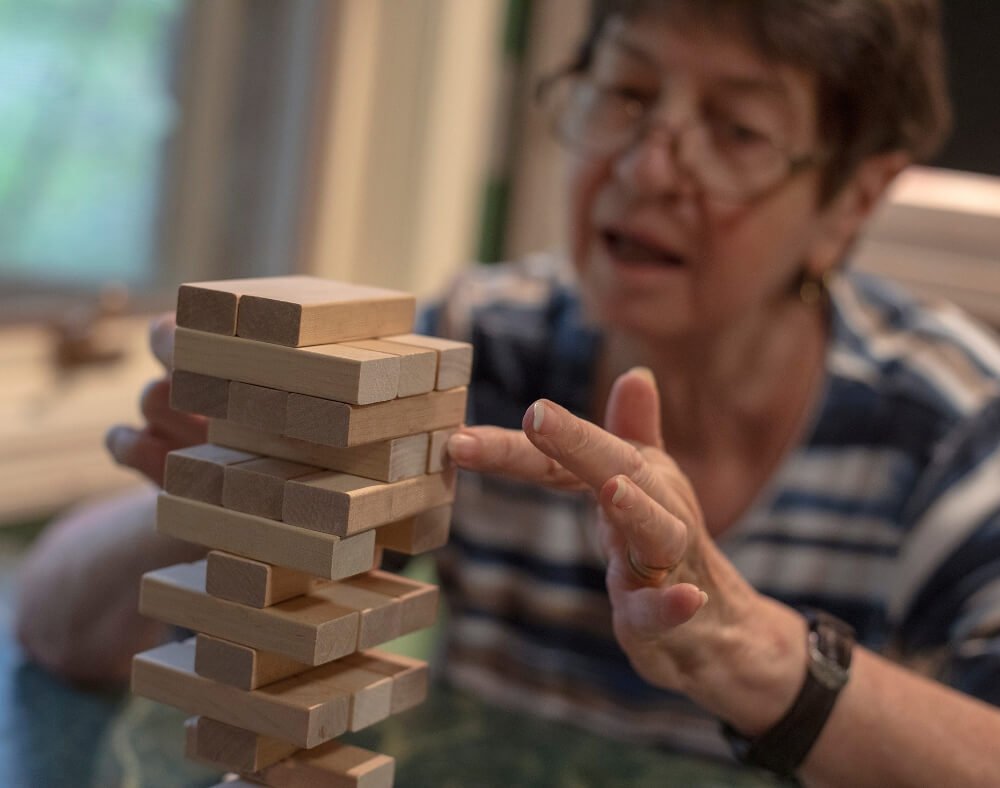
Playing card or board games

playing card or board games
Playing games with loved ones has two benefits.

One is that you get an opportunity to bond and the other is that it helps the brain to stay sharper by making it work harder.

In as much as games like chess are fun to play, some research shows that it can lead to better math scores on various standardized tests.

Games like monopoly have also proven to enhance decision-making skills while sharpening cognitive function.

Puzzles are a great way to keep your recalling abilities high. These effects also help to keep dementia at bay.

Practice memorization and the 5Ws

exercise and dementia practice memorization and the 5Ws
When you start memorization, it is best to practice with something short before moving on to more complex things.

For instance, you can always start with the US capital states or books of the Bible, etc.

Creating patterns and rhymes can help to make memory connections stronger

When you are watching TV shows that may involve themes like crimes or feature detective, you can keep the brain active by thinking of the “Who, Why, When, Where, and What.”

When you capture these visual details repeatedly, you will keep the brain neurons firing.

Playing with children

playing with children
This is another excellent option everyone should be aware of when curious about exercise and dementia.

The young ones have vivid and rich imaginations that directly link to memories.

When a person spends time playing with kids, you join their interesting world. This is typically a world full of unusual details the brain needs to keep remembering.

Doctors also note that adults who take time to play with kids have low-stress levels.

Additionally, heart rate, blood pressure, and high cortisol levels can drastically reduce.

Staying in good moods for longer periods helps to preserve the brain as well as its higher functions.

Read books with problem-solving mysteries

read books with problem solving mysteries
Problem solving is one of the proven ways to exercise your brain. One of the easiest ways you can do this is by solving puzzling mysteries.

You can find these online or in books. Try and tackle at least one mystery every day.

This will baffle the mind forcing you to think deeply so that you can come up with a solution. It is an entertaining way of getting the brain to work.

Gardening

gardening
If you are a person who likes to connect with nature while tending to plants, gardening should be on your list of keeping the brain sharper.

Many people not only feel better, but they also do better after gardening sessions.

Experts suspect that exposure to natural light, touching the earth, getting into contact with soil probiotics, and satisfaction of seeing things grow helps to enhance brain function and mood.

Listening to soothing music

listening to soothing music
Playing music also falls into the category of group activities to be discussed when tackling the topic of exercise and dementia. Good music tames and soothes.

Research shows that listening to Mozart can help make babies smarter.

Musicians are also said to have a lower risk of developing dementia than the rest of the people.

Music is a combination of breath control, exercise, dexterity, memory games, science, math, art, listening feelings, and a lot more.

Although more research still needs to be done, it is possible that music therapy can help combat dementia. It is not all types of music, though.

Genres like jazz, ethnic, and classical offer the most benefit.

Physical Exercise

physical exercise
The other part to highlight when talking about exercise and dementia is the physical aspect.

You cannot dispute the fact that people who exercise frequently are healthier, make better food decisions and retain their mental health longer than the people who do not exercise.

Although exercise will not work on the brain directly, it positively affects levels of blood oxygen, hormones, and the nutrient load that flows in the body.

When you have better control of your body, it benefits the brain because it receives adequate levels of blood, nutrients, and oxygen.

Aerobic exercises especially help to improve memory and thinking because they help to increase heart rate.

Staying physically active has also been known to increase flexibility, strength, and also improve the quality of sleep.

This is a move that can help to reduce the development of dementia. When you exercise daily or several times a week for about 30-60 minutes, you may:

1. Keep learning, reasoning, and thinking skills sharper.
2. Delay the onset of dementia for individuals who are at risk of developing the disease or slow down the advancement of the illness.
3. Enhance judgment, reasoning, memory, and thinking skills for persons who have mild cognitive impairment.

To benefit from physical exercise, it is important to identify safe and enjoyable activities for a person’s ability level.

Some of the ideas you can borrow from include:

Walking

walking
This is one of the best exercises that a person can take part in. You do not even have to be outdoors to enjoy a great walk. An individual can decide that walking inside their house does them justice.

Regardless of the amount of time you take engaging in this activity, it is beneficial for the mind and body.

To make walking more pleasant, you can combine it with an errand such as rushing to the grocery store or walking your pet.

Dancing

dancing
If you enjoy dancing, you will not even feel as though you are engaging in exercise.

Dancing is a fun way to let loose and get the body moving a great addition to the things you need to do when discussing exercise and dementia.

You can opt to do this freestyle. This is where you switch on the music and burst your favorite move.

You can even get together with a couple of friends and head to the disco if this is something you will enjoy.

Alternatively, take things a notch higher and sign up for a professional dance class. The goal is to have a blast while doing some good for your entire body.

Weight or resistance training

weight or resistance training
This is where you work out muscles against an external force. This type of exercise offers multiple benefits.

These include increased flexibility, bone density, tendon, muscle, and ligament strength, improving posture, and metabolic rate.

Yoga

yoga
Although yoga cannot be described exclusively as a physical exercise, it is important to mention it as the activities to try when thinking about exercise and dementia.

Experts advise that you combine yoga and medication for the best results. This can help to improve focus, de-stress, reduce anxiety, enhance mood, and increase healing among many other benefits.

Although it is still difficult to understand specialists explain that a meditating brain is different from the awake brain.

Studies are underway to help people grasp this concept more.

Regular physical and cognitive exercise is crucial for everyone to stay mentally and physically fit.

This is despite the fact that extensive research needs to be conducted to show the degree of physical and cognitive exercise that helps to improve memory or slow down the advancement of cognitive decline.

12 Benefits of Occupational Therapy and Dementia

occupational therapy and dementia

By understanding the close connection between occupational therapy and dementia, you know the support a patient gets from a professional is crucial.

Dementia is a condition that develops as a result of brain damage causing impaired cognition.

To date, there is still no cure for the progressive illness. People with dementia, however, may be put under other treatments that can help deal with the symptoms of the disease.

These allow one to be as comfortable and independent as possible even when battling dementia.

One of the helpful treatment options that a person with dementia can try is occupational therapy (OT).

Benefits of Occupational Therapy for Dementia

We can describe this as a client-centered health profession discipline that deals with promoting wellbeing and health through occupation.

Occupational therapy experts approach the illness as a condition that interrupts occupational performance.

They evaluate persons who have the illness to determine their level of impairments and strength as well as the performance areas where they need help. This has proved to be helpful in several areas.

Let’s take a look at some of the benefits that people with dementia get from occupational therapy.

1. Improving Safety

occupational therapy and dementia
Studies show that occupational therapy can help increase the safety of people who have dementia. This is one of the reasons it is important to talk about occupational therapy and dementia.

A huge percentage of people with the illness are at high risk of falling that can result in quicker decline, hospitalization, not being able to care for themselves, or having to move out of the house, etc.

Working with a qualified therapist can help to prevent this.

The professionals assess home safety and the environment where the individual with dementia spends the most time in.

This allows them to make practical recommendations about the changes that need to happen to keep the person safe.

OT therapists can also recommend the equipment that a person needs to use daily to reduce injury incidents.

The therapists can also go a step further to offer guidance on how to make day to day activities more manageable.

These may include the installation of shower bars, removal of carpets, or use of wheelchairs where necessary.

2. Offering Support and Education to Caregivers

offering support and education to caregivers of dementia patients
In as much as OT experts work with people who have dementia directly, they also offer assistance to caregivers.

They do this in several ways.

One of them is by setting up routines that make the work of looking after your loved ones a little bit easier.

Effective routines are essential.

They can make sure that the individual who has dementia is eating and drinking right, taking their medication at appropriate times, and has decreasing problem behaviors.

An OT can offer guidance in areas like:

  • Reducing distractions
  • Availing instructions that are easy to comprehend
  • The use of visual cues
  • Breaking down tasks to make them simpler

The therapists play a crucial role in relieving the burden on caregivers because their job primarily involves promoting independence.

Working with the OT experts also means that caregivers are not alone.

The collaboration between the professionals and relatives of friends enables the person who has dementia to continue participating and enjoying life.

3. Promoting Social Relationships

promoting social relationships with people with dementia
Many people who have dementia tend to exhibit some behaviors that can put a strain on their relationships.

This is where you will find they become socially withdrawn or other people do not want to spend time with them. This can lead to loneliness which is not good for any person.

An OT professional will study the behavioral problems that are affecting social interactions and close relations.

The expert will help the individuals with the illness and their caregivers identify the trigger in a bid to offer possible solutions.

This can help deal with communication problems, frequent outbursts, and how to positively respond to underlying emotions.

Here the person who has the condition may benefit from opportunities to engage in fulfilling tasks.

It can be something as simple as fun puzzles, folding laundry or sorting objects.

4. Enhancing Recollection of Memories

enhancing recollection of memories
Communication skills are one of the key areas that occupational therapists handle when it comes to occupational therapy and dementia.

In line with this, the professionals can also guide an individual in showing them how to use reminiscence.

It is a move that can help one remember valuable memories that can either bring joy or tears.

By remembering things in the past, the person can feel more secure, confident, and at peace.

5. Access To Other Helpful Services

access to other helpful services
There are times when an OT therapist will not have all the answers. This does not mean that they will leave the person they are looking after in a limb.

The therapists usually offer services under a larger group of health and social care teams.

It implies that they can connect a person with dementia to the right professionals who will offer the services they need. It is important to note that people can talk to therapists about any aspect of their health.

Based on this, they will be able to direct an individual to the networks and organizations that will offer help.

6. Helps to Enhance Cognitive Function

helps to enhance cognitive function
Occupational therapists can work with people who have dementia to help them improve or maintain cognitive function. Cognitive function refers to several mental abilities.

These may include decision making, learning, attention, remembering, reasoning, thinking, and problem-solving.

One of the ways that professionals can offer assistance is by taking persons with dementia through activities that stimulate cognitive skills.

This is especially useful during the first stages of the illness because it can help to delay progression and prolong independence.

7. Improve Balance and Strength

improve balance and strength
The experts can also help with the restoration of physical skills which can include a range of motion, endurance, and strength.

This is where exercise comes into play when discussing occupational therapy and dementia.

OT professionals can pick the right type of exercises that a person with dementia can comfortably engage in depending on their ability.

This may result in improving the person’s strength and balance so that they can enjoy life more.

8. Assist In Maintaining a Healthy Lifestyle

assist in maintaining a healthy lifestyle
Occupational therapists go beyond assisting persons who have dementia stay active. They also offer a hand in regards to maintain a daily lifestyle.

This is where the professionals help the persons to perform various functional activities that are vital to their lifestyles.

These include things that give the person under their care purpose in life or enjoyment.

The therapists play a huge role in ensuring that persons with dementia function to the best of their abilities.

This is whether they are out playing golf, gardening, playing with grandchildren, group activities, or performing tasks in the office.

9. Assist with De-stressing

assist with de-stressing
OT also comes in to enhance the emotional well-being of a person who is suffering from the disease.

Many people who have dementia will become depressed because their functionality becomes limited in one way or another.

The professionals do their best to offer positive emotional support.

They will identify the things that make the person with dementia happy and the tasks they can complete without too many complications.

This can help an individual focus on the things that they can do.

Additionally, the experts can incorporate relaxation techniques and exercises in a person’s daily routine.

This has been known to reduce stress or anxiety as the seniors are able to regain some sense of independence and self-esteem something great for their mental health.

10. Help with Major Life Transitions

help with major life transitions
The topic of occupational therapy and dementia is quite vast and important for people who have the illness as well as their caregivers.

As aforementioned, dementia is a progressive disease. This means that as months or years go by, people with the illness may have to make some drastic changes in their lives.

These may including having to retire from work or even move from their home into an appropriate senior residence.

Naturally, most people will not have an easy time dealing with these changes.

Occupational therapists have the skill-set required to guide persons through these life transitions to make them as smooth as possible.

11. Helps to Keep other Diseases at Bay

helps to keep other diseases at bay
When a person with dementia is going through occupational therapy, they lower the risk of getting other diseases.

For instance, the experts can offer advice on relevant modifications that need to happen around the workplace or at home.

These can help the elderly tackle illness like arthritis so that they can continue to perform tasks normally for the longest possible time.

If a person already has arthritis, the therapist can help them use their hands differently to reduce pain. The professionals can also guide on the best resting positions to increase comfort.

12. Assist with Vision Loss

assist with vision loss
It is also important to talk about vision loss when talking about occupational therapy and dementia.

If a person who has dementia is also suffering from vision loss issues like glaucoma, occupational therapists can work with them to promote visual awareness.

This is through helpful activities that help in reinforcing perceptual skills. The professionals may also suggest some changes at home that can help with the situation.

These may include more contrast and lighting, color-coded ID tags, and the use of equipment like magnifiers. Therapists can also suggest the removal of items that can post as tripping hazards.

Progressive Supranuclear Palsy (PSP) – Symptoms, Causes & Treatment

progressive supranuclear palsy

A complex and uncommon progressive condition that affects the brain, progressive supranuclear palsy (PSP) is a disorder that causes weakness of various muscles.

Supranuclear is the section of the brain above 2 small areas known as nuclei.

This is the region that the disorder primarily affects.

What is Progressive Supranuclear Palsy

PSP is a rare disorder that has varying estimates.

Research shows that about 3-6 people in every 100,000 people globally or about 20,000 Americans have the condition.

The disorder is also believed to be more common in males than in females.

In most cases, it mostly affects people who are in their 60s but it can occur earlier or later. In short, it is very unpredictable.

PSP was first described as a distinctive disorder in 1964 after three scientists published a paper that highlighted the differences of the condition compared to Parkinson’s disease.

For some time, it was known as the Steele-Richardson-Olszewski syndrome the combined names of the scientists who defined the condition.

How PSP is Different from Parkinson’s Disease

how PSP is different from parkinsons disease
Both Parkinson’s disease and progressive supranuclear palsy cause movement difficulties, clumsiness and stiffness.

However, PSP progresses more rapidly when compared to Parkinson’s disease.

Persons with PSP normally stand exceptionally straight or at times title their head backward causing them to fall backward.

It is different for persons with Parkinson’s disease because most people with this disease will bend forward.

Difficulties with swallowing and speech tend to be more pronounced and common in PSP than in Parkinson’s disease.

Causes of Progressive Supranuclear Palsy

causes of PSP
Experts have figured out how PSP happens, but they are yet to pinpoint why it happens.

The disorder develops when brain cells in a section of the brain stem become damaged.

It is still not clear how and why it damages the cells.

NHS reports that PSP happens when brain cells in certain sections of the brain become infected as a result of excessive accumulation of a protein referred to as tau.

Tau naturally occurs in the brain but in this situation, due to the build-up, the body cannot break it down quickly enough.

In persons with PSP, tau reaches high levels forming harmful clumps in the brain cells.

The levels of abnormal tau in the brain, as well as the location of these clumps, usually vary in persons with this progressive condition.

This implies that the disorder may have a broad range of symptoms.

Several areas of the brain are thought to be affected by PSP such as:

  • Brainstem: this is especially the area of the midbrain where “supranuclear” eye movement resides
  • Basal ganglia
  • Cerebral Cortex
  • Spinal cord
  • Dentate nucleus of the cerebellum

Research has also linked the disorder to changes in various genes.

The genetic faults are, however, not inherited and the risk to relatives including siblings or children of a person with PSP is quite low.

Symptoms of Progressive Supranuclear Palsy

symptoms of progressive supranuclear palsy
It is easy to mistake PSP for Parkinson’s disease because the two conditions share plenty of symptoms.

Some of the warning signs for this progressive disorder include:

  • Problems with Movement: The first sign of PSP is usually a problem with balance while a person is walking. Affected persons may start to fall a lot or feel uncomfortable or rigid when walking.
  • Challenges Moving Eyes: Many people with PSP will have a hard time directing their eyes where they want them to go. This is especially for a person who wants to look downwards. Some people will also experience blurred vision while others may have no control over their eyelids where they go through unwanted blinking or inability to open eyes. It is also common for persons with this disorder to hold another person’s gaze.
  • Speech Difficulties
  • Problems with Swallowing
  • Becoming more cranky and forgetful
  • Tremors in the hands
  • Muscle stiffness especially around the neck region
  • Having unusual emotional outbursts like laughing or crying at unexpected times
  • Depression
  • Extreme tiredness
  • Becoming angry for no reason
  • Dementia
  • Changes in behavior like poor judgment and recklessness
  • Slowness of thought and some memory issues
  • Changes in personality such as mood swings, apathy, and irritability
  • Photophobia: a dislike of bright lights
  • Disturbed sleep
  • Loss of interest in pleasurable activities
  • A frightened or surprised facial expression caused by rigid facial muscles
  • Headaches, joint pain, back or neck pain
  • Bladder problems, constipation, and incontinence
  • Face or jaw spasms or jerks

Because PSP is a progressive disease, the symptoms start out subtle and become worse over time.

Diagnosis Process

diagnosis process
A thorough evaluation of symptoms can help with the diagnosis of progressive supranuclear palsy.

PSP is, however, difficult to diagnose especially in its early stages.

Most of the time, this disorder will mimic Parkinson’s disease. PSP can also be misdiagnosed for an inner ear infection because balance is usually affected.

The diagnosis process normally includes ruling out other medical conditions.

Changes in gait and balance issues are two of the clearest symptoms that can identify the brain disorder especially when it is combined with the inability to move or close eyes.

However, for some affected individuals, problems with eye movement may develop in the later stages of the disease.

Doctors conduct several tests and examinations to help with the diagnosis such as:

Neuropsychological Testing

A person suspected to have PSP may also be referred to a neurologist and possibly a psychologist to help with diagnosis. It usually involves going through several tests designed to evaluate the extent of a person’s symptoms and the impact they have on their mental abilities.

The tests look into abilities like processing of visual information like pictures and words, concentration, memory, and understanding language.

Brain Scans

If a person’s PSP symptoms suggest that there is something wrong with the brain, medics will likely request brain scans like:

  • MRI Scan: Radio waves and a strong magnetic field are used to offer detailed images of the inside of the brain. These can also detect abnormal changes to the brain like shrinkage of certain parts of the brain consistent with PSP diagnosis. Experts are coming up with scans that will identify the build-up of tau protein associated with PSP in the brain.
  • DaTscan: this is where a doctor uses a gamma camera to take pictures of the brain.
    PET Scan: it detects radiation given off by a substance which is normally injected beforehand.

The scans are also helpful when it comes to ruling out other possible conditions like strokes or brain tumors.

Treatment Options

treatment options for psp
Currently, there are no procedures or medications that can cure progressive supranuclear palsy.

Nonetheless, there are methods and strategies that can help manage the symptoms and offer a better quality of life.

Parkinson’s Disease Medication

Drugs that are used to treat Parkinson’s disease can be effective in enhancing flexibility and balance. These include levodopa which can be used in conjunction with other drugs where necessary.

Physicians may recommend antidepressants for persons who are suffering from irritability or depression.

Assistive Aids

Individuals who have PSP may benefit from the use of certain aids designed to make their lives easier. These include special glasses that feature prisms that can help to enhance vision.

Weighted tools can also help people with walking problems so that they do not keep falling over. At times, all a person needs is specially designed footwear that reduces the risk of slipping and falling.

When symptoms are advanced, a person may need a feeding tube when swallowing becomes a problem.

This is a tube that goes into a stomach’s abdomen from an opening made in the skin to offer the body the nutrition it needs.

Treating Eye Problems

If a person with PSP has problems controlling their eyelids, a doctor may recommend injections of botulinum toxins like Botox which can help relax muscles around the eyelids. The effects of such injections last for about three months.

Artificial tears and eye drops can be helpful when an individual is experiencing dry eyes by reducing irritation and lubricating them.

Regular Exercise

Regular exercise might help to strengthen muscles while improving posture and preventing stiffening of joints.

Therapies

Certain therapies can help persons with PSP such as:

Physical Therapy

This may help to improve flexibility in some affected individuals. A physiotherapist will offer advice on how a person can make the most of their mobility through exercise without overexerting themselves.

They can also teach proper breathing exercises that a person can practice to reduce the risk of developing aspiration pneumonia which is described as a chest infection that is a result of food particles falling into the lungs.

Language and Speech Therapy

A speech and language therapist can help a person with PSP to improve speech and swallowing issues. The professionals can teach various techniques that help make a person’s voice as clear as possible.

They can also recommend suitable communication devices and aids that may be useful as the disorder progresses. The therapist can collaborate with a dietician to recommend the proper foods to eat as well as various swallowing techniques.

Occupational Therapy

Occupational therapists can offer expert advice on how to increase safety while preventing trips and falls as the affected person goes by their daily activities.

For instance, many people with progressive supranuclear palsy can benefit from installing bars along their baths that help them get them in and out.

The professionals can also help identify potential hazards in the home such as badly secured rugs, poor lighting, and crowded corridors and walkways that can increase the risk of falls.

Final words

It is advisable for an affected person to talk to their doctor about all the symptoms they are experiencing.

This allows the professional to consider the best treatment option. PSP is not a fatal disorder, but it can result in complications like pneumonia which can be life-threatening.

Other complications that can be caused by PSP include suffering serious head injuries or breaking bones as the likelihood of falls increases.

Research is on-going into new treatments of PSP and a better understanding of the rare disorder.

Posterior Cortical Atrophy (PCA) – Symptoms, Causes & Treatment

posterior cortical atrophy pca

Also known as Benson’s syndrome, posterior cortical atrophy (PCA) refers to the progressive and gradual degeneration of the cortex which is the outer layer of the brain in the part of the brain that is located in the posterior (back of the head).

It is the section of the brain that handles the processing of visual information.

Everything about Posterior Cortical Atrophy

PCA was first described in 1988 by D. Frank Benson. It is still not clear whether this is a unique illness or a possible variant form of AD (Alzheimer’s disease).

For most people with PCA, the part of the brain that is affected shows neurofibrillary tangles and amyloid plaques which are similar to the changes that occur in persons with AD but in a different part of the brain.

For other individuals with Benson’s syndrome, the brain changes resemble other illnesses like Creutzfeldt-Jakob disease and Lewy body dementia.

Most cases of PCA usually occur in persons between the ages of 50-65 but the condition can also affect older people.

Causes of PCA

causes of PCA
The exact causes of posterior cortical atrophy are still unknown.

There are also no obvious genetic mutations that are linked to the condition.

Nonetheless, discussions are on-going as to whether the risk factors for Alzheimer’s disease are similar to those of PCA.

Symptoms of Posterior Cortical Atrophy

symptoms of posterior cortical atrophy
Different people with PCA will experience varying symptoms and this can change as the illness continues to progress.

Common warning signs for this condition include:

  • Blurred vision, double vision, difficulties reading and writing, and problems seeing clearly especially in low light conditions
  • Increased sensitivity to shiny surfaces or bright light
  • Hallucinations
  • Challenges performing mathematical calculations
  • Problems with spelling
  • Anxiety
  • Difficulties with visual tasks like reading a line of text, distinguishing between stationary and moving objects, judging distances, inability to perceive more than a single object at the time, and trouble identifying and using common objects/tools.

During the early stage of the illness, a majority of the people affected will not showcase reduced memory.

However, memory and cognitive abilities can be affected in the later stages.

As the disorder progresses, the symptoms may start to evolve and a person may start getting lost while walking or driving in familiar places.

Some individuals will also misrecognize familiar objects and faces.

Some people may experience jerking movements of their limbs while others may suffer from seizures.

Keep in mind that different people will react differently to posterior cortical atrophy.

The Diagnosis Process

the diagnosis process of pca
Misdiagnosis of Benson’s Syndrome is quite common owing to the fact that it is quite rare and unusual.

Additionally, most people will PCA will first consult an ophthalmologist who may recommend standard eye examinations.

This is mostly because the first warning signs are often assumed to be eye problems. It may not be easy to pinpoint cortical brain dysfunction as the cause.

Currently, there is no diagnostic criterion for Benson’s Syndrome. However, the diagnostic criteria are in the developed.

Doctors start by reviewing a person’s history as well as the symptoms they are experiencing.

Physicians will also use a combination of tests that include:

MRI

This is where a medic uses an MRI machine with powerful radio waves and a magnetic field to get a 3D view of the brain.

The test helps doctors to see if there are any abnormalities in the brain that are causing the symptoms a person has.

Blood Tests

A person’s blood may be tested for thyroid disorders, vitamin deficiencies, and other conditions that may be causing PCA symptoms.

Neuropsychological tests

Doctors conduct these cognitive skills tests to identify if there are problems with a person’s literacy, memory, or visual perception.

Lumbar Puncture

It is the examination of the fluid that circulates around the spinal cord and brain.

Ophthalmology Examinations

Doctors conduct vision tests to check whether there is any other condition that is causing vision symptoms.

PET (Positive Emission Tomography)

A physician will inject a small amount of radioactive material while placing emission detectors on the brain. This offers visual images of the brain’s activities.

A professional can do this in combination with single-photon emission computerized tomography (SPECT) to measure blood flow to various sectors of the brain.

Neuropsychological and Mental Status Tests

Doctors will conduct tests and ask questions to assess cognitive skills. A physician may ask for psychiatric assessments to test for mental illnesses like depression.

Physicians administer the above tests to diagnose the illness and rule out possible causes of the symptoms a person is experiencing.

This is because the symptoms can be caused by other medical issues like tumors, strokes, or other identifiable conditions.

It also helps in the identification of potentially treatable causes like inflammations or infections.

Most people with PCA will live approximately the same number of years as those with Alzheimer’s which is about 10-12 years after the onset of symptoms.

Some will live for more years while others will not make it to the 10-year mark.

Stages of PCA

stages of PCA
Just like Alzheimer’s PCA progresses from one stage to the next and these include:

Stage One: No Impairment (Normal Function)

During this stage, most people will not experience any visual, cognitive, or memory issues.

Stage Two: Very Mild Cognitive Decline

At this stage, an individual may experience subtle problems with various complex visual tasks such as:

  • Challenges assembling novel objects/devices
  • Loss of confidence in driving abilities owning to the fact that it becomes harder to judge distances
  • Issues with writing down or recalling telephone numbers
  • Challenges using a computer such as being slower with entering information or typing
  • Problems with writing, spelling, reading, and arithmetic

During this early stage, the issues may be intermittent which can make it hard to describe.

The arising problems might also not be noticeable to family, friends, or colleagues.

Stage Three: Mild Cognitive Decline

Visual problems become more apparent at this stage for the person who has the condition as well as those close to him or her.

Most individuals will stop driving at this point. Some persons will also get a positive diagnosis of early-stage Alzheimer’s disease.

Examples of warning signs that are common in the 3rd stage include:

  • Having a hard time seeing things that are right in front of a person
  • Getting “lost” on a page when reading
  • General clumsiness in persons who were not clumsy before such as putting a glass down sideways, and knocking things over, etc.
  • Inability to tell the time from a watch or clock
  • Difficulty finding things in familiar places like a handbag or cupboard
  • Having a hard time dressing and performing other activities like cutting a piece of toast and other activities like using stairs or coordination.
  • Problems with dealing numbers, spelling, and writing
  • Paying for items with notes to avoid handling change
  • Mild memory issues
  • Challenges with picking the right word for a conversation
  • Anxiety mainly because a person is more aware of the changes that are happening in their life

Stage Four: Moderate Cognitive Decline

Persons with posterior cortical atrophy at the 4th stage may require help with day-to-day activities like using appliances, dressing, and cooking amongst others.

An individual may have a clear sense of purpose in regards to plans and activities but their attempts to achieve the goals are frustrated by small and frequent visual problems.

Most people during this stage will also have trouble navigating familiar and unfamiliar environments.

Stage Five: Moderately Severe Cognitive Decline

During this stage, the vision continues to deteriorate even further to an extent that a person views the world as different pieces of a puzzle or through the lens of a fractured mirror.

By the end of this stage, some people will be registered as blind implying that they will need support in visually-guided activities.

Stage Six: Severe Cognitive Decline

Considered one of the later stages of PCA, it is normally characterized by impairment of memory, perception, attention, language, and decision-making.

Vision impairment remains the most pronounced.

Stage Seven: Severe Cognitive Decline

In the last PCS stage, the problems that affected individual experiences are usually similar to those that affect persons with Alzheimer’s.

Persons may lose their ability to respond to the environment. They may lose their ability to carry out conversations and eventually affected individuals cannot control movement.

Treatment Options

treatment options for posterior cortical atrophy
To date, there are no approved treatments for posterior cortical atrophy that help to halt or slow down its progression.

This is perhaps because, in some people, PCA resembles AD.

It is suggested that some drugs that alleviate brain dysfunction temporarily in people with Alzheimer’s may also be beneficial for persons with Benson’s Syndrome.

This, however, has not yet been scientifically proven. Examples of these drugs include cholinesterase inhibitors like rivastigmine, donepezil, and galantamine.

It is believed that they can help with some of Benson’s Syndrome symptoms by boosting brain cell functions to compensate for the damage that is caused by the condition.

Antidepressant medication may also be useful for persons who are going through irritability, depression, loss of self-confidence, and frustration.

Some individuals with PCA may also benefit from treatment that seeks to alleviate symptoms like anxiety or depression.

The risks and perks of these treatments have not been established.

In addition to medication, doctors may also recommend occupational, physical, or cognitive therapy as a means of managing the condition. The therapies can help an individual retain or regain skills that the PCA affects.

Many healthcare services do not have much experience supporting people who have PCA because the condition is quite rare.

There are still support groups that affected individuals can join to get the support they need.

More research is still necessary to come up with clear answers about posterior cortical atrophy.

Post-Stroke Dementia and Cognitive Impairment

post-stroke dementia

After suffering a stroke, many people will end up with post-stroke dementia (PSD).

This can be any type of dementia from Alzheimer’s disease, vascular dementia, degenerative dementia, mixed dementia or stroke-related dementia.

Post-Stroke Dementia Review

PSD is a common occurrence after a stroke covering for about 6%-32% of the cases.

However, not everyone who has suffered a stroke will end up with dementia.

Others will experience a degree of cognitive impairment that is not severe enough to be categorized as PSD.

ResearchGate reveals that many people will experience mild cognitive impairment after a stroke which may or may not progress to dementia.

Cognitive Impairments

Cognitive impairments are generally divided into several domains that include:

Attention

This can generally be defined as shifting, focusing, sustaining, or dividing attention on a particular task or stimulus.

Executive Function

This has a lot to do with abstract thinking, planning, conflict monitoring, inhibition, and organization of thoughts.

Memory

This mostly affects a person’s ability to recognize or recall verbal or visual information.

Language

It primarily affects an individual’s ability to be receptive or express themselves through language i.e. reading and writing comprehension.

Social Cognition

This defines the recognition of a person’s or other people’s emotional state as well as an understanding of the mind’s theory.

Perception and Praxis

For the most part, it primarily affects visuospatial abilities, apraxia, prosopagnosia, and agnosia.

Post-stroke cognitive impairment (PSCI) can be described as a failure in the cognitive domain that happens after a stroke.

Cognitive impairment is a threat to post-stroke recovery for persons of all ages. It can compromise a person’s ability to continue working hence the need to be dependent on others at an early stage.

Unlike physical disability that is caused by stroke, cognitive function normally becomes worse over time.

While cognitive problems usually become worse during the first months after a stroke, there is a chance they can become better as the brain starts to become more active in trying to repair itself.

It is a complicated process because recovery can start to slow down after six months.

Even when cognitive problems do not go away completely, they normally get easier to live with.

This is especially the case when cognitive issues do not lead to dementia.

What Causes Cognitive Impairment

what causes cognitive impairment
Cognitive issues occur because of the damages that happen to the brain.

Different brain sections are responsible for controlling different aspects.

If one of the areas that control cognition is damaged by stroke, this can affect the way a person does certain things.

Cognitive challenges are quite common after a person experiences post-stroke dementia.

Risk Factors for Post-Stroke Cognitive Impairment

risk factors for post stroke cognitive impairment
After a stroke, the risk factors for cognitive impairment are usually associated with an overlap of dementia and frequent cerebrovascular diseases.

Some of them include:

1. Age: this is a risk factor for both cognitive decline and dementia. The prevalence of cognitive decline increases significantly after the age of 65 according to research by the American Stroke Association.

2. Vascular risk factors like diabetes, smoking, hypertension, and atrial fibrillation increase the risk of cognitive impairment.

3. Recurring strokes are also documented as a risk factor for cognitive impairment.

4. Education level: this is a conflicting risk factor with some studies suggesting that higher education is related to better cognitive performance.

Diagnosing Cognitive Impairment after Stroke

diagnosing cognitive impairment after stroke
A neuropsychological examination is one of the methods that is used to assess cognition after a person suffers from a stroke.

In clinical practices, this is conducted from one week to a month after the stroke.

It is different when it comes to research because the examination is performed three months after a stroke.

In some cases, it may not be possible to conduct a neuropsychological examination for persons who have had a stroke because they may be too fatigued or disabled to go through with it.

Shorter screening tests are done as an alternative in such cases for both research and clinical purposes.

Early detection of cognitive impairment is critical because it may help reduce the chances of progressing to post-stroke dementia.

Treatment and Management Options

treatment and management of post-stroke dementia
When it comes to treating cognitive impairment caused by post-stroke dementia, the main options include strategies that range from preventing white matter changes, new strokes, to treating underlying vascular risk factors hypertension.