Summer Heat And Dementia (Best Tips)

summer heat and dementia

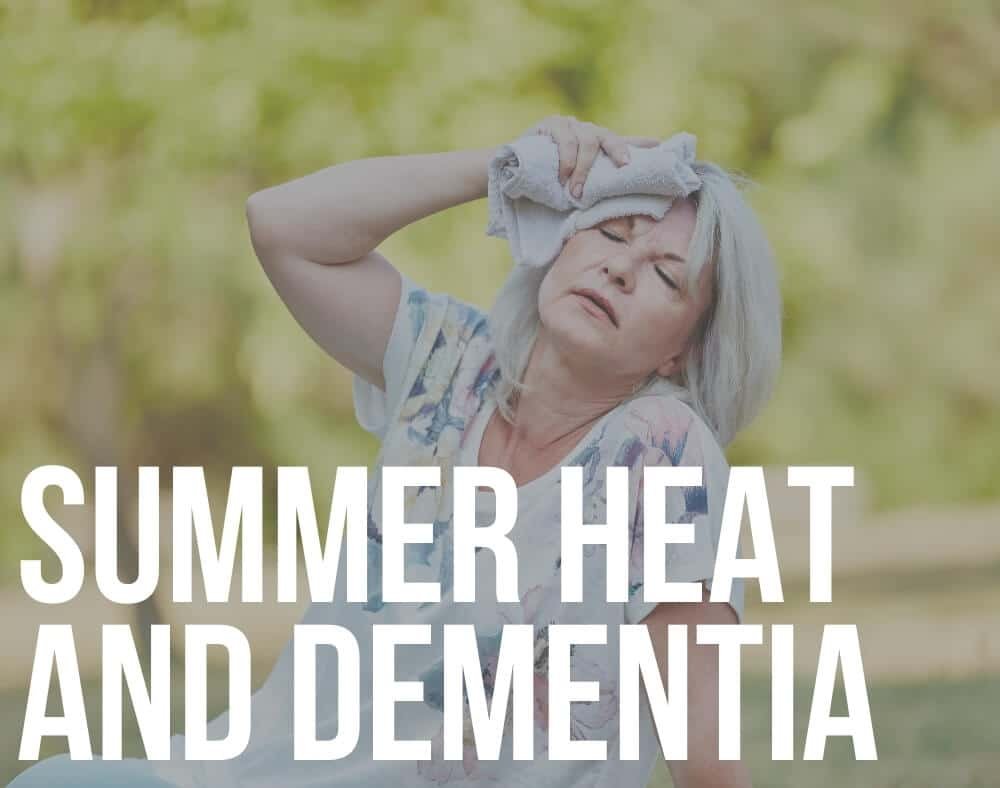
We know it is important to discuss summer heat and dementia because hot temperatures present various challenges and dangers to persons with the progressive illness.

This is ESPECIALLY when the hot days in summer seem to be extreme and frequent in nature.

We are lately experiencing this more often.

Individuals with dementia need to stay safe and comfortable throughout the summer heat waves.

A study in New England revealed that there was an association between higher temperature fluctuations and increased risk of dementia hospitalizations.

Thus, we want to share some of the risks that are associated with summer heat and the ideal coping mechanisms.

Risks Summer Heat Presents to Persons with Dementia

risks summer heat presents to persons with dementia
Hot weather can negatively affect seniors in a number of ways.

The most common ones include:

Heat Stress

Also known as hyperthermia this is a group of heat-related conditions that happen when the body’s heat-regulating system does not adequately keep a person cool.

Normal body temperature for a healthy individual during the day ranges from 35.5 to 37.5 degrees Celsius.

Hyperthermia happens when body temperature is more than 40 degrees Celsius according to Physsiopedia.

There are different TYPES of hyperthermia and they include:

  • Heat Syncope (sudden dizziness that occurs after prolonged exposure to heat)
  • Heat-fatigue
  • Heat-cramps
  • Heatstroke
  • Heat-exhaustion

The Centres for Disease Control cites that there are three main reasons individuals who are over the age of 65 are more prone to hyperthermia than the general population.

  • Older people, in general, do not adjust well to sudden temperature changes.
  • Medications that older individuals take for chronic diseases may affect the body’s natural ability to regulate temperature. This can include perspiration generation which is the body’s cooling mechanism. Examples of medications that can increase a person’s risk of heat-related stress include sedatives, diuretics, tranquilizers, and some blood pressure and heart medicine.
  • Older adults are prone to suffering from chronic medical conditions that may affect the way the body responds to heat.

Behavioral Changes

behavioral changes summer heat in seniors
Seniors who have dementia may also showcase behavioral changes and mood swings due to excessive heat.

Some may become more agitated which can be tough if the person is already experiencing anxiety, aggression, and outbursts.

It becomes increasingly important to tend to their emotional needs when dealing with summer heat and dementia.

Dehydration

dehydration during summer heat
Many seniors suffering from dementia do not drink enough fluids in general.

It may not be intentional because some may not even recognize when they are thirsty. In such situations, it is easy for a person to suffer from dehydration.

This can be dangerous because it can result in numerous complications because of toxins that build up in the bloodstream.

Dehydration can also cause STRAIN to the kidney and the liver resulting in urinary tract complications and a host of infections.

Note that some medication can also affect an individual’s dehydration which may result in a drop in blood pressure and risk of fainting and falling.

Avoid this by making sure the affected person sticks to a STRICT schedule of taking medication.

It is also advisable to talk to a doctor about any drug interactions to be on the safe side.

Homeostatic Imbalance

This is another example of how extreme heat can affect seniors with dementia.

The homeostatic imbalance that occurs because of summer heat and dementia often leads to the development of diabetes and cardiac arrest.

Protective Measures

protective measures
There are different ways to protect people with dementia from excessive heat and some of them include:

Air conditioning

Ensure air conditioning is working well.

A professional should check out the system before the hot weather checks in. This is regardless of whether a person lives at home or at a senior center.

In the absence of air conditioning, the rooms should be properly ventilated with fans.

This will AVOID the circulation of humid and hot air in a room.

Keeping blinds and curtains shut can also reduce sunshine that increases temperatures in a room.

Fluids

Another coping mechanism when it comes to summer heat and dementia is to make sure the individual with the illness takes plenty of cool and non-alcoholic fluids.

They should also wear light clothing and take cool baths, showers, or sponge baths.

Additionally, beddings should remain clean and light particularly for individuals who are bedridden. Bed frames can also help with air circulation under the bed.

Invest in helpful items

Another way to protect a person with dementia from heat stress is to purchase items like small electric fans that fit in their bags and are easy to carry around.

Water bottles that alert a person when to take water can also be beneficial.

Regular check-in’s

regular check-ins
If the person with dementia lives alone, it is important for someone whether a relative or caregiver to check up on them every day.

Let the individual lookout for signs and symptoms that are associated with heatstrokes like nausea, dizziness, and disorientation.

Alternatively, the senior with the progressive illness can enroll in an adult daycare or senior center program.

These will offer a safe and cool place for the seniors to pass time.

Avoid going out

It’s simple: Avoid going out during certain times of the day.

Unforgettable states that this is anywhere from 11 a.m. to 3 p.m. (hottest time of day).

If the individual has to step out, say for a doctor’s appointment or grocery shopping, it is best they complete errands early morning when it is cooler.

Trying to stay in places that are cool and shady might also help.

Act accordingly

Know how to react in the event of a heat-related illness.

When talking about summer heat and dementia, it is also important to know what to do if a person experiences heat stroke or any other illness that is related to heat.

The affected person should immediately be moved to an area that is cool and has shade.

A wet and cool cloth should then be applied on the armpits, groin, head which are examples of areas that cool fast.

Feet should also be elevated and the person helping should try and fan the individual.

Immersing a person in a tub that has cool water, helping them to a cold shower or sponging can help reduce body temperature.

Remember to seek medical assistance fast while monitoring the individual’s temperature.

Closing Remarks

Going through the topic of summer heat and dementia it is evident that seniors become most vulnerable during extreme weather conditions.

They, therefore, need to be well-protected during this time. Something we can easily overlook.

15 Early Signs Of Dementia (Common) 2021

early signs of dementia

Our extensive research and study allowed us to bring you a list of the most common early signs of dementia.

As soon as you observe regular deteriorations in the condition of a person, you should not really wait for too long.

Instead, act as soon as possible and let the person that shows early signs of dementia see a doctor.

(In some cases, it might be just age-related change.)

Still, if a person is developing dementia, you will be glad that it is really early and appropriate treatment CAN apply to slower the condition.

(Dementia does not happen as part of natural aging.)

In this article, we will look at different changes you should pay attention to and what are some of the early signs and symptoms of dementia.

Common Early Signs Of Dementia

To make your lives easier, we compiled what is considered the most common symptoms of dementia especially when in the super early stage.

1. Temporary memory loss

temporary memory loss
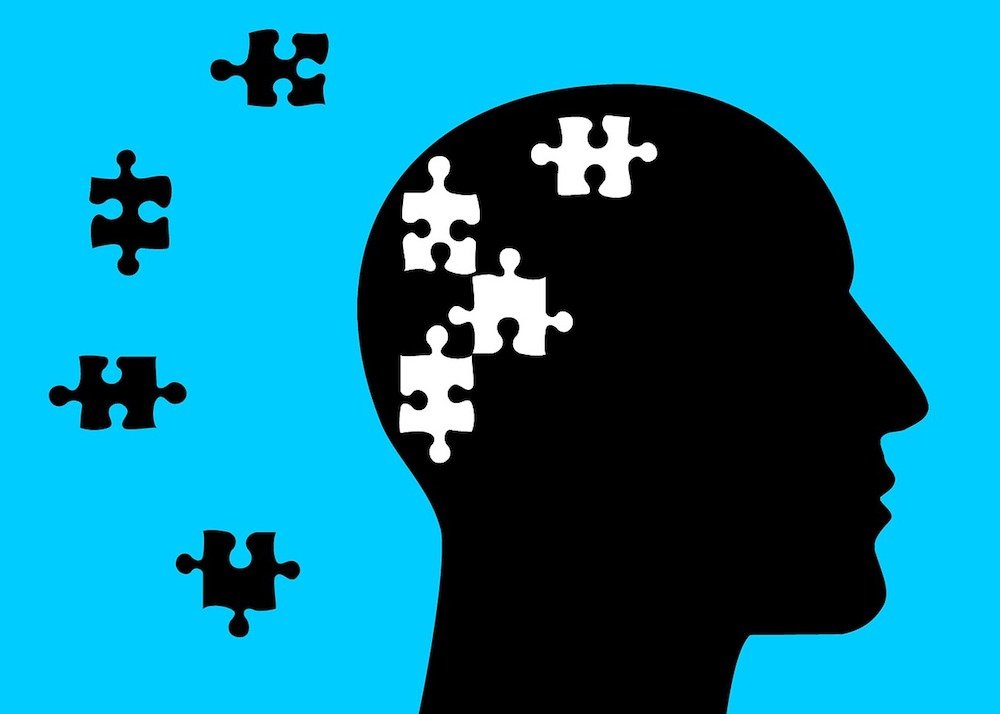
Dementia is the term used to refer to a broad spectrum of symptoms that allude to the weakening of the brain affecting its ability to function properly.

Often the symptoms are quite severe and they affect someone’s daily life. It results from damaged brain cells affecting their normal function to communicate and facilitate different activities of the body.

Temporary memory loss which often affects someone short-term is known to be one of the early signs of dementia. It starts with someone who can often recall events that happened a long time ago suddenly not being able to remember what they had for lunch.

As it affects someone’s cognitive abilities, a person with dementia tends to forget any recently learned information. Even things like dates, events or they cannot help but ask about the same thing repeatedly.

Most find that they have an increasing need to depend on memory aids.

2. Difficulty communicating

difficulty communicating
A person with the condition may have a hard time trying to find the right words to piece together a sentence when communicating. It’s because they often can’t remember the names of items, people or places.

They may not be able to hold a MEANINGFUL conversation to the end since most times they tend to forget simple words or substitute the use of words incorrectly making sentences hard to comprehend.

They may also pause mid-sentence trying to figure out the right vocabulary to use.

What’s more, they also find that they are unable to complete a sentence at all. The result is a lot of repetition making them sound like they are babbling incoherently.

It may also be hard for them to understand those around them and this may become disheartening. To help them, you can simplify your sentences or speak a bit slower or perhaps repeatedly in case they still don’t understand.

3. Increased confusion

increased confusion
Confusion is also one of the early indications of dementia. As the brain cells begin to deteriorate, confusion may occur affecting the person with dementia’s perception of time and place.

As a result, they may not know their whereabouts, how they arrived at certain places and they even forget the way home or easily get lost.

Dementia also causes someone to LOSE track of dates, the passage of time and seasons. If you leave someone with dementia alone for a few minutes to them it may feel like a really long time.

It’s worth noting that at older ages it’s NORMAL to confuse time and dates, however, all factors considered this information often aligns.

However, someone with the disorder keeps suffering from forgetfulness regardless of their age.

4. Challenges performing everyday tasks

challenges performing everyday tasks
Difficulty in performing familiar tasks is also one of the early signs of dementia. As a result of the changes brought about by the condition, abstract thinking becomes quite hard.

Moreover, the person with dementia often shows an unusual struggle performing mental tasks.

People with this disease may at many times find it hard to handle regular everyday tasks that they had previously carried out with ease.

For example, organizing events, planning chores or make simple financial transactions like paying bills become more and more challenging due to the significant decline in brain cognition.

Something as simple as brewing a cup of coffee may prove difficult to someone with dementia because it may be troublesome to follow the right steps.

5. Repetitiveness

repetitiveness
Due to memory loss, people with dementia often end up repeating themselves or lose their chain of thought when holding conversations.

The frequent repetition of activities, questions or statements is a significant sign of reduced cognition.

Sometimes, weariness or anxiety sparks this repetitive behavior. A person with dementia may not remember handling a certain task or previously holding any conversations.

They may repeat the same question several times even after they’ve been answered over and over again.

This happens when the brain’s cerebral cortex which oversees a wide range of functions such as memory and language is damaged or ceases to perform the way it should.

When it comes to repetitiveness, it is also IMPORTANT to educate children about dementia, so they act appropriately.

6. Rapid mood swings

rapid mood swings
Mood swings are also a part of the early signs of dementia and they lead someone to suddenly respond or react irrationally.

It also elicits feelings of fear, anxiety, depression or irritability especially in situations where remembering things becomes quite problematic.

They may also be easily vexed with their colleagues, with friends, at home or in surroundings where they are out of their comfort zones.

This may be quite challenging for caregivers because the person with dementia may behave differently from their usual selves in ways that are hard to explain.

On the other hand, a person with dementia may also be less emotional than they previously were. Plus, their behavior can change SWIFTLY, resulting in rapid mood swings.

7. Poor judgment

poor judgement
Poor judgment is another hallmark of dementia that at times precedes memory loss. A person with dementia is continually unable to make apt decisions.

They may be unable to make the right call in terms of evaluating the different aspects that should be well-thought-out when making an important decision.

If your kin exhibits a pattern of unmistakably wrong decisions or actions such as driving yet they are unable to determine how fast they should go on a highway, chances are they’re suffering from dementia or a similar disorder.

It may be helpful as you cope to consider dementia as a possible reason for their behaviors that seem beyond their control.

8. Withdrawal

withdrawal
Due to the loss of multiple abilities as sparked by dementia the person afflicted soon becomes withdrawn from friends and family.

They also start to display a general lack of interest in activities that they previously found exciting.

A person with dementia may begin to exclude themselves from social activities, hobbies, or even sports that they once loved.

When they are aware of their diminished capacity to handle daily tasks, they may develop poor self-esteem and end up feeling embarrassed or even ashamed.

It leads most to retreat into isolation.

Withdrawal as a symptom of dementia often hits those who are working the hardest. It affects their productivity leading to a decline in their overall performance.

It throws them into a state of sadness and depression.

9. Problems with coordination

problems with coordination
If recognition and coordination complications begin to take effect and affect someone’s everyday life, it could be an early sign of dementia.

A person with the disorder may be clumsy, unhandy, uncoordinated and heavy-handed.

They are not performing tasks with the same ease as they used to. And this means simple things like walking, not to mention running and cycling.

They may also find it difficult to recognize familiar objects like a pot of coffee, cutlery, a cooker, kettle, toothbrush or toothpaste.

Symptoms of a loss of coordination and motor abilities include shaking, struggling to use a hairbrush or shaver and difficulty tying or untying shoelaces.

If, all of a sudden, a person starts to act awkwardly and it goes on for longer than usual, do not leave it behind thinking it will get better.

10. Inability to adapt to change

inability to adapt to change
Difficulty adapting to change is one of the typical early signs of dementia. The inability to recall people’s names or follow what others are talking about can cause nervousness and fear of new changes.

It makes someone with dementia almost obsessive about sticking to their usual routine. On the other hand, they are shying away from trying out new experiences.

Dementia can also alter the way how a person responds to different environments. They may be frustrated and irritated since they cannot follow what’s happening in unfamiliar places.

Disruptive noise, conversations, large crowds, and movements may be overwhelming for them.

Moreover, they find it even more difficult to comprehend information in such surroundings.

11. Neglecting hygiene

neglecting hygiene
Although dementia effects vary from one person to another, it gradually takes a toll on the afflicted individual.

It prevents them from taking care of their daily responsibilities as their cognitive abilities decline. This eventually leads to poor personal grooming and hygiene. Even those who were previously obsessed with their looks and cleanliness are not spared.

As the illness progresses, someone with dementia often starts forgetting to brush their teeth, change their clothes, shower regularly or even use the toilet.

They may not remember the importance of doing all those things.

Depression from the condition could also cause someone to neglect their personal hygiene. At this point, professional assistance is necessary to help them comfortably cope with the activities of daily life.

12. Misplacing items

misplacing items
Many tend to associate misplacing things with the natural aging process. However, this could be one of the early signs of dementia.

Regularly finding supposedly missing items in unusual spots such as locating the remote control in a shoe rack or missing car keys inside the refrigerator are strong indications of the manifestation of dementia.

A person with the condition may easily forget where they kept items such as books or a wristwatch.

They might end up accusing those around them of stealing or hiding their possessions.

They will also emphatically deny it due to their weak memory function and cognitive reasoning. If these underlying concerns are checked out and treated on time, the effects CAN be cured.

13. Lack of abstract thinking

lack of abstract thinking
While we already mentioned trouble with completing everyday tasks and activities earlier, lack of abstract thinking is another early sign of dementia.

There are loads of simple questions you can ask them or even use while observing a person if you notice any changes.

You might not see it the first time, but if a difference in behavior and action happens regularly, a close watch is necessary.

They might have trouble with the simplest mathematical tasks or providing a summary of the article they just read.

Even when reading the instruction for a new gadget, once they are complete, they are still not really sure how to use it.

They might repeat the reading but the end result stays the same – they are unaware of how the gadget operates. Lack of abstract thinking is especially noticeable with how well they manage their finances.

14. Inappropriate behavior

inappropriate behavior
One of the early signs of dementia is inappropriate behavior. This becomes especially evident if a person was behaving in a certain way for the majority of their time, but then they begin to misbehave for no real reason.

If it happens once or twice, even three times, it might not be too big of a deal.

However, if it becomes their repetitive practice, it is highly advisable to see the doctor as soon as possible. Some of the misbehaving acts could be aggression, both physical and mental, arguing and bickering.

One of them is also inappropriate sexual behavior, but that is something we will talk about more in-depth in a future article.

15. Mixing up time and place

miximg up time and place
Since we already chatted about this earlier, it is worth adding it in its own paragraph. While everyone sometimes forgets about what day it is, even where they are going, it is not healthy if this starts happening regularly.

If that begins to occur TOO frequently, it could be one of the early signs of dementia.

Do observe the person as much as possible. Take them to the doctor as soon as possible if this “new forgetfulness” does not go away. Acting early enough and getting treatment before the condition progresses can alleviate it tremendously.

Also, if you happen to be the person who is sensing something “weird” happening to you, again, see the doctor or practitioner as soon as possible.

Lion’s Mane and Dementia (Health Benefits)

lion's mane and dementia

There has been a lot of interest in the topic of lion’s mane and dementia that we received from our users.

Many users are wondering whether lion’s mane offers any health benefits to persons who have dementia.

Can lion’s mane reverse Dementia?

This is based on the fact that the mushroom has been documented to help individuals with several illnesses, including:

Before answering whether lion’s mane is beneficial to persons with dementia, it is important to first understand what lion’s mane is.

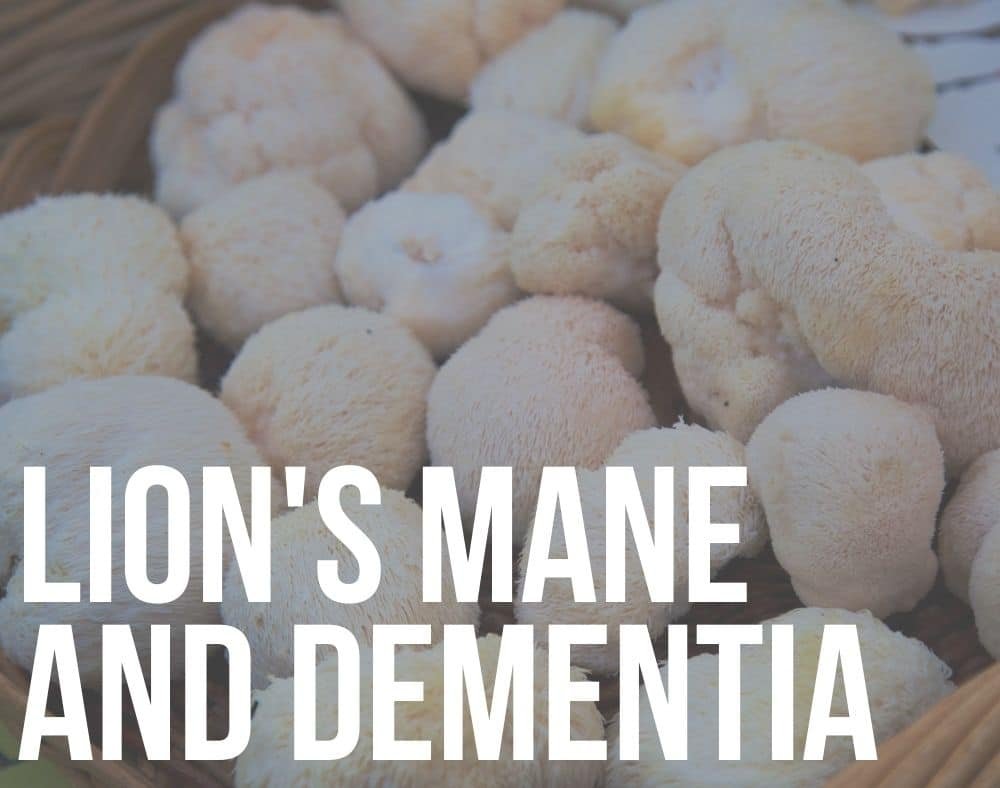
It is a type of mushroom that is also known as yamabushitake or hou tou gu according to Healthline.

The nootropic food appears to be white, large, and shaggy resembling a lion’s scruff.

The edible fungus is mostly in use in Asian countries like Korea, China, Japan, and India. Mainly for its medical and culinary uses.

You can eat lion’s mane mushrooms raw, cooked, steeped as tea, or dried.

Also, you can get extracts of the mushroom over the counter as health supplements.

Experts reveal that lion’s mane mushrooms have bioactive substances that are beneficial to the human body particularly the gut, heart, and brain.

We uncover how lion’s mane can benefit persons with dementia below.

Note: Feel free to check our top herbs for dementia if you seek more natural ways to alleviate the condition.

Health Benefits of Lion’s Mane

health benefits of lion's mane and dementia

Research focusing on this edible fungus has revealed that it offers multiple health perks.

A study in the Journal of Agricultural and Food Chemistry lists numerous benefits of the mushroom saying that it has properties like:

  • Anticarcinogenic
  • Antibiotic
  • Antihypertensive
  • Anti-fatigue
  • Antidiabetic
  • Anti-aging
  • Anti-hyperlipodemic
  • Hepatoprotective
  • Cardioprotective
  • Neuroprotective
  • Nephroprotective

The study also states that the mushroom enhances cognitive function, depression, and anxiety.

These are common symptoms that persons with dementia have. Very likely the cause that pushed the study of lion’s mane and dementia.

Best Lion’s Mane Products Available on Amazon

ProductFeaturesAvailable on Amazon
Organic Lions Mane Mushroom Extract for Cognitive FunctionReal Organic Lions Mane Mushroom Extract for Cognitive Function - 120 capsulesBrain supplement
Immune support
Memory & focus
100% organic
Hekma Center Pure Hericium Mushroom - Lion's ManeHekma Center Pure Hericium Mushroom - Lion's Mane -100 capsulesGMP certificate
FDA certificate
All natural product
5 STAR customer rating
Host Defense, Lion's Mane CapsulesHost Defense, Lion's Mane Capsules - 120 unflavored capsulesBrain boost
Supports cognition
Safe
Organic
Mental clarity & focus
NooMost Organic Lions Mane Supplement CapsulesNooMost Organic Lions Mane Supplement Capsules 5400mg, Ginkgo Biloba 120mgHigh potency
Organic
Ginkgo Biloba for brain
2 months supply
Mushroom Gummiesnutriyum Mushroom Gummies 10 Blend 120 pcs - Lions Mane, Ashwagandha, Turkey Tail, Cordyceps, Chaga, Reishi Mushroom ComplexMixed mushroom supplement
Immunity
Cognitive function
Stress
Premium quality

Ways Lion’s Mane May Help Individuals with Dementia


ways lion's mane may help individuals with dementia
People with dementia might benefit from lion’s mane in several ways like:

Boosts Brain Function

Research on this mushroom indicates that it may have a significant impact on neurodegenerative diseases like dementia.

One of the ways lion’s mane affects the function of the brain is through enhancing neurite outgrowth according to research published in the International Journal of Medicinal Mushrooms.

This outgrowth can potentially reverse or slow down cell degeneration in the brain which is a character of illnesses like Parkinson’s and Alzheimer’s (different types of dementia).

The mushroom can help improve memory

Animal research published in Evidence-Based Complementary and Alternative Medicine revealed that the mushroom helped to improve memory in mice that had Alzheimer’s and those that did not have.

It also stimulated cognitive function.

A medical trial conducted in Japan affirmed that the edible mushroom helps to improve cognitive function in women and men aged 50-80 years.

Participants of the study took a lion’s mane tablet 3 times a day for 16 weeks. Researchers then continued to observe them for 4 more weeks.

The experts observed that the persons who took lion’s mane scored higher on the cognitive function scale than the group that was on the placebos.

The authors of the study were confident that the mushroom offers an effective treatment for mild cognitive impairment.

Enhance Digestive Health

Lion’s mane is known for its strong anti-inflammatory properties and it may improve the function of the stomach and the digestive system.

Molecules in the mushroom also help to relieve and prevent oxidative stress that is caused by exposure to chemicals in the environment and poor nutrition.

Improve Mental Health and Well-Being- Lion’s mane supplements might help people feel better by reducing mental health effects and improving sleep.

Consuming the mushroom may also be a natural way of treating anxiety and depression.

Furthermore, studies also indicate that the mushroom can enhance immune function.

May Help Protect Against Dementia

lion's mane might help protect against dementia
Studies reveal that the lion’s mane mushroom has two special compounds, erinacines and hericeones. These stimulate the growth of brain cells.

Animal studies also report that the mushrooms may help protect against the development of Alzheimer’s disease (AD).

To further talk about lion’s mane and dementia, it’s essential to note that the mushroom and its extracts have been shown to reduce memory loss symptoms in mice.

Researchers also state that it helps to prevent neural damage due to amyloid-beta plaques that accumulate in the brain during AD.

Closing Remarks – Lion’s Mane and Dementia


lion’s mane and dementia supplementMany studies on the subject of lion’s mane and dementia still try to figure out if the mushroom is beneficial for people living with the progressive illness.

This means more research still needs to be done to offer more conclusive results on the protective benefits of the mushroom on the brain.

Always talk to your doctor first before starting taking any supplements.

10 Herbs for Brain Health: What Dementia Research Says

Herbs for brain health and dementia research

Herbs for brain health have attracted considerable interest because certain plants contain compounds that may influence memory, inflammation, stress and other processes connected with cognitive health.

Some of these herbs have also been studied in people with dementia or mild cognitive impairment. However, the evidence varies considerably.

At present, no herb has been proven to prevent, reverse or cure dementia. Some have shown promising results in small studies, while others have performed poorly when tested in larger clinical trials.

This guide looks at 10 commonly discussed herbs for brain health and explains what current research actually tells us about them.

Herbs for Brain Health: What Does the Research Show?

Much of the enthusiasm surrounding herbs and dementia began with laboratory and animal research. While this type of research can identify promising compounds, results in animals do not necessarily mean the same treatment will work in people.

Human clinical trials are therefore particularly important when evaluating natural approaches to dementia.

The National Center for Complementary and Integrative Health notes that direct evidence showing dietary supplements can prevent Alzheimer’s disease or other forms of dementia remains lacking.

1. Sage

Sage has a long history of culinary and traditional medicinal use. Several species are used, including common sage (Salvia officinalis) and Spanish sage.

Sage is particularly interesting to researchers because some of its compounds may influence chemical processes involved in memory and cognition.

A small amount of human research has found improvements in some measures of memory and cognitive performance. One small placebo-controlled study involving people with mild to moderate Alzheimer’s disease also reported encouraging results.

However, the amount of research is still quite limited. There is not enough evidence to conclude that sage can treat Alzheimer’s disease or another form of dementia.

Sage used in normal culinary amounts is generally considered safe. Concentrated supplements are different, however, and some sage species contain thujone, which can be harmful in excessive amounts.

2. Rosemary

Rosemary is another familiar culinary herb that has attracted interest for its possible effects on memory.

A small randomized study involving 28 older adults investigated different doses of dried rosemary. A relatively low dose produced an improvement in one measure called speed of memory. Interestingly, the highest dose impaired performance on some tests.

This is a useful reminder that with herbs and supplements, more is not necessarily better.

Rosemary can be enjoyed as part of a normal diet, but the existing research does not establish rosemary as a treatment for dementia.

You can read more about the relationship between herbs, diet and cognition in our guide to nutrition and Alzheimer’s disease.

3. Ginseng

ginseng root, one of the herbs for brain health being studied

Ginseng has been used for centuries in traditional Asian medicine and is now one of the better-known herbal supplements marketed for energy, stress and cognitive health.

Recent systematic reviews have examined clinical trials involving older adults with mild cognitive impairment, Alzheimer’s disease or other forms of dementia.

Some results suggest that ginseng may produce modest improvements in certain cognitive test scores. However, the number of studies remains relatively small, study methods differ, and the size of the improvement may not be large enough to make a meaningful difference in everyday life.

Therefore, ginseng is interesting from a research perspective, but it should not be regarded as an established dementia treatment.

Asian ginseng can also affect blood sugar, blood clotting and potentially interact with medications.

4. Turmeric and Curcumin

Turmeric contains curcumin, a compound that has attracted considerable attention because of its antioxidant and anti-inflammatory properties.

Laboratory research has suggested several ways curcumin might influence processes associated with Alzheimer’s disease. This led to considerable interest in turmeric as one of the possible herbs for brain health.

Human trials, however, have been much less convincing.

Current evidence on curcumin and Alzheimer’s disease remains limited and inconsistent, and clinical studies have not established that turmeric prevents or treats dementia.

Adding turmeric to food is very different from taking concentrated curcumin supplements. Some highly absorbable curcumin formulations have also been associated with liver injury.

5. Salvia Miltiorrhiza (Dan Shen)

salvia plant used in traditional herbal medicine

Salvia miltiorrhiza, commonly known as Dan Shen or red sage, has been used extensively in traditional Chinese medicine.

Researchers have investigated compounds within the plant for possible effects involving circulation, oxidative stress, inflammation and neurological processes.

Much of the research relating specifically to Alzheimer’s disease remains laboratory, animal or early-stage research.

That makes Salvia interesting scientifically, but there is currently insufficient high-quality clinical evidence to recommend it as a dementia therapy.

It is also important not to confuse Dan Shen with common culinary sage. They are different plants and can have different biological effects.

6. Ashwagandha

ashwagandha root and powder used in herbal supplements

Ashwagandha (Withania somnifera) has been used for centuries in Ayurvedic medicine.

Research into ashwagandha has expanded considerably. Recent clinical trials and systematic reviews suggest that some preparations may influence memory, attention, processing speed and executive function.

However, much of this research involves healthy adults or people with mild cognitive difficulties rather than people diagnosed with dementia.

It is therefore too early to say that ashwagandha prevents or treats Alzheimer’s disease.

Ashwagandha can also interact with medications and may not be suitable for people with certain thyroid or autoimmune conditions. Rare cases of liver injury associated with supplements have also been reported.

7. Ginkgo Biloba

ginkgo biloba leaves, one of the herbs for brain health studied in dementia

Ginkgo biloba is probably one of the best-known herbs for dementia and memory support.

It has also undergone considerably more research than many herbal products.

Unfortunately, large clinical trials have not shown that taking ginkgo prevents dementia or slows cognitive decline. One major study followed more than 3,000 older adults and found no reduction in the development of dementia among those taking ginkgo.

There is some evidence that standardized ginkgo extracts may produce modest improvements in symptoms for some people who already have dementia, but findings have been inconsistent.

Ginkgo can also increase bleeding risk, particularly in people taking anticoagulant medications such as warfarin.

Therefore, people should speak with a doctor before combining ginkgo with prescription medications.

8. Gotu Kola

fresh gotu kola leaves used in traditional medicine

Gotu kola (Centella asiatica) has traditionally been used in Ayurvedic and other Asian systems of medicine and is sometimes promoted for memory and mental clarity.

Laboratory research has identified several potentially interesting biological effects, which led researchers to study whether the plant could influence cognition in people.

However, a systematic review of randomized clinical trials found no strong evidence that Gotu kola improves overall cognitive function compared with placebo.

Some individual studies have reported changes in alertness or mood, but evidence supporting its use specifically for dementia remains weak.

For now, Gotu kola is better described as an herb under investigation rather than an established brain-health treatment.

9. Lemon Balm

Lemon balm (Melissa officinalis) is commonly used in teas and herbal preparations associated with relaxation and sleep.

It has also attracted attention in dementia research.

A small four-month trial involving 42 people with mild to moderate Alzheimer’s disease found improvements in cognitive measurements among people taking a standardized lemon balm extract compared with placebo.

However, later research has produced less convincing results. A much larger trial involving older adults with subjective or mild cognitive impairment did not find significant improvements in the main cognitive measures.

This means the research remains interesting but inconclusive.

Lemon balm should not be viewed as a replacement for established dementia treatment.

10. Huperzine A

Chinese club moss, the plant source of huperzine A

Huperzine A is slightly different from the other substances on this list. It is an alkaloid originally isolated from Chinese club moss rather than simply a culinary or medicinal herb.

It has attracted interest because it inhibits acetylcholinesterase, an enzyme involved in the breakdown of the neurotransmitter acetylcholine.

Some systematic reviews have reported improvements in cognitive scores and activities of daily living among people with Alzheimer’s disease.

However, researchers have repeatedly cautioned that many of the underlying studies were small or of relatively low methodological quality.

As a result, evidence is still insufficient to recommend Huperzine A as a routine treatment for dementia.

Because it has pharmacological activity, people taking dementia medications or other medicines should discuss Huperzine A with their doctor rather than treating it like an ordinary food herb.

Can Herbs for Brain Health Help With Memory Loss?

People searching for herbs for memory loss should first consider why the memory changes are occurring.

Memory problems can have many causes besides dementia. These can include medication side effects, depression, sleep problems, vitamin deficiencies, thyroid disorders and other medical conditions.

For that reason, persistent or worsening memory problems deserve medical assessment rather than simply being treated with supplements.

You may also find our guide to causes of memory loss helpful.

Are Herbs for Dementia Safe?

Natural does not automatically mean harmless.

Herbal supplements can produce side effects, affect blood pressure or blood sugar, increase bleeding risk and interact with prescription medications.

This is particularly important for older adults, who may already be taking several medications.

Supplements can also vary greatly in concentration and quality. A product sold commercially may not contain exactly the same preparation or dose that researchers used in a clinical trial.

Anyone considering concentrated herbs or supplements for dementia should discuss them with their doctor or pharmacist first.

Final Thoughts on Herbs for Brain Health

Research into herbs for brain health is continuing, and several plants contain compounds that scientists consider worth investigating.

There are encouraging findings for some herbs, but there is a substantial difference between showing an effect in a laboratory, improving a cognitive test score and actually preventing or treating dementia.

At present, no herb on this list has been proven to reverse or cure dementia.

For most people, herbs such as rosemary, sage and turmeric can still form part of an enjoyable, varied diet. Concentrated supplements require considerably more caution.

The broader picture remains important too. Regular physical activity, social engagement, good nutrition, adequate sleep and management of cardiovascular risk factors all contribute to maintaining health as we age.

Related Articles

Foods to Reverse Dementia? 9 Brain-Healthy Choices

Non-Drug Therapies for Dementia: 5 Approaches That May Help

Dementia Diet: Nutrition and Healthy Eating

Turmeric and Dementia

13 Creutzfeldt-Jakob Disease Symptoms & Warning Signs

Creutzfeldt-Jakob disease symptoms and warning signs

Creutzfeldt-Jakob disease symptoms can develop and worsen much more rapidly than the symptoms of many other causes of dementia.

Creutzfeldt-Jakob disease, usually shortened to CJD, is a rare and serious brain disorder caused by abnormal proteins called prions. These abnormal proteins trigger other prion proteins to misfold, leading to progressive damage and loss of nerve cells in the brain.

According to the Centers for Disease Control and Prevention (CDC), CJD occurs at an estimated rate of around one to two cases per million people each year. Most cases occur sporadically, meaning there is no identifiable cause.

CJD can cause dementia, but its progression is generally much faster than Alzheimer’s disease and many other forms of dementia.

Symptoms can progress over weeks or months. Memory and thinking problems may occur alongside changes in coordination, vision, speech, movement and behavior.

Importantly, symptoms alone cannot diagnose CJD. Many other neurological, medical and sometimes treatable conditions can produce similar symptoms.

Below we look at 13 possible Creutzfeldt-Jakob disease symptoms and warning signs, followed by information about diagnosis, treatment and when medical assessment is important.

What Are the Main Creutzfeldt-Jakob Disease Symptoms?

The precise pattern varies from person to person.

The CDC describes rapidly progressive dementia as a major feature of classic CJD. Other important neurological signs can include coordination problems, visual disturbances, sudden jerking movements and changes in walking.

The Mayo Clinic also lists personality changes, memory loss, impaired thinking, insomnia, speech difficulties and swallowing problems among possible symptoms.

1. Personality and Behavioral Changes

Personality and behavioral changes associated with Creutzfeldt-Jakob disease

Changes in personality or behavior can occur as CJD affects brain function.

Family members may notice that the person is behaving differently from usual.

Possible changes can include:

  • irritability
  • anxiety
  • apathy
  • loss of interest in usual activities
  • unusual emotional responses
  • changes in judgment
  • agitation

Psychiatric symptoms can occur in classic CJD, although they are particularly prominent early in variant CJD, which is a different and extremely rare form of prion disease.

A rapid and unexplained change in personality, especially when accompanied by neurological symptoms, deserves medical assessment.

2. Rapid Memory and Thinking Problems

Memory and thinking problems as symptoms of Creutzfeldt-Jakob disease

One of the most important features of CJD is rapid cognitive decline.

A person may develop difficulties with:

  • recent memory
  • judgment
  • planning
  • concentration
  • problem-solving
  • understanding their surroundings

Unlike many more slowly progressive dementias, these changes can become noticeably worse over a relatively short period.

The National Institute of Neurological Disorders and Stroke describes CJD as a rare disorder characterized by rapidly progressing dementia, with early problems involving memory, judgment and thinking.

You can read more generally about signs of memory loss, although memory loss by itself does not mean someone has CJD.

3. Coordination Difficulties and Ataxia
Ataxia and coordination difficulties in Creutzfeldt-Jakob disease

Problems with coordination are another characteristic neurological feature of CJD.

The medical term ataxia describes difficulty coordinating voluntary movements.

A person might:

  • become unusually unsteady
  • have difficulty walking in a straight line
  • struggle with precise hand movements
  • have problems reaching for or handling objects
  • appear clumsy despite previously normal coordination

These problems arise because CJD damages areas and pathways of the brain involved in controlling movement and coordination.

They should not simply be attributed to muscle weakness.

For more information about this type of problem, see our guide to balance and dementia.

4. Speech Difficulties

Speech difficulties associated with Creutzfeldt-Jakob disease

Speech can become affected as neurological function deteriorates.

A person’s speech may become:

  • slurred
  • slower
  • more difficult to understand
  • less fluent

Some people may also have increasing difficulty finding words or communicating what they want to say.

As CJD becomes advanced, the ability to communicate can become severely impaired.

Caregivers may need to rely increasingly on facial expressions, gestures and other forms of communication.

5. Vision Problems
Vision problems as a possible symptom of Creutzfeldt-Jakob disease

Visual disturbances are well-recognized Creutzfeldt-Jakob disease symptoms.

They may include:

  • blurred vision
  • double vision
  • difficulty interpreting what is seen
  • abnormal eye movements
  • visual hallucinations
  • partial or severe loss of vision

In CJD, these problems result from neurological changes affecting the brain and visual pathways rather than simply from a problem with the eyes themselves.

The CDC includes visual signs among the clinical features doctors consider when evaluating suspected sporadic CJD.

You can also read about the broader relationship between dementia and eyesight.

6. Increasing Confusion and Disorientation

Rapidly increasing confusion in a person with Creutzfeldt-Jakob disease

As cognition deteriorates, a person may become increasingly confused about their surroundings, time or situation.

They may have difficulty:

  • following conversations
  • understanding what is happening
  • recognizing familiar surroundings
  • making decisions
  • carrying out familiar tasks

What makes CJD unusual is often the speed of deterioration rather than confusion alone.

Confusion has many possible causes, including infections, medications, metabolic problems, delirium and other neurological diseases.

Rapidly increasing confusion therefore requires medical investigation rather than assuming dementia is responsible.

7. Depression, Anxiety and Other Psychiatric Changes

Depression anxiety and mood changes associated with Creutzfeldt-Jakob disease

Changes in mood and mental health may occur.

These can include:

  • depression
  • anxiety
  • irritability
  • apathy
  • agitation
  • unusual emotional responses

Not everyone with CJD experiences the same psychiatric symptoms.

It is also important to recognize that depression, anxiety and mood changes are common in many conditions and are not specific to CJD.

In variant CJD, which differs from classic CJD, psychiatric symptoms are particularly likely to appear early in the illness.

See our guide to dementia and mood changes for broader information.

8. Withdrawal and Loss of Interest

Withdrawal and loss of interest in advanced Creutzfeldt-Jakob disease

A person with CJD may gradually withdraw from family members, friends and previously enjoyable activities.

This may result from several factors occurring together, including:

  • cognitive deterioration
  • apathy
  • difficulty communicating
  • problems with movement
  • fatigue
  • psychiatric symptoms

As the condition progresses, people with CJD generally lose their ability to live independently and require increasing assistance with everyday activities.

Withdrawal should not automatically be interpreted as the person deliberately rejecting family members or caregivers.

9. Difficulty Swallowing

Difficulty swallowing in later Creutzfeldt-Jakob disease

Difficulty swallowing, known medically as dysphagia, can develop as CJD progresses.

A person may:

  • cough or choke while eating
  • have difficulty moving food or liquid safely through the mouth and throat
  • take much longer to eat
  • have difficulty managing saliva
  • lose weight

Swallowing problems can increase the risk of choking, inadequate nutrition, dehydration and aspiration pneumonia.

The Mayo Clinic lists trouble swallowing among the recognized symptoms of CJD and notes that medical complications associated with swallowing difficulties can contribute to death.

Anyone developing new or worsening swallowing difficulties should be assessed by an appropriate healthcare professional.

10. Abnormal Walking and Gait

Walking and gait problems associated with Creutzfeldt-Jakob disease

Walking can become increasingly difficult because CJD affects the neurological systems responsible for coordination and movement.

A person may become:

  • unsteady
  • more prone to falls
  • unable to coordinate their steps normally
  • dependent on assistance when walking

The CDC identifies trouble walking as an important early neurological feature that can occur in classic CJD.

Mobility can deteriorate significantly as the disease progresses.

Caregivers may need professional advice about fall prevention, transfers and safe mobility.

11. Sudden Jerking and Abnormal Movements

Sudden involuntary jerking movements, known as myoclonus, are an important neurological sign associated with CJD.

These movements can affect different parts of the body and may become more noticeable as the disease progresses.

Other movement abnormalities can also occur.

The CDC includes myoclonus as one of the main clinical features used when doctors assess whether a rapidly progressive dementia could be sporadic CJD.

Importantly, occasional muscle twitches are common in the general population and do not by themselves suggest CJD.

It is the overall clinical picture, particularly rapidly progressive cognitive and neurological deterioration, that matters.

12. Insomnia and Sleep Disturbance

Insomnia and sleep disturbance associated with Creutzfeldt-Jakob disease

Changes in sleep can occur in prion diseases, and the Mayo Clinic includes insomnia among possible early symptoms of CJD.

However, difficulty sleeping is extremely common in the general population.

Insomnia alone is not a useful indication that someone has CJD.

It becomes more medically significant in this context when it occurs alongside rapidly developing cognitive, behavioral, coordination or neurological problems.

You can read more about dementia and sleep.

13. Numbness or Unusual Sensations
Numbness and unusual sensory symptoms associated with prion disease

Some people with prion disease can experience unusual sensory symptoms such as numbness, tingling or other altered sensations.

These symptoms are not among the most distinctive features of classic CJD.

Sensory symptoms are especially recognized in variant CJD, a separate form of the disease that historically has been associated with exposure to bovine spongiform encephalopathy, or BSE.

The National Institute of Neurological Disorders and Stroke notes that unusual sensations can occur in transmissible spongiform encephalopathies.

As with the other symptoms listed here, numbness has many much more common causes and should not be interpreted as evidence of CJD on its own.

How Quickly Do CJD Symptoms Progress?

One of the most important characteristics of classic CJD is its rapid progression.

According to the CDC, once symptoms begin, the median time until death is approximately four to five months.

The Mayo Clinic notes that symptoms often worsen over several weeks to a few months and that death generally occurs within a year.

This rapid progression helps distinguish CJD from many common forms of dementia, although it does not establish the diagnosis.

Any rapidly worsening neurological condition needs prompt medical investigation because some conditions that resemble CJD may be treatable.

How Is Creutzfeldt-Jakob Disease Diagnosed?

There is no single symptom that confirms CJD.

Doctors consider the person’s medical history, neurological examination, pattern and speed of progression, and results from specialist investigations.

According to the CDC and Mayo Clinic, testing may include:

  • MRI of the brain to look for characteristic patterns of abnormality.
  • Electroencephalogram (EEG) to examine electrical activity in the brain.
  • Cerebrospinal fluid testing after a lumbar puncture.
  • RT-QuIC testing, which can detect evidence strongly suggestive of prion disease.
  • other investigations to rule out conditions that can produce similar symptoms.

The Mayo Clinic’s CJD diagnosis guide explains that brain tissue examination remains the definitive method of confirmation, although doctors can often make an accurate clinical diagnosis during life using the available tests.

Can Creutzfeldt-Jakob Disease Be Treated?

There is currently no cure or treatment that has been shown to stop or reverse CJD.

This is an important distinction from some other conditions that can cause rapidly progressive cognitive or neurological symptoms.

Treatment therefore focuses on:

  • relieving symptoms
  • maintaining comfort
  • managing pain when present
  • supporting nutrition and swallowing
  • reducing the risk of injury
  • supporting the person and their family

Because CJD progresses rapidly, families can also benefit from early discussions with the healthcare team about care needs and supportive or palliative care.

When Should Someone Seek Medical Attention?

CJD is extremely rare, and having one of the symptoms described above does not mean a person has CJD.

Memory problems, poor sleep, depression, numbness, balance problems and blurred vision all have many possible causes.

What deserves particular attention is a rapid combination of cognitive and neurological changes.

Medical assessment is important if someone develops symptoms such as:

  • rapidly worsening memory or thinking
  • new difficulty walking or coordinating movements
  • new speech problems
  • rapidly developing visual disturbances
  • repeated involuntary jerking movements
  • new swallowing difficulties
  • a marked personality or behavioral change accompanied by neurological symptoms

Doctors need to consider CJD alongside other possible diagnoses, including conditions that may be treatable.

Creutzfeldt-Jakob Disease Symptoms: Closing Thoughts

Creutzfeldt-Jakob disease symptoms usually involve a combination of rapidly progressive cognitive decline and neurological changes.

Memory and thinking problems may occur alongside difficulties with coordination, walking, vision, speech and swallowing. Some people also develop personality changes, psychiatric symptoms, sleep disturbance and involuntary movements.

CJD is very rare. The CDC estimates an incidence of only around one to two cases per million people each year.

For this reason, experiencing an individual symptom such as memory loss, insomnia, numbness or blurred vision should not be interpreted as evidence of CJD.

The more important warning sign is rapid and unexplained deterioration across several areas of neurological function.

If that occurs, timely medical assessment is important so doctors can investigate the cause and rule out other conditions.

Although there is currently no treatment that stops CJD, an accurate diagnosis allows the healthcare team and family to provide appropriate symptom management, supportive care and planning.

References and Further Reading

Centers for Disease Control and Prevention. Clinical Overview of Creutzfeldt-Jakob Disease (CJD).

Centers for Disease Control and Prevention. Classic Creutzfeldt-Jakob Disease.

National Institute of Neurological Disorders and Stroke. Transmissible Spongiform Encephalopathies.

Mayo Clinic. Creutzfeldt-Jakob Disease: Symptoms and Causes.

Mayo Clinic. Creutzfeldt-Jakob Disease: Diagnosis and Treatment.

8 Reversible Dementia Causes and Symptoms

reversible dementia

If you have never clearly understood the reversible dementia causes and symptoms, you came to the right place. In short, in this article, we discuss the most common ones that you need to be aware of.

One of the most disheartening dementia facts is that it has no cure.

This implies that if a person gets a positive dementia diagnosis, they will have to live with it until their last day.

This said, it is important to note that some conditions exhibit dementia-like symptoms, which can make one confuse other diseases or infections for dementia.

These are often known as reversible dementia causes and some of them include:

Most Common Reversible Dementia Causes

1. Psychiatric Disorders

psychiatric disorders
Some psychiatric disorders, such as depression, can also cause dementia-like symptoms in seniors.

Worth noting is that depression can be one of the signs of dementia. Depression can make a person LACK motivation and have problems with paying attention or feeling lethargic about daily activities.

If someone does not have dementia, treating dementia can help to improve cognitive abilities.

It is important to understand depression symptoms as well as get an accurate assessment from the experts to get prompt treatment for better emotional and cognitive health.

2. Tumors

tumors
Tumors, especially the ones that develop in the brain, are known to be part of reversible dementia causes.

Depending on its size and location, many people may confuse this tumor for dementia.

Brain tumors are responsible for multiple symptoms that can negatively affect judgment, memory, impulse control, and personality changes, amongst many others.

Depending on the affected person, treatment can offer the benefit of full restoration, especially when it is a tumor that can be successfully removed.

3. Normal Pressure Hydrocephalus

normal pressure hydrocephalus
Also known as “water in the brain,” NPH (normal pressure hydrocephalus) is a condition that causes extra spinal fluid to build up in the brain instead of traveling to the spinal column via the brain.

When this happens, a person will normally experience a couple of symptoms, such as:

Proper diagnosis is essential in the event a person is going through the above.

This is because there is a HIGH chance of reversing some, if not all, of the confusion and memory impairment.

Early identification is always best because it allows treatment on time, which generally offers better results.

4. Subdural Hematomas

subdural hematomas
Older adults are at high risk of developing subdural hemorrhages, which are also known as subdural hematomas.

This is where blood vessels in the brain tear and break leaving behind a pool of blood between the dura and the brain. This typically makes a person experience symptoms like lethargy, confusion, headaches, and difficulties with speech.

When an individual with subdural hematomas does not undergo treatment fast enough, the condition can be fatal.

However, if this is detected early enough, treatment can involve surgery or medication that will drain off all the excess blood in the brain.

When everything goes to plan, the person will not experience any NEGATIVE symptoms related to this type of hematoma.

5. Low Levels of Thyroid Hormones

low levels of thyroid hormones
Thyroid disorders can also make individuals experience symptoms that might be mistaken for dementia.

This can include communication problems such as finding the proper words to complete sentences, reduced levels of concentration, memory loss, slower visual processing, and poor spatial organization.

Problematic cognitive symptoms can crop up because of both hyperthyroidism and hypothyroidism. Should a person experience any of the above symptoms, it is vital to see a specialist right away.

With PROPER treatment, all the symptoms may disappear after a while.

6. Sleep Deprivation

sleep deprivation
Lack of sleep also belongs to the category of reversible dementia causes.

Sleep deprivation is a major cause of memory loss. Experts also point out that when you do not get enough sleep, it can make some parts of the brain shrink.

Sleeping well is crucial for good health.

If you suffer from constant sleep deprivation, you will most likely go through cognitive decline and experience loss of memory. This can have a huge impact on how you reason and think.

Thankfully, this is not something you have to live with for the rest of your life. A professional medic can treat this successfully in regaining your memory and cognitive function.

7. Central Nervous System Infection

central nervous system infection
Several CNS (central nervous systems) infections are also known to cause treatable cognitive impairment. Examples of these include AIDS dementia complex, tuberculous meningitis, and bacterial meningitis, etc.

Most of these usually meet dementia’s diagnostic criteria.

For instance, HIV-associated dementia may present challenges with memory and concentration, as well as social withdrawal, apathy, and motor dysfunction.

Multiple studies state that with adequate treatment, we can REVERSE the symptoms. In the case of antiretroviral therapy produces the best results.

8. Metabolic Disorders

metabolic disorders
When talking about reversible dementia, it is important to mention that metabolic disorders vitamin B12 deficiency can make a person have symptoms that are similar to those of dementia.

These mostly include behavior changes like irritation and agitation, as well as memory loss. Many people will have low levels of vitamin B12 because of a poor diet.

Health issues like Crohn’s disease or pernicious anemia may also be responsible for this deficiency. As people grow older, the ability to absorb this particular vitamin may reduce.

Doctors may prescribe vitamin B12 supplements to people who have low levels of the vitamin. These may also help to restore or improve memory as well as cognitive functioning.

Sensory Rooms For Dementia (Healing?)

sensory rooms for dementia

Improvements in health care have led to the introduction of new care options one of them being sensory rooms for dementia.

Our extensive overview helps you get familiar with the rooms and how they can POSITIVELY impact the individual.

Alzheimer’s.net describes sensory rooms as special places for persons living with dementia and Alzheimer’s disease to explore and stimulate all five senses safely.

Sensory Rooms for Patients with Dementia

sensory rooms for patients with dementia
In the past, these spaces were mainly in use to help younger people with physical or learning disabilities.

Experts uncovered that sensory rooms can also be useful for people with different types of dementia.

The rooms can either be used for stimulating or calming an individual depending on what they need.

Read on to find out more about the sensory rooms including what they feature, their benefits, research into the topic, and whether they offer healing to persons with dementia.

Features of Sensory Rooms

Different types of sensory rooms for dementia exist.

features of sensory rooms

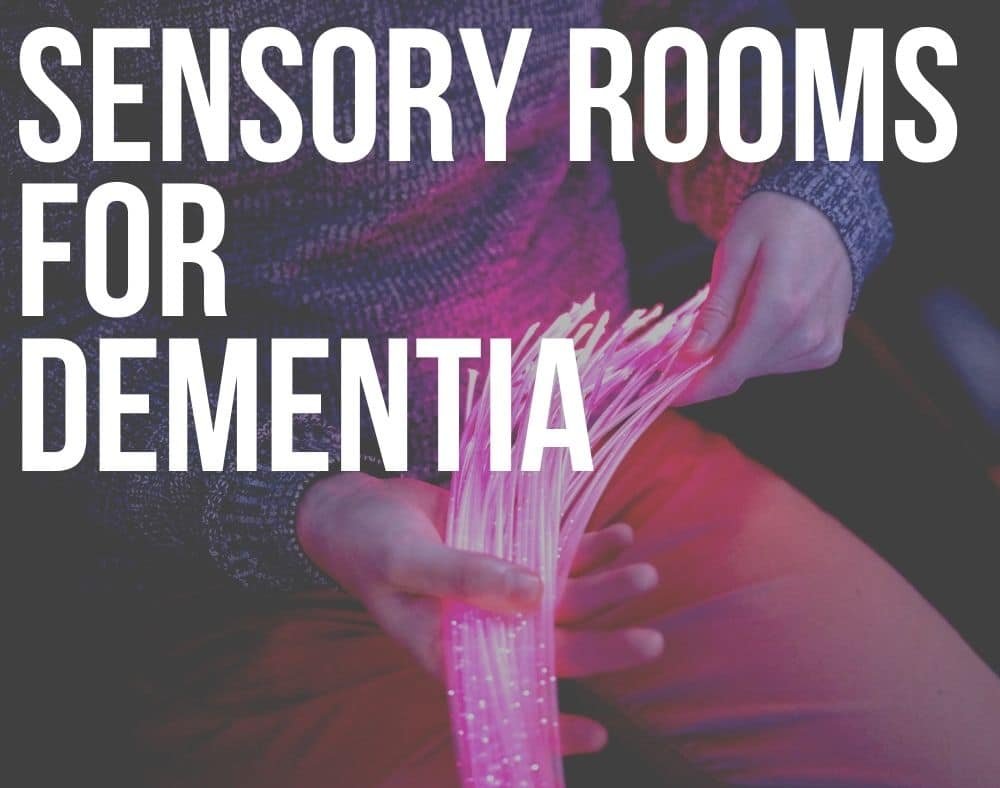
Some are high-tech unique environments with trailblazing technology while others are basic rooms featuring comfortable furniture, tactile objects, and other engaging and simple objects.

It goes to show that no two sensory rooms are identical.

The primary aim of the room is to stimulate senses of taste, sound, sight, movement, and smell. Offering a wide range of activities that helps with concentration while offering relaxation or stimulation dependent on sensory need.

These special spaces can have a combination of different ELEMENTS such as:

  • Gentle light
  • Music/sound beams
  • Movement
  • Tactile objects
  • Bean bags
  • Bubble walls and tubes
  • Soft textiles and floor mats
  • Acrylic mirrors
  • Interesting things to taste and smell
  • Film
  • Fibre optics
  • Familiar everyday objects

At the end of the day, a sensory room should offer several factors to the persons using it and these should include:

  • It should be age-appropriate and usable
  • Be safe and comfortable
  • Offer a multi-sensory experience
  • Have no clutter (a clear free space)
  • Provide relaxation and stimulation
  • Offer interaction and control

Do Sensory Rooms offer Healing?

do sensory rooms offer healing
It is important to note that to date, there is still no approved cure for dementia.

Persons with dementia can, however, benefit from the use of sensory rooms for dementia in multiple ways.

Dr. Anke Jakob from Kingston University in London says that the sensory rooms can HELP ENHANCE feelings of comfort and wellbeing, relieve pain and stress, and maximize an individual’s potential to focus.

The doctor reckons that the above can help enhance memory and communication.

Benefits of Sensory Rooms

benefits of sensory rooms
Individuals living with dementia can enjoy a variety of benefits when using sensory rooms for dementia and some of them include:

  • Enhanced mood
  • Increased knowledge and understanding of the environment
  • Declined frequency in disruptive, aggressive, violent, and oppositional behaviors
  • Decreased anxiety
  • Increased interpersonal interaction
  • Less fear
  • Enhanced caretaker-patient communication
  • Low risk and non-invasive therapy
  • Develops and engages senses
  • Boosts autonomy and confidence
  • Offers a diverse and rich experience
  • Improved social and language skills
  • Reduced reliance on medication, etc.

Research into the Effectiveness of Sensory Rooms for Dementia

Several studies have been conducted on the effectiveness of sensory rooms for persons who are living with dementia.

research into the effectiveness of sensory rooms for dementia

An example is Occupational Therapy research at Southampton which revealed that multi-sensory environments can assist in preserving occupational and cognitive behavior.

In an interview with New Boundaries, Dr, Lesley Collier a senior lecturer in occupational therapy at the University of Southampton reported that the research involved modifying stimuli amounts and adjusting sensory input to meet sensory needs.

This was based on the fact that the environment around the person with dementia contributes to cognitive deterioration.

The main aim of the research was to work with individuals living with dementia to try and reduce symptoms by allowing the affected individuals to practice daily tasks in a sensory stimulation and controlled environment.

Professionals conducting the research started by observing a person with dementia in a multi-sensory room.

A person can become more focused

They said that they noticed that he has become more focused and would pick up equipment, smile, vocalize, and proceed to move on.

This was the opposite of the “normal behavior” he exhibited which was usually an inability to settle on any activity and aggression.

Following this study, the researchers went on to collaborate with Rompa the firm that produces the Snoezelen room.

This is a kind of multi-sensory environment for use in hospitals, therapy centers, care homes, schools, and homes.

More independence

Professionals stated that individuals who spent time in structured multi-sensory rooms enjoyed more independence in functional performance.

They carry out daily living activities like putting on their shoes and using a fork and knife to eat with little performance errors.

The National Institute for Health and Clinical Excellence recommends the use of multi-sensory activities for persons with dementia as a result of this research.

Dr. Collier also stated that she is working with therapists and representatives in different parts of the globe to assist persons with dementia get the maximum benefit from multi-sensory treatments.

Moving forward, more research will be conducted to get a better understanding of how specific sensory input influences performance. Dr, Lesley is interested in monitoring brain activity while a person living with dementia is using a multi-sensory room.

Closing Thoughts

Even as more research is needed into the effectiveness of sensory rooms for dementia, there is evidence that they can be helpful to persons living with dementia.

They only need to be designed well and have appropriate elements that will be useful to the people in need.

The sensory rooms can be in care homes, hospitals, or even in homes depending on the stage of dementia a person is in.

7 End-Stage Dementia Signs in Elderly

end-stage dementia signs

We noticed multiple different end-stage dementia signs over the course of 10 years of our experience with this deadly condition.

This essentially means that the person with the disease and caregivers should start preparing for the affected person’s demise.

It is important to note that the illness affects people differently. Thus, the severity or timings of the end-stage WARNING signs may vary from one person to the next.

After diagnosis, most people will live between 4 to 20 years.

Before their final days on earth, a person who has dementia may showcase several symptoms.

Below we will discuss seven of the most common signs that occur during the last stage of dementia.

Most Common End-Stage Dementia Signs

1. Trouble Communicating

trouble communicating
You will notice that many people with dementia at the onset have a little bit of trouble communicating with others. This becomes WORSE as the years go by.

During the severe/last stage of dementia, the ill person will have significant communication issues. Some only use expressions or words sparingly to express themselves.

Most people do not verbally communicate at the very end. During the later stages of dementia, affected individuals may not be able to understand when other people talk to them.

In the event of no speech, persons with dementia may use facial expressions, body language, or show agitation to communicate their feelings and needs.

2. Health Problems

health problems
A wide array of health problems belong to the category of end-stage dementia signs.

This is where a person with dementia may become frail and prone to illnesses like infections such as pneumonia, pain or discomfort.

UTI’s (Urinary Tract Infections) are particularly common in the end stages. These can speed up the progression of the disease or cause more confusion in the people who have dementia.

Some persons may experience more side effects with the medications they are taking. Health problems may also include problems with vision, hearing, and mobility.

If treatable, any health conditions must be QUICKLY diagnosed and taken care of.

In addition to medication, caregivers should also try non-drug approaches like a massage and other alternative therapies to help offer relief to the persons with the illness.

3. Severe Memory Loss

severe memory loss
When a person with dementia gets to the final stages of the illness, high chances are that they will have SIGNIFICANT memory problems.

They may lose the ability to remember even the most recent memories.

For instance, a person may not recall what they have just eaten or who they were speaking to an hour ago. A high percentage of persons with the illness believe that they are living in earlier times, for example when they were still teens.

This implies that they may start to behave or using words that may not make sense to people around them.

The affected person may also lose their ability to recognize themselves or other individuals close to them, like children, friends, colleagues, and neighbors, etc.

4. Incontinence and Toilet Issues

incontinence and toilet issues
Another example of end-stage dementia signs is toilet problems and incontinence. As the illness progresses, there is a possibility that the person will EXPERIENCE some accidents while trying to use the washroom.

It can be anything from the occasional urine or fecal leaks or a total loss of control when the person needs to use the toilet.

Many factors can cause this, such as:

  • Forgetting where the facilities are or forgetting to visit the toilet in time
  • Constipation
  • UTI
  • Not recognizing the need to use the toilet
  • Prostate gland issues, etc.

To avoid inconvenience, there are many incontinence products that patients with dementia can use.

5. Problems with Mobility

problems with mobility
People with dementia may also experience mobility issues as they go through the last stage of the disease.

Most people will lose their ability to stand, walk or get up from a bed or chair gradually.

At this point, the affected individuals may start to experience more falls.

While not all people with dementia will have mobility problems, the issues may be brought about by dementia, balance problems, medical conditions like stroke, drugs, and the environment, amongst others.

People with mobility problems are likely to DEVELOP other issues, like bedsores because they can sit or sleep in one position for a long time without moving.

When mobility decreases, the person with dementia is also at risk of blood clots and other infections.

6. Problems with Eating and Drinking

problems with eating and drinking
Changes in eating and drinking patterns are also considered to be part of end-stage dementia signs.

Most people will lose their appetite, which makes them eat less. As a result, most people with dementia will lose weight in an unhealthy manner.

Losing weight may have an effect on a person’s IMMUNE system, making it harder for the body to fight off other diseases.

Many people will have a problem with eating and drinking because they develop mouth sores or have problems swallowing.

Swallowing issues arise when a person’s reflexes and muscles cease to function correctly.

7. Loss of Independence

loss of independence
When talking about end-stage dementia signs, it is only right to mention that a person with the illness may lose their independence. This means that they cannot do simple daily tasks on their own.

They have to rely on caregivers to assist with tasks like taking a bath, dressing, walking, eating, brushing teeth and so forth. This usually means that a person cannot live on their own.

A person must get all the care they need so that they do not suffer too much before they exit the earth. If it is NOT POSSIBLE to offer the support that a person needs at home, it is best if they move to a facility that will take care of their needs.

In the end, even though dementia is fatal, most will die of medical complications that are related to dementia.

For example, a person’s death may be a result of aspiration pneumonia or a blood clot as a result of being bedbound and immobile.

Pet Therapy and Dementia (Any Benefits?)

pet therapy and dementia

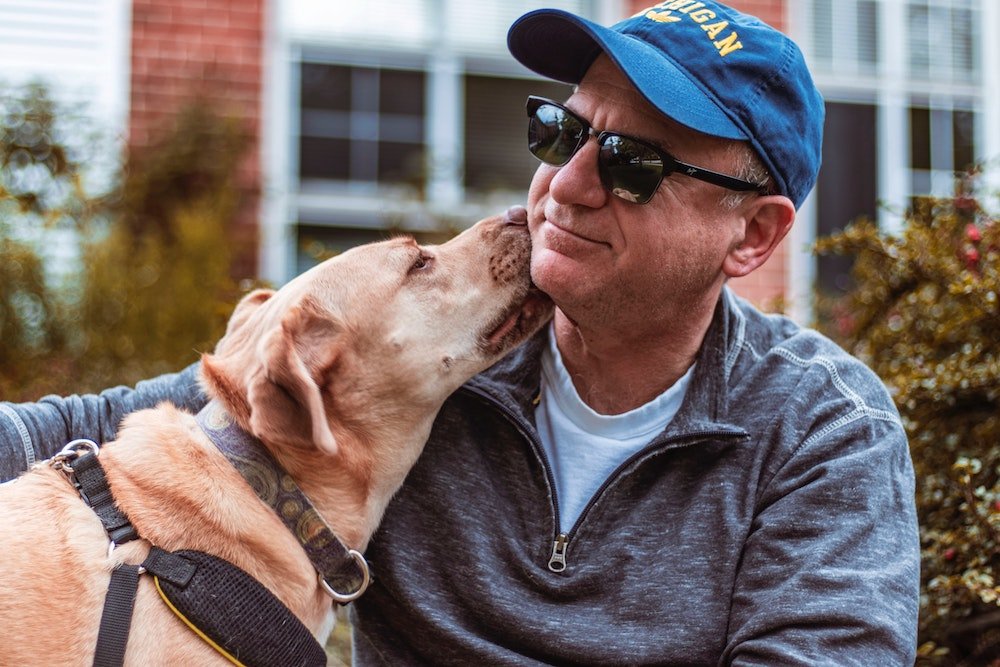
We read numerous studies and experienced the amazing benefits of pet therapy and dementia management several times.

Animals HAVE A WAY of improving the quality of life for humans.

We can describe pet therapy as the use of dogs or other pets to help individuals cope with health issues, or recover from disorders and diseases.

The Magic Of Pet Therapy for Dementia

American Senior Communities reports that with just 15 minutes of bonding, animals can significantly reduce a person’s stress levels.

This is through hormonal changes in the brain which produce more “feel-good” hormones such as oxytocin, prolactin, and serotonin.

Read on to uncover more details on:

  • Types of pet therapy
  • How pet therapy helps people who have dementia
  • Robotic animals

Types of Pet Therapy

types of pet therapy
Pet therapy also known as animal-assistant therapy can include bird aviaries, cats, fish aquariums, dogs, and farm animals like horses or rabbits.

Generally, there are two ways in which persons with dementia can engage in this alternative therapy.

One is through owning a pet that the affected individual loves and accepts.

The other is through animal visits from time to time.

Most importantly, to reap the benefits of pet therapy and dementia management, it is IMPORTANT that all animals used for the therapy be certified, well-trained, stay up-to-date on their shots, and be monitored for safety purposes.

This ensures a mutually beneficial relationship. It also MINIMIZES exposure for persons with allergies or do not want to interact with pets.

Assisted-animal therapy can be conducted in a group setting or individually.

Individuals with dementia can interact with animals through different methods. These could be caring for them, walking them, petting them, playing with them, or just cuddling.

How Pet Therapy Helps People with Dementia

how pet therapy helps people with dementia
There are different ways in which persons with dementia benefit from pet therapy.

These usually come from the fact that pets do not judge, and they offer lots of fun, companionship, and love.

Here are some of the ways that people living with dementia can benefit from assisted animal therapy.

Alleviating Agitation and Negative Behavioural Expressions

A study conducted in 2020 stated that after residents spent time with a dog in an assisted living community, residents experienced FEWER moments of upset and negative thinking, as well as other behavior changes throughout the day.

Increased Mental Stimulation

Interacting with adorable animals helps to increase mental stimulation one of the BIGGEST pet therapy BENEFITS as it can increase memory recall.

Boosting Physical Activity Levels

boosting physical activity levels
Tossing a ball with a dog, stroking a cat’s fur, or going for a brief walk with a loving pet are some of the ways that persons with dementia participate in daily physical activities.

This can also lead to improved motor skills and joint movement.

Improving Nutrition

Another study revealed that after visiting with a domestic animal, residents showed signs of improved appetite and over time started to gain weight.

The residents also required fewer nutritional supplements which, in turn, reduced costs associated with care.

Sense of Responsibility

Many people with dementia usually battle with the fact that they are no longer as independent as they used to be.

Spending time with a pet helps to make them feel “useful” again by offering a sense of purpose. Something to look forward to every day.

Calming Effect

calming effect
When looking into the benefits of pet therapy and dementia management, it also helps to mention that animals offer a soothing presence.

This is highly welcomed especially to seniors who crave unconditional love and companionship.

It is hard to stay anxious or angry when spending time with a fluffy animal with a goofy grin or one that keeps asking for a pet.

This also helps to EASE FEELINGS of loneliness and depression.

Reminiscence

Interacting with pets can help invoke feelings of old memories, playfulness, happiness, and joy in persons with the illness.

This can also help a person remember a pet they once took care of.

Note: Don’t forget to read about the effects of reminiscence therapy for dementia.

Increased Social Interaction

Research found that animal-assisted therapy is also associated with an increase in social interaction with others in individuals living with dementia.

Communication Outlet

communication outlet
At some point, persons with dementia may have trouble communicating with others around them. This can be VERY frustrating which can cause a person to withdraw.

Spending time with a pet helps ill individuals to have a communication outlet.

Pets normally communicate on a deeper level that individuals with dementia can appreciate and understand.

Improves Physical Health

Among the benefits of pet therapy and dementia management is that having a pet can ENHANCE an individual’s physical health especially cardiovascular health.

This has been shown through lower cholesterol and lowered blood pressure.

Robotic Animals

robotic animals in pet therapy for dementia
At times, it may not be feasible for an older person with dementia to own a pet or have one visit them from time to time.

This does not mean that the affected person should be denied the perks that come with pet therapy. Thanks to advancements in technology, robotic pets can be a great alternative.

Robotics therapy first emerged in the early 2000s.

Over the years, its POPULARITY continues growing as many production companies jump ship. For example, Hasbro has a line of robotic cats known as Joy For All Companion Pets.

These offer affordable pet therapy solutions to those in need.

The robotic pets purr, roll, over, blink, and offer a calming effect on people who have dementia.

Note: We also have a full article on the topic of social robots and advanced dementia.

A Selection of Robotic Pets Available on Amazon

ProductFeaturesAvailable on Amazon
Interactive Companion Pets for DementiaJOY FOR ALL - Orange Tabby Cat - Interactive Companion Pets - Realistic & LifelikeComfort & companionship
Cat-like movements & sounds
Award winning
Built in sensors
Designed for seniors
Interactive Companion Pets Robot CatChongker Interactive Companion Pets Robot Cat Lifelike with Voice Command & Rich Animation Interaction Lifelike Realistic Stuffed Animals Cat Plush (Robotic Cat)Voice commanded
Built in sensors
Handmade
180 day warranty
Companionship & fun
Designed for seniors
Weighted Stuffed CatChongker 3LB Weighted Stuffed Cat Animal Realistic Plush Cat Handmade Companionship Customer 5 STAR reviews
Designed for hugs
Realistic weight
Man made
High quality materials
Robot Pets for AdultsCute Robot Pets for Adults, Your Perfect Interactive Companion at HomeMany emotions
Many interactions
Evolving & adapting
Comfort Therapy Doll for Alzheimer's African AmericanComfort Therapy Doll for Alzheimer's African American5 STAR customer reviews
Portion of proceeds donated
Lifelike
Weighted cloth body
Interactive Companion Pets for Dementia PatientsOY FOR ALL - Freckled Pup - Brown and White Soft-Touch Coat - Realistic and Lifelike Interactive Companion Pets10 puppy options to choose
Realistic sounds & motions
Lifelike touch
Built in sensors

Closing Thoughts – Pet Therapy and Dementia

A majority of studies on the benefits of pet therapy and dementia management were conducted in care facilities.

However, even people with dementia living at home can also enjoy the same benefits.

This may imply that more work is still necessary in terms of caring, feeding, and grooming the pet but the benefits are well worth it.

Especially with respect to the use of animal-assisted therapy for the ENHANCEMENT of cognitive functions in individuals with the progressive illness.

Reduce Risk Of Dementia (11 Tips)

reduce the risk of dementia

We found numerous different approaches to how you can reduce risk of dementia.

Unfortunately, many start acting when it is way TOO LATE.

However, one of the reasons is also the fact that we keep too many things for ourselves instead of sharing them with our loved ones.

If you feel like something is happening with you, you notice a change in your thinking, your mind, whatever, talk about out it to your partner, family or friends.

Sometimes, we happened to be ashamed or embarrassed to talk about particular topics. But you should not be. Who knows, the other person might be experiencing the same situation, too.

Imagine HOW supportive you would be of each other. After all, we are all here to help one another, and an honest conversation is a great start.

Today, we will look at some of the things and activities that HELP reduce the risk of dementia.

For whatever reason, we frequently find ourselves in a loop of doing the wrong thing over and over again.

When doing the wrong thing for too long, things like dementia and Alzheimer’s can happen.

Watch after yourself.

Steps To Reduce Risk Of Dementia

Obvious but often overlooked.

1. Being Physically Active

reduce the risk of dementia
Dementia is a group of symptoms that contribute to the slow and continuing DECLINE of the brain hence affecting its abilities.

Its symptoms include short-term memory, confusion, problems with speech and thinking speed affecting someone’s ability to do their daily activities.

Fortunately, there are several ways to reduce the risk of dementia. One of them is being physically active.

Engaging in physical activity is good for the heart, weight control, as well as overall wellbeing.

Lack of exercise is reportedly responsible for a particular risk percentage of this condition.

Therefore, it’s less likely for people who don’t exercise to maintain higher cognition levels compared to those who take part in physical activities regularly.

2. Eating Healthy

eating healthy to reduce the risk of dementia
Another way of reducing the risk of developing dementia is by eating a balanced diet.

Maintaining a healthy diet and weight doesn’t only reduce the chance of risks of this illness, but it also minimizes risks of other conditions too like cancer, diabetes, stroke, and heart-related diseases as well as obesity.

The brain needs a consistent supply of nutrients present in our food to enable it to function to its full capacity and remain healthy.

Therefore, what we eat affects how the brain works. Eating sugar-laded foods and those with high levels of saturated fats can raise our cholesterol levels.

The MOST EVIDENT effect is often weight gain increasing heart disease risk and other health conditions associated with dementia.

3. Don’t Smoke

dont smoke to reduce the risk of dementia
Not smoking or kicking the habit can also reduce the risk of dementia. Cigarette smoking can be detrimental to heart health.

The chemicals in tobacco tend to trigger inflammation and the brain’s vascular changes putting one at a higher risk of getting dementia.

It harms blood circulation in the body, including the brain, heart, and lung blood vessels and these free radicals can lead to cell damage, possibly contributing to the development of this disease.

This would lead to increased cognitive impairment and cardiovascular risk factors associated with dementia.

Even though NOT EVERY smoker will get dementia, quitting the habit is thought to minimize the risk.

4. Cutting Down on Alcohol Consumption

cutting down on alcohol consumption
Long-term and excessive alcohol consumption leads to impaired cognitive function as well as neurological damage depleting the body’s thiamine, causing a type of dementia known as Alcohol-related dementia (ARD).

This form of dementia deteriorates the intellectual function even though memory may not be precisely affected but may arise with other dementia forms resulting in several symptoms.

These SYMPTOMS INCLUDE muscle jerks, extreme confusion, unsteadiness, nausea, vomiting and lack of ability to move one’s eyes.

People with this form of dementia that affects the brain’s frontal lobes often display a loss of planning and a lack of inhibition.

Additionally, their brain’s vascular system changes and increased hemorrhage risk.

5. Taking Part In Mentally Stimulating Activities

taking part in mentally stimulating activities
Some studies have linked mentally stimulating activities by reducing the risk of dementia. Others too, have linked spending MORE TIME studying to lowering the risks.

Engaging in mentally stimulating activities that one enjoys in a social setup increases the chances of successful cognitive training.

Although it’s not crystal clear which activities are more beneficial, it’s advisable that one engages in WHAT THEY LOVE. That could be reading, playing an instrument or even tackling crosswords.

This way, one’s brain is kept active, improving and maintaining their mental wellbeing as it also helps boosts one’s spirits while socializing with others.

Good thing is, one can strengthen their brain at any age, whether through leisure activities or workplace achievement.

6. Treating Depression

treating depression
The correlation between depression and dementia risk is significant. This is because depression is a high-risk factor for dementia since it significantly increases the chances of the illness.

Earlier-life depression is associated with causing changes in the brain that make it susceptible to vascular dementia as well as Alzheimer’s disease many years later.

Even though depression is NOT a CAUSE of this condition, it also has a certain percentage risk responsible for it.

Despite the causal relationship between the risk of dementia and depression has not been established, it is good to treat early-life depression to minimize the chances of developing dementia

7. Hearing Loss

hearing loss
The association between hearing impairment and dementia onset is impartially new. Hearing loss may cause more stress to an already weak brain regarding the possible changes that eventually occur.

It may also cause the persons with dementia to retreat into isolation, leaving them depressed, dependent and lonely as they withdraw from crowds or their usual social activities.

It is still unknown how hearing loss relates to cognitive FAILURE and dementia, but it is said to contribute to different specific cognitive abilities such as processing speed, visuospatial ability, executive function, and memory.

Although old age could contribute to this relationship, a hearing loss too could play a role in developing dementia.

8. Controlling Blood Pressure Levels

controlling blood pressure levels
Uncontrolled high levels of blood pressure are bound to create complications by damaging and narrowing the brain’s blood vessels. Eventually, this increases the chances of the blood vessels becoming blocked or even bursting.

When this occurs, cells in the brain may be impaired due to a lack of an insufficient supply of oxygen and nutrients in the blood.

This damage, therefore, can cause vascular dementia affecting one’s memory and thinking skills.

Moreover, diabetes also associates with cognitive dysfunction progression. This possibly will INTENSIFY the risk of getting dementia.

Hence, controlling someone’s blood pressure and observing their lifestyle may save them from this condition.

9. Maintaining Social Contact

maintaining social contact
Frequent social contact is yet another way of reducing risk of dementia. This includes visiting friends, going out of comfort zones and also engaging in group activities.

Unlike loneliness, which may increase the risk of the illness, socializing does the complete opposite.

Social isolation is a breeding ground for depression. It also contributes to a higher risk of developing other conditions like heart disease and hypertension.

People who ACTIVELY take part in social activities can also lessen the progression to dementia compared to those who isolate themselves once they develop the condition.

10. Meditation

reduce the risk of dementia with meditation
Reportedly, deep concentration and relaxation can lead to new brain cell growth, preventing the shrinking of the brain that is linked to Alzheimer’s.

Several studies have shown that “quieting” your mind is of paramount importance when it comes to reducing dementia risk.

People who meditate and take part in yoga sessions have MINIMAL brain atrophy compared to those who don’t. This is because meditation increases the brain’s protective tissue that helps us feel less worried and minimizes the effects of the cortisol hormone.

It also helps fight negative thinking.

Cortisol is also associated with health problems related to lack of enough sleep. On top of that, it escalates the risk of having dementia.

The waste-draining system is highly active when asleep, which in turn clears the beta-amyloid levels in the brain.

11. Quality Sleep/Rest

quality sleep and rest
While there might not be any clear evidence of whether or not sleep and dementia have something in COMMON, make sure you get enough rest every day.

That would be, on average, at least eight hours.

Keep in mind, there was a small study done that does somewhat support the idea that quality sleep CAN DECREASE the development of dementia. In short, the less REM sleep, the higher the chance of dementia.

To learn more about this subject, we published an in-depth article that shares all the information necessary about the connection between sleep and dementia.