Can Sauna Help Alleviate Dementia?

sauna and dementia

Researchers have conducted several studies to find out if there is a link between the use of sauna and dementia risk.

One study reported that frequent use of the sauna could help to reduce the risk of developing dementia.

This was conducted by researchers from UEF (University of Eastern Finland). They filed their findings in the journal Age and Ageing in 2016.

Does Sauna Protect Against Dementia?

The study assessed the weekly sauna bathing habits of the participants. After this, the experts divided the study participants into three groups”

1. Those who spent about 15 minutes in the sauna 4-7 times in a week (200)
2. Participants who used the sauna 2-3 times a week (1513)
3. Those who only used the sauna once a week (601)

Basis of the Study

basis of the sauna and dementia study
The participants of the study included 2,315 healthy men aged between 42-60 years. The study went on for more than two decades.

During the study period, the researchers diagnosed 123 cases of Alzheimer’s disease and 204 dementia cases. The sauna use research analyzed different types of data from the participants, such as:

  • Age
  • Body mass index
  • Smoking status
  • Systolic blood pressure
  • Alcohol consumption
  • Resting heart rate
  • Type 2 diabetes
  • Previous myocardial infarction
  • Serum low-density lipoprotein cholesterol

The participants in the study used traditional Finnish saunas.

These are the versions that have dry air and recommended temperatures of about 80-100 degrees Celsius. The saunas also increase humidity temporarily by throwing water on the rocks installed inside the sauna heater.

Findings

findings sauna and dementia
The researchers stated that there was a link between the use of sauna and dementia risk. They concluded that using the sauna frequently helps to lower the risk of dementia.

The report indicated that the group that was using the sauna about 4-7 times in a week had a 66% lower chance of developing any dementia type.

Additionally, the risk of Alzheimer’s disease was 65 % lower in comparison to the group that was only using the sauna once a week.

Previously, there was a study from KIHD that reported that Finnish men who used 175 degrees dry heat sauna for 4-7 days a week had significantly low death rates resulting from cardiovascular diseases.

According to Jari Laukkanen, the professor who led this sauna research, frequent exposure to heat during sauna bathing not only protects memory, but it also protects the heart.

This is through similar mechanisms that experts do not clearly understand.

He continued to state that it is known that cardiovascular health also has effects on the brain in a statement the professor made to UEF.

The sense of relaxation and well-being that a person experiences during sauna might also play a crucial role.

the sense of relaxation

The researchers, while conducting the study, also note that previous research also suggested that oxidative stress and inflammation were some of the factors that contributed to dementia development.

They explained that their findings were “biologically plausible” because using the saunas regularly reduces inflammation by enhancing vascular endothelial function.

The endothelium is the thin membrane lining found in the blood vessels.

Furthermore, the researchers also explained that their study addresses the use of sauna and dementia reduced risk because bathing in a sauna helps in lowering systemic blood pressure as well as elevated pulse pressure.

These two are well-known dementia risk factors.

Professor Laukkanen also added that while he thought the results of the study were generalizable to other populations in the northern part of the world like North America and Europe, he did not think the same in warmer countries.

Can Everyone Use Saunas?

can everyone use saunas
Because there might be a beneficial link between the use of sauna and dementia risk, you may be wondering whether everyone can use a sauna facility.

While the saunas may be great for a wide range of conditions, they are not appropriate for everyone.

It is necessary that you consult your doctor before starting sauna bathing. This is especially important if you are pregnant or have an underlying medical condition.

Closing Remarks

The benefits people get from using the sauna might be a game-changer in the way the world views dementia.

Experts agree that while sauna use does not substitute exercise, it is a great way to complement a person’s workout routine.

The latest evidence supports the link between the use of sauna and dementia lowered risk because the exercise helps to enhance cardiovascular health reducing the risks of stroke and heart disease.

It also benefits blood vessels, factors that contribute to brain health, which can starve the development of dementia.

More research, however, still needs to be done to determine whether using saunas should be included in the recommendable interventions for preventing different forms of dementia.

Seeing that the study only focused on men, perhaps there also needs one on women to make the studies more inclusive and conclusive.

Omega 3 and Dementia Prevention

omega 3 and dementia

In the quest to find some of the most effective ways of preventing dementia, experts have been pursuing an angle that is worth looking into – omega 3 and dementia.

Omega 3 remains one of the diet components that come highly recommended concerning brain health.

New reports also link the consumption of omega 3 to dementia prevention.

Read on to find out more about how omega 3 may potentially help with the prevention of dementia.

Omega 3 Fatty Acids For Dementia Treatment

What is Omega 3?

what is omega 3

To better understand the topic of omega 3 and dementia, it is best to start with explaining what omega 3 is.

It is a type of polyunsaturated fat present in the cell membrane. It is an umbrella term for all omega 3 fatty acids. These include docosahexaenoic acid (DHA), alpha-linolenic acid (ALA), and eicosapentaenoic acid (EPA).

The human body produces omega 3 but at a very slow rate which means that you should get it from your diet. Plant-based omega 3 rich nuts, vegetables, and seeds are good sources.

Oily fish like tuna, mackerel, salmon, and herring are rich in omega 3.

Importance of Omega 3

importance of omega 3

Omega 3 plays a significant role in the brain from when the fetus is developing to old age.

Omega 3 fatty acids are vital for the structural development of the brain because they improve mood and support neurotransmitter signaling according to a nutritionist at BioCare Mana, Chouchane.

Scientists believe that the brain cells with high omega 3 levels communicate better with other cells, a move that is crucial for brain function.

When the body takes the fat, it breaks down some of it to carry out various functions. Some of these reduce the immune response in the body.

Others are responsible for protecting cells from oxidative stress.

In addition to brain health, omega 3 also helps with heart health, energy production, supporting hormone synthesis, and regulating inflammation.

How Omega 3 May Help with Dementia Prevention

how omega 3 may help with dementia prevention

Now that you have some background information on what omega 3 is and its importance in the body, let’s look at some of the reasons omega 3 and dementia prevention correlate.

To start off, research indicates that oxidative stress and immune response are some of the key contributors to dementia development.

The fact that omega 3 protects against these goes to show that it may have a hand in the prevention of dementia.

Several studies have already been conducted to investigate these claims. These have taken different directions.

Some studies looked into what people with and without the disease eat and how often to see if this has an effect on the disease.

Others involved clinical trials where a percentage of participants were given omega 3 supplements and the rest placebo to compare dementia risk.

The studies focusing on risk of dementia and the consumption of fish produced varying results.

One of the studies supported the notion. It has 2233 participants all older individuals. They were followed for about six years.

The researchers concluded that those participants that were eating fish two times a week has reduced dementia risk by 41% compared to the elderly who were eating it once a month.

omega 3 and dementia studies

Another study had conflicting results where the experts found that there was no difference in dementia risk based on the amount of fish that a person consumed. This is after studying 5,395 individuals for ten years.

While discussing omega 3 and dementia, stakeholders also talk about the anti-inflammatory properties that omega 3 has. These might help with the risk of dementia development.

Raise DHA levels

Persons with dementia usually have low DHA levels in the brain when compared to individuals who do not have the disease.

Many omega 3 supplements contain DHA and EPA according to information on the packaging.

These are essential for human health because they are the main types of omega 3 that exert the most benefit.

DHA helps with cell membrane structural role while EPA assists with body functions like inflammation.

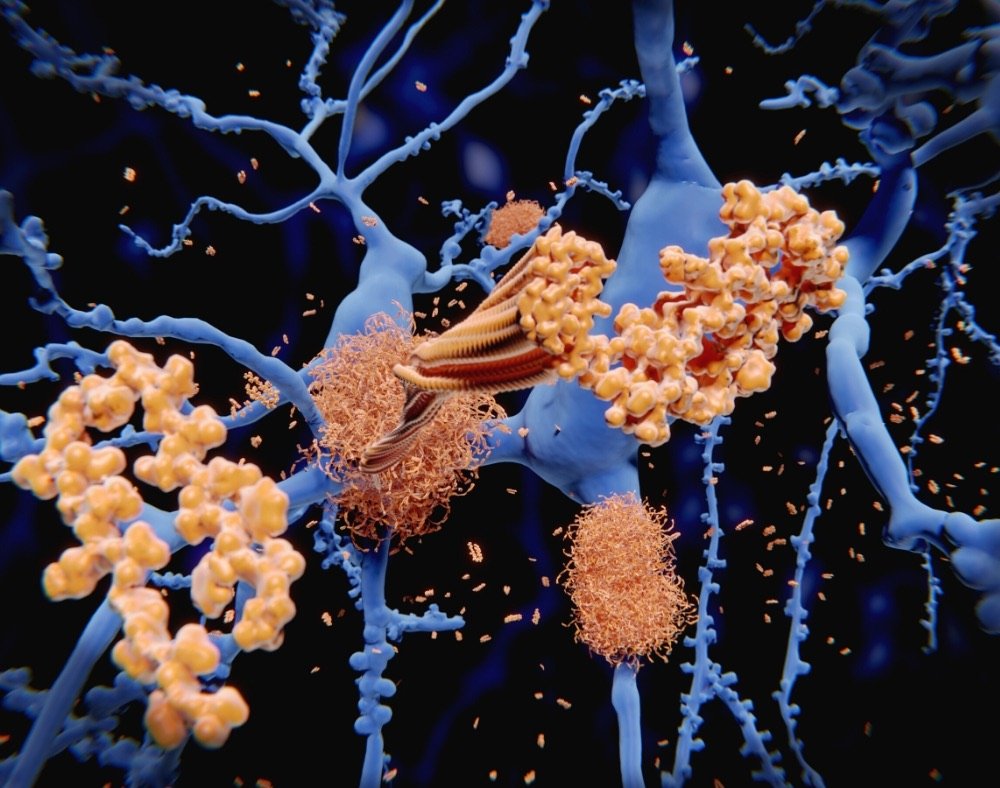
There are also claims that omega 3 fatty acids help to reduce levels of beta-amyloid. These are a marker for dementia in the brain.

beta amyloid omega 3 dementia

One study published in the journal Neurology researchers stated that people who ate the highest omega 3 levels had the lowest levels of beta-amyloid buildup in the blood.

Clinical trials, on the other hand, although small, have also tried to show the relationship between omega 3 and dementia.

For instance, one study offered 171 people with dementia omega 3 supplements.

It found that there was no cognitive improvement after two years compared to weak persons who were not on the supplements.

Another clinical study studied 437 healthy people who were begging to show some dementia symptoms like troubles with memory recall.

They reported that after taking the omega 3 supplements for 24 weeks there were improvements in learning and recall.

This suggests that omega 3 may improve symptoms during the onset of dementia. On the other hand, it has no effect during the later stages.

Closing Thoughts

To date, the topic on omega 3 and dementia prevention remains highly controversial. Indeed, omega 3 may be good for brain health.

However, there is no overwhelming evidence that it may help prevent dementia development.

Further research is still necessary on this topic. Only that, it will be clearer, whether or not omega 3 is instrumental in the prevention of dementia development.

Acupuncture and Dementia for Improved Memory

acupuncture and dementia

There have been several studies looking into acupuncture and dementia. This is because there is an assumption that the treatment technique can help improve memory in persons with neurodegenerative illnesses.

Professionals perform acupuncture on a holistic perspective in a bid to defeat various exogenous factors.

Reports confirm that acupuncture may help protect neurons from deterioration to stimulate axonal regrowth in neurodegenerative illnesses like dementia.

Check out more details on what acupuncture is and how it can help improve memory in persons with dementia.

What is Acupuncture?

what is acupuncture
We can describe acupuncture as an ancient Chinese healing method.

It primarily treats various disorders by having expert insert needles into the skin. When the practitioner does things properly, acupuncture is very safe.

WHO (World Health Organization) recommends the use of this healing technique for 43 diseases.

Experts base this theory on acupoints and meridians that play a crucial role in maintaining and regulating the “yin” and “yang” in the human body system.

This is all about Qi which is patterns of energy in the body that are important for good health. When a person’s Qi is interrupted, many believe that this can cause diseases.

Acupuncturists believe that they can fix this by inserting needles in specific locations on the skin to restore energy flow, hence treat the illness.

How Acupuncture Helps Improve Memory of Persons with Dementia?

how-acupuncture helps improve memory of persons with dementia
For many people with dementia, acupuncture is not a foreign concept. One of the ways of using acupuncture is to treat some dementia symptoms like behavioral disturbances.

New studies, however, claim that acupuncture can also help to enhance memory for persons with dementia.

Several studies have been conducted to explain the relationship between acupuncture and dementia such as:

Acupuncture Outperforms Use of Drugs

acupuncture outperforms use of drugs
Multiple clinical trials reveal that acupuncture works better than drug therapy when it comes to treating vascular dementia.

While there are different types of acupuncture several studies conclude that scalp acupuncture is the most beneficial for persons who have vascular dementia.

Researchers from Wuhan University of Science and Technology found out that acupuncture is more effective at alleviating dementia than conventional drug therapy.

Their study indicates that acupuncture is also a safe treatment option for vascular dementia.

It is important to note that dementia affects the flow of blood to the brain.

Consequently depriving this organ of essential nutrients and oxygen. When this happens, it affects language skills, memory, personality, and emotions.

The researchers cite TCM (Traditional Chinese Medicine) theory as the basis of their study which involved three groups of people.

One group was on drug therapy where they received 0.8 g tablets of piracetam for 30 days three times a day. This is a drug that helps to enhance cognition or memory.

It is also an anticonvulsant, neuroprotective, and improves neuroplasticity. The second group was on conventional acupuncture, and the third on scalp acupuncture.

Scalp Acupuncture is Most Effective

This went on for 30 days where the acupuncture protocols were applied once a day for six days a week. The researchers said that using scalp acupuncture protocol achieved a 90% total effective rate.

Conventional acupuncture was slightly lower at 80% while drug therapy came in last at 60%.

In the future, the researchers were interested in combining scalp acupuncture with the use of piracetam to determine if this would produce more effective results.

a similar study

A similar study with 184 participants all with vascular dementia also showed that acupuncture is an effective treatment modality.

It went on to conclude that scalp acupuncture works well to not only boost memory but daily living activities, social behavior and mental state as well.

In related MRI research touching on acupuncture and dementia, there was a conclusion that acupuncture can help improve hippocampal connectivity in persons with dementia.

The study involved the measuring of some regions that experience disrupted brain connectivity in people with dementia.

After acupuncture sessions, the subjects of the study demonstrated significant improvements in the connectivity for lateral and frontal-temporal hippocampus regions.

Researchers in this study made use of fMRI technology to determine the effects of two acupuncture points in the brain i.e. L14 (Hegu) and LV3 (Taichong).

Acupuncture Weakens Mental Problems that Dementia Cause

acupuncture weakens mental problems that dementia cause
When talking about acupuncture and dementia, worth mentioning is that the healing technique can improve memory by treating mental illnesses that are dementia led.

This is done through amelioration of outside symptoms like lack of sleep which makes memory loss more severe.

One of the studies that came up with this conclusion followed 19 participants who researchers observed in the control stage for one and a half months.

From here, the participants went through 30-minute acupuncture sessions for six weeks.

At the end of these six weeks, the participants recorded improvements in both sleeping and resting times. Another study was performed on persons with dementia and depression.

The study took place in 2000 at Wellesley College.

This followed 11 human subjects who went through acupuncture sessions 2-3 times every week for three months.

The participants recorded improvements in anxiety and depression some of the symptoms that make memory loss worse.

They also experienced more energy levels.

Dr. Nancy Emerson the lead researcher also added that acupuncture helps to relieve pain from other ailments that develop with age encouraging persons with dementia to try out this healing method.

Closing Thoughts

As scientists continue to work on a cure for dementia, multiple studies on acupuncture and dementia show promising results on how the treatment technique can enhance memory in persons with dementia.

The studies out there, nonetheless, are not enough to include acupuncture on the list of dementia treatment options.

They have, however, laid a foundation for more studies that may bring forth more conclusive evidence on whether acupuncture will be established as a treatment option for dementia.

The Importance of Nutrition and Alzheimer’s Disease

nutrition and alzheimers disease

A lot of research has gone into nutrition and Alzheimer’s disease (AD).

Researchers agree that a healthy diet plays a vital role in brain health.

WHO (World Health Organization) concluded that adopting a healthier lifestyle can prevent or delay the progression of numerous cases of cognitive decline.

People with Alzheimer’s may miss out on the perks of eating a healthy diet for numerous reasons like:

1. Lack of appetite: elderly people with AD may feel like they do not have an appetite during meal times. This may be a result of medical interactions which cause reduced appetite as a side effect.

lack of appetite

2. Confusion with cutlery: Most seniors with AD often experience reduced physical motor skills when they are eating. This is where you might observe a person using a fork to eat soup and so forth.

3. Loneliness: For most seniors, eating is a social activity. If a person is alone they may leave food on their plate because they feel they are missing out on socialization.

4. Filling up with desert: Most people with AD tend to have sweet tooth. They might prefer to eat dessert treats instead of nutritious foods. It may be because taste buds weaken as a person grows older; thus, the reason many may want to fill up on sweet treats.

5. Chewing and swallowing difficulties: Mouth sores or other dental conditions may prevent the suffering person from eating because they cannot chew or swallow the food without any difficulties.

6. Too much on the plate makes a person feel overwhelmed on what to eat first.

Essential Role of Nutrition and Alzheimer’s Disease

Caregivers must identify the reason a person with AD is not eating well.

They should offer a practical solution that will ensure the weak person eats foods that are beneficial to their health.

For instance, if a person has a lack of appetite because of the medicine they are taking, consulting a doctor is the way the go.

The medic may change his or her prescription to more suitable medicines that will not affect appetite significantly.

Going back to nutrition and Alzheimer’s disease, check out information about the foods that should feature in the diet of a person with the illness.

Not just that, but the “bad” foods that persons should avoid.

Does Diet Increase Alzheimer’s Risk?

nutrition and Alzheimer’s disease
Unhealthy diets indeed promote a myriad of health problems including cognitive decline.

Scientists, in particular, have studied the “western diet” for years.

These are foods that are not only processed, convenient, and rich in animal products. But they are also high in saturated fats, sodium, cholesterol, total fat, and sugar.

Experts link eating these to the development of diabetes, obesity, and heart diseases.

Consuming a diet that is rich in saturated and trans-fats also increases the levels of the inflammatory response and oxidative stress in the body.

These are factors that contribute to dementia development. This is why it is advisable to cut down on sugar, trans-fats, saturated fats, and total caloric intake.

Foods that May Reduce the Risk of Alzheimer’s Disease

foods that may reduce the risk of alzheimers disease
Now that you are aware of the foods to eliminate or reduce in your diet, it is time to educate you on the foods that come highly recommended when talking about nutrition and Alzheimer’s disease.

There are a couple of diets that people should focus on whether they already have the disease or not. Some of these include:

Mediterranean Diet

The Mediterranean diet (MD) emphasizes the consumption of healthy fats such as olive oil, red meat, fewer dairy foods, legumes, vegetables, margarine or butter, pastries, and sweetened beverages. Some also advise on moderate consumption of wine. A majority of Middle Eastern and European populations follow the MD eating patterns.

DASH Diet

The National Heart, Lung, and Blood institute came up with the DASH (Dietary Approach to Stop Hypertension) diet after there were major concerns about the lifestyle of people in the USA and the high percentages of people developing and living with high blood pressure.

The DASH diet incorporates a lot of components from the MD diet.

Also, the reduction of the consumption of sodium and carbohydrates. This has been known to be successful in the reduction of blood pressure cases.

Neurodegenerative Delay Diet

This is one of the most common diets there is when discussing nutrition and Alzheimer’s disease. It blends some elements of the DASH and Mediterranean diets. It is also known as the MIND diet.

Moreover, it recommends the consumption of green leafy vegetables amongst other veggies, whole grains, poultry, fish, berries, olive oil, nuts, and beans.

The diet also advises that people should eliminate or reduce greatly the consumption of sweets, cheese, fast foods, butter, margarine, and red meats.

A study revealed that sticking to this diet aids in better cognitive aging offering protection against AD.

While discussing nutrition and Alzheimer’s disease, it is also important that people with this illness stay hydrated by drinking enough water during the day.

What about Vitamins and Supplements?

 vitamins and supplements for Alzheimer’s disease
Looking at the current market place, you will notice that many companies are in the front-line marketing various dietary supplements as having the power to treat or prevent cognitive decline.

In most cases, these usually do not have credible evidence that is well documented according to a study in the Journal of the American Medical Association.

This said it is important to note that many supplements or vitamins are being studied concerning nutrition and Alzheimer’s disease.

This is because the body needs adequate essential vitamins like Vitamin D, E, B12, and folic acid. They need to be at certain levels in your body because the accumulation of excessive vitamins is not beneficial.

It is best for a person with Alzheimer’s to always talk to a doctor before they begin taking any kind of supplements.

Closing Thoughts

The topic of nutrition and Alzheimer’s disease is not one that you should ignore even when you are not suffering. It is important to identify the foods that should feature in a person’s diet and the ones to avoid.

This may help to prevent the disease from developing or even slow down its progression.

All in all, people should focus on letting the foods they eat become their medicine.

Chocolate and Dementia – The Positive Effects

chocolate and dementia the positive effects

Several studies about chocolate and dementia reveal that it is beneficial for persons with the illness to consume chocolate.

One, in particular, explains that flavanols, a strong antioxidant present in chocolate, can reduce dementia risk by increasing blood flow to the brain and protecting brain cells.

Note that this is not just any other chocolate that you can pick off the shelf. We are speaking about dark chocolate, which is rich in cocoa (the bitter one and not the sugary alternative).

Experts recommend the consumption of dark chocolate because it is rich in flavonoids that protect the brain from oxidative stress.

The study that Mars funded involving 91 participants is not the only study with this conclusion.

Can Chocolate Relieve Dementia?

Let’s look at other studies that talk about the benefits of chocolate for those with dementia, as well as the persons who have not developed the disease.

A Study on Drinking Hot Chocolate

a study on drinking hot chocolate
A group of researchers from Harvard revealed that drinking two cups of hot cocoa every day helps to boost memory and could prevent dementia.

Professor of psychiatry and aging, Dr. Gary Small, explains that there was a limit on cocoa consumption because it is possible to get too much even when it is a good thing.

Taking too much cocoa means that a person will gain too many calories, which is not healthy for the brain.

Back to the study, it was concluded that drinking cocoa everyday causes an 8% improvement in the way blood flows to the brain.

The study had 60 participants who did not have dementia with an average age of 73.

The volunteers consumed two cups of hot chocolate without consuming any other form of chocolate.

The experts were studying their thinking skills and memory. Those involved underwent ultrasounds to measure the flow of blood to the brain.

A majority of the volunteers recorded impaired blood flow to the vital body organ (brain). In the end, however, there was an 8.3% improvement in blood flow specifically to the brain’s working areas.

Within a month, the group also experienced enhanced working memory with scores of between 167 to 116 seconds.

To get accurate results in their quest to identify the link between chocolate and dementia, half of the participants were taking flavanol-poor hot cocoa, while the rest were consuming hot cocoa rich in flavanol.

This did not create any differences in terms of results.

The persons with regular blood flow at the beginning of the study did not experience any improvements. This is one of the studies that show it is not only dark chocolate that people should consume but the beverage as well.

Chocolate Offers a Calming Effect on Persons with Dementia

chocolate offering a calming effect to persons with dementia
A new study on chocolate and dementia states that chocolate has a calming effect, especially for people who are in the last stage of dementia.

This is found in the AMDA (The Medical Director’s Association) publication. The article references a nurse in a nursing home in Phoenix, AZ, who was carried chocolate to offer agitated residents.

The explanation for this is that chocolate also contains caffeine, a neuro stimulant that increases neurotransmitter levels to enhance executive function and memory.

Starving Early Memory Decline Signs with Dark Chocolate

starving early memory decline signs with dark chocolate
A different study published in Frontiers in Nutrition shows that taking dark chocolate regularly is mostly beneficial for people who have started to show signs of memory decline or mild cognitive impairment.

The study teaches people that individuals who eat chocolate every day have a better ability to process speed, memory, and attention spans.

A study from Columbia University Medical Centre conducted in 2014 also confirms that dietary cocoa flavanols reverse age-related memory decline in healthy seniors.

This was published in Nature Neuroscience. It offers direct evidence that a single component of memory decline related to age is a result of changes in a particular section of the brain.

The conclusion is that dietary intervention can improve this type of memory decline.

Benefits of Dark Chocolate for the Elderly

benefits of dark chocolate for the elderly
One more study on chocolate and dementia divulges that the benefits of taking dark chocolate daily are more prominent in elderly people.

Daily intake improved mental function, but this was subtle for the younger participants. Other factors that improved after taking dark chocolate include verbal fluency, attention, working memory, and processing speed.

Closing Thoughts

Other than flavanols, chocolate also contains several minerals like potassium, magnesium, and calcium. These are important for the brain and overall body health.

All these studies have opened up a conversation about chocolate and dementia.

This is because more intensive work still needs to be done to pinpoint the link between blood flow problems, cocoa, and cognitive decline.

While a cocoa-based treatment would be much welcome, it is still too early to jump on this option until scientists and other involved parties give it the green light.

Hopefully, researchers and other experts can speed this up so that people can know if it is true that chocolate can prevent or treat dementia.

Coconut Oil and Dementia: What Does the Evidence Say?

Older adults illustrating research into coconut oil and dementia

Coconut oil and dementia have been linked for years, largely because of claims that the oil may provide the brain with an alternative source of energy.

Interest grew after personal reports and some early studies suggested that coconut oil or medium-chain triglycerides (MCTs) might improve thinking or memory in people with dementia.

However, the evidence is much more complicated than some of the early claims suggested.

Research into coconut oil, MCT oil and ketogenic approaches is continuing. Some studies have reported possible cognitive benefits, while others have found no meaningful improvement.

Most importantly, coconut oil has not been proven to cure, reverse or prevent dementia.

This article looks at why coconut oil became associated with dementia, what clinical research has found, how coconut oil differs from MCT oil, and what people should consider before adding large amounts to their diet.

Can Coconut Oil Treat or Reverse Dementia?

At present, there is not enough reliable evidence to recommend coconut oil as a treatment for Alzheimer’s disease or other forms of dementia.

There is also no evidence that coconut oil can reverse dementia or restore brain cells that have already been damaged by a neurodegenerative disease.

This does not mean researchers have found nothing of interest.

Several small studies involving coconut oil or MCTs have produced encouraging results. However, other better-controlled research has failed to show an overall improvement in cognition.

Alzheimer’s Disease International does not currently recommend coconut oil as a proven treatment for dementia.

People should therefore be cautious about claims that coconut oil can cure Alzheimer’s disease, stop its progression or restore memory.

Why Are Coconut Oil and Dementia Linked?

One reason researchers became interested in coconut oil relates to how the brain uses energy.

Normally, glucose is an important fuel for the brain. Researchers have observed changes in glucose metabolism in the brains of people with Alzheimer’s disease.

This led to interest in whether ketones might provide an alternative energy source.

The body can produce ketones when it metabolizes certain fats. Medium-chain triglycerides can increase ketone production more readily than many other dietary fats.

A scientific review of coconut oil and MCTs has explored whether this alternative fuel source could potentially help compensate for some of the changes in brain energy metabolism associated with Alzheimer’s disease.

That is a plausible area of research, but a plausible biological mechanism is not the same as evidence that a treatment works.

coconut oil and dementia research into brain energy and nutrition

Coconut Oil and MCT Oil Are Not the Same

This distinction is important because discussions about coconut oil and dementia often combine evidence from two different products.

Coconut oil contains a mixture of fatty acids.

MCT oils used in clinical research are often more concentrated preparations containing specific medium-chain triglycerides, particularly caprylic acid (C8) and capric acid (C10).

These concentrated MCT products can produce different metabolic effects from ordinary coconut oil purchased at a supermarket.

For this reason, a study showing a possible benefit from an MCT preparation does not automatically prove that eating coconut oil will produce the same effect.

This distinction is sometimes lost when research findings are discussed online.

What Does Research on Coconut Oil and Dementia Show?

The evidence has developed considerably since coconut oil first became widely promoted as an alternative dementia treatment.

The results remain mixed.

Small Studies Have Reported Possible Cognitive Benefits

A 2018 pilot study involved 44 people with Alzheimer’s disease.

Participants in the intervention group followed a Mediterranean-style diet enriched with coconut oil for 21 days.

Researchers reported improvements in several measures, including episodic memory, temporal orientation and semantic memory.

These findings attracted attention, but the study was small and short. It could not establish whether coconut oil produced a lasting clinical benefit or affected the progression of Alzheimer’s disease.

Earlier small studies have also reported improvements in some cognitive test scores after coconut oil supplementation.

These findings helped generate interest in larger and better-controlled trials.

research studies examining coconut oil and dementia

A Larger Randomized Trial Found No Overall Cognitive Benefit

More recent research has produced less encouraging results.

A 2023 double-blind randomized controlled trial studied 120 people over age 65 with mild-to-moderate Alzheimer’s disease.

Participants received either 30 mL of virgin coconut oil or a similar amount of canola oil each day for 24 weeks.

Overall, researchers found no significant improvement in cognition in the coconut oil group compared with the control group.

An improvement was observed in one genetic subgroup involving APOE ε4 carriers, but subgroup findings need further confirmation and should not be taken as evidence that coconut oil is an effective Alzheimer’s treatment.

The study is particularly important because it was larger, longer and better controlled than many of the earlier coconut oil studies.

What Did the 2024 Review Find?

A 2024 systematic review and meta-analysis examined studies involving coconut oil and related bioactive compounds in Alzheimer’s disease.

The pooled analysis reported an improvement in cognitive scores among people receiving coconut-oil-related interventions compared with controls.

This is encouraging enough to justify further research.

However, the available studies remain relatively few, with differences in study design, intervention, duration and cognitive testing.

A pooled improvement in cognitive test scores also does not prove that coconut oil slows Alzheimer’s disease, reverses dementia or provides meaningful long-term improvement in everyday functioning.

For now, the research should be described as promising but inconclusive.

What Does Research on MCT Oil and Dementia Show?

Research into MCT oil may be somewhat more developed than research into ordinary coconut oil.

A 2023 systematic review and meta-analysis examined studies of medium-chain triglycerides in people with mild cognitive impairment or Alzheimer’s disease.

Across the included studies, MCT supplementation was associated with an improvement in general cognitive function.

However, significant improvements were not demonstrated consistently in individual areas such as memory, language and attention.

Researchers also found considerable differences among studies and concluded that better-designed clinical trials are needed before firm recommendations can be made.

This means there is an important difference between saying:

“MCTs are being investigated for possible cognitive benefits”

and saying:

“Coconut oil treats dementia.”

The first statement reflects the research. The second goes beyond what the evidence currently supports.

What About the Mary Newport Coconut Oil Story?

Much of the public interest in coconut oil and Alzheimer’s disease can be traced to Dr. Mary Newport, a physician who documented her experience giving coconut oil and MCT oil to her husband after he developed Alzheimer’s disease.

She reported noticeable improvements in some aspects of his functioning and subsequently wrote about their experience.

Personal stories such as this can be valuable because they may inspire researchers to investigate new ideas.

However, an individual experience cannot establish that a treatment works.

Symptoms of dementia can fluctuate, people respond differently to dietary changes, and improvements observed by family members can have many possible explanations.

Clinical trials with comparison groups are needed to determine whether an intervention itself caused an improvement.

For that reason, the Newport story is best viewed as part of the history behind interest in coconut oil rather than proof that coconut oil treats Alzheimer’s disease.

Is Coconut Oil Safe for People With Dementia?

Coconut oil is a common food, but that does not mean consuming large amounts is appropriate for everyone.

One important issue is its high saturated fat content.

The American Heart Association explains that diets high in saturated fat can raise LDL cholesterol, which increases cardiovascular risk.

Coconut oil is one of the tropical oils that contains a high proportion of saturated fat.

This is particularly relevant because cardiovascular health and brain health are closely connected. Conditions affecting blood vessels can contribute to vascular dementia and may also influence a person’s overall risk of cognitive decline.

The older claim that coconut oil is automatically a “heart-healthy oil” because it can increase HDL cholesterol is therefore misleading.

People with high cholesterol, cardiovascular disease, diabetes or other medical conditions should speak with a healthcare professional or registered dietitian before substantially increasing their coconut oil intake.

coconut oil used as part of a diet

Is There a Recommended Amount of Coconut Oil for Dementia?

No medically established dose of coconut oil has been shown to treat dementia.

Different studies have used different products, quantities and durations, making it inappropriate to turn one research dose into a general recommendation.

The same caution applies to MCT oil.

MCT supplements can also cause digestive side effects such as diarrhea, nausea or abdominal discomfort in some people, particularly when larger amounts are introduced quickly.

Anyone considering coconut oil, MCT oil, a ketogenic diet or another substantial dietary change for someone living with dementia should discuss it with their doctor or dietitian.

Dietary supplements and alternative approaches should not replace prescribed dementia treatment.

What Type of Diet Is Better Supported for Brain Health?

Rather than relying on one particular oil or supplement, evidence increasingly supports looking at the overall dietary pattern.

Eating patterns emphasizing vegetables, fruits, whole grains, legumes, nuts, fish and unsaturated fats are generally more consistent with cardiovascular and brain-health recommendations.

The Mediterranean-style eating pattern is one example.

This does not mean a particular diet can cure or prevent every case of dementia. Dementia has many causes and risk factors.

However, maintaining cardiovascular health, adequate nutrition and a balanced diet for people with dementia is generally more evidence-based than depending on a single food as a treatment.

You can also read our guide to foods that may support a healthy diet for people with dementia.

Should You Try Coconut Oil for Dementia?

For most people, using a small amount of coconut oil as part of normal cooking is very different from taking large quantities in an attempt to treat Alzheimer’s disease.

Current research does not provide enough evidence to recommend therapeutic doses of coconut oil for dementia.

If a person or caregiver is interested in trying coconut oil or MCT oil, it is worth discussing the idea with their healthcare professional first.

This is especially important if the person has:

  • High LDL cholesterol
  • Heart or blood vessel disease
  • Diabetes or other metabolic conditions
  • Difficulty maintaining a healthy weight
  • Problems eating or swallowing
  • Digestive problems
  • Other medical conditions that require a specific diet

A healthcare professional can help assess the person’s nutritional needs and whether a dietary change is appropriate.

Coconut Oil and Dementia: The Bottom Line

Research into coconut oil and dementia is more nuanced than either “it works” or “it is a myth.”

Some small studies and a recent meta-analysis have reported improvements in cognitive test scores. Research into concentrated MCTs has also produced some promising results.

At the same time, a larger 24-week randomized trial found no overall cognitive benefit from virgin coconut oil, and the available evidence remains too limited to establish coconut oil as a dementia treatment.

There is currently no good evidence that coconut oil cures, reverses or prevents dementia.

Researchers may eventually learn more about ketones, MCTs and brain energy metabolism. For now, coconut oil should be viewed as a food being studied for possible effects rather than a proven therapy.

People interested in making significant dietary changes should discuss them with a doctor or registered dietitian, particularly because coconut oil is high in saturated fat.

For related topics, you can also read our articles on olive oil and dementia and CBD oil and dementia.


Turmeric and Dementia – Can It Help?

turmeric and dementia can it help

Researchers continue to look into the connection between turmeric and dementia after multiple studies suggest that the spice can prevent or treat dementia.

One of the actualities that prompted this study, according to thetruthaboutcancer.com, is the fact that India records the lowest dementia rates in the globe, seeing that they consume about 25-50mg of turmeric daily.

Experts believe that this prevents brain inflammation reason the country does not have too many dementia cases where you compare it to other parts of the globe.

The exact reason for this is still unknown, and the statistic may not be accurate. What is clear is that people in India generally consume more turmeric than individuals in other parts of the world.

Why do experts think that this old spice can be useful concerning the potential treatment for dementia?

Below we will study some of the findings that mostly come from lab-based studies.

Effects of Turmeric on Dementia

Curcumin Breaks Down Amyloid-Beta Plaques

curcumin breaks down amyloid beta plaques
While looking into turmeric and dementia, many experts focus on curcumin, which is a turmeric extract that has high concentrations in the root.

This is a chemical that is known to have strong anti-inflammatory, anti-amyloid, and anti-oxidant properties, amongst many others.

Multiple studies state that the chemical can prevent the formation as well as break up of amyloid-beta plaques.

The latter is a hallmark of dementia disease.

The plaques accumulate between nerve cells and impair brain function by damaging synapses. These are the structures that nerve cells use to transmit signals.

Some studies also suggest that the extract can help to prevent the accumulation of tau in the brain.

Animal research also indicates that the chemical can also help to curb oxidative stress and inflammation factors. The two contribute to the development of dementia.

Clinical studies are yet to report similar results. Unfortunately, it is still unclear how curcumin works in the human brain.

Turmeone Stimulates Growth of New Brain Cells

turmeone stimulates growth of new brain cells
Other than curcumin, experts are also looking into the role that turmerone can play in treating or preventing dementia.

This is yet another chemical present in turmeric.

In several animal studies, turmerone has been seen to stimulate the stem cells that foster the growth of new brain cells. In theory, this is an important factor that can be of assistance in neurodegenerative illnesses such as dementia.

This study is still in its initial stages. There is no telling whether it has an identical effect on people’s stem cells.

Experts are also trying to figure out whether the production of new brain cells is in any way beneficial to persons who already have dementia.

Turmeric Enhances Mood and Memory

turmeric enhances mood and memory
While discussing turmeric and dementia it is prudent to mention that results from various studies ascertain that turmeric consumption helps to enhance memory and mood.

Researchers believe that this benefit comes from the fact that curcumin can decrease the accumulation of tau and amyloid.

This is through lowering of cholesterol levels, enhancing antioxidant capacity, and reducing neuroinflammation to help the body fight against dementia.

A study published in The American Journal of Geriatric Psychiatry reveals that taking curcumin on a daily basis can help to prevent memory issues and, in some cases, improve them all together.

This was after a study conducted at UCLA publicized that taking curcumin can improve memory function. Nut just that, but negative emotions like depression, too.

The study had 40 participants aged between 50-90 years who had varying memory complaints. Participants were given 90 mg of curcumin two times a day as a placebo for 18 months.

People who were on curcumin reported that they experienced significant improvements in their attention abilities and memory.

The group that was on placebo did not have the same results.

How to Effectively Take Turmeric

how to effectively take turmeric
Many people will just add turmeric to their diets, hoping to reap all its benefits.

While this works, it is important to state that only a small percentage gets into your bloodstream after you eat food with turmeric.

This is because the body does a poor job regarding the absorption of turmeric. It is stomach acid that quickly degrades the spice.

Research has also revealed that turmeric dissolves in fats because it is not water-soluble.

This implies that the best form to consume turmeric is through supplements that have some type of oil or have an enteric coating so that the bloodstream absorbs a high percentage of the spice.

If you or a loved one wishes to take turmeric to help combat dementia, it is advisable to consult your doctor first so that the professional can guide you accordingly.

Final Thoughts on Turmeric and Dementia

final thoughts on turmeric and-dementia
Evidence that the spice plays a role in the prevention or cure of dementia is still scarce. It is, therefore, impossible to conclude whether or not turmeric will be a game-changer in regards to the treatment of dementia.

Extensive work and researches are still necessary on the topic of turmeric and dementia.

It is crucial because the popular spice may be the solution that the industry has been desperately looking for.

Do Coffee And Dementia Go Hand In Hand?

coffee and dementia

Over the years, there has been a great interest in the topic of coffee and dementia.

Some studies reveal that it is possible to fight dementia with a cup of coffee. This may come as great news to individuals who need coffee to perk up their mornings.

Can coffee and caffeine reduce dementia?

can coffee and caffeine reduce dementia
An example of such a study is one that was conducted by Krembil Brain Institute in Canada.

Danish and Swedish researchers sought to find out if it is true that consuming coffee can lower the risk of dementia.

Too Much Coffee Is Not Good

There were 1409 participants in the study that were observed for 21 years. The researchers found that persons who drank 3-5 cups of coffee daily were less likely to develop dementia by 65% in comparison to the individuals who only took 2 cups or less.

Another study by Dr. Jonathan Geiger states that caffeine can help protect the brain by blocking damage that cholesterol causes hence reducing the risk of dementia.

This is after studying rabbits that were put on a fat-rich diet and were also given a caffeine supplement for protection.

He did this in a bid to investigate the blood-brain barrier an essential barrier between the main blood supply in the body and the brain.

Researches

researches
Preceding studies reveal that high cholesterol levels in the blood create this barrier that might cause damage to the brain triggering the development of dementia.

The rabbits were on the diet for 12 weeks. Half of the animals were also on a supplement that is comparable to the caffeine amount that is present in a cup of coffee daily.

After the experiment, the researchers concluded that the blood-brain barrier in the animals on caffeine was more intact than in the rabbits that were not taking caffeine.

One more study seeking to explain the relationship between coffee and dementia was conducted by researchers in the United States of America. This uncovered that postmenopausal ladies who drink at least 2-3 cups or 261mg of caffeine daily.

They were at lower risk of developing cognitive impairment or dementia than the ones who consume less coffee.

Participants of this study were 6,467 women who were followed for a decade. In the end, it was revealed that the ladies taking more caffeine were at lower risk of cognitive functioning issues.

In this study consuming caffeine was based on a self-report meaning the decaffeinated drinks were not specified. It was assumed that all cola drinks, tea, and coffee were caffeinated.

The studies seeking to find out the relationship between coffee and dementia was also done on animals.

It was discovered that caffeine in animals lowers beta-amyloid plaque levels.

This is a biomarker that is associated with dementia.

Drinking coffee can help reduce vascular disease

drinking coffee can help reduce vascular disease
Additionally, drinking coffee is also known to reduce the risk of vascular disease and Type 2 diabetes. These two are also common dementia risk factors.

In yet another study, researchers put caffeine in drinking water. They then fed it to transgenic mice that develop dementia-like symptoms where they reach around 8 months of age.

It was found that caffeine treatment reduced inflammation mediators. This also increased the levels of plasma of GCSF (granulocyte-colony stimulating factor).

The latter enhances the cognitive performance of the transgenic mice.

Worth noting is that the above studies on coffee and dementia are only observational.

This implies that they do not reveal causation as they only show correlation. Experts agree that coffee consumption may lower the risk of dementia but the beverage is not behind the decreased risks.

There is, however, a need for further evidence regarding the protective effect of coffee on dementia.

Researchers caution that there is still a need for more studies to confirm this theory.

Coffee and caffeine treatment for dementia?

coffee and caffeine treatment for dementia
Many experts are nonetheless optimistic that the findings may open up the possibility of the development of new dementia treatments. As well as dietary interventions that can modify dementia risk.

It is also important to mention that while studying coffee and dementia, some studies refute the claim that caffeine can prevent dementia.

These state that long-term caffeine consumption makes dementia symptoms worse.

Researchers from Sweden and Spain undertook one of the studies on normal aging mice as well as the ones that have dementia-like symptoms.

The results indicated that caffeine alters behavior in healthy mice and makes neuropsychiatric symptoms of mice even worse.

Furthermore, the experts explained that during the study, they discovered that caffeine has little benefit when it came to the memory and learning of rodents.

Even though many studies support the idea of coffee reducing the risk of dementia, it is not yet clear what the exact cause of dementia is.

In conclusion

This means that there is no clear way of preventing this illness.

Nevertheless, professionals advise on several things that you can do to reduce the risk.

These include reducing alcohol intake, quitting smoking, staying mentally active and physically fit. Lastly, it is important to consume a balanced healthy diet.

Type 2 Diabetes and Dementia: What’s the Link?

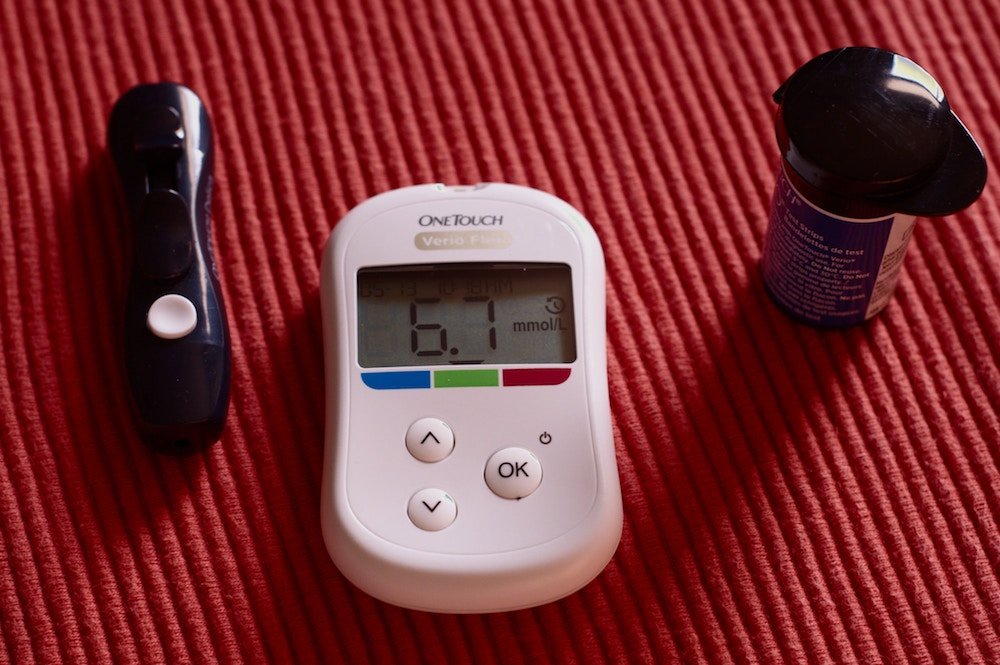
Older adult having blood glucose checked, illustrating type 2 diabetes and dementia

Type 2 diabetes and dementia have been linked in a growing body of research. People with type 2 diabetes appear to have a higher risk of developing cognitive impairment and dementia than people without diabetes, particularly when diabetes develops earlier in life or is poorly controlled.

However, having diabetes does not mean that a person will develop dementia. The relationship is complex, and researchers are still working to understand exactly how blood sugar, insulin resistance, cardiovascular health and changes in the brain may interact.

According to the Centers for Disease Control and Prevention (CDC), diabetes can affect the blood vessels and nerves of the brain and may contribute to problems with memory and learning over time.

In this article, we look at what scientists currently know about type 2 diabetes and dementia, why the two conditions may be connected and what people with diabetes can do to support their overall and brain health.

What Is Type 2 Diabetes?

Type 2 diabetes is a chronic condition that affects the way the body regulates and uses glucose, or blood sugar.

Insulin is a hormone produced by the pancreas that helps glucose move from the bloodstream into cells, where it can be used for energy. With type 2 diabetes, cells become less responsive to insulin. Over time, the pancreas may also struggle to produce enough insulin to keep blood glucose within a healthy range.

Persistently high blood sugar can damage blood vessels, nerves and organs throughout the body.

The brain is no exception.

Because the brain relies on a healthy blood supply and a steady source of energy, conditions that damage blood vessels or disrupt glucose regulation can potentially affect memory and thinking.

Are Type 2 Diabetes and Dementia Linked?

Yes. Research has consistently found an association between type 2 diabetes and an increased risk of cognitive decline and dementia.

Importantly, an association does not mean that diabetes directly causes every case of dementia.

Dementia can have many causes and risk factors, including age, genetics, cardiovascular disease, smoking, high blood pressure and other health conditions.

The National Institute on Aging has reported research showing that people who develop type 2 diabetes earlier in life may have a greater risk of developing dementia later on.

This is one reason researchers are particularly interested in the long-term effects of diabetes on brain health.

How Might Type 2 Diabetes Affect Dementia Risk?

There probably is not one single explanation for the connection between type 2 diabetes and dementia. Several biological and cardiovascular pathways are being investigated.

1. Damage to Blood Vessels in the Brain

blood vessel health linking type 2 diabetes and dementia risk

One of the clearest connections involves blood vessel health.

Over time, high blood glucose can damage blood vessels throughout the body. Diabetes is also associated with an increased risk of conditions including:

The brain requires a continuous supply of oxygen-rich blood. Damage to its blood vessels can reduce blood flow and contribute to vascular injury.

This is particularly relevant to vascular dementia, which results from problems with blood flow to the brain.

The CDC notes that long-term high blood sugar can damage blood vessels in the brain and contribute to problems with memory and thinking.

2. Insulin Resistance and Brain Function

insulin resistance and brain function in type 2 diabetes

Insulin is best known for controlling blood sugar, but insulin signalling also occurs in the brain.

Researchers are investigating whether insulin resistance may influence brain metabolism, communication between brain cells and cognitive function.

There are similarities between some metabolic changes seen in type 2 diabetes and changes studied in Alzheimer’s disease. However, this does not mean that Alzheimer’s disease is simply another form of diabetes.

The Alzheimer’s Association specifically cautions that Alzheimer’s disease and diabetes are separate medical conditions, despite some areas of biological overlap.

3. High Blood Sugar

high blood sugar and its possible effects on brain health

Frequent or prolonged periods of high blood sugar, known as hyperglycemia, may affect brain health over time.

High glucose levels can contribute to blood vessel damage and other metabolic changes throughout the body.

The CDC reports that the effects of persistently high blood sugar on the brain can develop gradually and may contribute to problems with memory and thinking.

This does not mean that an occasional elevated glucose reading will cause dementia. The concern is primarily the cumulative effect of diabetes and associated health problems over many years.

4. Low Blood Sugar

low blood sugar and temporary problems with thinking and memory

Blood sugar that falls too low can also affect brain function.

Hypoglycemia can cause symptoms such as dizziness, confusion, difficulty concentrating, weakness and, in severe cases, seizures or loss of consciousness.

Some research has also found associations between severe or repeated episodes of hypoglycemia and cognitive problems, particularly in older adults.

For people using insulin or medicines that can lower blood glucose, preventing severe hypoglycemia is an important part of diabetes management.

Individual blood glucose targets should always be discussed with a healthcare professional.

5. Inflammation and Oxidative Stress

inflammation being studied in diabetes and brain health

Type 2 diabetes is associated with chronic low-grade inflammation and oxidative stress.

Both processes are being investigated for their potential roles in blood vessel damage, brain aging and neurodegenerative disease.

It would be too strong, however, to say that inflammation from diabetes directly produces Alzheimer’s plaques or causes dementia.

The pathways involved in Alzheimer’s disease are complex and include age, genetics, vascular health and numerous biological processes.

6. Cerebrovascular Disease and Stroke

cerebrovascular disease as a link between diabetes and dementia

Diabetes is an established risk factor for stroke and other vascular problems.

A stroke can damage areas of the brain involved in memory, reasoning, language and other cognitive functions.

Multiple small vascular injuries may also accumulate over time.

Because vascular disease can contribute to cognitive decline and vascular dementia, this provides another plausible connection between diabetes and dementia risk.

7. Mild Cognitive Impairment

mild cognitive impairment and type 2 diabetes

Researchers have also studied the relationship between diabetes and mild cognitive impairment, commonly known as MCI.

MCI involves greater difficulty with memory or thinking than would normally be expected for a person’s age, but the changes are not severe enough to substantially interfere with everyday independence.

Some people with MCI later develop dementia, while others remain stable or sometimes improve.

Having type 2 diabetes is one of several health factors clinicians may consider when evaluating an older adult for cognitive impairment. The National Institute on Aging includes a history of type 2 diabetes among factors that may indicate a need to assess cognitive health.

8. Alzheimer’s Disease and Brain Proteins

amyloid and tau research in diabetes and Alzheimer's disease

Scientists have investigated whether problems with glucose metabolism and insulin resistance are related to the abnormal accumulation of amyloid-beta and tau proteins associated with Alzheimer’s disease.

The results are not straightforward.

Some studies suggest possible connections between metabolic dysfunction and Alzheimer’s disease, while other research has not found a clear relationship between type 2 diabetes and the amount of amyloid or tau detected in the brain.

A 2024 study published in Diabetes Care, for example, noted that the relationship between glucose metabolism and later amyloid and tau pathology remains an active area of research.

It is therefore more accurate to say that scientists are investigating these shared pathways rather than claiming that diabetes directly creates Alzheimer’s plaques and tangles.

Does Type 2 Diabetes Cause Dementia?

Current evidence does not support saying that type 2 diabetes directly causes dementia in every case.

Instead, diabetes is regarded as an important risk factor.

A person can have type 2 diabetes and never develop dementia. Likewise, many people with dementia have never had diabetes.
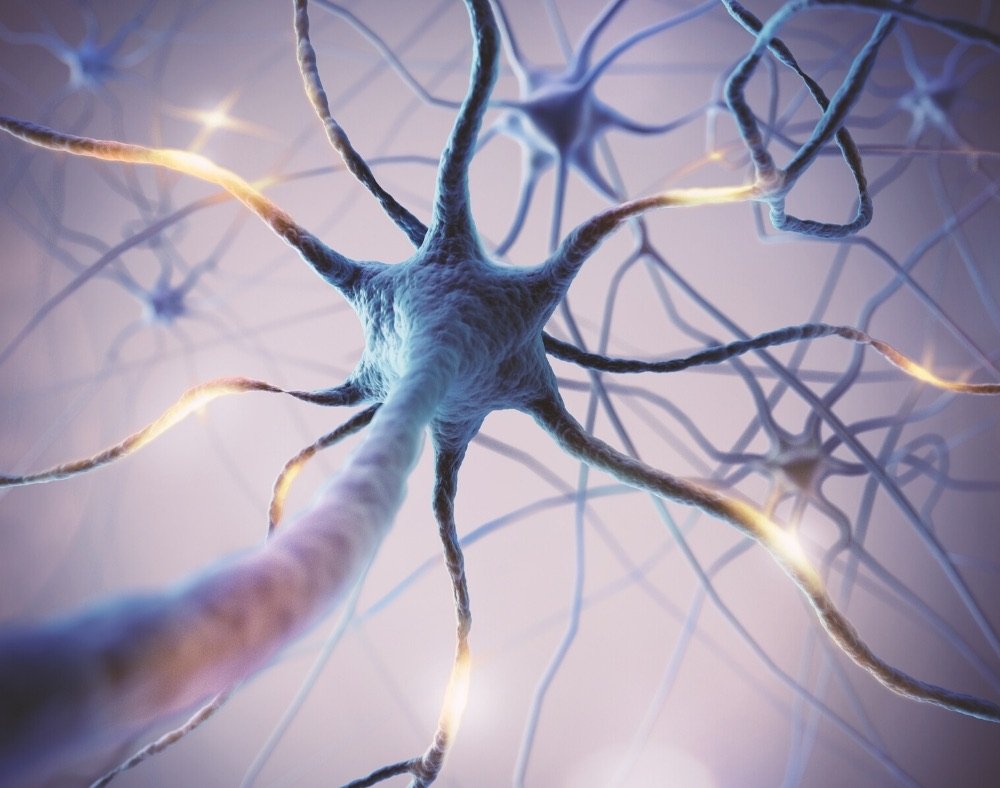
Research examining causation has produced more nuanced results. Some studies find strong associations between diabetes and cognitive decline, while research using other methods has not always demonstrated that diabetes itself is the direct causal factor.

It is likely that diabetes interacts with other factors such as:

  • Age
  • Genetics
  • Blood pressure
  • Cholesterol
  • Cardiovascular disease
  • Stroke
  • Smoking
  • Physical activity
  • Weight
  • Duration and severity of diabetes

This is why researchers generally discuss diabetes in terms of increasing risk rather than being a single direct cause of dementia.
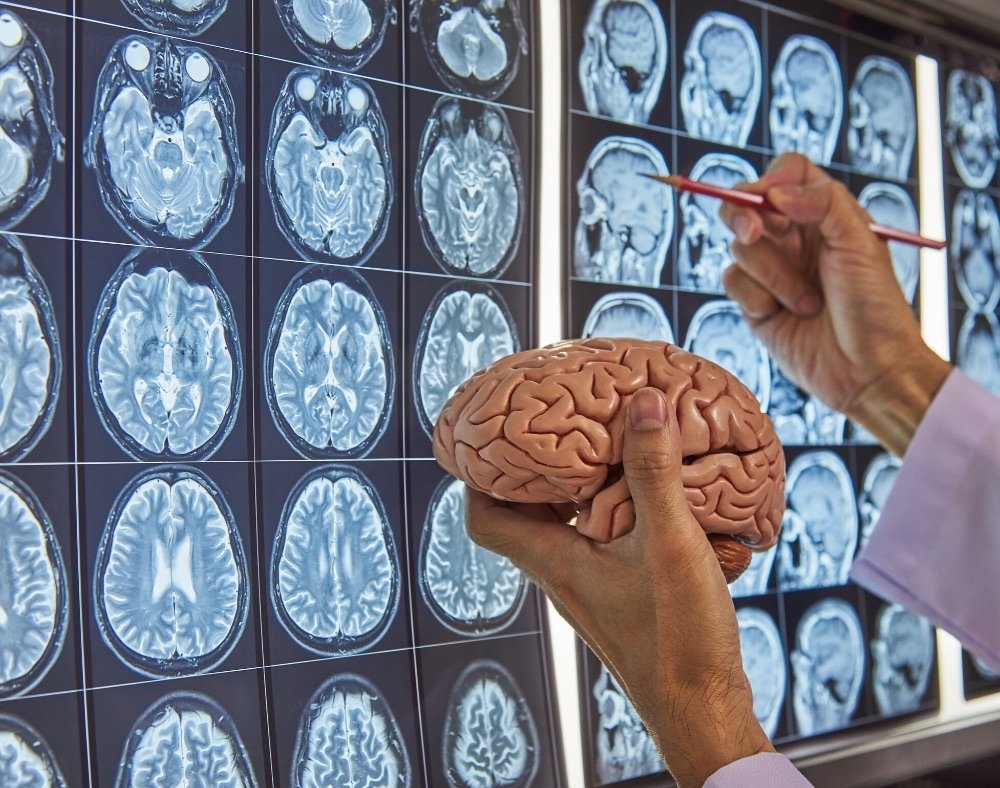
Does the Age You Develop Type 2 Diabetes Matter?

Research suggests it may.

An NIA-funded study following more than 10,000 people found that developing type 2 diabetes at a younger age was associated with a greater subsequent risk of dementia.

This may partly reflect the fact that someone diagnosed earlier can live with diabetes and its metabolic and vascular effects for a longer period.

More research is needed to understand precisely how the duration of diabetes, glucose control and other health conditions combine to influence long-term cognitive health.

What About Type 1 Diabetes and Dementia?

type 1 diabetes and research into dementia risk

Although this article focuses on type 2 diabetes and dementia, researchers have also investigated cognitive health in people with type 1 diabetes.

Some observational studies have found a higher incidence of dementia among older adults with type 1 diabetes compared with people without diabetes.

Possible contributors include the long duration of the condition, vascular complications and episodes of severe high or low blood sugar.

However, the previous version of this article stated that “83% of seniors with type 1 diabetes are at risk of getting dementia.” We have removed that claim because it does not accurately communicate an individual’s dementia risk.

Type 1 diabetes and type 2 diabetes are also different conditions, so findings relating to one should not automatically be applied to the other.

Can Managing Type 2 Diabetes Reduce Dementia Risk?

There is no guarantee that good diabetes management will prevent dementia.

However, managing diabetes can reduce the risk of many complications that are themselves associated with poorer brain health, including stroke and cardiovascular disease.

The CDC lists uncontrolled diabetes among the modifiable factors associated with dementia risk and recommends preventing or managing diabetes as part of supporting long-term health.

Depending on individual medical needs, diabetes management may include:

  • Working with a healthcare professional to establish appropriate blood glucose targets.
  • Taking prescribed medication as directed.
  • Monitoring blood pressure.
  • Managing cholesterol.
  • Eating a nutritious, balanced diet. See our guide to brain-healthy foods.
  • Taking part in regular physical activity appropriate to your health and abilities.
  • Maintaining a healthy weight where appropriate.
  • Not smoking.
  • Limiting excessive alcohol consumption.
  • Attending regular medical reviews.

These measures are valuable for cardiovascular health and diabetes management regardless of their effect on dementia risk.

Type 2 Diabetes and Dementia: The Bottom Line

managing diabetes as part of supporting long-term brain health

The relationship between type 2 diabetes and dementia is well established as an important area of medical research.

People with type 2 diabetes appear to have a higher risk of cognitive decline and dementia, but diabetes does not mean that dementia is inevitable.

Several factors may help explain the association, including damage to blood vessels, stroke risk, insulin resistance, high and low blood sugar, inflammation and other metabolic changes.

Researchers are also continuing to investigate whether diabetes influences the biological processes involved in Alzheimer’s disease.

The most practical message is that managing diabetes, blood pressure, cholesterol and cardiovascular health is important for overall health and may also help reduce some of the modifiable risks associated with cognitive decline.

If a person with diabetes develops new or worsening memory problems, confusion or difficulty managing everyday tasks, they should discuss these changes with a healthcare professional rather than assuming they are simply part of aging or diabetes.

Related Articles

What Is Dementia?

Common Causes of Memory Loss

Vascular Dementia

Stroke and Dementia

Is Alzheimer’s Disease Type 3 Diabetes?

Vitamin E and Alzheimer’s Disease (Treatment)

vitamin e and alzheimers disease

Several theories exist regarding the fight against AD (Alzheimer’s disease), including vitamin E and Alzheimer’s.

Researchers have proposed that vitamin E may be a potential clinical intervention for AD. This is after several bodies have conducted research to support this theory.

One study claims that a hefty dose of vitamin E taken daily can help slow down the progression of Alzheimer’s.

Dr. Maurice Dysken, who was part of this study published in the Journal of the American Medical Association, stated that patients who were given a vitamin E pharmacological dose experienced a slower decline in memory and thinking.

The study, however, also brought out the fact that the vitamin does not fight the cause of dementia, which implies that it is not a cure.

Vitamin E can help slow the progression of Alzheimer’s

The study with over 600 participants at different medical centers involved persons with moderate to mild Alzheimer’s. The large group was split into quarters where each received various types of therapy.

One group was receiving a dose of 2,000 IU (international units) of tocopherol a type of vitamin E. This constitutes a relatively large dose when you compare this to the multivitamins that most people take daily.

The other groups were getting Alzheimer’s medication known as memantine, which also has vitamin E or a placebo.

The results of the study showed that the participants taking vitamin E alone had a 19% reduction in the decline rate as compared to the persons on placebo.

This simply means that the persons taking vitamin E experienced over six months’ delays in Alzheimer’s progression, according to the researchers.

When it comes to vitamin E and Alzheimer’s, the delay can be very beneficial in persons who have the disease.

In persons with mild or moderate Alzheimer’s, this can mean more independence where individuals with the illness can do more daily activities without help from caregivers.

Researchers also concluded that participants of the study taking vitamin E alone needed fewer hours of daily care (about 2-3 hours less).

What is Vitamin E?

what is vitamin e
Now that you are aware of the link between vitamin E and Alzheimer’s, it helps to know that the vitamin is and its source.

Vitamin E refers to a fat-soluble compound that is majorly present in plants. The vitamin is an important micronutrient for humans.

It is helpful in the maintenance of cell membrane integrity. Experts recommend that your diet should have between 3-15 mg of vitamin E.

You mostly get the vitamin from edible oils and seeds like peanuts, almonds, palm oil, olive, canola, coconut, soybean, and corn.

These have high levels of tocotrienols and tocopherols. Plant foods, on the other hand, like vegetables and fruits, contain scarce quantities.

Is Vitamin E Safe for Individuals with Alzheimer’s?

is vitamin e safe for individuals with alzheimers
Tackling the topic of vitamin E and Alzheimer’s means that it is essential to talk about this treatment option.

Experts’ advice that vitamin E therapy appears to be quite safe and persons taking it are not at risk of worsening symptoms or death.

However, not everyone will have the same reaction to high doses of the vitamin. It is, therefore, crucial to seek medical advice before taking the vitamin.

The doctor may ask several questions before giving the go-ahead such as:

1. Is dementia as a result of AD? This is because so far, only persons with Alzheimer’s reap the benefits of the vitamin. It may not work positively for persons who have other forms of dementia.

2. Are there other supplements a person is taking? This will let the medic know whether the individual should discontinue the other supplements.

3. What is the medical history of the suffering person? This determines if there will be a substantial risk of consuming vitamin E.

Does Vitamin E Prevent Alzheimer’s?

does vitamin e prevent alzheimers
Studying the connection between vitamin E and Alzheimer’s demands that researchers also look into whether the vitamin can help to prevent the development of the disease.

Multiple studies revealed that taking vitamin E does not prevent AD from developing in healthy seniors. A study that took place over the course of eight years ascertains this fact.

This was done in a bid to highlight the challenges of finding appropriate treatments for Alzheimer’s disease, as well as other dementia forms.

Researchers opted to take this route with the study because vitamin E is a powerful antioxidant that is known to protect cells in the human body, including cells present in the brain and blood vessels.

Antioxidants work by sopping up excess free radicals that damage cells ensuring that the cells remain healthy and strong.

Closing Thoughts

Regarding vitamin E and Alzheimer’s, there is still more research necessary to figure out how vitamins help persons with the disease.

Currently, researchers are still not sure about how vitamin E helps to slow down mental decline.

Perhaps it is due to its strong antioxidant properties that work for the benefit of individuals who have Alzheimer’s.