Dementia Doctors: Choose the Right Specialist

dementia doctors

If you suspect that someone has dementia or you already know a person with the neurodegenerative illness, they must see the right dementia doctors.

One of the main reasons for this is the fact that it is usually not easy to diagnose or manage dementia.

For this reason, an ill individual needs to consult with a specialist. He or she has the knowledge and experience to effectively deal with the disease.

People who have dementia may have to visit different types of specialists to get a proper diagnosis.

This will help them get the right information on how to go about living with the illness that has no cure.

Best Dementia Doctors

Some of the professionals that can help individuals with dementia include:

A General Physician

a general physician
Any individual who has concerns about changes in memory, mood, thinking, and behaviors, should first contact their primary care physician.

After discussing the symptoms, the doctors will mostly probably diagnose dementia using tests to determine cognitive ability, brain scans, neurological evaluations, and mental health evaluations.

The professionals use a combination of various diagnosis methods because there are no blood tests that confirm whether a person has dementia or not.

It is important because it helps determine whether other underlying medical conditions are behind the symptoms that a person has.

When need is, the doctor can recommend other specialists that a person who has dementia can see to lighten the burden of the illness.

Neurologists

neurologists
Neurologists also belong to the category of dementia doctors who help persons with the illness. These are professionals who specialize in abnormalities of the central nervous system and the brain.

Neurologists have the technical know-how to interpret brain scans to see if any changes are as a result of dementia.

Geriatricians

These are specialists who manage health care for seniors. Geriatricians are aware of how the body changes as a person grows older and can detect some of the symptoms that are not a normal part of aging.

Gerontologist

This is a professional who deals with gerontology, like social, biological, and psychological aspects of aging.

Although they are not medical professionals, they can be instrumental when it comes to offering essential support services to people who have different types of dementia.

Geriatric psychiatrists

They are professionals who focus on the emotional and mental problems of the elderly. They can also assess thinking and memory.

Neuropsychologists

These are experts who are responsible for conducting tests that relate to memory and thinking.

Now that you have an idea of some of the dementia doctors that persons with the disease can see, let’s jump into some of the tips you can use to choose the right specialist.

Seek Referrals

seek referrals
When dealing with dementia especially for the first time, you may not know who to turn to. This is why it is important to look for referrals.

Your primary doctor can help you with this when you need to see a specialist.

Alternatively, if you know a person who is dealing with dementia, they can direct you to a specialist they trust to offer proper treatment and care.

Other resources you can take advantage of include dementia care centers, and reputable senior living communities in your region.

While working with referrals, it is important to get a few contacts.

This way you will be in a position to compare the services that different doctors have to offer so that you can pick the ones that you feel will serve your needs best

Experience with Dementia

experience with dementia
No offense to doctors who are just starting, but it is usually recommended that you look for a specialist who has been in the industry for a couple of years.

These are well-trained and competent individuals who can properly deal with dementia.

Other than being professional, the doctor should give individuals all the time they need to listen and address any questions and health concerns that a person may have.

Before a person commits to seeing one doctor, it is important to research the professional beforehand.

This is where you get to find out about the credentials of the professional, office policies, and any other details you would like to know about the professional before working with them.

Checking board certifications can also help determine the skills a particular doctor has in a specific area of medicine.

You can make a cold call to the office to determine how they run things. If this impresses you, schedule a one-on-one meeting to see if you will finally seal the deal.

Accessibility

accessibility
Naturally, you do not want to deal with dementia doctors who are miles away. This can prove to be rather unhelpful when you want their services.

It is best to find a doctor who is easily accessible so that you can see them anytime you want without too many complications.

The doctor’s office should have open communication lines so that you do not have to struggle when you want to consult the doctor.

Cost Implications

cost implications
When looking for a good doctor, you must also think about the cost implications. If you are using insurance, make sure the professional accepts the insurance you are under or else it will create problems later on.

When using cash, it is important to find a doctor whose services are within your budget.

This way, you will not end up in debt simply because you are walking with a professional that you cannot afford.

Trust your Gut

trust your gut
Your gut feeling can be helpful when it comes to choosing the right dementia doctors.

If something does not sit well with you, it is better to continue with your search. It is worth investing extra time until you find a doctor that you are confident with.

Even after picking a doctor, there is space to change your mind if you discover that he or she is not the person you are looking for to meet your medical needs.

You might also want to look for a doctor who speaks your language and is sensitive to your religious and cultural convictions.

It is one of the ways to create a friendly working relationship with the specialist.

Can Dementia be Treated?

can dementia be treated

For the longest time, there has been no positive answer for people who ask can dementia be treated.

This is something that has changed in the recent past where some experts claim that treatment for dementia is now possible.

One of them is Dr. Dale Bredesen the author of “The End of Alzheimer’s: The Frist Program, to Prevent and Reverse Cognitive Decline” developed the ReCODE (Reversal of COgnitive DEcline) program.

This is said to be a dementia treatment program.

But is it really?

Bredesen believes that he has the solution for anyone asking can dementia be reversed.

The doctor based his program on studying different dementia disease mechanisms. It is in alignment with the principles of functional and integrative medicine.

Dr. Dale states that the program is a full-spectrum functional medicine approach that addresses all the physiological imbalances and dysfunctions that people with dementia experience.

This focuses on bringing back the balance to the brain that dementia interferes with.

The core strategies for treating dementia according to this program are based on diet, lifestyle, supplements, herbs, and medications often in this order.

The approach that a person takes depends on the type of dementia they are battling.

Some people may benefit from correcting nocturnal oxygenation while others will get treatment through a low-glycemic diet.

A percentage of those with dementia can also try detoxification for treatment while others may require controlling inflammation or balancing hormones.

What is the best treatment for dementia?

Many studies, however, still state that the answer is still “NO” when you ask can dementia be treated. Instead of offering a cure for dementia, many experts offer solutions that can help to manage symptoms of the disease like:

Medications

dementia treatment medications
Medics have identified several drugs that can be used to improve some dementia symptoms temporarily such as:

Acetylcholinesterase inhibitors

These are medicines that help to boost the levels of a chemical messenger that is involved in judgment and memory.

Memantine

These are drugs that are manufactured to help regulate glutamate activities. This is a chemical messenger that is responsible for a variety of brain functions like memory and learning.

A doctor may also prescribe other medications that treat other conditions or symptoms like hallucinations, agitation, sleep disturbances, and depression.

Note that some medicines may have severe side effects; thus, it is important not to self-medicate when you have dementia.

Consult a professional doctor who will assist in the identification of the most effective drugs. Medics also recommend routine vision and hearing checks.

Having problems with vision or hearing can escalate some of the dementia symptoms that an individual experiences.

Doctors can quickly identify whether the person needs hearing aids or new eyeglass prescriptions so that the individual with dementia is more comfortable.

Therapies

dementia treatment therapies
Medics can recommend various types of therapies when a person asks can dementia be reversed.

The non-drug approaches can be used to take care of various behavioral problems or symptoms that persons with dementia may have. These include:

Occupational Therapy

This helps persons with dementia maintain the ability to conduct meaningful activities for the longest possible time.

Do not forget to check all the amazing benefits of occupational therapy, too.

Cognitive stimulation therapies

These are designed to help with language abilities, memory, and problem-solving skills to keep the mind active.

Reminiscence Work

These are done to enhance wellbeing and mood. We put together an in-depth overview of the reminiscence therapy for people with dementia.

Reality Orientation

This is where experts work with persons with dementia to help them remember basic things like the time, date, and names.

Talking Therapies

A person with dementia can go through counseling to help them come to terms with what they are going through or discuss what they feel.

Lifestyle Changes

can dementia be treated
Experts also recommend lifestyle changes for persons seeking answers to can dementia be treated.

These include things like staying active, sleeping well, eating foods that help with their current situation, staying organized, and brain workouts amongst others.

Closing Remarks

Research is still ongoing to conclusively answer the question can dementia be treated?

This is because some experts strongly claim that dementia can be cured or reversed while others say that there is still no cure.

Hopefully, soon, all dementia experts will speak in the same voice.

In short, if it is not already in the later stages, it can be alleviated. Meaning, identifying it early enough is crucial for the more comfortable living of the patient.

Can an MRI Detect Dementia?

can an MRI detect dementia

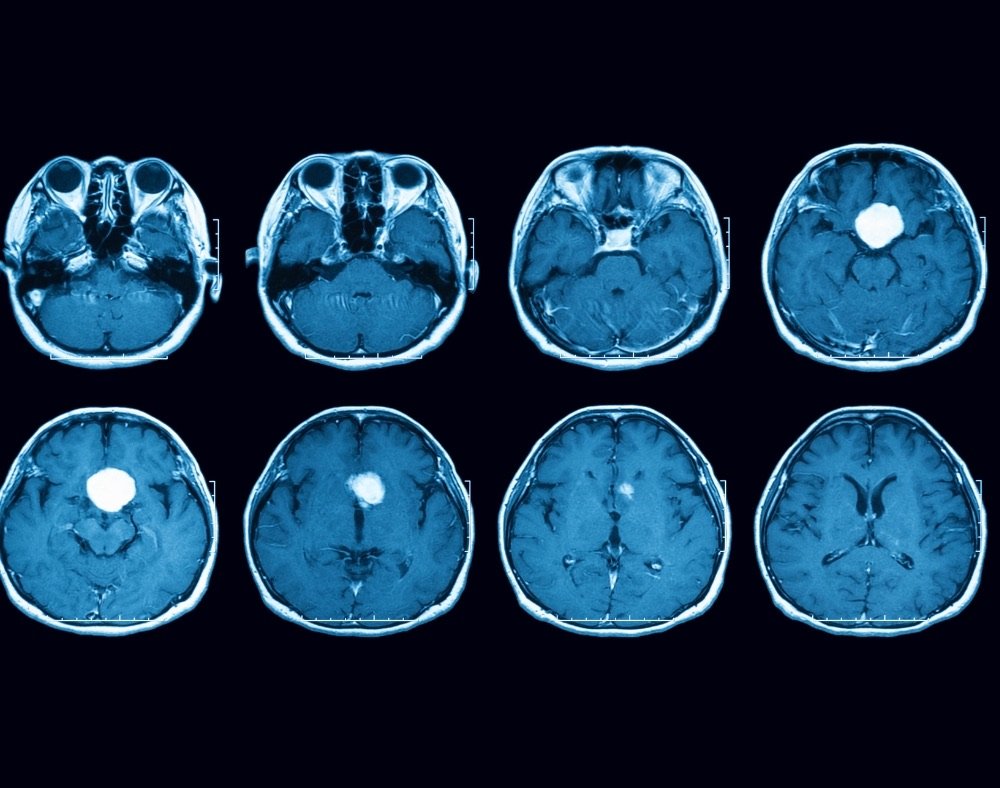
People who are suspected to have dementia will often ask can an MRI detect dementia.

This is because doctors often use brain scans to identify tumors, strokes, and other problems that might lead to dementia development.

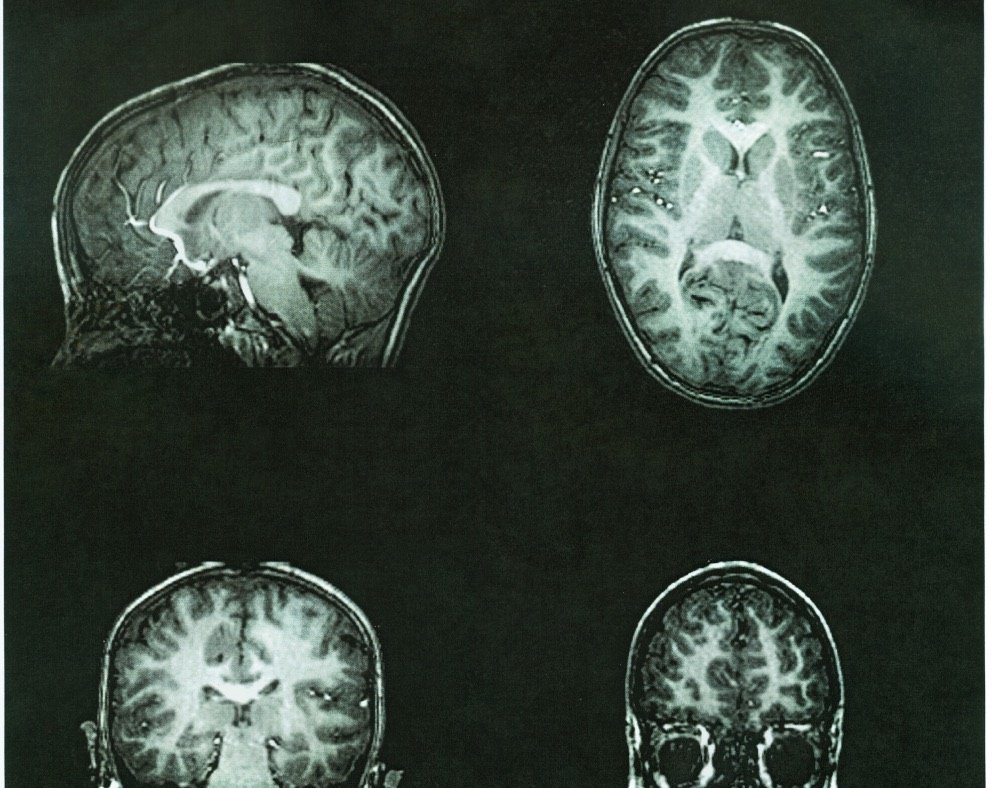
MRI (Magnetic resonance imaging) and CT (computed tomographic) scans are the most common types of brain scans that doctors use when they want to confirm whether a person has a neurodegenerative illness or not.

Brain Scans and Dementia

Below, however, we will focus on answering the query, “Can an MRI detect dementia?”

Why Doctors Consider MRI to Detect Dementia

why doctors consider MRI to detect dementia
Medical experts will advise on the use of MRI when they suspect that a person has dementia.

MRI uses focused radio waves and magnetic fields to detect the presence of hydrogen atoms in tissues in the human body.

MRI scans also reveal the brain’s anatomic structure with 3D imaging allowing doctors to get a clear view of the current state of the organ.

This way, the doctor is able to rule out other health problems like hydrocephalus, hemorrhage, stroke, and tumors that can mimic dementia.

With these scans, physicians can also detect loss of brain mass that relates to different types of dementia.

fMRI (functional MRI) records blood flow changes that are linked to the activities of the brain. This may help physicians differentiate dementia types.

Verywellhealth.com also suggests that MRI scans can at times identify reversible cognitive decline.

In such a case, a doctor will recommend appropriate treatment that will reverse this decline and restore cognitive functioning.

MRI Scans can show dementia

MRI scans can show dementia
According to researchers from Perelman School of Medicine at the University of Pennsylvania, the answer to can an MRI detect dementia is to some extent yes.

The scientists explained that doctors have an easier time telling whether a person has dementia through MRI scans.

This gets rid of the need to carry out invasive tests that people find unfriendly like the lumbar puncture where a doctor must stick a needle in the spine.

Additionally, it also helps to speed up the diagnosis process which is important seeing that dementia diagnosis for the longest time has been a struggle for medics often leading to delayed treatment.

MRI scans

In addition to telling whether a person has dementia, MRI scans may in the future help doctors determine whether an individual is at risk of dementia according to new research.

Research from the University of California San Francisco and the Washington University School of Medicine in St. Louis conducted a small study where MRI brain scans were able to predict with 89% accuracy the people who were going to develop dementia in three years.

The researchers presented their findings in Chicago during a Radiological Society of North America meeting.

It suggested that in a few years, physicians will be able to tell people their risk of developing dementia before they start to showcase any symptoms of the neurodegenerative illness.

Closing Thoughts

To answer the query can an MRI detect dementia it is safe to say that for now, doctors can use MRI scans as well as other diagnostic procedures to tell whether a person has dementia.

With time, however, researchers are hopeful that they will perfect MRI techniques.

These will improve the doctor’s ability to diagnose various forms of dementia with better accuracy using the scans alone.

Cannabis, CBD Oil and Dementia Patients

cbd oil and dementia

When looking into dementia treatment options, one that stands out has got to be CBD oil and dementia.

CBD or Cannabidiol is a compound that comes from the Cannabis plant. This has positive medicinal effects that do not make users feel anxious or “high.”

You should not confuse CBD for Marijuana or the compound Tetrahydrocannabinol (THC) that makes people “high.”

CBD oil that we mention here has nothing to do with Marijuana and THC, as there are no components in the oil that will cause the “high” effect.

The most common form of administering cannabidiol is through CBD oil that is mostly found in a dropper bottle or gel cap.

Learn how persons with dementia can benefit from CBD oil below.

How Does CBD Help Persons with Dementia?

how does cbd help persons with dementia
Multiple studies, including one from California’s Salk Institute, report that cannabinoids like CBD can help to get rid of dementia from brain cells.

There are different ways that people with dementia can benefit from the consumption of CBD oil like:

Reduces Inflammation

reduces inflammation
Inflammation is known to increase the negative effects of dementia. It normally happens where the immune cells in the brain fail to clear the disorienting blockages.

Experts agree that inflammation is a major cause of most of dementia symptoms. Using CBD oil takes care of the inflammation issue, ultimately improving the health of the suffering person.

Acts a Neuroprotectant and Brain Stimulant

acts a neuroprotectant and brain stimulant
Anyone who has dementia experiences rapid destruction and decline of brain cells.

CBD has the potential of stimulating brain tissues in a way that can prevent or reverse the development of the adverse effects of dementia.

A study by Carl Group and Tim Karl researchers from Australia in 2011 revealed that CBD could promote the growth and development of cells in the brain in a bid to reduce memory decline and enhance other brain functions.

Reduces Oxygen Build-up

reduces oxygen build up
Individuals with dementia will often experience oxygen build up in their bodies. Dementia releases oxygen as a stress-induced and reactive component of the illness.

As the brain gets more oxygen, essential functions like memory will also decrease.

Loss of memory and other brain deterioration causes increased levels of oxygen in the brain.

In such a scenario, CBD works like an antioxidant that tackles the issues that come about because of oxygen stress.

Using CBD helps to improve brain functions that have been affected by high oxygen levels.

Reduction of Stress and Anxiety

reduction of stress and anxiety
When talking about CBD oil and dementia, many users agree that oil is effective in reducing anxiety and stress.

Risks and Side Effects of CBD

risk and side effects of cbd
No public health problems are associated with the use of organic CBD, according to WHO (World Health Organization). Some users, however, report side effects like nausea, bloating, and diarrhea.

A small percentage of persons with dementia underwent liver problems, which prompted the discontinuation of CBD use. Others also said that they experienced increased terror while taking high CBD doses.

Because the use of CBD oil as a treatment is relatively new, it is best for caregivers as well as the persons with the illness to monitor the outcomes and effects closely.

This can help a person determine whether the CBD oil and dementia route is right for an individual.

Considerations for Taking CBD Oil

considerations for taking cbd oil
Just like any other medication, one has to be careful when it comes to CBD oil and dementia.

Major factors to consider include the weight, height, and age of the weak person as well as the stage and severity of the illness.

Qualified physicians will be in a position to prescribe the correct dosage after taking into account all the necessary considerations.

Other than taking cannabis in oil form, a professional medic might also recommend other forms of administration like edibles and patches.

Is CBD Legal?

is cbd legal
The legality of CBD depends on the plant where it originates from. This is because the Cannabis plant includes both marijuana and hemp.

While you can create CBD from both, CBD oil derived from hemp is what patients with dementia should use.

This is generally legal in more than thirty states. There are still some minor legal issues that exist because of the stigma that surrounds the plant.

Many states approve CBD from hemp because it contains less than 0.3% of THC. This said different states have their laws when it comes to the consumption of CBD.

If you have any concerns when you want to explore the perks of CBD oil and dementia, it is best to do thorough research on the state you are in to know the laws that surround the use of CBD.

Worth noting is that the US food and Drug Administration has not yet approved CBD as a drug for treating dementia.

Bottom Line

While many studies support the fact that CBD oil is excellent for persons with dementia, there is still no hard evidence that cannabis can cannabis oil can prevent, reverse, or stop dementia.

There is still a need for more research as well as clinical trials that will offer more conclusive results.

The future of CBD oil remains bright even though the entire topic of CBD oil and dementia is still in its early stages.

Coping With Dementia And Behavior Changes

coping with dementia

It is vitally important to be armed with the right information about coping with dementia and behavior changes.

A person who has dementia goes through many stages and conditions in their lives, which might surprise you if you are unaware of them.

This is because the disease affects the brain triggering the loss of thinking skills, memory, communication, and many other aspects.

People with dementia may behave differently, especially during the middle to the final stages of the illness.

It mostly happens when an individual discovers that they are no longer in control of what is happening in and out of their lives.

This can cause a lot of stress not only for the person who has dementia but their loved ones and caregivers as well.

Depending on how the illness affects a person, there are various ways you may notice changes in how they conduct themselves.

Coping with dementia behavior changes

Here are a few common behavior changes examples and what to do when they occur.

Fidgeting and Restlessness

coping with dementia fidgeting and restlessness
At some point, many people with dementia will develop restlessness behaviors. This is where an individual gets into the habit of pacing up and down without reason.

They may also start fidgeting without cause from the blues. Some will get agitated very quickly and may want to lash out at people all the time.

To take care of this issue, it is important that the person with dementia have a routine that they try and stick to on a daily basis.

This can help to keep them calm because they know what they do every day; thus, there is no need to fidget around or be restless.

Regular exercise has also been known to minimize restlessness.

When you notice that a person is always fidgeting, it is advisable to keep their hands busy with items like worry beads, or other items that they consider meaningful.

In the case of agitation, it may help to create a calm, soothing environment for a person who is triggered. Talking reassuring and lovingly to the person can help cool them down.

You may also want to consider something like a massage or any other activity that helps promote relaxation.

Wandering

coping with dementia wandering
Individuals who have dementia may start to walk around aimlessly.

There are multiple reasons why they can do this, such as medication side effects, boredom, or they want to look for someone or something.

Wandering can put someone in danger.

A person can even get lost since they may not be able to trace their way back home.

To prevent this from happening, there are a couple of solutions you can explore to help you in the journey of coping with dementia, like:

  • Changing locks so that the person with the illness cannot easily get out of the house alone. It may seem a little mean, but there are times when you need to do this to keep the individual safe.
  • Accompanying the individuals on walks or when they go to the shops is encouraged.
  • Consider alarm systems, home monitoring systems, and tracking devices to enhance security.
  • A person fond of wandering should wear an ID bracelet with the phone number of a relative. It comes in handy when somehow they get lost because someone out there can help them get reunited with their caregiver.

Hallucinations and Delusions

hallucinations and delusions
A person with dementia may, at times, develop false beliefs or delusions.

At times when a person with dementia experiences delusions, it can be paranoia.

For instance, a person might think that a spouse is being unfaithful, someone is stealing from them or people are out to get them.

Delusions can also be related to loss of memory. In such an instance, one might want to wake up and go to work even when they retired long ago.

Others may feel the need to take care of children even when they do not have any or get in a car and drive when they do not have a license.

When a person is going through these episodes, it is important to go in and see the doctor. The professional will be in the best position to rule out any medical issues.

Abrupt mental status changes can be brought about by pneumonia, constipation, urinary tract infections, dehydration, and other medical conditions.

At home, loved ones can try and distract the person with dementia with a conversation that sparks their interest.

Caregivers should not tell the affected individual not to be scared.

Instead, it is better to empathize with what they are going through and offer reassurance in a comforting and respectful manner.

You should also check out the environment that triggers hallucinations.

Be on the lookout for auditory and visual cues that may make a person feel threatened.

Eliminate or minimize shadows, objects, and noises that can be misperceived as disturbing or scary.

You should also try and identify the items that make the person feel secure.

It can be anything from a stuffed animal, photography, spiritual or religious item.

Depression

depression
A high percentage of people with dementia also suffer from depression.

Getting to know if a person who has dementia also has depression can be quite challenging since both conditions have similar symptoms.

A medical professional can, however, conduct a thorough evaluation to diagnose depression.

Thankfully, depression does not have to be a huge burden to someone coping with dementia.

Treatment is available and it normally involves a combination of counseling, medication and continuing reconnection to people and activities that bring bliss.

As a caregiver do not be the one always to tell a dementia patient to “try harder,” “snap out of it,” or “cheer up” because this rarely helps.

People who have dementia and depression cannot simply get better by themselves. They need a lot of professional help, reassurance, and support.

Sleep Problems

sleep problems
Many senior dementia patients complain about sleep all the time. Poor sleeping habits, certain medications, alcohol use, and stress are some contributing factors that lead to disturbed sleep.

Restlessness, agitation, and confusion can also affect how a person with dementia sleeps.

Studies reveal that sleep issues are one of the reasons individuals with dementia have to stay in nursing homes.

So that a person can function well, they must get enough quality sleep.

Some tips that can help with ensuring a person with dementia does not end up struggling to get a shut-eye include:

1. Keeping away from alcohol because it contributes to confusion and also increases anxiety.

2. Limit beverages and food that contain high caffeine levels, especially later in the day because it can lead to sleeplessness.

3. Plan the days in a way that incorporates numerous activities. When you fill-up the days with meaningful activities, it can lead to exhaustion so that a person sleeps well at night.

It can be anything from taking walks, exercising, or participating in involving hobbies. However, you must be careful not to overstimulate the individual with dementia.

This will only lead to disorientation, which is not healthy for one’s sleeping time. It is also important to limit nap time as this can also affect how a person sleeps.

It may also help to come up with a bedtime routine that mainly focuses on relaxing activities such as giving the person with the illness a massage or listening to soft music.

Hoarding

hoarding
Some people will dementia will pick up a habit along the way where they cannot let go of their possessions.

As a person who is coping with dementia, several things that can lead to the development of this behavior like isolation, loss, fear, and memories of the past.

To help the individual deal with this, you can try and keep them busy with other things. For instance, you can give them a box full of different items that they can sort.

You can also learn where a person hides the things they want to hoard and remove them without the individual noticing.

You must be very careful with this so as not to agitate them further causing more problems.

Closing Remarks

There is no set of rules that you should follow when it comes to coping with dementia.

To best meet the challenges, you need to use a lot of compassion, creativity, patience, and flexibility to try and make the best out of a rather challenging situation.

Some things must be put into consideration when dealing with a person who has dementia, like:

1. It is not possible to change the person because it is a brain disorder that shapes how they behave.

2. Rather than try and control behavior, it’s best to try and accommodate the new changes in the best possible way.

For example, if a person wants to sleep on the floor, do not force them to climb on the bed. You can place a mattress on the floor instead to make them feel as comfortable as possible.

3. When there is a sudden behavior change, it is always wise to consult with a doctor. This is because some problems may come about because of various underlying medical reasons.

A person with dementia may be in pain or be experiencing side effects from the medications they are taking.

Sometimes, hallucinations or side effects may be caused by treatment or medication that is helping to manage the condition.

Vitamin D and Dementia – Deficiency Risk?

vitamin D and dementia

Recent studies suggest that there may be a connection between low levels of vitamin D and dementia risk.

Researchers revealed that vitamin D deficiency might play a role in dementia development.

Note that the particular vitamin is essential for good health because it plays a significant role in the prevention of various health conditions like hypertension, multiple sclerosis, and diabetes amongst others.

Vitamin D and the Risk of Dementia

Vitamin D which is a group of secosteroids helps the intestines to absorb zinc, calcium, phosphate, magnesium, and iron.

The vitamin is also important to bone metabolism.

Does Vitamin D Deficiency Enhance Aging Proces?

does vitamin D deficiency enhance aging proces
It is still not clear about the role that vitamin D plays concerning the aging process, cognition, and brain function.

Some studies reveal that the vitamin may be involved in several processes that relate to cognition, but more research needs to be done to understand this relationship better.

Humans mainly absorb vitamin D from sunlight and it also occurs naturally in some foods like different types of fish, cod liver oil, beef liver, orange juice, milk and yogurt that have been fortified with vitamin D.

Statistics indicate about 40-75% of adults suffer from vitamin D deficiency.

Now that you are aware of the importance of the vitamin in the human body, let’s go ahead and learn about the connection between vitamin D and dementia.

Studies Investigating the Link between Dementia and Vitamin D Deficiency

studies investigating the link between dementia and vitamin D deficiency
One of the studies trying to unearth the connection between the deficiency and the neurodegenerative disease was conducted by an international research team.

The experts followed over 1,600 participants for 6 years. All the participants were seniors.

The researchers discovered that elderly persons with severe vitamin D deficiency were two times likely to develop dementia and Alzheimer’s when compared to the seniors who had adequate vitamin D levels.

The persons with a severe deficiency (less than 25nmol/l) recorded a 125% increased dementia risk while the ones who had mild deficiency (between 25-50nmol/l) has a 53% risk.

David Llewellyn who was the lead author from the University of Exeter Medical School explained that the primary aim of conducting the research was to know if there was a connection between low levels of vitamin D and dementia & Alzheimer’s risk.

He said that the results were quite surprising because they found that the association between the diseases and the deficiency was twice as much as the team had projected.

Vitamin D Deficient Individuals Show Cognitive Decline Symptoms

vitamin D deficient individuals show cognitive decline symptoms
Another study confirming the link between vitamin D and dementia had experts observing 858 adults who were above the age of 65. They published their findings in an issue of The Archives of Internal Medicine.

They found that the participants who had low levels of vitamin D in their blood i.e. less than 25 nanomoles for each litre of blood were 60% more likely to show cognitive decline symptoms.

31% were more likely to show a decline in executive function/prioritizing, planning, and organizing than the ones who had enough vitamin D in their blood.

A different study published in JAMA Neurology adds to the evidence that links cognitive decline to low vitamin D levels. The study had 382 participants with an average age of 75.5 years.

Among the group some people were healthy, others had mild cognitive decline, and the rest already had dementia. The research went on for 5 years and every year researchers took blood tests to evaluate the levels of vitamin D present in all the participants.

They found that the group that had dementia had a lower vitamin D average than the other two groups. The experts also conducted cognitive tests in a bid to evaluate semantic memory, episodic memory, executive function, and visual perception.

The results of these tests indicated that group members who had lower vitamin D levels demonstrated a greater decline in both episodic memory and cognitive ability.

This led the authors of the study to believe that there is a link between cognitive decline and vitamin D deficiency.

Can Vitamin D Supplementation Slow Cognitive Decline?

can vitamin D supplementation slow cognitive decline
The researcher, however, noted that the study did not necessarily prove that the two have anything in common. The authors acknowledged that it is still not clear whether vitamin D supplementation can slow down cognitive decline.

UC Davis researchers will be conducting yet another study that will determine whether high doses of vitamin D can help in the prevention of memory loss.

This is after they got a financial boost from the National Institutes of Health to the tune of $4.7 million.

The researchers are embarking on a 5-year journey from 2018 where they will be testing the use of supplements in various populations.

They want to get first-hand information on whether supplementation can help prevent cognitive decline in seniors and whether the association is stronger in Latinos and African-Americans.

The leader of this research professor of neurology John Olichney is on record saying that vitamin D deficiency normally affects the elderly because the skin does not effectively synthesize the vitamin as people grow older.

He states that the problem is more rampant in persons who have darker skin.

The study will follow 180 participants in the East Bay and Sacramento regions.

Among the group a third will have normal cognition, another third will have isolated memory loss, while the rest of the group will have mild Alzheimer’s dementia.

Every participant will get Vitamin D supplements. Half the group will be on a high dosage- 4,000 units daily while the rest will get standard intake that comprises 800 international units as the Institute of Medicine recommends.

We have to wait for the results of this study to get a better picture of the relationship between vitamin D and dementia.

Closing Remarks

While some studies show strong links between dementia development and vitamin D deficiency, researchers cannot conclude that vitamin D deficiency results in dementia.

On the flip side, some studies have found that there is no association between vitamin D and dementia. It goes to show that further research and clinical trials are necessary to establish cause and effect.

This will give a conclusive answer on whether adequate levels of vitamin D can treat or prevent dementia.

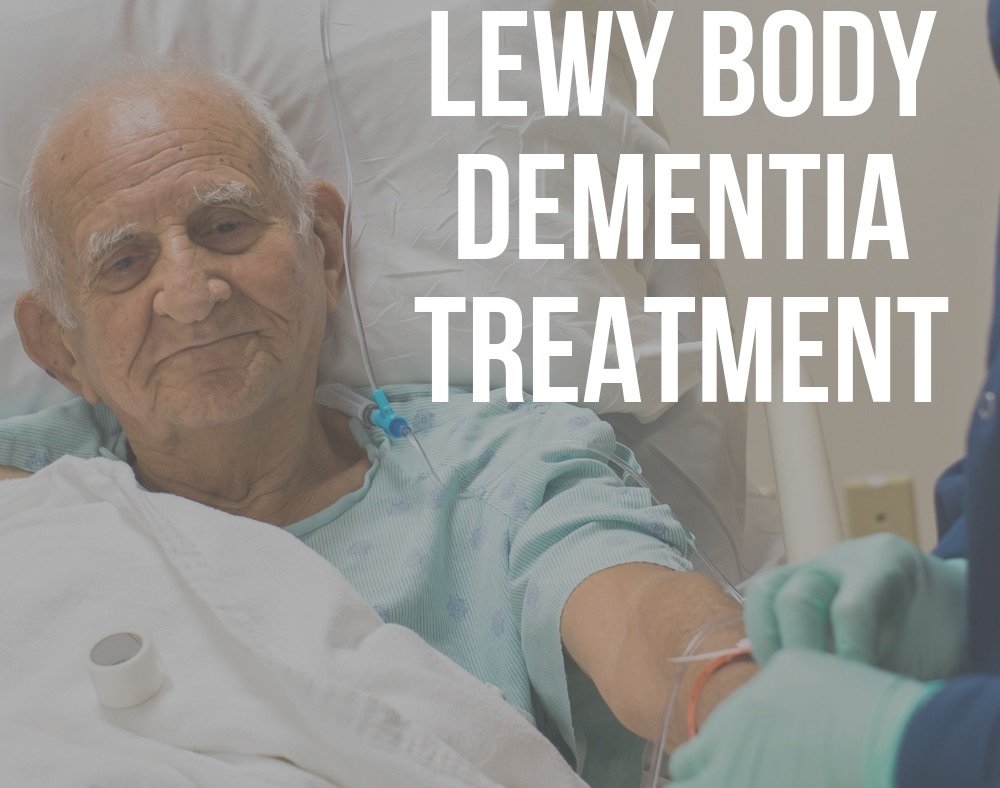
Lewy Body Dementia Treatment: Medications, Therapies and Care

Lewy body dementia treatment and symptom management

After a diagnosis, one of the first questions people and families often ask is what Lewy body dementia treatment is available.

There is currently no cure for Lewy body dementia (LBD), and no treatment has been proven to stop or reverse the disease. However, several medications, therapies and practical approaches can help manage particular symptoms and support quality of life.

Because LBD can affect thinking, movement, sleep, mood, behavior and automatic body functions, treatment usually needs to be individualized. A medication that helps one symptom can sometimes make another symptom worse.

For this reason, people with LBD should ideally work with a healthcare professional who understands the condition and its unusual medication sensitivities.

Lewy Body Dementia Treatment: What Are the Main Options?

A comprehensive treatment plan may include medications, physical therapy, occupational therapy, speech-language therapy, counseling, exercise, changes to the home and support for family caregivers.

Treatment depends on which Lewy body dementia symptoms are causing the greatest difficulty.

The National Institute on Aging explains that LBD treatment generally focuses on managing symptoms rather than treating the underlying disease itself.

Medications Used in Lewy Body Dementia Treatment

Medication needs to be selected carefully in LBD because people with the condition can be particularly sensitive to certain drugs.

Never start, stop or change prescription medication without discussing it with the person’s healthcare professional.

Cholinesterase Inhibitors for Cognitive Symptoms

Lewy body dementia treatment with cholinesterase inhibitor medications

Cholinesterase inhibitors are medications originally developed to treat symptoms of Alzheimer’s disease.

Examples include donepezil, rivastigmine and galantamine.

These medications act on acetylcholine, a brain chemical involved in memory and thinking. In people with LBD, they may help with cognitive symptoms and can sometimes also reduce hallucinations or other behavioral symptoms.

In the United States, the FDA has approved rivastigmine for cognitive symptoms associated with Parkinson’s disease dementia. Other cholinesterase inhibitors may be used by clinicians for LBD depending on the person’s circumstances.

Possible side effects can include nausea, diarrhea and dizziness.

Treatment response varies, so the person’s doctor will consider whether the benefits outweigh any side effects.

Memantine

Memantine may sometimes be considered for Lewy body dementia symptoms

Memantine is another medication originally developed for Alzheimer’s disease.

Some healthcare professionals may consider memantine for people with Lewy body dementia, particularly when cognitive impairment has become more significant.

However, research results in LBD have been mixed, and memantine is not FDA-approved specifically for Lewy body dementia.

The decision to use it should therefore be individualized and discussed with a doctor experienced in dementia care.

Levodopa for Movement Problems

Levodopa may help movement symptoms associated with Lewy body dementia

People with LBD may develop Parkinson’s-like movement symptoms such as stiffness, slow movement, difficulty walking and trouble getting out of a chair or bed.

Levodopa, commonly used for Parkinson’s disease, may improve some of these symptoms.

This can be particularly relevant for people with Parkinson’s disease dementia.

However, levodopa can sometimes worsen hallucinations, confusion or other psychiatric symptoms in people with LBD.

For this reason, doctors may avoid treating very mild movement symptoms with medication. If levodopa is considered appropriate, treatment is generally introduced cautiously and monitored closely.

Treatment for Depression and Anxiety

Depression and anxiety are relatively common in people with LBD.

A doctor may consider antidepressant medication if these symptoms significantly affect the person’s quality of life.

The National Institute on Aging notes that selective serotonin reuptake inhibitors (SSRIs) and serotonin-norepinephrine reuptake inhibitors (SNRIs) may work well for some people with LBD.

You can read more about depression and dementia on ReaDementia.

Counseling and psychological support may also be valuable, particularly after a new diagnosis or when the person and family are adapting to changes in independence.

Treatment for REM Sleep Behavior Disorder

Sleep disorders are an important part of LBD care.

One characteristic problem is REM sleep behavior disorder, in which a person may physically act out dreams by talking, kicking, punching or moving while asleep.

A doctor may recommend melatonin or, in some circumstances, low-dose clonazepam.

Clonazepam can cause problems such as dizziness, unsteadiness and worsening thinking, so it needs careful medical supervision.

A sleep specialist may also investigate other problems such as sleep apnea, restless legs syndrome or excessive daytime sleepiness.

Good daytime activity and reducing long or frequent daytime naps may also help some people sleep better at night.

Read more about dementia and sleep problems.

Hallucinations and Antipsychotics: An Important LBD Warning

Hallucinations are common in Lewy body dementia.

If hallucinations are not frightening or dangerous, medication may not always be necessary.

Sometimes reassurance, reducing stress, changing the environment or redirecting the person’s attention can be enough.

Cholinesterase inhibitors may also reduce hallucinations in some people.

However, treatment becomes more complicated when hallucinations, delusions or agitation create significant distress or safety concerns.

People with Lewy body dementia can have severe reactions to antipsychotic medications.

These reactions may include dramatically increased confusion, severe sleepiness, worsening Parkinson’s-like symptoms, low blood pressure and fainting.

Traditional antipsychotics such as haloperidol should generally be avoided in people with LBD because they can cause dangerous reactions.

Other antipsychotics, including olanzapine and risperidone, may also cause significant problems and are generally avoided where possible.

In situations where an antipsychotic is considered necessary, specialists may sometimes use medications such as quetiapine or clozapine. These decisions require careful medical supervision, with the lowest effective dose used for as short a time as practical.

A rare but potentially life-threatening reaction called neuroleptic malignant syndrome can also occur. Symptoms can include high fever and severe muscle rigidity.

If these symptoms develop after starting an antipsychotic medication, seek urgent medical attention.

Treating Blood Pressure, Constipation and Other Autonomic Symptoms

Lewy body dementia can affect the autonomic nervous system, which controls body functions that normally happen automatically.

These problems may include low blood pressure when standing, fainting, constipation, urinary problems and difficulty regulating body temperature.

Low blood pressure when standing is called orthostatic hypotension.

Simple approaches such as getting up slowly, elevating the legs or using compression stockings may help some people.

Increasing fluids or salt may sometimes be recommended, but this should only be done when a healthcare professional considers it appropriate because other health conditions can make increased fluid or salt intake unsuitable.

Constipation may respond to exercise, dietary changes or medications recommended by a doctor.

Bladder medications also need particular care because some can worsen confusion or cognitive symptoms in LBD.

Non-Drug Lewy Body Dementia Treatment Options

Non-drug Lewy body dementia treatment options and therapies

Medication is only one part of managing LBD.

The Lewy Body Dementia Association recommends a comprehensive approach that may involve several types of healthcare professionals.

Physical Therapy and Exercise

Physical therapists can help people with movement, balance, strength and walking.

Programs may include flexibility exercises, strengthening, cardiovascular activity and gait training.

Regular physical activity may also support general health, mobility and independence.

The appropriate type and intensity of exercise will depend on the person’s health and abilities.

Occupational Therapy

Occupational therapists focus on helping people continue everyday activities as safely and independently as possible.

They may help with dressing, bathing, eating, using household equipment and adapting routines.

You can learn more in our guide to occupational therapy and dementia.

An occupational therapist can also assess the home and suggest practical changes that reduce fall risk or make daily activities easier.

Speech and Language Therapy

Speech-language pathologists can help when LBD affects speech volume, communication or swallowing.

Swallowing assessment becomes particularly important if a person coughs, chokes, holds food in their mouth or repeatedly develops chest infections.

The therapist may recommend strategies to make eating and drinking safer.

Psychological Support and Counseling

Mental health professionals can help people with LBD and family members adjust to the emotional effects of the diagnosis.

Counseling may help with anxiety, depression, frustration, changing relationships and future planning.

Cognitive stimulation and other structured activities may also provide opportunities for mental and social engagement.

Music and Expressive Activities

Supportive music and expressive activities for people with Lewy body dementia

Music and other expressive activities may provide enjoyment, social interaction and relaxation.

The National Institute on Aging notes that music or expressive arts therapists may provide meaningful activities that can reduce anxiety and improve well-being.

Activities should be chosen according to the person’s interests rather than treated as a cure or replacement for medical care.

You may also be interested in our articles about music therapy and dance therapy.

What About Vitamins and Supplements?

Vitamins and supplements are sometimes promoted as natural treatments for dementia.

However, the National Institute on Aging states that vitamins and supplements have not been extensively studied as treatments for LBD symptoms and are not recommended as Lewy body dementia treatment.

Supplements can also interact with prescription medicines.

A vitamin may still be appropriate if testing shows that a person has a specific deficiency, but that is different from using supplements to treat LBD itself.

Tell the person’s doctor about all supplements, vitamins and over-the-counter medicines they take.

Home Modifications and Safety

Home modifications that can improve safety for Lewy body dementia

Although home changes do not treat the underlying disease, they can make daily life considerably safer and easier.

A dementia-friendly home may include:

  • removing loose rugs and other trip hazards
  • reducing unnecessary clutter
  • providing good lighting
  • using handrails and grab bars where appropriate
  • arranging furniture to create clear walking paths
  • using simple and familiar layouts
  • reducing excessive noise or stimulation

These changes can be particularly important because people with LBD may experience balance problems, visual perception difficulties and fluctuations in attention.

Routines, Activities and Social Support

Simple, predictable routines can reduce unnecessary confusion and stress.

Regular times for waking, meals, activities and sleep may be helpful.

Meaningful activities can also provide enjoyment and maintain social contact.

The activity should suit the person’s abilities. A complicated task that creates frustration is unlikely to be helpful simply because it is mentally stimulating.

Support groups can be valuable for both people with LBD and caregivers.

Talking with other families who understand the condition can provide practical ideas as well as emotional support.

As the disease progresses through the Lewy body dementia stages, caregivers may also need increasing practical assistance and respite care.

Palliative Care for Lewy Body Dementia

Palliative care is not limited to the final days of life.

It focuses on symptom relief, comfort, quality of life, coordinated care and making sure treatment reflects the person’s goals and values.

According to the National Institute on Aging, palliative care can begin relatively early in LBD and continue alongside other treatments.

It can also help families with advance care planning and decisions about future support.

Building a Lewy Body Dementia Care Team

LBD often affects several different body systems, so care frequently involves more than one healthcare professional.

A care team may include:

  • a primary care physician
  • a neurologist or movement disorder specialist
  • a physical therapist
  • an occupational therapist
  • a speech-language pathologist
  • a mental health professional
  • a pharmacist
  • palliative care professionals when appropriate

If possible, include a doctor with experience treating Lewy body dementia because medication sensitivities and symptom fluctuations can make treatment more complicated than with some other dementias.

You can read more about finding an appropriate doctor for dementia.

When Should Treatment Be Reviewed?

LBD symptoms and medication responses can change over time.

Contact the healthcare team when there is a significant change, particularly after starting or changing medication.

Medical review is especially important with:

  • sudden or severe confusion
  • dramatically worsening hallucinations or delusions
  • repeated falls or fainting
  • new difficulty walking
  • difficulty swallowing or repeated choking
  • extreme sleepiness
  • new severe stiffness
  • fever or signs of infection
  • significant changes after taking a new medicine

Sudden changes should not automatically be assumed to represent progression of dementia. Infection, pain, constipation, medication side effects and other medical conditions can also cause rapid deterioration.

Final Thoughts

There is currently no single Lewy body dementia treatment that can cure the disease or stop its progression.

Instead, treatment focuses on managing individual symptoms while protecting the person’s independence, safety and quality of life.

Cholinesterase inhibitors may help some cognitive and behavioral symptoms, levodopa may help movement problems, and other medications may be considered for sleep, depression or anxiety.

At the same time, medication must be used particularly carefully in LBD because some drugs, especially certain antipsychotics, can cause serious reactions.

Physical, occupational and speech therapy, appropriate exercise, psychological support, safer surroundings and caregiver support can all form important parts of a comprehensive care plan.

Treatment should be reviewed as the person’s symptoms change, and decisions should be made with a healthcare professional familiar with Lewy body dementia.

References and Further Reading

National Institute on Aging. How Is Lewy Body Dementia Treated and Managed?

Lewy Body Dementia Association. Treatment Options for LBD.

NHS. Dementia With Lewy Bodies: Treatment.

Coffee and Alzheimer’s Disease – Is It Good?

coffee and alzheimer's disease

There is great interest in the topic of coffee and Alzheimer’s disease (AD) prevention.

This is especially because there is still no cure for the neurodegenerative illness; thus, researchers are keen on factors that can help in the prevention or delayed progression of Alzheimer’s.

Coffee is one of the largest dietary caffeine sources. An ingredient that is known to have stimulating effects on the central nervous system.

Coffee also presents an array of health benefits.

It is known to improve alertness and short-term memory. Scientists are now stating that coffee may have protective effects on the human brain.

Is Caffeine Good For Alzheimer’s Disease?

Several studies also affirm that drinking coffee helps to decrease the risk of AD development.

In addition to caffeine, the positive effect may also be mediated by other mechanisms, like an increase in insulin sensitivity and antioxidant capacity.

Studies on Coffee and Alzheimer’s disease

studies on coffee and alzheimers disease
Several studies suggest that consuming coffee regularly over your lifetime can help reduce the risk of developing Alzheimer’s. Check out some of the studies below.

A study published in the Proceedings of the National Academy of Sciences reports that EHT (Eicosanoyl-5-hydroxytryptamide) a fatty acid substance in coffee beans helps to protect the brains of mice against various illnesses.

The team that led the research was from Rutgers Robert Wood Johnson School of Medicine.

The researchers also observed that when EHT was combined with caffeine, it boosted the activity of a catalyst that aids in the prevention of accumulation of various harmful proteins that are associated with Lewy body dementia and Parkinson’s disease.

The researchers acknowledged the fact that more studies need to be done to determine the proper dosages of caffeine and EHT.

This will guide consumers on the best type of coffee and the number of cups that would offer the most protection.

Coffee helps limit degenerative brain illnesses

coffee helps limit degenerative brain illnesses
Scientists explain that caffeine and EHT are not the only protective compounds that coffee has to offer.

They say that chemical compounds, known as phenylindanes, also help to prevent the growth of proteins that relate to degenerative brain illnesses.

The compounds are formed when coffee is brewing.

Experts claim that darker roasts contain more protective compounds.

A different study on coffee and Alzheimer’s disease was published in Frontiers in Neuroscience.

Researchers from Krembil Brain Institute in Canada analyzed three samples of Starbucks through instant coffee to compare their chemical compounds.

The samples chosen were the decaffeinated dark roast, light roast, and dark roast.

They then exposed the extracts of each sample to 2 kinds of proteins. These were tau and amyloid-beta which are recognized as the hallmarks of Parkinson’s and Alzheimer’s disease.

Studies reveal that as the conditions become worse the proteins tend to form clumps that are referred to as tau protein tangles and amyloid plaques in the brain.

Coffee may offer protection against Alzheimer’s progression

coffee may offer protection against alzheimer's progression
All the 3 coffee samples prevented protein “clumping” leading the researchers to conclude that there is something in coffee that may offer protection against the progression of Alzheimer’s and other forms of dementia.

Because there was no major difference in the way the coffees performed, the researchers also suggested that it was not caffeine that was in charge of those benefits.

They, nonetheless, noticed that the two darker roasts had more inhibitory effects than the lighter roast.

As a result of this, the researchers started to consider phenylindanes which are the compounds that form during the process of coffee roasting which breakdown acids and gives the beverage a bitter taste.

Espressos and dark roasts have a higher concentration of phenylindanes.

According to Donald Weaver, the lead author of the research, the heating process gives access to chemicals that are usually not present.

He continued to say that phenylindanes display potent antioxidant activity even though their interactions with tau and amyloid proteins have not been previously recorded.

Darker coffee roasts or lighter?

darker coffee roasts or lighter alzheimer's disease
Further lab research in the quest to know how the consumption of coffee and Alzheimer’s disease prevention relate led the researchers to confirm that phenylindane mixture prevents protein clumping that is disease-related.

In the study, it was the only compound that showed an effect on both types of proteins.

For tau proteins, it showed more levels of inhibition than any other compound that was under investigation. The authors of the study concluded that it was majorly phenylindane that was responsible for the potent levels of protein inhibition.

They based their assumption on the fact that the darker coffee roasts did a better job than the light roast.

Because the study was still at the preliminary stage, Dr. Weaver says that at this point it would not be right to tell everyone to ditch their favorite cup of coffee for espresso or even start roasting their beans extra dark.

The researchers were hopeful that their findings would lead to more research on the relationship between coffee and Alzheimer’s disease.

Dr. Weaver said that researchers should now focus more on studying phenylindanes which can lead to the discovery of a drug-like compound that people can use to cure neurodegenerative illnesses.

Other constituents of coffee may help fight AD and other forms of dementia. Some animal studies suggest that trigonelline might enhance memory retention and be rich in neuroprotective properties.

Polyphenol antioxidant ferulic acid present in coffee was also given to mice.

The research found that it protects against cognitive deficient especially working and spatial memory.

It also prevents the loss of acetylcholine in the cerebral cortex and suppresses inflammation factors that are common with Alzheimer’s.

Can Coffee Make Alzheimer’s Symptoms Worse?

can coffee make alzheimers symptoms worse
While many studies state that coffee consumption is beneficial some say that drinking coffee may make the symptoms of Alzheimer’s worse.

An example of such a study was done by experts from Universitat Autònoma de Barcelona.

They reported that a study on mice revealed that exposure to caffeine for long periods is likely to increase behavioral symptoms of the illness, like anxiety.

The study reported that mice who were on caffeinated water have greater levels of BPSD including neophobia and anxiety. They also said that caffeine has little benefit for memory and learning in rodents.

The authors of the research; hence, concluded that professionals need to be careful when recommending coffee or other products with caffeine to persons with Alzheimer’s.

Closing Remarks

There are many studies underway on coffee and Alzheimer’s disease. Most state that drinking coffee can help prevent the development of AD, others find no link between cognitive impairment and coffee consumption.

Then again, some state that coffee is not good for persons who have AD. This means that more research still needs to be conducted to come up with conclusive results.

Only then, we will know whether coffee plays a significant role in dementia prevention or not.

Olive Oil and Dementia- What’s the Verdict?

olive oil and dementia

There is a heightened interest in the use of olive oil and dementia prevention.

This is after recent studies on mice suggested that consuming extra virgin oil plays a significant role in the prevention of the accumulation of protein tau, which is one of the hallmarks of different types of dementia.

In the past, extra virgin oil has been known for its ability to reduce the risk of heart disease and high cholesterol.

This is because it is rich in monounsaturated or “good” fatty acids.

There may be added benefits of extra virgin oil, seeing that many studies report that it also has some cognitive and neuroprotective benefits.

Check out brief details of some of the studies below.

Does Olive Oil Help Dementia?

Olive Oil Can Help to Improve Memory and Learning

olive oil can help to improve memory and learning
A study conducted in 2012 on mice explains that extra virgin oil enhances the rodents’ performance in memory tests and they also record improvement in learning.

The alleged reason for these findings is that the oil contains high levels of powerful antioxidant compounds known as polyphenols.

These might reverse age or disease-related memory impairment and learning.

Extra Virgin Oil May Reduce Early Neurological Dementia Signs

extra virgin oil may reduce early <a href=neurological dementia signs” width=”1000″ height=”788″ class=”alignnone size-full wp-image-11129″ />
When looking into the issue of olive oil and dementia, it is important to refer to a study that was published in the journal Aging Cell in November 2019.

It stated that in mice, olive oil reduced some of the early neurological signs of dementia specifically Alzheimer’s disease.

Intervention from the extra virgin oil helped to reduce inflammation in the brain, but most importantly, activates autophagy.

This is a process where the brain cells break down and eliminate intracellular toxins and debris like tau tangles and amyloid plaques.

The process helped to maintain the integrity of the mice’s synapses which refer to the connection between neurons.

Dr. Domenico Pratico a professor at the Lewis Katz School of Medicine in the Department of Pharmacology and Microbiology at Temple University fronted the research.

He and his team opted to take this route with their study after previous research done by investigators at the same medical institution has concluded that consuming extra virgin oil protects against Alzheimer’s disease and prevents loss of memory.

Neurological benefits of olive oil

neurological benefits of olive oil
Dr. Pratico and his team of researchers also conducted another study on the neurological benefits of olive oil. His team took to study the effect of extra virgin oil on tauopathies.

These are known as cognitive conditions that are age-related where protein tau accumulates in the brain triggering the development of dementia because of their toxicity levels.

The team, while seeking to uncover the relationship between olive oil and dementia, adopted an Alzheimer’s disease mouse model referred to as the triple transgenic model.

In this case, the mice develop three main characteristics of the illness i.e. neurofibrillary tangles, amyloid plagues, and memory impairment.

There were two groups of mice in the study to give researchers a clear picture of the results. They gave one set of mice prone to the accumulations of tau, a chow diet rich in virgin oil.

The other group of mice was put on a regular chow diet even though they were also prone to toxic levels of tau accumulations.

The extra virgin oil the experts used to feed the mice in the lab was from Italy’s Apulia region. A chemical analysis revealed that extra virgin oil had a polyphenol count of up to 253 milligrams for every kilogram.

The levels of different forms of vitamin E (tocopherol a & y) were also measured at 381 milligrams for each Kg and 23 milligrams per kilo respectively.

The researchers fed the mice with extra virgin oil from the age of 6 months, which is equivalent to about 30 years in humans.

Extra virgin olive oil has positive effects

extra virgin olive oil has positive effects
After about one year, which is equal to around 60 years in human beings, the researchers documented their findings.

Note that in overall appearance, it did not appear as though there were significant differences in the two groups of mice.

However, the researchers found that the set of mice that were on a diet rich in extra virgin oil had 60% fewer tau deposits than the ones on the regular diet.

The results further stated that mice that were on extra virgin oil also gave a better performance in standard in various learning ability, working and spatial memory tests.

The research group went ahead to analyze brain tissues from both groups of rodents.

They discovered substantial differences in the appearance and function of the nerve cell. Among these includes synaptic integrity. Dr. Domenico explained that synapses which are the integrity of the connections between neurons were preserved in the mice that were consuming an extra virgin oil diet.

There was also an increase in autophagy activation in the nerve cells in the same group of mice, which was responsible for the reduction of phosphorylated tau and amyloid plaque levels.

The study of olive oil and dementia show positive results

the study of olive oil and dementia
As a result of the autophagy, synaptic integrity and memory were also preserved. This was a significant discovery in the study of olive oil and dementia, according to Dr. Pratico, because he believes that autophagy reduction leads to the beginning of Alzheimer’s disease.

The research team plans to further this research by investigating the effects of giving extra virgin oil to mice that are 12 years old. They want to see if it will have any positive impact on mice that have developed tangles and plaques already.

Dr. Domenico explained that in most cases when a person visits the doctor while suspecting that they have dementia, the illness is usually present.

The study aims at knowing whether extra virgin oil has the same results when added at a later time. The results may determine at what point people need to start consuming the oil to reverse or stop dementia.

Olive Oil and Dementia Closing Remarks

The studies on olive oil and dementia are not yet sufficient. Additional research needs to be done to fully understand the impact that extra virgin oil has on the protection against various forms of dementia.

Future research may be directed towards learning about the mechanisms that the oil uses to support brain health.

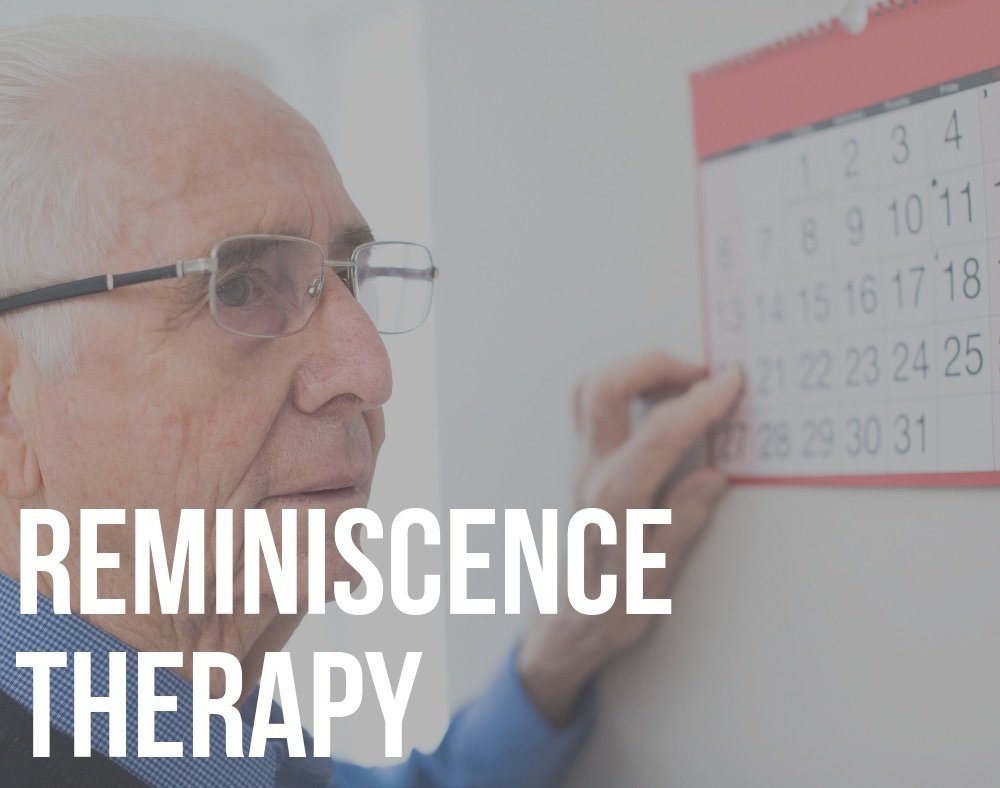
Reminiscence Therapy for Dementia: Benefits, Examples and How It Works

Reminiscence therapy for dementia using familiar memories and prompts

Reminiscence therapy is a structured way of using memories, conversation, photographs, music and familiar objects to engage a person living with dementia.

It can provide an enjoyable way to connect with others, encourage conversation and support a person’s sense of identity.

Reminiscence does not cure dementia or stop the underlying disease from progressing. However, research suggests that it may offer modest benefits for areas such as communication, mood, cognition and quality of life for some people.

The Alzheimer’s Association describes reminiscence therapy as a structured approach that uses guided conversations about past experiences, often supported by music, photographs, storytelling, art or familiar objects.

In this article, we look at how reminiscence therapy works, examples of useful memory prompts, what research tells us about its possible benefits and how families and caregivers can use reminiscence safely.

What Is Reminiscence Therapy?

Reminiscence therapy, sometimes shortened to RT, involves encouraging a person to recall and talk about past experiences.

It may take place one-to-one or in a group and can range from an informal conversation with a family member to a structured session led by a trained professional.

Reminiscence is particularly suited to dementia care because a person may continue to recall meaningful events from earlier life even when forming or retrieving more recent memories has become difficult.

However, every person with dementia is different. Some may enjoy talking about their past in detail, while others may prefer simply listening to familiar music or looking at photographs.

The goal should be connection and enjoyment rather than testing the person’s memory.

How Does Reminiscence Therapy Help With Dementia?

How reminiscence therapy works for people with dementia

Reminiscence provides opportunities for a person with dementia to talk about experiences that remain meaningful to them.

Rather than repeatedly asking questions about recent events they may struggle to remember, family members and caregivers can use familiar subjects to encourage conversation.

These may include childhood, school, work, relationships, holidays, hobbies, pets, significant events or places the person once lived.

For someone experiencing memory loss, this can create an opportunity to participate in a conversation using knowledge and experiences they still retain.

Reminiscence can take place during a casual conversation, as part of group activities, or within a professionally guided therapy session.

The Alzheimer’s Association notes that reminiscence may support well-being, identity, dignity and connection with other people.

What Does Research Say About Reminiscence Therapy?

Research into reminiscence therapy has produced encouraging but mixed results.

A Cochrane review of reminiscence therapy for dementia found evidence of some benefits for quality of life, cognition, communication and possibly mood.

However, the effects were generally small and differed according to how reminiscence was delivered and whether it took place in a care home or community setting.

More recent research has also reported possible benefits.

A 2026 systematic review and meta-analysis found improvements in cognitive function, depressive symptoms and quality of life among people with cognitive impairment who received reminiscence therapy.

However, the study did not find clear improvements in behavioral and psychological symptoms or caregiver burden.

This means reminiscence therapy is best regarded as a supportive non-drug approach rather than a treatment that will produce the same result for everyone.

Reminiscence Therapy Examples and Memory Prompts

A conversation alone may be enough to begin reminiscing, but familiar objects and sensory prompts can often make the experience more engaging.

The best prompts are usually personal to the individual.

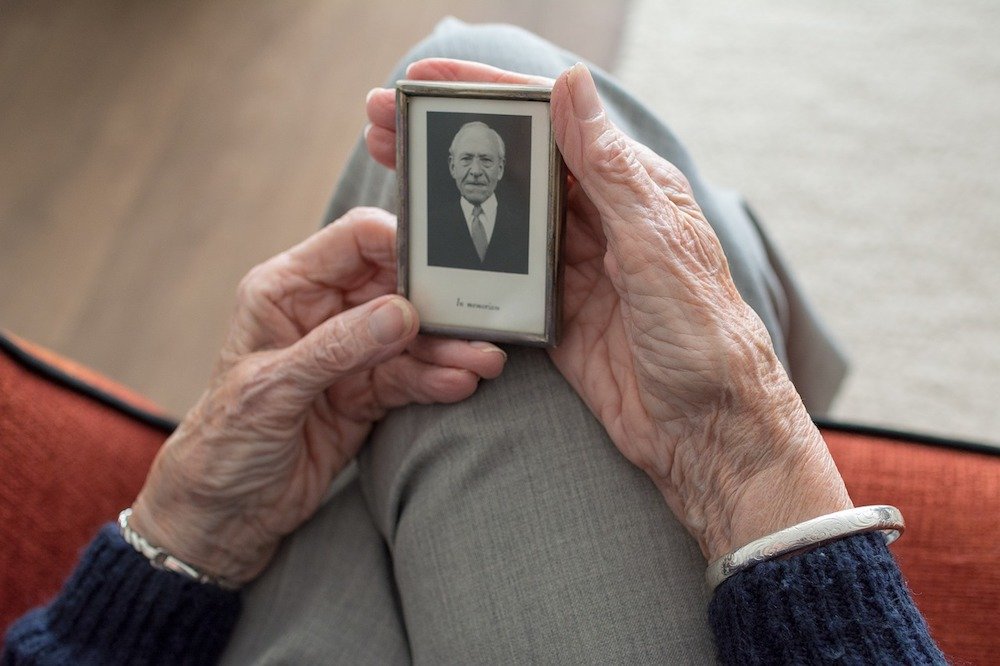
1. Photographs

Using family photos as reminiscence therapy prompts

Photographs are one of the simplest ways to begin reminiscence.

Family albums may contain pictures of:

  • parents and grandparents
  • children and grandchildren
  • weddings and celebrations
  • former homes
  • holidays
  • pets
  • workplaces
  • school friends
  • favorite hobbies

Rather than asking questions that test memory, such as “Who is this?”, try open invitations such as:

  • “Tell me about this photo.”
  • “That looks like a lovely place.”
  • “What did you enjoy doing there?”

If the person does not remember the photograph, there is no need to correct or pressure them.

The purpose is to create an enjoyable interaction rather than establish whether their memory is accurate.

2. Familiar Smells and Tastes

Familiar smells and tastes used as reminiscence prompts

Smell and taste can also prompt memories.

The smell of coffee, spices, freshly baked bread, flowers, perfume or another familiar scent may remind someone of particular places or experiences.

Food can have similar associations.

A family recipe may encourage conversations about childhood, celebrations or people who were important to the person.

Always take allergies, swallowing difficulties and dietary requirements into account when using food or scented products.

3. Familiar Objects and Tactile Activities

Tactile reminiscence activities using familiar objects

Objects connected with a person’s previous interests or work can also be valuable.

Examples might include:

  • knitting wool or fabric
  • old tools
  • jewelry
  • sporting equipment
  • postcards
  • cookbooks
  • old household items
  • medals or certificates
  • clothing associated with special occasions

Someone who previously enjoyed painting or craft may also respond positively to brushes, fabric, pencils or other familiar materials.

You can find additional ideas in our guide to art activities and dementia.

4. Music

Familiar music used in reminiscence therapy for dementia

Music can be particularly powerful when it has personal meaning.

Songs associated with adolescence, weddings, dancing, religious services, military service or important relationships may evoke memories and emotions.

The Alzheimer’s Association recommends choosing familiar music the person enjoys and avoiding excessive background noise.

Useful activities may include:

  • listening to favorite songs
  • singing together
  • clapping or moving to music
  • playing a simple instrument
  • talking about concerts or dances

You can also read our guide to music therapy and dementia.

5. Familiar Places

A familiar location can sometimes be an effective reminiscence prompt.

This might involve visiting an old neighborhood, garden, beach, church, sporting club or another place associated with positive experiences.

When visiting is not practical, photographs, maps or videos of the place may provide a similar conversation starter.

Different Forms of Reminiscence

Different forms of reminiscence therapy and life story work

Reminiscence can be approached in several ways.

Simple Reminiscence

Simple reminiscence involves casually recalling enjoyable events or experiences.

This might happen while looking at photographs, listening to music or talking over coffee.

Family members and caregivers can use this type of reminiscence without turning it into a formal therapy session.

Structured Reminiscence Therapy

Structured reminiscence therapy involves more deliberately guided conversations and activities.

The Alzheimer’s Association notes that these sessions may be led by professionals such as therapists, nurses or activity directors.

They may take place individually or in groups.

Life Story Work

Life story work involves gathering important information about the person’s experiences, relationships, interests and achievements.

This may eventually become a:

  • photo album
  • scrapbook
  • memory box
  • life story book
  • digital collection of photographs, music or videos

A life story can help family members and professional caregivers understand who the person is beyond their diagnosis.

Possible Benefits of Reminiscence Therapy

Possible benefits of reminiscence therapy for dementia

Research suggests several areas in which reminiscence therapy may help some people with dementia.

Supports Conversation and Communication

Reminiscence gives the person an opportunity to talk about subjects that are familiar and personally meaningful.

This can sometimes make conversation easier than discussing recent events.

Supports Identity and Self-Esteem

Dementia can gradually affect many aspects of independence.

Talking about previous achievements, relationships, skills and experiences can help remind both the person and those around them that their identity is much broader than their diagnosis.

May Support Mood and Well-Being

Pleasant memories may bring enjoyment, comfort and social connection.

Research has found possible improvements in mood and depressive symptoms in some people who participate in reminiscence therapy, although results vary between studies.

May Provide Cognitive Stimulation

Reminiscing involves conversation, attention and retrieving information from memory.

Some studies have found modest improvements in cognitive test scores after reminiscence interventions.

However, this should not be interpreted to mean that reminiscence therapy stops or reverses dementia.

Can Strengthen Relationships

Reminiscence can give family members an opportunity to hear stories they may never have heard before.

It may also help professional caregivers learn more about a person’s preferences, relationships, occupation, culture and interests.

How to Structure a Reminiscence Therapy Session

Structure of a reminiscence therapy session for dementia

There is no single session format that suits everyone.

Some people may enjoy a short spontaneous conversation, while others may participate in longer structured sessions.

A simple session might involve:

  1. Choose a calm and comfortable environment.
  2. Select one familiar subject or prompt.
  3. Allow the person time to respond.
  4. Use open-ended conversation rather than testing questions.
  5. Listen without repeatedly correcting details.
  6. Watch for signs of enjoyment, tiredness or distress.
  7. Finish when the person appears to have had enough.

The person’s comfort is more important than completing a planned activity.

Some days they may enjoy reminiscing for a considerable period. On other days, they may not be interested at all.

What If Reminiscence Brings Up Painful Memories?

Responding to distress during reminiscence therapy

Not every memory is pleasant.

Photos, songs, places or conversations may unexpectedly remind someone of bereavement, trauma, relationship difficulties or another upsetting experience.

If the person becomes distressed, do not pressure them to continue.

The safest approach is usually to acknowledge their feelings, offer reassurance and either change the subject or stop the activity.

Dementia Australia advises that if reminiscing causes distress, caregivers should stop and do something else.

If painful or traumatic memories repeatedly cause significant distress, seek advice from an appropriately qualified healthcare or mental health professional.

Formal life review involving unresolved trauma is different from casually sharing pleasant memories with a family member.

Tips for Families and Caregivers

When using reminiscence with someone who has dementia:

  • Follow the person’s interests rather than your own.
  • Avoid treating the activity as a memory test.
  • Use familiar photographs, music and objects.
  • Ask open-ended questions.
  • Allow plenty of time for responses.
  • Do not argue over small inaccuracies.
  • Pay attention to body language and emotion.
  • Stop if the person becomes tired, anxious or distressed.
  • Focus on enjoyment and connection.

Reminiscence can also be incorporated into ordinary activities for people with dementia rather than requiring a formal appointment.

Is Reminiscence Therapy Suitable for Everyone?

Not necessarily.

Some people naturally enjoy talking about their past, while others may find it frustrating, boring or upsetting.

The person’s personality, culture, history and current stage of dementia should guide the approach.

Hearing and vision difficulties should also be considered when choosing prompts.

For example, someone with poor eyesight may respond better to music or familiar objects than photographs.

Reminiscence should never be forced simply because it is regarded as therapeutic.

Closing Thoughts

Reminiscence therapy can provide a meaningful way for people with dementia to connect with their past and with the people around them.

Photographs, music, familiar objects, scents and conversations can all be used to encourage memories and social interaction.

Research suggests that reminiscence therapy may provide modest benefits for cognition, communication, mood and quality of life in some people, although results differ between individuals and between different types of reminiscence programs.

It should be viewed as a supportive approach rather than a cure or a way to stop dementia progression.

Most importantly, reminiscence should be enjoyable and person-centered.

The goal is not to test whether the person can correctly remember names, dates or events. It is to create opportunities for conversation, comfort, identity and connection.

References and Further Reading

Alzheimer’s Association. Reminiscence and Reminiscence Therapy.

Cochrane. Reminiscence Therapy for Dementia.

Ni P, et al. Effects of Reminiscence Therapy for People Living With Cognitive Impairment and Their Caregivers: A Systematic Review and Meta-Analysis. J Am Med Dir Assoc. 2026.

Dementia Australia. Talking to Someone With Dementia.