Is Dementia Neurological or Psychological

is dementia neurological or psychological

There is a huge ongoing debate on the question is dementia neurological or psychological. Some experts claim that it is both neurological and psychological.

Others state that the disease is psychological while others vehemently say that dementia is neurological.

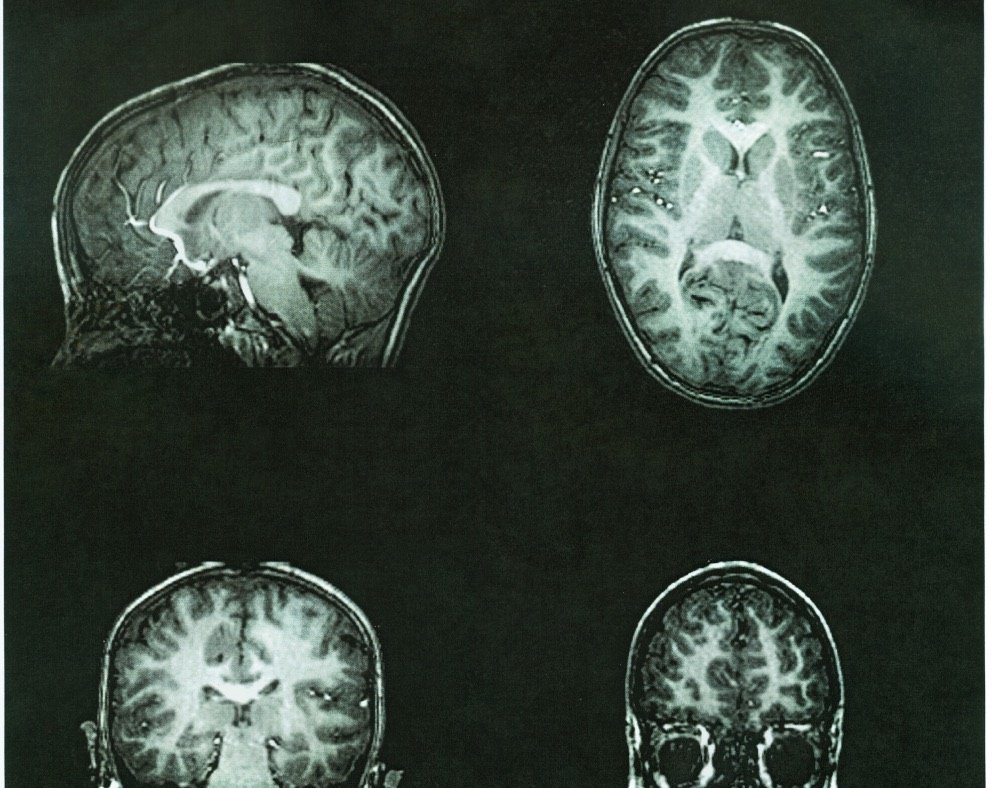
According to the American Psychological Association, researchers are learning new details of the underlying processes that cause various types of dementia thanks to advancements in neuroimaging; hence, it may be clear in the future whether dementia is psychological or neurological.

WHO (World Health Organization) also proposed that dementia diagnoses should now be classified as “disease of the nervous system instead of a behavioral or mental disorder.

These changes might imply that some health care experts will be exempt from offering dementia diagnostic assessment as well as an intervention that may lead to reduced access and quality care for persons who have dementia.

Is Dementia a Neurological Disorder?

dementia neurological disorder
Experts who state that dementia is a neurological illness when answering the query is dementia neurological or psychological say so because they believe that the illness involves damage or malfunction to the nervous systems which is made up of the nerves, spinal cord, and brain.

ARC (Advance Rehab Centre) explains that dementia is a progressive neurological condition.

For this reason, it is advisable for persons who think they have dementia to visit a neurologist who specializes in the diagnosis and treatment of disorders that affect the brain, nerves, and spinal cord.

They carry out neurological exams in a bid to look at reflexes, sensory function, balance, and other functions.

Dementia neurological signs

The professionals are also helpful when it comes to detecting some of the dementia signs like:

  • Memory issues
  • Reduced concentration
  • Problems completing familiar day to day tasks
  • Personality changes
  • Increased disorientation
  • Communication problems
  • Poor decision-making amongst others

Is Dementia a Psychological Disease?

dementia psychological disease
Professionals who claim that dementia is psychological also make a strong argument.

Dementia psychological symptoms

The disease presents various psychological and behavioral symptoms that include:

Psychologists play a major role when it comes to dementia.

They can help assess dementia in persons who are suspected to have the illness.

They can also offer counseling and education for the persons with the illness as well as their loved ones on how to best cope with the neurodegenerative illness.

Psychologists can offer their professional services to persons with dementia in multiple settings including hospitals, clinics, homes, and residential care facilities.

It is, however, important to note that dementia is not necessarily a mental illness because it is a persistent or chronic disorder of the mental process that is a result of brain injury or disease.

This said dementia is known to affect the mental health of a person who has the illness.

Closing Remarks

At this point, it is not easy to answer the question is dementia neurological or psychological.

This is mostly because the disease has some neurological aspects as well as psychological dimensions.

More research needs to be done to ascertain the category of the disease in regards to whether it is psychological or neurological.

Do Neurologists Treat Dementia?

do neurologists treat dementia

The common question that arises amongst the general public is whether or not do neurologists treat dementia.

While there are various specialists who can diagnose dementia, many patients are referred to a neurologist who determines the type of dementia, as well as treatment options.

What is dementia?

Dementia is a neurologic disease affecting cognition, involving the different aspects of cognitive function (memory, language, attention, social life, planning, and motor skills).

Dementia represents a decline that is severe enough to interfere with daily life and independence. When people think of dementia, Alzheimer’s comes to mind, and that’s because Alzheimer’s Disease is the most common type of dementia.

Alzheimer’s is responsible for about 60-80% of all dementias in older adults. With an aging population, the overall prevalence of dementia is increasing worldwide.
what is dementia

Dementia is a progressive disease, meaning it gets worse over time. In the early stages, it may be diagnosed at mild cognitive impairment (MCI), which is an in-between stage between normal cognition and dementia.

MCI may progress to dementia.

What are different kinds of dementia?

what are different kinds of dementia
The most common dementia in older adults is Alzheimer’s Disease. However, about 20% of patients with dementia have another form of dementia.

The main dementia syndromes include Dementia with Lewy Bodies, Frontotemporal dementia, Parkinson disease dementia and variants, and vascular or stroke-related dementia.

Who can diagnose dementia and why a neurologist?

who can diagnose dementia
Dementia is a diagnosis made by a physician.

While it does not have to be a neurologist to diagnose dementia, many patients are referred to a neurologist to determine what type of dementia they have and to help with treatment options and symptom management.

A primary care physician can make a presumptive diagnosis of dementia if a patient fits certain criteria, and the symptoms are not explained by another mental disorder (such as major depressive disorder or another psychiatric condition).

A neurologist can help distinguish between the different types of dementia.

In some cases, advanced neuropsychiatric testing is done to better clarify the type of dementia.

How is dementia diagnosed?

how is dementia diagnosed
A full dementia evaluation cannot be done in a quick office visit; a family member or a close friend should accompany the patient to their primary physician or neurologist and be able to recount the history over the past several weeks, months, and even years.

The first steps include a complete history and physical examination, neurologic examination, and laboratory or imaging workup.

The history, or story of the patient’s symptoms, is crucial to the diagnosis.

A doctor might ask when the patient first noticed memory loss, how it has progressed, and what sorts of things he or she is not able to do anymore independently (activities of daily living, or ADLs).

Certain details are key, such as loss of vision or strength, prominent personality changes, behavioral problems, hallucinations, sleep problems, and risk-taking behaviors.

There are several tests available to help with the diagnosis of dementia, which will be discussed further below.

A full evaluation includes a physical and neurologic exam, laboratory testing, and most times imaging tests such as a CT scan or an MRI of the brain.

By official definition, dementia is diagnosed when there is cognitive impairment in at least one cognitive domain (memory, language, attention, executive function, motor function, social function) that is progressive and interferes with independence in every-day activities, that is not explained by another medical or psychiatric disorder.

Why refer to a neurologist for dementia?
why refer to a neurologist for dementia
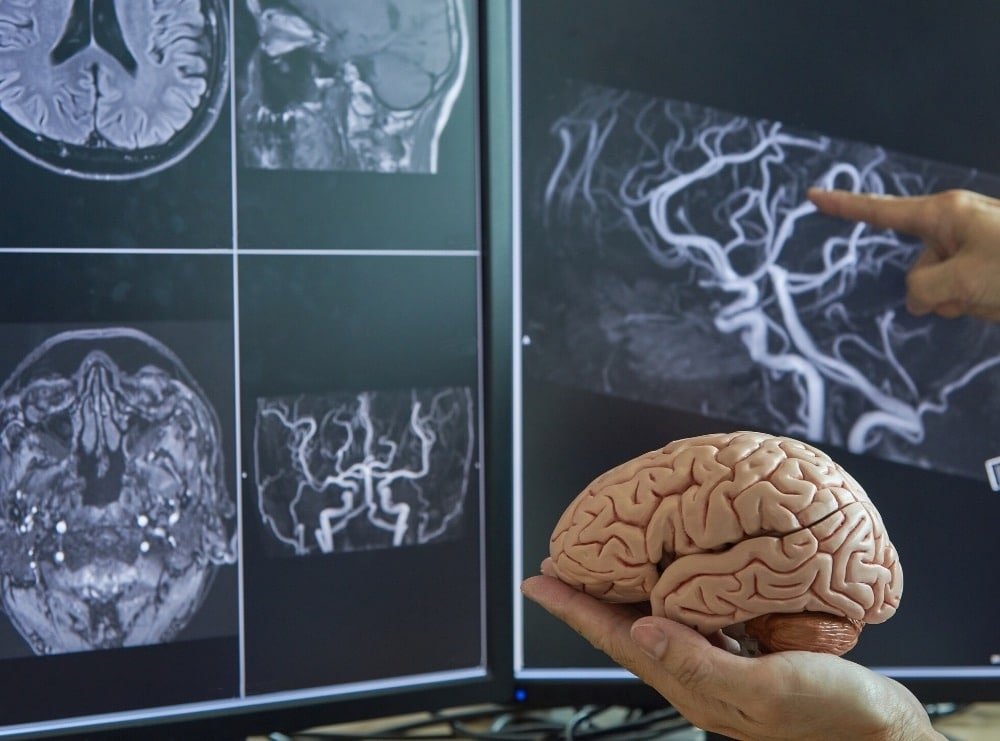
A neurologist will be helpful in diagnosing dementia, especially in distinguishing between different types of dementia as their treatments differ.

Also, a neurologist will perform a careful history and exam including labs and imaging to make sure there is nothing else being missed that would otherwise explain the symptoms of dementia.

In addition, a neurologist trained in cognitive neurology will have special expertise on managing the symptoms of dementia including the newest medications, clinical trials, and symptom management.

Often times, a neurologist will be able to give a prognosis and help guide family members through this chronic, progressive illness.

What does a neurologist examine for a dementia patient?

what does a neurologist examine for a dementia patient
After taking a careful history of the symptoms, a neurologist will begin with a general physical examination.

Part of this includes the neurologic exam.

A neurologic exam contains six major components; mental status exam, cranial nerve exam, motor exam, sensory exam, reflexes, and cerebellar exam.

Abnormalities on the neurologic exam may give the neurologist clues as to what the diagnosis is.

The mental status exam will assess for orientation, attention, memory, visuospatial function, and language. Some common tools are the MOCA (Montreal Cognitive Assessment) and MMSE (Mini-Mental State Examination).

These are a short series of tasks a neurologist may ask you to fill out, and based on how you score, can help in categorizing the types of deficits and hint as to the type of dementia.

What treatments might a neurologist prescribe for dementia?

what treatments might a neurologist prescribe for dementia
There are a few medications that are approved for the treatment of Alzheimer Disease. These include cholinesterase inhibitors (such as donepezil, rivastigmine, and galantamine).

These medications work by modulating neurotransmitters in the brain and have some modest symptomatic benefit in patients with dementia.

Another category of medication includes Memantine, which is an NMDA-receptor antagonist. This works by blocking a different neurotransmitter (NMDA) which may protect the brain.

This also has been shown to have very modest benefits.

Neurologists may prescribe medications to help certain symptoms of dementia, such as behavioral disturbances, hallucinations, sleep problems, depression, agitation, and aggression.

These may include antidepressants, antipsychotics and various other medications.

Nutrition, physical therapy and cognitive rehab are also things a neurologist may consider in the multidisciplinary approach to dementia care.

What conditions can be mistaken for dementia?

what conditions can be mistaken for dementia
There are certain conditions that can mimic dementia. It is essential to make sure these conditions are not responsible for the symptoms, as they are often reversible and treatable.

A good neurologist will rule out “reversible” causes and mimics of dementia.

There are certain “red flags” that should not be missed; these include young age, rapidly progressive dementia (ie someone getting much worse within days, weeks or a few months), or an abnormal or asymmetric neurologic exam such as weakness on one side of the body.

These will need an expedited and different type of evaluation than the standard dementia workup.

Many people confuse the signs of normal aging with dementia.

Normal aging does include a slight degree of cognitive decline including mild changes in memory and information processing. Some people visit their doctor for these symptoms, worried that they may have dementia.

Normal aging is quickly recognizable from dementia

However, normal aging is easily distinguishable from dementia.

It is generally not very progressive and does not affect daily function.

Examples include forgetting where one left the keys or some items on the shopping list at the grocery store.

There are other medical conditions that can mimic dementia. One is delirium.

Delirium is a condition of confusion and an altered sense of awareness of one’s surroundings.

Delirium is often associated with an underlying medical condition, such as an infection, metabolic issue, or prolonged hospitalization.

The time course of delirium (much shorter) and the fluctuations in attention are characteristic and distinguishable from dementia.

Vitamin deficiency, specifically of Vitamin B12 can contribute to dementia, so this should be checked and supplemented if low.

Thyroid tests, and sometimes HIV or syphilis testing is done to make sure symptoms are not due to these other treatable medical conditions.

Depression is an important mimic of dementia. In fact, depression causing dementia has been named “pseudodementia” or “dementia of depression.”

This is because people with uncontrolled depression may exhibit signs similar to dementia (physical and cognitive slowing, giving poor effort, being unable to function in activities of daily life).

It is crucial to recognize pseudodementia because it can be treated and reversed with appropriate psychiatric and psychological care.

Resources

American Psychiatric Association. Diagnostic and Statistical Manual of Mental Disorders, Fifth Edition (DSM-5), American Psychiatric Association, Arlington 2013.

Knopman DS, DeKosky ST, Cummings JL, et al. Practice parameter: diagnosis of dementia (an evidence-based review). Report of the Quality Standards Subcommittee of the American Academy of Neurology. Neurology 2001; 56:1143.

Knopman DS, Boeve BF, Petersen RC. Essentials of the proper diagnoses of mild cognitive impairment, dementia, and major subtypes of dementia. Mayo Clin Proc 2003; 78:1290.

Reisberg B, Doody R, Stöffler A, et al. Memantine in moderate-to-severe Alzheimer’s disease. N Engl J Med 2003; 348:1333.

Petersen RC, Smith G, Kokmen E, et al. Memory function in normal aging. Neurology 1992; 42:396.

Geldmacher DS, Whitehouse PJ. Evaluation of dementia. N Engl J Med 1996; 335:330.

Brauner DJ, Muir JC, Sachs GA. Treating nondementia illnesses in patients with dementia. JAMA 2000; 283:3230.

Howard R, McShane R, Lindesay J, et al. Donepezil and memantine for moderate-to-severe Alzheimer’s disease. N Engl J Med 2012; 366:893.

What Colors Do Dementia Patients Prefer? What Research Shows

What colors do dementia patients prefer?

What colors do dementia patients prefer? There is no single color, or group of colors, that every person living with dementia will prefer.

Personal taste still matters. Someone who has always loved blue, green or red may continue to enjoy those colors after developing dementia.

What can change, however, is the way a person sees and distinguishes colors, objects and contrasts.

Research suggests that dementia can affect color discrimination, contrast sensitivity and other aspects of visual perception. This means that when choosing colors for a dementia-friendly home, visibility and contrast may be more important than trying to find one supposedly “best” color.

In this guide, we look at what research tells us about color and dementia, how different colors may be used, and some practical ways color can make everyday surroundings easier to understand.

Do People With Dementia See Colors Differently?

Yes, dementia can affect visual processing as well as memory and thinking.

A 2024 systematic review of visual function and cognitive impairment found that people with dementia performed worse than people without dementia on measures including contrast sensitivity and color vision.

Research has also found differences in the ability of people with Alzheimer’s disease to distinguish certain color combinations.

For example, one study found that people with Alzheimer’s disease were more accurate at distinguishing black-white and red-yellow combinations than blue-green combinations.

Importantly, however, being able to see or distinguish a color is not the same thing as preferring it.

Another study examining color discrimination and preferences in people with Alzheimer’s disease found that color discrimination could be affected while individual color preferences remained relatively stable.

This is one reason caregivers should not assume that every person with dementia suddenly prefers the same colors.

What Colors Do Dementia Patients Prefer? What Research Shows

There is not enough evidence to say that people with dementia universally prefer blue, green, red, yellow, orange, pink or any other particular color.

One study of color choice in people with Alzheimer’s disease and mild cognitive impairment found differences in the colors selected by participants. However, the researchers also acknowledged limitations surrounding the particular color test they used.

For everyday dementia care, a more useful approach is generally to consider:

  • the person’s existing favorite colors
  • whether important objects stand out clearly from their background
  • good lighting
  • strong contrast where something needs to be noticed
  • avoiding confusing patterns and visual clutter
  • whether the person responds positively or negatively to a particular color

These principles can be particularly useful when creating a dementia-friendly home.

Contrast May Matter More Than the Individual Color

For someone with dementia, the difference between two colors can sometimes be more important than the colors themselves.

The National Institute on Aging recommends using visual contrast in the home of a person with Alzheimer’s disease.

For example, it suggests making walls lighter than floors, using brightly colored signs or pictures to identify important rooms, and marking the edges of steps with brightly colored tape when needed.

Dementia-friendly design guidance also commonly recommends contrasting toilet seats, door handles, grab rails and other important objects with their surroundings.

The aim is simple: make important objects easier to find and understand.

How Different Colors Can Be Used in Dementia-Friendly Design

There is no need to avoid particular colors simply because someone has dementia. Instead, consider how each color works within the surrounding environment.

For caregivers asking what colors do dementia patients prefer, the most useful starting point is the person’s own preferences, together with strong contrast and good lighting.

Blue

what colors do dementia patients prefer - blue color example

Blue can remain an attractive and familiar color for someone who has always liked it.

However, some research suggests that people with Alzheimer’s disease may find certain blue-green color combinations harder to discriminate than strongly contrasting combinations.

This does not mean blue should be avoided.

Instead, avoid relying on subtle differences between similar shades of blue when something needs to be clearly visible.

For example, a blue object against another blue background may be difficult to identify, while a strongly contrasting object may be much easier to see.

Green

green color in a dementia-friendly environment

Green is commonly used in homes and natural environments and may be familiar and pleasant to many people.

As with blue, the important issue is usually not whether green is “good” or “bad” for dementia.

Instead, consider whether there is enough contrast between the green object and its surroundings.

A green sign placed against a similar green wall, for example, may be much harder to identify than one that clearly contrasts with its background.

Red

red color used for contrast in dementia-friendly design

Red can provide strong visual contrast when used against a light or very different background.

The National Institute on Aging, for example, recommends clearly identifying hot-water faucets with red and cold-water faucets with blue, together with written labels where appropriate.

Red may therefore be useful when you want an important object or cue to be noticeable.

However, there is not good evidence that every person with dementia prefers red or that red will reliably improve appetite or behavior.

Yellow

yellow color for visibility in dementia-friendly design

Yellow can be highly visible when it contrasts strongly with its surroundings.

Research into color discrimination in Alzheimer’s disease has found that red-yellow combinations may sometimes be easier to distinguish than blue-green combinations.

That finding relates to visual discrimination rather than personal preference, so it should not be interpreted to mean that everyone with dementia prefers yellow.

It may nevertheless be useful as part of a clearly contrasting sign, object or visual cue.

Orange

orange color in dementia-friendly surroundings

Orange is another highly visible color when placed against a strongly contrasting background.

If someone has always liked orange, there is no reason that dementia alone should mean removing it from their surroundings.

Favorite colors can be incorporated into clothing, cushions, artwork and other familiar possessions to help a home continue to feel personal rather than institutional.

Pink

pink color in a dementia-friendly home

Pink may also be enjoyable for people who have always liked the color.

There have been claims that certain shades of pink can reduce aggression or produce a calming effect. However, there is not strong enough dementia-specific evidence to recommend pink as a treatment for aggression associated with dementia.

If someone appears comfortable with a particular color, it can certainly remain part of their surroundings.

Using Color Around the Home

Color can be particularly useful when it helps important objects stand out.

The Alzheimer’s Society dementia-friendly environment guidance recommends creating clear contrast around signs, toilets and other important features.

Practical examples can include:

  • a toilet seat that contrasts clearly with the toilet and surrounding floor
  • grab rails that contrast with the wall
  • door handles that contrast with doors
  • easy-to-read signs that contrast with the surface behind them
  • furniture that is easy to distinguish from walls and flooring
  • plain surfaces rather than complicated patterns
  • good, even lighting without strong glare or deep shadows

At the same time, avoid creating unnecessary visual confusion.

Bold patterns, highly reflective flooring and sudden changes in flooring can sometimes be difficult for a person experiencing changes in visual perception.

What About Plates and Food?

Color can also be useful at mealtimes.

The main principle is again contrast rather than one particular “dementia color.”

If pale food is placed on a similarly pale plate, it may be more difficult to distinguish.

A plate that clearly contrasts with both the food and the table may make the meal easier to see.

The same principle applies to cups, cutlery and other dining items.

If someone is having difficulty eating, however, do not assume the problem is simply the color of the plate. Changes in appetite or eating can have many causes. Our guide to why people with dementia may stop eating explains these in more detail.

Personal Preference Still Matters

Perhaps the most important answer to the question “what colors do dementia patients prefer?” is that people with dementia remain individuals.

Someone who loved a particular color before developing dementia may continue to enjoy it.

Favorite colors can be incorporated into:

  • clothing
  • bedding
  • artwork
  • cushions and furnishings
  • personal possessions
  • signs and visual cues where appropriate

Watch how the person responds.

If a particular color or combination appears confusing or uncomfortable, try something different. If it is familiar and enjoyable, there is usually no reason to remove it merely because the person has dementia.

Closing Remarks

There is no scientifically established list of colors that every person with dementia prefers.

Dementia and normal aging can affect color discrimination, contrast sensitivity and other aspects of visual processing. Because of this, contrast, lighting and visibility are often more important than selecting one supposedly ideal color.

Use strong contrast where important objects need to stand out, avoid unnecessary visual clutter and keep the person’s own preferences at the center of any changes.

Ultimately, dementia-friendly design should help the person understand and use their surroundings while still allowing their home to look and feel familiar to them.

References and Further Reading

Contrast Sensitivity, Visual Field, Color Vision, Motion Perception, and Cognitive Impairment: A Systematic Review.

Impaired Color Discrimination in Alzheimer Disease Dementia.

National Institute on Aging: Home Safety Checklist for Alzheimer’s Disease.

Alzheimer’s Society: Dementia-Friendly Environment Checklist.

Is Dementia a Neurological Disorder?

is dementia a neurological disorder

When talking about dementia, there is one question that may come up i.e. is dementia a neurological disorder?

To answer this, it is important to know the definition of a neurological disorder.

This is a disease of the peripheral and central nervous system according to WHO (World Health Organization).

Simply put, these are disorders of the spinal cord, brain, muscles, nerve roots, cranial nerves, autonomic nervous system, peripheral nerves, and neuromuscular junction.

Going by this explanation of what neurological disorders are, it is right to categorize dementia as a progressive neurological disorder.

Read on to uncover some of the reasons why dementia is a neurological illness.

Why Dementia is Categorized as a Neurological Condition

why dementia is categorized as a neurological condition
To start off, it is vital to mention that dementia develops when parts of the brain responsible for memory, learning, language, and decision making are diseased or damaged.

These abnormalities that happen in the brain confirm that dementia is indeed a neurological disorder.

You will also notice that some of the causes of dementia are similar to those that lead to the development of certain neurological disorders.

It, therefore, comes as no surprise that a person may ask is dementia a neurological disease.

While the specific causes of neurological conditions vary, they include genetic disorders, infections, lifestyle-related causes, environmental influences, nutritional-related causes, and brain/physical injuries.

On the other hand, some of the most common dementia causes include traumatic brain injuries that may be as a result of concussions, car accidents, and falls, etc.

Central nervous system infections are also known to contribute to the development of dementia.

These can include HIV, Creutzfeldt-Jakob disease, and Meningitis, etc.

Although a huge percentage of dementia cases are not hereditary, there are some rare dementia cases that have strong genetic links.

Additionally, various degenerative neurological disorders are also known to cause dementia. These may include Parkinson’s disease, Alzheimer’s disease, dementia with Lewy bodies, Huntington’s disease, and frontotemporal lobar dementia.

Experts also recommend that people change their eating and lifestyle habits to healthier options as a way of preventing dementia development or managing the illness.

Signs of Neurologic Disorders and Dementia

signs of neurologic disorders and dementia
When someone asks is dementia a neurological disorder, it can help to discuss some of the neurological signs that a person with the neurodegenerative disease can showcase like:

Emotional Symptoms

emotional symptoms
Persons with dementia may experience different emotional symptoms. These vary from one individual to the next, and can also depend on the stage of the illnesses.

The most common neurological emotional symptoms that the weak person experiences may include:

Physical Symptoms

physical symptoms
Persons with dementia may also experience physical symptoms of neurological problems like:

1. Muscle weakness

2. Numbness

Some people will go through complete or partial sensation loss.

In such a case, a person may not feel any sensation that relates to temperature, pain, vibration, or touch.

Some cases are severe, where an individual cannot properly use their body parts; thus, have problems in driving, coordination, walking, balance, or completing any type of physical work including day-to-day activities.

3. Paralysis

paralysis
This happens when a person loses muscle function in the body. It can be partial or complete and can occur on both or one side of the body.

4. Difficulties in speech, writing, and reading

A high percentage of people who have dementia will also have problems with communication where they cannot speak clearly. Some will also lose the ability to read and write well.

5. Seizures

These are sudden electrical disturbances of the brain that a person cannot control. They often affect levels of consciousness, feelings, movement, and behaviors.

Most seizures last between 30 seconds to 2 minutes.

6. Reduced alertness

Concentration levels of people with dementia may also reduce. They may not be able to hold long conversations or concentrate on a task long enough to complete it even when it was something they did easily before they got sick.

7. Diminishing cognitive abilities

diminishing cognitive abilities
This is where an individual has trouble with things like learning new things, making decisions, and memory that affects their day to day life negatively.

8. Body aches or pain

Most people with dementia will suffer unexplainable pain. An individual may experience chronic headaches, neck pain, pain in the joints and muscles, and back pain amongst others.

9. Sleep issues

Some individuals with dementia will either experience hypersomnia where a person sleeps excessively or insomnia where an individual does not get enough sleep.

The above are just a few warning signs that are an indication that there is a problem in the neurological system.

People with dementia will experience a majority of the warning signs.

This goes to show that yes, is the answer to the question is dementia a neurological disorder.

Dementia Patients Visiting Neurologists

dementia patients visiting neurologists
Neurologists form part of the professional team that takes care of persons who have dementia.

The medical experts specialize in diagnosing, managing, and treating disorders of the spinal cord, nervous system, and brain.

It is best for a person who has dementia to consult a neurologist when they have problems with personality changes, speaking, clearly, thinking, and remembering.

A neurologist can also help detect some of the dementia warning signs for a person who has not yet gotten a positive diagnosis. They mostly do this by conducting a neurological exam and cognitive tests.

This helps the neurologist to evaluate an individual for problems that may point to brain disorders other than dementia.

The physician may look for signs of strokes, brain tumors, Parkinson’s disease, fluid accumulation in the brain, and other health conditions that may impair thinking or memory.

Some of the areas that the physician’s test include:

  • Coordination, muscle tone, and strength
  • Reflexes
  • Sensation
  • Speech
  • Eye movement

In some cases, the neurological exam may also include studies of brain imaging.

The fact that neurological exams are part of the medical tests that professionals conduct to check whether a person has dementia helps to answer the query is dementia a neurological disorder on the positive side.

Closing Thoughts

When a person asks is dementia a neurological disorder, it is safe to say that yes it is.

This is mostly because neurodegenerative disorder is a result of damage to parts of the brain and it shares many warning signs with other neurological disorders.

5 Types of Vascular Dementia And Symptoms

types of vascular dementia

At the time of writing this, there are several different types of vascular dementia you should be aware of.

If you are ready to learn about all different varieties of the disease, this article covers all the necessary and then some.

Note, vascular dementia occurs when one starts to experience damaging blood vessels in the brain.

This can happen for an assortment of different reasons from poor oxygen flow and lack of nutrition to infarct and other brain diseases and injuries.

Have in mind, strokes are one of the most common reasons for the development of destructive vascular dementia.

While some of the types of vascular dementia are pretty similar, they still have particular details that are exclusive to the condition.

In other words, some are more common than others and the same goes for their symptoms.

Also, each type progresses uniquely if not treated early enough.

Of course, we all need to know that so far there is still no cure for dementia. However, if we act quickly enough, we can lighten the progress of the disease and ensure a more comfortable life.

With that in mind, let’s further investigate the different variations of vascular dementia and some of the causes.

By having the right knowledge, you can seek help from a doctor or a practitioner early enough for the older adult to get appropriate treatment as soon as possible.

Different Types of Vascular Dementia

1. Multi-Infarct Dementia (MID)

multi-infarct dementia
Vascular Dementia is a broad name that describes an umbrella of signs and symptoms related to brain damage caused by cerebrovascular disease.

The condition is marked by the impairment of blood flow to the brain owing to injured or damaged cells. In turn, it also hampers oxygen flow to the brain.

The impaired blood flow affects several functions initiated by the brain including memory, reasoning, judgment, and planning.

Vascular dementia presents itself in several ways depending on the specific cause and it also affects each individual person in different ways. Multi-infarct dementia (MID) is one of the types of vascular dementia.

What Causes MID

MID comes about when the brain suffers from several minor strokes causing injuries to several areas of the brain referred to as infarcts.

The strokes also cause extensive lesions in the brain’s nerve fibers. Physicians also explain that most of these “silent strokes” go unnoticed without any clinical symptoms.

That is how they manage to cause the severe and often irreparable damage to the brain cells resulting in the MID symptoms.

Since the infarcts affect secluded brain areas, the symptoms often have an adverse effect on specific functions like language or it can attack only one side of the body.

2. Subcortical Vascular Dementia

subcortical vascular dementia
One of the other types of vascular dementia is Binswanger’s disease. For your information, many as well call this particular one subcortical vascular dementia.

It is marked by extensive damage to multiple tiny areas of the brain.

The result is an impairment in the arteries that supply blood to the brain’s subcortical regions which, in turn, diminishes blood circulation within the brain.

The more narrow the arteries get, the lesser the amount of blood that goes to the brain’s tissues, and the ultimate result is the inevitable death of the brain.

The condition could come about as a result of untreated diabetes or high blood pressure.

Symptoms of Subcortical Vascular Dementia

Notably, Binswanger’s disease is stroke-related and it presents even more impairments to the brain’s white substance as a result of the hardened arteries and several lunar infarctions.

Often, a person with this condition experiences memory difficulties and their reasoning skills deteriorate.

The condition also presents itself at the tail end of the fourth decade in life and its severity increases with age.

One of the symptoms characteristic of this type of vascular dementia is psychomotor slowness.

It presents itself with an increased length of time that a person takes to perform the simplest of tasks like writing the shape of a letter on a piece of paper.

Other symptoms include changes in speech, personality/ mood shifts, unsteady gait/clumsiness, or frequent falls.

3. Strategic Infarct Dementia

strategic-infarct dementia
A single stroke can at times lead to vascular dementia depending on stroke’s size and its origin within the body.

The type of vascular dementia that comes about from these types of strokes is known as Strategic Infarct Dementia.

It occurs after the destruction of a significant cognitive process by an infarct in a specific area of the brain.

It is associated with the sudden onset of behavioral changes that take place after the stroke. Its symptoms depend on the function of the brain that the stroke damages.

If there are no subsequent series of strokes symptoms like impaired memory and decreased attention can often go unnoticed. Otherwise, the chances of the symptoms becoming worse are quite high.

Symptoms Associated With Strategic Infarct Dementia

Someone with Strategic Infarct Dementia often starts by presenting acute symptoms including fluctuating alertness and attentiveness.

Memory loss, psychomotor retardation and apathy are also some of the primary symptoms which suggest frontal lobe dysfunction.

When the stroke damages the left-sided infarcts it results in verbal memory loss while damages to the right-sided infarcts cause problems with visuospatial memory.

A state of altered consciousness also results in a lack of motivation as well as severe personality changes.

People who experience thalamic infarcts and hemorrhages might also experience motor aphasia and transcortical sensory issues.

4. Stroke-related Dementia

stroke-related dementia
Note, many also use Cerebrovascular accident (CVA) when talking about this type of vascular dementia.

It affects the blood vessels within the brain as well as those in close proximity to it. This condition comes about when an artery feeding the brain with blood raptures.

It also comes about when part of the brain is deprived of enough blood affecting its normal functioning (termed ischemia) leading to the death of the cells (infarction).

Ischemia, which is also known as atherosclerosis, occurs when arteries supplying blood to the brain are narrow as a result of plaque, a fatty deposit.

These fatty deposits can rupture forming a blood clot that together can travel to arteries in the brain and block the vessels causing a stroke.

Symptoms Of Stroke-related Dementia

The symptoms that come about after a stroke leading to dementia vary based on the part of the brain that is affected.

The most common symptoms of stroke-related dementia include paralysis or weakness experienced on either side of the body. It can lead to the complete or partial loss of sensations or voluntary movements related to the arms or legs.

Also, it can cause speech problems owing to weakened face muscles, and drooling is often a symptom too.

When a stroke hits the base of the brain it affects functions like balance, consciousness, swallowing, and even breathing.

Strokes are a medical emergency and it’s important to seek medical assistance when you suspect someone is having a stroke.

5. Post-Stroke Dementia

types of vascular dementia post-stroke dementia
Another common vascular dementia type is Post-stroke Dementia (PSD) that often occurs after suffering from a stroke. It uniquely comprises of the symptoms associated with other types of dementia collectively.

It could be degenerative dementia Alzheimer’s disease or a mix of both. At this point, cognitive abilities usually deteriorate, unlike the temporary physical disability symptoms experience post strokes.

Since the vascular system in the brain is damaged due to an insufficient supply of oxygen and nutrients, a person with vascular dementia often exhibits depression with rapid mood fluctuations.

Post-stroke cognitive damage may also affect a large number of stroke survivors. People with pre-stroke cognitive decline have a high risk of also developing PSD.

Can Dementia be Treated?

can dementia be treated

For the longest time, there has been no positive answer for people who ask can dementia be treated.

This is something that has changed in the recent past where some experts claim that treatment for dementia is now possible.

One of them is Dr. Dale Bredesen the author of “The End of Alzheimer’s: The Frist Program, to Prevent and Reverse Cognitive Decline” developed the ReCODE (Reversal of COgnitive DEcline) program.

This is said to be a dementia treatment program.

But is it really?

Bredesen believes that he has the solution for anyone asking can dementia be reversed.

The doctor based his program on studying different dementia disease mechanisms. It is in alignment with the principles of functional and integrative medicine.

Dr. Dale states that the program is a full-spectrum functional medicine approach that addresses all the physiological imbalances and dysfunctions that people with dementia experience.

This focuses on bringing back the balance to the brain that dementia interferes with.

The core strategies for treating dementia according to this program are based on diet, lifestyle, supplements, herbs, and medications often in this order.

The approach that a person takes depends on the type of dementia they are battling.

Some people may benefit from correcting nocturnal oxygenation while others will get treatment through a low-glycemic diet.

A percentage of those with dementia can also try detoxification for treatment while others may require controlling inflammation or balancing hormones.

What is the best treatment for dementia?

Many studies, however, still state that the answer is still “NO” when you ask can dementia be treated. Instead of offering a cure for dementia, many experts offer solutions that can help to manage symptoms of the disease like:

Medications

dementia treatment medications
Medics have identified several drugs that can be used to improve some dementia symptoms temporarily such as:

Acetylcholinesterase inhibitors

These are medicines that help to boost the levels of a chemical messenger that is involved in judgment and memory.

Memantine

These are drugs that are manufactured to help regulate glutamate activities. This is a chemical messenger that is responsible for a variety of brain functions like memory and learning.

A doctor may also prescribe other medications that treat other conditions or symptoms like hallucinations, agitation, sleep disturbances, and depression.

Note that some medicines may have severe side effects; thus, it is important not to self-medicate when you have dementia.

Consult a professional doctor who will assist in the identification of the most effective drugs. Medics also recommend routine vision and hearing checks.

Having problems with vision or hearing can escalate some of the dementia symptoms that an individual experiences.

Doctors can quickly identify whether the person needs hearing aids or new eyeglass prescriptions so that the individual with dementia is more comfortable.

Therapies

dementia treatment therapies
Medics can recommend various types of therapies when a person asks can dementia be reversed.

The non-drug approaches can be used to take care of various behavioral problems or symptoms that persons with dementia may have. These include:

Occupational Therapy

This helps persons with dementia maintain the ability to conduct meaningful activities for the longest possible time.

Do not forget to check all the amazing benefits of occupational therapy, too.

Cognitive stimulation therapies

These are designed to help with language abilities, memory, and problem-solving skills to keep the mind active.

Reminiscence Work

These are done to enhance wellbeing and mood. We put together an in-depth overview of the reminiscence therapy for people with dementia.

Reality Orientation

This is where experts work with persons with dementia to help them remember basic things like the time, date, and names.

Talking Therapies

A person with dementia can go through counseling to help them come to terms with what they are going through or discuss what they feel.

Lifestyle Changes

can dementia be treated
Experts also recommend lifestyle changes for persons seeking answers to can dementia be treated.

These include things like staying active, sleeping well, eating foods that help with their current situation, staying organized, and brain workouts amongst others.

Closing Remarks

Research is still ongoing to conclusively answer the question can dementia be treated?

This is because some experts strongly claim that dementia can be cured or reversed while others say that there is still no cure.

Hopefully, soon, all dementia experts will speak in the same voice.

In short, if it is not already in the later stages, it can be alleviated. Meaning, identifying it early enough is crucial for the more comfortable living of the patient.

Can an MRI Detect Dementia?

can an MRI detect dementia

People who are suspected to have dementia will often ask can an MRI detect dementia.

This is because doctors often use brain scans to identify tumors, strokes, and other problems that might lead to dementia development.

MRI (Magnetic resonance imaging) and CT (computed tomographic) scans are the most common types of brain scans that doctors use when they want to confirm whether a person has a neurodegenerative illness or not.

Brain Scans and Dementia

Below, however, we will focus on answering the query, “Can an MRI detect dementia?”

Why Doctors Consider MRI to Detect Dementia

why doctors consider MRI to detect dementia
Medical experts will advise on the use of MRI when they suspect that a person has dementia.

MRI uses focused radio waves and magnetic fields to detect the presence of hydrogen atoms in tissues in the human body.

MRI scans also reveal the brain’s anatomic structure with 3D imaging allowing doctors to get a clear view of the current state of the organ.

This way, the doctor is able to rule out other health problems like hydrocephalus, hemorrhage, stroke, and tumors that can mimic dementia.

With these scans, physicians can also detect loss of brain mass that relates to different types of dementia.

fMRI (functional MRI) records blood flow changes that are linked to the activities of the brain. This may help physicians differentiate dementia types.

Verywellhealth.com also suggests that MRI scans can at times identify reversible cognitive decline.

In such a case, a doctor will recommend appropriate treatment that will reverse this decline and restore cognitive functioning.

MRI Scans can show dementia

MRI scans can show dementia
According to researchers from Perelman School of Medicine at the University of Pennsylvania, the answer to can an MRI detect dementia is to some extent yes.

The scientists explained that doctors have an easier time telling whether a person has dementia through MRI scans.

This gets rid of the need to carry out invasive tests that people find unfriendly like the lumbar puncture where a doctor must stick a needle in the spine.

Additionally, it also helps to speed up the diagnosis process which is important seeing that dementia diagnosis for the longest time has been a struggle for medics often leading to delayed treatment.

MRI scans

In addition to telling whether a person has dementia, MRI scans may in the future help doctors determine whether an individual is at risk of dementia according to new research.

Research from the University of California San Francisco and the Washington University School of Medicine in St. Louis conducted a small study where MRI brain scans were able to predict with 89% accuracy the people who were going to develop dementia in three years.

The researchers presented their findings in Chicago during a Radiological Society of North America meeting.

It suggested that in a few years, physicians will be able to tell people their risk of developing dementia before they start to showcase any symptoms of the neurodegenerative illness.

Closing Thoughts

To answer the query can an MRI detect dementia it is safe to say that for now, doctors can use MRI scans as well as other diagnostic procedures to tell whether a person has dementia.

With time, however, researchers are hopeful that they will perfect MRI techniques.

These will improve the doctor’s ability to diagnose various forms of dementia with better accuracy using the scans alone.

Cannabis, CBD Oil and Dementia Patients

cbd oil and dementia

When looking into dementia treatment options, one that stands out has got to be CBD oil and dementia.

CBD or Cannabidiol is a compound that comes from the Cannabis plant. This has positive medicinal effects that do not make users feel anxious or “high.”

You should not confuse CBD for Marijuana or the compound Tetrahydrocannabinol (THC) that makes people “high.”

CBD oil that we mention here has nothing to do with Marijuana and THC, as there are no components in the oil that will cause the “high” effect.

The most common form of administering cannabidiol is through CBD oil that is mostly found in a dropper bottle or gel cap.

Learn how persons with dementia can benefit from CBD oil below.

How Does CBD Help Persons with Dementia?

how does cbd help persons with dementia
Multiple studies, including one from California’s Salk Institute, report that cannabinoids like CBD can help to get rid of dementia from brain cells.

There are different ways that people with dementia can benefit from the consumption of CBD oil like:

Reduces Inflammation

reduces inflammation
Inflammation is known to increase the negative effects of dementia. It normally happens where the immune cells in the brain fail to clear the disorienting blockages.

Experts agree that inflammation is a major cause of most of dementia symptoms. Using CBD oil takes care of the inflammation issue, ultimately improving the health of the suffering person.

Acts a Neuroprotectant and Brain Stimulant

acts a neuroprotectant and brain stimulant
Anyone who has dementia experiences rapid destruction and decline of brain cells.

CBD has the potential of stimulating brain tissues in a way that can prevent or reverse the development of the adverse effects of dementia.

A study by Carl Group and Tim Karl researchers from Australia in 2011 revealed that CBD could promote the growth and development of cells in the brain in a bid to reduce memory decline and enhance other brain functions.

Reduces Oxygen Build-up

reduces oxygen build up
Individuals with dementia will often experience oxygen build up in their bodies. Dementia releases oxygen as a stress-induced and reactive component of the illness.

As the brain gets more oxygen, essential functions like memory will also decrease.

Loss of memory and other brain deterioration causes increased levels of oxygen in the brain.

In such a scenario, CBD works like an antioxidant that tackles the issues that come about because of oxygen stress.

Using CBD helps to improve brain functions that have been affected by high oxygen levels.

Reduction of Stress and Anxiety

reduction of stress and anxiety
When talking about CBD oil and dementia, many users agree that oil is effective in reducing anxiety and stress.

Risks and Side Effects of CBD

risk and side effects of cbd
No public health problems are associated with the use of organic CBD, according to WHO (World Health Organization). Some users, however, report side effects like nausea, bloating, and diarrhea.

A small percentage of persons with dementia underwent liver problems, which prompted the discontinuation of CBD use. Others also said that they experienced increased terror while taking high CBD doses.

Because the use of CBD oil as a treatment is relatively new, it is best for caregivers as well as the persons with the illness to monitor the outcomes and effects closely.

This can help a person determine whether the CBD oil and dementia route is right for an individual.

Considerations for Taking CBD Oil

considerations for taking cbd oil
Just like any other medication, one has to be careful when it comes to CBD oil and dementia.

Major factors to consider include the weight, height, and age of the weak person as well as the stage and severity of the illness.

Qualified physicians will be in a position to prescribe the correct dosage after taking into account all the necessary considerations.

Other than taking cannabis in oil form, a professional medic might also recommend other forms of administration like edibles and patches.

Is CBD Legal?

is cbd legal
The legality of CBD depends on the plant where it originates from. This is because the Cannabis plant includes both marijuana and hemp.

While you can create CBD from both, CBD oil derived from hemp is what patients with dementia should use.

This is generally legal in more than thirty states. There are still some minor legal issues that exist because of the stigma that surrounds the plant.

Many states approve CBD from hemp because it contains less than 0.3% of THC. This said different states have their laws when it comes to the consumption of CBD.

If you have any concerns when you want to explore the perks of CBD oil and dementia, it is best to do thorough research on the state you are in to know the laws that surround the use of CBD.

Worth noting is that the US food and Drug Administration has not yet approved CBD as a drug for treating dementia.

Bottom Line

While many studies support the fact that CBD oil is excellent for persons with dementia, there is still no hard evidence that cannabis can cannabis oil can prevent, reverse, or stop dementia.

There is still a need for more research as well as clinical trials that will offer more conclusive results.

The future of CBD oil remains bright even though the entire topic of CBD oil and dementia is still in its early stages.

Do People with Dementia Sleep a Lot?

do people with dementia sleep a lot

There is one question that comes up a lot when discussing dementia and that is do people with dementia sleep a lot?

It has been established that individuals with dementia tend to sleep too much especially those who are already in the later stages.

This happens at night and during the daytime as well.

Below we will tackle this topic focusing on the reasons that may cause persons with dementia to oversleep and what to do when it happens.

Reasons People with Dementia Sleep a Lot

reasons people with dementia sleep a lot
Seeing that most people will answer yes when you ask do people with dementia sleep a lot it is important to discuss some of the reasons behind people with the illness sleeping too much.

One of them is the fact that as the disease progresses, the damage that occurs to the brain becomes more widespread.

These changes that occur in the human brain normally interfere with a person’s circadian rhythm which is the daily cycle that determines an individual’s sleeping patterns.

Dementia often affects sleeping habits in several ways.

You may find that one person sleeps a lot during the day; thus, it becomes difficult to fall asleep at night.

Some people may go through what is known as sundowning.

This causes irritability, restlessness, or confusion as the daylight begins to fade away. This makes it difficult for the person with the illness to fall asleep or even remain in their beds.

Dementia Often Affects Sleeping Habits

dementia often affects sleeping habits
While trying to come up with a conclusive answer to the query do people with dementia sleep a lot, researchers from the University of California conducted a study trying to establish the link between neurodegenerative illnesses and excessive sleepiness.

They found that people who have dementia often experience significant brain cell loss in the parts of the organ that keeps people awake.

The experts published their findings in the Alzheimer’s & Dementia journal.

They also stated that the over-accumulation of tau proteins is also responsible for triggering these changes in the brain.

These tau proteins form tangles that interfere with communication between impact cell health and brain cells or neurons.

Medication can make dementia patients sleepy

medication can make dementia patients sleepy
Lacking quality sleep especially when a person is ill can also make an individual become weaker making it difficult to do anything; hence, the weak persons will spend most of their time sleeping.

Medication that people with dementia take may also contribute to spending too much time sleeping.

These may include sleeping pills as well as antihistamines, antipsychotics, and antidepressants.

Another reason that may cause individuals with dementia to sleep a lot is those who suffer from sleeping disorders.

An example is sleep apnoea which causes a person to stop breathing occasionally as they sleep.

It can be a result of muscles in the throat relaxing or issues with brain signals. This can lead the affected person to sleep for longer hours.

Restless leg syndrome which is common in persons with dementia can cause unpleasant tingling or crawling sensations that usually strike at night when a person is enjoying long periods of rest.

This can make a person have trouble sleeping and they may want to compensate for these interruptions the next day.

Coping Mechanisms for People with Dementia who Sleep a Lot

coping mechanisms for people with dementia who sleep a lot
Family members and caregivers can worry a lot when a loved one with dementia starts to sleep a lot.

There are a few practical steps you can take to make the situation a little better depending on the cause of the sleepiness.

For instance, if a person with dementia is sleeping a lot because of disease progression, there is not much you can do.

However, if it is the medication they are taking that is causing them to sleep too much, you can always visit a professional doctor who will review the medicines they are taking.

Consult a doctor

consulting a doctor
Consulting a doctor is important when asking yourself do people with dementia sleep a lot.

This is because the professional can also help rule out any other health conditions or infections that may be causing the individual with dementia to sleep too much.

If the person with dementia has other physical ailments that are making them sleep a lot, the doctor will come in and offer the most appropriate solutions that can help ease the sleep issues.

Other coping mechanisms you can adopt include keeping a regular sleep/wake cycle.

You can also try and keep the person with dementia busy or entertained during the day so that they do not feel the need to go to bed when it is not the time for sleeping.

If a person can still complete daily activities help to come up with simple routines that they can accomplish throughout the day so that they can always have something to look forward to.

It is crucial to expose persons with dementia to natural daylight because it helps to regulate the body clock.

When the person is sleeping too much and they are comfortable without any negative impact, it is best to let them be.

Closing Remarks

The most common answer to the question, “Do people with dementia sleep a lot?” is yes.

Persons with the illness tend to sleep too much not because they want to but because the condition they are in forces them to want to spend more time in bed.

Caregivers can try and mitigate the situation by trying various non-medical approaches that might help.

It is also important to visit a doctor to make sure it is not other infections or illnesses that are causing a person to oversleep.

The experts are in the best position to offer practical solutions that can help persons with dementia.

Coping With Dementia And Behavior Changes

coping with dementia

It is vitally important to be armed with the right information about coping with dementia and behavior changes.

A person who has dementia goes through many stages and conditions in their lives, which might surprise you if you are unaware of them.

This is because the disease affects the brain triggering the loss of thinking skills, memory, communication, and many other aspects.

People with dementia may behave differently, especially during the middle to the final stages of the illness.

It mostly happens when an individual discovers that they are no longer in control of what is happening in and out of their lives.

This can cause a lot of stress not only for the person who has dementia but their loved ones and caregivers as well.

Depending on how the illness affects a person, there are various ways you may notice changes in how they conduct themselves.

Coping with dementia behavior changes

Here are a few common behavior changes examples and what to do when they occur.

Fidgeting and Restlessness

coping with dementia fidgeting and restlessness
At some point, many people with dementia will develop restlessness behaviors. This is where an individual gets into the habit of pacing up and down without reason.

They may also start fidgeting without cause from the blues. Some will get agitated very quickly and may want to lash out at people all the time.

To take care of this issue, it is important that the person with dementia have a routine that they try and stick to on a daily basis.

This can help to keep them calm because they know what they do every day; thus, there is no need to fidget around or be restless.

Regular exercise has also been known to minimize restlessness.

When you notice that a person is always fidgeting, it is advisable to keep their hands busy with items like worry beads, or other items that they consider meaningful.

In the case of agitation, it may help to create a calm, soothing environment for a person who is triggered. Talking reassuring and lovingly to the person can help cool them down.

You may also want to consider something like a massage or any other activity that helps promote relaxation.

Wandering

coping with dementia wandering
Individuals who have dementia may start to walk around aimlessly.

There are multiple reasons why they can do this, such as medication side effects, boredom, or they want to look for someone or something.

Wandering can put someone in danger.

A person can even get lost since they may not be able to trace their way back home.

To prevent this from happening, there are a couple of solutions you can explore to help you in the journey of coping with dementia, like:

  • Changing locks so that the person with the illness cannot easily get out of the house alone. It may seem a little mean, but there are times when you need to do this to keep the individual safe.
  • Accompanying the individuals on walks or when they go to the shops is encouraged.
  • Consider alarm systems, home monitoring systems, and tracking devices to enhance security.
  • A person fond of wandering should wear an ID bracelet with the phone number of a relative. It comes in handy when somehow they get lost because someone out there can help them get reunited with their caregiver.

Hallucinations and Delusions

hallucinations and delusions
A person with dementia may, at times, develop false beliefs or delusions.

At times when a person with dementia experiences delusions, it can be paranoia.

For instance, a person might think that a spouse is being unfaithful, someone is stealing from them or people are out to get them.

Delusions can also be related to loss of memory. In such an instance, one might want to wake up and go to work even when they retired long ago.

Others may feel the need to take care of children even when they do not have any or get in a car and drive when they do not have a license.

When a person is going through these episodes, it is important to go in and see the doctor. The professional will be in the best position to rule out any medical issues.

Abrupt mental status changes can be brought about by pneumonia, constipation, urinary tract infections, dehydration, and other medical conditions.

At home, loved ones can try and distract the person with dementia with a conversation that sparks their interest.

Caregivers should not tell the affected individual not to be scared.

Instead, it is better to empathize with what they are going through and offer reassurance in a comforting and respectful manner.

You should also check out the environment that triggers hallucinations.

Be on the lookout for auditory and visual cues that may make a person feel threatened.

Eliminate or minimize shadows, objects, and noises that can be misperceived as disturbing or scary.

You should also try and identify the items that make the person feel secure.

It can be anything from a stuffed animal, photography, spiritual or religious item.

Depression

depression
A high percentage of people with dementia also suffer from depression.

Getting to know if a person who has dementia also has depression can be quite challenging since both conditions have similar symptoms.

A medical professional can, however, conduct a thorough evaluation to diagnose depression.

Thankfully, depression does not have to be a huge burden to someone coping with dementia.

Treatment is available and it normally involves a combination of counseling, medication and continuing reconnection to people and activities that bring bliss.

As a caregiver do not be the one always to tell a dementia patient to “try harder,” “snap out of it,” or “cheer up” because this rarely helps.

People who have dementia and depression cannot simply get better by themselves. They need a lot of professional help, reassurance, and support.

Sleep Problems

sleep problems
Many senior dementia patients complain about sleep all the time. Poor sleeping habits, certain medications, alcohol use, and stress are some contributing factors that lead to disturbed sleep.

Restlessness, agitation, and confusion can also affect how a person with dementia sleeps.

Studies reveal that sleep issues are one of the reasons individuals with dementia have to stay in nursing homes.

So that a person can function well, they must get enough quality sleep.

Some tips that can help with ensuring a person with dementia does not end up struggling to get a shut-eye include:

1. Keeping away from alcohol because it contributes to confusion and also increases anxiety.

2. Limit beverages and food that contain high caffeine levels, especially later in the day because it can lead to sleeplessness.

3. Plan the days in a way that incorporates numerous activities. When you fill-up the days with meaningful activities, it can lead to exhaustion so that a person sleeps well at night.

It can be anything from taking walks, exercising, or participating in involving hobbies. However, you must be careful not to overstimulate the individual with dementia.

This will only lead to disorientation, which is not healthy for one’s sleeping time. It is also important to limit nap time as this can also affect how a person sleeps.

It may also help to come up with a bedtime routine that mainly focuses on relaxing activities such as giving the person with the illness a massage or listening to soft music.

Hoarding

hoarding
Some people will dementia will pick up a habit along the way where they cannot let go of their possessions.

As a person who is coping with dementia, several things that can lead to the development of this behavior like isolation, loss, fear, and memories of the past.

To help the individual deal with this, you can try and keep them busy with other things. For instance, you can give them a box full of different items that they can sort.

You can also learn where a person hides the things they want to hoard and remove them without the individual noticing.

You must be very careful with this so as not to agitate them further causing more problems.

Closing Remarks

There is no set of rules that you should follow when it comes to coping with dementia.

To best meet the challenges, you need to use a lot of compassion, creativity, patience, and flexibility to try and make the best out of a rather challenging situation.

Some things must be put into consideration when dealing with a person who has dementia, like:

1. It is not possible to change the person because it is a brain disorder that shapes how they behave.

2. Rather than try and control behavior, it’s best to try and accommodate the new changes in the best possible way.

For example, if a person wants to sleep on the floor, do not force them to climb on the bed. You can place a mattress on the floor instead to make them feel as comfortable as possible.

3. When there is a sudden behavior change, it is always wise to consult with a doctor. This is because some problems may come about because of various underlying medical reasons.

A person with dementia may be in pain or be experiencing side effects from the medications they are taking.

Sometimes, hallucinations or side effects may be caused by treatment or medication that is helping to manage the condition.