How Do You Calm Down an Angry Person with Dementia?

how do you calm down an angry person with dementia

As a caregiver, we commonly ask ourselves: how do you calm down an angry person with dementia?

This is because it is normal for some persons with dementia to develop aggressive behaviors which can be physical or verbal as the condition becomes worse.

It can occur as a result of a frustrating situation. Even completely out of the blue.

When this happens, there are SEVERAL WAYS that we can use to calm down an angry person who has dementia.

Best Ways To Calm Down an Angry Person With Dementia

Trying to Identify the Cause

One of the best ways to deal with an angry person is to try and figure out what has triggered the mood swing.

Numerous factors can cause this type of reaction.

This can include physical discomfort which can be as a result of medical conditions, lack of enough sleep or rest, hunger, thirst, or side effects caused by medications a person is taking.

Environmental factors such as feelings of being lost or overstimulation can also evoke anger in a person who is affected by the illness.

Identifying the CAUSE of the behavior helps you to rectify it fast to ensure that the person with dementia is as comfortable as possible.

For instance, if the individual is hungry or thirsty giving them a drink and food can help correct the problem.

Become a “Yes” Person

how do you calm down an angry person with dementia
When a caregiver finds themselves in a situation dealing with an angry person with dementia, it can help to say “yes” as much as possible.

If the affected person mentions that they have been seeing people who passed away, do not start arguing telling them that it is IMPOSSIBLE.

Instead, you can calmly point out that it would be great to see them again.

You can even build on this and ask questions like what they would talk about. This is bound to develop a sense of COMFORT and CONNECTION with one another.

It is because “yes” is considered an affirming and powerful word. It also lets the affected person know that their carer is listening.

Seek Expert Help

seek expert help
If a caregiver is not in a position to calm down an angry person with dementia, it may be helpful to seek professional help.

This can help out especially if the affected person is in pain and they cannot communicate effectively.

This is also helpful if anger stems from medication side effects. Doctors can change the medication a person is taking in a bid to reduce their SUFFERING.

If it is not possible to take the individual to the hospital, there may be no other option than to call 911.

When you make the call DO NOT FORGET to tell the responder that the person acting aggressively has dementia.

Do Not Get Upset

When dealing with anger, caregivers should focus on feelings and not facts.

Consider the EMOTIONS of the affected persons by identifying feelings behind actions or words.

This should be done in a reassuring and positive manner.

Always speak to the person in a soft tone and take care not to get upset as well.

Remember to remain RESPECTFUL and EMPATHETIC at all times.

Shift Focus

shift focus
Where possible, try and slowly introduce relaxing activities that will DISTRACT the person from their angry feelings.

It can be anything from a massage, music, or exercise that can help soothe the individual.

This will offer a welcome distraction that can help calm down the affected individual.

Take a Breather

There are times when it may not be possible to immediately calm down an angry person with dementia.

At this point, the only choice available may be to walk away for some time.

Just make sure that the person who has dementia is safe.

Giving the person some space and time can help manage feelings of anger especially if they feel like their personal space has been invaded.

This can be challenging for all of us, but it’s necessary.

Closing Thoughts

It may not be easy to look after a person who has dementia especially if they lash out without reason.

However, it is IMPORTANT to understand that the ill person behaves the way they do because of the illness.

Finding ways to calm the person can help make the situation better for everyone.

BvFTD (What Is Behavioral Variant Frontotemporal Dementia?)

bvftd

Through years of study and research, we finally bring you a complete overview of Behavioral variant frontotemporal dementia (bvFTD).

One of the MOST COMMON forms of frontotemporal degeneration.

This is a variant that develops when there is progressive cell loss in the anterior and frontal areas of the brain.

It usually results in alterations in behavior, personality, and complex thinking.

This type of dementia is said to be the 2nd leading cause of cognitive disorder brought about by neurodegeneration in persons who are 65 years and below.

Causes of Behavioral Variant Frontotemporal Dementia

causes of behavioral variant frontotemporal dementia
The main cause of the illness is yet to be established.

Scientists acknowledge that with the disease, there is usually a HUGE build-up of different types of proteins with brain cells.

Experts talk about three kinds of protein i.e. TDP=43, tau, and FUS (fused – in sarcoma).

These types of proteins usually occur normally but the problem comes in when there are EXCESSIVE AMOUNTS in the brain.

Large amounts of protein in the brain cells make the cells lose their ability to function well and they finally die off.

When this happens, the affected parts of the brain will shrink.

As aforementioned, it is right to conclude that this type of dementia may occur when there is cell loss in the frontal and anterior part of the brain.

To add to this, it is important to mention that this dementia can also be caused by different pathologies.

These include the irregular deposits of proteins in the brain.

Some studies also suggest that genetics may have a role to play in the development of the illness.

Symptoms of bvFTD

symptoms of bvftd
There are several symptoms that can indicate a person has behavioral variant frontotemporal dementia.

1. Disinhibition

This is one of the hallmark features of the illness.

People with this type of dementia will often show changes in behaviors that are socially acceptable.

It is where you may find a person touching or approaching strangers inappropriately.

Some will lose their decorum or mannerisms where they can end up using vulgar language, being rude, or violate personal space among others.

Others will even start engaging in impulsive buying or selling habits or get into careless actions among many others.

2. Executive dysfunction

You may also tell that a person has this kind of dementia when they START STRUGGLING with executive functions like generation of ideas, planning, mental flexibility, and organizing.

This primarily happens when the brain starts to lose some essential cells in its frontal lobes.

3. Loss of empathy

It is common for dementia patients to appear detached, cold, or display an abnormal disregard for distress or pain.

Some will also start to show a diminished response to other people’s feelings and needs.

4. Dietary changes

Change in eating habits is another example of symptoms that a person may have when dealing with this dementia variant.

This may manifest in the form of binge eating which may lead to weight gain or restrained eating that causes one to lose weight.

Some folks may hate some foods they used to love before and others will have food fads where they only want to consume a specific type of food.

Other individuals will start oral exploration where they want to consume INEDITBLE objects.

5. Inertia

Another symptom that comes out for people with this dementia is a general loss of motivation, drive, or interest.

In extreme cases, individuals will require some form of push to continue or initiate daily living activities such as taking a bath or dressing.

Many caregivers will mistake this for depression.

6. Compulsive behaviors

These can range from harmless repetitive behaviors like picking, tapping, and scratching.

Others will be quite complex such as collecting, ordering, and cleaning.

At extremes, impulsivity can end up being self-destructive.

For instance, a person may think that it is proper to jump out of a moving car on the highway. Some individuals also end up indulging in inappropriate sexual behaviors.

7. Impaired judgment

Although this may come in later, you may find that a person who has this type of dementia is not capable of making the right decisions.

This means that they can easily become victims of scams in person or online.

Sadly, people with the illness rarely notice the changes they go through.

Similar to other types of FTD, symptoms usually start mildly and become more disabling and pronounced over 8-10 years.

The end-stage of this illness typically includes intense functional impairment. It is also possible that a person will experience memory or motor difficulty if not both.

It is advisable to SEEK MEDICAL ATTENTION when you notice any of the symptoms above to get a timely diagnosis.

Diagnosing BvFTD

diagnosing behavioral variant frontotemporal dementia
To date, experts still do not have an easy time diagnosing this kind of dementia.

Given the gradual personality and behavioral changes that a person goes through, diagnosing this syndrome is not a walk in the park.

People will the illness will often go through SEVERAL mental and physical health referrals before the doctor can satisfactorily recognize the disease as a neurodegenerative disorder.

You may notice that a majority of the symptoms discussed above are synonyms with those of other dementia types. Something that increases the chances of MISDIAGNOSIS.

For early detection, there must be in-depth expert assessments of a person’s:

  • Medical history
  • Cognitive functions
  • Clinical observations
  • Caregiver reports on psychological and behavioral symptoms and the changes they bring.

Doctors and psychologists work hand in hand to assess a person’s current situation before concluding whether they have the disease or not.

An individual might have to undergo a couple of medical tests.

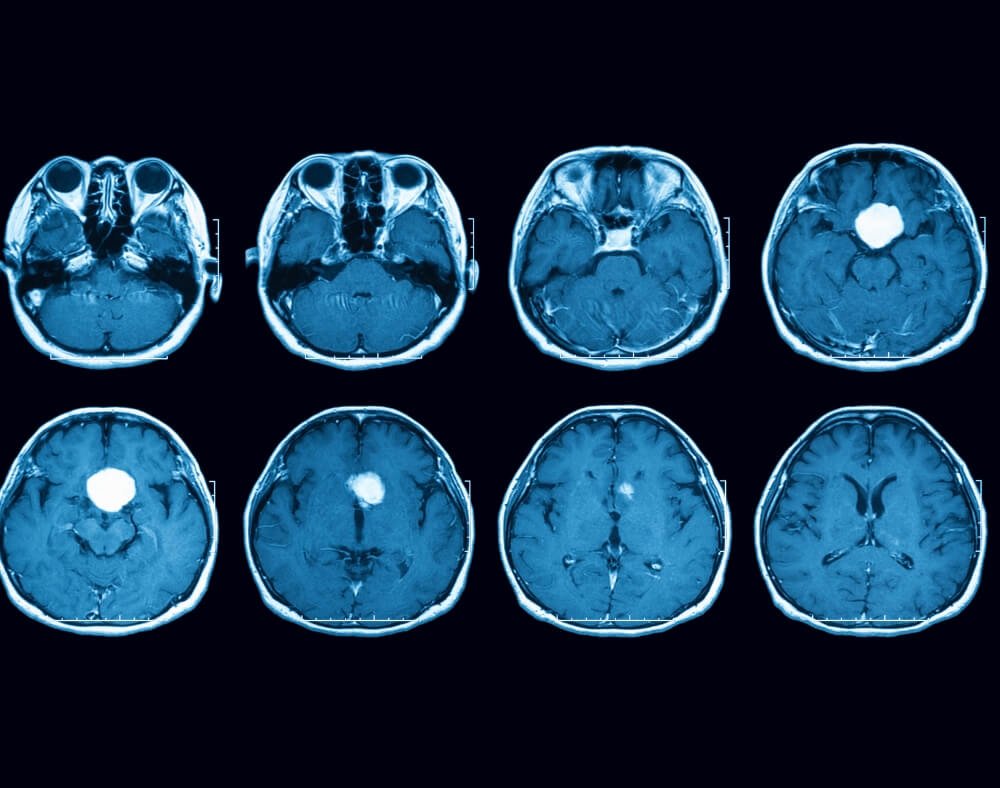
These may include brain scans which can show if there is a loss of brain cells in the FTD.

The professionals may also recommend blood tests, MRI, CT and other tests to confirm the clinical diagnosis.

This helps to rule out any other diseases because there is no single test that can diagnose this kind of dementia.

Treating bvFTD

treating bvftd
There is still no cure for this type of dementia. Doctors may, however, prescribe some medications that can help to manage the symptoms.

Some of these drugs may include SSRIs.

These are selective serotonin reuptake inhibitors that can help a person manage symptoms like irritability, agitation, and lack of motivation.

Medical practitioners will also treat other illnesses that a person may have like high blood pressure, diabetes, and high cholesterol.

Other than medications, there are other ways persons with the illness can get relief.

This includes physical exercise, getting enough sleep, therapies, and consuming a balanced diet.

This helps to ENHANCE health while IMPROVING general fitness and daily mood.

Antipsychotics may also be prescribed to take care of severe disinhibition as well as physical and verbal outbursts.

Remember that a person with bvFTD should never start taking any type of medication without consulting their doctor first.

This is because they may end up choosing the wrong type of drugs that may end up causing them harm.

Note: Because a certain type of medication works with one person, you may not automatically get the same results.

Different people usually have different experiences with frontotemporal dementia.

Examples of medications to AVOID include the ones that have powerful anticholinergic side effects.

These may include narcotics, antihistamines, muscle relaxants, central nervous system stimulates, and barbiturates among others.

An individual may also opt to join a clinical trial to see if the practitioners can make him or her feel better.

Research continues when it comes to the treatment of this illness and there may be a breakthrough in the future.

Coping with Behavioral Variant Frontotemporal Dementia

coping with behavioral variant frontotemporal dementia
The lack of an FDA approved cure means that a person with bvFTD must learn to cope with the illness to live a LONG and FILFILLING LIFE.

This includes getting help from friends, relatives, and professionals whenever they are in need.

However, many people SHY AWAY from asking for, especially when it comes to simple tasks.

It is also important to access the living environment of the person with dementia to ensure it is safe and comfortable.

A suitable retirement facility should be considered if living at home is no longer ideal.

It is also advisable for persons with the illness to get into legal planning when the dementia is still in its early stages.

Here, he or she can articulate their wishes and needs.

At some point it may be advisable to have a LIVING WILL which will spell out any medical treatments that a person may like to keep them alive as well as other decisions like organ donation and pain management.

Power of Attorney may also be necessary so that there can be a trustworthy person who can act in place of the ill individual in regards to financial and medical matters.

BvFTD Closing Thoughts

With bvFTD, it is essential to note that the length of the disease, as well as the symptoms, can dramatically vary from one person to the next.

Research shows that people who have this kind of dementia usually have a lower life expectancy when compared to the ones who have Alzheimer’s disease.

The disease usually CHANGES with time. A person can live with the illness for years.

Death may not be necessarily caused by the illness directly.

In most cases, it is because of other complications like dehydration, pneumonia, extensive pressure ulcers, UTI, fractures, falls, or vascular events.

Gut Health and Dementia (Improve It Now!)

gut health and dementia

For years, we have been looking into the connection between gut health and dementia.

This is in a bid to identify factors that CAN HELP reduce the risk of developing the progressive neurodegenerative disease.

Dementia is not an individual disease but a general term for loss of language, memory, problem-solving, and other thinking abilities that interferes with an individual’s day-to-day life.

Gut health, on the other hand, refers to a range of functions that the digestive system is responsible for.

This INCLUDES digestion, absorption of nutrients, production of hormones, and keeping a stable amount of bacteria, etc.

It has been proven both clinically and theoretically that poor gut health is one of the major causes of Alzheimer’s as well as neurodegeneration.

Connection between the Brain and Gut

connection between the brain and gut
Before digging deeper into the relationship between gut health and dementia, it interesting to learn about the gut-brain connection.

Almost everyone has had butterflies in their stomach or gut feelings.

The sensations that come from the belly suggest that the gut and brain HAVE a CONNECTION.

These two organs are connected both biochemically and physically in several ways.

The gut-brain axis refers to the communication system between the gut and the brain.

Other similarities the organs have include:

Presence of Neurons

presence of neurons
Neurons are cells that are primarily found in the nervous system and the brain that instruct the body on how to behave.

The human brain has approximately 100 billion neurons.

Surprisingly, the gut has 500 million neurons that are connected to the brain THROUGH NERVES located in the nervous system.

The vagus nerve is one of the biggest nerves in the body that connects the brain and the gut. It sends signals in both directions.

A human study found that individuals with Crohn’s disease or IBS (irritable bowel syndrome) also experienced reduced vagal tone. Meaning that a person has reduced function of the vagus nerve.

Another mice study discovered that feeding the animals probiotics reduced the stress hormone amount in their blood.

However, after cutting the vagus nerve, probiotics did not have any effect.

It goes to show that the vagus nerve IS CRUCIAL in the gut-brain axis as well as its role in stress.

Neurotransmitters

The brain and the gut are also connected through neurotransmitters chemicals. The brain produces these to control emotions and feelings.

Fascinatingly, gut cells also produce many neurotransmitters.

Research indicates that the gut produces a huge portion of serotonin a neurotransmitter that controls the body clocks and contributes to feelings of happiness.

The Immune System

The immune system also connects the gut-brain axis. Gut and gut microbes play an ESSENTIAL ROLE in the immune system as well as inflammation.

This is though controlling what is passed into the body and the things that are excreted.

If the immune system stays switched on for too long, it can result in inflammation which is linked to various brain disorders such as Alzheimer’s disease and depression.

Certain bacterial make LPS (lipopolysaccharide) an inflammatory toxin that can cause inflammation when a lot of it passes to the blood from the gut.

It mostly happens when the gut barrier is LEAKY allowing LPS and bacteria to cross into the blood.

High LPS and inflammation are associated with brain disorders like dementia, schizophrenia, and severe depression.

Microbes

microbes
Although the brain does not have any microbes, the trillions of microbes that live in the gut make chemicals that affect how the brain functions.

Gut microbes produce tons of SCFA (short-chain fatty acids) that affect how the brain works, for instance, reducing appetite.

This is because they produce SCFA by digesting fiber.

Experts agree that a healthy diet alongside lifestyle factors plays a major role in decreasing dementia risk by about a third.

Microbiome

Some professionals as a way of finding out how this is possible opted to study the gut microbiome. Which are the trillions of microorganisms that live in the human digestive tract.

Researchers discovered that certain changes in these bacteria are linked to several autoimmune and inflammatory conditions like diabetes, obesity, and inflammatory bowel disease.

Scientists also revealed that some kinds of microbiome bacteria can promote the build-up of tau and amyloid proteins. These proteins are linked to Alzheimer’s disease (AD) one of the most common causes of dementia.

Mouse studies confirmed that dietary changes can alter the microbiome which can lower inflammation, reduce amyloid plaques and in turn enhance memory.

Lipids

There is also research suggesting that an individual’s ability to metabolize specific lipids can increase the risk of developing Alzheimer’s.

Lipids can be described as fat-like substances found in the body tissues and blood that make up most of the human brain.

Senior Director of Medical and Scientific Operations at Alzheimer’s Association Heather Snyder said that if a person’s body has challenges moving around lipids, it may end up impacting the structure and function of the brain.

Let’s look at some of the studies that have been conducted regarding the connection between gut health and dementia and their implications.

Studies Supporting the Connection between Gut Health and Dementia

studies supporting the connection between gut health and dementia
Several studies have been conducted to reveal the relationship between various types of dementia and gut health.

Below we look at some of the research that has been making headlines in the dementia world.

1. Impact of Lipids

Two studies sought to discover the impact of lipids on the risk of developing Alzheimer’s. One of the studies was carried out at the University of California.

The researchers studied 800 seniors some with full-blown Alzheimer’s, others with mild cognitive impairment, and others healthy.

They discovered that the participants with Alzheimer’s also had numerous issues with lipid metabolism like having a hard time absorbing the lipids that contain DHA and EPA.

Researchers tried to give this group of people fish oil supplements, but this action did not bring the lipids back to normal.

The other study was conducted by researchers from Duke University and the University of Pennsylvania.

They discovered that LOW levels of various lipids and plasmalogens are linked to a HIGHER RISK of Alzheimer’s.

Both studies seem to indicate that when the human body does not produce certain lipids, it will also impact what is going on in the brain.

2. Can Gut Bacteria Help in Dementia Diagnosis and Treatment

Researchers in Japan conducted a study to determine whether, in the future, gut bacterial may help in diagnosing dementia and perhaps even treatment.

The team of scientists was led by Dr. Naoki Saji from National Centre for Geriatrics and Gerontology in Japan. The researchers recruited 128 participants from a memory clinic.

All the participants underwent cognitive ability assessment and the professionals also used MRI to scan their brains. Some people had dementia while others did not.

To look for differences between the two groups, the scientists analyzed stool samples. The researchers found several differences.

For example, feces collected from people with dementia recorded higher levels of phenol, ammonia, skatole, and indole. The group also had major changes in the levels of some gut bacteria.

Even though this was a small study, the authors concluded that gut microbiota is a strong and independent dementia risk factor.

More research needs to be conducted on this angle to determine the link between gut health and dementia.

Foods that can Help Improve Gut Health and Dementia

foods that can help improve gut health
Maintaining gut health may be instrumental in preserving brain health.

Certain food groups are beneficial for the gut-brain axis and some of them include:

Fermented Foods

Cheese, yogurt, sauerkraut, and kefir contain HEALTHY microbes that can alter brain activity.

Omega-3 fats

Studies in animals and humans show that omega-3s that are mostly found in oily fish increase good bacteria in the gut and can reduce the risk of brain disorders.

Polyphenol-Rich Foods

Green tea, cocoa, coffee, and olive oil are some of the foods that have high levels of polyphenols.

These are plant chemicals that increase healthy gut bacteria and can also enhance cognition.

Foods Rich in Fibre

Examples of these include nuts, whole grains, fruits, seeds, and vegetables that contain prebiotic fibres good for gut bacteria.

Prebiotics are also known to reduce stress hormones.

Implications of the Studies

implications of the studies
While the research looking into the relationship between gut health and dementia is still in its early stages, it may be a game-changer when it comes to developing better diagnostic tests for dementia in the future.

It may also offer professionals a better perspective on why some people will experience fast progression over a year while others will go through a slow progression over 15 years.

Additionally, people are advised to take care of their gut health. This will not only make them feel better but can also avoid different types of dementia and neurodegenerative diseases according to Dr. Floyd Minana D.C.

Mixed Dementia – What Is It, Symptoms & Treatment

mixed dementia

We studied and conducted a complete overview of self-explanatory mixed dementia.

People who have dementia may experience changes that represent TWO OR MORE types of dementia occurring simultaneously in the brain.

This disorder is quite complex.

There are several combinations possible which can be a mixture of one, two or even more of the types of dementia below:

The most common cases are usually a combination between blood vessel abnormalities commonly linked with vascular dementia and protein deposits usually seen in Alzheimer’s disease.

It is believed that about 10% of people with dementia also have the illness.

Scientists, however, reveal that this number could be HIGHER.

The illness may occur in different stages. These are important when it comes to guiding caregivers and physicians on how to best take care of people with this kind of dementia.

Below are seven common stages of mixed dementia.

7 Stages Of Mixed Dementia

1. No impairment

mixed dementia stages
This is where an individual can go about their business and life independently.

During this stage, there are no outward clear signs of the illness. At this stage, it is more or less if someone else suggests testing ourselves for (mixed) dementia or we read it in an article – like this one.

Since dementia starts developing years and years in advance, anyone at the age of around fifty should test themselves.

Sometimes even earlier.

2. Very Mild

very mild
The signs and symptoms at this stage also hardly manifest. Generally, there may appear normal forgetfulness signs that are associated with aging.

For instance, a person may struggle to remember the name of a loved one, but finally, figure it out after some time.

If these events start to repeat, become almost annoying, the individual should visit the doctor.

3. Mild

mild
During this point, the symptoms remain barely noticeable. A person may go on their daily lives without too much interruption.

Some people may, however, showcase symptoms such as repetition, slight memory loss, loss of concentration and difficulties managing finances such as balancing checkbooks.

Again if the person is doing the same mistakes again and again or forgetting the name of the same person, seeing the doctor is almost crucial.

4. Moderate

mixed dementia
It becomes clear at this stage that many people cannot complete routine tasks without some form of assistance.

This can be SIMPLE THINGS such as preparing meals, using the phone, changing television programs and completing laundry.

Some people also start to withdraw socially, experience incontinence and have trouble finding the right phrases or words.

5. Moderately Severe

moderately severe
During these final stages, people with this kind of dementia need help to go about their day to day lives.

Some symptoms may include an increase in memory loss, confusion regarding events, and current location.

Also, the need for a helping hand when picking appropriate clothing and tying shoelaces.

6. Severe

severe
The disease becomes worse at this stage and individuals can no longer perform duties on their own.

They may need a helping hand with a majority of their day-to-day activities including when dressing, going to the toilet, eating, walking, and sleeping.

At this time, a caregiver is almost a necessity.

7. Very Severe
very severe
The final stage is associated with signs like LOSS of muscle control, hard times with language ability, no control over urination, and losing awareness of the surroundings.

With this type of dementia, hence the name, several different symptoms and signs may occur from several other different dementias.

Mixed Dementia Symptoms
symptoms
Worth noting is that a diagnosis of mixed dementia is quite difficult.

Most people with the illness do not know that they have it because the many brain changes it involves are hard to detect.

Instead, persons are usually diagnosed with the kind of dementia that best suits the symptoms they have.

Many are the times when the disease is only seen during an autopsy rather than during life.

Depending on the dementia combination that a person has, the symptoms may vary widely.

Primarily, the symptoms are similar to those of a specific type of dementia or Alzheimer’s disease.

Some people’s symptoms may be a clear indication of the existence of multiple kinds of dementia. These may include:

Learning Difficulties

learning difficulties
Trouble remembering newly acquired information is one of the earliest signs that people with dementia have.

You can teach a person something new today and if asked about it tomorrow, they may not know what you are talking about.

The reason for this is that dementia characteristically affects the section of the brain that is responsible for learning.

As a person grows older and the disease becomes worse, they may report more severe symptoms.

These can include disorientation, changes in behavior/mood, worsening confusion of places, time, and event, and becoming suspicious of friends, family members, or the caregivers who spend quality time with the individual with this type of dementia.

Loss of Memory

loss of memory
Everyone with dementia at one point experiences difficulties with memory. It usually starts off light something that does not bother many.

Trouble sets in when the loss of memory begins to interfere with a person’s ability to perform their normal daily tasks.

Signs of this may include the increasing need to rely on aids such as reminder notes or electronic devices to remember stuff.

Some people will even forget the most important dates of their lives like their birthdays, children’s/ partner’s birthdates, doctor’s appointments, and so on.

Many people with dementia also get into the habit of asking for the same details repeatedly.

Additionally, they may also lose things frequently and leave valuable items in unusual places.

Poor Judgement

poor judgement
People with mixed dementia may have a difficult time making the right call whenever necessary.

For instance, you may find that an individual does not have control over their money.

They may become over generous giving up huge chunks of money to telemarketers and other organizations.

Such people are usually vulnerable and they need a trustworthy person to guide them since they can easily fall into the hands of conmen.

As the disease, progresses, people with the illness may start to pay less attention to their bodies ignoring basic hygiene practices like brushing teeth, taking a shower, and putting on clean clothes, etc. Grooming becomes the last thing on their minds.

Mixed Dementia Treatment

treatment
To date, treatment for mixed dementia remains a challenge for medical practitioners.

However, there is a ray of hope for people with the illness because scientific studies show that it responds well to treatment options like:

Practicing Life-Long Heart-Healthy Lifestyle

practicing- ife-long heart healthy lifestyle
Although this is not a treatment option per say, leading a healthy lifestyle can help delay or prevent the advancement of symptoms as the person with dementia grows older.

When talking about a healthy lifestyle, it means eating right.

This is where you get at least 3 or 4 healthy balanced meals. Avoid processed foods and too much sugar.

People with this type of dementia should also drink loads of plain water, stop smoking, cease drinking alcohol, and take part in exercise even when it is not too strenuous to get the heart beating as it should.

It also involves honoring doctor’s appointments so that a professional can check you out and give any advice necessary.

Different Types of Therapy

different types of therapy
Some people with mixed dementia can benefit from various therapies.

These may include:

This is where the people with the illness take part in specific activities that help to stimulate thinking skills and how they interact with other people.

Most of the time these are usually group-based.

Facilitators often include games and music to make it more enjoyable.

Therapy can also assist with any movement issues to improve the overall quality and function of life.

It is best to have these done by a certified professional to avoid making things worse.

This is because it is not an easy task and caregivers need to be trained well on what to expect.

Drugs

drugs
Worth noting is that there is no medicine yet, for a person with a combination of two or more kinds of dementia.

Doctors may, however, prescribe various medicines in a bid to treat other underlying conditions that can cause damage to an individual’s blood vessels.

These include diseases like heart problems, stroke, diabetes, high cholesterol, and high blood pressure.

Controlling these risk factors is vital because it may protect the brain from harmful vascular changes.

Some drugs can also help with a variety of symptoms.

This is where a person takes medicine to relieve symptoms such as aggression, agitation, and anxiety.

Before giving the go-ahead to take any medicine, the doctor has to assess the person’s environment and health.

Palliative Care

palliative care
Many people with mixed dementia end up in palliative care especially during the final stages of the disease.

This is the type of care that is accorded to people who have serious illnesses.

This can be done at home or in a health institution. It is quite different from the care that people receive when they are in the process of curing an illness.

The primary goal of this type of care is to enhance a person’s life quality focusing on the whole being i.e. mind, body, and soul.

Caregivers usually help persons under their care to become more independent while managing their daily lives.

They can also offer counseling and support when an individual needs these to help them feel better.

Final Thoughts


Thanks to advancements in the medical field, there are chances that as research continues to grow, mixed dementia will progressively be diagnosed and treated during life.

Experts are also coming up with new clinical trials for individuals to try and introduce new methods that will most likely manage, prevent, treat, or detect this type of dementia.

Challenging Dementia Behaviors (Complete Guide)

dementia behaviors

As a caregiver, we need to be familiar with challenging dementia behaviors and how to approach them the right way.

People who have dementia will often start to exhibit some behaviors that people around them may not understand.

This typically happens as the disease progresses where, in most cases, the sickness brings out a DIFFERENT PERSONALITY from the one the person usually has.

For instance, a loved one with dementia may start to use vulgar language, always using some unutterable words in their sentences even though they have NEVER DONE so their entire life.

In some cases, a person who was once bubbly, fun, and outgoing may all of a sudden withdraw from their circles, wanting to spend more time by themselves.

About 30-90% of people who have dementia will suffer from multiple behavioral disorders.

When such CHANGES happen, it can be difficult for relatives, friends, and other people around the ill person to comprehend what is going on.

Below we will help you understand challenging dementia behaviors.

Examples of Challenging Dementia Behaviors

examples of challenging dementia behaviors
Other than swearing and changes in personalities, there are other challenging behaviors dementia patients may showcase like:

  • Hoarding
  • Repeating the same activity or question
  • Sleep disturbance and night-time waking
  • Apathy
  • Disrobing
  • Following a spouse or partner everywhere
  • Paranoia
  • Agitation or anger
  • Restlessness, fidgeting, wandering, and pacing up and down
  • Obsessive-compulsive behaviors
  • Inappropriate sexual behavior
  • Physical aggression, etc.

What Causes Challenging Behaviors?

what causes challenging behaviors
It is important to note that dementia usually affects the human brain NEGATIVELY.

The brain, on the other hand, is one of the organs that control a person’s behavior.

This implies that the illness does not only affect memory and thinking but behaviors as well.

In essence, there are three types of factors that bring about baffling dementia behaviors.

Main factors for challenging behaviors

1. Physical causes – These can include illness or discomfort.
2. External/environmental causes – This can be anything from a different routine to an environment that overstimulates the person who has dementia.
3. Cognitive/psychological causes – These include factors like paranoia or confusion

Responding to Dementia Behaviors

responding to dementia behaviors
There is no scientific way of dealing with some of the behaviors that people with dementia start to showcase along the way.

Most of the time, caregivers must TRY and FIGURE OUT what is causing a specific behavior to know to respond effectively or try and prevent the cause altogether.

For example, you may notice that certain things trigger these puzzling dementia behaviors. It may be the ill person only acts in a specific way at the same time of the day.

They may be doing this as a way of communicating their needs because most people with dementia usually develop communication problems.

You may also want to consider TOO MUCH noise or clutter as a trigger.

It is usually helpful to keep a diary for one or two weeks.

These can help you identify the triggers that will reduce or eliminate behavioral problems.

Experts also advise that caregivers should ensure that the suffering person under their care maintains a HEALTHY social life.

Persons with dementia should also continue to participate in the activities they enjoy or identify new ones that make them happy.

Additionally, gentle exercises might also help to reduce those behaviors that may seem out of character.

Additional Support

Other steps that a carer can take to assist include:

Caregivers need to REMAIN positive, patient, and calm when dealing with daunting dementia behaviors.

Never try to use force or argue with a person who is going through challenging behaviors because of the illness.

They also need to avoid lengthy explanations because it is usually hard to reason with a person who has dementia.

It is also advisable for caregivers to take short breaks when feeling overwhelmed by all the behavioral changes.

SEEKING help from others can also help pinpoint new solutions that will take care of the current problems.

When it is not possible to handle these behaviors alone, it may be time to see a physician.

The professionals might prescribe some medication that will help with behavioral issues.

Treating these problems is CRUCIAL because it helps to improve the quality of life of the carer and the person with the illness.

It may also help to prevent untimely institutionalization.

It is not unusual for a person to feel hurt or experience frustration when a loved one with dementia is going through perplexing dementia behaviors.

However, even when going through this wide range of emotions, it is vital always to remember that the changes in behaviors are a result of the sickness and it is not a PERSON’S CHOICE.

These can help you better cope with these feelings for the good of all parties.

Pick’s Disease and Connection with Dementia

pick's disease

Are Pick’s disease and dementia/Alzheimer’s disease in any way connected?

Around 50,000 to 60,000 Americans suffer from bvFTD (behavioral variant frontotemporal dementia).

It is one of the causes of dementia that specifically affects the temporal and frontal lobes in the brain.

This can also be referred to as Pick’s disease.

Reports indicate that it was first described in 1892 by Arnold Pick, a Czech psychiatrist and neurologist. The disease got its name from this doctor.

What Causes Pick’s Dementia?

Earlier on, frontotemporal dementia and the disease were terms that were used interchangeably. Today, the illness is understood to be one of the causes of frontotemporal dementia.

The illness develops when there is an abnormal collection of tau proteins in the temporal and frontal brain lobes

These protein clusters are called Pick bodies.

The Pick bodies interfere with the brain’s transport system, which means that nutrients do not get to their destination.

As a result, some brain cells begin to die off, causing irreversible brain damage. This ends up causing behavioral, emotional, and cognitive changes in a person’s functioning.

It is mainly because the frontal lobe of the brain controls essential facets of a person’s everyday life which can include multitasking, inhibition, judgment, and planning, among others.

The temporal lobe, on the other hand, primarily affects language. The same thing happens to individuals who have other types of dementia.

Symptoms of the Pick’s Disease

symptoms of the disease

When a person has Pick’s illness, there are certain symptoms they can showcase, such as:

  • Sudden mood changes
  • Poor personal hygiene
  • Depression-like symptoms like disinterest in activities or people they loved before
  • Repetitive behavior
  • Hard time keeping a job
  • Withdrawal from social interactions/poor social skills
  • Inappropriate or compulsive behavior
  • Changes in eating habits where an individual starts to eat greedily or overeats consuming too many sweets or large amounts of alcohol. The person may end up gaining weight.
  • Selfishness
  • Agitation
  • Changes in sexual behavior
  • Childlike behaviors
  • Apathy
  • Irritability, etc.

A person may also experience neurological and language changes like:

  • Reduced reading or writing skills
  • Shrinking vocabulary
  • Difficulties speaking, inability to speak, or trouble understanding what others are saying
  • Repeating or echoing what another person says
  • Stuttering
  • Copying simple shapes with a paper and pencil becomes challenging
  • Rigidity
  • Physical weakness
  • Muscle stiffness

Occasionally, people with the illness will also experience:

  • Problems moving
  • Challenges with incontinence
  • Trouble with coordination

It is important to understand that the symptoms of this illness may vary widely from one individual to the next.

The symptoms of the illness are usually progressive which means that they become worse as times goes by.

The rate of worsening may also vary from one individual to another.

In most cases, memory loss does not happen immediately. This usually comes in in the later stages of the illness.

It is important to seek medical attention as soon as one spots any of the above symptoms. This is because an expert can differentiate between the disease and Alzheimer’s during early onset.

A person can also get Pick’s illness at an earlier age than what is common for Alzheimer’s.

Some people will develop the disease when they are in their 20s although most people will get a diagnosis from ages 45-70.

Studies also show that more men than women get the disease.

When to See a Doctor about The Illness

pick's disease leading to dementia

Changes in mood, personality, and behavior, especially in middle-aged persons, can be a signal of the disease.

It is advisable to consult a health care provider if these changes start to interfere with:

  • How a person looks after themselves
  • An individual’s interest in participating in activities they enjoy
  • A person’s ability to maintain safety and health
  • An individual’s ability to effectively work at their job
  • A person’s ability to sustain relationships
  • How an individual handles daily tasks

One of the reasons it is important to have symptoms thoroughly checked is the fact that a majority of conditions that lead to dementia are reversible.

These include both psychological and medical problems that affect middle-aged persons and seniors as well.

When you see a doctor on time, he or she will be in a position to treat the curable conditions or at least slow them down if they cannot be stopped.

Early diagnosis of the disease also facilitates the start of early treatment.

It is usually the best time because it enhances the chances of symptoms improving.

Furthermore, it also allows the person with the illness to have ample time to plan for their future.

It may include making the necessary arrangements for care when they are no longer in a position to fully take care of themselves or make sound decisions.

Diagnosing Pick’s Disease

diagnosing picks disease
To date, there is no single test that doctors can perform to confirm that an individual has the illness.

The only way to confirm that a person has the disease is by studying the brain directly to identify the swollen neurons and Pick bodies.

The brain needs to be biopsied to make this possible.

This implies that a neurosurgeon takes a small part of the brain for testing. A pathologist will then examine the brain tissue using a microscope.

This typically happens during an autopsy after death.

When a person is alive, doctors study a person’s medical history and use special imaging tests and other tools to perform the diagnosis.

After taking a complete medical history, a qualified medical practitioner may also:

  • Ask the person to complete various writing and speech tests
  • Conduct detailed neurological examination and physical examination
  • Use PET, CT, MRI scans to look at the brain tissue
  • Talk to family members to learn about an individual’s behavior
  • Lab tests: These usually include blood tests so that the experts can rule out blood disorders, infections, hormonal disorders, chemical abnormalities, kidney or liver issues that may cause dementia symptoms

Biopsy is also becoming a popular method for offering a definite diagnosis when an individual is still breathing.

Many families are opting for this route because, in the absence of biopsy, diagnosis is based on symptoms plus ruling out other medical conditions.

Research suggests that about 25% of the people with this illness usually receive a gene from a parent that causes it.

It is still not clear what happens in other cases.

Treating Pick’s Disease

treating pick's disease
Just like the other forms of dementia, there are still no known cures for the illness.

However, doctors usually prescribe some treatments that can help deal with the symptoms of the disease.

For instance, a person may be under antipsychotics and antidepressants to help take care of behavioral and emotional changes.

The treatment aims to maximize the comfort and functioning of the people with the illness as much as possible.

Self-Care for People with Pick’s Disease

self care for people with the disease
A person with Pick’s disease should try their best to remain socially, mentally, and physically active.

Some of the things that an individual can engage in include:

1. Physical exercise

It will help to maximize mind and body functions while maintaining a healthy weight. This does not have to be something strenuous.

Something simple like taking a brisk walk for at least twenty minutes a day might do the trick.

Consuming a balanced diet for all meals and avoiding smoking and drinking too much alcohol might also help.

2. Mental exercises

Individuals are advised to participate in as much mental activity as they can handle.

Experts believe that mental stimulation may slow down the progression of the illness.

Reading, games, puzzles, crafts, and safe hobbies are examples of some excellent choices.

We have an in-depth article written on cognitive and physical exercises for dementia.

3. Social interactions

These are not only enjoyable, but they are also stimulating for a majority of people with the disease.

Many community or senior centers have a long list of scheduled activities perfect for those people with the illness.

Research on the Illness

Many institutes, including NINDS (The National Institute of Neurological Disorders) continue to invest in the research of the disease.

Among the multiple research projects include studying the harmful effects of protein build-up and how this relates to the development of frontotemporal dementia.

Additionally, experts seek to identify the genes that are involved with this medical condition.

This can help to identify effective therapeutic approaches that will facilitate the delivery of normal genes in the hope that this will restore or enhance brain function.

Other research projects may also help people get a better understanding of the disease.

This is in regards to the doctors and caregivers who deal with people with the illness as well as the individuals who have the illness.

Life Expectancy and Prognosis

life expectancy and prognosis
A person can live with Pick’s disease for an average of five-to-nine years.

Some people, however, survive for two decades or more with the illness.

During the early stages of the disease, a person may remain independent and able to do a majority of things on their own.

As time goes by, they may need assistance to complete their day-to-day activities well.

In the advanced stages of the illness, things typically take a different turn where an individual may need to be under 24/7 care.

As with any other dementia type, it is a challenging illness for the persons experiencing it as well as the caregivers.

A report by California University revealed that the symptoms usually progress over eight-to-ten years.

When the symptoms first start appearing, it may take several years before a person goes in for the correct diagnosis.

These are some of the factors that reduce the average span between diagnosis and death to less than ten years.

The origin of the illness remains unknown. Common causes of death may include skin infections, heart failure, urinary tract, and lung diseases.

Gum Disease and Alzheimer’s (Cause?)

gum disease and alzheimer's

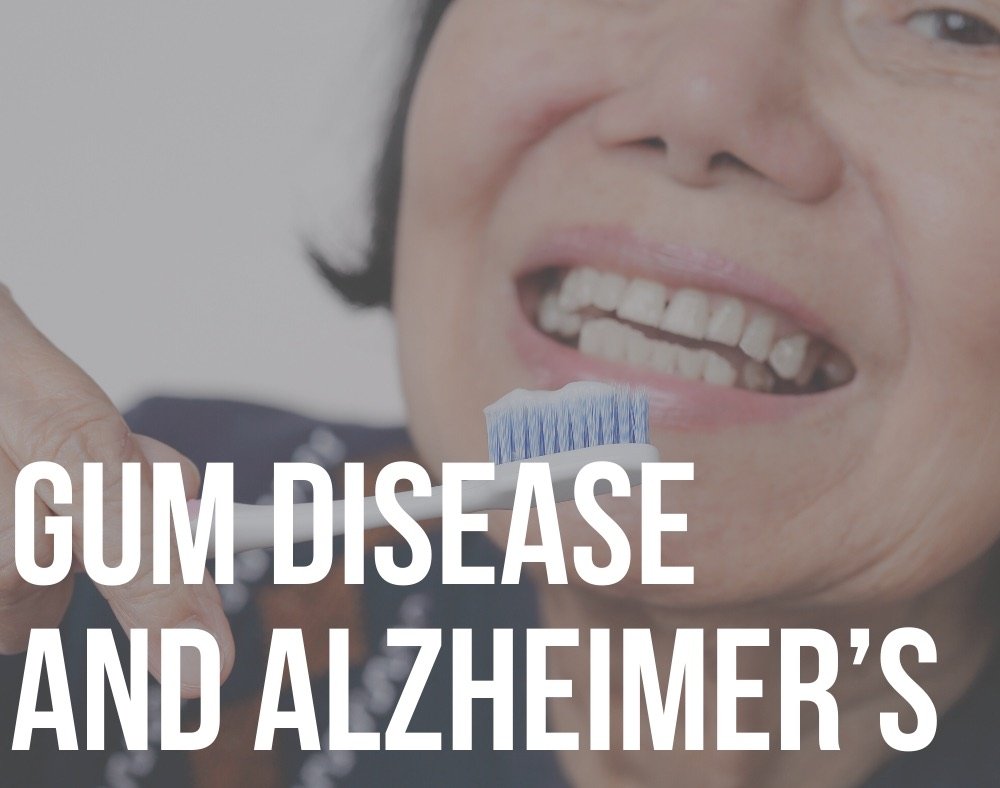
Many professionals conducted studies on the possible connection between gum disease and Alzheimer’s. Is there a link? YES and no.

Experts continue to discover startling results regarding the causes of Alzheimer’s as they persistently conduct multiple studies.

One study concluded that gum diseases might increase the risk of developing Alzheimer’s disease. Researchers who conducted the study found that there is a link between the bacteria that cause gum disease and Alzheimer’s Disease.

Does Gum Disease Cause Alzheimer’s?

This discovery might also open up more treatment ways for progressive neurodegenerative disorder. Some doctors and researchers, on the other hand, are not too sure about this discovery.

Let’s try and decipher whether it is possible to link Alzheimer’s to gum disease.

How the Conclusion Came To Be

causes of gum disease and Alzheimer's
Researchers who support the notion that gum diseases can lead to Alzheimer’s studied the brain tissue of people who had died with Alzheimer’s.

Most of the researchers in this study were part of a private biotech firm that goes by the name Cortexyme.

Others were working in various Universities in America like the University of California and Harvard University School of Dental Medicine.

Some employees at the Jagiellonian University in Poland, the University of Melbourne and the University of Auckland were also part of the study.

Researches on gum disease and Alzheimer’s

The researchers published their study in the Science Advances Journal.

The experts claimed to have found Porphyromonas gingivalis in the tissues. This is a bacteria that triggers gingivitis (gum disease).

This is one of the primary pathogens that make people suffer from gum disease.

Additionally, they also observed that the spinal fluid from people living with Alzheimer’s contained the bacterium’s DNA.

To further support their results, the team also detected that the brain samples of many people with Alzheimer’s had the presence of toxic enzymes that the bacterium produces.

The brain samples that recorded higher amounts of gingipains also had high amounts of ubiquitin and tau proteins that, for a long time, have been linked to Alzheimer’s.

Some experiments involved mice

The tests did not stop with human beings. The professionals also worked on several experiments with mice.

The results suggested that there is a connection between Alzheimer’s and the bacterium that causes gum diseases.

Infections and Alzheimer’s Disease

The researchers in a bid to find more conclusive results infected the gums of healthy mice with P. gingivalis.

They later observed that this bacteria was present in the brains of the mice. Other than this, there was also damage to the neurons of the animals and higher levels of beta-amyloid (a protein) in the brain tissue of the mice.

Previous studies confirmed that when beta-amyloid proteins clump together, they form what is known as plaques in the brains of people who have Alzheimer’s disease.

After this move showing a positive connection between gum diseases and Alzheimer’s, the researchers were also able to get rid of the infection caused by P. gingivalis in the brains of the mice. This was through the use of a molecule that blocks and binds to the gingipains.

As a result of clearing the infection, there was also a reduction in neural damage and the production of beta-amyloid.

The researchers explain that this was possible because the bacteria feeds on enzymes to produce energy and gather nutrients.

Naturally, because their work had positive results on mice, the researchers were positive that this was a treatment option for people who are living with Alzheimer’s.

What Was The Research All About?

research on gum disease and Alzheimer's
As seen above, the study was a combination of laboratory experiments on the brains of mice and those of humans.

The researchers observed post-mortem brain tissue samples from about one hundred people with and without Alzheimer’s.

They wanted to know if the brains of the people with the illness had more gingipains.

Cerebrospinal fluid and saliva that surrounds the brain and spinal cord were also put under test to confirm if there was the presence of P. gingivalsis DNA.

The experts also worked with cultured cells grown in a lab. These were infected with P. gingivalis to observe the effect it had on proteins that are usually present in the brains of people who have the illness.

Regarding the experiments on mice, the experts sought to know if infecting mice with P. gingivalis would make bacterial show up in the brain of the mice.

The mice also got a substance that inhibits gingipains to see if it would effectively treat gingipain infection.

The experts also wanted to know how this treatment compares to other antibiotics that people with gingivitis use. The researchers in this study found that more than 90% of the brain tissue from individuals with Alzheimer’s had gingipains.

The concentration was higher in persons with Alzheimer’s. P. gingivalis DNA was also present in a majority of the cerebrospinal fluid samples and all saliva samples.

All the mice also showcased signs of brain infection after a month and two weeks. After this, the researchers state that the findings of their study provide evidence that gingipains and P. gingivalis play a significant role in the development of Alzheimer’s.

Previous Evidence

previous evidence
In the past, there have also been other studies that link gum diseases and Alzheimer’s.

One of them is a Taiwanese Study that uncovered the fact that people with a decade or longer history of CP (chronic periodontitis) were more likely than individuals without the condition to develop Alzheimer’s by a whopping70%.

Another study also indicated that person’s with moderate to mild Alzheimer’s with gum disease experience faster cognitive decline rates when you compare them to the other ill people without dental issues.

How Does the Bacteria Travel to the Brain

how does the bacteria travel to the brain
When looking at the possible link between gum diseases and Alzheimer’s, it is also important to touch on how the bacteria makes its way to the brain.

P. gingivalis is responsible for causing gum diseases like periodontitis. This is a bacteria that is quite common, seeing that one person in a group of five people under thirty usually has some level of the bacterium in their gums.

When this grows uncontrollably, it can trigger an immune response that can lead to inflammation increase. This is usually a key factor that is associated with Alzheimer’s. Experts reveal that it is very easy for P. gingivalis to travel to the brain from the mouth using the mouse model.

To show evidence of this, researches infected healthy mice with the bacterium and later found it in the brain. The experts concluded that bacterial from gum diseases might access the brain by spreading through cranial nerves via the jaw and head or through the infection of immune system cells.

Reasons some Doctors Refute the Results of the Study

reasons some doctors refute the results of the study
Even though some experts agree with the fact that there is a connection between gum diseases and Alzheimer’s, others claim that there is no way this is possible.

Dr. Rawan Tarawneh an assistant professor and cognitive neurologist is one of the professionals who does not believe that it is possible to link Alzheimer’s to gum diseases. He claims that the research has numerous limitations.

For one, he says that the research does not showcase strong evidence to support the cause and effect relationship between Alzheimer’s and P. gingivalis. He also points out that the researchers should take time to search for amyloid deposits in people’s brains and not just in mice.

A Ph.D. professor of neurology Rudolph Tanzi also supports this, saying that the study is still so small; thus, there is no need for overhyping the results.

He said that there was still a need for other researchers to take up the study in a bid to provide more conclusive results that the industry can use without any doubts.

Worth noting nonetheless is that the study is still very young and as time progresses and researchers can offer more evidence, some professionals may end up changing their stand on this topic.

Gum Disease and Alzheimer’s- The Way Forward

the way forward
Despite some professionals saying that there may be no link between gum diseases and Alzheimer’s, participants of the study are starting clinical trials that will test a drug that is similar to the one they used on mice.

The experiments may give scientists and other professionals better insight on the role that P. gingicalis plays in Alzheimer’s development.

The drug, however, still has a long way before the FDA approves it.

Closing Remarks

While a section of experts can prove that there is a link between gum diseases and Alzheimer’s, ultimately, it may not be right to state that a single infectious agent or toxin is responsible for causing Alzheimer’s disease in everyone who has the illness.

This is because numerous factors may be involved in the development of the disease that takes about 15-20 years to run its course.

These may include genetic predispositions like APOE4, gender, and age, amongst others.

Regarding dental hygiene, extensive research still needs to be done to determine its true relationship to Alzheimer’s. This said, it is vital to take care of your dental health every day. Brush your teeth, floss, and visit a dentist regularly.

This way, you may escape being at higher risk of developing Alzheimer’s because of neglecting dental hygiene.

If you happen to have any gum diseases, treat them right away.

Experts also link these to other health problems, including heart diseases, diabetes, and stroke.

Pneumonia and Dementia: Causes, Symptoms, Treatment

pneumonia and dementia

There is a close correlation between pneumonia and dementia, which we need to be aware of to take action accordingly.

Persons with dementia are prone to different types of infections one of the most frequent being pneumonia.

This is a serious respiratory infection that is common in seniors with or without dementia.

Types of Pneumonia

There are three types of pneumonia.

Bacterial Pneumonia

bacterial pneumonia
This is the most severe form of pneumonia that needs a person to take antibiotics for treatment.

Elderly people living in care homes or hospitals are at a greater risk of catching bacterial pneumonia.

Unfortunately, hospital-acquired pneumonia tends to be more resistant to treatment.

The primary reason why it is common for seniors to get pneumonia while in the hospital is because they spend a lot of time in bed.

Vital Pneumonia

vital pneumonia
This is typically caused by the viruses responsible for flu and colds and tends to be prevalent during cold weather.

It is mainly responsible for mild pneumonia that children get.

Aspiration Pneumonia

aspiration pneumonia
This is another type of pneumonia that is common in older people with dementia. This develops when liquid or food goes down the windpipe instead of the food pipe.

It is the case because some people with dementia usually have trouble swallowing which increases their chances of breathing foods and drinks.

Sadly, this is also among the leading causes of death among golden-agers with dementia.

Knowing the different types of pneumonia let’s explore other aspects of pneumonia and dementia below.

Causes of Pneumonia in Persons with Dementia

causes of pneumonia in persons with dementia
Pneumonia will mostly attack people who have dementia because of a compromised immune system.

The progressive disease weakens the immune system which paves the ways for the development of other medical conditions.

Symptoms of Dementia

symptoms of dementia
When talking about pneumonia and dementia, it is important to know how to spot the disease. Signs that might indicate a person has pneumonia include:

  • A cough that has brownish, green, or yellow phlegm. Sometimes this may even have bloodstains
  • Rapid heartbeat
  • Difficulty breathing
  • Shivering, sweating, and generally feeling ill
  • Fever
  • Fatigue
  • Wheezing while breathing

Rib and chest pain

Pneumonia in the elderly can be painful. Chronic coughing can lead to rib pain.

After heavy coughing, a senior might fracture their ribs or in some rare circumstances cause spinal issues like vertebra alignment problems or slipped disk.

Increased confusion

With older people, pneumonia can be the cause of disorientation and confusion. Some people may complain about having challenges thinking or have a hard time explaining things that would have been easier.

This can be made worse by the fact that they are already suffering from memory loss because of dementia.

If you spot any of the above, it is important to see a GP immediately. It may be hard to ascertain for a fact that your loved one has the infection.

A professional doctor will use a stethoscope to check for any rattling or crackling sounds in the chest.

The medic can also arrange for several tests including sputum, blood, and x-rays to identify the virus or bacteria that is causing the infection.

When pneumonia is caught early and proper treatment administered it can clear from a person’s system within 7-10 days.

People, however, feel tired and weaker for longer.

Treatment

treatment
In the case of viral pneumonia, a person may need to take antiviral drugs. This is, however, not common because bouts of viral pneumonia may heal without the use of medication.

Taking fluids in plenty, eating healthy and resting can see a person heal after some time.

Most doctors will recommend antibiotics and plenty of rest to treat bacterial pneumonia. Studies show that persons who are take antibiotics get at least six more months to live.

There is, however, still a huge debate as to whether the antibiotics work as they should in regards to pneumonia and dementia.

This is because about 40% of seniors who die from dementia are usually found to be taking antibiotics a short while before they pass one.

Research suggests that caregivers should determine the goal of care before they go ahead and administer the antibiotics.

Antibiotics may sometimes cause inconvenience

Studies reveal that while antibiotics may give an individual more time to live, they can also be the case of a decrease in comfort rates.

Antibiotics may cause adverse side effects like severe digestive upset and multiple allergic reactions.

This means that if the goal is to offer as much comfort as possible, antibiotics can be out of the question.

Aggressive administration of antibiotics should only happen when the goal is to help the individual live longer.

This is one of the reasons persons with dementia need to have advance medical directives. They need to be asked what treatment techniques they prefer later on in the disease before severe mental and physical decline.

This way, anyone taking care of the person will execute the wishes of the ill person correctly. These wishes can be highlighted in a living will.

The individuals also have the option of appointing one of their friends or family members to serve as the power of attorney for their healthcare decisions.

These are crucial documents that guarantee protection to the affected person when they can no longer make “sane” decisions.

How Antibiotics are Administered

how antibiotics are administered
If the doctor agrees to antibiotics treatment for pneumonia and dementia the drugs can be administered in two major ways.

1. Pills to swallow
2. Injections

The strongest antibiotic types are given by an IV (intravenous) infusion or injection. This sends the medicine to the veins directly through a tube or needle.

Anyone subject to IV antibiotics may require frequent hospitalization and blood tests.

As an alternative, the person taking the drugs can work with a nurse at home who will be administering the antibiotics when necessary.

In some cases, restraining the person taking the medicine may be inevitable.

This is because dementia in the middle and later stages can make an individual confused; thus, may not understand why they need the IV and want to get rid of it.

Ways to Prevent Pneumonia

ways to prevent pneumonia
Seeing that pneumonia can cause tragedies, it is better to focus on preventive measures. This will help older people with pneumonia and dementia to prevent loads of suffering.

Some of the ways to prevent pneumonia are:

Vaccines

Some vaccines can prevent some types of pneumonia from attacking people with dementia. The pneumococcal vaccine is the most common which helps to prevent over 20 bacterial pneumonia strains.
Experts reckon that the vaccine is only effective for a short period when given to older persons.

Doctors recommend that a person gets their first dose after they turn 50 and the other one at 65. They should then get new doses after 5 years.

This said, it is important to mention that the vaccine does not always engender excellent immune response in grown-ups; thus, it will not always work well.

An influenza vaccine can also help adults get milder flu attacks.

Get the person to move about

This is especially important if one is in the hospital and spends most of their time lying in bed.

Moving around and exercising as much as possible can help reduce the risk of getting the infection.

If the affected person is not fit to do a lot of walking simply sitting upright on a chair can do a lot of good.

This will help the lungs expand so that it is easier to clear the lungs and cough.

Quit smoking

pneumonia and dementia
Smoking causes damages to the lungs; hence, it makes pneumonia more likely.

Persons with dementia should stay away from smoking because it also decreases the body’s ability to fight the infection.

Limit alcohol

Alcohol misuse is one of the factors that increase the risk of not only developing pneumonia but also making it more severe.

It has been known to make swallowing challenging which can lead to aspiration pneumonia. If a person does not want to quit drinking, let them limit it to a pint or glass of wine.

Good hygiene

This can also help keep pneumonia at bay since the infection also spreads by inhalation and contact. It is advisable for people to frequently wash their hands or use sanitizer.

Dispose of used tissues immediately is also highly recommended. Individuals with pneumonia should also use a handkerchief while coughing to avoid spreading germs.

Healthy diet

healthy diet to prevent pneumonia and dementia
While eating right will not cure pneumonia studies show that individuals who eat a diet rich in vegetables and fruits are less likely to develop respiratory infections.

Dark leafy greens, berries, tomatoes and citrus fruits are examples of food rich in antioxidants that can help the body recover from infections quicker.

Ensuring a person is awake and upright while eating

This will majorly prevent aspiration dementia. When a person concentrates on eating and drinking, it will reduce the chances of the food going down the wrong pipe.

At some point changing the texture of food by pureeing or mincing may be necessary. Thickening fluids can also make them easier to safely swallow.

Pneumonia and Dementia Final Thoughts

A huge percentage of people with dementia end up dying when they develop pneumonia.

It is vital to pay close attention to pneumonia and dementia in a bid to maximize life quality and expectancy.

Late Onset Alzheimer’s Disease

late onset alzheimer's disease

It is known that late onset Alzheimer’s disease is the most common one in older adults.

But first, let’s take a look at the bigger picture, causes, factors, symptoms and treatments of Alzheimer’s disease.

Different people develop Alzheimer’s disease (AD) at different stages in their lives. For some, a positive diagnosis happens before they turn 65 years, which is mostly in their 40s or 50s.

This is known as early-onset Alzheimer’s.

Others, on the other hand, will get the disease when they are 65 years or older. This is known as late onset Alzheimer’s, and it is the most common form of the illness responsible for about 90% of Alzheimer’s cases.

The irreversible disease is a leading cause of death in seniors behind heart disease and cancer.

Let’s explore this illness in detail below.

Causes of Late Onset Alzheimer’s disease

causes of late onset alzheimers disease
To date, scientists and other parties involved have not been able to pinpoint the exact cause of this illness.

The question of why some individuals get it and others do not remain a mystery.

Researchers have not yet identified a particular gene that is behind the development of Alzheimer’s.

While some say that Alzheimer’s is hereditary, the fact cannot be substantiated because it may or may not run in the family.

There are instances where both parents may get the illness and their child does not end up getting it.

What factors are behind the development of the disease?

the stages of late onset Alzheimer’s
Experts agree that Alzheimer’s is likely not the result of a single cause, but a combination of environmental, genetic, and lifestyle factors.

For instance, a mutation of the ApoE gene is believed to increase the risk of developing Alzheimer’s after hitting 65 years.

Conversely, it is not the cause of the illness. The National Institutes of Health states that ApoE is responsible for how cholesterol moves in the blood.

Some studies suggest that individuals who have high cholesterol levels and high blood pressure are at a higher risk of developing Alzheimer’s.

Recent research also suggests that viral and bacterial infections play a significant role in the development of the illness.

Because of ongoing research, scientists are positive that soon they will be able to come up with a detailed explanation of the multiple Alzheimer’s causes so that people can have a better understanding of this disease.

Symptoms of Late Onset Alzheimer’s disease

symptoms of late onset alzheimers disease
AD affects people in different ways.

The most common symptom pattern, however, usually starts with continuing challenges in remembering new information.

This happens because the neurological disorder affects the hippocampus, which is the part of the brain that is responsible for memory and learning.

Other warning signs

Other warning signs of this disease include:

Symptoms of Alzheimer’s (late onset) typically begin to show when a person is in their mid-60s.

Because Alzheimer’s is a progressive disease, the symptoms become worse as the neurological deterioration progresses.

During the later stages of the disease, the affected person may have to get into 24/7 care because they are not able to live independently.

Alzheimer’s disease Diagnosis

alzheimers disease diagnosis
Experts are continually working on techniques to identify the earliest stages of Alzheimer’s in a bid to offer early intervention effectively.

This, in turn, helps to delay significant impairments.

For the longest time, a thorough post-mortem microscopic brain examination was the definitive way to diagnose Alzheimer’s.

This was not helping too much because the diagnosis needs to be made when a person is alive.

What’s necessary for AD diagnosis

Nowadays, experts can diagnose AD with over 95% accuracy in living humans.

A combination of tools come into play including:

  • A person’s medical history plus that of their families
  • Neuropsychologic tests to assess cognitive function
  • Multiple laboratory tests: medics usually conduct this to identify secondary causes of the illness such as medical conditions that are common with golden-agers. These might include blood count, glucose levels, serum electrolytes, Vitamin B12 Hepatic function panels, creatinine ration, and so forth.
  • Neuroimaging: this helps to table appropriate details on brain structures to help exclude treatable conditions

The list above is not exhaustive but covers the most essential AD diagnosis tools.

Because people experience the illness differently, a doctor may prescribe more tests to conduct the diagnosis comprehensively.

In regards to diagnosis for late onset Alzheimer’s, it is important to note that misdiagnosis is bound to happen in some cases.

This is because the illness shares symptoms with other medical disorders. It is the reason it is crucial to get a proper diagnosis to manage the disease better.

Treatment for Late Onset Alzheimer’s disease

treatment for late onset alzheimers disease
Despite ongoing research and studies, experts have not come up with a cure for AD. This does not mean that a positive diagnosis implies suffering and immediate death.

People who have this illness can live up to 8 years or more after the development of the disease. A couple of factors can affect longevity such as:

1. Gender

Many studies suggest that women live longer than men after Alzheimer’s diagnosis.

2. Brain abnormalities

Persons who have a combination of Alzheimer’s, brain, and spinal cord issues tend to die faster than those who do not have all these medical conditions.

The same applies to other health problems where individuals with diabetes or heart attacks have shorter lifespans than people who do not have other complicating health factors.

3. The severity of symptoms

Persons who have severe motor impairment like tendencies to get lost or wander and falls tend to have shorter life experiences.

Several coping mechanisms are put in place to help individuals with the disease live fuller, more independent, and satisfying lives for the longest possible time like:

Use of Medication

use of medication
Certain medicines are available to help reduce symptoms of Alzheimer’s temporarily such as:

AChE inhibitors

Acetylcholinesterase are drugs that help to increase acetylcholine levels in the brain. This is a substance that helps to improve communication between nerve cells.

Only specialists like neurologists or psychiatrists can prescribe the drugs.

A general GP can also do it but it has to be under the direction of the specialists.

Most recent guidelines recommend that the people who should take the medicines are the ones in the middle or severe stages of the illness.

Persons on these medications need to be aware of some side effects they may experience.

The most common ones include loss of appetite, nausea, and vomiting. For most people, side effects get better after some time of taking the medication.

Memantine

This is a drug that has been designed to block the effects of excess glutamate a chemical in the brain. Persons can use this for moderate and severe Alzheimer’s.

It comes in handy for individuals who cannot tolerate AChE inhibitors.

Additionally, people who are on AChE inhibitors can also take the drugs. The known side effects of these medications include temporary constipation, headaches, and dizziness.

To get more fine points about the side effects, consult a professional or doctor for an individual consultancy.

Physicians might also prescribe other medicines like antidepressants that can help deal with behavioral changes.

Therapies

therapies
Treatment can also involve different types of therapies that are beneficial when caring for a person with Alzheimer’s. These can include:

Cognitive rehabilitation

This is where the ill person works closely with an occupational therapist or any other professional to achieve a personal goal.

This can be anything from learning how to use a phone, computer, or completing a daily task.

This rehabilitation aims at getting the parts of the brain that are working to assist the ones that are not functioning as they should.

Reminiscence

This involves talking about events and things from a person’s past.

The use of props such as music, photos, and other possessions, can make this exercise more productive.

You can combine this with life story works that involve a collection of notes, photographs, and keepsakes from the suffering individual’s childhood through old age.

Studies show that these are effective when coping with late onset Alzheimer’s because it helps to enhance good mood and wellbeing.

Preventing Late Onset Alzheimer’s

preventing late onset alzheimers
Similar to the cure situation of Alzheimer’s, there is still no sure way of preventing the development of the disease.

Experts continue to conduct multiple studies on preventive measures, but the results are usually inconsistent.

However, several lifestyle factors might help to reduce the risk of the illness, such as:

Diet

Studies suggest that earing right might help keep the disease away.

You should purpose to always indulge in a balanced diet that mainly constitutes fruits, vegetables, healthy fats, and whole grains.

Physical Movement

Evidence puts forward the benefits of exercise for the brain, which may help reduce the risk of suffering from progressive disease.

Intellectual activities

Research suggests that exercising the brain through activities like writing, reading, playing games, and doing puzzles help stimulate the brain health.

Anyone who has Alzheimer’s must consult a healthcare professional first before making any key lifestyle change to be on the safe side.

Closing Remarks

More elderly people are getting a positive diagnosis of late onset Alzheimer’s disease. Management of the illness is quite complex because there is no cure.

There is a need for a comprehensive care approach that not only focuses on the person with the disease but caregivers as well.

Early diagnosis is beneficial because affected individuals can then work closely with their relatives and doctors to lead fuller and more gratifying lives.

Sadly, it may reach a point where persons with Alzheimer’s may need to move to care facilities or have professional caregivers at their beck and call at home.

15+ Best Dementia Anxiety Treatment Practices

dementia anxiety treatment

There are multiple different approaches to the best dementia anxiety treatment practices that are crucial for an individual with the disease.

Anxiety is one of the behavioral conditions that many people with dementia experience.

Studies estimate that about 25%-70% of the dementia population showcases anxiety symptoms.

Anxiety in Dementia

Anxiety can be described as a feeling of nervousness, apprehension, worry, or unease about something/ an uncertain outcome.

Often, this is usually healthy and normal emotion. The problem only comes in when an individual continually feels an inappropriate anxiety level to the extent that it becomes a medical disorder.

Medics usually have a tough time diagnosing anxiety because most of the symptoms overlap those of depression and agitation in dementia.

However, some factors are chief to anxiety according to experts such as:

Anxiety symptoms are known to alter how a person behaves and processes emotions. For some, they can also lead to physical symptoms.

Quality of life diminishes for persons who have dementia and anxiety, and they typically have more challenges with their day-to-day activities.

This is in comparison to the ones who have dementia without anxiety.

Nonetheless, the association between anxiety and the decline of dementia is still not crystal clear.

Best Dementia Anxiety Treatment Options

There is no debate that anxiety is the cause of negative consequences for caregivers and people with dementia.

It is the reason affected individuals are constantly seeking the most effective dementia anxiety treatment methods.

Below we shed some light on some of the best practices that people can follow to deal with anxiety in persons who have dementia efficiently.

Pharmacological Treatment

pharmacological treatment
Doctors might recommend some type of drugs to help deal with anxiety like:

Anxiolytics

The drugs are prescribed to persons who have severe responses to anxiety-like emotional outbursts and panic attacks.

The medications kick in to keep a person relaxed and calm. It’s important to note that the drugs can be habit-forming.

They are also associated with side effects like drowsiness and slowed breathing that can become worse over time.

For this reason, doctors advise that a person should not take the drugs more than two weeks consecutively.

Seniors especially can be sensitive to the side effects; hence, they need close monitoring when they are taking the medication.

Benzodiazepines are examples of some of the medications that people with anxiety can take for a short while. People who cannot take Benzodiazepines for one reason or another may be put on helpful antidepressants.

Medics usually choose the medication that a person will take depending on their side effect profile, potential cognitive perks, and at times potential to address insomnia.

Antidepressants

In most cases, anxiety is commonly present with depression. When this is the case, taking antidepressants can offer a person plenty of benefits.

Because there are multiple antidepressants in the market, it is important to get guidance from a professional doctor on the specific ones to take.

Be sure to report any side effects so that the professional can give direction on whether to stop or continue taking the drugs.

Antipsychotics

Some elderly persons with dementia and anxiety fail to show therapeutic responses to benzodiazepine and antidepressant treatment.

In such special cases, the use of antipsychotics may be advisable to help manage anxiety in dementia.

Therapies

dementia anxiety treatment
People who have dementia and anxiety can also benefit from various therapies to help get rid of anxiety.

These are therapies that have relaxation and supportive components as they usually do a commendable job when it comes to dementia anxiety treatment. Examples of therapies that a person can try out include:

Music Therapy

There is evidence that music therapy directed by a qualified professional helps to reduce agitation, which is one of the anxiety symptoms.

CBT (Cognitive Behavior Therapy)

It is one of the psychological therapies that help many prevent the occurrence of anxiety. It assists the person with dementia and anxiety to evaluate thinking about the challenges they face.

This teaches them to change the way they think as well as their reactions to various situations.

IPT (Interpersonal Therapy)

This is also helpful for treating different types of anxiety. It helps individuals to discover fresh ways of getting along with other people.

This also allows them to perform better in terms of resolving losses, conflict, and changes in relationships.

Pet Therapy

pet therapy for people with dementia
People who have dementia and anxiety can also benefit from pet therapy.

The therapy can include companions from pets like trained dogs, cats, fish aquariums, and bird aviaries, etc.

Domestic animals are particularly helpful when it comes to reducing feelings of loneliness, helplessness, and boredom.

Other benefits that a person can enjoy spending quality time with pets they love include:

Laughter Yoga

laughter yoga treatment for dementia
This is a yoga technique that seeks to bring people together so that they can share in the joys of laughter.

Laughter Incorporated reckons that there are over seven hundred laughter clubs in seventy countries.

This type of yoga combines intentional yogic breathing and laughter. Laughter for no reason is the main focus.

This is because the body does not know the difference between fake and real laughter thus can benefit from both without a problem. Inducing laughter can help reduce anxiety.

Some studies suggest that laughter can have the same effects as antipsychotic medications without side effects.

Transcranial Magnetic Stimulation

transcranial magnetic stimulation
This is another effective dementia anxiety treatment option. It is a non-invasive way of using magnetism on the brain.

It has been known to treat anxiety in dementia, where a person will not respond to various medications and therapies.

Because it is still relatively new, more research and clinical trials still need to be conducted to give conclusive reports.

This said the treatment has been used successfully on many persons who have dementia.

Person-Centered Care

person centered care for dementia
Individualized care can help offer some relief to anxious people. It is especially beneficial for people with mild anxiety.

It helps to offer a listening ear to know what is happening in a person’s life.

From here, one can offer reassurance to calm down the person with dementia.
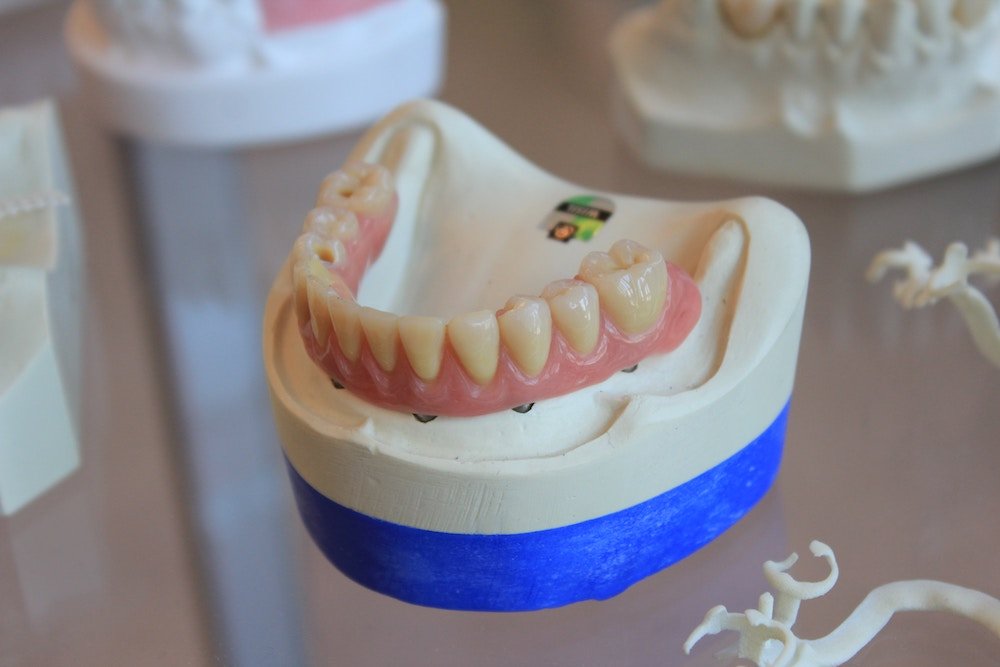
If they agree to be touched, caregivers should hug or hold their hands to remind them that they are safe and they can ask for help anytime.

It’s vital to check the emotional triggers that might be behind the anxiousness.

These could be things like the person feeling thirsty, hunger, wearing uncomfortable clothes, feeling pain, being too cold, hot, or need to use the washrooms.

If this is the case, offer practical solutions immediately like giving them a drink, food, snack, blanket, or change of clothes depending on the situation.

A person might also be feeling lonely, bored, or experiencing hallucinations, etc.

At this point, it is vital to identify activities that they love to keep them engaged so that they have something pleasant to look forward to.

Working Out

working out as a dementia anxiety treatment
Exercise also works as part of the dementia anxiety treatment plan. Working out helps to ease anxiety. Exercising does not have to be at the gym under a professional trainer.

Going out for walks, dancing, or a little gardening also counts as working out. Aerobic exercises, in particular, may be as effective as taking antidepressants.

Massages and deep breathing exercises can also offer some form of relief.

Needless to say, exercise goes hand in hand with good eating habits. Diet should include coconut oil, nuts, cinnamon, vitamin E, extra virgin olive oil, berries, turmeric, and berries.

An individual might also try the Mediterranean diet.

Modify Living Environment

modify living environment for people with dementia
Making adjustments to a person’s living space can also help persons who have dementia anxiety.

This is by ensuring the ill person stays in an environment that is safer and calmer.

Cutting background noises from the radio or TV can create a calmer space.

It is also important that they have a better structure for daily life, including activities that the individual finds meaningful.

Getting rid of clutter might make daily tasks more manageable. The use of night-lights or low-lighting can also help a person with anxiety feel less afraid and confused at night.

Joining Support Groups

dementia anxiety treatment joining support groups
Becoming a member of a support group can prove to be invaluable for a person who has dementia anxiety. It helps them meet other people who are in a similar situation.

This can help a person to feel more calm or relaxed because they get to understand that they are not the only ones with the problem.

The meeting sessions prove to be useful in terms of reducing anxiety and improving mood.

The groups also act as impactful resource centers where individuals can find heaps of information they can use to manage anxiety effectively.

Dementia Anxiety Treatment Closing Thoughts

Trying out different dementia anxiety treatment methods is crucial for a person with dementia.

This helps identify the most successful ones to help improve the life of the suffering individual significantly.

Before attempting any treatment option, it is important to consult a doctor to get the green light to go ahead.

The expert can also recommend the proper mix of drugs and caregiving tips to work with.