Dementia and Aggression (Complete Guide)

dementia and aggression

Since dementia and aggression, both physical and verbal, are very common in patients, we will look at all the possible causes and steps to soothe the situation.

People with dementia might sometimes become verbally or physically aggressive because of the damage that is happening in the brain.

In fact, it can be pretty common, as we experienced it 100s of times.

It is a normal part of the illness, and it can happen to seniors who have NEVER been violent all their lives.

Aggressive outbursts can be difficult and scary for ill persons as well as those around them.

Persons with the illness may start to curse, scowl, scream, hit, bite, grab, throw things, or push.

Family members and friends may not know how to react accordingly when their loved one with dementia starts to behave aggressively.

Below we discuss the possible causes of aggression and how to best approach it in people with dementia.

Causes of Aggression

causes of aggression
With most dementia cases, affected persons who start to showcase aggressive behaviors normally do so because they cannot communicate their needs.

They may lash out for various reasons like:

  • Pain or discomfort
  • Hunger or thirst
  • Stress or depression
  • Soiled clothes or diapers
  • Lack of enough sleep or rest
  • Feelings of loss
  • Constipation
  • Excessive noise in the room
  • Sudden changes in routine, well-known places, or people
  • Feeling lonely
  • Medicine interactions
  • The person may misunderstand the good intentions of caregivers
  • Being pushed by others to complete certain tasks like going out to socialize or remembering events or loved ones, etc.

Practical Tips for Dealing with Aggression

practical tips for dealing with aggression
Caregivers may not always understand why dementia patients behave the way they do.

It is, however, important to familiarize yourself with some of the aggressive scenarios that may arise during the illness so that you prepare well for such.

Below we look at some of the best ways to respond when a person with dementia experiences anger outbursts.

Remain Calm

remain calm
It’s natural to want to fight back or argue when you encounter an aggressive person.

Avoid the urge to do this and, instead, step back, and take several deep breaths before reacting. This will give the person with dementia some space and time.

Although it may not be easy, you should always try to remain as calm as possible when dealing with an individual who is being aggressive for one reason or the other.

You can leave the room if this is what it takes to feel calmer.

If the individual with the illness is showing signs of physical violence, try your best not to show any fear, anxiety, or alarm because this may increase the person’s agitation levels.

It may be difficult, especially in a situation where you feel threatened. If you genuinely feel like the person is a threat, get away from them and immediately call for help.

Unless it is necessary, avoid trying to restrain the person because this escalates the problem further.

Remember to speak calmly, stay positive, and keep reassuring the angry person.

Try and Identify what is Triggering Aggression Episodes

try and identify what is triggering aggression episodes
Another way to help an individual with dementia when they are being aggressive is to think about what was happening before the flare-ups.

Frustration, fear, or pain are among likely triggers. For instance, an individual may start yelling at an empty chair or commanding people in the room to leave.

When you look around, you may notice that the room is getting darker; and shadows may start showing up in corners so that it feels like there are other persons in the room.

To help calm the weak person, you can turn on the lights so that the shadows disappear.

If the aggression ceases, you will know to turn on the lights in a room before it becomes shadowy.

Rule out Pain

dementia and aggression
When a person who has dementia is feeling pain and they cannot voice this out, they are bound to become aggressive.

Before coming up with other solutions, it is important to try and rule out eliminate pain as the cause of aggression.

Some of the things that may cause the individual pain include:

  • Infections like UTI’s or chest infections
  • Existing medical conditions like arthritis
  • Constipation
  • Bruises, cuts, or other injuries
  • Sitting, sleeping, or moving around in an uncomfortable position
  • Earache, toothache, or issues with dentures
  • Finger or toenails that need trimming, amongst others

You can take the person for eyesight and hearing testing so that they can get hearing aids or glasses if obligatory.

Validate the Person’s Feelings

validate the persons feelings
When dealing with dementia and aggression, you must also try to put yourself in the shoes of the person exhibiting aggression.

Study their body language and try to imagine what they are trying to express or how they are currently feeling.

For example, if a person starts to remove their clothes, they may be feeling too hot, itchy, may need to use the washroom, or they may be feeling like the clothes are too tight.

If you can identify the issue that is bringing out the aggressive behavior, you can solve it with greater ease.

Worth noting is that the individual with dementia will most probably respond to facial expression, body language, and the tone of your voice rather than the words you choose to use.

Smile, use eye contact, or a reassuring touch to show compassion and pass your message. Remember that these behaviors are not personal.

Use Distractions

use distractions

During anger outbursts, you can try and distract a person so that they can focus on something else.

Soothing or classical music is one of the things that work well for people with dementia and aggression.

If the person is not feeling this type of music, you can always play their favorite tunes.

Singing along to some music as you complete some tasks like brushing teeth or dressing can make these easier.

Other than music, you can also shift focus to another enjoyable activity. This primarily works if a previous or current event is the cause of the agitation.

Give the person with dementia a moment to vent before you introduce a new activity so that you do not surprise them and make the problem worse.

Moreover, exercise can also be part of the distraction. Working out will not only help to reduce aggression, but it will improve sleep as well.

This can also offer social interaction opportunities providing caregivers a much-needed break.

Calm the Environment

calm the environment

At times, the room that a person is in may be the cause of aggression. A high percentage of people with dementia are usually sensitive to their environment.

This is especially if there is too much noise that is coming from other people, TV, radio, or other sources.

If the individual cannot get out of the room for one reason or another, you can politely ask the others to tone down.

Switching off devices that are making noise can also help to calm the situation.

Other steps that you can take to create a relaxing environment include carefully selected decorations.

Do this by contrasting the colors of floors and walls, and making sure that you cover mirrors when they are not in use.

It also helps to improve lighting and ensuring that the things that a person needs are within reach.

Be Realistic with Expectations

be realistic with expectations
When you are trying to cope with dementia and aggression, it is also important to be realistic about expectations.

Note that some calming techniques can work within no time while others take a while before bringing forth any positive results.

Depending on an individual some may not even work.

Learn to practice patience and understand that the person is not aggressive because they want to.

Always ask for help when you feel that you are stuck so that you remain in the right frame of mind when looking after the person with dementia.

Ensure Safety

ensure safety
You will notice that sometimes the person with dementia just needs a few minutes on their own to calm down or even forget that they are angry.

This means that you should leave them alone in the room so that they can regain balance.

Before you leave a person on their own, it is essential to ensure that the room is safe.

There are a couple of things you can do to enhance safety such as getting rid of clutter so that a person can move around with ease.

Marking doors or leaving them open can also help reduce confusion inside the house.

Experts also suggest that adding keepsakes or photos can help to evoke positive memories creating a pleasant environment.

If you feel like the individual with dementia is not safe at home, it may be time to consider a care facility.

All you need to do is carefully look for one that will take care of the needs of your loved ones so that they live a comfortable life despite dementia.

Dementia and Aggression Closing Thoughts

It is advisable to always look for the early warning signs of dementia and aggression.

This is because it is easier to deal with the cause before extreme behavior problems start.

Never try and ignore this issue because it will only become worse. When the aggression becomes overwhelming, consulting a doctor might be the only solution.

The medic will perform a medical exam to identify the cause of aggression.

When the need is, the professional may prescribe medication that can help to prevent or reduce aggression.

Statins and Dementia Risk (For Prevention?)

statins and dementia risk

We take a closer look at the possible connection between statins and dementia risk? Could the medication prevent the disease? Or does it cause memory loss?

Statins are a class of medication that lower cholesterol levels in the human body.

They block the enzyme responsible for making cholesterol in the liver.

This helps to reduce the risk of heart attack, chest pain, and stroke.

Additionally, some studies are now focusing on the use of statins and dementia risk.

Dementia has fast grown to become a healthcare concern around the globe. The disease already affects millions of people, and there are predictions that the numbers will double after two decades.

This means that the number of people who have dementia might rise to 74.7 million in 2025 and a whopping 152 million by 2050.

The fact that the disease does not have a cure does not help.

There was excitement when earlier studies revealed that there might be a connection between dementia prevention and statins use.

Later studies, however, did not draw similar promising inferences.

Experts continue to explore different avenues to introduce solid ways of preventing the development and progression of dementia.

While on this journey, researchers stumbled on the likelihood of statins reducing the risk of dementia. There are different types of statins that slightly differ from one another.

Some are also more likely to enter the brain than others.

Researchers claim that statins are instrumental when it comes to preventing and treating dementia, especially in middle-aged people.

Worth noting is that the results of one type of statin may not necessarily translate to another. This is because the drugs will regulate and prevent cholesterol metabolism in the brain.

Do statins have the potential to prevent dementia?

do statins have the potential to prevent dementia
Although statins have the potential to prevent the development of dementia, there are still some concerns about the safety of the drugs that need to be addressed.

It is mostly due to the conflicting results that studies have concerning the association of dementia and the use of statins.

Some observational studies report that in some cases, the use of statins is associated with a decrease in the risk of Alzheimer’s disease (AD) and dementia, as well as improvement of cognitive impairment.

Other studies refute these findings stating that statin use is not related to the risk of dementia.

One of the studies that support the fact that the meds can help with dementia risk decrement base their results on the fact that elevated serum cholesterol and high-cholesterol diet are risk factors for dementia and coronary heart disease.

They further support the theory by stating that hypercholesterolemia can be deposited in the hippocampus part of the brain.

This causes degeneration of neurons, which results in Alzheimer’s disease.

Statins may come in to reduce B-amyloid formation, which is possible through decreasing harmful cholesterol levels.

Statins are known to have a stable homeostasis effect on the nervous cholesterol system.

This gets in the way of cholesterol synthesis which lowers the cholesterol levels; thus, preventing metabolism of the amyloid precursor protein

The connection between Dementia and Cholesterol

the connection between dementia and cholesterol
Research suggests a possible connection between dementia and high cholesterol levels.

This is important to study when looking at how statins and dementia relate. Cholesterol is a fatty substance present in the body’s cells and blood.

A doctor can measure a person’s cholesterol levels to determine if there are healthy or harmful levels in the bloodstream.

The body makes this substance naturally, and you can also consume it in certain foods.

Studies are seeking to prove the connection between dementia and cholesterol look at several ways that link these two.

Evidence, although scanty, shows that high levels of cholesterol in a person’s blood can increase the risk of a person developing dementia, especially during mid-life.

Furthermore, if you have high levels of cholesterol in your blood, there is a high chance that you have other factors that can cause dementia.

These include factors like diabetes and high blood pressure.

This implies that it is complex to separate cholesterol and dementia.

Investigations are also going on to determine the role that cholesterol plays in the brain to lead to dementia development.

Statins and Memory Loss

statins and memory loss
When discussing statins and dementia, it is also important to talk about memory loss as one of the side effects of medications.

A section of patients who have high cholesterol has been on record saying that they experience memory loss while taking the meds.

This led the FDA (US Food and Drug Administration) to update statins safety information to include confusion, forgetfulness, and memory loss as possible side effects or risks.

Researchers have done several tests about this, but to date, there is still no evidence that statins are responsible for memory loss.

Researchers from John Hopkins Medicine in 2013 took to examine 41 studies to uncover the link between memory loss and statins.

All the studies followed 23,000 women and men who did not have any history with memory problems for about 25 years.

The professionals did not pick up on any evidence that supports the notion that statins cause loss of memory.

Note that the percentage of people on statins who had memory issues was not significantly different from those taking other medication that helps to lower cholesterol.

Instead, analyzing those studies revealed evidence that long-term use of statins may protect people against dementia.

Experts believe that some dementia types are brought about by blockages in the blood vessels that supply the brain with blood.

Taking statins can help to reduce some of the blockages.

Cognitive Function and Statins

cognitive function and statins
To further understand the relationship between statins and dementia, you must note that cholesterol is essential for brain function.

Around 25% of the body’s cholesterol is present in the brain. This helps with membrane function. It is possible that inhibition of cholesterol synthetic pathways theoretically results in adverse neurocognitive effects.

Statins might reduce cholesterol synthesis in a person’s brain; hence, interfere with myelin function and formation.

On the other hand, statins can also induce a decrease in coenzyme- Q10 levels, which may result in weakened mitochondrial functioning, as well as an increase in oxidative stress, which can also affect cognition.

Statins may as well have an impact on cholesterol levels.

Can Statins Reduce Risk of Dementia after Concussion

can statins reduce risk of dementia after concussion
JAMA Neurology published a study that suggests the use of statins reduces the risk of dementia in older adults after a concussion.

Researchers in this study evaluated billing data from physicians from the Ontario Health Insurance Plan.

They combined this with computerized health care records for dementia risk after a concussion in seniors over 66 years with and without statins use.

The population that took part in the study were older people who had experienced a concussion without a diagnosis of severe brain injury.

After thorough investigations, it revealed that the use of statins reduces the development of dementia by 13% when compared to the persons who were not on the medications.

An increase in prior hospitalization, physician visits, urban home location, total prescriptions, lower socioeconomic status, and older age were factors considered to increase dementia risk.

The experts also noted that other medications that participants took did not make a difference in the reduction of dementia risk. The meds did not make things better or worse.

Statin was the only exception among the other cardiovascular and lipid-lowering medicine.

Because there are different types of statins, deeper analysis showcased that Rosuvastatin was responsible for the largest reduction risk while simvastatin had the opposite effect (smallest reduction risk).

There was a correlation between the time participants took statins with higher/lower benefits, but the dosage did not affect the results.

Researchers in this study concluded that although elderly individuals have a higher dementia risk after suffering a concussion, there is a modest reduction in the risk of dementia for the persons who receive a statin.

Clinical Trials on the Use of Statins to Reduce Dementia Risk

clinical trials on the use of statins to reduce dementia risk
Studying statins and dementia demands looking into suitable clinical trials that can either support or refute the claim that statins are beneficial for reducing the risk of dementia.

There are multiple clinical trials in medical databases that compare administering statin as a pretend medicine or placebo to individuals with normal cognitive function and those who are at the age where they risk getting dementia.

Many trials did not show a reduction in the occurrence of dementia in people who use statins or placebo.

Side effects were also low in both groups.

It is, however, impossible to give accurate results of the trials because several limitations exist in these studies to provide proper results.

Researchers will, nonetheless, continue to improve these trials so that in the future, they can give an adequate deduction as to whether or not the use of statins can help with the prevention or treatment of dementia.

Statins and Dementia Closing Thoughts

The topic of the use of statins and dementia is COMPLEX. There is a need for more research to give conclusive results on how taking the medications can help reduce the risk of dementia.

In the future, experts may be in a position to identify individuals who can benefit from the use of statin based on genetic profiles of other factors of dementia risk.

For now, medics recommend that people follow healthy lifestyles first and foremost.

This includes regular exercise, eating well, and getting quality sleep.

The aforementioned are some of the ways that can help to reduce dementia risk.

Aluminum and Alzheimer’s Disease (Cause?)

aluminum and alzheimer's disease

we continue to explore the link between aluminum and Alzheimer’s when examining the causes and risk factors of the progressive disease.

Note: Aluminum (Al) is one of the elements that are in abundance in the world.

It occurs naturally in water and food.

The element is also widely in use by multiple industries as well as products that people use daily. These include cosmetics, cookware, cans, and medication, etc.

Some studies suggest that this chemical element associates with Alzheimer’s disease (AD). There are two main reasons this may be the case:

1. A considerable percentage of people with AD have been found to have HIGHER LEVELS of aluminum in the cerebrospinal fluid, serum, and brain.

2. Al bioaccumulates in cells, which results in bringing changes that are associated with loss of atrophy and function consistent with MRI findings in Alzheimer’s patient’s brains.

These factors led researchers to believe that elevated Al levels may either play a role in the development of the progressive disease or have a hand with its progression.
The idea was introduced in 1965 when researchers conducted a study with rabbits.

They found that the animals developed poisonous tau tangles in the brain after they were injected with high levels of aluminum.

This is another observation that led experts to believe that the chemical element plays a role in the development or worsening of Alzheimer’s disease.

The results of the injections were only positive after exposure to EXTREMELY high levels of the element. Note that this far exceeds the standards present in food or aluminum cookware that get into the human body.

How people consume aluminum?

Ever since the study, researchers have been trying to figure out if it is true that aluminum is one of the elements that causes Alzheimer’s.

Currently, only a couple of studies show a link between the illness and aluminum.

The others, which are a majority, conclude that there is nothing to worry about when it comes to Al and Alzheimer’s.

A couple of scenarios play out when looking for evidence on the same. There are different ways people consume aluminum.

Drinking Water

drinking water
Different meta-analyses studied the association between aluminum levels in the water people drink and the risk of dementia.

The results were inconclusive. One particular study involved around four thousand seniors in France.

It concluded that taking water with excess aluminum by just 0.1 mg a day increased the risk of Alzheimer’s three times.

The studies also reveal that other elements present in drinking water, such as iron, copper, zinc, or fluoride, might also affect cognitive function.

Drinking Tea

drinking tea
Surprisingly, tea is one of the few plants whose leaves have a huge trace of aluminum. This element typically seeps into the brewed beverage.

Even so, there is still no evidence that Alzheimer’s is more prevalent in cultures that drink a lot of tea.

Medication

medication
Some medications, specifically antacids and anti-ulcerative, usually have high aluminum levels.

A majority of antacids have about 35-208 mg per dose and it is higher for anti-ulcerative at 35-1450 mg per dose.

This is because aluminum hydroxide reduces acidity in the stomach.

Luckily, there are some aluminum-free options available, like Tums and Rolaids. Multiple studies, however, report that taking antacids regularly has nothing to do with Alzheimer’s disease.

More investigations are needed to give a true reflection of the relationship between the risk of Alzheimer’s and the use of antacids.

Use of Aluminum Pots and Pans

use of aluminum pots and pans
Many people fear that when they use aluminum cookware, beverage cans, foil, and other products, they will be exposed to harmful levels of the element.

The use of aluminum pans and pots contributes to a tiny percentage of the average intake of aluminum in human beings.

Realistically, it is also difficult to reduce exposure to aluminum significantly by avoiding aluminum kitchen products.

Use of Antiperspirants

use of antiperspirants
Another subject that needs to be studied more when it comes to the correlation between aluminum and Alzheimer’s is antiperspirant usage.

These contain aluminum salts that dissolve into the surface of the skin to form a barrier with the sweat ducts temporarily.

This stops sweat from flowing to the skin’s surface.

To date, there is still no study that pinpoints Alzheimer’s risk to the use of antiperspirants that have aluminum.

However, some show a link between breast cancer and the use of antiperspirants.

Multiple studies report that the body does not easily absorb aluminum salts in antiperspirant products. If some of the element gets in, the kidneys readily flush this out.

Conflicting Findings

conflicting findings
When talking about aluminum and Alzheimer’s, years of research has brought forth a lot of conflicting information.

Some of the findings support the notion that excessive aluminum can be a risk factor for Alzheimer’s, while others dispute this heavily.

Examples of some of the conclusions published include:

1. A few studies suggest that people who have Alzheimer’s disease have increased levels of aluminum in the brain. Other studies state this is not the case.

2. Some studies have found that there is a higher risk of people with occupational exposure to get dementia.

Understanding the Role of Aluminum in Alzheimer’s disease

understanding the role of aluminum in alzheimer's disease
Several environmental factors like diabetes, aging, drinking alcohol, smoking, trauma, and ischemia, etc. pose as risks of Alzheimer’s disease.

Al, on the other hand, may not play a significant role when it comes to cognitive decline and AD.

Nevertheless, the element might contribute to faster cognitive decline, especially in the older population, whether a person has Alzheimer’s or not.

More studies, however, need to be conducted to support this hypothesis.

Experts also acknowledge that it is challenging to study the effects of Al because the element is practically everywhere. A little dust may end up contaminating a sample compromising the results of a study.

The fact that aluminum is a pervasive element on earth implies it is hard to pinpoint the duration, dosage, and frequency of individual-level exposure.

Consequently, establishing, and cause and effect linkage between aluminum and Alzheimer’s is COMPLEX.

Why Aluminum May Be an Alzheimer’s disease Risk Factor

why aluminum may be an alzheimer's disease risk factor
As much as most studies show that AL has little to do with Alzheimer’s, some studies state otherwise.

An example of such is one led by Dr. Walter Lukiw a neuroscientist and professor of Ophthalmology, Neurology, and Neuroscience.

Together with other researchers, Dr. Lukiw’s team summarized several factors that link AD to aluminum, such as:

1. Al promotes beta-amyloid plaques in the brain at the same levels as those that are present in humans.

2. Aluminum enhances the brain inflammation by increasing nuclear factor kappa beta, a pro-inflammatory molecule. The molecule is usually present in the brains of persons who have Alzheimer’s disease.

3. The element increases brain gene messenger RNA molecules similar to those that become multiplied with AD.

4. Out of the many AD drug treatments tested to date, the use of aluminum chelator is so far one of the most effective therapeutic solutions yet.

5. Adding aluminum to the diets of animals who have Alzheimer’s causes more brain changes that are associated with the progressive disease. These include deficits in gene expression, cell death, and oxidative stress.

6. Some studies show that people who drink water with too much Al are at a higher risk of developing Alzheimer’s.

7. Aluminum tends to be the cause of similar cellular energy deficits that are related to AD. These include impaired signaling involving the use of energy and ATP.

A few factors bar further research into these findings

For starters, researchers claim that it is difficult to find funding when they want to pursue angles that deal with aluminum and Alzheimer’s.

This is because most people believe that this is just a myth that does not deserve too much research.

Additionally, experts also have a problem getting the research done “properly.” A researcher cannot test whether Al causes Alzheimer’s disease in humans directly.

This is because there is no ethical manner of giving humans huge doses of the element.

It means that scientists are left to rely on scientific investigative methods to determine the role of aluminum in the development or progression of AD.

One of the alternatives to this is animal studies:

1. The studies that counter this evidence usually support their claims by stating three important points.

Sufficient amounts of Bioavailable Al cannot enter the brain and cause damage.

2. Accumulation of aluminum in neurons is considered a consequence instead of a cause of neural loss, which is typical of AD.

3. Healthy kidneys efficiently excrete excess aluminum from the body.

Aluminum and Alzheimer’s Closing Thoughts

As seen above, there is still no persuasive or reliable evidence associating aluminum and Alzheimer’s.

Although some studies associate Alzheimer’s risk with aluminum, many state that there is no association between the two.

This may be because the study that triggered this entire debate was typically focused on a single animal (rabbit) that may be susceptible to aluminum poisoning.

Perhaps, if other types of animals are studied, the results will give us clearer answers.

It is, nonetheless, important to limit exposure to the element to be on the safe side based on the inconclusive findings on this topic.

Driving and Dementia (All You Need To Know)

driving and dementia

It is crucial for all of us to understand the close connection between driving and dementia and how to act accordingly to avoid inconvenience.

We experienced many UNPLEASANT situations, thus want to share this guide with you.

A positive dementia diagnosis usually comes with a myriad of concerns for the affected individual.

Among them include the ability of a person to drive safely.

How Does Dementia Affect Driving?

You will notice that many people who have dementia can no longer drive, especially if the disease has progressed to the later stages.

This can be very upsetting, particularly to the persons who feel like driving defines freedom and autonomy.

In addition to memory loss that is synonymous with dementia, other causes can also affect a person’s driving ability.

These include medical conditions that a person with dementia might be suffering from. The most common in seniors are hearing and vision problems.

Arthritis can also affect head-turning.

A fraction of older people with dementia have weaker muscles, which makes physical tasks like braking or steering rather difficult.

Medications, a person is taking, can also contribute to driving problems. Various depression drugs, as well as night sedatives, may affect how a person drives.

Individuals with dementia and their caregivers can benefit from our guidelines that can offer helpful pointers on the whole driving and dementia issue.

Read on to uncover important information about driving for people with dementia.

When Does a Person Become a Traffic Risk?

when does a person become a traffic risk
In some cases, though not all, a dementia diagnosis does not mean that a person immediately loses their driving skills.

Some people, particularly in the early stages of the disease, can go about their driving business without any complications.

However, due to the nature of the illness, everyone HAS TO STOP driving eventually.

This is because the disease becomes worse over time, which means that symptoms like a decrease in cognitive functioning, memory loss, and visual-spatial disorientation become more pronounced.

Some individuals will stop driving voluntarily after identifying the risks involved. Others may need intervention from relatives and caregivers.

Because everyone experiences the illness differently, it is not easy to pinpoint the right time a person should no longer be on the road as a driver.

As a general rule, persons with mild or early dementia should undergo an evaluation to know if they can continue driving.

Those who have moderate or severe dementia SHOULD keep off the wheel.

It may also help if the affected individuals and those around them are keen on the developing symptoms to make the decision at the right time.

Going For Independent Driving Evaluation

going for independent driving evaluation
Independent driving evaluations are some of the safest options to determine a person’s driving capability.

These are usually available through State Departments of Motor Vehicles or driver rehabilitation programs.

Remember to inform the examiners that the individual going through evaluation has dementia. These individuals usually sit for a behind-the-wheel driver re-examination.

This will determine whether the candidate will RETAIN their driving license or whether it will be revoked.

Because dementia is a progressive disease, it is recommended that drivers with dementia go through the evaluation often say after every six months or so.

If anyone FAILS the test, they must discontinue driving instantly.

Signs That Indicate It Is No Longer Safe to Drive

signs that indicate it is no longer safe to drive
A person’s behavior outside their car can tell if they can drive properly or not.

Some of the signs that a person may show signifying that they will not be good drivers include:

  • Has a hard time multitasking
  • Has a problem judging space and distance
  • Becomes less coordinated
  • Feels disoriented or gets lost in familiar environments
  • Is not as alert to things that are happening around them
  • Memory loss specifically for recent events increases
  • Has a hard time processing information
  • Has challenges with problem-solving and decision-making
  • Becomes more irritable, confused, and has mood swings
  • Needs prompting when it comes to personal care, etc.

It is advisable to compare previous behavior (before dementia onset) to current behavior to get an accurate picture of the transformation a person is going through.

Behavioral changes are usually noticeable to people who closely interact with the person with dementia over time.

The observations can then be shared with other friends, family members, and health care professionals.

Checking Driving Behaviors

checking driving behaviors
If the person with dementia gets the green light to continue driving, friends and family must continue to monitor their driving.

An individual’s driving skills can decrease in a short period. Observing driving conduct is crucial because it allows early problem detection before it becomes a crisis.

Some of the warning signs may consist of:

  • Ignoring traffic lights or confusion over road rules, colors, and words
  • Driving too slowly
  • Hitting curbs
  • Stopping in the middle of the road for no reason
  • Having challenges with highway exits, turns, or lane changes
  • Lacking good judgment
  • Driving at inappropriate speeds
  • Getting lost on familiar routes
  • Driving on the wrong streets
  • Drifting into other lanes unintentionally
  • Getting drowsy or falling asleep while driving
  • Confusing gas and brake pedals
  • Refusing to strap on seat belts
  • Parking at the wrong places
  • Coming back from routines drives later than usual
  • Getting tickets often for multiple violations
  • Having accidents or too many “near-misses”
  • Easily distractibility by road signs, pedestrians, or pets they may see while driving
  • Refusing to drive with other people in the car
  • Becomes irritated or nervous when driving, etc.

What To Do To Improve Driving Skills

what can be done to improve driving skills
Unfortunately, because of the declining nature of dementia, there is nothing that can be done to enhance driving skills.

As the disease becomes worse, many people become a hazard on the road. This implies that caregivers and doctors must take charge.

The affected individuals, doctors, and persons offering care must also familiarize themselves with the laws that govern driving and dementia.

In some locations, doctors must report any medical conditions that may get in the way of a person’s driving ability.

Getting “Difficult Persons” To Stop Driving

getting difficult persons to stop driving
Blood relatives and caregivers may, at times, be faced with a situation where an individual with dementia blatantly refuses to stop driving even when it is dangerous.

This is because most of them feel as though they lose a great deal of independence if they cannot drive themselves around.

Such circumstances call for a lot of wisdom when dealing with this aspect of driving and dementia.

The persons dealing with the topic can start by calmly and sympathetically talking to the affected individual, letting them know why driving is not a good idea.

Remember that the talks should be given out in small doses to give the affected individual time to process what lays ahead.

Be ready to listen and encourage the person to talk freely about how the changes make them feel.

Mention the positives, not the negatives

Stressing about the positives of quitting driving might drive the point home.

Try and appeal to the individual’s sense of responsibility all the time, reaffirming support and unconditional love.

Alternative transportation must also be offered so that the ill individual does not feel like they will not have the freedom of movement anymore.

If the people around cannot come up with a solution, it may be time to join a support group.

These offer a GREAT platform for caregivers and persons with dementia to talk to other individuals who are in a similar situation.

Seek help if necessary

They act as an excellent resource center to get tips on how to get the person to stop driving.

Experts believe that people will adjust better if they are involved in the discussions and decisions on when they should retire when it comes to driving.

Care managers and physicians might also help a person make the right timely decision. The professionals can tactfully bring up the driving topic during health visits.

A financial planner or lawyer may also step in to DISCUSS driving as part of the ill person’s financial and legal planning.

Affected persons may respond better to the experts as compared to their relatives or friends.

It can also help if family members and caregivers can come up with ways that reduce the need of the person with dementia to drive all the time.

It can be things like having prescriptions, groceries, and meals delivered at home.

Beauticians and barbers can be contracted to make home visits. Loved ones can visit often so that the person does not feel the need to go out and look for them.

Friends and family can also organize to take the person on social outings.

Slowly limit their driving

Where possible, it is usually best to start early rather than bombard a person to stop driving immediately.

For instance, during the onset of the middle stages of the disease, caregivers can work with an individual to introduce the concept of limiting their driving.

During these times, there are a few beneficial tips the dementia drivers can work with like:

  • Avoiding driving in bad weather and at night
  • Driving on familiar roads only
  • Avoiding long-distance drives
  • Escaping roads that have huge traffic amounts

Asking the person to co-pilot might also make the transition from driver to passenger a little easier.

When all else fails, caregivers may be forced to take drastic measures to ensure that the individual who has dementia does not go driving when they are not supposed to.

Some of the methods that can keep weak people from accessing their cars include:

  • Hiding car keys or replacing them with a set that will not start the car
  • Ensuring the car is out of sight
  • Disabling the car by removing the battery cable so that it will not start. A mechanic can also install a “kill switch” that the driver must engage in before starting the car.
  • Selling the vehicle

Alternate Transport Solutions

when does a person become a traffic risk
When tackling the topic of driving and dementia, it is important to table alternative transport options for individuals who can no longer drive.

These help individuals to continue living active lives with minimal restrictions on their mobility. Common transport options are:

Public Transportation

This comes in handy, especially in the early stages of the disease. This is where a person can get familiar with the transportation system in their area so that they get by without too many problems.

The option may not work for people who are in the last stages of the disease. This is because they may not be in a position to figure out how to get to the trains or buses or even their schedules and routes.

Senior Transportation Services

Some organizations offer exclusive transportation services for people who have special needs. A quick online search can help you identify some of the companies that extend these services.

Compare a few to settle on the ones you feel will meet the transport needs of the person with dementia.

Taxi

Just like public transportation, this may be a solution for people who are in the middle or early stages of the disease and preferably do not have any extreme behavioral issues.

Families can choose to set a payment account with a specific company so that the affected individual does not have to deal with taxi bills.

It is also a good option if someone accompanies the person with dementia to the taxi and has another person waiting for them at the destination.

Friends and Family

Family members, neighbors, and friends can offer to drive the person to their appointments and social engagements.

To avoid overburdening one person, make a list of the people willing to provide transportation alongside their contacts and availability.

Driving and Dementia Closing Thoughts

Car accidents are the leading cause of death-related injuries in persons between ages 65-74, according to various studies.

They are also the 2nd commonest cause of death for people who are above the age of 85 after falls.

Experts reveal that the risk of getting into an auto accident doubles for persons who have dementia.

It is, therefore, important to do due diligence when caring for a person with the illness so that they do not go out there driving putting their lives and those of other road users in danger.

Always keep in mind that driving ability spans many cognitive domains, and requires executive function, visuospatial skills, motor skills, attention, and memory.

Alcohol Dementia (Symptoms & Treatments)

alcohol dementia

We are observing the negative effects and health problems of alcohol daily, including alcohol dementia.

This is a health condition that leads to SEVERE cognitive issues as well as improper neurological functioning.

Alcohol-Related Dementia

It is one of the detrimental effects of alcohol on the human body that not many people are aware of.

The illness can affect any person at any age more so the ones who are into consuming LARGE quantities of alcohol over a short period.

It is unlike other dementia types that normally affect the elderly.

This kind of intoxication deprives the body of important nutrients causing brain damage as well as harmful effects to major organs in the body. Including pancreas, liver, kidneys, and many more.

Note that alcohol has a direct negative effect on brain cells.

This results in a lack of insight, poor judgment, and difficulties making proper decisions. To some extent, alcohol-induced dementia is similar to Alzheimer’s disease.

They both affect COGNITIVE and MEMORY abilities.

Symptoms of Alcohol Dementia

symptoms of alcohol dementia
Alcohol-related dementia is influenced by two important factors:

Korsakoff syndrome

This is a condition that translates through frequent episodes of confusion, depression, memory issues, and inability to speak among others.

Dementia and alcohol are related in this case because excessive alcohol consumption prevents normal neurological functioning.

This leads to the development of dementia in people who abuse alcohol.

Wernicke’s encephalopathy

This occurs when an individual does not have a vitamin known as thiamine in their body.

Over-the-top drinking and vomiting normally cause this.

Drinking too much alcohol regularly results in thiamine deficiency.

Experts reckon that alcoholics typically develop Wernicke’s encephalopathy first, which then causes Korsakoff syndrome.

Ultimately, the SEVERE MEMORY ISSUES that are associated with Korsakoff syndrome will result in dementia that is caused by alcoholism.

Check out some of the most common symptoms that people who have dementia caused by alcoholism showcase.

Confusion

confusion
This is one of the most common symptoms of this kind of dementia. People with the illness appear not to be in a position to think clearly.

Many feel disoriented and have a tough time making decisions or focusing.

Confusion normally makes a person experience sudden emotional changes like being agitated out of the blues.

An individual may also have incoherent speech and lack awareness of time or location.

Repetition

A high percentage of individuals who have this illness will find themselves telling the same story over and over again without even realizing it.

In line with this, some will also ask the same question repeatedly because THEY HAVE NO recollection of the queries that have just been asked or answered.

When having a conversation with such individuals, do not be shocked if they keep repeating the same information over ten times.

Impulsivity problems

A person who has alcohol dementia may start to be reckless with their finances.

This is where an individual may get into a habit of making rash financial decisions purchasing items they do not need.

They may also become too generous with their money giving it out aimlessly.

Such people usually have a DIFFICULT time CONTROLLING EMOTIONS. One minute they may be the happiest beings on earth and the next they start crying.

Inability to perform motor tasks

You may notice that a person who has alcohol-related dementia has challenges performing both simple and complex motor tasks.

These can include walking, running, getting dressed, or getting up and down a flight of stairs.

Heavy alcohol abusers also experience damage to nerves in their legs and arms.

These people normally have issues with sensation, and they might also demonstrate unsteadiness on their feet.

An array of psychiatric problems

an array of psychiatric problems
Dementia that relates to alcohol is also known to produce various psychiatric issues. These can include disconnect from reality (psychosis), anxiety, depression, and changes in personality.

Some may also develop apathy which can be MISTAKEN for depression.

Impaired ability to learn new things

It can become very difficult for a person who has this type of dementia to start learning new things. This is because damage to the brain affects its comprehending and processing ability.

Other symptoms may include but are not limited to frequent headaches, anger episodes, slurred speech, mood swings, decreased spontaneity and initiative, and memory gaps.

Oddly, persons who have alcohol-related dementia may seem to be in total control of their faculties drawing correct deductions, playing games that require mental skills like cards or chess, and making witty remarks, etc.

Before concluding that a person has alcohol-related dementia, you must seek the services of a professional or doctor.

Because of the symptoms that the illness has, it becomes difficult to tell right away that dementia has been caused by alcohol abuse.

Doctors, however, can conduct several proper tests to come up with the right diagnosis.

The professionals will also be in a position to advise on how to combat the illness in the right way, depending on the individual.

Treatment for Alcohol Dementia

treatment for alcohol dementia
It is advisable to start treating alcohol-related dementia as fast as possible.

If we detect this dementia early enough, it means that the damage to the nerves and brain will not be excessive.

While the treatment process can be quite stressful for candidates with alcohol-induced dementia, it is necessary, if a person wants to PREVENT further health problems or death.

Studies show that women have more success reversing the effects of alcohol-related dementia than men.

Both genders, nonetheless, require support from their friends and family while undergoing treatment.

There are several treatment options that a person who has this dementia type can explore such as:

Quitting Alcohol

To cure this type of dementia, a person simply needs to quit drinking alcohol. When a person stops taking alcohol, it prevents further damage to nerves and brain function.

People with the illness can also show improvement by improving diet and exercising.

Alcoholism Treatment

alcoholism treatment
Quitting consumption of alcohol may not be the easiest thing to do. Doctors may put the person with dementia on alcoholism treatment when the situation is dire.

This typically consists of multiple IV infusions and therapies that attempt to replenish the vital nutrients the body has lost.

Most people will have to stay in a clinic or hospital for a certain period so that they can be monitored closely during the treatment.

Some who have the willing power may, however, go through alcoholism treatment successfully at home.

Others may even need a rehabilitation center to stay “clean.” This is because, during the treatment, a person MUST NOT touch even a single drop of alcohol.

It is usually a difficult moment because an alcoholic at this point has been used to the toxic substance to an extent that their bodies crave it and most feel like they cannot survive without a drink.

In such cases, alcoholism support groups can be helpful.

Thiamine Therapy

Thiamine therapy also helps with the treatment of dementia from the abuse of alcohol. This provides the body with the much-needed B1 or thiamine vitamin.

This vitamin is crucial in the body because it helps the brain cells convert sugar into energy.

When there is thiamine deficiency, it means that the brain cells will not have enough energy to function well.

The treatment comes highly recommended because it enhances the neurological functioning of people with alcohol-related dementia.

Additionally, it can also PREVENT this type of dementia FROM PROGRESSING to more dangerous stages.

Counseling

counselling
It is important to incorporate counseling as part of treating dementia caused by alcoholism. This is where the affected person gets a chance to talk to professional therapists.

It can help identify the root cause of the problem to eliminate it. After dealing with what causes a person to OVERINDULGE in alcohol, the chances of relapsing become slimmer.

Persons who have alcohol dementia may also benefit from services that memory clinics offer.

It is, therefore, wise to seek referrals from your doctor to point you in the direction of a good clinic.

You can also consider addiction programs that have been successful in helping people abstain from alcohol for the rest of their lives.

If the person who has dementia is living in a retirement community, remember to communicate this to the caregivers early enough. This is because not all communities may be aware of the health condition.

Some may not even have the proper resources to extend beneficial care.

If you find yourself in such a situation, continue searching until you can identify the community that will be the right fit.

Alcohol Dementia Final Remarks

To clarify things, alcohol dementia mostly affects people who drink EXCESSIVELY.

It is very rare for a person who gets tipsy once a week by having a few wine or beer glasses to develop the illness.

Individuals who are at risk are the ones who frequently intoxicate themselves with alcohol and suffer from hangover symptoms almost every day.

These are the people who are always feeling dizzy and vomit all the time.

Not treating the disease early enough can make it an incurable health condition.

Nonetheless, administering proper treatment on time gives alcoholics a chance to lead a happy, alcohol-free life.

Music Therapy and Dementia (How It Helps?)

music therapy and dementia

After several studies and researches, we also tested it ourself and it shows that music therapy and dementia go very well together.

The number of people with dementia continues to soar. Statistics indicate that about fifty million people globally are living with dementia.

Because the illness does not have a cure yet, experts in the field and caregivers continue to explore ways and therapies to offer care and support to individuals with dementia.

One of the care methods that has PROVED to have DRAMATIC effects on people with dementia is music therapy.

This is a type of treatment that seeks to improve functioning to enhance the quality of life.

The Amazing Benefits Of Music Therapy

Over the years, there have been many scientific findings showing that music therapy comes with numerous benefits to persons with dementia.

Check out some of the ways music therapy and dementia go hand in hand to help people with the condition.

Helps Unlock Memories

helps unlock memories
Music has the power to unlock memories. Studies reveal that music has a way of reaching parts of a damaged brain that other forms of communication cannot penetrate.

Professor Paul Robertson, an academic and concert violinist, reported that humans tend to remain contactable as musical beings on a certain level up until they take their very last breath.

He explained his findings further by stating that the brain’s auditory system is usually THE FIRST to function fully at sixteen weeks, implying that a person is musically receptive first.

In this case, it is a first in, last out situation.

This is one of the reasons multiple musical organizations offer home care visits that benefit residents with dementia.

Evokes Engagement

evokes engagement
When talking about music therapy and dementia, it is important to understand that music does not only affect you emotionally but physically as well.

Experts explain that the sounds that music therapy produces help to awaken some parts of the brain that have not been impacted by dementia.

Music EVOKES responses like movement, humming or singing, and short-term reconnection moments with loved ones.

This typically works when an individual remembers the songs they used to love when they were young.

The type of music usually has the strongest responses scoring highly in regards to recollection and engagement.

Unfamiliar music can also work well, especially when it has no negative reactions since it carries no emotions or memories.

Can Be a Welcome Distraction

music therapy and dementia
Music therapy is normally beneficial in all stages of dementia from the onset of the disease all the way to the last stages.

For instance, during the middle stages, a person with dementia may experience challenges with their behaviors.

At this point, music can be a great way to distract an individual.

A caregiver or aide can sing to a person when they are feeling frustrated or uneasy and it can help calm them down.

This may also work when the individual is handling a specific job. The music can give them the MOTIVATION they need to complete the tasks at hand.

Uplifts Moods

uplifts moods
Many are the times when persons with dementia feel low for one reason or the other. Music, for a long time, has proved to help brighten the moods of people with the illness.

Music can also help seniors to fight depression while encouraging positive interactions.

An individual may be sulking one minute, but when they listen to music, a smile may start forming on their face right away.

When you want to improve moods, it is usually best to play “stimulative music” that features quick tempos as well as percussive sounds. This kind tends to promote energy and movement naturally.

Leads to Better Health

leads to better health
Better health is often associated with music therapy and dementia. This kind of treatment can STIMULATE and STRUCTURE physical movement.

It is particularly helpful in those who are less likely to work out or engage in other physical activity.

It goes without saying that physical activity facilitates the health of various systems in the body including lymphatic, digestive, cardiovascular, respiratory, nervous, and skeletal/muscular among many others.

When verbal directions cannot be used to give out directions for exercise programs, music can offer the rhythm that is needed to stimulate participation.

Singing aids a person in deep breathing a prerequisite for physical relaxation.

This often precedes deep relaxation and sleep at times. Singing is enjoyable and comfortable for many.

Reduces Social Isolation

reduces social isolation
It happens commonly that music therapy professionals conduct group sessions for persons who have dementia.

This helps to reduce social isolation because it encourages golden-agers with the illness to go out there and interact with other people.

It is especially helpful for people who feel like they do not belong to any group. Thus, shy away from activities that can significantly benefit them at the end of the day.

When a person who is around others with a similar condition, they are bound to open up. This can result in making new friends and participating in fun activities that will make them happy.

Assist with Speech

assist with speech
Many experts agree that music therapy plays a crucial role in helping persons with dementia to communicate effectively. Persons who work with therapists have been known to speak clearer and even make better decisions.

When a person listens to music, they can pick up some words they know to help them construct sensible sentences to hold a conversation with another person without too much difficulty.

The therapy can even help SLOW DOWN sleep deterioration and language skills in individuals with dementia.

Some studies show that even though a person with this disease loses the ability to speak, most of the time, they can still recognize, or also sing or hum their favorite tunes.

Can Be Part of a Holistic Treatment Approach

can be part of a holistic treatment approach
Experts who deal with music therapy and dementia can combine the therapy with other therapeutical activities to come up with a holistic treatment approach to dementia.

Professional therapists can guide senior citizens with dementia as they participate in other activities such as games, creating art, cooking, crafts, and gardening, etc.

The experts should ensure that seniors with the medical condition always have a relaxed environment. A location where they can have fun without any stringent schedules to adhere to.

Even in the later stages, music therapy can also be used to offer a sense of better control over life.

It helps coordinate motor movements and aid in enhanced brain function.

Reduce Anxiety and Stress

reduce anxiety and stress
Music therapy offers persons with dementia an avenue to get other people to listen to them and communicate experiences to find ways of distressing.

Participating in this type of treatment brings about positive influences in various areas of a person’s life.

This includes hope, communication skills, optimism, and well-being.

Many individuals with the illness also record increases in perceived happiness, enjoyment, enhanced mental health, and improved quality of life.

Additionally, structured therapy improves the potential for positive experiences leading to a positive impact on factors like self-efficacy and esteem.

This is important because it makes a person feel worthy again to live their lives to the fullest despite what they are going through.

Boosts Good Feelings and Ideas

boosts good feelings and ideas
Let’s face it, when listening to music, it is ALMOST IMPOSSIBLE to feel down. Sure, we need to focus on listening to the music that cheers us up and makes us feel good.

Why would you even want to listen to the tunes that make you feel sad and lonely?

Of course, music therapy is a FANTASTIC approach that will boost good feelings and great ideas in a person with dementia. It is a simple technique that almost always does the trick.

You can practice it immediately, especially if you have their favorite artist at hand. Raise the good vibes and let everyone in the room feel good by tuning in some good songs.

Manages Sleep Disorders

manages sleep disorders
It is not uncommon for persons with dementia to experience troubles when it comes to sleep patterns.

Music therapy can assist such individuals to have longer hours of deep sleep. This is a great move for the health of an individual.

After all, getting enough rest and sleep is another way of reducing stress, anxiety, and agitation.

In regards to sleep, some people who have dementia will sleep better when they listen to some soothing tunes before they retire to bed.

Listening to such music helps to calm the soul so that an individual is not overthinking. Meaning, they can sleep peacefully for longer hours.

Some experts advise that listening to music before sleeping helps with insomnia, too.

Improves Motor-Functioning

improves motor functioning
Enhanced motor functioning is another area where individuals with dementia can benefit when they start music therapy.

When good music is playing, there is a high chance that the person listening will want to move about and dance.

Even when a person cannot stand up, they will probably move their arms and legs promoting coordination.

Tapping and clapping is another response to music that can help introduce feel-good hormones and get the blood flowing right.

A person can also improve their motor skills when they are playing an instrument. It can lead to more independence, especially if an individual is not yet in the last stages of the disease.

Music Therapy and Dementia Closing Remarks


The Alzheimer’s Association confirms that music therapy helps to add something fundamental to the lives of individuals with dementia-related illnesses.

This is why it is important to learn about music therapy and dementia. To some extent, it would be safe to say that music is therapeutic.

It offers individuals with the illness a chance not only to express themselves but also to engage with others.

Note that the simple act of playing music is not considered music therapy. Only credentialed experts can provide musical treatment so that it can bring out the desired effects in persons with dementia.

You must, therefore, DO ENOUGH RESEARCH when looking for a professional therapist to ensure that the individual with dementia remains in good hands.

Should You Correct Someone With Dementia?

should you correct someone with dementia

When we communicate with persons with dementia, they may say something wrong or untrue and that’s when we start to wonder whether it is right to correct someone with dementia.

When speaking with a person with the illness, it is IMPORTANT to understand that the disease affects how an individual communicates because it causes the brain to malfunction.

Should I correct my grandparent with dementia?

This implies that if a person is saying something that is not true, they may not be doing it on purpose because it is the illness “speaking.”

The reality of persons with dementia may be different from your reality.

This simply means that THEY BELIEVE what they are saying because that’s what their brain is telling them.

Confabulation

While trying to interact with those around them, persons with dementia normally experience confabulation.

We can describe this as memory distortion where individuals express false information to others.

2 Reasons for confabulation

Should You Correct Someone With Dementia?
There are two primary reasons confabulation may occur and these are:

1. The details were not encoded properly in the brain.

Some distractions may occur while the details were being processed preventing them from being completely or correctly inputted into the brain’s memory.

2. Over-Learned details may be more dominant.

For instance, interesting stories, well-known facts, or typical life habits may rise to the forefront in an individual’s mind.

This ends up pushing out other specific facts. This may cause a person to lean more on inaccuracies instead of the truth.

The main reason memory and encoding are impaired in dementia are that the disease affects the hippocampus area in the brain.

This is the section that is responsible for encoding and memory.

To answer the query on whether it is right to correct someone with dementia: It is not.

Most of the time, it is better to be kind rather than be right.

People with the illness are already going through so much because of all the changes happening in their brain; hence, need a break once in a while.

Correcting a person with the illness may only lead to arguments that can agitate a person resulting in more behavioral problems.

It’s better to be kind rather than right

Trying to use reason and logic to try and explain why the affected person is wrong is likely to cause defensiveness, confusion, anger, agitation, or acting out with challenging behavior.

Going along with what a person is saying may work best.

Agreeing with persons who have dementia will not do any harm and it will make them feel happier and calmer.

But then the question comes, “Do you tell a person with dementia the truth?”

It is important to know that you should not lie to them with some exceptions where white lies are necessary.

For the most part, it’s better to stay on their side, following a person’s REALITY, which can be referred to as therapeutic fibbing.

This is all about agreeing or saying some things that are not true to avoid causing people with dementia distress.

It also makes them feel comforted and safe.

Closing Remarks

Communicating with a person who has dementia may be quite challenging at times especially if they are not making sense of whatever they are saying. It is clear that, should you correct someone with dementia, it will cause confusion and upset.

Although it may be tempting to correct someone with dementia, do not fall into this temptation.

Instead, try and meet the affected person where they are always practicing understanding, patience, kindness, and love during conversations.

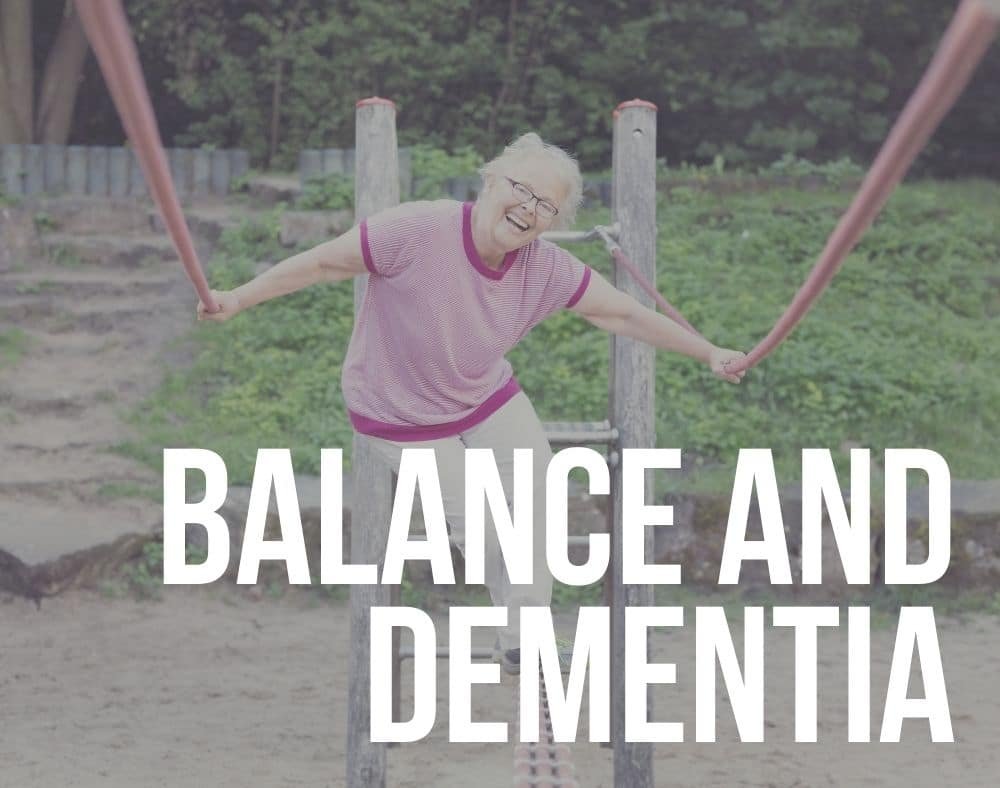
Understanding Poor Balance and Dementia

balance and dementia

We found it essential to understand the connection between poor balance and dementia when carrying for grandparents.

As a consequence, we combined our experience with studies to bring you this EXTENSIVE OVERVIEW of balance loss in dementia.

Persons living with dementia normally experience poor balance at several stages.

Some people will start losing balance when walking or standing before other dementia symptoms start to develop. This may be an indication that the individual is at risk of developing Alzheimer’s.

Understanding Balance Loss in Dementia (+ Tips)

Researchers from the University of California conducted a study that identified a strong correlation between the risk of dementia and poor balance. They used 2 types of physical performance tests: the 13-foot walking test and the standing balance test.

The professionals discovered that poor balance recorded the strongest association with dementia incidences.

It can also be a sign that an individual is already suffering from another type of dementia.

A person may exhibit loss of balance differently depending on the type of dementia they have.

For instance, for Alzheimer’s disease (AD), loss of balance is TYPICALLY a sign of the late stages of the illness.

When seniors are experiencing poor balance and they are not showcasing memory loss or any other early dementia warning signs, vascular dementia may cause poor balance.

Causes of Poor Balance for Individuals with Dementia

causes of poor balance for individuals with dementia
Individuals experience poor balance and dementia for a variety of reasons and some of them are:

Damaged Brain Vessels

If an individual has vascular dementia, it means that damaged blood vessels are blocking or reducing the flow of blood to the brain. This can cause problems with balance, movement, and weakness on one side of the body.

This is mostly because the illness NEGATIVELY affects the cerebellum. The cerebellum is the part of the brain that is responsible for controlling body movements.

It is located close to the back base of the skull. Because dementia is a progressive illness, the symptoms only get worse over time.

Alzheimer’s disease

AD is another reason people will experience poor balance. This normally happens in the later stages of the illness.

As the brain cells continue to deteriorate, neural communication in the body also becomes worse. This causes people with Alzheimer’s to have challenges seeing, walking, and processing information about the physical environment.

All this ends up affecting a person’s balance.

A majority of people will start changing how they walk as they START shuffling their feet rather than lifting them with each step.

This makes it very hard to walk, a loss of balance, and falls also become more likely.

Medications

Many drugs that seniors take cause light-headedness or dizziness which can increase the risks of falls.

These can include medications prescribed for blood pressure or the ones that individuals take to relieve other symptoms they may have.

Consulting a doctor may help confirm whether the medications a person is taking are causing loss of balance.

The professional will then CHANGE the drugs to options with less or no interactions.

Note: Hearing aids and cochlear implants that are rooted inside the ear could also be the cause of dizziness and vertigo which may explain why a person has balance issues.

Identifying Balance Problems

identifying balance problems
Several signs may be an indication that a person had poor balance such as:

  • Walking unsteadily
  • Bumping into things
  • Shuffling of feet instead of lifting them
  • Stooped posture
  • Turning through small steps instead of pivoting on heels

Dealing with Poor Balance and Dementia

When a person with dementia is experiencing issues with balance, there are a few tips they can work with to help cope with the changes.

Early Detection

early detection of balance issue in dementia
An early dementia diagnosis may help LIMIT the severity and impact of poor balance.

It is, therefore, important for anyone who suspects having any type of dementia to consult a doctor as soon as possible.

This increases the chance of catching the illness early.

Home Improvements

If the person with dementia is experiencing poor balance and is still leaving at home, it may be important to make some adjustments at home to create a more secure environment.

These include the installation of walk-in-baths/ showers or wet rooms to make bathing easier and safer.

Installation of anti-slip floors, handrails, seats, and low threshold entry points can also help.

Try and ENSURE that the home is easy to navigate as this reduces accidents while ensuring affected persons retain their independence.

By creating a dementia-friendly home, you may be able to leave someone with dementia home alone for longer.

Working Out

working out to alleviate poor balance in dementia
If a person is able; it helps to engage in exercises like leg lifts, Tai Chi or riding a stationary bike.

Exercises are important for people with poor balance and dementia because it not only increases flexibility but it also enhances memory and lowers anxiety.

Low-impact workouts can also help strengthen leg muscles, improve balance, and maintain bone density.

Mobility Aids

The use of mobility aids like walkers and canes can help people with dementia maintain balance and become more comfortable when walking or standing.

Remember to talk to a physical therapist or doctor before getting any mobility aid so that the experts can GUIDE YOU on the most effective aid to purchase.

Balance and Dementia Closing Thoughts

Caring for a person with dementia means that the caregiver at some point may have to deal with poor balance and dementia.

It is important to understand what causes balance issues and come up with effective ways of dealing with the problem.

This way, the person with the progressive illness gets to lead a more COMFORTABLE LIFE and reduces the risk of falls, pain and other accidents.

Dementia and Weight Loss in Patients

dementia and weight loss

Due to our close experience with dementia and weight loss, we found it essential to conduct this extensive article.

People who have dementia may, at one point in the illness, may deal with weight loss at the same time.

This especially happens in the later stages of the disease.

This can be very heartbreaking, due to the fact that food is a very crucial part of a person’s existence and health.

Below we talk about weight loss in people who have dementia.

We mention causes, negative effects, and how to manage this distressing condition.

Causes of Weight Loss

Several factors can contribute to weight loss in people who have dementia, such as:

Not Eating Enough

not eating enough
A person with dementia may lose weight because they are not getting enough food.

This may be because their preference of food has changed, or caregivers are serving the WRONG consistency, which makes it difficult to swallow.

Others fail to consume enough food because they lose their ability to recognize food.

Some individuals with dementia may be hungry but forget how to put the food in their mouths.

Medical Conditions

medical conditions
Some medical conditions may be behind weight loss in people with dementia.

These can include constipation, depression, dehydration, thyroid disease, pain, chronic infections, and end-organ diseases, amongst others.

Oral Problems

oral problems
Many people struggling with dementia and weight loss often have oral issues that affect their ABILITY to communicate and eat.

A person might have challenges while eating because they have mouth ulcers, poorly fitting dentures, or bad teeth.

Poor oral health leads to pain, which can make it DIFFICULT for a person to chew and swallow food.

Certain medicines

certain medicines
Weight loss can also be a side-effect of the many medications that persons with dementia take.

These TYPES OF DRUGS may include cardiac medications, endocrine drugs, psychotics, neurologics, joint, bone, and pain medicines.

Psychological Issues

psychological issues
Persons with dementia who are psychiatrically disturbed may become delusional about food. They can decline to eat for fear of food poisoning.

Others may refuse to enter the dining area because of distractions like hearing voices in their heads.

Some may start eating well but leave before completing the meal.

Burning more Calories

burning more calories
A person with dementia may end up losing more weight because they burn calories fast. This is specifically those people who are always in motion pacing and wandering.

Negative Effects of Losing Weight

negative effects of losing weight
The immune system of persons dealing with dementia and weight loss may become weak, which makes it more challenging for the body to fight off other illnesses and infections.

The risk of falling also increases, which makes it challenging for an individual to remain independent.

Managing Weight Loss in Persons Who Have Dementia

Dementia and weight loss management
To avoid a majority of the complications that develop with dementia and weight loss, it is advisable to offer ill persons all the support they need when it comes to HEALTHY eating and drinking.

If the person still shows interest during meal times, there are a few steps you can take to ensure they eat well, such as:

Support for healthy eating

1. Choosing a plate that has a different color from the food so that the person with dementia can see it more clearly.

It also helps to offer flavourful food.

2. Feeding them or putting a drink in their hand if they have difficulties seeing it.

3. Giving the individual enough time to eat and drink.

4. Encouraging the person to participate in exercise during the day can help to increase appetite.

You can opt for activities like taking short walks, swimming, dancing and playing games that the person with dementia finds pleasurable.
increase appetite

5. Try and give them foods that they enjoy, especially if you can provide a healthier option so that the suffering person can always look forward to mealtimes.

For instance, if a person prefers sweet food, you can always serve them a lot of fruit and a little forward so that at the end of the day, they still consume a balanced diet that is good for their health.

Note that smells and tastes from their favorite foods can stimulate the appetite.

Additionally, it is essential to serve tender food that is cut into small bites so that the person with dementia does not have a tough time chewing and swallowing the food.

6. Avoid distractions and overstimulation in the dining areas.

Turning off the TV or radio and making sure people do not make too much noise during meal times can help create the ideal eating environment.

7. Another management strategy when dealing with dementia and weight loss is to ensure that the affected persons eat with dentures, glasses, and hearing aids intact with working battering.

When a person cannot sit still for over fifteen minutes, it is best to give them snacks between meals because hunger is one of the leading causes of agitation in persons with dementia.

8. At times, in dire cases, family members may consider going the artificial feeding route.

This is where experts feed the ill person using tubes that are directly inserted into the stomach.
experts feed the sick person using tubes

If you feel like you cannot solve the problem at home, consult a professional speech pathologist or a dietician who will advise on the best way forward.

Treatment primarily focuses on FIBER, FLUID, and CALORIES for the affected persons.

This is because ill persons require sufficient fiber, proper hydration, and adequate food to maintain the ideal caloric function, nutrition, and weight.

You should also schedule a visit to the dentist if eating problems are stemming from oral issues.

Professionals may also prescribe psychotropic medications to treat problems like depression, hallucinations, and delusions.

Closing Thoughts

It is QUITE COMMON for seniors to experience dementia and weight loss concurrently.

A person with the sickness may lose weight rapidly despite getting all the food they want.

With some individuals with dementia, weight loss may be a part of the dying process.

This is especially if contract cachexia an advanced disease which inhibits the body from absorbing nutrients from food even when a person is getting enough to eat.

With time, the individuals lose appetite, become tired and weak and the body gradually slows down and prepares for passing.

Why Is Routine Important For Dementia?

why is routine important for dementia

One of the questions that frequently come up in our email inbox is why routine is important for dementia.

Because dementia is a progressive disease, people with the illness usually start to lose their independence as they are unable to complete various daily tasks effectively.

The Importance of Routine for Dementia/Alzheimer’s

A daily routine is, therefore, IMPORTANT for individuals with the illness. It helps people navigate their world in a more predictable manner.

Experts agree that individuals with dementia THRIVE on familiarity because this makes them feel calm, reassured, and comforted.

This also helps to add some sense of order to their days. Especially in the early stages of the illness.

Benefits of Daily Routines for Persons with Dementia

Keep in mind that routines/habits are normally stored in LONG-TERM memory (subconscious mind).

benefits of daily routines for persons with dementia

At first, dementia affects short-term memory which implies that affected individuals will still have access to the routines even in the middle stages of the illness.

Persons with dementia often struggle with short-term memory loss. They have a hard time learning new ways of doing things.

The individuals can struggle to stay focused for a long time or even remember instructions on how to carry out a particular task.

Daily routines come in handy because a person does not have to worry about learning anything new. Hence, effectively copes with short-term memory loss warning signs.

Because a person is handling familiar tasks, routines also help to reinforce a sense of independence. This can boost self-esteem and even help people retain skills for a longer period.

Calming anxiety

Anxiety reduction is another answer for anyone asking why is routine important for dementia.

As people with the progressive illness start to lose their physical and cognitive abilities, they tend to become more frustrated with life.

Routine is crucial because it helps affected persons face their daily challenges with a greater sense of peace as well as security.

This HELPS to REDUCE agitation, stress, aggression, restlessness, and other irrational behaviors.

Daily routines do not only benefit people with dementia because they also help to reduce caregiver stress.

When daily routines are established, days become more predictable which ensures things run more smoothly.

When individuals with dementia are less anxious or agitated they have more chances for moments of connection and happiness.

Sleep

Better sleep is another answer to the IMPORTANCE of routine and dementia.

Having a daily routine can help seniors with the progressive illness enjoy better sleep.

An individual who gets enough sleep becomes well rested to face the day ahead.

A study revealed that taking part in basic activities like bathing, dressing, and eating at the same time daily ENHANCES the quality of sleep.

How to Develop Daily Routines

Why Is Routine Important For Dementia?
After learning why is routine important for dementia, it is also recommended that caregivers learn how to develop helpful routines.

Crafting routines for a person with dementia may NOT be easy.

However, some strategies and tips can help in the development of the routines for people with the neurodegenerative illness.

Some of them include:

Coming up with Personalized Routines

It is important to note that dementia DOES NOT have the same effect on everyone who has the disease.

This means that a caregiver has to study the likes and dislikes of the person they are caring for to come up with a suitable routine.

Take into consideration a person’s bathing, grooming, dressing, eating, and toileting schedules when crafting the routine.

It is normally HELPFUL to keep routines in line with what the affected person has done for most of their lives.

For instance, if the person has been brushing their teeth after breakfast, let them maintain this routine.

Be Flexible

Note that as the illness progresses, the abilities of the affected persons will also change.

be flexible

It is, therefore, important to be flexible and adjust routines accordingly. Allow persons with dementia to handle as much as they can without too much pressure.

Patience is also key when dealing with persons with the illness. As time goes by, they may need to take more time doing tasks they used to complete fast.

Consider taking a break or changing the activity when a person becomes irritable or bored to avoid overwhelming them.

Additionally, it is also vital to have a section for spontaneous activities like visiting a friend or relative to the routine.

Involve the Person with Dementia

When coming up with a routine for the person with the progressive illness, get their input to know about their preferences.

It is also important to get them involved in simple tasks they can complete with ease. It can be ANYTHING from folding laundry or doing dishes because this helps maintain motor and cognitive skills.

Even if the affected persons complete the job perfectly, let them do it without any correction or ridicule.

Remember to offer praises when they are done as this helps boost a sense of self-worth and accomplishment.

Include Exercises

Daily routines should also include fun physical exercises.

It does not have to be anything strenuous but SIMPLE activities that a person can complete without too much struggle.

Depending on a person’s abilities, they can go for walks go to the gym, or even engage in chair yoga.

Include Therapeutic Activities

include therapeutic activities
Include activities that the person with dementia ENJOYS as part of their routine.

Examples of this include doing arts and crafts, puzzles, gardening, listening to music, or playing games, etc.

It is also recommended that carers add activities that help create a sense of time.

For example, putting on a show they love to watch in the evening so that they can know it’s time to sleep in a few hours.

The nonverbal cues will prove to be helpful in the later stages of the illness when the individual loses their ability to communicate well.

When coming up with a daily routine, note that disruptions may occur and the affected person may not always follow the routine to the latter.

Caregivers should not beat themselves too hard about this. Routines are only put in place to offer structure; thus, should not be too rigid.

Closing Thoughts

When asking why is routine important for dementia, it is essential to note that the benefits of routine are profound.

Because human beings are creatures of habit having routines is crucial for decreasing behavioral habits, enhancing comfort, boosting self-esteem, increasing a sense of safety and security, and a host of other perks.

Bonus: What is a Routine?

Routines can be described as things that happen regularly, often daily.

They can compromise activities like:

  • Eating breakfast
  • Taking a shower
  • Reading the newspaper or magazine
  • Working out
  • Eating
  • Taking medication
  • Drinking water
  • Doing the dishes
  • Going for a walk
  • Getting hair done on Saturday, etc.

Routines may also outline the order in which tasks should be completed.

For example, before a person goes to bed, they may want to start by visiting the bathroom, brushing teeth, using the toilet, washing hands, and finally retiring.